Ghumoopedia — Explore, Discover, Experience
Sign in
Gokak Falls, near Terdal

City guide · Karnataka

Terdal

Terdal is a municipal town in the northwestern part of Bagalkot district, close to the Belagavi district border. Its importance is chiefly local: it serves residents and surrounding villages with everyday services, shops and a meeting point for regional trade.

Famous for

  • North Karnataka market-town life
  • Agricultural trade
  • Kannada-Marathi borderland culture

Why Terdal matters

Terdal is a municipal town in the northwestern part of Bagalkot district, close to the Belagavi district border. Its importance is chiefly local: it serves residents and surrounding villages with everyday services, shops and a meeting point for regional trade. The town’s setting also gives it a place within the Kannada-speaking north Karnataka region, where Marathi is heard across nearby areas and communities have long-standing connections across district boundaries.

Terdal is not widely known as a major sightseeing destination or as the home of a nationally recognised craft or GI-tagged product. Visitors are more likely to find an unhurried small-town experience: local market streets, everyday food and a view of life in the agricultural hinterland. It can also serve as a convenient stop for travellers exploring smaller settlements in Bagalkot district. For a visit, it is best to approach Terdal as a regional town rather than expect a large concentration of formal attractions; local residents and businesses are the most useful guides to current community events and places of interest.
Famous for: crafts, trade & products

Terdal’s public identity is primarily that of a local service and trading centre for its surrounding settlements. Its market area is the natural place to look for daily necessities and seasonal produce brought in from the agricultural hinterland. As in other towns in north Karnataka, shops may stock regional staples and household goods, but particular products, workshops or specialist shopping streets should not be assumed without checking locally.

Terdal is not widely associated with a documented, town-specific textile, handicraft or GI-tagged product. Nor is there a well-established visitor market for a signature craft that can confidently be singled out. Travellers interested in locally made goods can ask in the central bazaar about current producers and weekly market activity; availability may vary. For broader craft and shopping choices, larger district and regional centres are more likely to offer a wider selection. The most dependable reason to browse Terdal’s shops is to see the everyday exchange between the town and its nearby villages, rather than to seek a particular branded souvenir or specialised industry.

History

Terdal’s history is less prominently recorded than that of major historic centres in the Deccan, so a detailed succession of rulers or a precise account of its early growth is difficult to establish. The wider north Karnataka region has been shaped by changing Deccan powers, including the Chalukyas, later sultanates and Maratha authorities. In the colonial period, this borderland included areas administered through British-era provincial arrangements as well as nearby princely states; those regional changes do not by themselves establish a specific political history for Terdal.

In more recent times, Terdal developed as a local town serving settlements and agricultural activity in the surrounding countryside. Its municipal status reflects that civic role. Bagalkot became a separate district in 1997, and Terdal is now one of its municipal towns. Today, its importance rests more on local administration, commerce and daily services than on a large surviving historic quarter or a major monument that draws visitors from across India.

Food, festivals & culture

Kannada is the principal language of public life in Terdal. Marathi is also familiar in this part of northern Karnataka, particularly because the town lies near the Belagavi district border. Everyday food reflects the wider region’s grain-based cooking: visitors may encounter jowar rotti with vegetable curries, ennegayi or groundnut chutney, alongside rice dishes and seasonal sweets. These are regional food traditions rather than dishes unique to Terdal; menus and availability differ between homes and eateries.

Ugadi in spring, Ganesh Chaturthi, Deepavali and other Hindu festivals are observed in the region, while local religious calendars shape community gatherings through the year. The exact dates of fairs and temple celebrations vary, so visitors should ask locally before planning around one. Neighbourhood temples and mosques are part of the town’s worship landscape, though individual sites are best identified with local guidance. Folk music and dance forms found across north Karnataka may be heard at community celebrations, but performances are not a guaranteed feature of a visit.

Visiting the city

The cooler months, roughly October to February, are generally the most comfortable for exploring Terdal. Summers can be very hot, while monsoon conditions may affect road journeys. Belagavi Airport is a practical airport for reaching the area; check current flight connections before setting out. Kudachi is a nearby railway stop, while Bagalkot is another rail option for onward travel. Confirm the best connection for your route, as reaching the town from either station requires road transport.

State-run and private buses connect towns across the region, and local autos or hired vehicles can help with short journeys. The central market area is a useful place to begin exploring on foot and to find everyday shops and eateries. For a closer look at local life, ask residents about active neighbourhood markets or community events; there is no need to plan around a formal sightseeing circuit.

Trips from the city

Nearest places to visit from Terdal

Our closest destination guides, by straight-line distance.

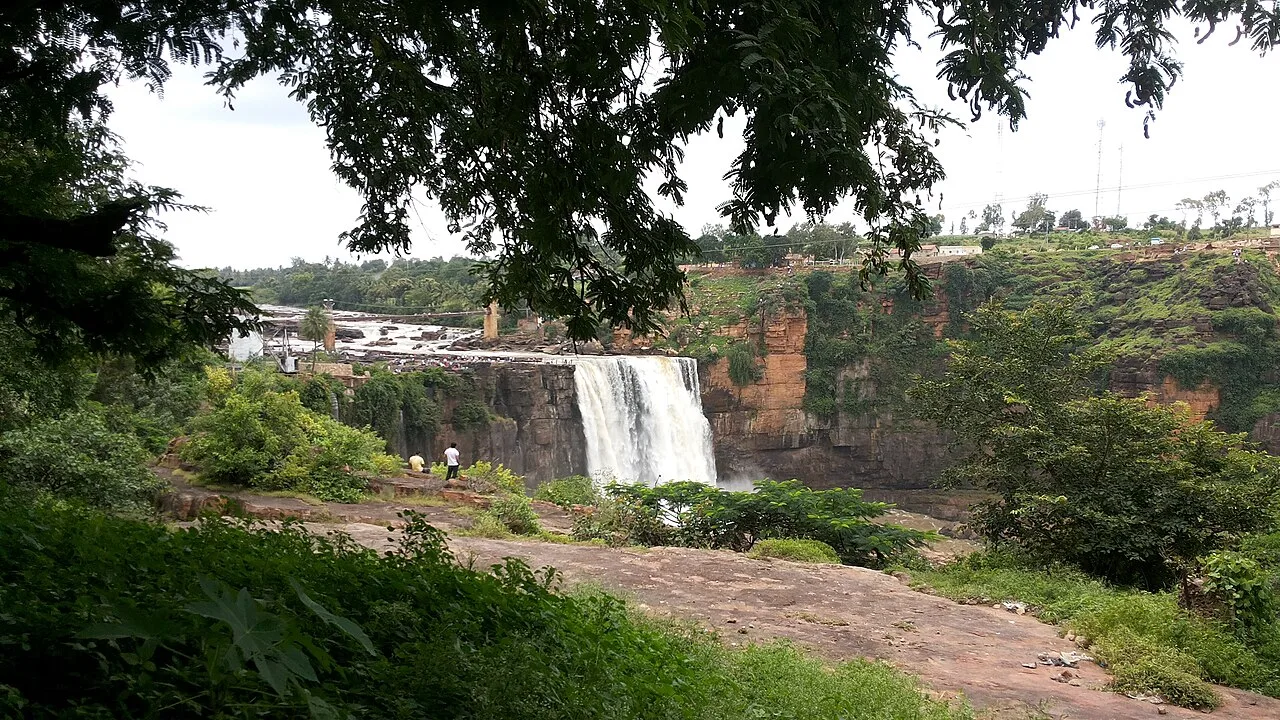
Gokak Falls

44 km away · Belagavi district

Gokak Falls

On the Ghataprabha River in Karnataka’s Belagavi district, Gokak Falls draws visitors who come to see the river’s waterfall near Gokak town.

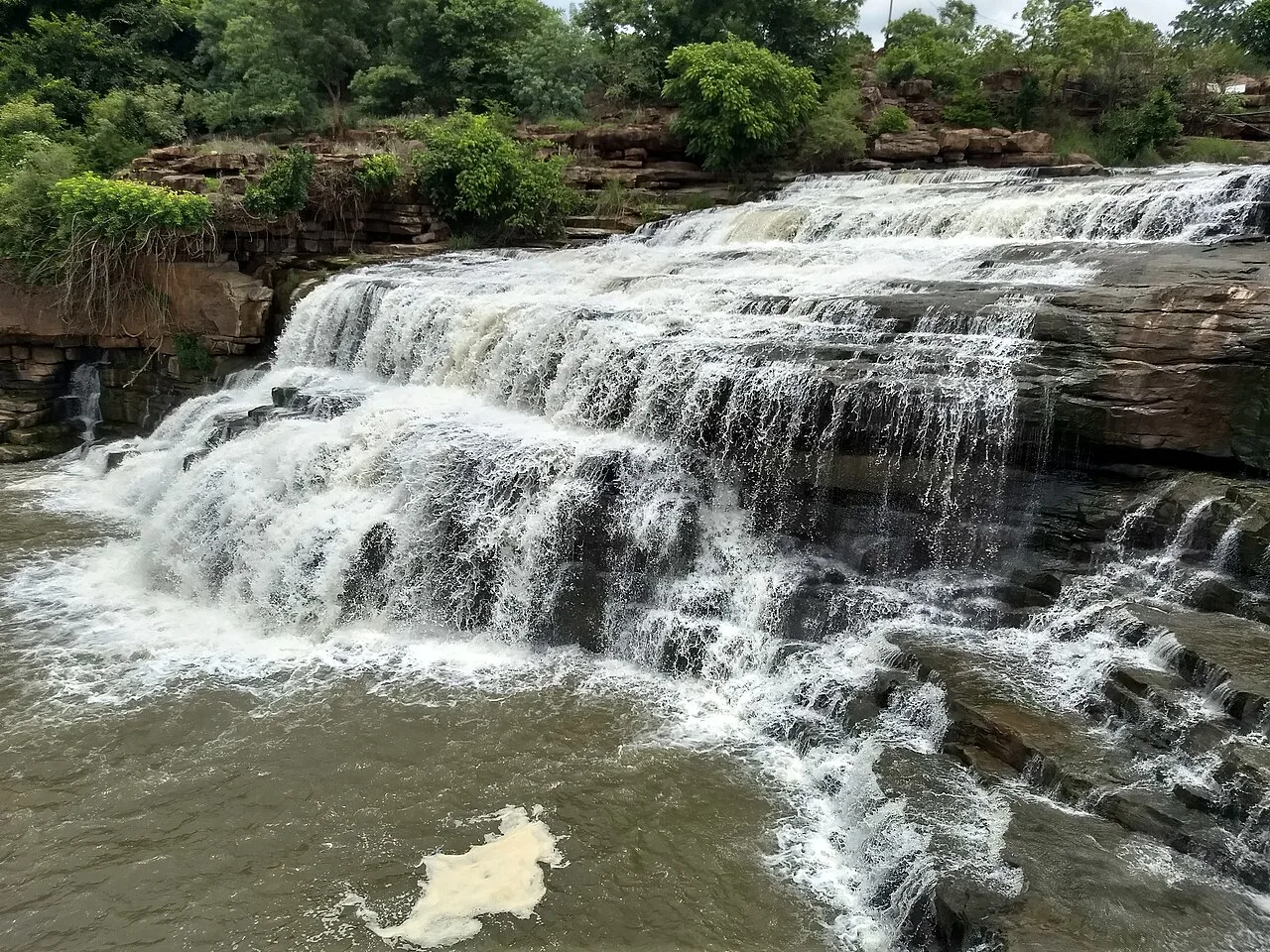
Godachinmalki Falls

53 km away · Belagavi district

Godachinmalki Falls

Godachinmalki Falls is a two-stage waterfall on the Markandeya river in Belagavi district. Visitors come to see its cascades in a rugged valley and explore nearby river landmarks.

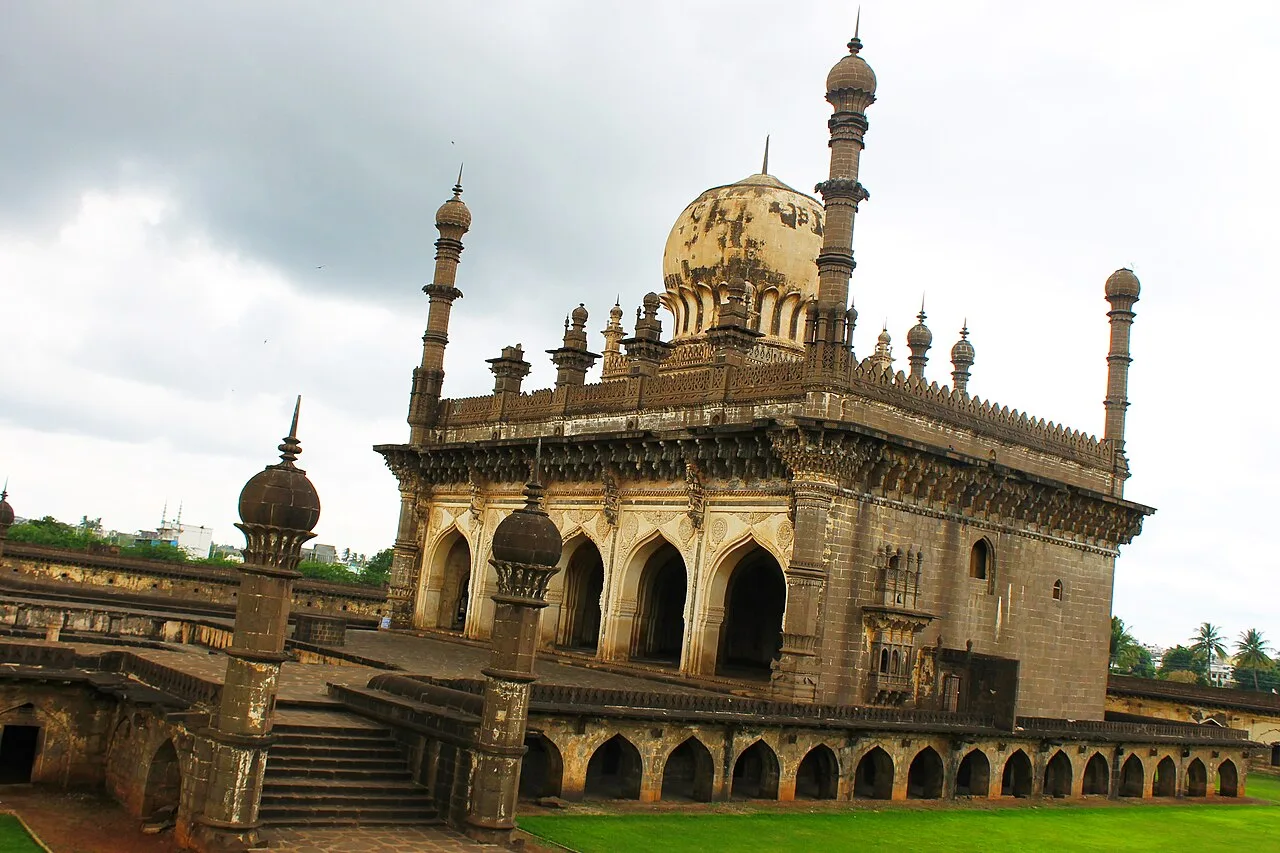
Ibrahim Rauza

79 km away · Vijayapura district

Ibrahim Rauza

Ibrahim Rauza is a funerary complex in Vijayapura, Karnataka, bringing together a mausoleum, mosque and gardens. Visitors come to see its paired buildings, fountain and Adil Shahi architecture.

Malik-e-Maidan Cannon

80 km away · Vijayapura district

Malik-e-Maidan Cannon

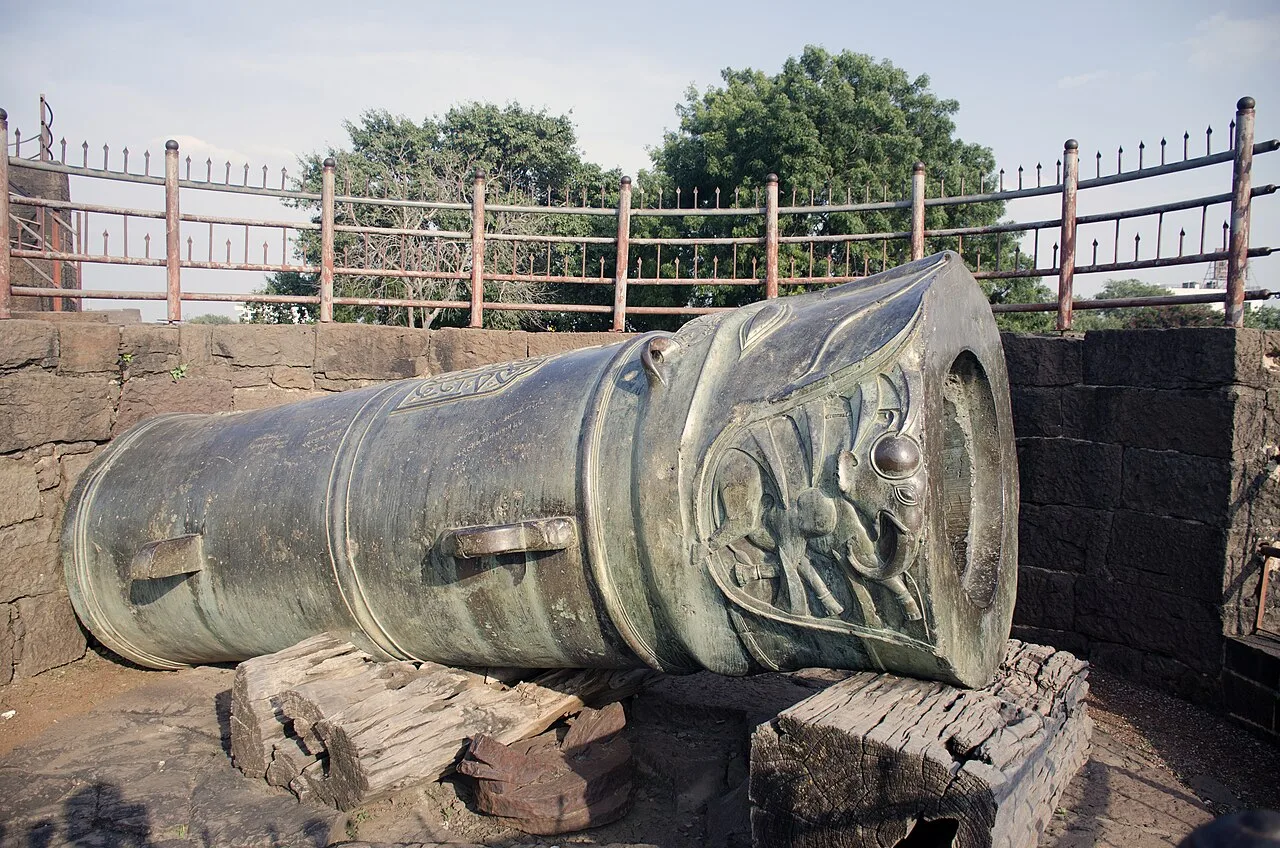
Malik-e-Maidan is a sixteenth-century cannon at Bijapur Fort, notable as the largest surviving artillery example from the medieval period and for its substantial size.

Bara Kaman

81 km away · Vijayapura district

Bara Kaman

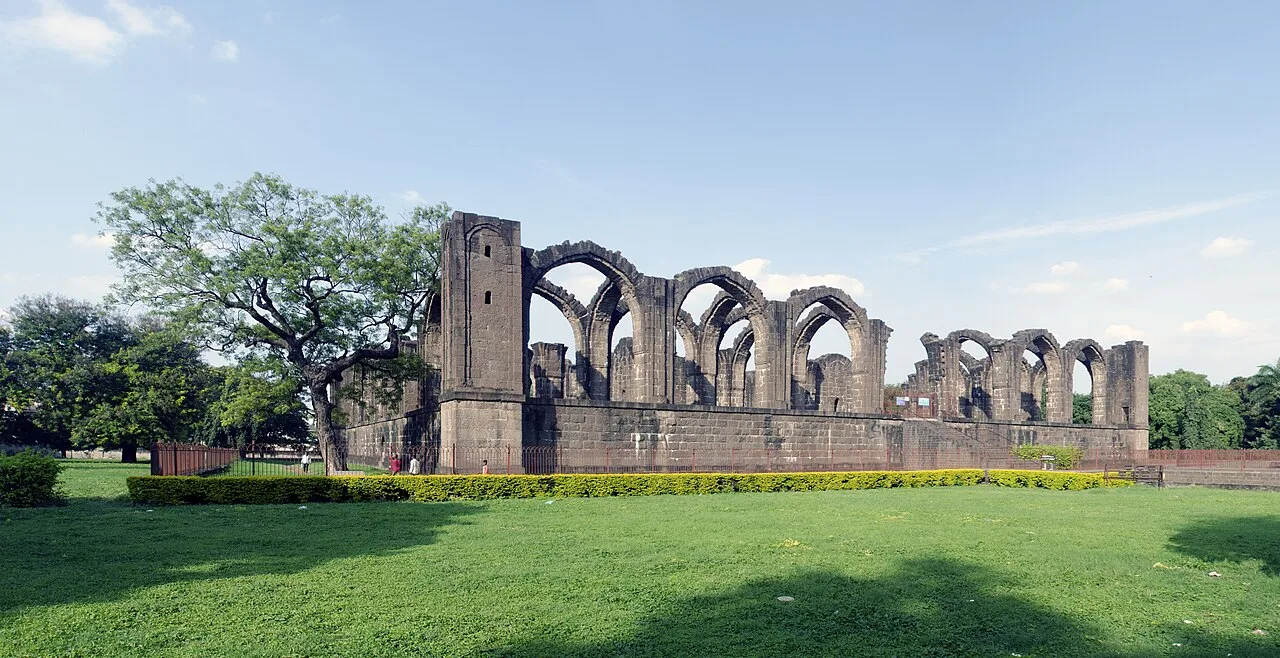
Bara Kaman is an incomplete royal burial complex in Vijayapura, Karnataka. Visitors come to see its surviving arches and learn about the ambitious mausoleum planned for Ali Adil Shah II.

Jama Masjid, Vijayapura

81 km away · Vijayapura district

Jama Masjid, Vijayapura

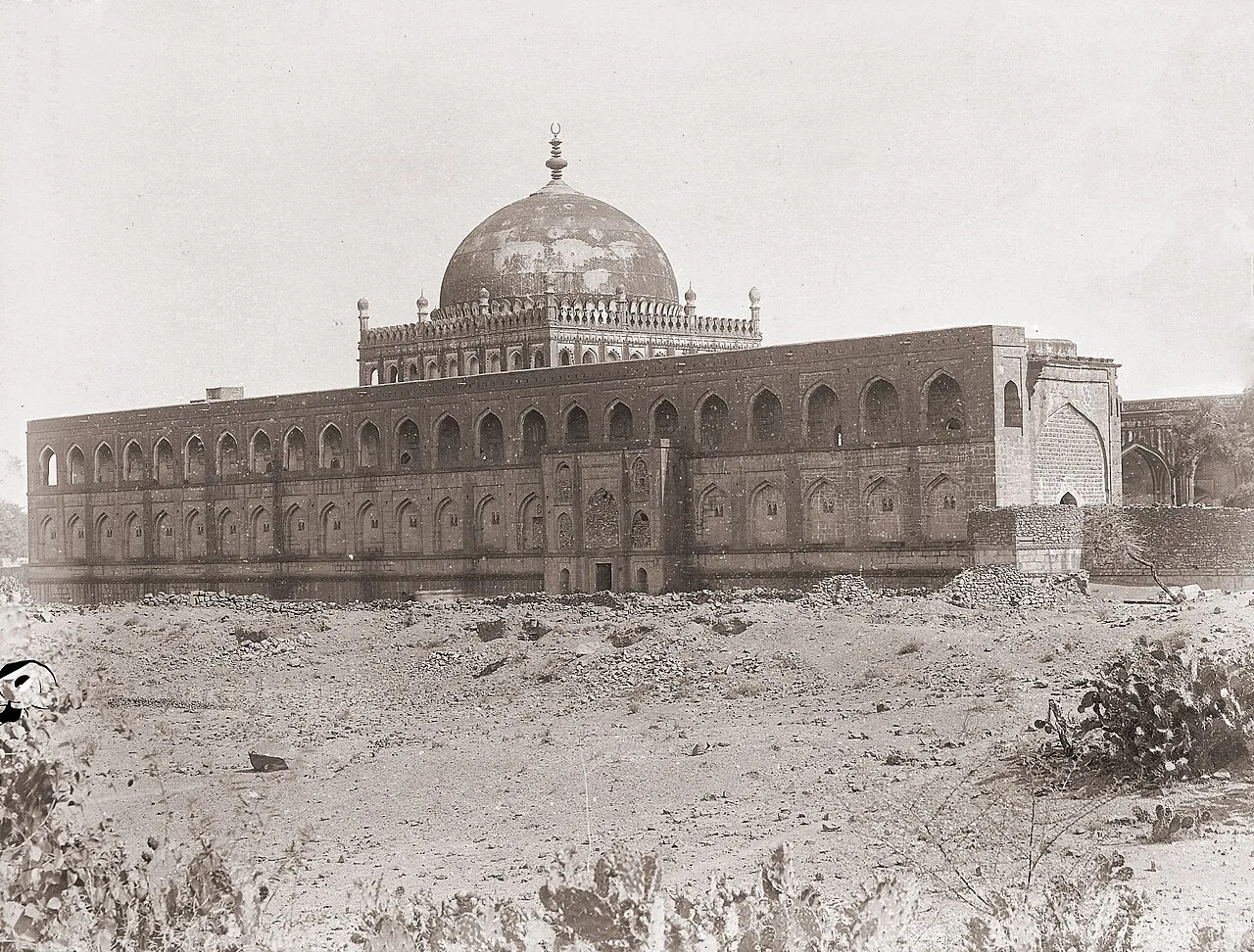
Jama Masjid is a 16th-century congregational mosque in Vijayapura, Karnataka, begun under Ali Adil Shah I. Visitors come to see Bijapur’s largest mosque and its unfinished historic landmark.

Gol Gumbaz

82 km away · Vijayapura district

Gol Gumbaz

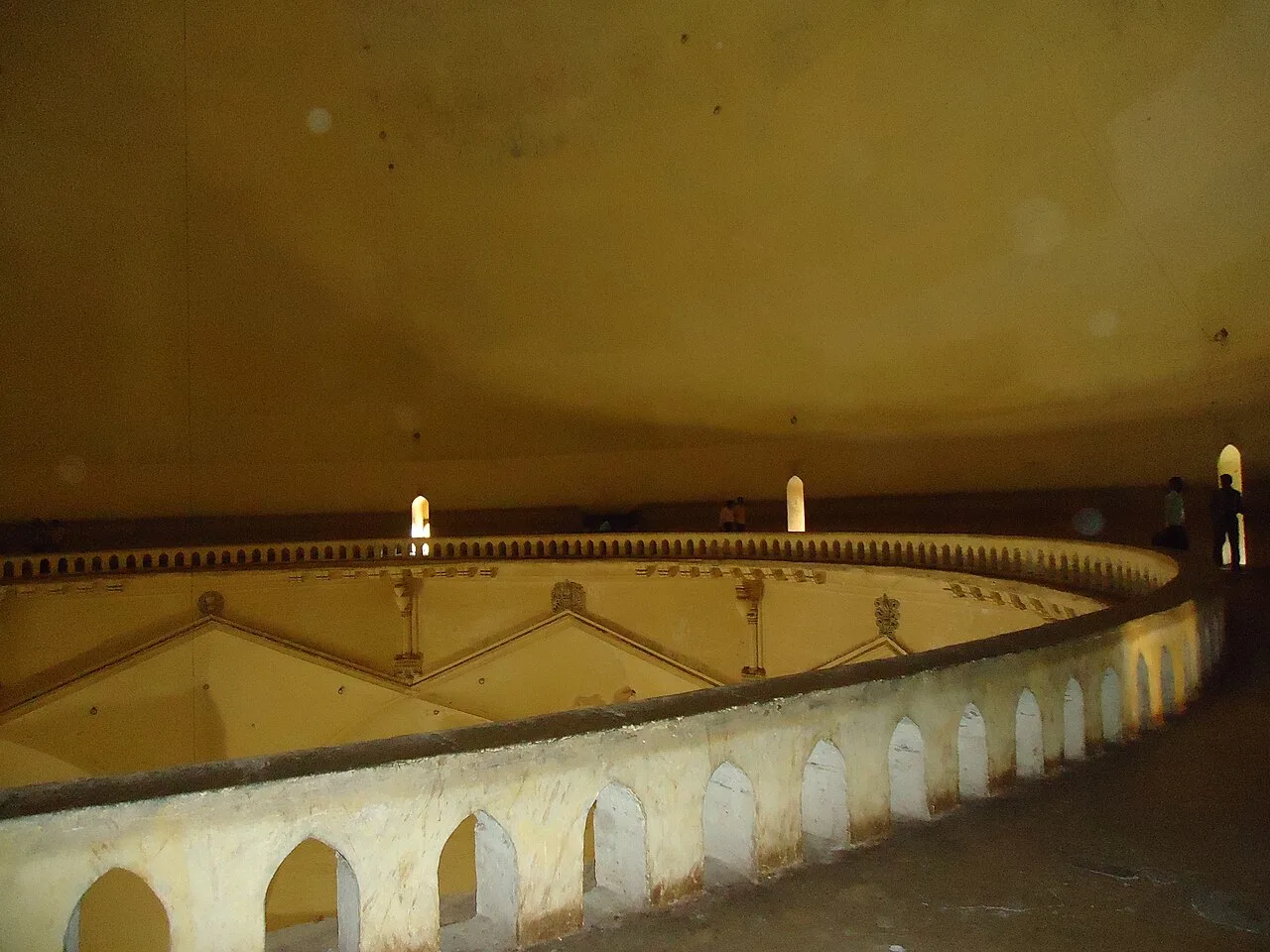
Gol Gumbaz is a basalt mausoleum in Bijapur, Karnataka, built for Mohammad Adil Shah. Visitors come to see its great dome, Indo-Islamic design and famous whispering gallery.

Belgaum Fort

90 km away · Belagavi district

Belgaum Fort

Belgaum Fort is a historic stronghold in Belgaum, Karnataka, known for its moat, ramparts, religious monuments and association with Mahatma Gandhi’s imprisonment.

Map

Terdal on the map

  1. 1Gokak Falls
  2. 2Godachinmalki Falls
  3. 3Ibrahim Rauza
  4. 4Malik-e-Maidan Cannon
  5. 5Bara Kaman
  6. 6Jama Masjid, Vijayapura
  7. 7Gol Gumbaz
  8. 8Belgaum Fort

Karnataka

Other cities to explore