Ghumoopedia — Explore, Discover, Experience
Sign in
Mattur (Sanskrit Village), near Nyamati

City guide · Karnataka

Nyamati

Nyamati is a small town and taluk headquarters in Davangere district, set between the Malnad highlands and the drier plains. Its location has long made it a meeting point for agricultural produce and trade from both landscapes.

Famous for

  • Green-chilli cultivation
  • Malnad arecanut trade
  • Regional produce markets
  • Historic grain and jaggery trade

Why Nyamati matters

Nyamati is a small town and taluk headquarters in Davangere district, set between the Malnad highlands and the drier plains. Its location has long made it a meeting point for agricultural produce and trade from both landscapes. Today, it serves local villages with administrative services and commerce, while its markets reflect the surrounding region’s farming economy.

The town is particularly associated with green-chilli cultivation and the sale of arecanut brought from Malnad areas. Its past as a trading centre is also part of its identity: grain, jaggery and other goods once moved through Nyamati between neighbouring districts and regions. Visitors are more likely to come for everyday market activity, local connections or a stop on a journey between Davangere and Shivamogga than for major tourist attractions. Nyamati offers a modest, practical glimpse of a Karnataka market town shaped by agriculture and its position between contrasting rural zones.
Famous for: crafts, trade & products

Nyamati’s best-known products are agricultural. Green chillies are grown in the surrounding area, while arecanut from Malnad districts is brought here for sale. Local shops and produce-trading areas are the most useful places to see this commerce; availability varies with harvests and market days. The town also serves nearby farming communities, so its everyday trade includes other seasonal crops and provisions.

Historically, Nyamati connected the produce of the hills and plains. Grain from Malnad and jaggery from neighbouring taluks could be stored here, and arecanut was sent onward to markets such as Bellary and Dharwad in exchange for cloth and other goods. Cotton trading also expanded during the American Civil War era. These older routes help explain the town’s commercial role, though they are not a guide to current stock. Nyamati is not especially established as a centre for a named textile tradition, handicraft or GI-tagged product; its identity is more closely tied to farm produce and regional trade.

History

Nyamati is believed to take its name from an earlier Kannada form, Nelavarti. The settlement developed in the late eighteenth century, during Purnaiah’s tenure as Dewan of Mysore. Its position between hill country and plains helped it grow as a trading point, where grain, jaggery, arecanut, cloth and other goods moved between regions.

The town became the headquarters of Honnali taluk in 1869 and held that role until 1882. At the time, Nyamati was part of Shimoga district. Cotton trading grew during the American Civil War, adding to the town’s commercial activity. In 1997, the newly formed Davangere district included Nyamati within its boundaries. The town’s administrative importance increased again in 2018, when it became headquarters of Nyamati taluk. Its development has remained closely connected to local agriculture, market activity and the needs of surrounding villages.

Food, festivals & culture

Kannada is the principal language of everyday life in Nyamati, and local culture reflects the farming communities of central Karnataka and the nearby Malnad region. Meals commonly draw on Karnataka staples such as rice, ragi and other grains, served with lentils, vegetables, seasonal greens and pickles. Green chillies are a familiar local crop, though the town is not widely associated with a single signature dish or sweet.

Residents generally observe major Hindu festivals such as Ugadi in spring, Dasara in autumn and Deepavali in autumn, alongside local temple celebrations that may follow community or temple calendars. Worship centres serve as places for religious observance and neighbourhood gatherings; visitors can ask locally about visiting customs. Devotional singing and regional folk performance traditions may feature at festivals and community events, but programmes vary. Nyamati’s cultural character is best encountered through its markets, food shops and everyday town life rather than through a large, regular visitor festival.

Visiting the city

October to February is generally a comfortable time to visit, with milder weather than the hotter months; the monsoon season brings rain to the surrounding countryside. Kuvempu Airport near Shivamogga is the nearest airport. Shivamogga Town and Davangere are useful railway stations for reaching the area. From either city, continue by road; buses and hired vehicles connect Nyamati with nearby towns. Auto-rickshaws may be available for short trips within town.

Explore the central town and its produce-trading areas to see everyday commerce, then take in the surrounding agricultural landscape. Nyamati is compact and better suited to a short stop or a base for nearby rural visits than to a packed sightseeing itinerary. Check local conditions before travelling during heavy monsoon rain.

Trips from the city

Nearest places to visit from Nyamati

Our closest destination guides, by straight-line distance.

Mattur (Sanskrit Village)

31 km away · Shivamogga district

Mattur (Sanskrit Village)

Mattur is a village near Shivamogga in Karnataka, known for the everyday use of Sanskrit and its traditions of Sanskrit and Vedic learning. Visitors come to encounter its distinctive linguistic culture.

Hebbe Falls

69 km away · Chikkamagaluru district

Hebbe Falls

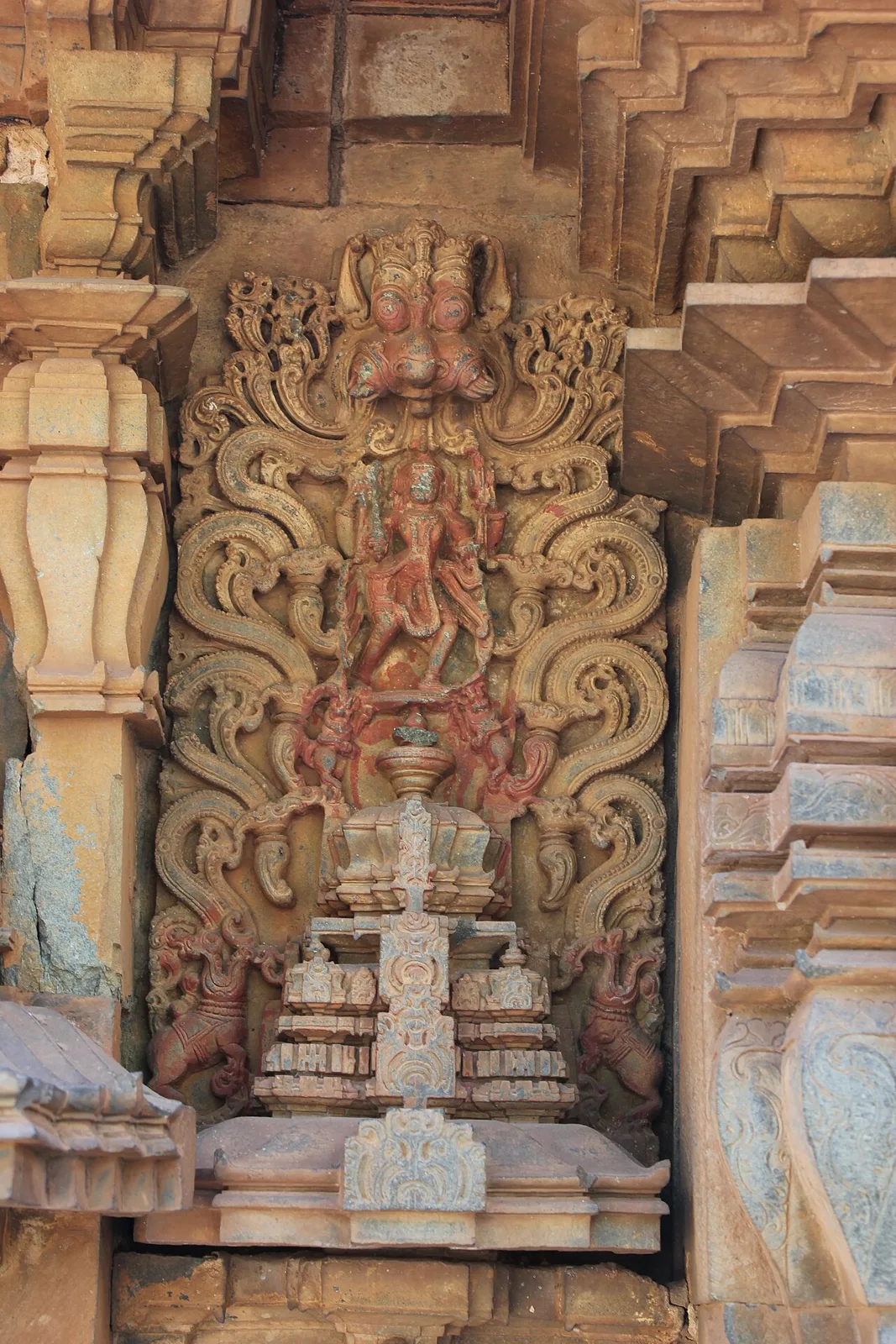
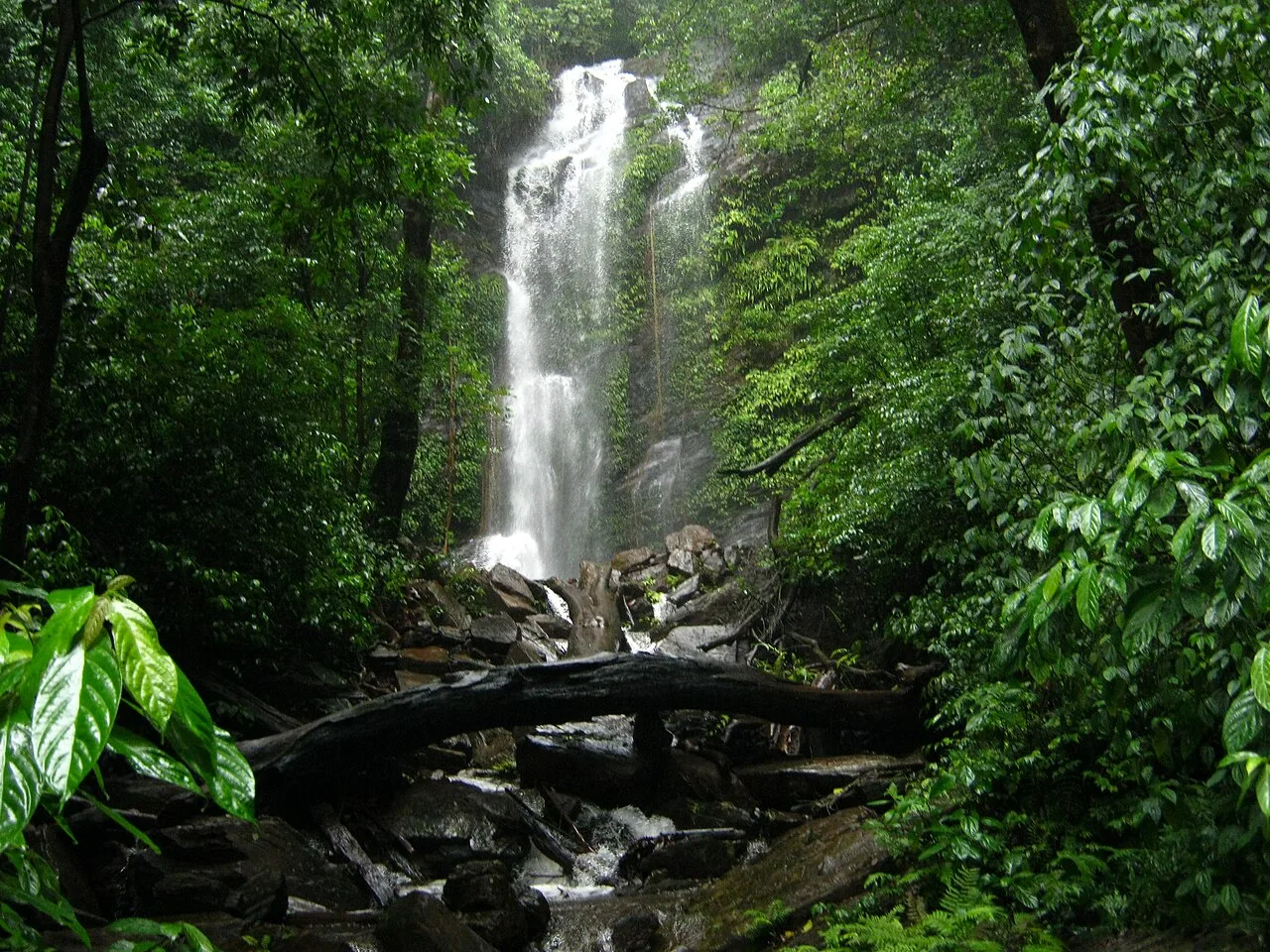
Set within a coffee estate in Karnataka’s Chikkamagaluru district, Hebbe Falls attracts visitors to see its 551-foot cascade, which divides into two named sections near Kemmangundi.

Banavasi

74 km away · Uttara Kannada district

Banavasi

Banavasi, a village in Karnataka’s Uttara Kannada district, is known for its temples and its past as the Kadamba dynasty’s capital, making it a place of historical interest.

Siddhesvara Temple, Haveri

74 km away · Haveri district

Siddhesvara Temple, Haveri

Siddhesvara Temple in Haveri, Karnataka, is visited for worship and valued for its Western Chalukyan design and sculptures of Hindu deities.

Kundadri

79 km away · Shivamogga district

Kundadri

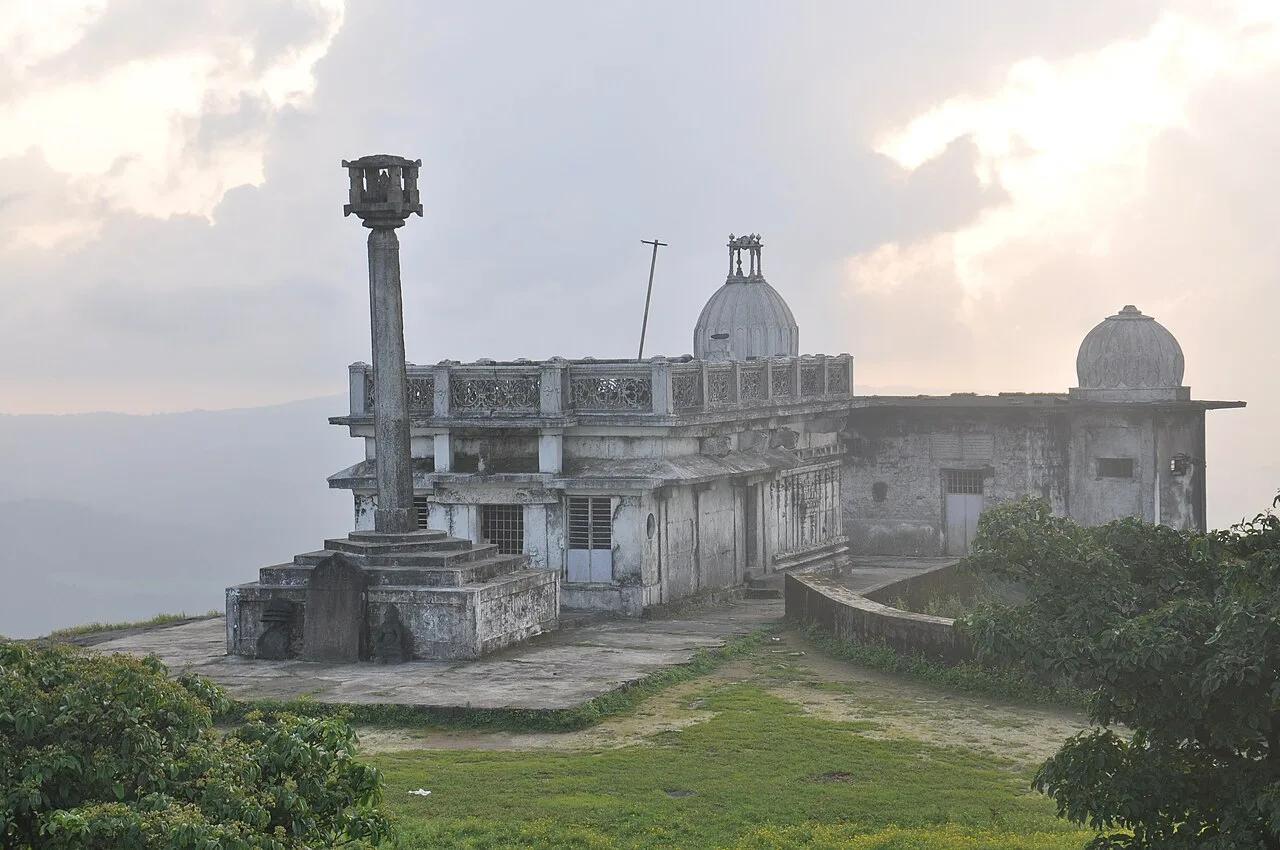
Kundadri is a forested hill in Karnataka’s Western Ghats, noted for its Jain temple and association with Acharya Kundakunda. Visitors come to see the shrine, rock pools and wooded setting.

Kodachadri

82 km away · Shivamogga district

Kodachadri

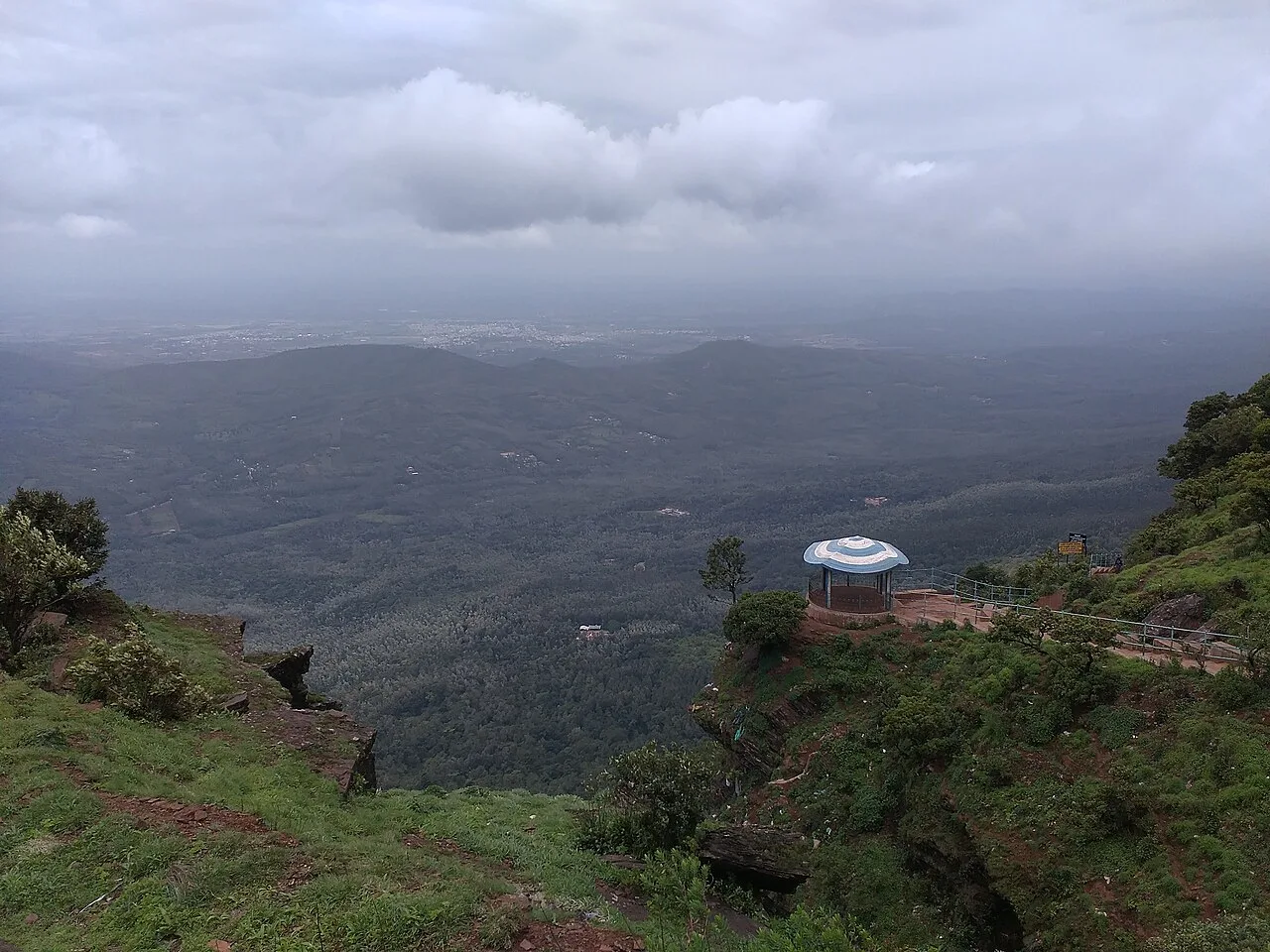
Kodachadri is a forest-covered mountain in Karnataka’s Shivamogga district, drawing visitors to its high summit and wooded setting in the Western Ghats.

Baba Budangiri

83 km away · Chikkamagaluru district

Baba Budangiri

Baba Budangiri is a Western Ghats hill range in Karnataka, visited for its high peaks, coffee-growing heritage, trekking route and shrine revered by Hindu and Muslim pilgrims.

Jog Falls

83 km away · Shivamogga district

Jog Falls

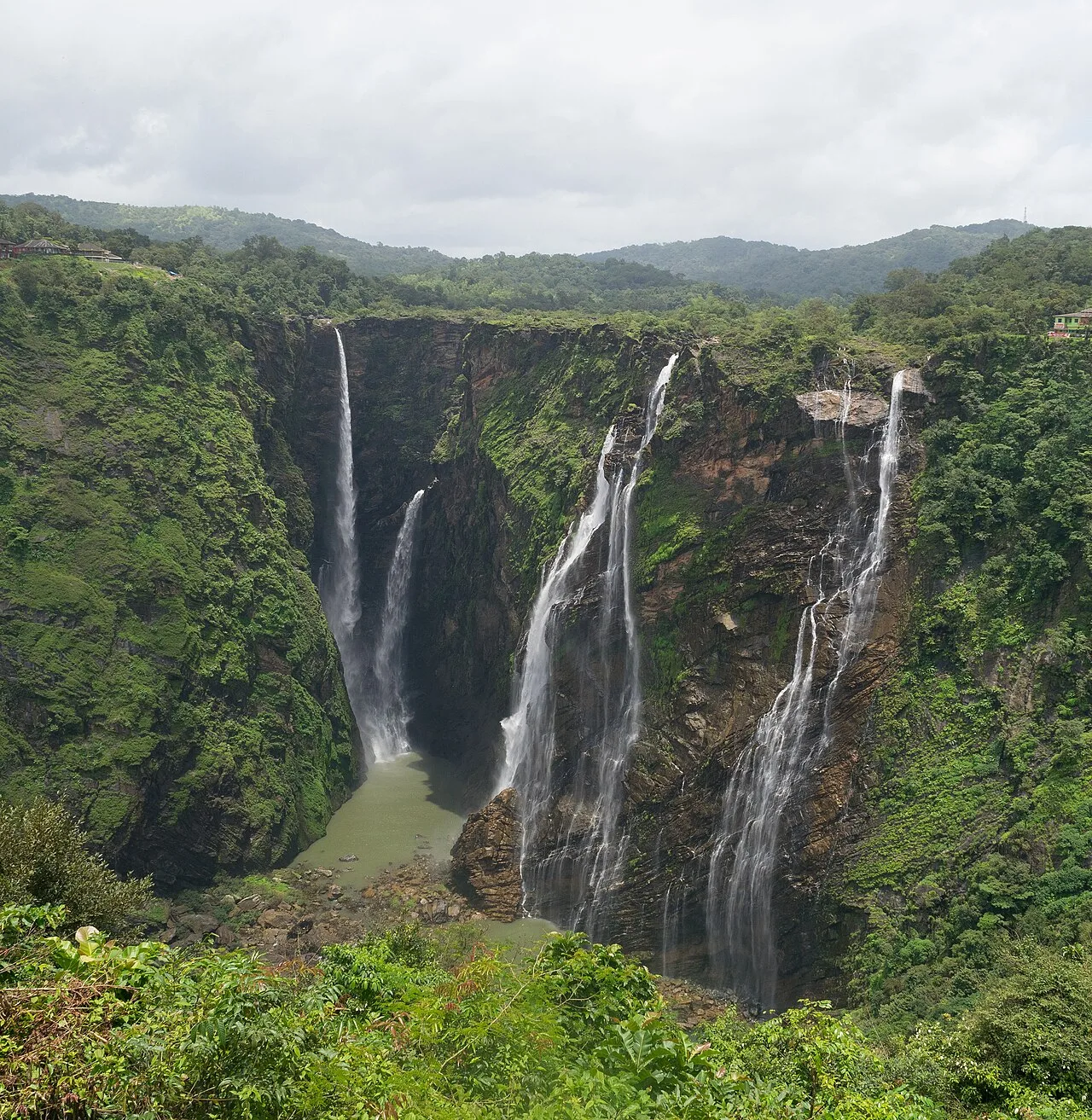
On Karnataka’s Sharavati River, Jog Falls is a four-part waterfall whose high descent and seasonal changes attract visitors to its viewing areas.

Map

Nyamati on the map

  1. 1Mattur (Sanskrit Village)
  2. 2Hebbe Falls
  3. 3Banavasi
  4. 4Siddhesvara Temple, Haveri
  5. 5Kundadri
  6. 6Kodachadri
  7. 7Baba Budangiri
  8. 8Jog Falls

Karnataka

Other cities to explore