
Ghumoopedia — Explore, Discover, Experience
Sign in
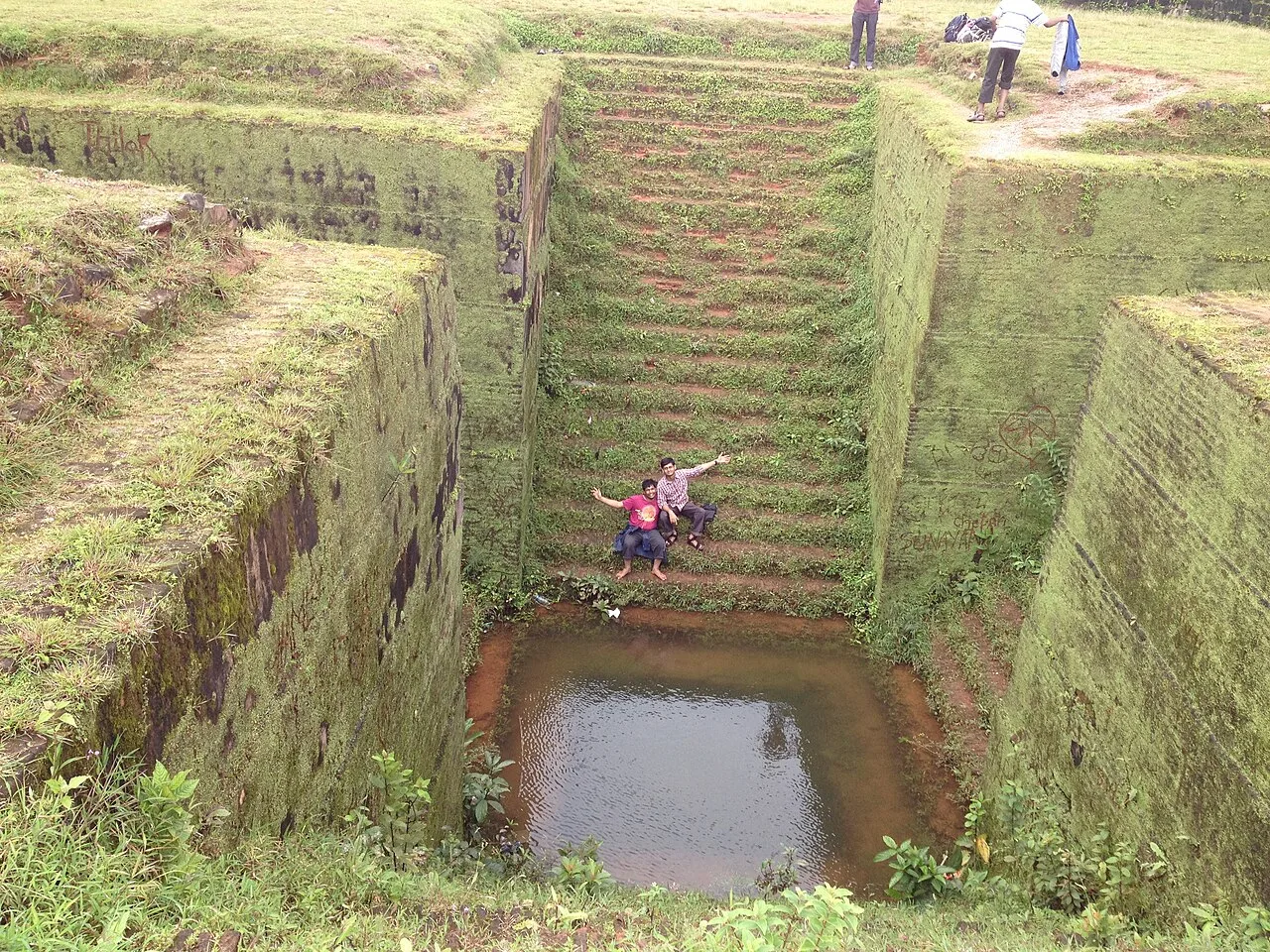
Manjarabad Fort, near Sakleshpur

City guide · Karnataka

Sakleshpur

Sakleshpur is a hill town and taluk headquarters in Hassan district, set on the Hemavati River at the foothills of the Western Ghats. Its elevated, rain-rich landscape marks a transition between Karnataka’s inland plateau and the mountain routes leading towards the coast.

Famous for

  • Western Ghats scenery
  • Coffee-growing estates
  • Manjarabad Fort
  • Sakleshpur railway ghat
  • Jenukal Betta
In the city
1
District
Hassan

Why Sakleshpur matters

Sakleshpur is a hill town and taluk headquarters in Hassan district, set on the Hemavati River at the foothills of the Western Ghats. Its elevated, rain-rich landscape marks a transition between Karnataka’s inland plateau and the mountain routes leading towards the coast. The surrounding taluk is known for coffee estates and spice cultivation, while the town serves as a local centre for trade, transport and services.

Visitors come for forested hills, plantation scenery and outdoor excursions, as well as landmarks such as Manjarabad Fort and the Sakaleshwara temple. The railway route through the Western Ghats is another attraction, with dramatic slopes and tunnels along the ghat section. Jenukal Betta, the highest peak in Hassan district, lies in the wider taluk. Sakleshpur’s appeal rests less on urban attractions than on its position as a gateway to the region’s landscapes and rural communities. It is also a useful stop for travellers crossing between Hassan and the coastal side of the Ghats.

Famous for: crafts, trade & products

Sakleshpur is best associated with coffee and spices rather than textiles or a major handicraft industry. Coffee is grown on estates in the surrounding hills, often alongside crops such as pepper and cardamom; arecanut is also cultivated in parts of the taluk. These products support local livelihoods and shape the area’s agricultural character. The town is not widely known for a distinctive saree tradition or a GI-tagged craft or food product.

To look for locally grown coffee and regional produce, visitors can browse shops in the town centre and its everyday market areas, or ask estates about direct sales and visits. Availability varies by season and seller. Small shops may also stock spices and other farm products, but selection and provenance differ, so buyers should check labels and ask where goods were grown. Sakleshpur’s best-known “products” are therefore tied to its plantation landscape rather than to a formal craft quarter or large specialist market. The town also provides practical services and supplies for nearby villages and visitors exploring the hills.

History

Sakleshpur’s history is closely connected to the routes, agriculture and changing political fortunes of the Hassan region. The wider area came under successive South Indian powers, including the Hoysalas and later the rulers of Mysore. Manjarabad Fort, near the town, is associated with Tipu Sultan and the late eighteenth century, when control of routes across the Western Ghats had strategic importance. Its distinctive star-shaped plan remains a prominent reminder of that period.

Under British rule, road and railway links increasingly connected the inland districts with the coast. The railway’s passage through the steep ghat country made Sakleshpur an important point on a challenging transport corridor. Plantation agriculture, especially coffee, also became central to the surrounding economy. After independence, the town continued to serve as a taluk centre, with roads, rail services and public institutions supporting nearby settlements. Tourism has grown around the area’s scenery, fort and plantation landscape, while farming and local trade remain important parts of daily life.

Food, festivals & culture

Everyday food reflects Karnataka’s Malnad and inland traditions. Rice, akki rotti, ragi preparations, seasonal vegetables and dishes flavoured with local spices are common; coffee is a familiar part of hospitality. Menus and home cooking vary between communities, and visitors may also find widely available South Indian meals. There is no single sweet or signature dish that defines Sakleshpur across the region.

Kannada is the principal language, with English used in tourism and other languages heard among residents and visitors from surrounding areas. Ugadi, usually in spring, and Deepavali and Dasara in autumn are observed alongside Sankranti in January and local temple fairs held according to community calendars. The Sakaleshwara temple is an important place of worship in town. Religious life also includes smaller neighbourhood shrines and village temples. Yakshagana and other folk performance traditions belong to the broader Karnataka region and may appear at local events, though Sakleshpur is not chiefly known as a performance centre.

Visiting the city

The drier months, broadly from October to March, are generally comfortable for exploring. The monsoon, usually from June into September, brings heavy rain and lush scenery but can make trails and ghat roads slippery; check local conditions before setting out. The nearest major airport is Mangaluru International Airport. Sakleshpur railway station is the main rail stop for the town, and Hassan is the nearest major city, about 39 km away.

Within town, local taxis and auto-rickshaws can help with short trips; arrange transport ahead for outlying sights. Explore the town centre, the Sakaleshwara temple and nearby market streets, then travel to Manjarabad Fort or plantation areas. Jenukal Betta and other hill excursions require planning, suitable footwear and attention to access and weather conditions. The railway ghat is best appreciated from permitted public viewpoints or by rail, not from railway tracks.

Attractions

Places to visit in Sakleshpur

Sights within about 12 km of each other, even when they fall in different districts.

Map

Sakleshpur on the map

  1. 1Manjarabad Fort

Karnataka

Other cities to explore