Ghumoopedia — Explore, Discover, Experience
Sign in
Gulbarga Fort, near Wadi

City guide · Karnataka

Wadi

Wadi is a small town in Kalaburagi district whose importance rests less on sightseeing landmarks than on its place in the region’s transport and industrial networks. Wadi Junction is a major railway junction, linking routes across Karnataka and beyond.

Famous for

  • Wadi Junction railway hub
  • Cement manufacturing
  • North Karnataka rail heritage
  • Gateway to Kalaburagi
Plan a tripHotels near Wadi

Why Wadi matters

Wadi is a small town in Kalaburagi district whose importance rests less on sightseeing landmarks than on its place in the region’s transport and industrial networks. Wadi Junction is a major railway junction, linking routes across Karnataka and beyond. The railway has shaped the town’s growth and remains central to daily life, commerce and travel. Wadi is also associated with cement manufacturing, an industry that has helped define its working-town character.

For visitors, Wadi can serve as a practical rail stop or a base for exploring parts of the wider Kalaburagi region. Kalaburagi city, about 40 km away by road, offers better-known historic and religious attractions. In Wadi itself, the station, local bazaar and everyday streets provide a glimpse of a busy railway and industrial town rather than a conventional heritage destination. Its appeal is therefore functional and regional: a useful junction, a centre of employment and a point of access to North Karnataka.
Famous for: crafts, trade & products

Wadi is best known for railway activity and cement production, rather than for a widely recognised textile, craft or GI-tagged product. The town’s industrial identity is closely linked to its cement works, while Wadi Junction supports the movement of passengers and goods across the region. These activities shape local trade and employment.

For everyday shopping, visitors can look around the bazaar and shops near the station and town centre for groceries, snacks, clothing and household necessities. These are useful places to experience local commerce, but Wadi is not especially known as a destination for specialist handicrafts or designer sarees. Shoppers seeking a broader selection of regional goods, branded stores or more varied markets can explore Kalaburagi, roughly 40 km away by road. The town’s strongest distinction is its role as a rail-and-industry hub; visitors should not expect a dedicated craft quarter or a famous local shopping product.

History

Wadi’s development has been closely tied to the railway. The Secunderabad–Wadi rail connection began taking shape in 1874, during the era when the region was part of the princely state of Hyderabad. The line helped connect the area to wider transport and trading networks, and Wadi grew in importance as routes converged here. The junction’s continuing role explains much of the town’s layout and working character.

The surrounding region was historically governed by the Nizams of Hyderabad before joining the Indian Union. Later state reorganisation placed Wadi within Karnataka, and it is now in Kalaburagi district. In the modern period, railway operations and cement manufacturing have been major influences on the town’s economy and growth. Wadi has developed as a compact industrial and transport town rather than as a large centre of monuments or royal architecture. Its history is most visible in the railway’s enduring presence and the links it created between local communities and regional markets.

Food, festivals & culture

Wadi shares the food traditions of North Karnataka. Everyday meals often feature jowar rotti with vegetable curries, lentils, peanut chutney or spicy accompaniments; rice dishes and familiar South Indian snacks are also available. Local eateries and simple restaurants are the most practical places to try home-style food. Sweet choices vary by shop and season, so the town is not especially known for one signature confection.

Kannada is widely used, alongside Urdu and Hindi; Marathi may also be heard in the wider region. Religious and community life includes Hindu temples and Muslim places of worship, though Wadi is not chiefly a pilgrimage centre. Ugadi is observed around the start of the Kannada lunar year, usually in March or April, while Ganesh Chaturthi and the Dussehra season bring devotional gatherings and festivities. Eid celebrations follow the Islamic calendar, and Diwali is marked in autumn. Music and dance are generally part of family, religious and festival events, with regional folk traditions forming the broader cultural backdrop.

Visiting the city

The cooler months, roughly October to February, are generally the most comfortable for visiting; summers can be very hot. Wadi Junction is the town’s principal railway station and the easiest arrival point for many travellers. The nearest airport is Kalaburagi Airport, though flight options may be limited; travellers can also consider larger airports farther away when planning a route.

Auto-rickshaws and local taxis are useful for getting around town. The station area and bazaar offer a feel for everyday Wadi, while the cement-industry landscape reflects its working-town identity. For historic sights, a wider choice of food and more extensive services, make a trip to Kalaburagi, about 40 km away by road. Wadi is most convenient as a transit stop or regional base rather than a destination requiring a long sightseeing itinerary.

Trips from the city

Nearest places to visit from Wadi

Our closest destination guides, by straight-line distance.

Gulbarga Fort

36 km away · Kalaburagi district

Gulbarga Fort

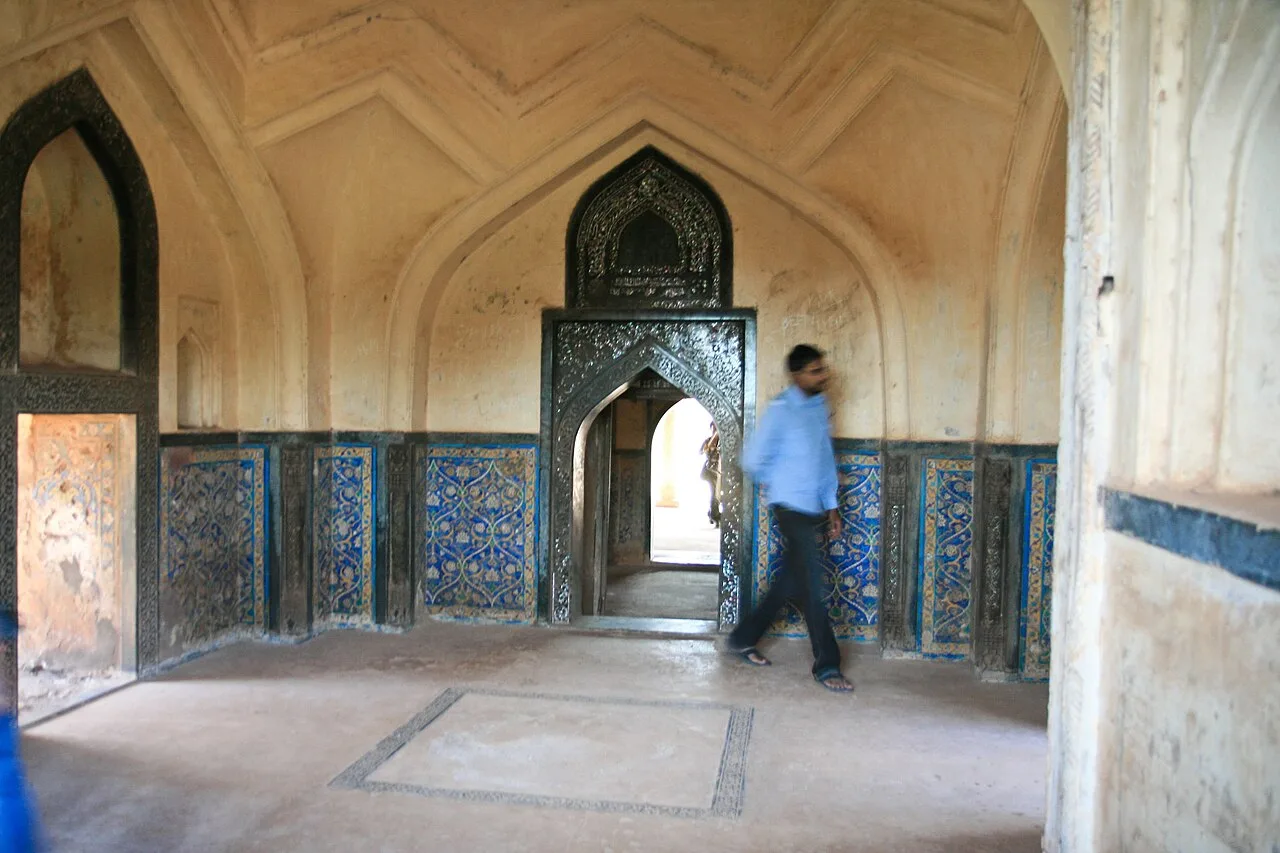
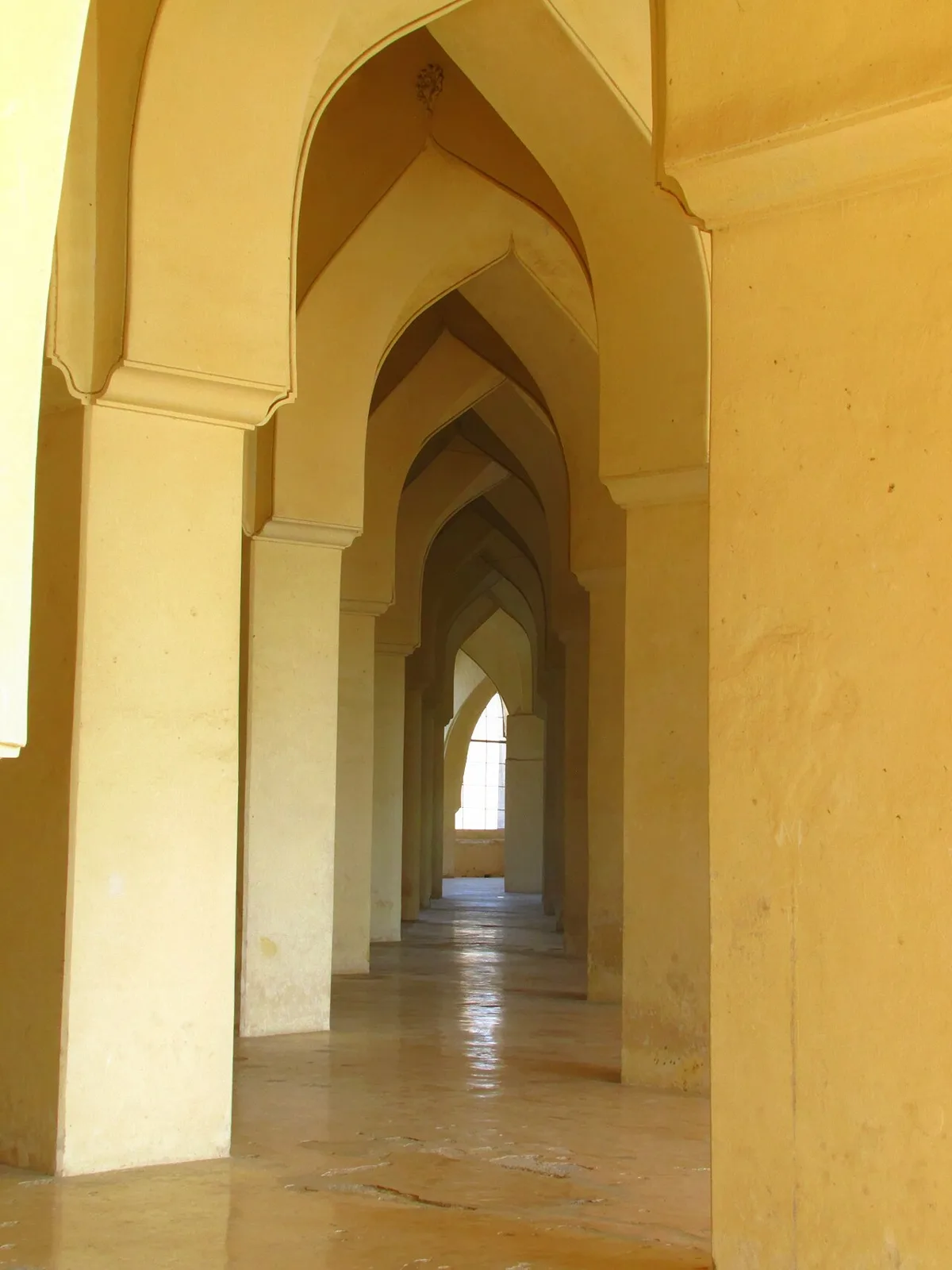
Gulbarga Fort is a historic stronghold in Kalaburagi associated with the Bahmani Kingdom. Visitors come to see its buildings, including the Jama Masjid, known for its enclosed form and Persian design.

Sharana Basaveshwara Temple

36 km away · Kalaburagi district

Sharana Basaveshwara Temple

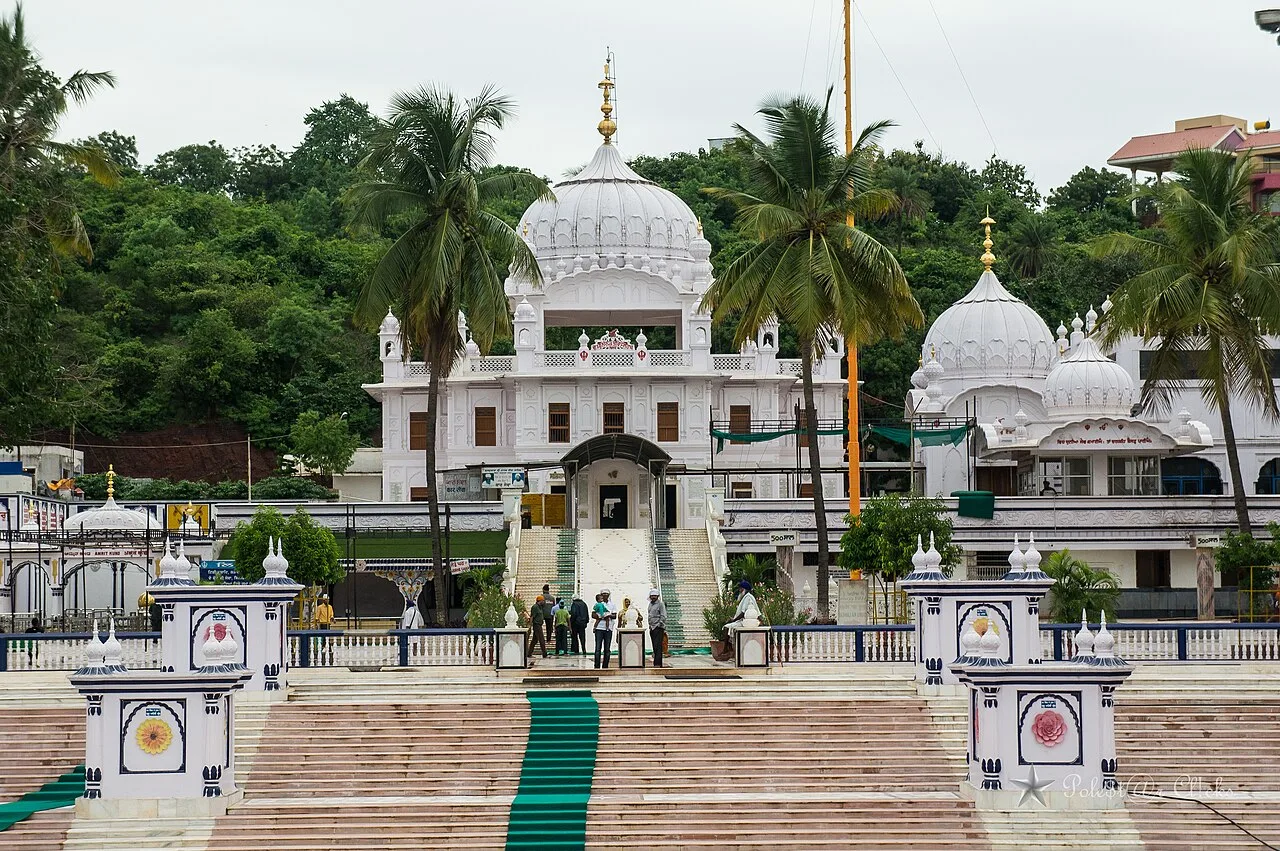
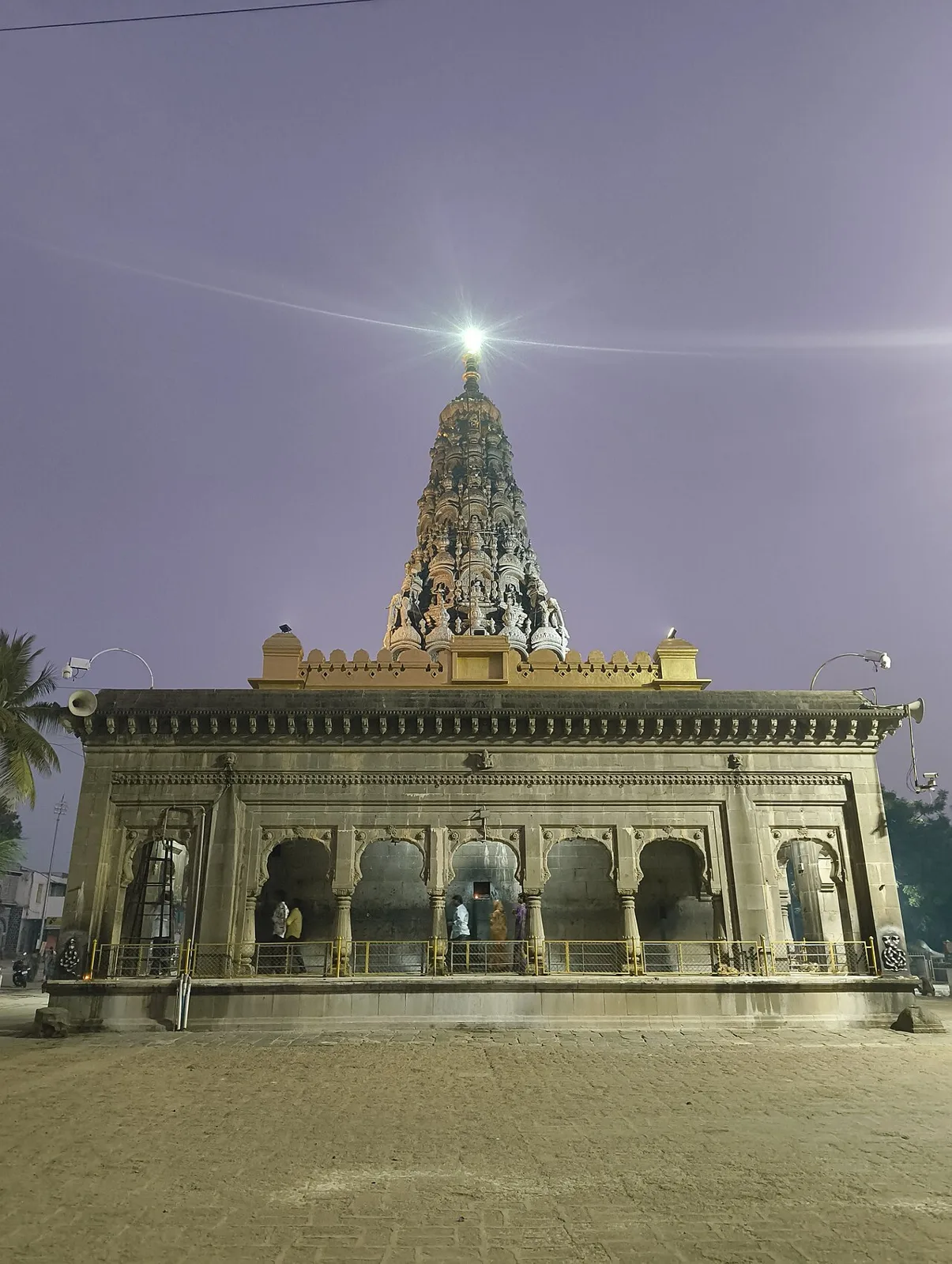
In Kalaburagi district, Karnataka, the Sharana Basaveshwara Temple is a shrine. Visitors come to worship at this site in Kalaburgi, an old town in the state’s northeast.

Raichur Fort

103 km away · Raichur district

Raichur Fort

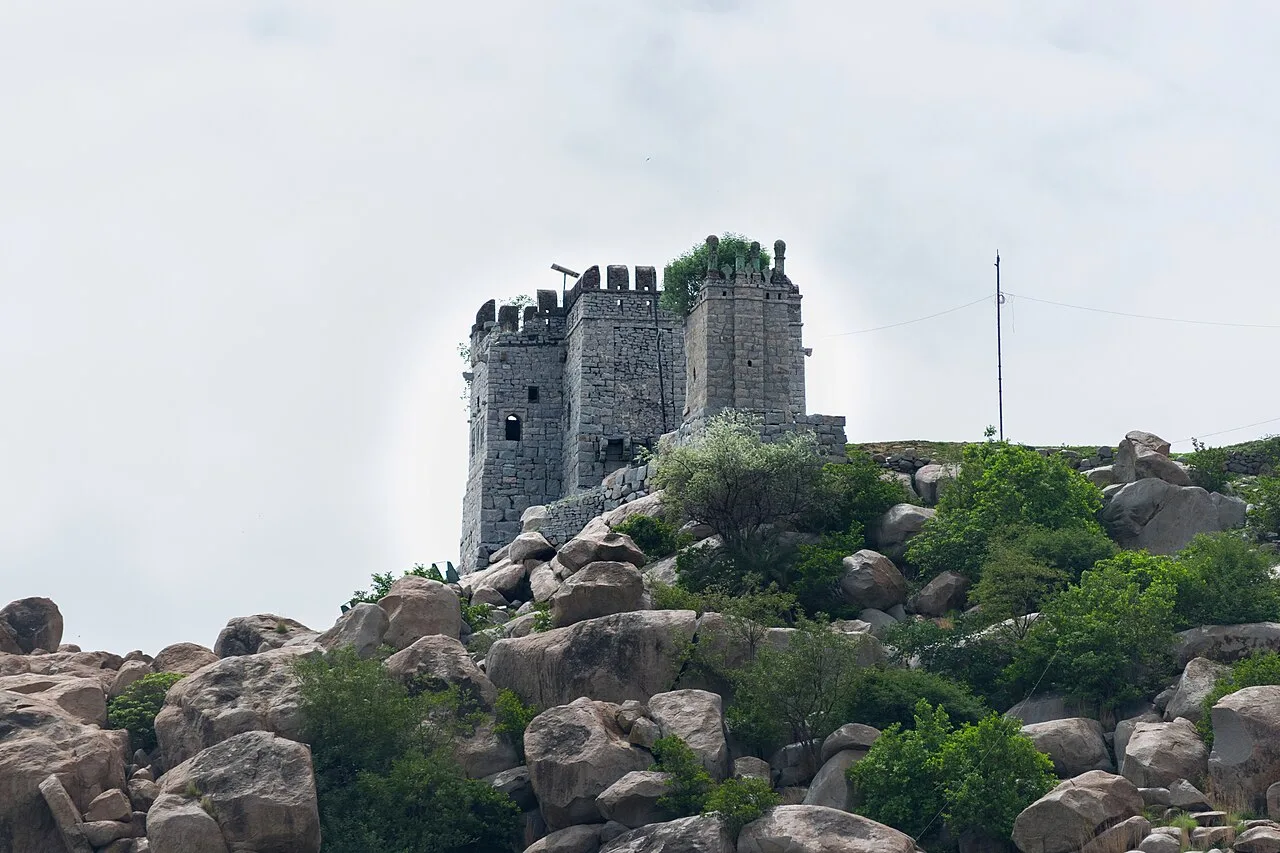
Raichur Fort is a hilltop stronghold in the city of Raichur, Karnataka. Visitors come to see its elevated setting and learn about the succession of powers that ruled the surrounding region.

111 km away · Bidar district

Narasimha Jharni Cave Temple

Narasimha Jharni Cave Temple is a shrine in Bidar district, Karnataka, linked to Vishnu’s Narasimha avatar. Visitors come to worship at the cave temple and recognise its place in Vaishnavite tradition.

Bidar Fort

112 km away · Bidar district

Bidar Fort

Bidar Fort is a historic complex in Bidar, Karnataka, where visitors can explore more than 30 monuments and learn about the changing powers of the Deccan.

Guru Nanak Jhira Sahib

112 km away · Bidar district

Guru Nanak Jhira Sahib

Guru Nanak Jhira Sahib is a Sikh shrine in Bidar, Karnataka, associated with Guru Nanak and the region’s Sikh history; visitors come to honour the first Sikh guru.

Bahmani Tombs

113 km away · Bidar district

Bahmani Tombs

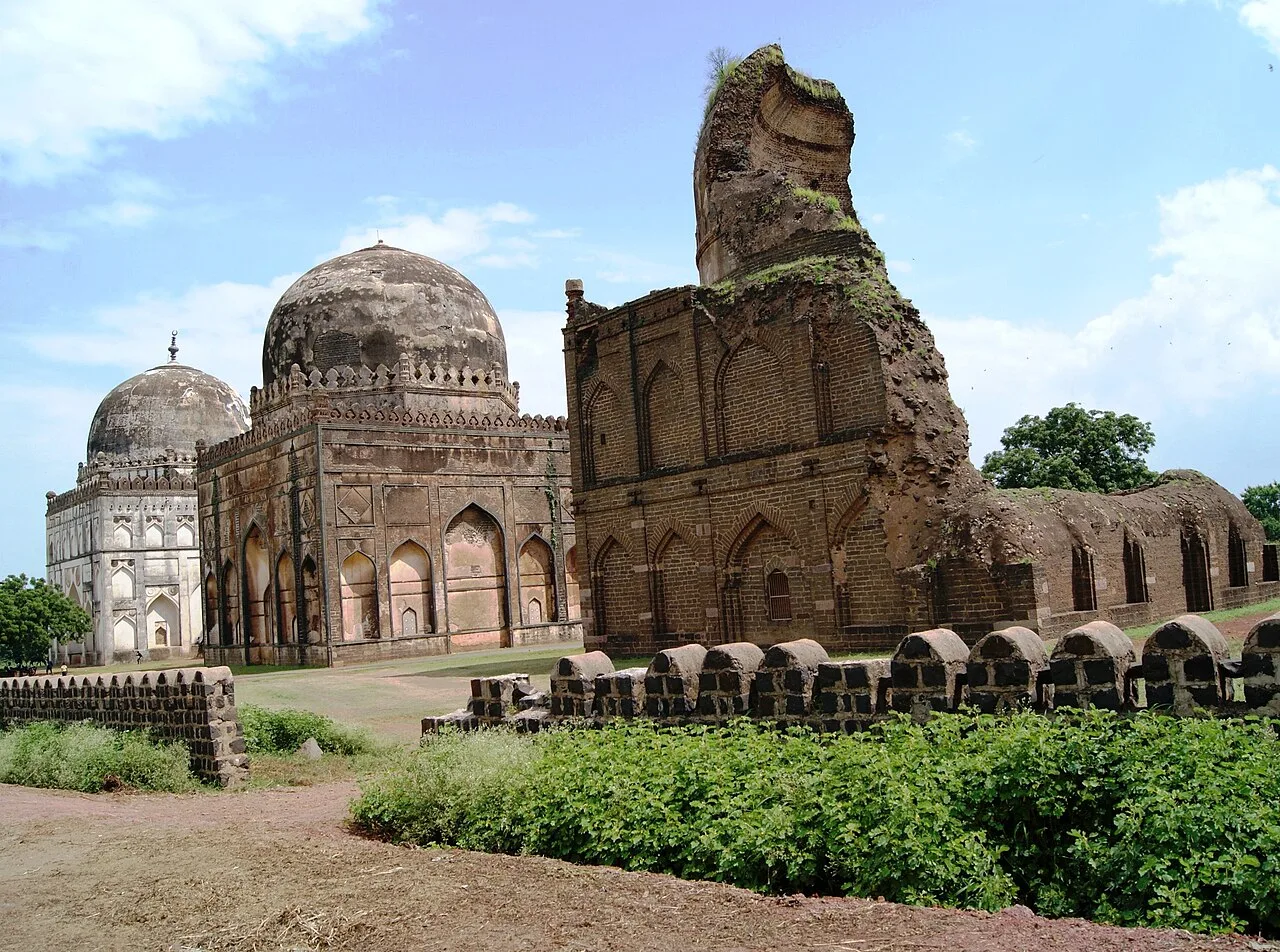
The Bahmani Tombs are a burial complex in Bidar, Karnataka, dating from the fifteenth and sixteenth centuries. Visitors come to see their distinctive Deccan architecture and blend of influences.

Gol Gumbaz

136 km away · Vijayapura district

Gol Gumbaz

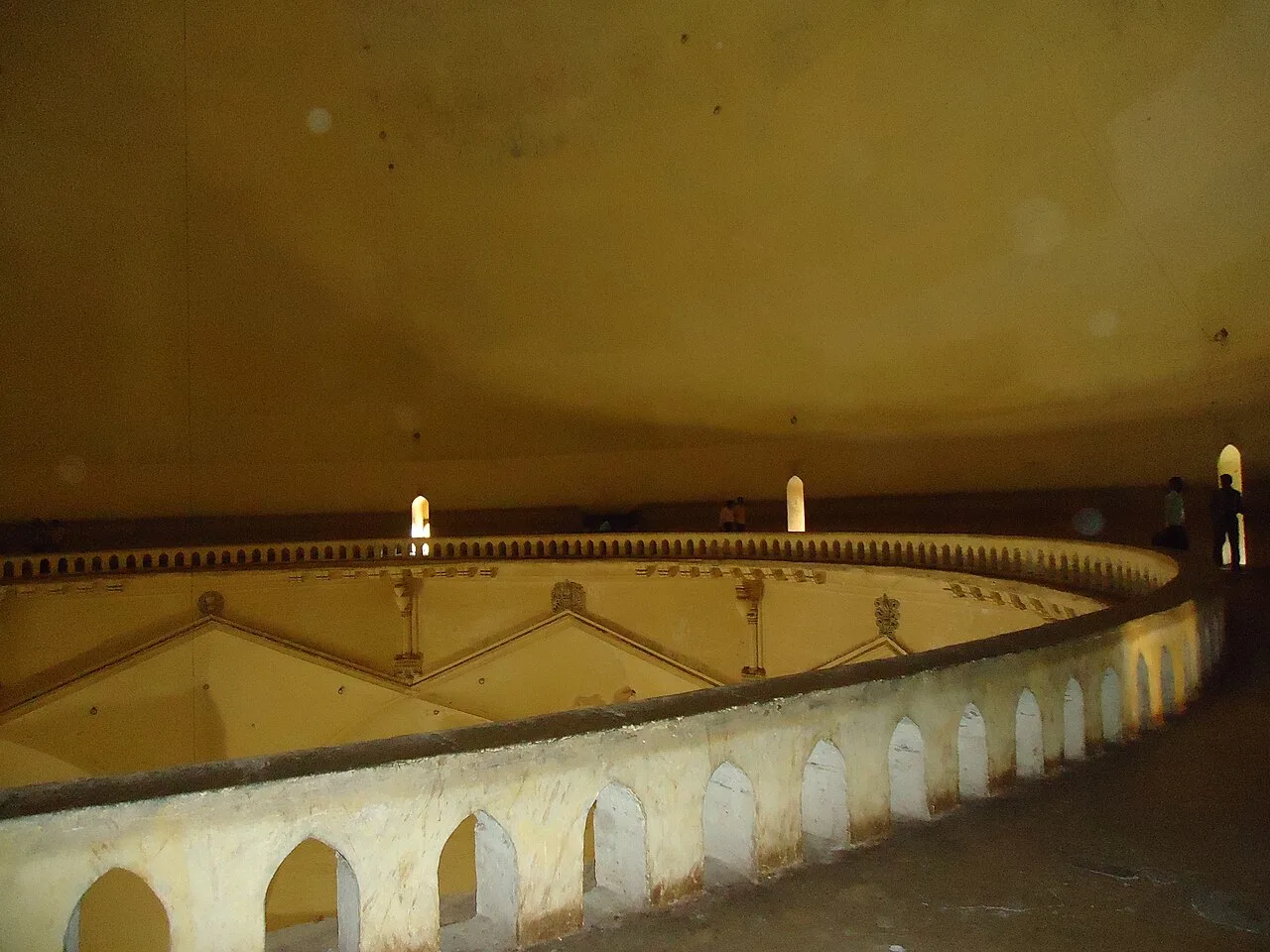
Gol Gumbaz is a basalt mausoleum in Bijapur, Karnataka, built for Mohammad Adil Shah. Visitors come to see its great dome, Indo-Islamic design and famous whispering gallery.

Map

Wadi on the map

  1. 1Gulbarga Fort
  2. 2Sharana Basaveshwara Temple
  3. 3Raichur Fort
  4. 4Narasimha Jharni Cave Temple
  5. 5Bidar Fort
  6. 6Guru Nanak Jhira Sahib
  7. 7Bahmani Tombs
  8. 8Gol Gumbaz

Karnataka

Other cities to explore