Ghumoopedia — Explore, Discover, Experience
Sign in
Gol Gumbaz, near Basavan Bagewadi

City guide · Karnataka

Basavan Bagewadi

Basavan Bagewadi is a taluka headquarters and small municipal town in Vijayapura district, in Karnataka’s northern Deccan region. Its strongest association is with Basava, the philosopher and social reformer central to the Lingayat tradition.

Famous for

  • Basaveshwar Temple
  • Basava birthplace tradition
  • Chalukyan temple heritage
  • Lingayat religious heritage
  • North Karnataka market town

Why Basavan Bagewadi matters

Basavan Bagewadi is a taluka headquarters and small municipal town in Vijayapura district, in Karnataka’s northern Deccan region. Its strongest association is with Basava, the philosopher and social reformer central to the Lingayat tradition. The town is traditionally identified as his birthplace, and that connection gives it importance as a place of pilgrimage and remembrance. Visitors come especially to see the Basaveshwar Temple, whose origins are associated with the 11th-century Chalukya period.

Beyond its religious significance, Basavan Bagewadi serves the surrounding taluka with local administration, shops and everyday services. Its position on the road linking Vijayapura and Bengaluru connects it to the wider district and regional transport network. The town is not chiefly known as a resort or a large urban destination; its appeal lies in its temple heritage, Basava-related traditions and the experience of a working North Karnataka town. A visit can be combined with travel around Vijayapura district, known for its broader Deccan history and historic monuments.
Famous for: crafts, trade & products

Basavan Bagewadi is best known for the Basaveshwar Temple and its association with Basava, rather than for a widely documented textile, handicraft or industrial specialty. The temple is the town’s most prominent heritage site and the natural starting point for visitors interested in local religious history. Lingayat traditions and Basava’s teachings are an important part of the town’s identity.

The local market serves residents of the town and nearby villages, with everyday groceries, clothing, household goods and agricultural needs. Shoppers looking for specialist crafts, a distinctive saree tradition or a product with a well-established local GI identity should not assume these are particular specialities of Basavan Bagewadi. For a wider choice of regional goods and services, Vijayapura city is the larger nearby centre. In Basavan Bagewadi, visitors can explore the central bazaar and shops around the temple area for ordinary provisions and a sense of local commerce. The town’s principal draw remains its religious and historical association, rather than a recognised manufacturing or export industry.

History

Basavan Bagewadi’s history is closely linked to the religious legacy of Basava, whom local tradition identifies as a native of the town. The Basaveshwar Temple is associated with the 11th century and the Chalukya period, placing the settlement within the long history of temple building and political change in the Deccan. Basava’s teachings later became foundational to the Lingayat tradition, giving the town continuing significance beyond its immediate region.

The wider Vijayapura area came under successive Deccan powers, including the Chalukyas and later the Bahmani and Adil Shahi sultanates, followed by Maratha and British authority. These regional transitions shaped administration and trade, though the town’s own story is most visibly represented by its temple and Basava association. During British rule, the area formed part of the Bombay administrative sphere. After independence and the reorganisation of states, it became part of Karnataka. Today Basavan Bagewadi functions as a municipal and taluka centre in Vijayapura district, supporting nearby settlements as well as welcoming visitors to its heritage site.

Food, festivals & culture

Basavan Bagewadi’s cultural identity is strongly connected to Basava and the Lingayat tradition. The Basaveshwar Temple is a focal place of worship, and devotional observances draw on the wider Veerashaiva and Lingayat heritage, including the remembrance of Basava’s teachings and vachanas. Basava Jayanti, usually observed in spring, is an important occasion for followers; Maha Shivaratri and other Hindu festivals are also marked locally. The town’s calendar reflects the religious life of North Karnataka, with celebrations varying by community and year.

Kannada is the principal language of daily life; Urdu and Marathi may also be heard in the wider region. Local meals commonly reflect North Karnataka tastes, with jowar rotti, vegetable curries, pulses and groundnut-based accompaniments among familiar foods. Sweet dishes and festival foods vary between households and occasions, so the town is not especially associated with one signature confection. Devotional singing and vachana recitation are part of the broader cultural tradition. For visitors, the temple and nearby streets offer the clearest introduction to the town’s religious and everyday life.

Visiting the city

The cooler months, roughly October to February, are generally the most comfortable time to visit; summers in this part of Karnataka can be hot. The main reason to stop is the Basaveshwar Temple and the town’s Basava heritage. Allow time to explore the central area and local bazaar, and check locally about temple customs or any special observances.

Basavana Bagewadi Road is the railway station serving the town. Kalaburagi Airport is among the nearest airports, but scheduled connections can change; verify current flights before planning. Vijayapura is a major nearby city and a useful base for regional connections and additional historic attractions. Within Basavan Bagewadi, local auto-rickshaws and taxis can help with short trips, while the temple and central market area are convenient to explore on foot. The Vijayapura–Bengaluru road provides an important regional approach.

Trips from the city

Nearest places to visit from Basavan Bagewadi

Our closest destination guides, by straight-line distance.

Gol Gumbaz

38 km away · Vijayapura district

Gol Gumbaz

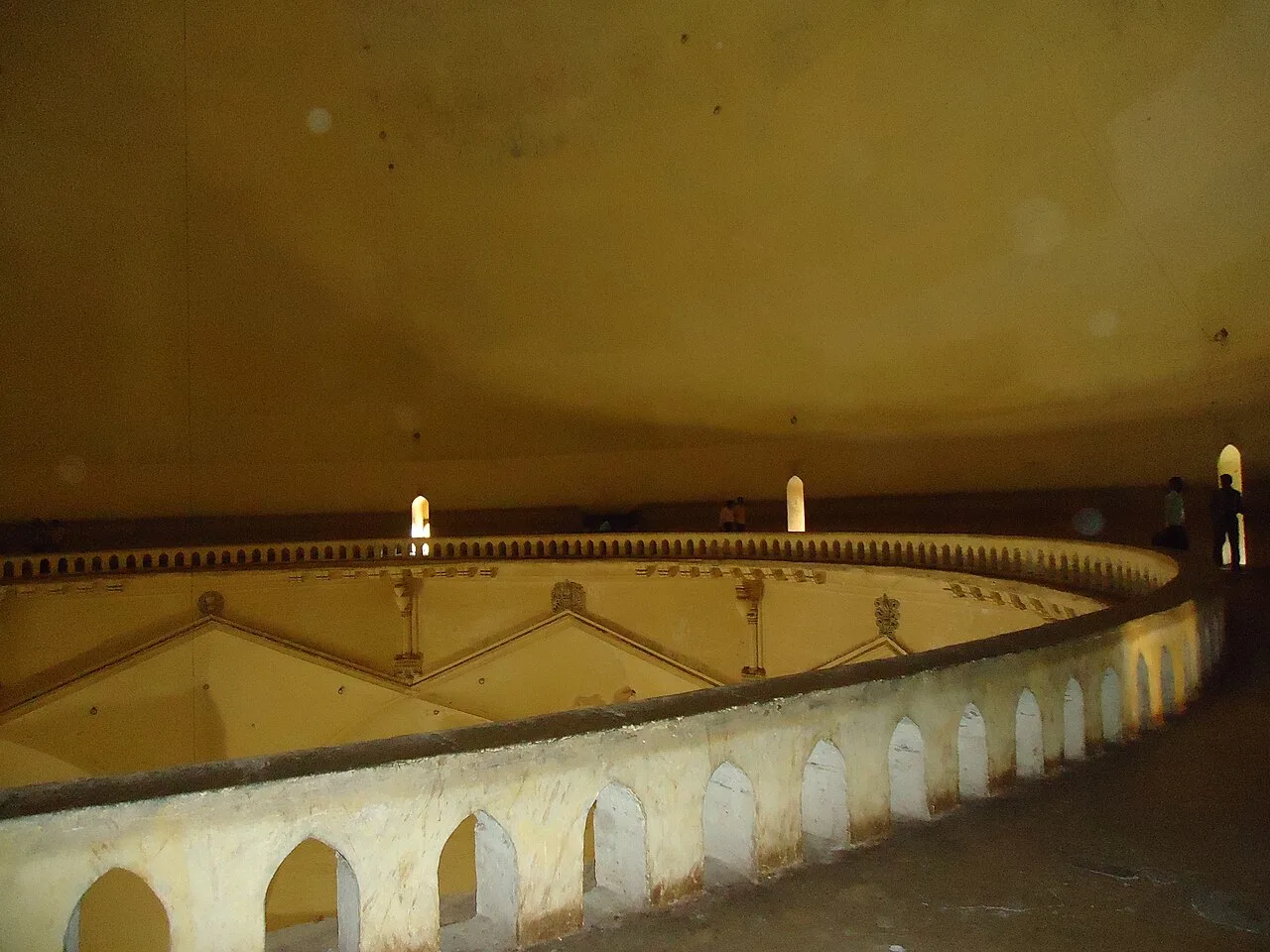
Gol Gumbaz is a basalt mausoleum in Bijapur, Karnataka, built for Mohammad Adil Shah. Visitors come to see its great dome, Indo-Islamic design and famous whispering gallery.

Jama Masjid, Vijayapura

38 km away · Vijayapura district

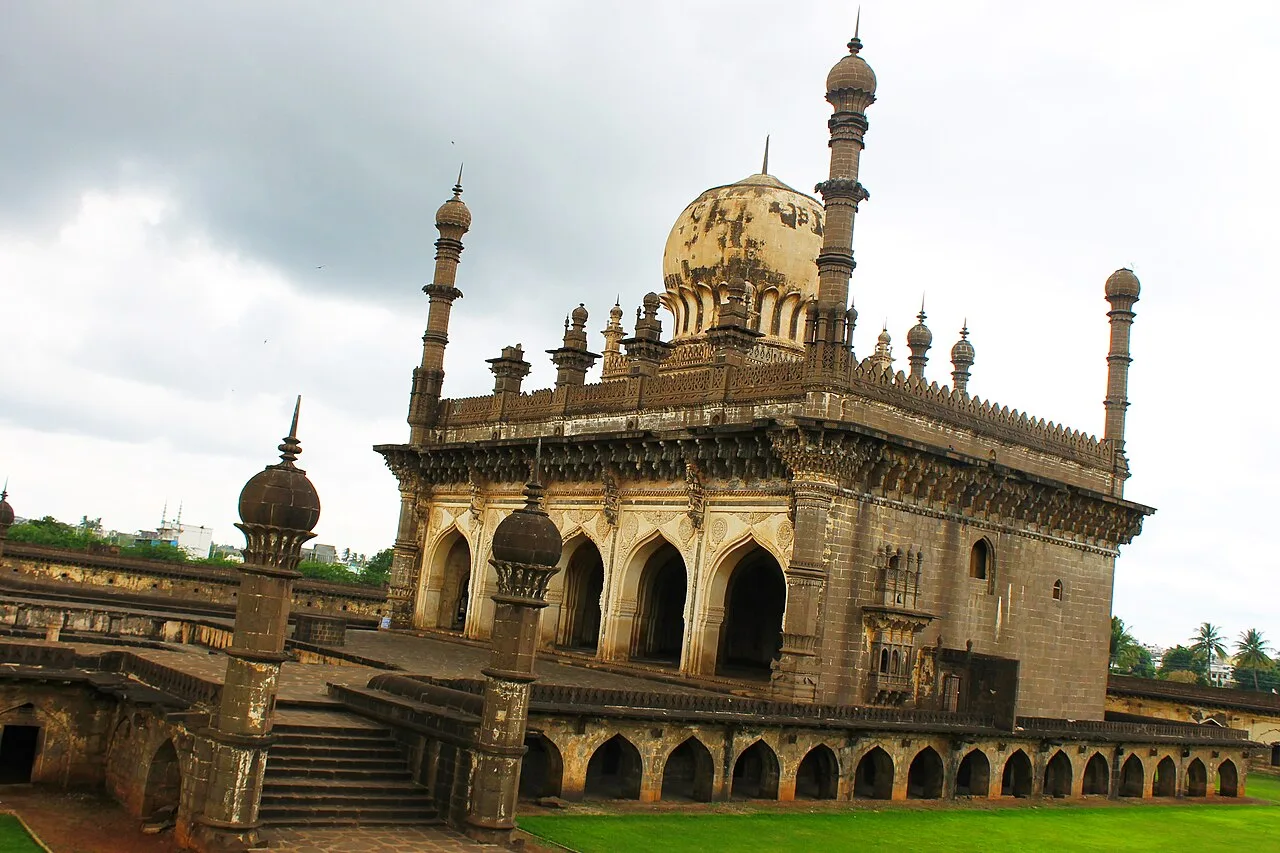
Jama Masjid, Vijayapura

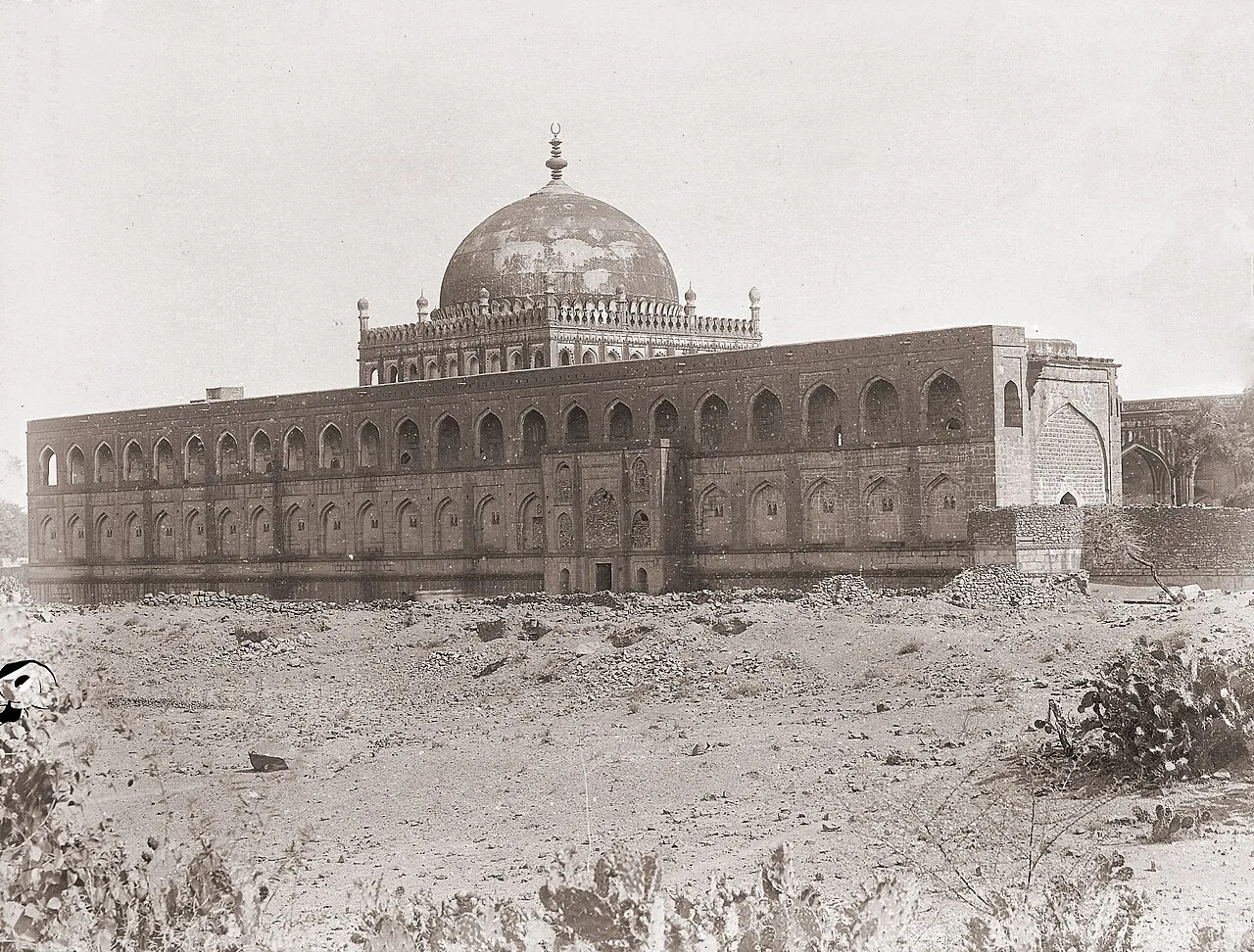
Jama Masjid is a 16th-century congregational mosque in Vijayapura, Karnataka, begun under Ali Adil Shah I. Visitors come to see Bijapur’s largest mosque and its unfinished historic landmark.

Bara Kaman

39 km away · Vijayapura district

Bara Kaman

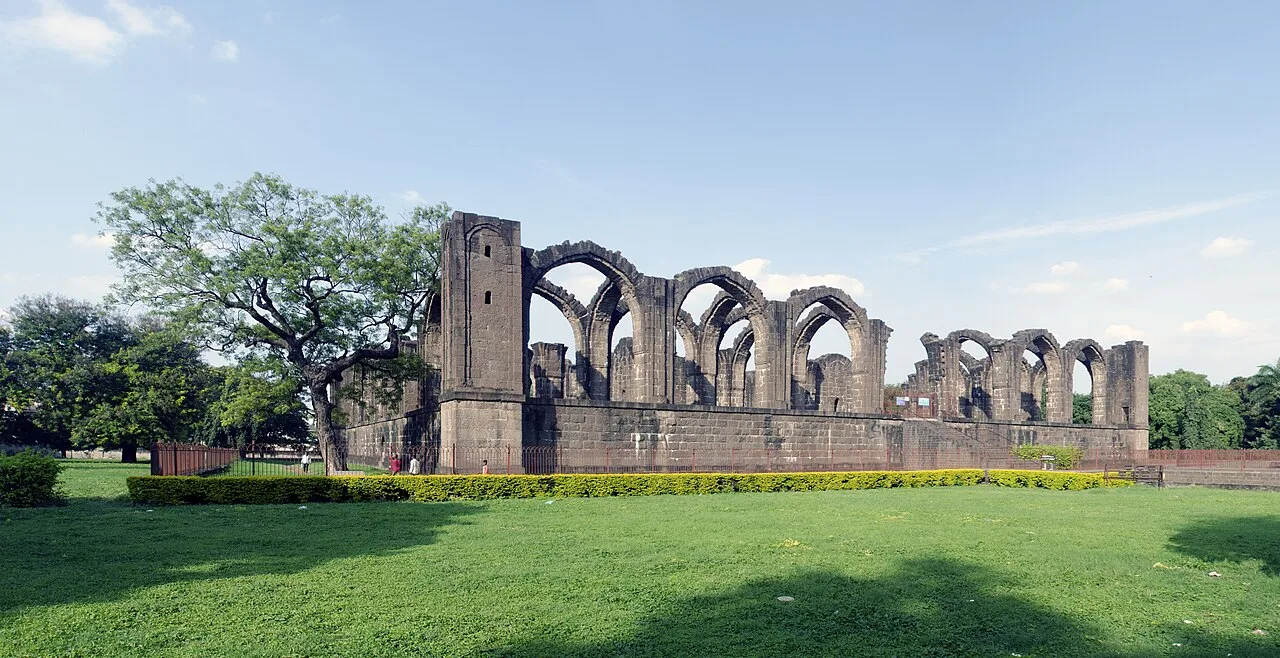
Bara Kaman is an incomplete royal burial complex in Vijayapura, Karnataka. Visitors come to see its surviving arches and learn about the ambitious mausoleum planned for Ali Adil Shah II.

Ibrahim Rauza

40 km away · Vijayapura district

Ibrahim Rauza

Ibrahim Rauza is a funerary complex in Vijayapura, Karnataka, bringing together a mausoleum, mosque and gardens. Visitors come to see its paired buildings, fountain and Adil Shahi architecture.

Malik-e-Maidan Cannon

40 km away · Vijayapura district

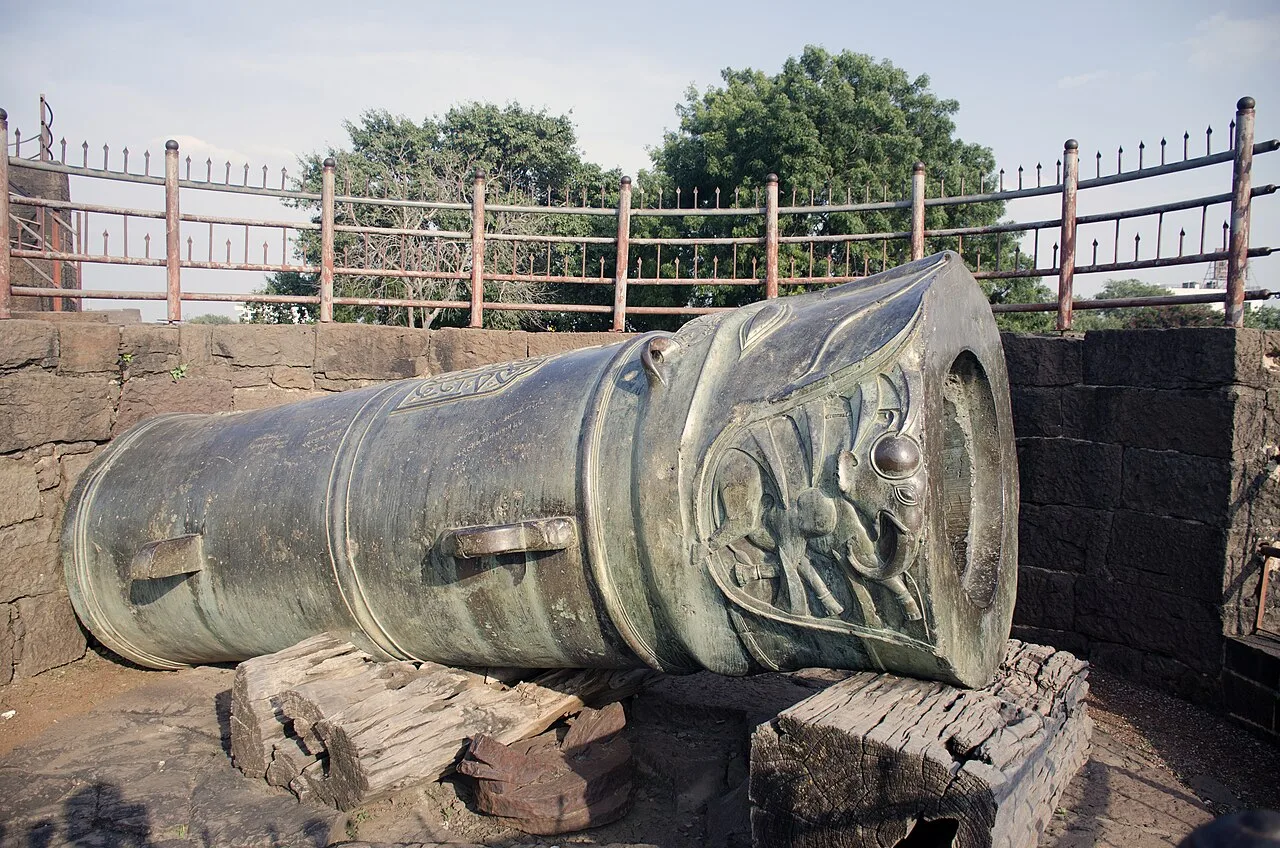
Malik-e-Maidan Cannon

Malik-e-Maidan is a sixteenth-century cannon at Bijapur Fort, notable as the largest surviving artillery example from the medieval period and for its substantial size.

Aihole

62 km away · Bagalkot district

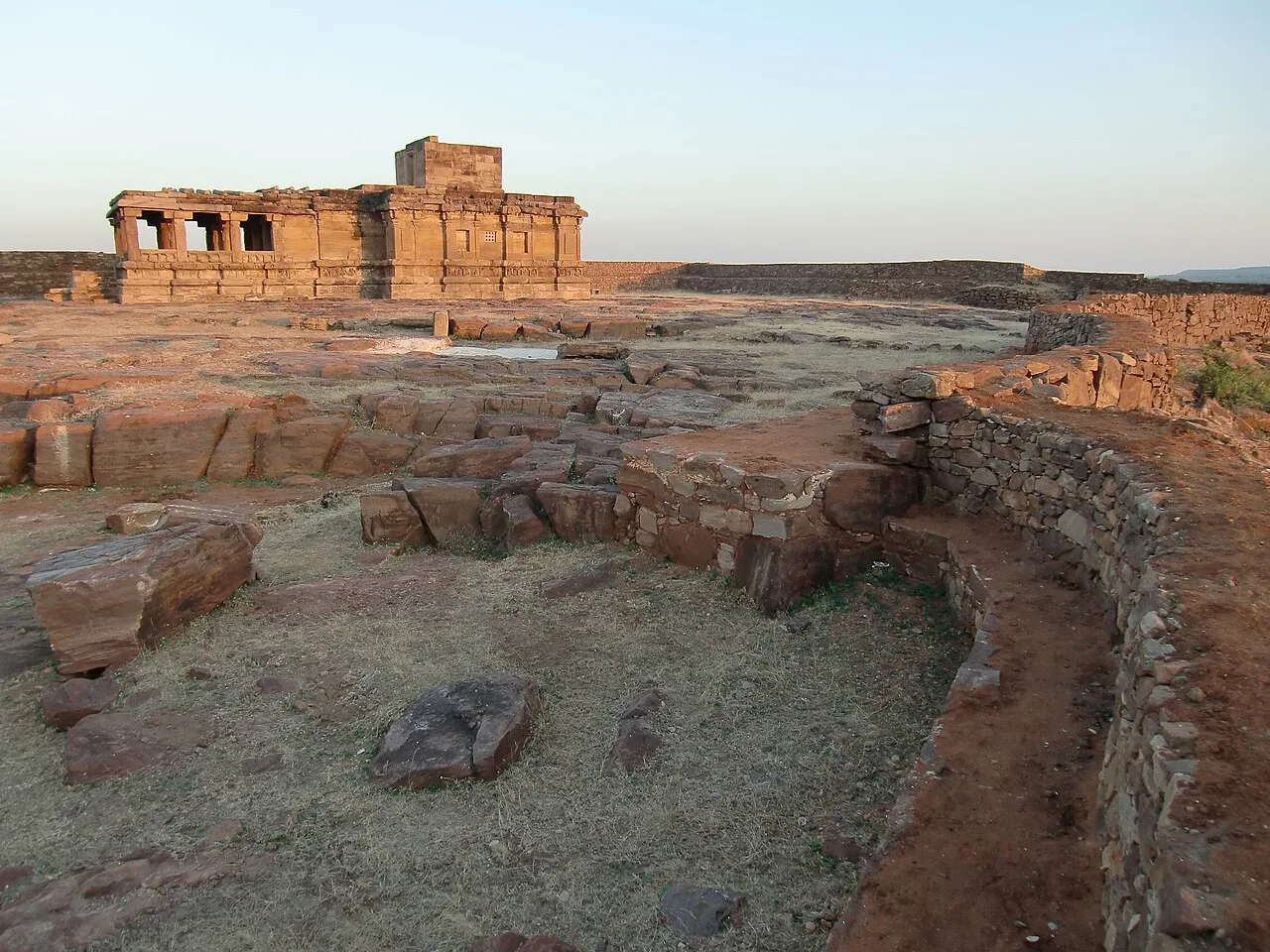
Aihole

Aihole is a historic temple site in Karnataka, known for its Buddhist, Hindu and Jain monuments and for architectural experiments that influenced nearby Chalukya-era works.

Pattadakal

71 km away · Bagalkot district

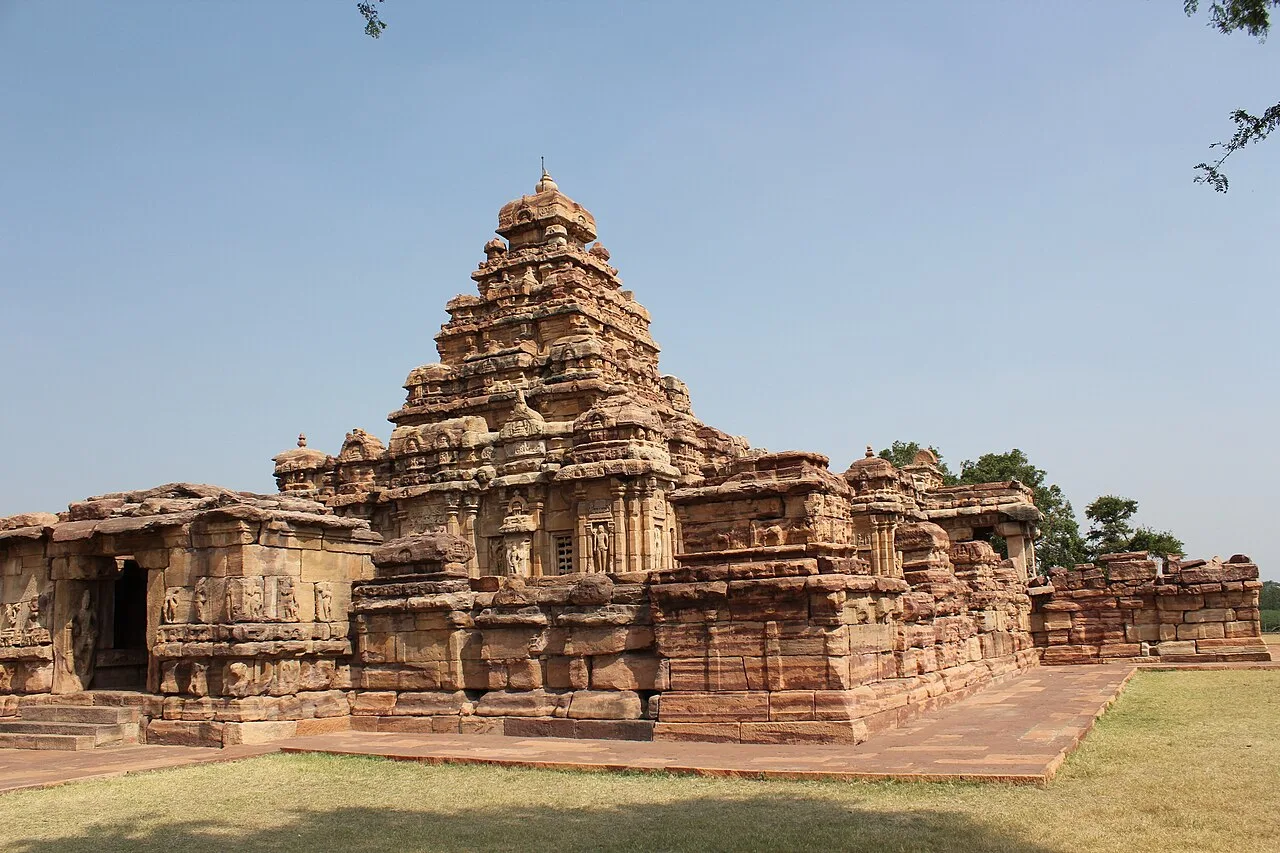
Pattadakal

Pattadakal is a UNESCO-listed temple complex in Karnataka, with Hindu and Jain monuments from the seventh and eighth centuries. Visitors come to see its distinctive mix of northern and southern architectural traditions and its carved religious narratives.

Mahakuta Temples

76 km away · Bagalkot district

Mahakuta Temples

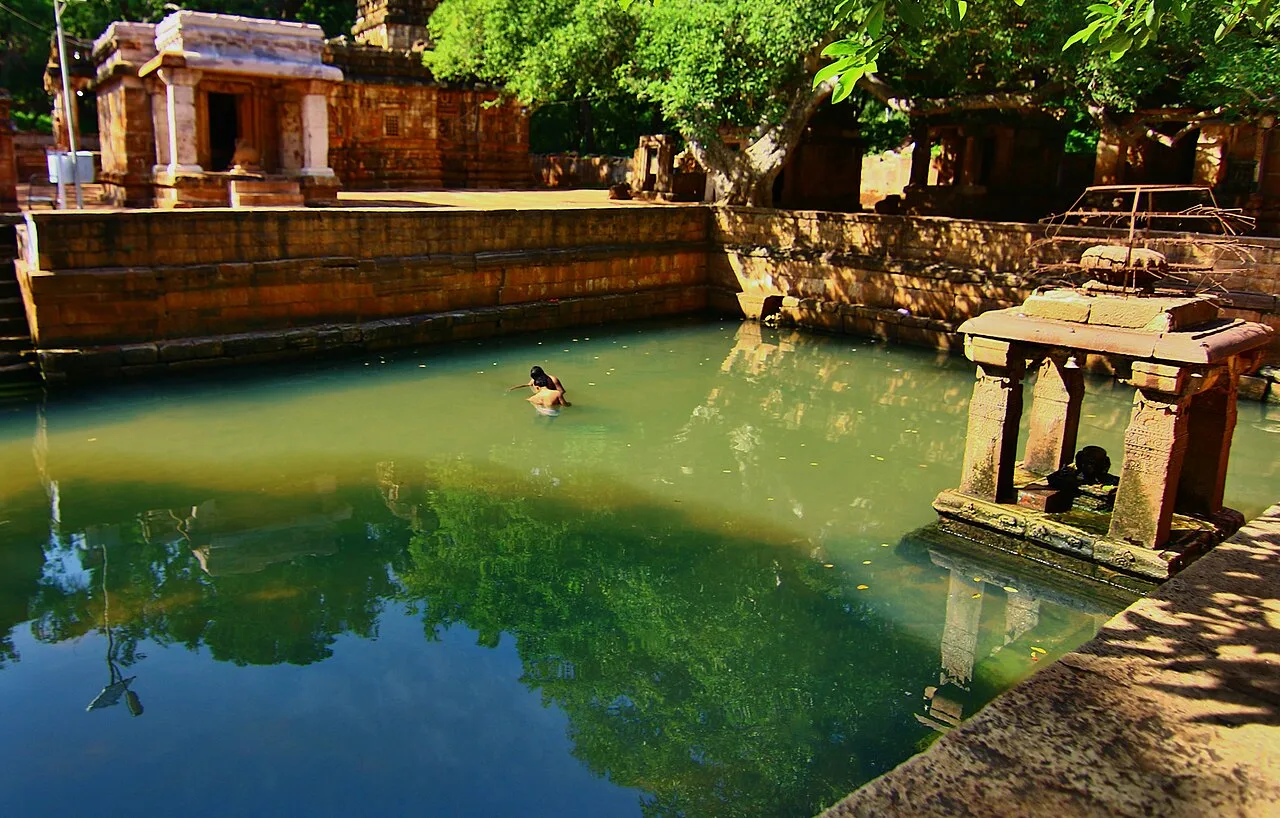
Mahakuta Temples is a Hindu temple complex and Shaiva monastic centre in Bagalkot district, Karnataka. People visit to worship and view its early Chalukyan architecture and inscriptions.

Map

Basavan Bagewadi on the map

  1. 1Gol Gumbaz
  2. 2Jama Masjid, Vijayapura
  3. 3Bara Kaman
  4. 4Ibrahim Rauza
  5. 5Malik-e-Maidan Cannon
  6. 6Aihole
  7. 7Pattadakal
  8. 8Mahakuta Temples

Karnataka

Other cities to explore