
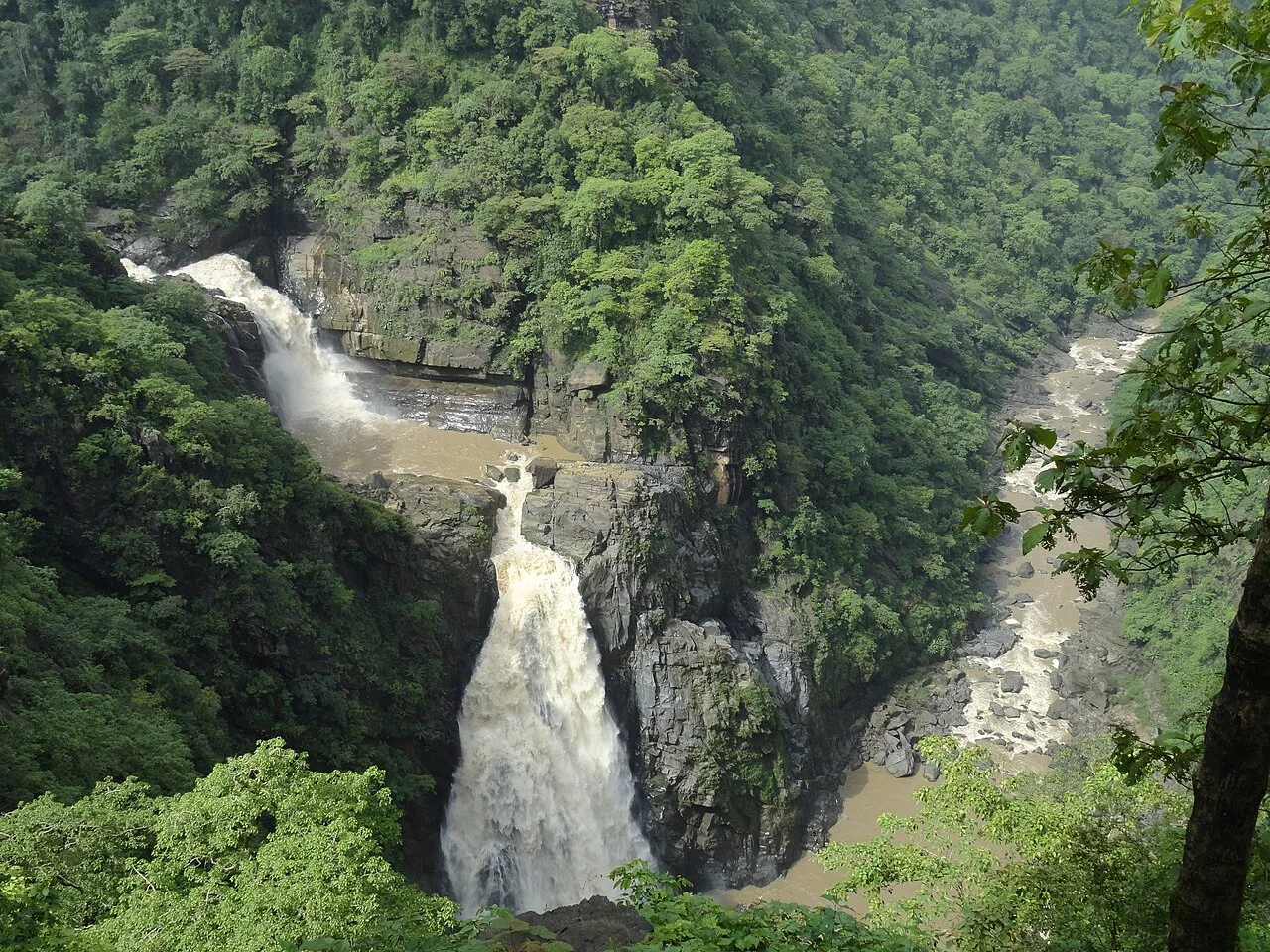
Magod Falls
In Uttara Kannada, Magod Falls is created by the Bedti River dropping nearly 200 metres in two stages. Visitors come to see the river’s series of cascades.
Key facts · verified by Ghumoopedia editors
- Type of place
- Natural attraction
- Best time to visit
- October to February; June to September for monsoon greenery in the Western Ghats
- Verified
- 21 Nov 2026
Magod Falls is in Karnataka’s Uttara Kannada district and is formed by the Bedti River. The river descends in two stages, with a total drop of nearly 200 metres (660 ft). Its stepped course gives the site a series of falls rather than one uninterrupted plunge. Yellapur is about 16 km away, while Sirsi is approximately 58 km from the falls. The site is accessible from several lakes and towns, so visitors can approach it from different nearby places. Karnataka holds the boulder-strewn ruins of Hampi, the Hoysala temple jewels of Belur and Halebidu, the Chalukyan monuments of Badami, Aihole and Pattadakal, the palaces of Mysuru, the coffee hills of Coorg and Chikkamagaluru, the temple-and-beach town of Gokarna and the tiger forests of Bandipur and Nagarhole. Bengaluru and the plateau are mild most of the year; the coast is hot and humid; the Malnad hills (Coorg, Chikkamagaluru, Agumbe) get very heavy monsoon rain from June to September. October to February is pleasant almost everywhere. The usual best time to visit is October to February; June to September for monsoon greenery in the Western Ghats. Timings, fees and access arrangements must be confirmed locally. For official information, see Karnataka Tourism at https://karnatakatourism.org.
Why it matters
Magod Falls is a natural attraction in Uttara Kannada district, where the Bedti River descends in two steps from a height of nearly 200 metres (660 feet). Its setting in the Western Ghats makes it a notable stop for visitors exploring the Yellapur area and the district’s forested landscapes. The falls are valued for their scale, river scenery and seasonal changes, particularly when monsoon rains strengthen the flow. They are a natural site rather than a documented monument or archaeological complex.
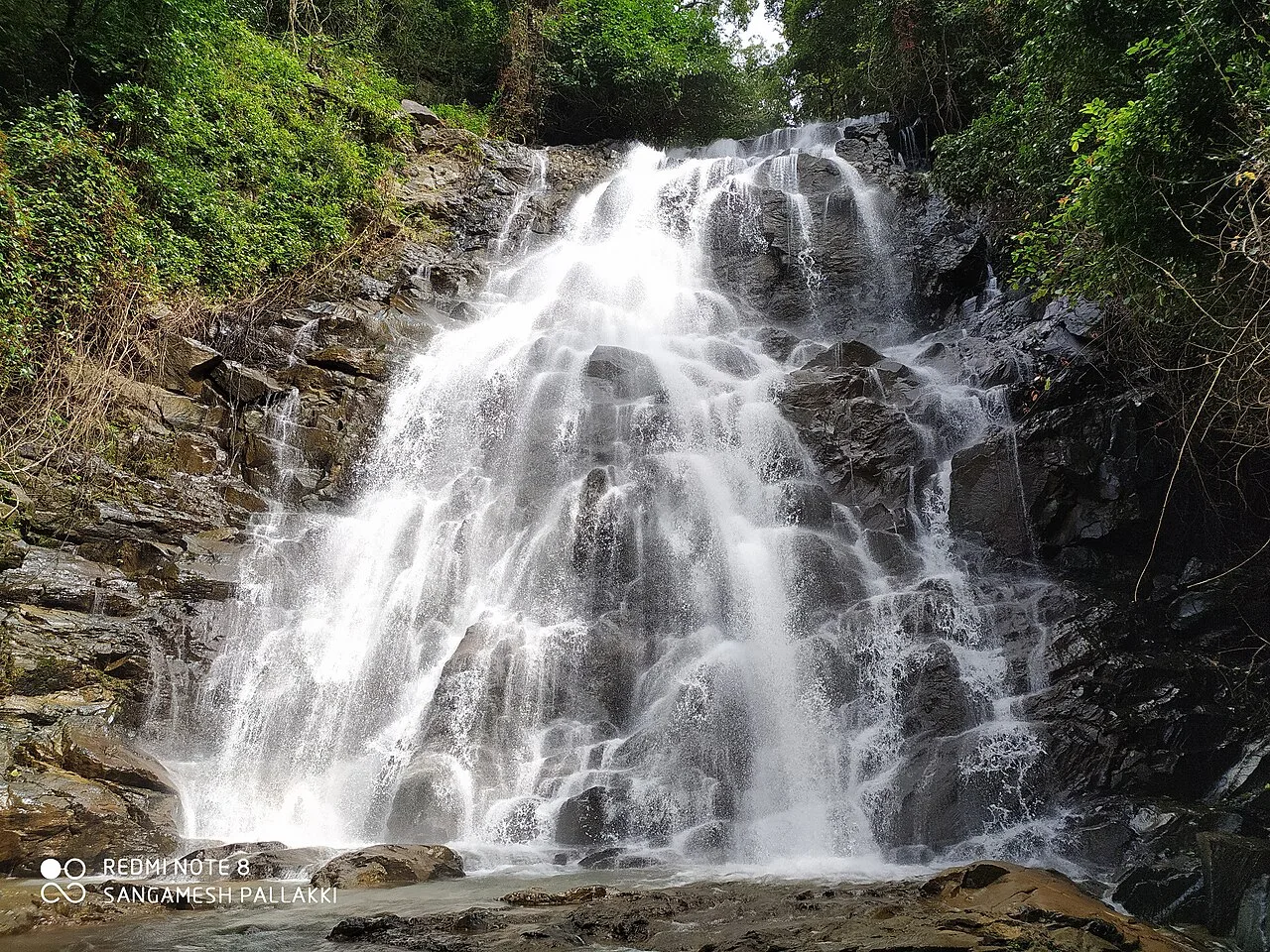
Magod Falls is a natural feature formed by the course of the Bedti River as it drops through the hilly terrain of Uttara Kannada. The waterfall’s two-step descent and its reported height of nearly 200 metres are the main facts commonly used to describe it. Unlike a fort, temple or palace, the falls were not built by a ruler or a known historical community, and there is no established construction date or documented architectural history to recount. The surrounding region has long been shaped by forest, river and agricultural livelihoods, while Yellapur and other district settlements developed as local centres for trade and services. Roads and visitor access have made the falls easier to include in regional travel, though conditions can vary with rainfall and maintenance. The landscape remains subject to seasonal change: monsoon runoff can greatly increase the river’s volume, while drier months may reveal a different flow and outlook. For current access or conservation work, consult the relevant local authority rather than assuming that visitor arrangements are permanent.
Origin stories & folklore
As with many rivers and waterfalls in the Western Ghats, local stories may connect the landscape with village histories, deities or unusual natural features; such accounts can differ between families and settlements. They are best understood as oral tradition rather than as established historical explanation for how the falls formed. Visitors who hear a story locally should ask permission before recording or sharing it, especially if it is connected with a community’s religious practice. The Bedti’s dramatic descent can inspire personal interpretations, but the physical waterfall is understood as a natural result of the river’s course and the surrounding terrain. No particular ritual or belief should be assumed to apply to every local resident.
Spend unhurried time at Magod Falls: walk the marked paths, use official viewpoints and ask locally whether a guide, entry ticket or forest permission is needed. Enjoy the water from safe, marked points; rocks near falls and dams are slippery and currents are dangerous, especially in the monsoon when waterfalls in the Ghats swell suddenly. A comfortable itinerary is one main visit in the morning, a local meal at midday and a short nearby stop before an afternoon return. Use the district list on this site to find other places in Uttara Kannada, but check the route and its condition before combining stops. If a festival is on — such as Mysuru Dasara, the Hampi Utsav, the Kambala buffalo races on the coast or the Karaga in Bengaluru — roads and stays can be busy, and the experience can be unforgettable. Leave no litter: many sites are protected by the communities around them.
Suggested itineraries
Half day: Reach the falls in the morning; spend about one to two hours at permitted viewpoints and paths; pause for a local meal in or near Yellapur; return with time in hand. Full day: Visit Magod Falls in the morning; take a relaxed meal break; choose one nearby stop such as Kavadikere Lake or a return to Yellapur; allow for road conditions and return before late travel. Gentler option: Use the closest accessible viewpoint confirmed locally, keep walking to a minimum, and take breaks in town rather than attempting uneven paths.
Kannada is widely used in Uttara Kannada, alongside other languages and regional varieties found across the district. In and around Yellapur, everyday life reflects a mix of town services, farming and forest-linked livelihoods. Local food, temple observances, village gatherings and seasonal celebrations are part of the wider cultural setting, rather than activities centred specifically on the waterfall. Music, dance and dress vary by community and occasion; visitors should not treat the district as culturally uniform. At the falls, keep noise low, follow posted instructions and ask before photographing people, ceremonies or private property. There is no verified regular performance or cultural programme at the site.
Local communities
People in the Yellapur area and surrounding villages have connections to the landscape through agriculture, small businesses, transport, food services and other forest- and river-region livelihoods. Kannada is widely spoken, and the broader district includes diverse linguistic and community traditions. Some residents may work in visitor services when travel is busy, but the falls should not be presented as belonging to one community alone. Visitors can support local businesses respectfully, follow community guidance on access and waste, and avoid entering farms or gathering places without permission.
Festivals & events
Nearby towns and villages observe Hindu festivals such as Ugadi, Deepavali, Ganesh Chaturthi and Dasara, while temple fairs or jatres may take place locally at different points in the year. Their dates and scale vary by community and local calendar. Such events can bring extra visitors and traffic to town roads and accommodation, but a festival should not be assumed to coincide with a waterfall visit. Ask locally about road access and respectful conduct if travelling during a village celebration.
Local food in Karnataka includes bisi bele bath, Mysore masala dosa, ragi mudde with sambar, Coorg's pandi (pork) curry, Mangalorean fish curry with neer dosa, Davangere benne dosa, Dharwad pedha and filter coffee everywhere. Ask what is fresh that day; many small eateries cook a limited daily menu. Vegetarian travellers eat very well across the state; the coast is the place for seafood, and Coorg has its own distinctive cuisine. Don't miss a tiffin breakfast of idli, vada and filter coffee. Remote sites may have no restaurant at all. Carry water and snacks, eat a proper breakfast before long drives, and ask your accommodation for a packed lunch if you are heading out early. Try a home-cooked or local thali meal when you can — it is often the best food on the route. Choose busy, clean places, drink sealed or filtered water, and carry your packaging back with you.
Shopping & local experiences
There is no verified dedicated souvenir market at Magod Falls. Look for locally made goods and everyday supplies in Yellapur or at markets encountered along the route, and ask sellers about the origin of crafts rather than assuming they are made nearby. Regional food and produce can be a more grounded memento of the visit; choose established local eateries and carry reusable containers where practical. Avoid buying wildlife products, plants or items collected from protected areas. Support small businesses respectfully and leave the waterfall site free of packaging.
The Bedti River flows through a rugged, green landscape in the Western Ghats before plunging at Magod Falls in two stages. The surrounding hills support a mix of moist forest and other wooded vegetation, with seasonal changes in stream flow and greenery. During the monsoon, rain can swell the river quickly and make rocks, paths and viewing areas slippery; in drier periods the water volume and appearance may differ. The wider district supports varied birdlife and wildlife, but sightings at the falls are never guaranteed. Stay on permitted paths, do not approach unstable edges, and avoid swimming in strong or unmarked currents. Take all litter away.
October to February; June to September for monsoon greenery in the Western Ghats
These figures are calculated from map coordinates — actual road distance is longer. Bengaluru is the hub for the south and centre; Hubballi and Belagavi serve the north; Mangaluru serves the coast; Mysuru is the gateway to Coorg, and Hosapete is the railhead for Hampi. KSRTC buses connect the district towns, and the coast is served by the Konkan Railway with frequent buses from Mangaluru and Udupi. For Hampi, take a train or bus to Hosapete and an autorickshaw for the last 13 km. When comparing train, bus and flight, count the complete door-to-door time: a flight saves the most time only if the onward road transfer is short, while an overnight train can save a hotel night. Book your return before you leave, because seats fill quickly on weekends, festivals and holidays. Current train numbers, timings, return services and fares are not listed here; check IRCTC and NTES for trains and the airline's own schedule for flights. No permit is needed to visit Karnataka. Tiger safaris in Bandipur, Nagarhole and the Kali Tiger Reserve must be booked in advance through the forest department or authorised lodges — weekend slots sell out. Treks in Kudremukh National Park and some Western Ghat peaks need forest entry permission. Hampi's monuments have ASI entry tickets; the core zone is best seen with a bicycle, moped or autorickshaw for the day.
Getting around
Yellapur is the nearest town base described in the existing guide, and road travel is the usual way to reach the falls. Local buses serve district towns, but visitors should check whether a service reaches the required turn-off and arrange the last part of the journey locally. Autos or hired vehicles may be available in town, though availability can vary; agree on a return plan before setting out. Walk only on established paths near the falls. Check parking arrangements and road conditions on arrival, and avoid driving onto narrow or muddy tracks without local advice.
Hours, tickets & permissions
Entry arrangements can depend on the route, weather, forest rules and local management. There is no confirmed dress code or identification rule to state; follow any instructions posted at the site and carry identification if requested by the managing authority. Confirm current opening arrangements, entry rules and fees locally before travelling, especially during the monsoon or after heavy rain, when access may be restricted for safety.
Facilities
Facilities directly at the falls may be limited and can change with season or management. Toilets, drinking water, food stalls, guides and reliable mobile connectivity should not be assumed; check locally before relying on them. Yellapur is a more practical place to look for meals, basic supplies, cash services and transport arrangements. Parking may be available near the access point, but its location and capacity should be confirmed on arrival. Carry drinking water and take rubbish back with you. Ask whether a guide or permission is needed before entering any forest-managed area.
Accessibility
The approach and viewing areas may involve uneven ground, slopes, steps or slippery surfaces, particularly after rain. Do not assume wheelchair access, ramps, handrails or step-free viewpoints. Strollers may be difficult to use beyond a firm access area. Older visitors and anyone with balance, heart or mobility concerns should choose only a viewpoint confirmed as safe and manageable, avoid wet or steep routes, and visit with a companion. Shade and resting places may be limited; carry water and take breaks.
No permit is needed to visit Karnataka. Tiger safaris in Bandipur, Nagarhole and the Kali Tiger Reserve must be booked in advance through the forest department or authorised lodges — weekend slots sell out. Treks in Kudremukh National Park and some Western Ghat peaks need forest entry permission. Hampi's monuments have ASI entry tickets; the core zone is best seen with a bicycle, moped or autorickshaw for the day. Carry a photo ID at all times and save the emergency number 112 and your accommodation's contact offline. Heat in summer and heavy rain in the monsoon are the main weather risks; carry water, avoid midday sun and allow extra time when roads flood. Waterfalls and dams are dangerous in the monsoon: keep behind barriers and leave the area if the water level rises suddenly.
Photography
The falls and forested valley are often most comfortable to photograph in softer morning light, though cloud and spray can change conditions. Use official or clearly marked viewpoints and do not climb barriers or approach unstable edges for a better angle. Ordinary handheld photography is generally suitable, but check locally for camera restrictions or any fee. Drone use may be restricted by aviation rules, forest controls or site management; obtain required permissions rather than flying on assumption. Ask before photographing people, homes or religious observances, and avoid disturbing wildlife.
Choose a stay by the full journey to Magod Falls, not just the district name. Bengaluru, Mysuru and Mangaluru offer the widest choice; Hampi has guesthouses on both banks of the Tungabhadra, Coorg has plantation homestays and resorts, and the forest lodges at Bandipur and Nagarhole book out early. In summer, check air-conditioning; in the monsoon, check that the property is accessible if roads flood. Book in advance for weekends, festivals and the peak season (October to February; June to September for monsoon greenery in the Western Ghats). Confirm the exact location, meals included, check-in time and cancellation terms in writing. Avoid sending money to unverified contacts or touts at stations. Carry some cash, as card and digital payments can be unreliable in remote areas.
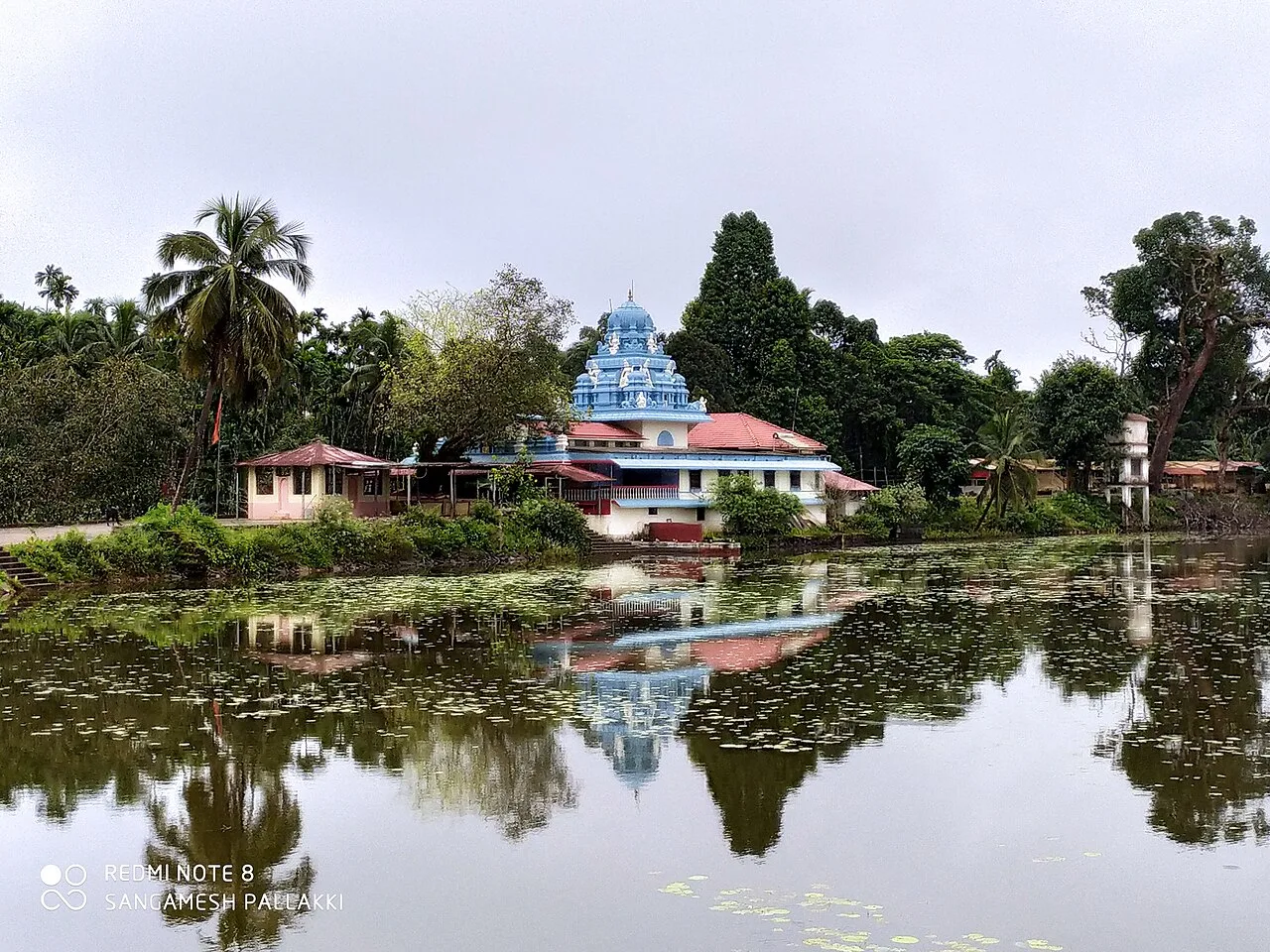
Yellapur is the most practical nearby town for food, supplies and local travel arrangements. Kavadikere Lake is another natural stop in the area, while Sathodi Falls is a separate waterfall attraction in Uttara Kannada that may suit a longer regional outing; confirm road conditions before combining sites. The wider district includes Sirsi, known for the Marikamba Temple, and other forest and river landscapes, but these are not necessarily convenient add-ons in a single short visit. Check routes and travel times locally, since map distances do not account for road conditions.
For couples, Magod Falls rewards a slow pace: arrive early for soft light and fewer crowds, share a local meal and keep the evening free. A sunset over Hampi's boulders, a coffee-estate walk in Coorg or a quiet evening on a Gokarna beach makes the trip memorable. Public displays of affection can be frowned upon in conservative communities and at religious sites, so be discreet. Keep a buffer in your itinerary, because weather and road conditions can delay plans.
Q: How much time should I allow for Magod Falls? A: Allow a relaxed half day for the falls and travel from the Yellapur area; add time if road conditions are slow or you plan another stop. Q: When is the best season to visit? A: October to February is generally more comfortable. The monsoon brings greener scenery and stronger water, but access and footing can be hazardous. Q: Is there an entry ticket or permit? A: Check with the local managing authority about entry, forest permission and any camera rules before travelling. Q: Can children and elderly visitors go? A: They may visit a safe, locally confirmed viewpoint, but paths can be steep or slippery. Keep children close and avoid exposed edges and strong water. Q: Where should I stay nearby? A: Yellapur is the practical town base to check for accommodation. Confirm availability and road access locally, particularly in busy seasons.
Be the first to share photos, stories, advice or a helpful contact for Magod Falls.
Loading…