Ghumoopedia — Explore, Discover, Experience
Sign in
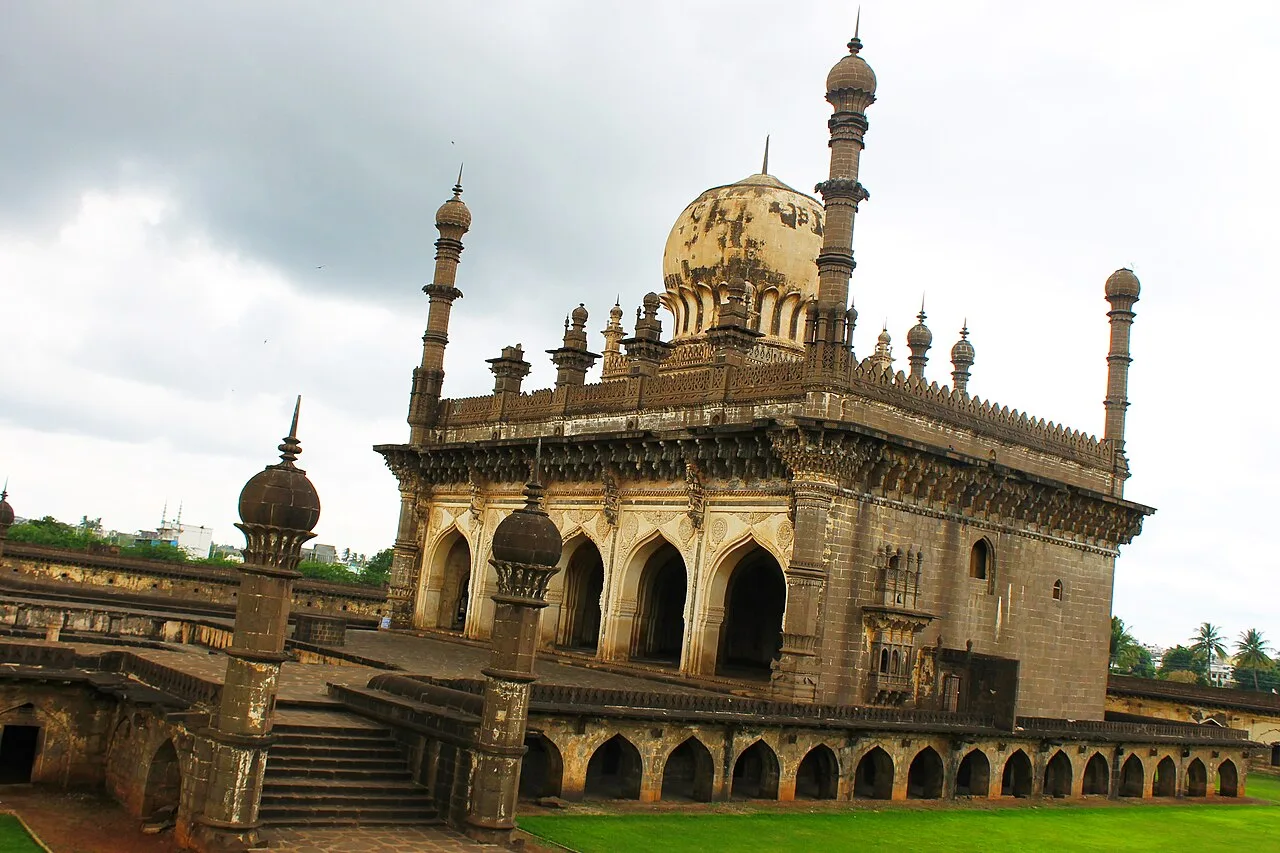
Ibrahim Rauza, near Jamakhandi

City guide · Karnataka

Jamakhandi

Jamakhandi is a town in Bagalkot district in northern Karnataka, set near the Krishna River. It serves as the headquarters of a taluk and an important administrative centre for the surrounding area.

Famous for

  • Former princely state
  • Patwardhan royal heritage
  • Krishna River region
  • Regional education hub

Why Jamakhandi matters

Jamakhandi is a town in Bagalkot district in northern Karnataka, set near the Krishna River. It serves as the headquarters of a taluk and an important administrative centre for the surrounding area. The town also anchors a district subdivision that includes the taluks of Jamakhandi, Mudhol, Bilagi, Rabakavi-Banahatti and Teradal. Its schools and colleges draw students from nearby towns and villages, giving it a prominent role in regional education.

Jamakhandi’s history as the capital of a former princely state lends the town a distinct character. Visitors interested in Karnataka’s smaller royal states can explore its historic precincts and town centre, while the surrounding countryside offers a glimpse of the Krishna basin and everyday life in this part of the Deccan. The town is also a practical base for local services and travel within the subdivision. Its appeal is less about a single major tourist attraction than about its combination of administrative importance, educational activity and princely-era heritage.
Famous for: crafts, trade & products

Jamakhandi is best known locally for its educational institutions, administrative role and connection to the former princely state. Its shops and markets mainly serve residents and visitors from nearby towns and villages, with everyday goods, clothing and agricultural necessities forming the core of local commerce. There is no widely established craft or textile speciality that can confidently be attributed to the town itself.

The wider Bagalkot region is known for Ilkal handloom sarees, a recognised regional textile tradition. Travellers seeking these sarees should look for specialist sellers in Ilkal or ask local traders about regional stock rather than assume they are made in Jamakhandi. The town’s market streets are useful for browsing everyday Karnataka goods and provisions, while its schools and colleges are an important part of its identity. Jamakhandi is not especially known as a destination for a distinct GI-tagged product or a major handicraft market; its commercial character is primarily local and regional.

History

Jamakhandi was the capital of a princely state ruled by the Patwardhan family. The former state’s territory extended beyond the present town and included Kundgol, now in Dharwad district. Like other princely states in the region, it existed under British paramountcy while retaining its own ruler and local administration. Its royal past remains an important part of the town’s historical identity.

At the end of British rule, Jamakhandi joined the Union of India. It is remembered for an early merger associated with local demands for the town to receive district status. The princely state did not become a district, and Jamakhandi is now part of Bagalkot district in Karnataka. In modern administration it serves as a taluk headquarters and the centre of a subdivision covering several neighbouring taluks. Growth in education, local commerce and public services has strengthened its role in the surrounding region.

Food, festivals & culture

Kannada is the main language of daily life, and Marathi is also heard in this border region. Local meals reflect northern Karnataka cooking: jolada rotti, brinjal-based ennegayi, pulses and shenga chutney are familiar choices. Small eateries and market-area food stalls are good places to look for everyday regional dishes; menus and availability vary. Jamakhandi does not have a widely established signature sweet that defines it as a destination for food tourism.

Ugadi, usually in spring, and Ganesh Chaturthi, generally in the monsoon season, are among the festivals observed in the town. Deepavali and Dussehra are also marked, with celebrations centred on homes, neighbourhoods and places of worship. Hindu temples and Muslim mosques serve local communities, while devotional singing and North Karnataka folk traditions are part of the broader cultural landscape. Festival customs and performances are community-led and may differ from one neighbourhood to another.

Visiting the city

The cooler, drier months from about November to February are generally the most comfortable for a visit. Jamakhandi has no major airport in town; Belagavi Airport is a practical nearby air gateway, though road travel from it takes time. Rail access is also outside the town: Kudachi and Bagalkot are nearby station options, so check current connections and onward road transport when planning a journey.

Within Jamakhandi, local buses, auto-rickshaws and taxis can help with short trips. The central market area is useful for everyday shopping and food, while the former royal precinct and older parts of town offer a sense of its princely history. For wider excursions, the town’s roads connect it with neighbouring taluk centres and communities along the Krishna basin. Allow extra time for regional road journeys.

Trips from the city

Nearest places to visit from Jamakhandi

Our closest destination guides, by straight-line distance.

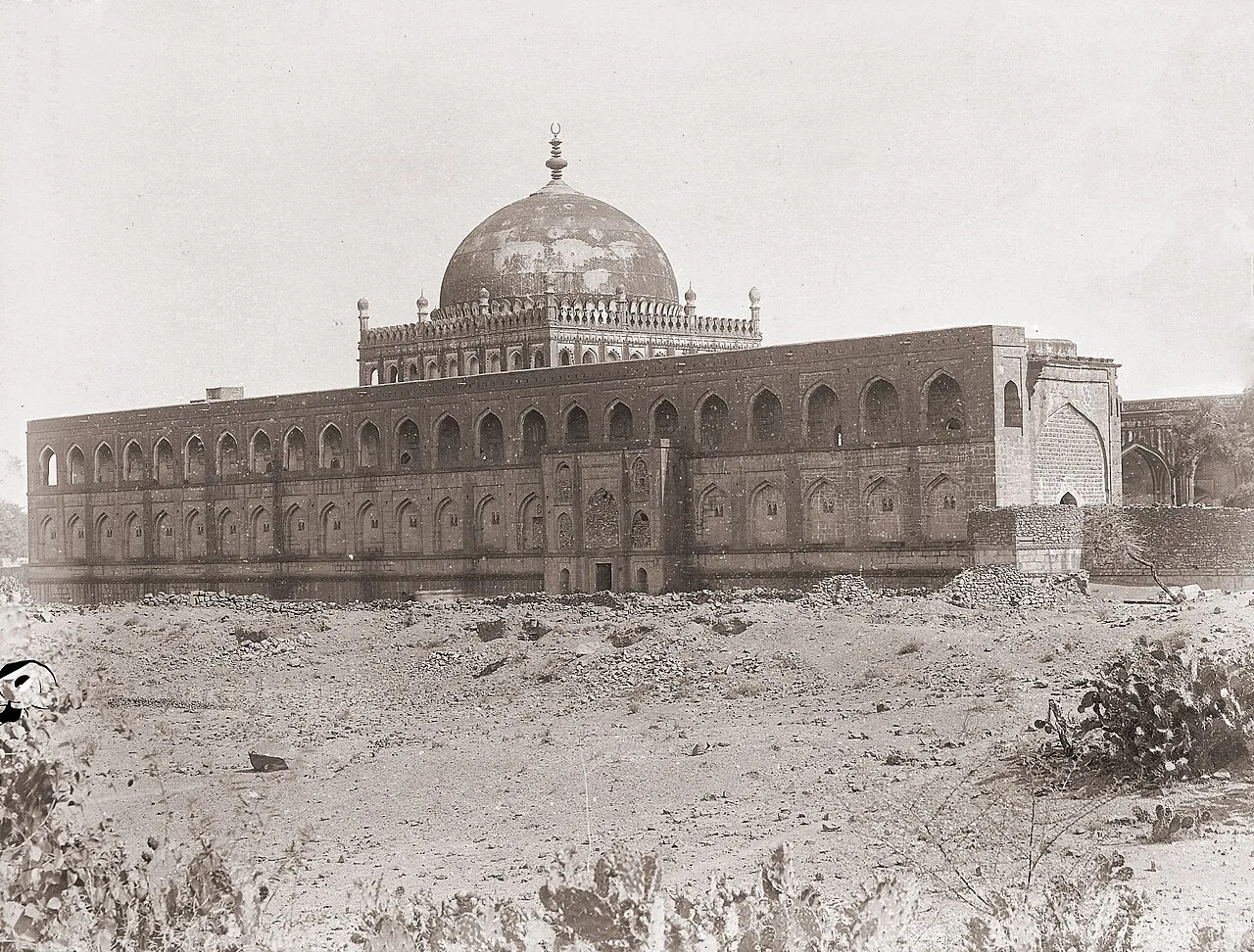
Ibrahim Rauza

57 km away · Vijayapura district

Ibrahim Rauza

Ibrahim Rauza is a funerary complex in Vijayapura, Karnataka, bringing together a mausoleum, mosque and gardens. Visitors come to see its paired buildings, fountain and Adil Shahi architecture.

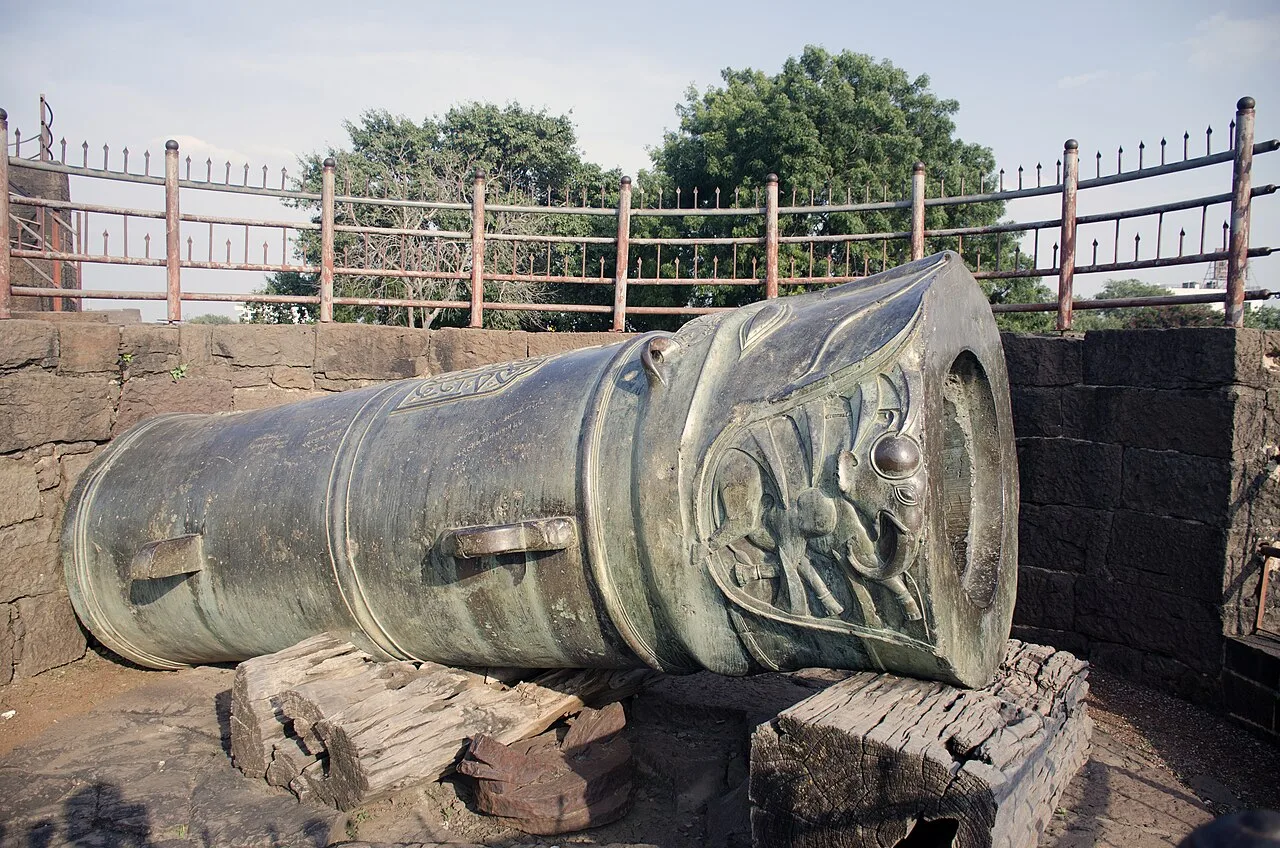
Malik-e-Maidan Cannon

57 km away · Vijayapura district

Malik-e-Maidan Cannon

Malik-e-Maidan is a sixteenth-century cannon at Bijapur Fort, notable as the largest surviving artillery example from the medieval period and for its substantial size.

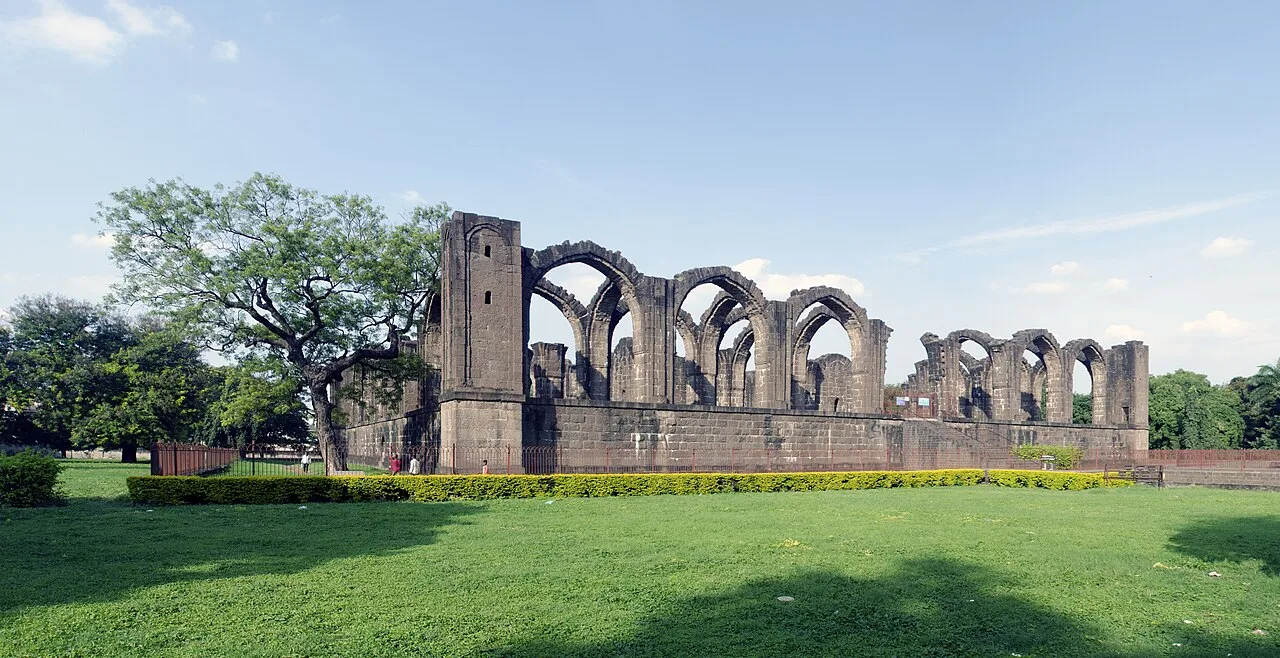
Bara Kaman

58 km away · Vijayapura district

Bara Kaman

Bara Kaman is an incomplete royal burial complex in Vijayapura, Karnataka. Visitors come to see its surviving arches and learn about the ambitious mausoleum planned for Ali Adil Shah II.

Jama Masjid, Vijayapura

58 km away · Vijayapura district

Jama Masjid, Vijayapura

Jama Masjid is a 16th-century congregational mosque in Vijayapura, Karnataka, begun under Ali Adil Shah I. Visitors come to see Bijapur’s largest mosque and its unfinished historic landmark.

Gol Gumbaz

60 km away · Vijayapura district

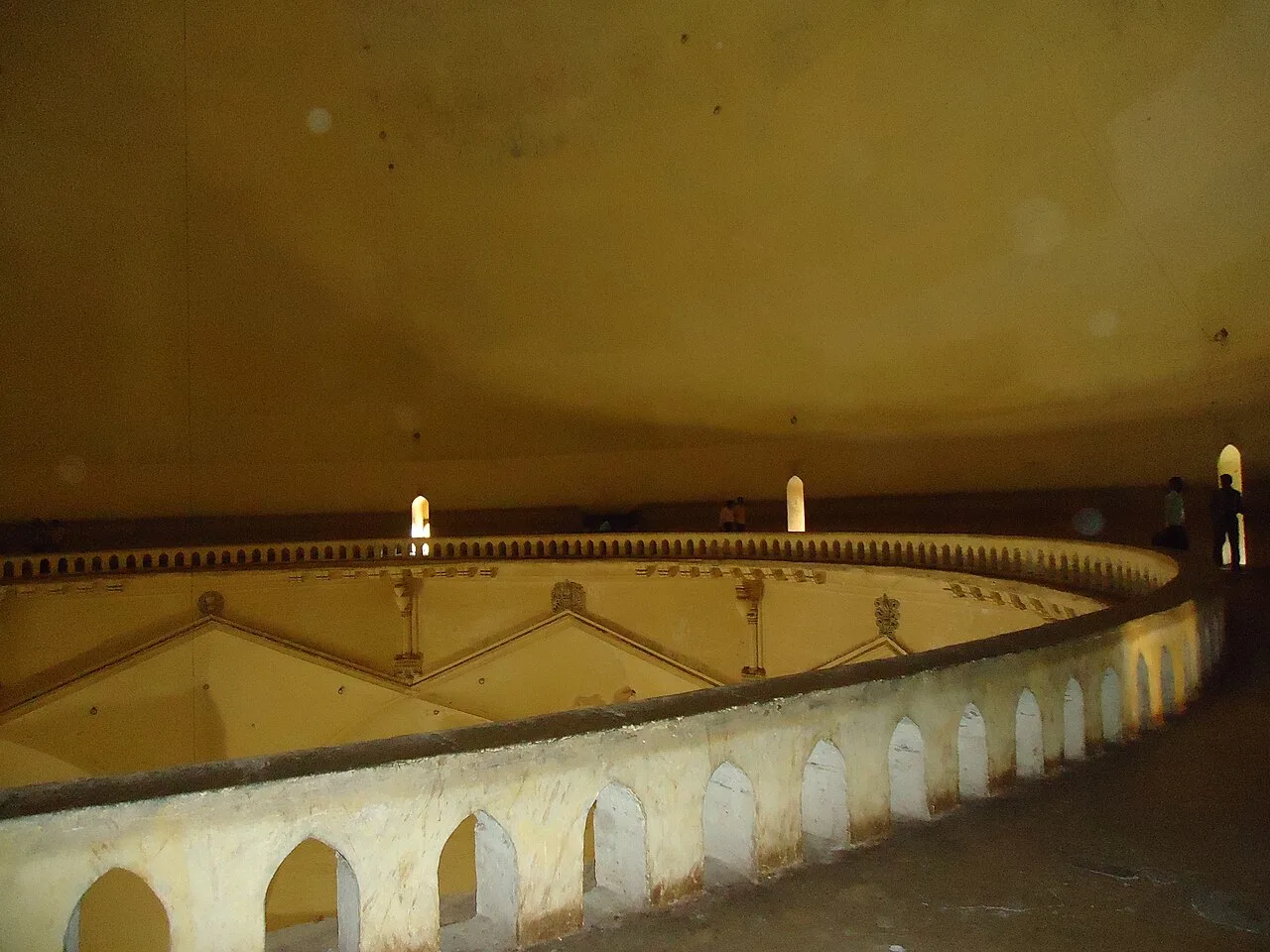
Gol Gumbaz

Gol Gumbaz is a basalt mausoleum in Bijapur, Karnataka, built for Mohammad Adil Shah. Visitors come to see its great dome, Indo-Islamic design and famous whispering gallery.

Gokak Falls

65 km away · Belagavi district

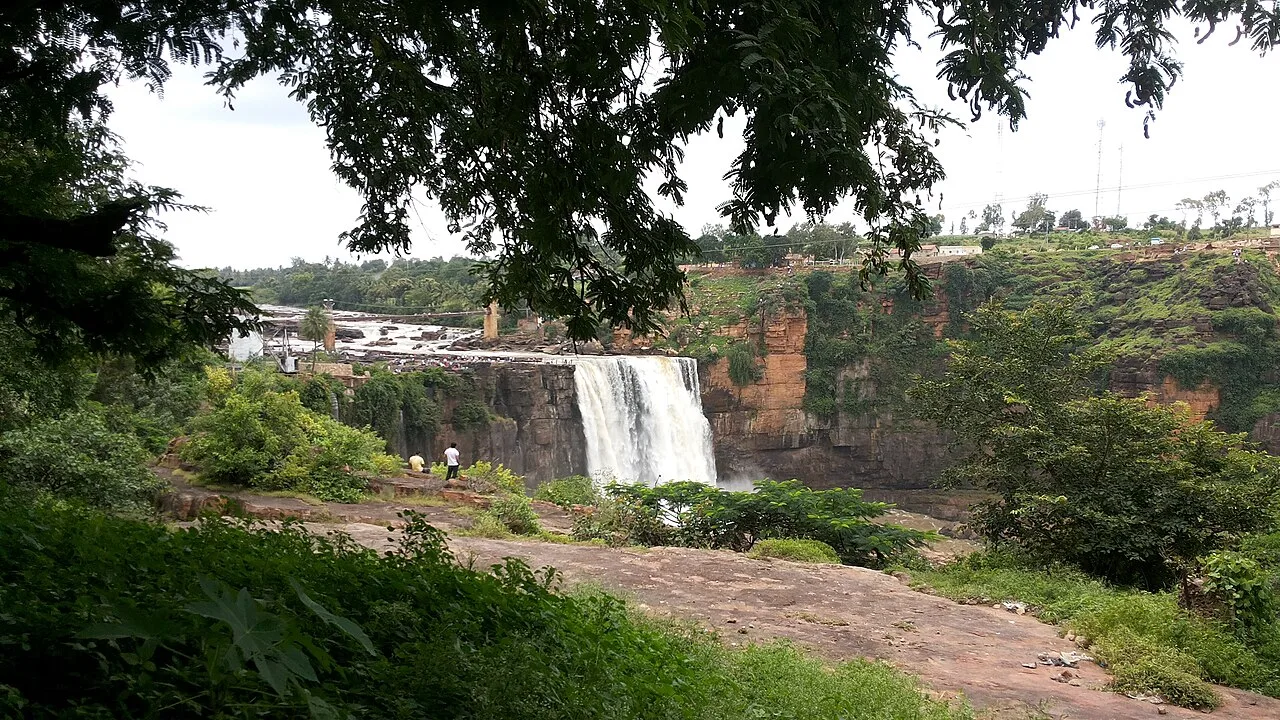
Gokak Falls

On the Ghataprabha River in Karnataka’s Belagavi district, Gokak Falls draws visitors who come to see the river’s waterfall near Gokak town.

Godachinmalki Falls

73 km away · Belagavi district

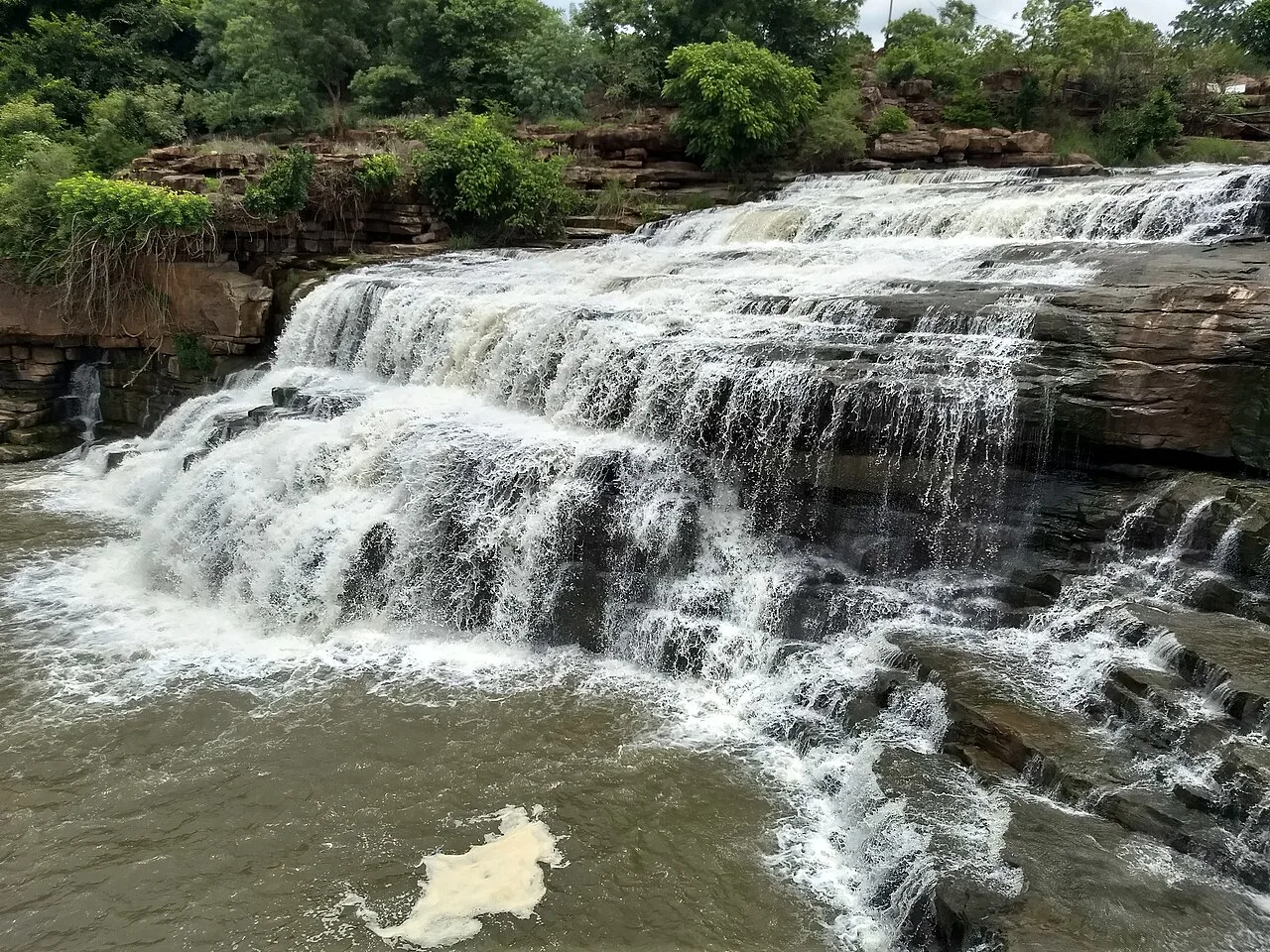
Godachinmalki Falls

Godachinmalki Falls is a two-stage waterfall on the Markandeya river in Belagavi district. Visitors come to see its cascades in a rugged valley and explore nearby river landmarks.

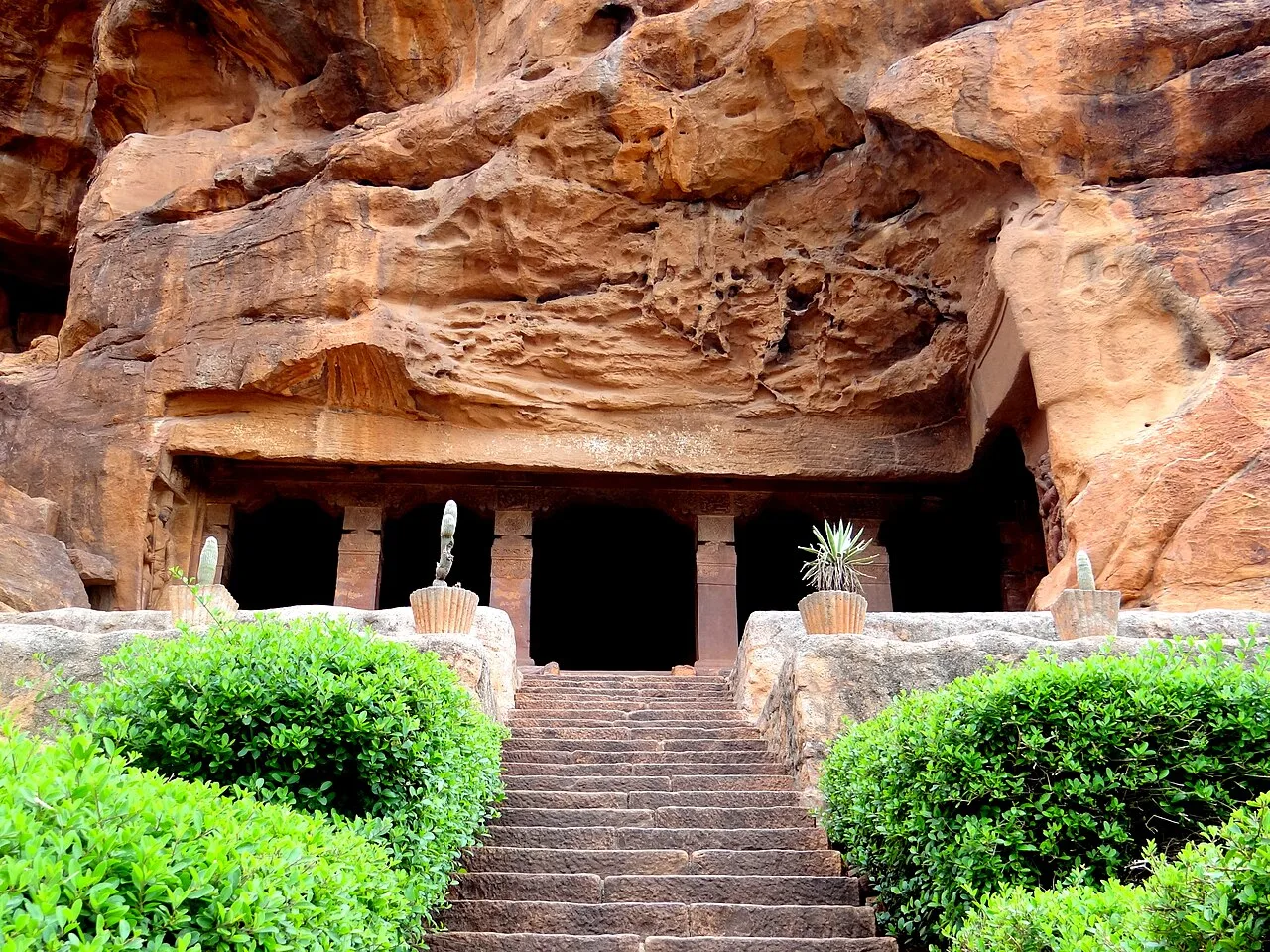
Badami cave temples

78 km away · Bagalkot district

Badami cave temples

These rock-cut shrines in Badami, Karnataka, reflect Buddhist, Hindu and Jain traditions and early Chalukya-era art. Visitors come to see the sandstone architecture and carved religious figures.

Map

Jamakhandi on the map

  1. 1Ibrahim Rauza
  2. 2Malik-e-Maidan Cannon
  3. 3Bara Kaman
  4. 4Jama Masjid, Vijayapura
  5. 5Gol Gumbaz
  6. 6Gokak Falls
  7. 7Godachinmalki Falls
  8. 8Badami cave temples

Karnataka

Other cities to explore