Ghumoopedia — Explore, Discover, Experience
Sign in
Belgaum Fort, near Sambra

City guide · Karnataka

Sambra

Sambra is a suburb of Belagavi in Karnataka’s Belagavi district. Its main regional importance comes from Belagavi Airport, located here and serving Belagavi and nearby areas.

Famous for

  • Belagavi Airport
  • Belagavi suburban setting
  • Gateway to Belagavi

Why Sambra matters

Sambra is a suburb of Belagavi in Karnataka’s Belagavi district. Its main regional importance comes from Belagavi Airport, located here and serving Belagavi and nearby areas. For many travellers arriving by air, Sambra is their first point of contact with the city, while Belagavi is the main destination for heritage, shopping and everyday services.

Sambra is best understood as part of Belagavi’s wider urban area rather than as a separate sightseeing centre. Visitors can use it as a convenient base for exploring the city’s historic fort, places of worship and markets, as well as the surrounding region. Belagavi’s position in northern Karnataka, close to the Maharashtra border, gives the area a mix of regional influences. The airport is a practical draw, but Sambra’s appeal is chiefly its connection to the city and its role in local transport. Travellers looking for a distinct craft, monument or food associated specifically with Sambra will find more to explore across Belagavi as a whole.
Famous for: crafts, trade & products

Sambra is not widely identified with a distinctive textile, handicraft or locally branded product. For shopping and regional specialties, visitors generally look to Belagavi’s city markets rather than to Sambra itself. Belagavi Kunda, a rich milk-based sweet associated with the city, is a familiar local purchase; sweet shops in Belagavi are the usual place to look for it. Availability and styles can vary between makers.

The wider Belagavi area has engineering and manufacturing activity, including foundry and machine-component work, but these are not visitor-oriented attractions in Sambra. The suburb is primarily known for its connection to the airport and the city’s transport network. Travellers hoping to buy sarees, handicrafts or a particular GI-tagged product should check the specific place of origin rather than assume it comes from Sambra. Belagavi’s central shopping areas offer a broader choice of everyday goods and food specialties, while Sambra is more useful as an arrival point than as a dedicated shopping destination.

History

Sambra’s modern identity is closely tied to the growth of Belagavi and the establishment of its airport. Belagavi, historically also known as Belgaum, has a much longer past and was shaped by successive regional powers, including the Ratta, Yadava, Bahmani and Adil Shahi dynasties, followed by Maratha rule. Its fort reflects the city’s historical strategic importance.

Under British rule, Belagavi developed as an administrative and military centre. After Indian independence, state reorganisation placed the district in Mysore State, later renamed Karnataka. In more recent decades, Belagavi’s urban growth, institutions and transport links have expanded, with Sambra becoming significant as the site of the airport serving the city. Its development is therefore best understood as part of Belagavi’s wider suburban and infrastructure growth.

Food, festivals & culture

Sambra shares the everyday food and cultural life of Belagavi. Local and North Karnataka meals commonly feature jolada rotti, rice, lentils and vegetable dishes; Belagavi Kunda is a well-known sweet associated with the city. The area’s food reflects its position near the Maharashtra border, and menus and home cooking may draw on both Kannada and Marathi traditions.

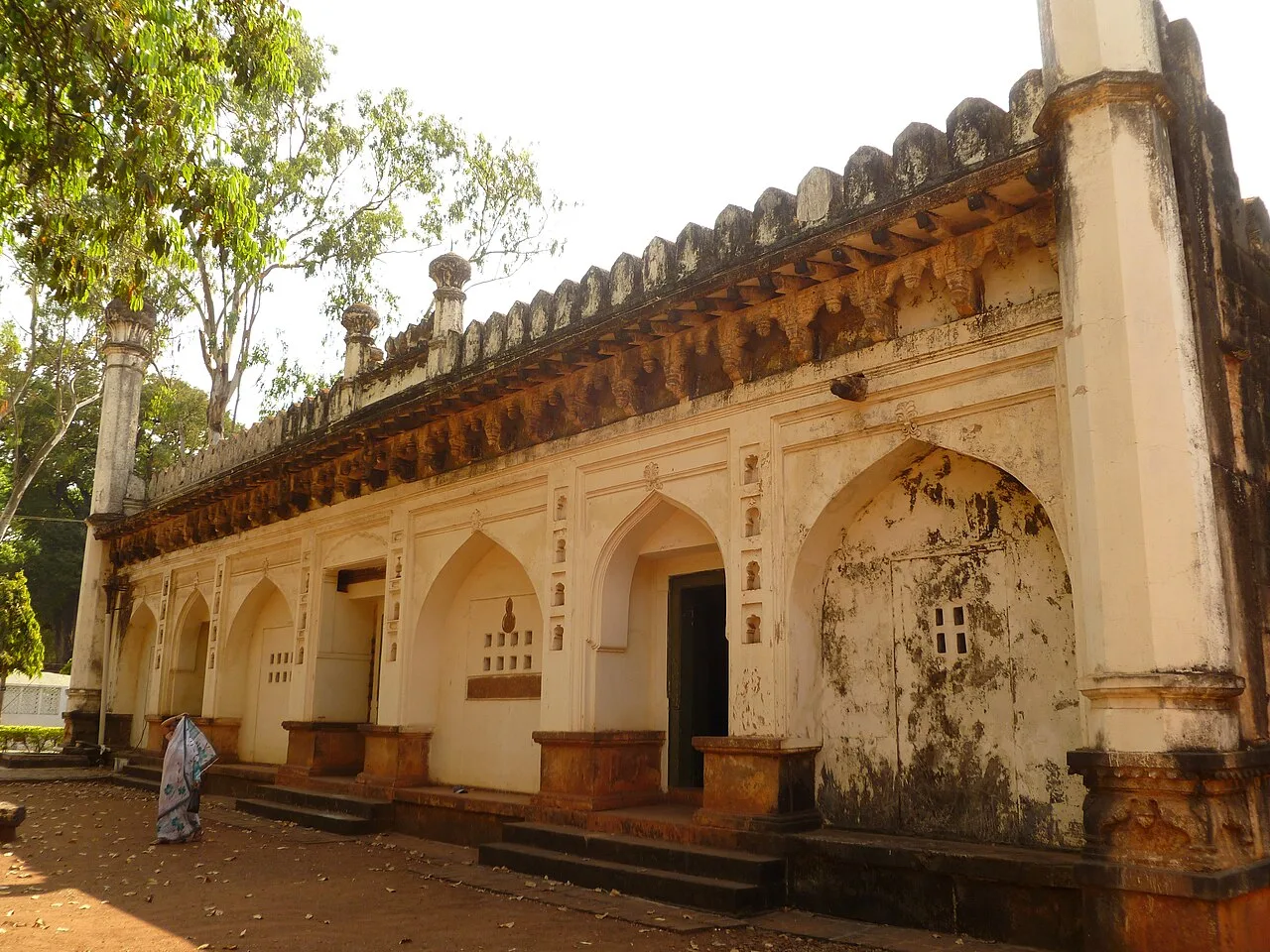
Kannada and Marathi are widely heard in Belagavi, alongside Urdu and Hindi. Ganesh Chaturthi, usually celebrated around August or September, and Dasara in September or October are prominent festive occasions; Ugadi, Diwali and Eid are also observed by local communities. Temples, mosques and churches contribute to the area’s varied religious life, with more prominent historic places of worship found in Belagavi city. Devotional music and regional folk performances form part of festival and community events, though programmes vary from year to year.

Visiting the city

The cooler months, roughly October to February, are generally comfortable for exploring Sambra and Belagavi. The monsoon brings rain, so allow flexibility for outdoor plans. Belagavi Airport is located in Sambra and is the nearest airport for the city. The main railway station is Belagavi railway station.

Auto-rickshaws, taxis and local buses can help visitors travel between Sambra and central Belagavi; availability and journey times vary. Most sightseeing is in Belagavi itself, including the fort and nearby historic sites, city-centre markets and places of worship. Sambra is useful for airport access, while the central neighbourhoods are better suited to walking around shops and heritage landmarks. Confirm local transport arrangements on arrival, especially for onward trips beyond the city.

Trips from the city

Nearest places to visit from Sambra

Our closest destination guides, by straight-line distance.

Belgaum Fort

9 km away · Belagavi district

Belgaum Fort

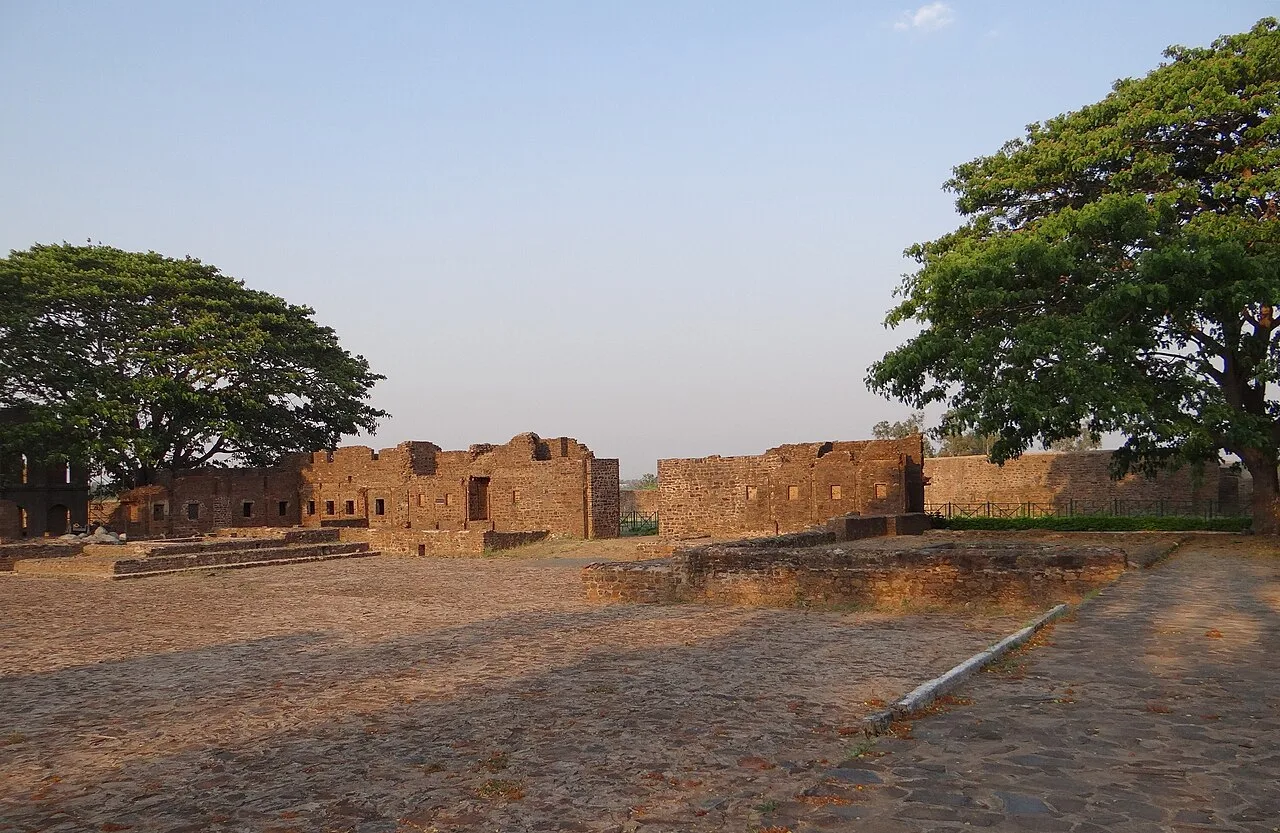
Belgaum Fort is a historic stronghold in Belgaum, Karnataka, known for its moat, ramparts, religious monuments and association with Mahatma Gandhi’s imprisonment.

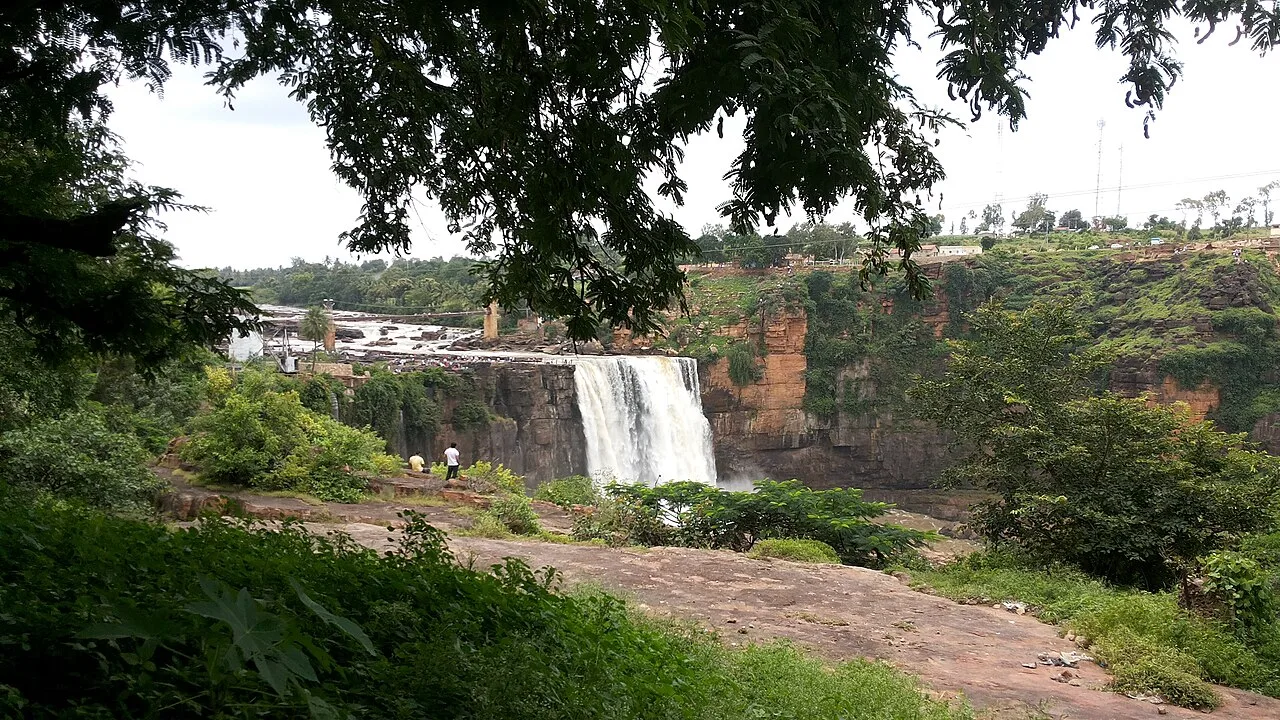
Godachinmalki Falls

32 km away · Belagavi district

Godachinmalki Falls

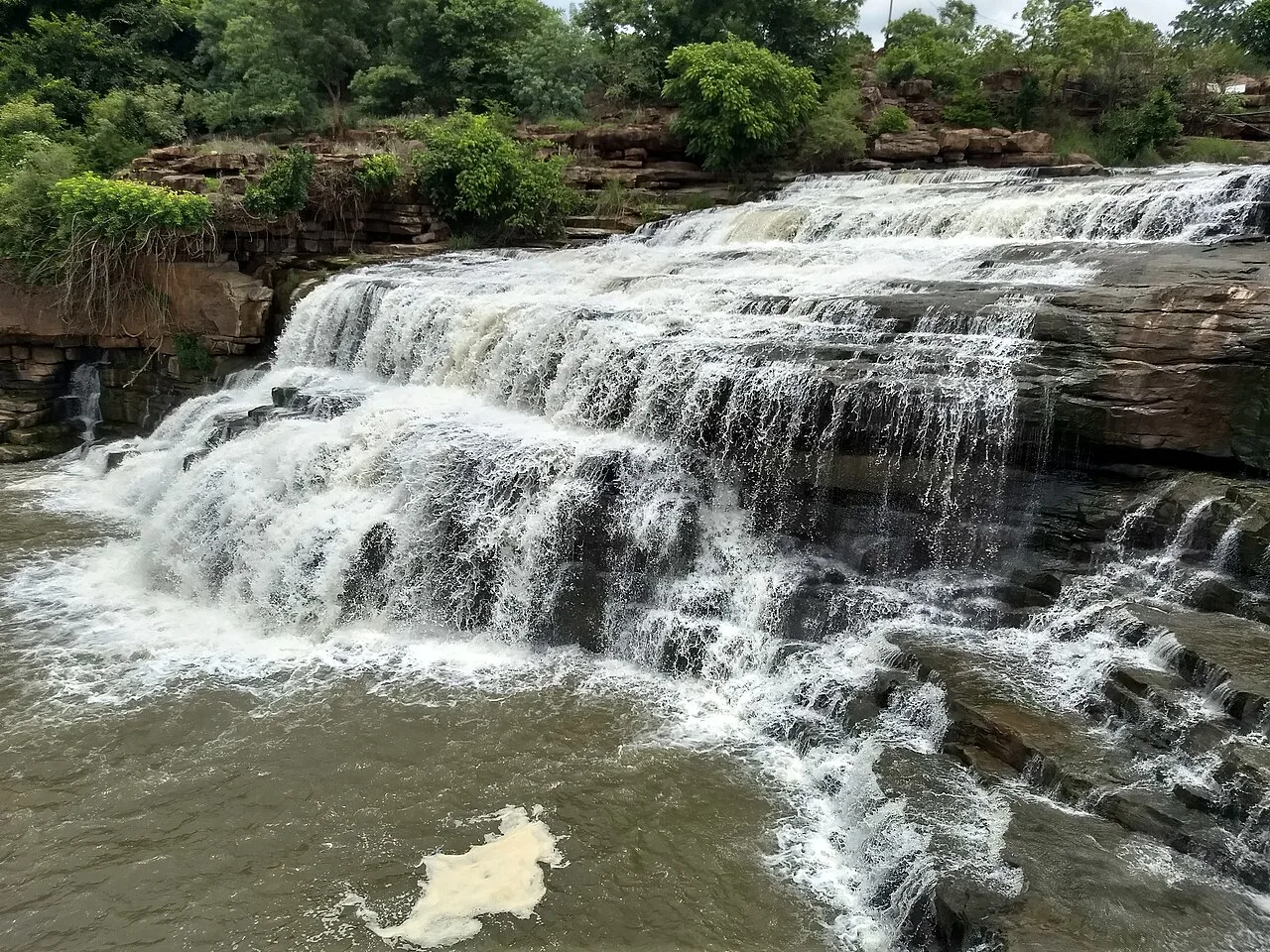
Godachinmalki Falls is a two-stage waterfall on the Markandeya river in Belagavi district. Visitors come to see its cascades in a rugged valley and explore nearby river landmarks.

Kittur Fort

36 km away · Belagavi district

Kittur Fort

Kittur Fort is a historic site in Karnataka’s Belagavi district, associated with Rani Kittur Chennamma’s armed resistance to the British East India Company.

Gokak Falls

40 km away · Belagavi district

Gokak Falls

On the Ghataprabha River in Karnataka’s Belagavi district, Gokak Falls draws visitors who come to see the river’s waterfall near Gokak town.

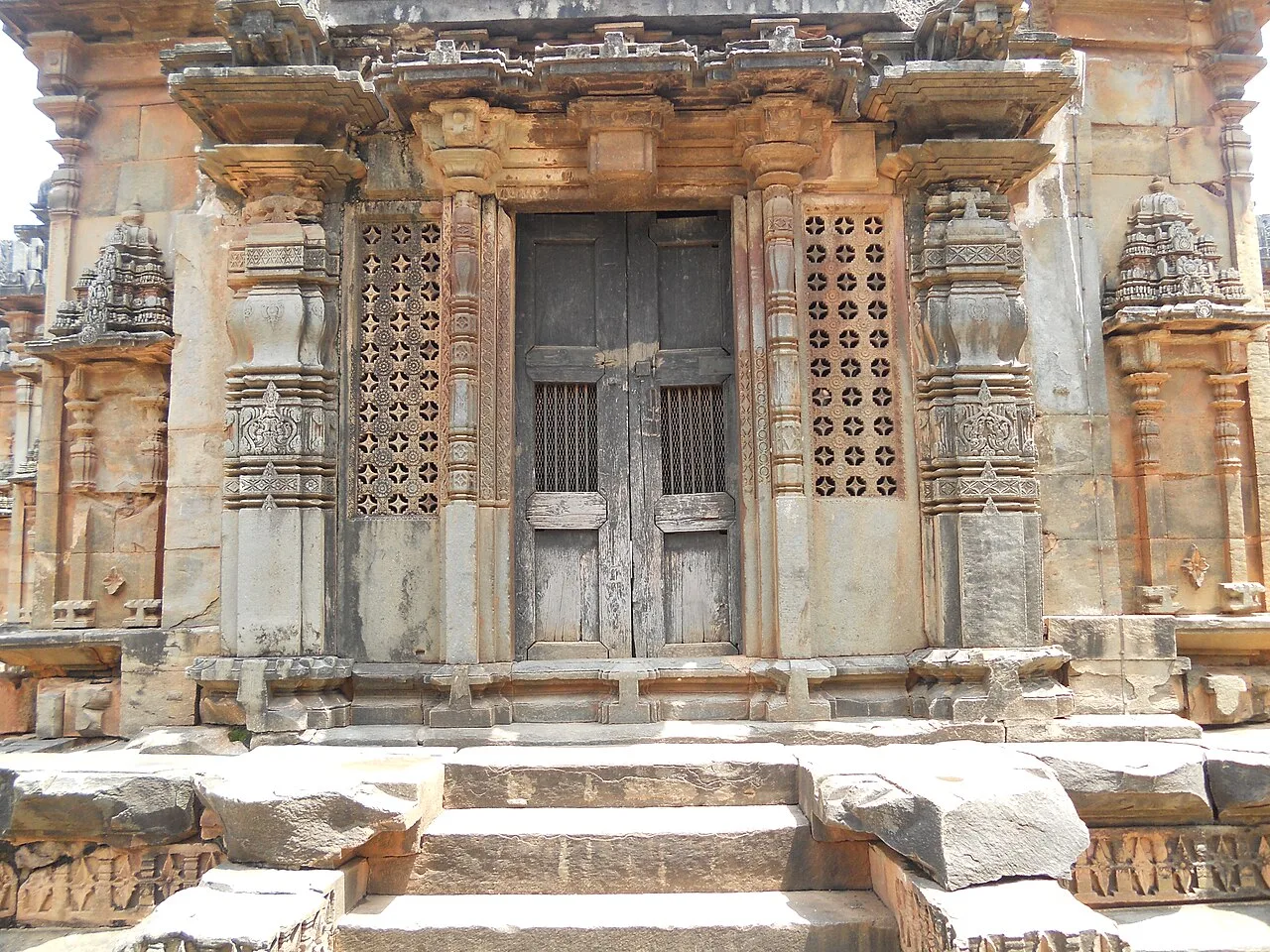
Chandramouleshwara Temple, Hubballi

77 km away · Dharwad district

Chandramouleshwara Temple, Hubballi

An 11th-century Shiva shrine in Unkal, Hubballi, Chandramouleshwara Temple draws interest for its Chalukyan design, distinctive plan and artwork representing several Hindu traditions.

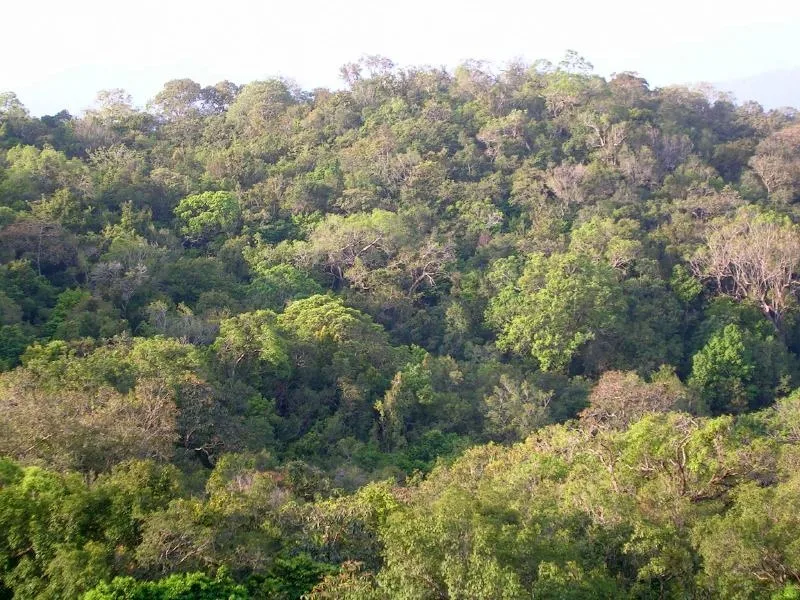
Kali Tiger Reserve (Anshi Dandeli)

98 km away · Uttara Kannada district

Kali Tiger Reserve (Anshi Dandeli)

Kali Tiger Reserve is a 1,300-square-kilometre protected area in Karnataka’s Uttara Kannada district. Visitors can find habitat for Bengal tigers, black panthers and Indian elephants, with the Kali River running through the reserve.

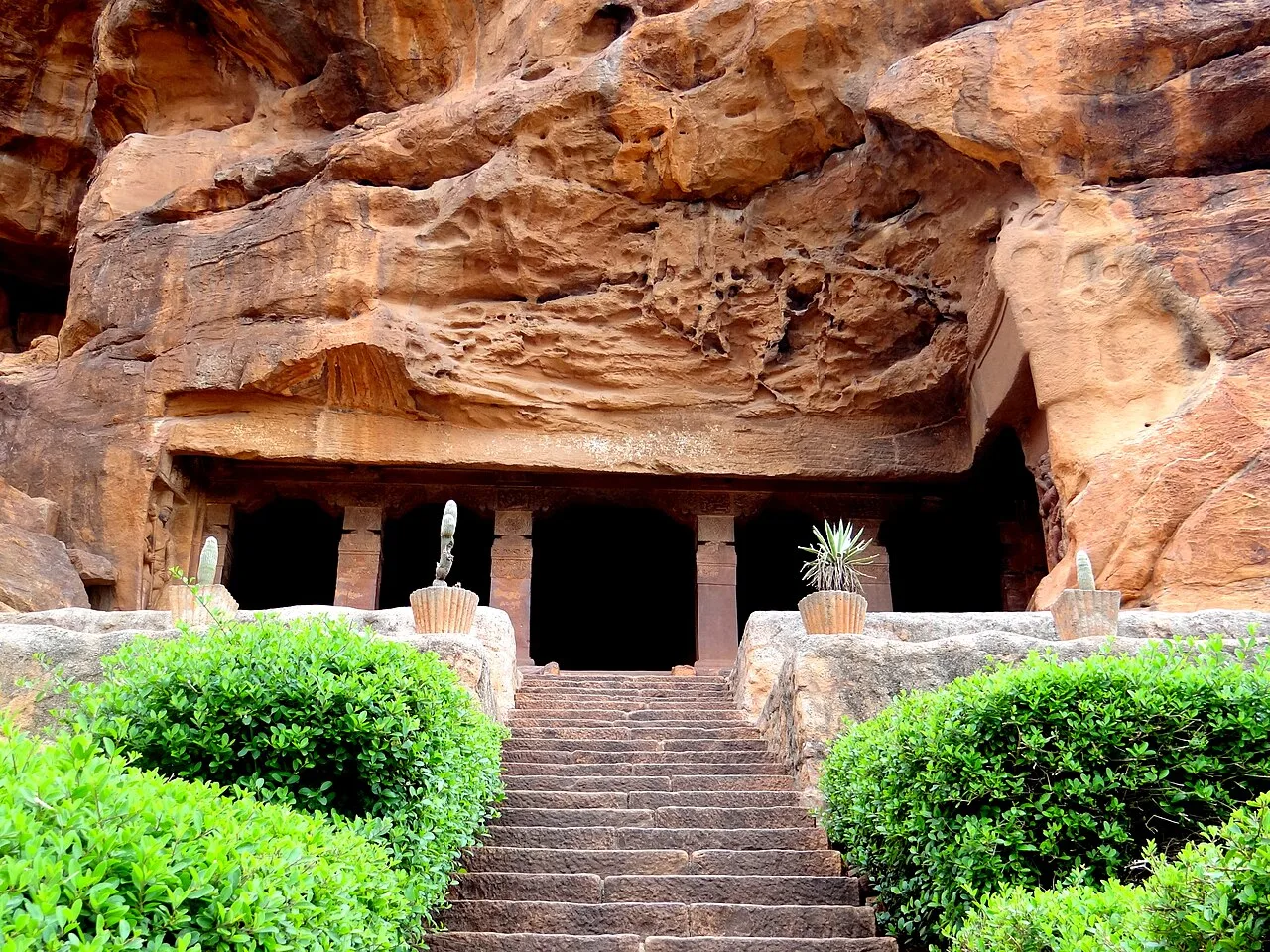
Badami cave temples

115 km away · Bagalkot district

Badami cave temples

These rock-cut shrines in Badami, Karnataka, reflect Buddhist, Hindu and Jain traditions and early Chalukya-era art. Visitors come to see the sandstone architecture and carved religious figures.

Banashankari Temple, Badami

117 km away · Bagalkot district

Banashankari Temple, Badami

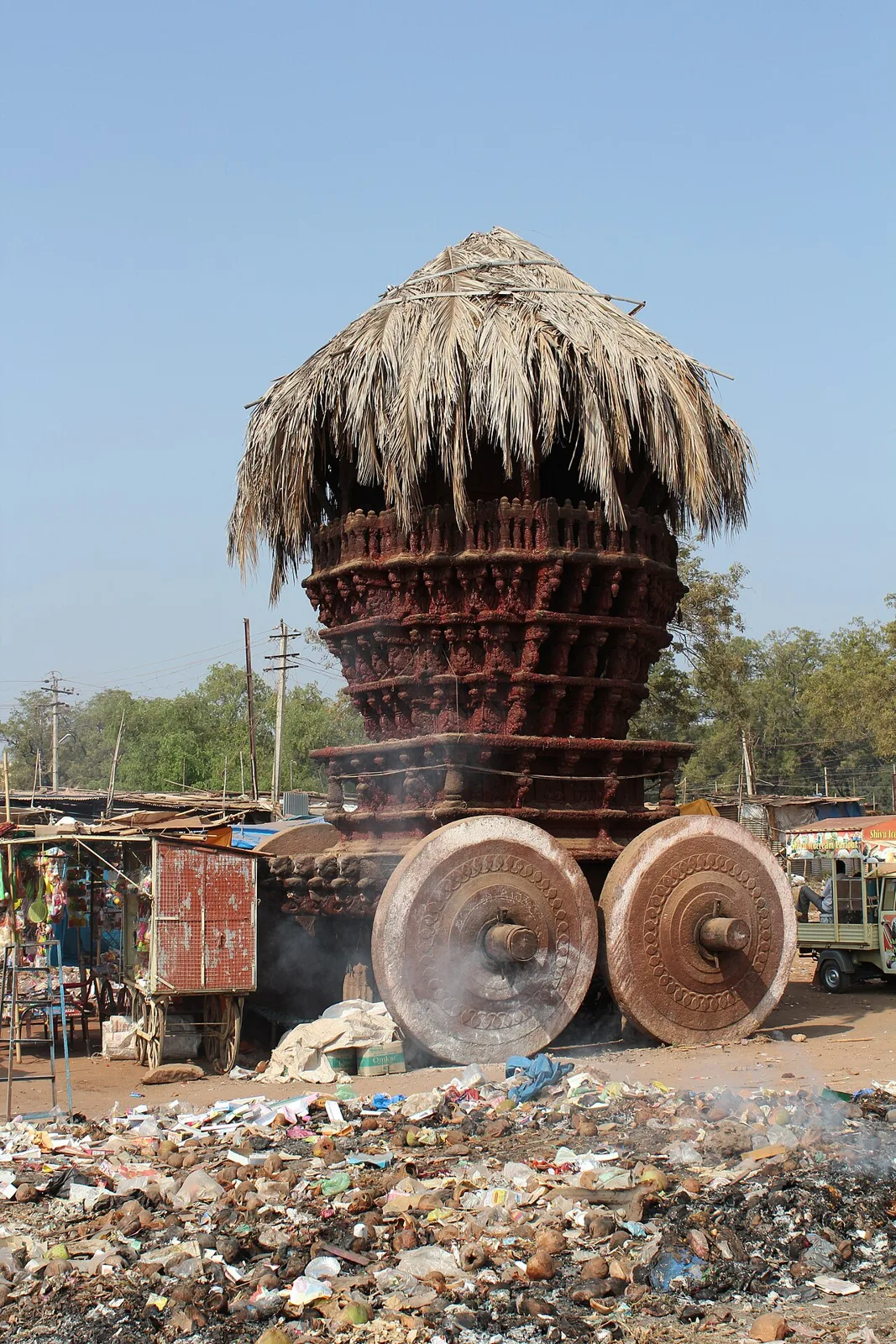
Banashankari Temple is a Hindu shrine at Cholachagudda near Badami, Karnataka. Visitors come to worship its goddess and attend the yearly jatre, which features cultural events, a boat festival and a chariot procession.

Map

Sambra on the map

  1. 1Belgaum Fort
  2. 2Godachinmalki Falls
  3. 3Kittur Fort
  4. 4Gokak Falls
  5. 5Chandramouleshwara Temple, Hubballi
  6. 6Kali Tiger Reserve (Anshi Dandeli)
  7. 7Badami cave temples
  8. 8Banashankari Temple, Badami

Karnataka

Other cities to explore