Ghumoopedia — Explore, Discover, Experience
Sign in
Gol Gumbaz, near Sindhagi

City guide · Karnataka

Sindhagi

Sindhagi is a taluk town in Karnataka’s Vijayapura region, about 60 km east of Vijayapura city. Its importance is chiefly regional: it serves as a centre for administration, trade and everyday services for nearby villages.

Famous for

  • North Karnataka market town
  • Taluk headquarters
  • National Highway 50
  • Dryland farming region

Why Sindhagi matters

Sindhagi is a taluk town in Karnataka’s Vijayapura region, about 60 km east of Vijayapura city. Its importance is chiefly regional: it serves as a centre for administration, trade and everyday services for nearby villages. National Highway 50 passes through town, linking Sindhagi with other settlements in northern Karnataka and supporting its role as a local stop on road journeys.

Visitors are more likely to come for local business, family connections or to explore the surrounding countryside than for a major sightseeing circuit. The town sits in a dry Deccan landscape, and its markets reflect the agricultural life of the area. Sindhagi is not widely associated with a nationally recognised craft or a single signature attraction; its appeal lies in seeing the rhythms of a working North Karnataka town. It can also serve as a base for practical travel in the region, with Vijayapura and other towns accessible by road.
Famous for: crafts, trade & products

Sindhagi is best understood as a local service and trading centre rather than a specialist destination for textiles, handicrafts or a celebrated regional product. Its shops and markets cater mainly to residents and surrounding villages, with everyday goods and agricultural produce forming part of town commerce. The wider dryland belt is associated with crops such as jowar, pulses and oilseeds, though availability varies with season and harvest.

For visitors, the central bazaar and shops along the main roads are the natural places to browse for groceries, snacks and practical items. There is no widely established, city-specific craft market or recognised GI-tagged product to seek out in Sindhagi. Travellers interested in local food can look for North Karnataka staples at ordinary eateries and market-area food stalls. For a broader selection of specialist shopping or regional attractions, Vijayapura is a larger nearby centre. Ask locally about seasonal produce, since market offerings change through the year.

History

Sindhagi’s history is best viewed within that of the wider Deccan and the Vijayapura region. The area came under several powers over the centuries, including the Adil Shahi rulers of the Deccan, whose capital at Vijayapura became a major political and architectural centre. The town itself is not generally known for a separately documented royal court or a prominent colonial-era monument, so its growth is more closely associated with the surrounding region than with a single ruling dynasty.

After the decline of the Deccan sultanates, the region experienced successive changes in political control before coming under British administration. Vijayapura district formed part of the Bombay Presidency during the colonial period. Following Indian independence and the reorganisation of states in 1956, the area became part of Mysore State, renamed Karnataka in 1973. In modern times, Sindhagi has developed as a taluk headquarters and road-connected market town, serving nearby rural communities through administration, commerce and transport.

Food, festivals & culture

Kannada is the main language of daily life in Sindhagi, while Urdu and other regional languages may also be heard. Food reflects North Karnataka’s dryland traditions: meals commonly feature jowar rotti, lentil or vegetable curries, and accompaniments such as peanut chutney. Local eateries and home cooking are more reliable ways to encounter these dishes than looking for a single city-specific speciality; sweets and snacks vary by shop and season.

Residents observe major Hindu festivals such as Ugadi, usually in spring, and Dasara and Deepavali in autumn, alongside Muslim observances including Eid. Celebrations are centred on homes, neighbourhoods and places of worship, with dates for lunar-calendar festivals changing each year. Temples and mosques serve as important community spaces, though Sindhagi is not especially known as a major pilgrimage destination. Religious gatherings, family visits and local fairs contribute to the town’s social calendar. Music and dance are part of festival and community events, with forms from the wider North Karnataka region represented.

Visiting the city

The cooler months, roughly October to February, are generally the most comfortable for a visit; summers can be very hot, while monsoon conditions vary. The nearest airport noted for Sindhagi is Kalaburagi Airport, about 96 km away. The nearest major railway station is Indi, approximately 50 km from town. Confirm onward road connections before setting out, as the final leg is by road.

National Highway 50 runs through Sindhagi, and buses and private vehicles connect it with nearby towns. Auto-rickshaws are useful for short trips within town. Begin around the central market and town centre to see everyday commerce, then explore the main-road corridor and nearby rural surroundings. Sindhagi is compact enough for a practical stop, but visitors seeking a longer sightseeing itinerary may wish to include Vijayapura.

Trips from the city

Nearest places to visit from Sindhagi

Our closest destination guides, by straight-line distance.

Gol Gumbaz

54 km away · Vijayapura district

Gol Gumbaz

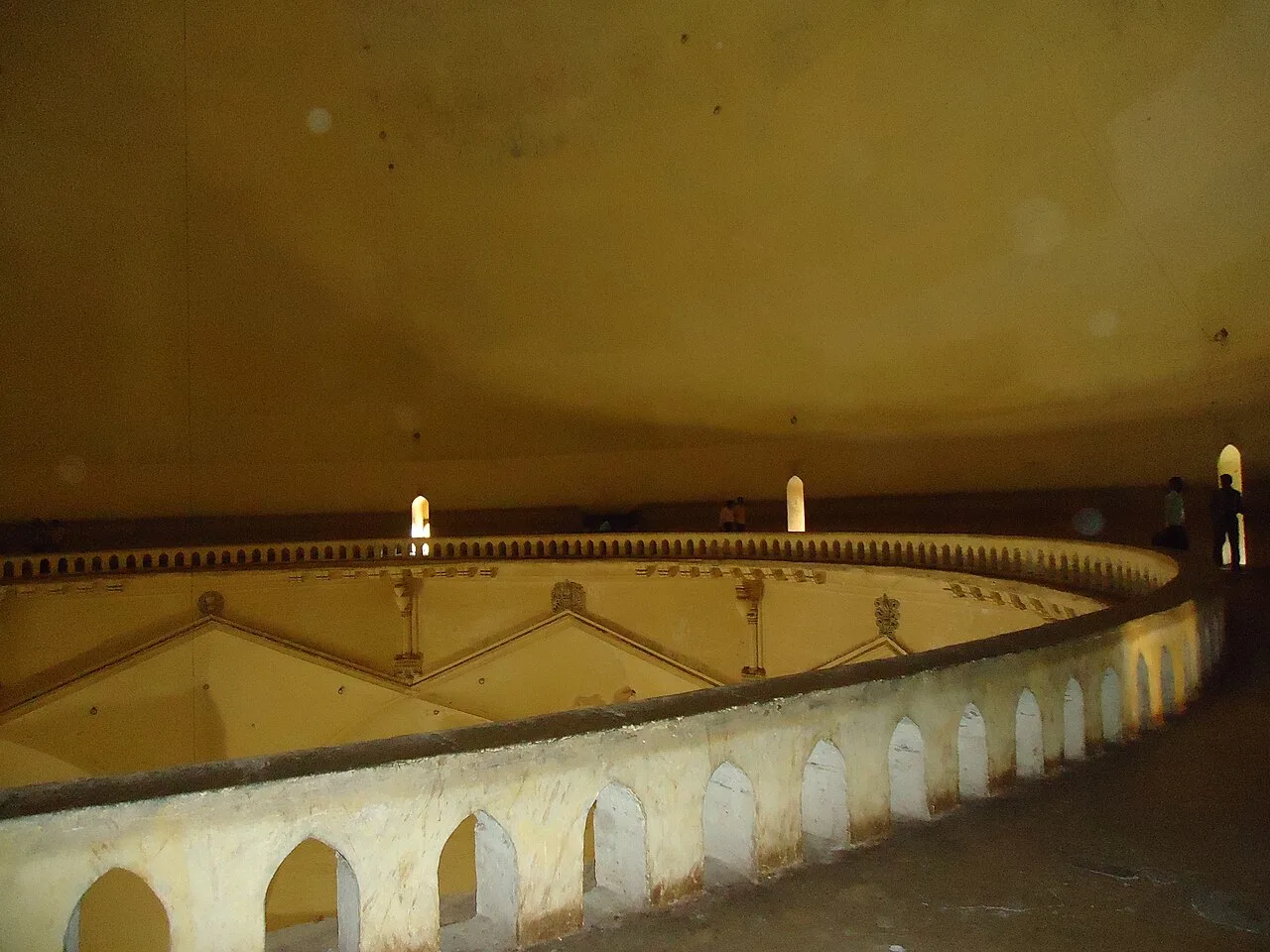
Gol Gumbaz is a basalt mausoleum in Bijapur, Karnataka, built for Mohammad Adil Shah. Visitors come to see its great dome, Indo-Islamic design and famous whispering gallery.

Jama Masjid, Vijayapura

55 km away · Vijayapura district

Jama Masjid, Vijayapura

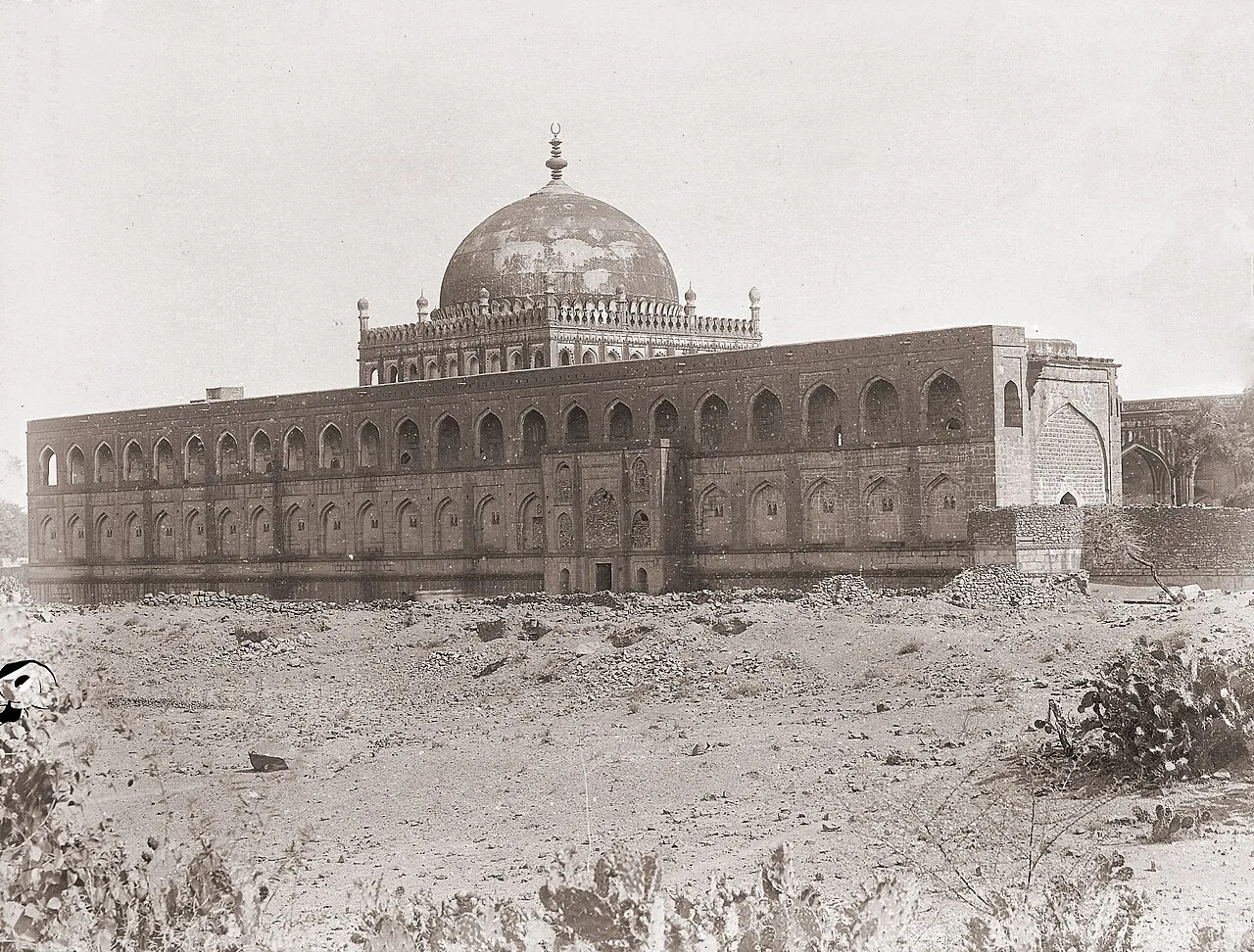
Jama Masjid is a 16th-century congregational mosque in Vijayapura, Karnataka, begun under Ali Adil Shah I. Visitors come to see Bijapur’s largest mosque and its unfinished historic landmark.

Bara Kaman

56 km away · Vijayapura district

Bara Kaman

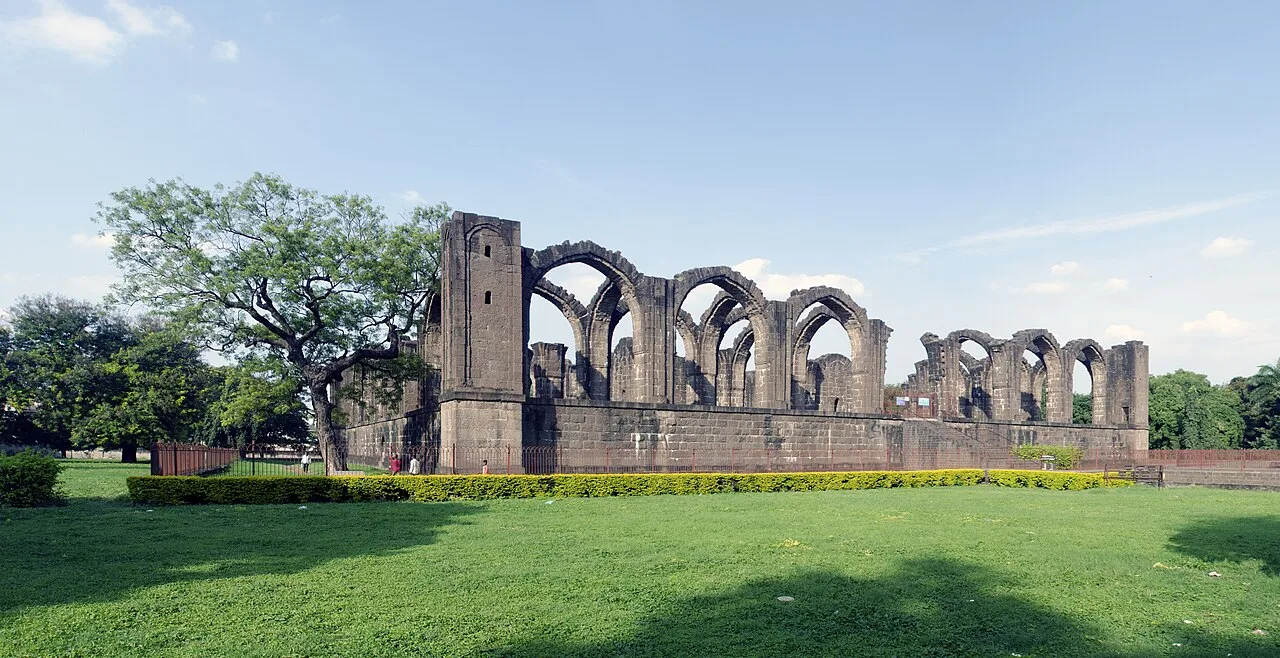
Bara Kaman is an incomplete royal burial complex in Vijayapura, Karnataka. Visitors come to see its surviving arches and learn about the ambitious mausoleum planned for Ali Adil Shah II.

Ibrahim Rauza

57 km away · Vijayapura district

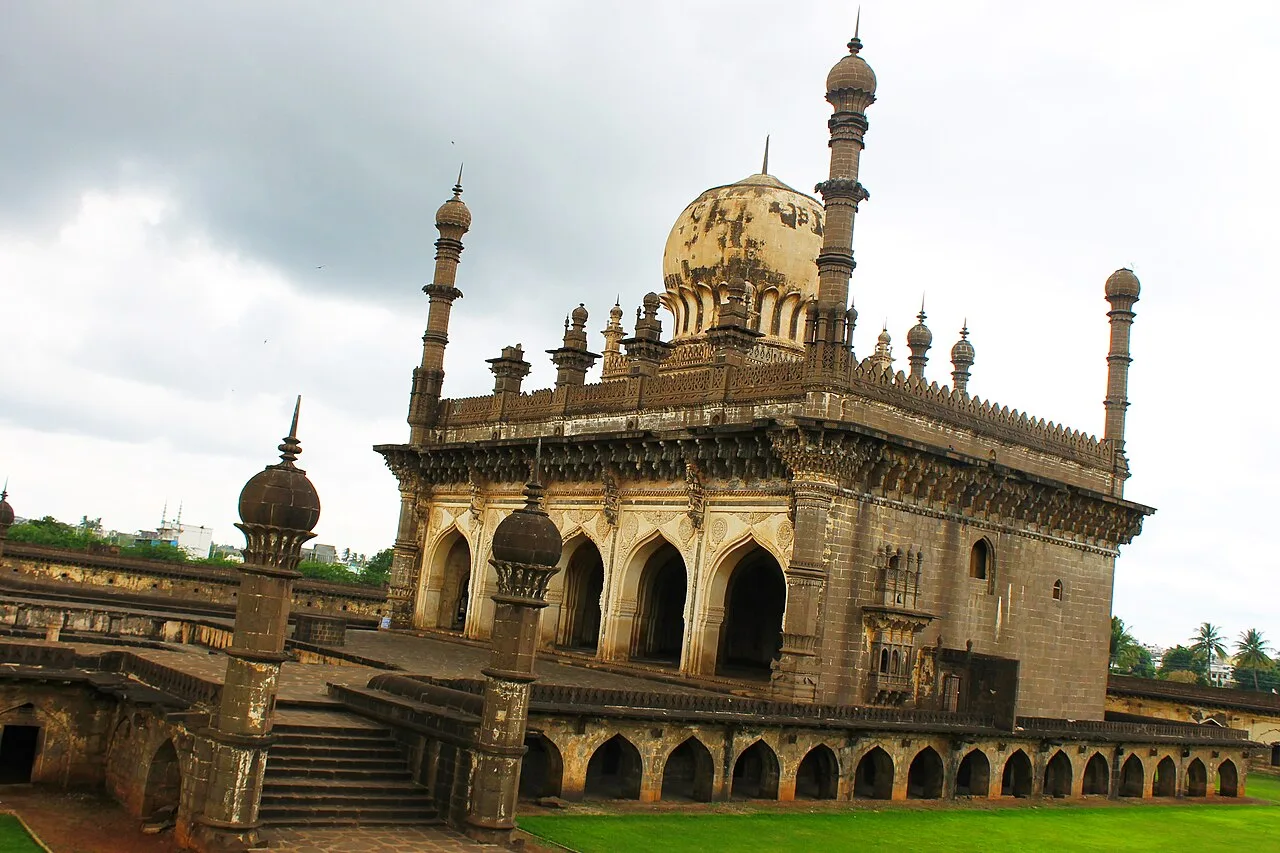
Ibrahim Rauza

Ibrahim Rauza is a funerary complex in Vijayapura, Karnataka, bringing together a mausoleum, mosque and gardens. Visitors come to see its paired buildings, fountain and Adil Shahi architecture.

Malik-e-Maidan Cannon

57 km away · Vijayapura district

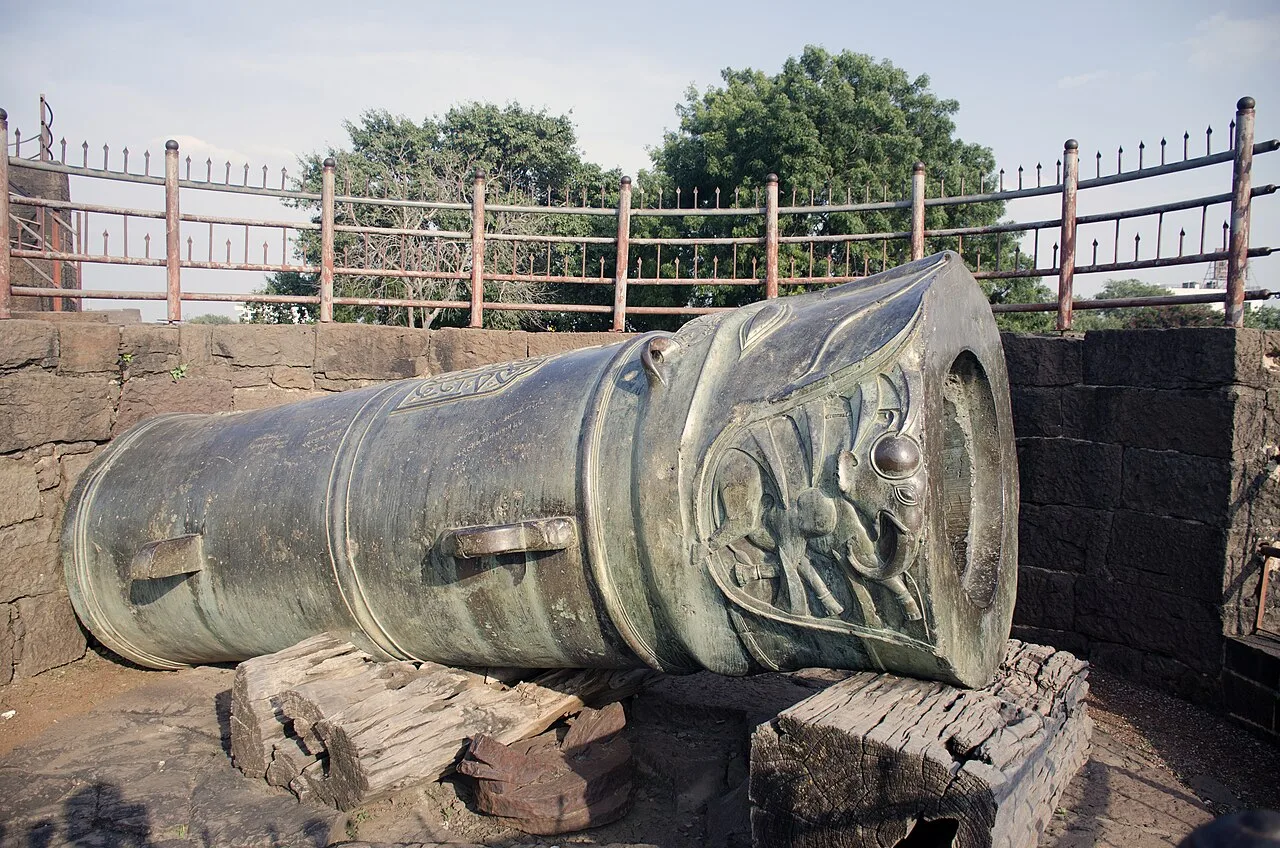
Malik-e-Maidan Cannon

Malik-e-Maidan is a sixteenth-century cannon at Bijapur Fort, notable as the largest surviving artillery example from the medieval period and for its substantial size.

Sharana Basaveshwara Temple

78 km away · Kalaburagi district

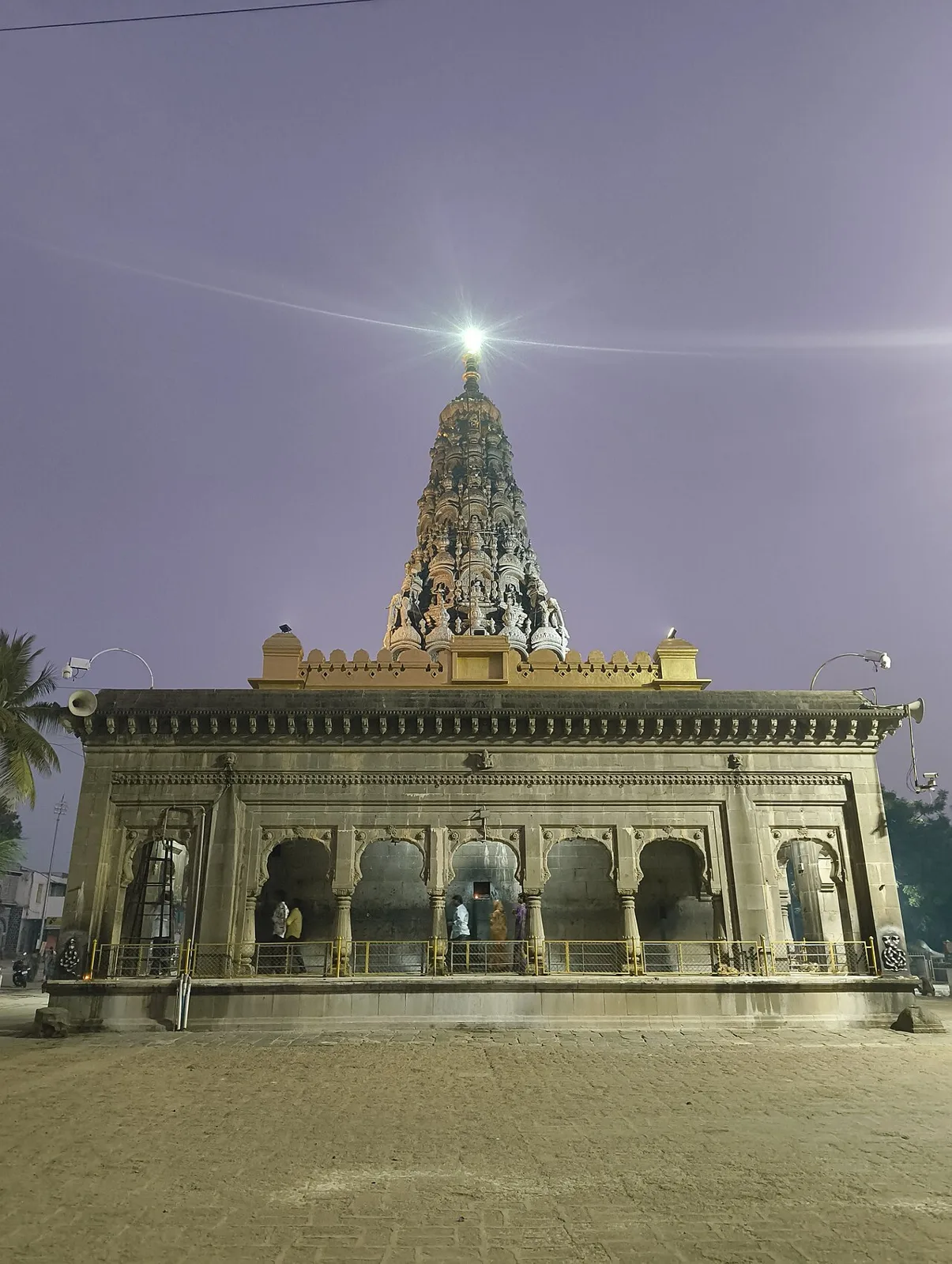
Sharana Basaveshwara Temple

In Kalaburagi district, Karnataka, the Sharana Basaveshwara Temple is a shrine. Visitors come to worship at this site in Kalaburgi, an old town in the state’s northeast.

Gulbarga Fort

79 km away · Kalaburagi district

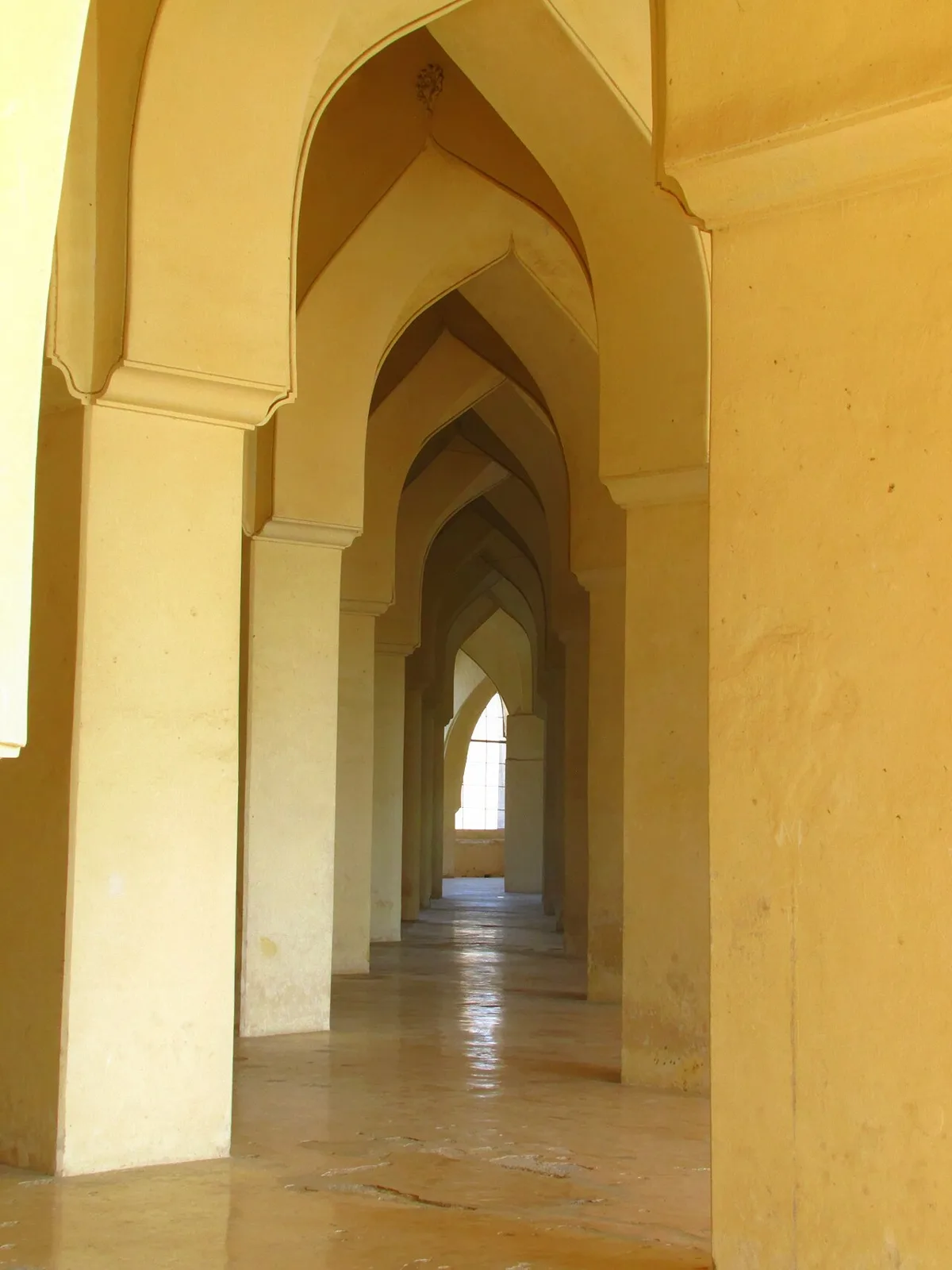
Gulbarga Fort

Gulbarga Fort is a historic stronghold in Kalaburagi associated with the Bahmani Kingdom. Visitors come to see its buildings, including the Jama Masjid, known for its enclosed form and Persian design.

Aihole

107 km away · Bagalkot district

Aihole

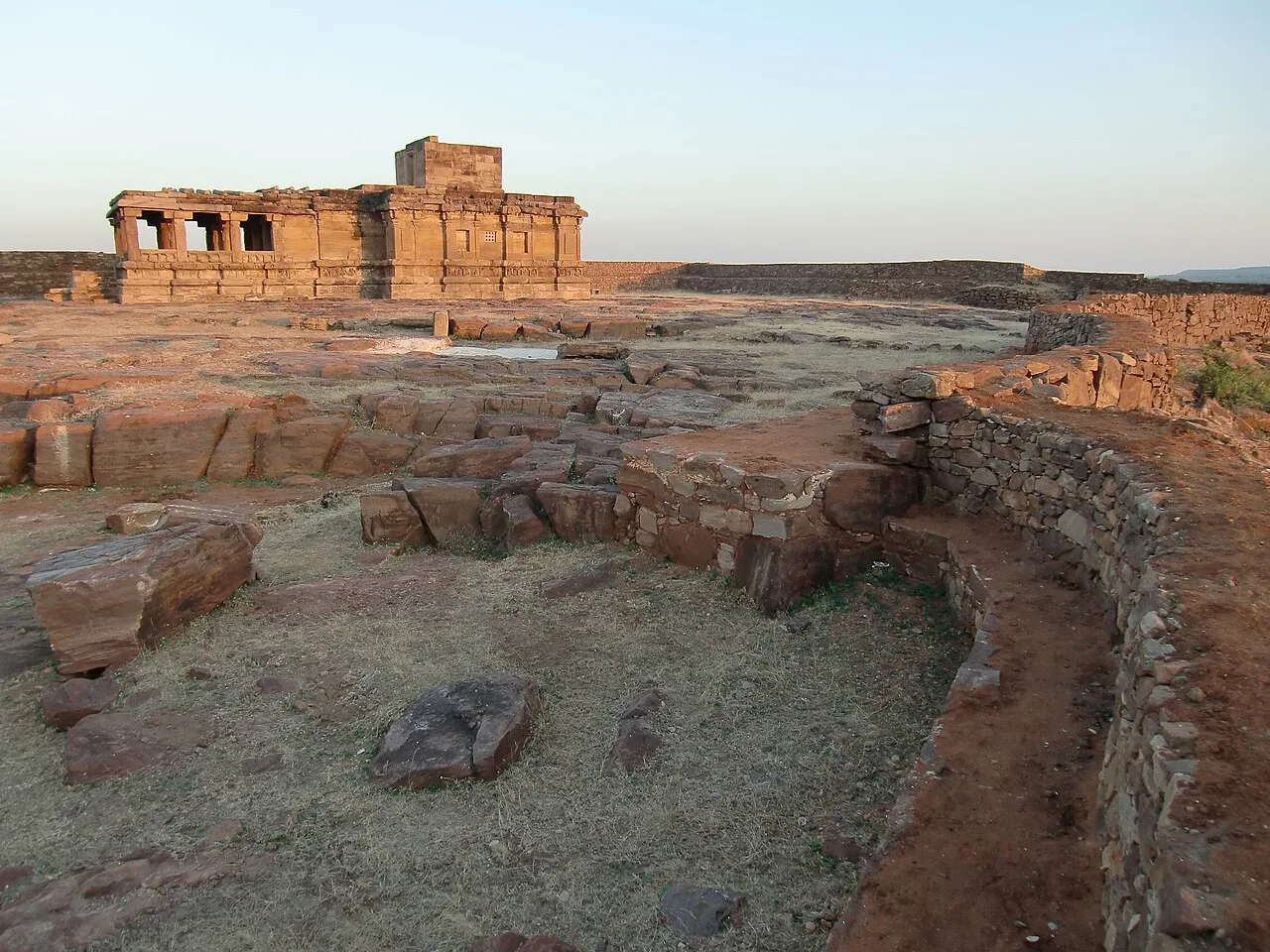
Aihole is a historic temple site in Karnataka, known for its Buddhist, Hindu and Jain monuments and for architectural experiments that influenced nearby Chalukya-era works.

Map

Sindhagi on the map

  1. 1Gol Gumbaz
  2. 2Jama Masjid, Vijayapura
  3. 3Bara Kaman
  4. 4Ibrahim Rauza
  5. 5Malik-e-Maidan Cannon
  6. 6Sharana Basaveshwara Temple
  7. 7Gulbarga Fort
  8. 8Aihole

Karnataka

Other cities to explore