Ghumoopedia — Explore, Discover, Experience
Sign in
Skandagiri, near Bagepalli

City guide · Karnataka

Bagepalli

Bagepalli is a taluk headquarters in Chikkaballapura district, in eastern Karnataka near the Andhra Pradesh border. Its position on the Bengaluru–Hyderabad National Highway makes it a practical regional stop and a local centre for trade, services and travel between Karnataka and the Rayalaseema region.

Famous for

  • Groundnut cultivation
  • Semi-arid rocky landscapes
  • Rain-fed village tanks
  • Bengaluru–Hyderabad highway
  • Kannada–Telugu borderland

Why Bagepalli matters

Bagepalli is a taluk headquarters in Chikkaballapura district, in eastern Karnataka near the Andhra Pradesh border. Its position on the Bengaluru–Hyderabad National Highway makes it a practical regional stop and a local centre for trade, services and travel between Karnataka and the Rayalaseema region. The surrounding countryside, rather than a cluster of major visitor attractions, defines much of its character: low rocky hills, scattered outcrops and small settlements set in a semi-arid landscape.

Agriculture and local markets remain central to life here. Groundnuts, pulses and other dryland crops reflect the area’s limited and unreliable rainfall, while rain-fed tanks and bore-wells support cultivation where water is available. Visitors may find Bagepalli appealing as a base for seeing rural eastern Karnataka and its borderland mix of Kannada and Telugu influences. It is not widely known as a major heritage, resort or craft destination, so journeys here are often connected to local business, family visits or travel along the highway.
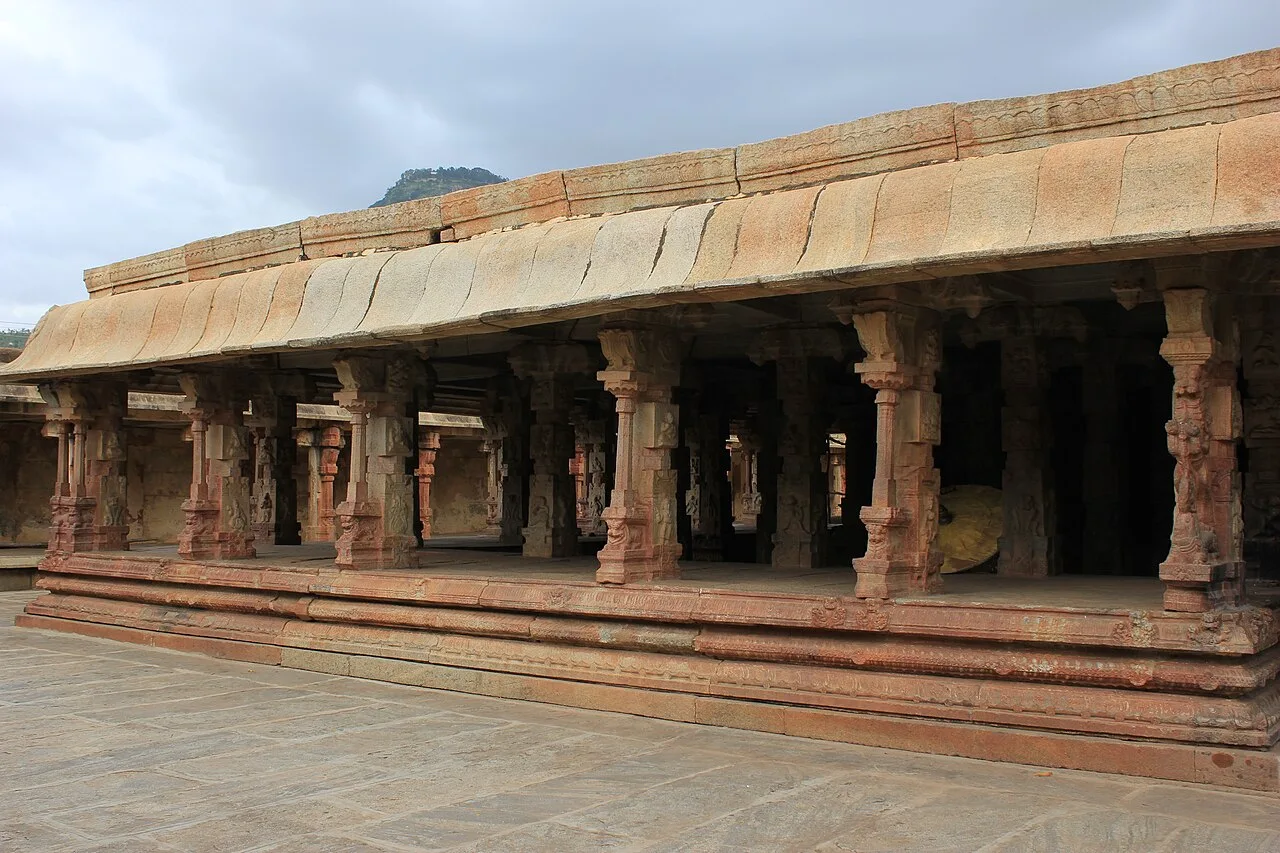

Famous for: crafts, trade & products

Bagepalli is best associated with agriculture and regional commerce, not with a widely recognised textile tradition, handicraft cluster or GI-tagged product. Groundnuts are an important dryland crop, alongside red gram, cowpea, green gram, field beans, jowar, maize and castor. Where bore-well irrigation is possible, farmers also grow crops such as onions, sunflower and mulberry. Small rain-fed tanks support limited cultivation, including ragi and some paddy.

The town’s local shops and market areas are the most practical places to look for everyday produce and supplies from the surrounding villages. Market activity reflects the agricultural calendar, with farm produce and household goods serving residents across the taluk. Bagepalli is not generally promoted as a destination for specialist shopping, and visitors should not expect established craft streets or dedicated outlets for regional textiles. Its more distinctive connection is to the working countryside: dryland farming, livestock and the exchange of crops and goods between settlements on either side of the Karnataka–Andhra Pradesh border.

History

Bagepalli’s development is closely connected to its role as a settlement and administrative centre for a largely rural taluk. The area lies near the southern edge of the Rayalaseema region and has long been a meeting ground for Kannada- and Telugu-speaking communities. Its history is better understood through the changing administration of the wider eastern Karnataka region than through a well-documented royal capital or a single major monument.

The region formed part of the princely state of Mysore, whose administration continued under British paramountcy during the colonial period. After independence, it became part of Karnataka. For much of modern administration Bagepalli was within Kolar district; when Chikkaballapura district was formed in 2007, the town became part of the new district. Its growth has been shaped by its taluk-level services, agricultural trade and position on the Bengaluru–Hyderabad highway. Water scarcity and the limits of dryland farming have also strongly influenced settlement and livelihoods.

Food, festivals & culture

Kannada is the principal language of the state, while Telugu is also commonly heard because Bagepalli is close to Andhra Pradesh. Everyday food reflects the dryland crops of the region. Ragi, or finger millet, is a familiar staple, often served as ragi mudde, with local meals also drawing on pulses, groundnuts and seasonal vegetables. Food traditions vary between households, and visitors can look to ordinary local eateries for simple regional meals rather than a distinctive restaurant or sweets scene.

Ugadi, usually in spring, and Sankranti, in January, are important seasonal celebrations; Deepavali and the Dasara period are also observed. Village and neighbourhood temple festivals add to the local calendar, with dates varying by community and place. Worship is part of everyday life, and local temples and mosques serve residents across the town and surrounding settlements. Folk music and dance are most visible at community celebrations and festivals rather than through regular staged performances for visitors.

Visiting the city

The cooler months, roughly October to February, are generally the most comfortable time to visit. Summer can be very hot and dry, while rainfall is limited and unpredictable. Bagepalli lies on the Bengaluru–Hyderabad National Highway and is most straightforward to reach by road. Kempegowda International Airport in Bengaluru is the nearest major airport. Hindupur Railway Station, across the Andhra Pradesh border, is a nearby rail option; check onward road connections before travelling.

Within town, auto-rickshaws and local vehicles are useful for short trips, while a hired vehicle is more practical for visiting surrounding villages and rocky countryside. Explore the town centre and market area for everyday local life, then consider nearby settlements and rain-fed tanks for a sense of the rural landscape. There is no established tourist district, so plan accommodation and onward transport ahead, especially for trips beyond the town.

Trips from the city

Nearest places to visit from Bagepalli

Our closest destination guides, by straight-line distance.

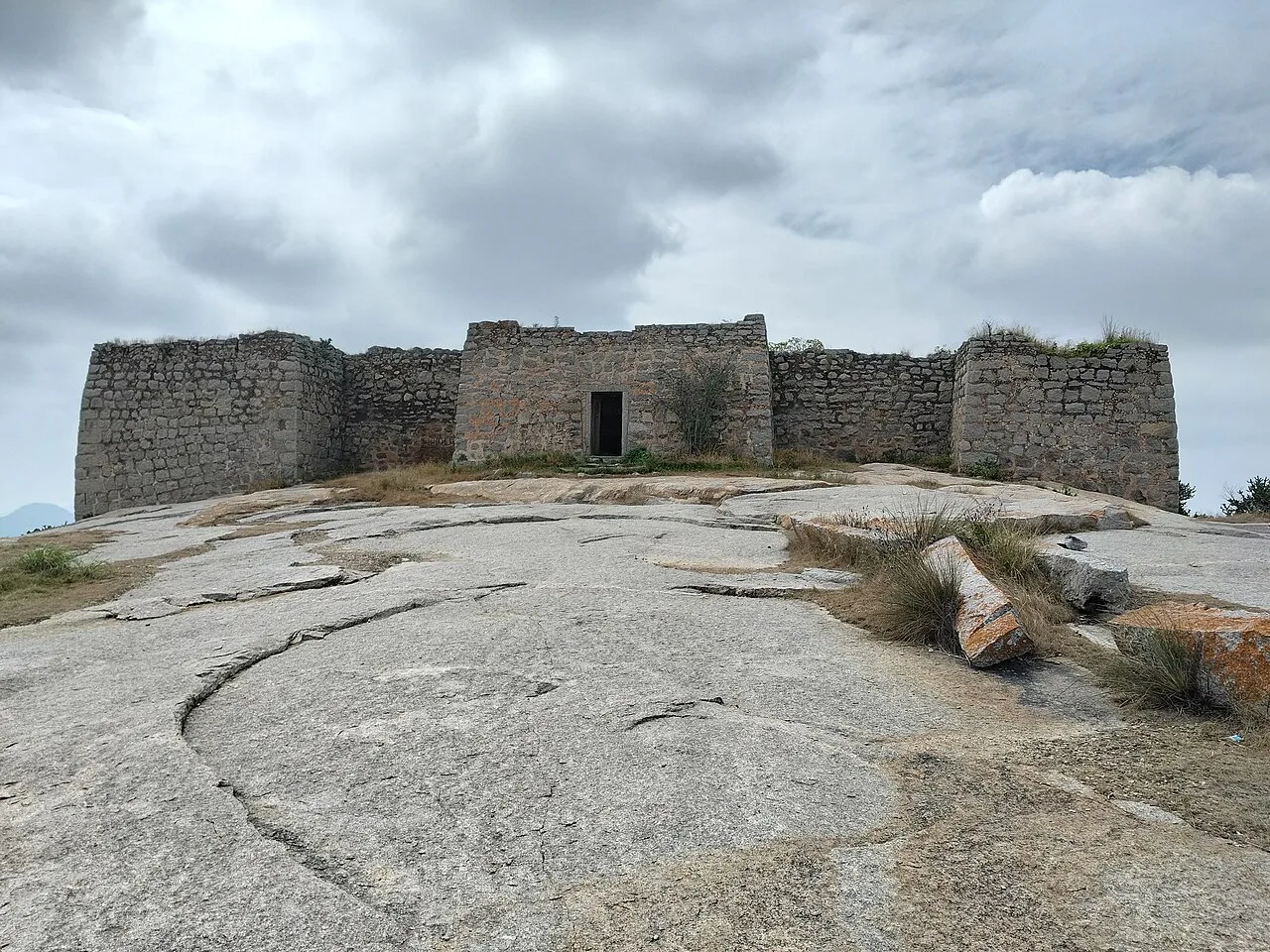
Skandagiri

43 km away · Chikkaballapur district

Skandagiri

Skandagiri is a Karnataka hill fort known for its historic remains and views towards nearby landmarks. Visitors come to explore its military past and elevated setting.

Bhoganandishwara Temple

45 km away · Chikkaballapur district

Bhoganandishwara Temple

The Bhoganandiswara and Arunachaleswara temples make up a historic Shiva complex in Nandi village, visited for its Dravidian architecture, detailed carvings, inscriptions and varied religious imagery.

Nandi Hills

45 km away · Chikkaballapur district

Nandi Hills

Nandi Hills is a historic hill fort in Karnataka’s Chikkaballapur district, visited for sunrise views and its river origins; it also hosted the second SAARC summit in 1986.

Madhugiri Fort

65 km away · Tumakuru district

Madhugiri Fort

Madhugiri Fort lies in Tumakuru district, Karnataka. Visitors come to see the fort, while Madhugiri’s name reflects Madhu-giri, a hillock to the south.

78 km away · Kolar district

Antaragange Caves

Antaragange, also called Anthargange, is a granite mountain in Karnataka’s Kolar district, drawing visitors to its Shiva temple, caves and opportunities for trekking and camping.

Devarayanadurga

78 km away · Tumakuru district

Devarayanadurga

Devarayanadurga is a hill settlement in Tumakuru district, Karnataka, where forested rocky slopes and hilltop shrines draw visitors. Its temples include Yoganarasimha and Bhoganarasimha.

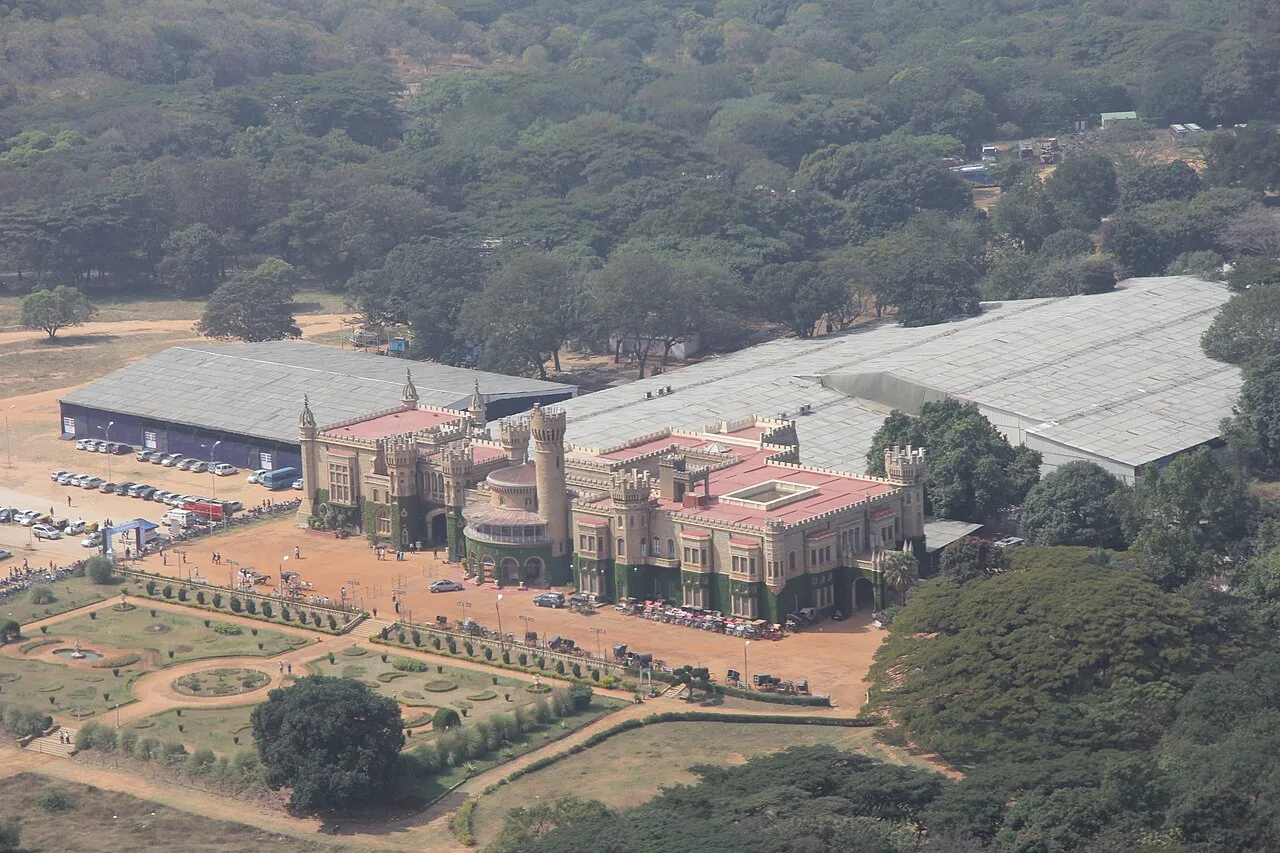
Bengaluru Palace

90 km away · Bengaluru Urban district

Bengaluru Palace

Bengaluru Palace is a nineteenth-century royal landmark in Bengaluru, Karnataka; visitors can view it and find fairs, events and an amusement park on its grounds.

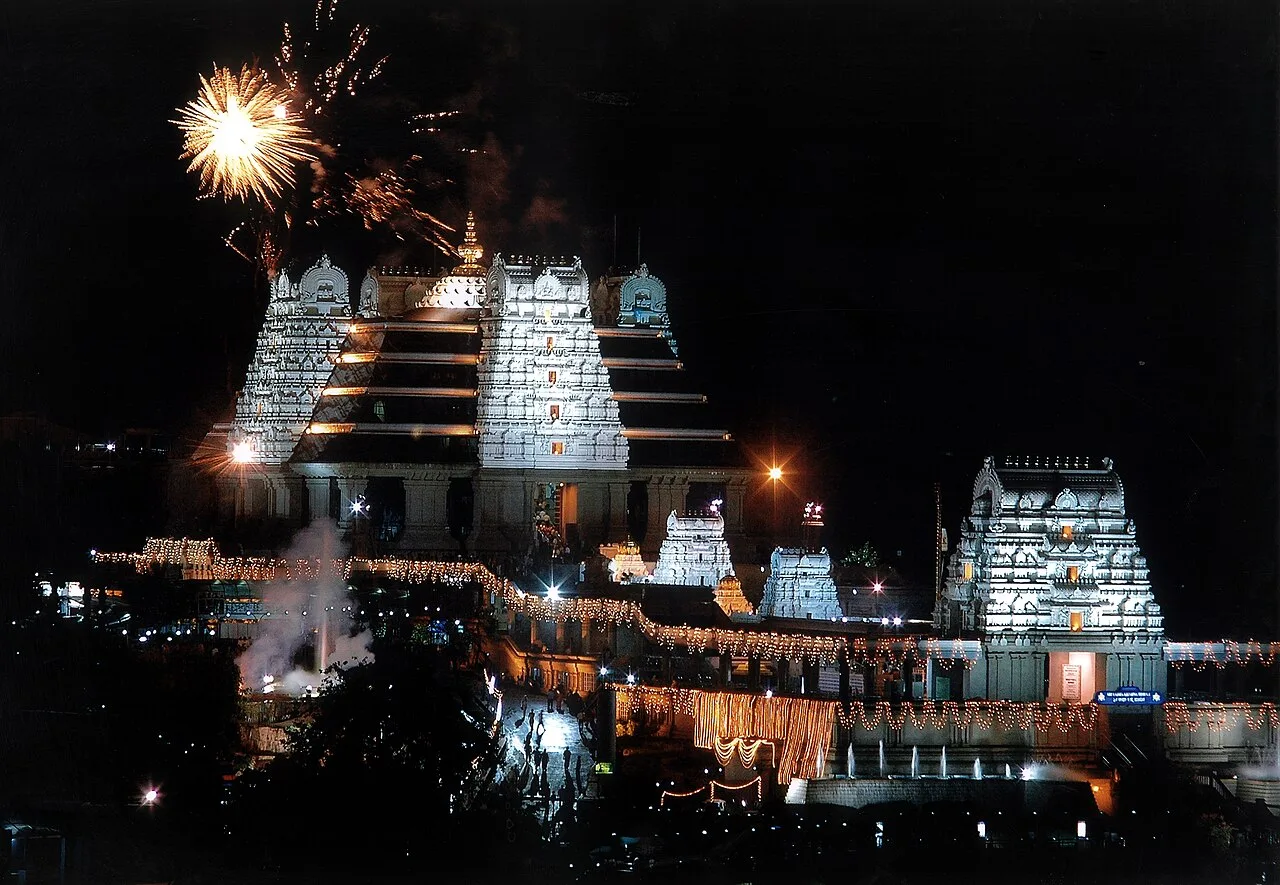
ISKCON Temple

90 km away · Bengaluru Urban district

ISKCON Temple

ISKCON Temple in Bengaluru is a Hindu place of worship devoted to Radha and Krishna. People visit to worship the deities and learn about the temple’s promotion of monotheism.

Map

Bagepalli on the map

  1. 1Skandagiri
  2. 2Bhoganandishwara Temple
  3. 3Nandi Hills
  4. 4Madhugiri Fort
  5. 5Antaragange Caves
  6. 6Devarayanadurga
  7. 7Bengaluru Palace
  8. 8ISKCON Temple

Karnataka

Other cities to explore