Ghumoopedia — Explore, Discover, Experience
Sign in
Bahmani Tombs, near Chincholi

City guide · Karnataka

Chincholi

Chincholi is a panchayat town and the administrative centre of a taluka in Kalaburagi district, in northeastern Karnataka. Its importance comes less from big-city attractions than from its role serving the surrounding rural communities, with local shops and public services supporting the area.

Famous for

  • Chincholi Wildlife Sanctuary
  • Chandrampalli Dam
  • North Karnataka landscapes
  • Kalaburagi pulse-growing region
  • Taluka administrative centre

Why Chincholi matters

Chincholi is a panchayat town and the administrative centre of a taluka in Kalaburagi district, in northeastern Karnataka. Its importance comes less from big-city attractions than from its role serving the surrounding rural communities, with local shops and public services supporting the area. It is also a convenient base for exploring the district’s dry Deccan landscapes and nearby countryside.

Visitors are drawn to the wider Chincholi area for its wildlife sanctuary, wooded terrain and Chandrampalli Dam. These offer a change of pace from the region’s towns, though wildlife sightings are never guaranteed and visits are best planned with local guidance. Chincholi is also part of the broader Kalaburagi region, known for pulse cultivation and North Karnataka food traditions. The town itself is modest, so travellers generally combine a short stop for local markets and everyday town life with excursions into the surrounding taluka. It suits visitors interested in rural Karnataka and low-key nature outings rather than a packed itinerary of urban monuments.
Famous for: crafts, trade & products

Chincholi is primarily a local service and trading centre rather than a destination known for a signature textile, handicraft or manufactured product. Its shops and bazaar serve residents from the town and nearby villages, with everyday goods and agricultural produce forming a practical part of local trade. Visitors can browse the central market area for routine shopping, but should not expect a specialised craft district or a reliably stocked range of souvenirs.

The town lies within Kalaburagi district, whose wider agricultural identity includes pulses, particularly toor dal. Kalaburagi Toor Dal has a geographical indication, but that recognition applies to the regional product; it should not be taken to mean that Chincholi alone produces it. Local shops may carry pulses and other food staples, while availability varies. No widely established Chincholi-specific GI product or craft is known. For a broader selection of regional goods, travellers can look to larger district markets, including Kalaburagi city. Ask vendors about the origin of produce, especially when seeking locally grown items.

History

Chincholi’s history is best understood within the wider Deccan and Kalaburagi region. The area has been shaped by successive regional powers, including the Bahmani Sultanate, whose historic centre was Gulbarga (now Kalaburagi), and later Deccan regimes. The town’s local story, however, is more closely tied to its growth as a rural market and administrative centre than to a well-documented royal capital or major monument.

During the colonial period, this part of the Deccan was within the princely state of Hyderabad, ruled by the Nizam under British paramountcy rather than administered as British India. After Hyderabad’s integration into India in 1948, the region became part of the reorganised Mysore State in 1956; the state was renamed Karnataka in 1973. Chincholi developed as a taluka centre within the district then known as Gulbarga, now Kalaburagi. Its present-day role reflects that administrative and agricultural history, serving villages across the surrounding countryside.

Food, festivals & culture

Everyday food in Chincholi reflects North Karnataka’s hearty, grain-based cooking. Jolada rotti, made from sorghum, is commonly associated with the region and may be served with lentil dishes, vegetables, or spicy groundnut chutney. Local meals vary by household and season. The town is not especially known for a distinctive sweet, so visitors looking for regional specialities may find more choice in larger district markets.

Kannada is the principal language, while Urdu and Marathi are also heard in parts of the wider region. Religious and community life follows the calendar shared across much of Karnataka: Ugadi in spring, Dasara in autumn and Sankranti in January are important occasions, alongside Eid celebrations. Local observances may include temple fairs and devotional gatherings, though dates and scale vary from year to year. Folk music and dance are part of regional celebrations, rather than a single performance tradition unique to Chincholi. Visitors should dress respectfully at places of worship and ask locally about access and festival arrangements.

Visiting the city

The cooler months, roughly October to February, are generally more comfortable for exploring; summer days can be very hot, while monsoon conditions may affect countryside trips. Kalaburagi Airport is the nearest airport to check for air connections, though services may be limited. Sedam railway station is a nearby rail option; confirm onward road transport before travelling. Kalaburagi city is another useful regional transport hub.

Within Chincholi, local autos and hired vehicles are practical for short trips. A car or locally arranged transport is more useful for reaching the sanctuary, Chandrampalli Dam and villages beyond town. Explore the central bazaar for everyday town life, then allow time for the surrounding rural landscape. Ask locally about road conditions, access rules and suitable guides before heading into natural areas.

Trips from the city

Nearest places to visit from Chincholi

Our closest destination guides, by straight-line distance.

50 km away · Bidar district

Narasimha Jharni Cave Temple

Narasimha Jharni Cave Temple is a shrine in Bidar district, Karnataka, linked to Vishnu’s Narasimha avatar. Visitors come to worship at the cave temple and recognise its place in Vaishnavite tradition.

Bahmani Tombs

52 km away · Bidar district

Bahmani Tombs

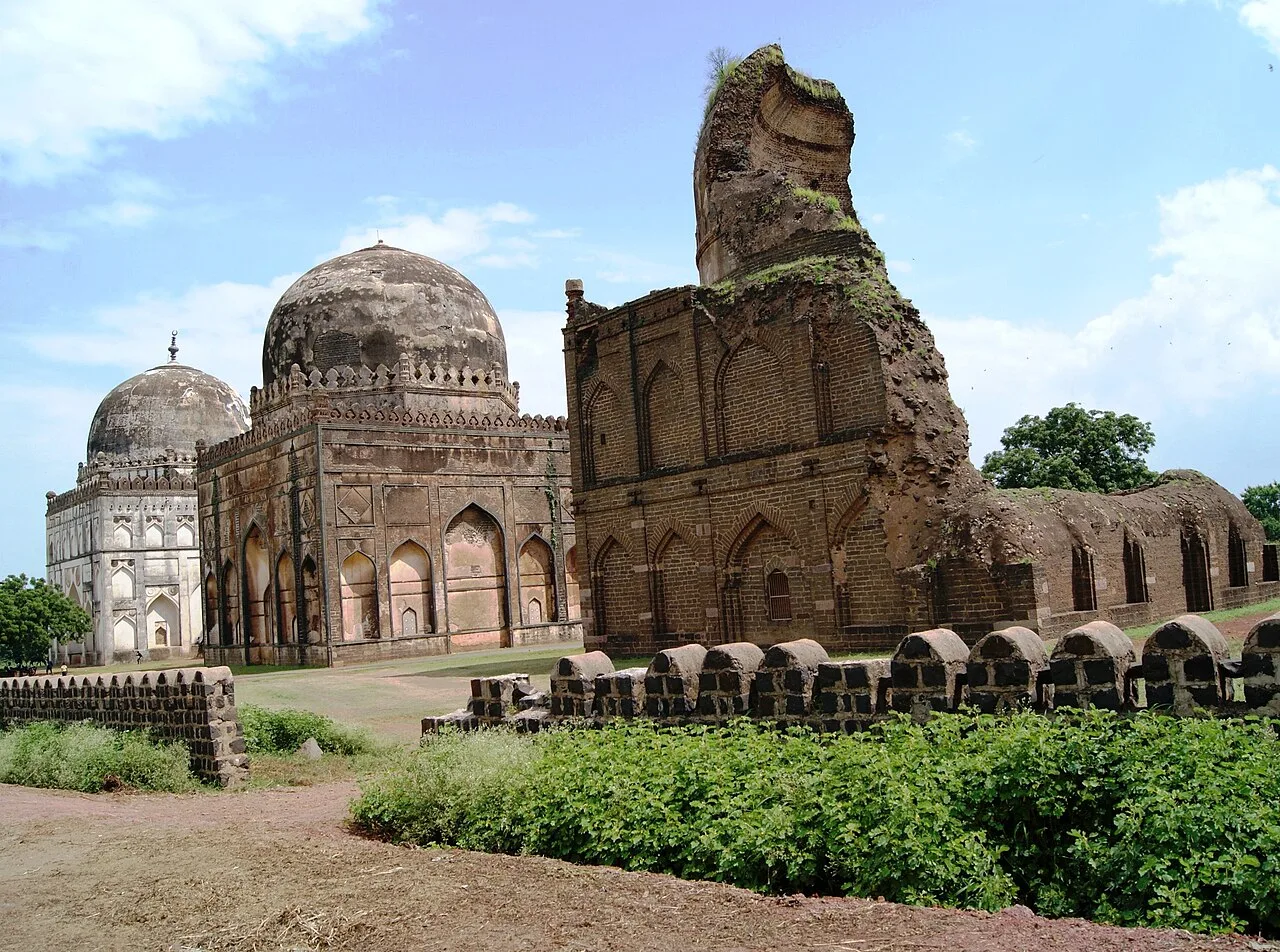
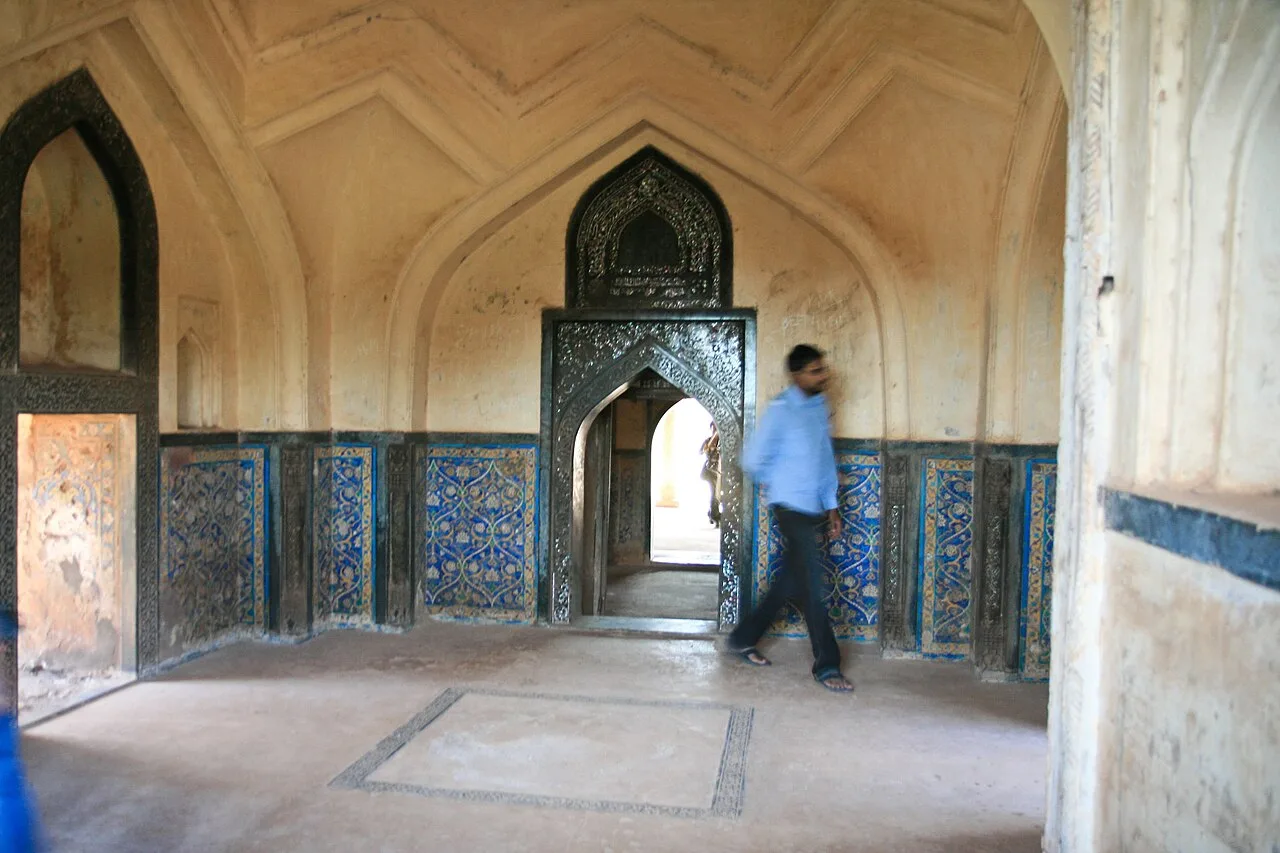
The Bahmani Tombs are a burial complex in Bidar, Karnataka, dating from the fifteenth and sixteenth centuries. Visitors come to see their distinctive Deccan architecture and blend of influences.

Bidar Fort

52 km away · Bidar district

Bidar Fort

Bidar Fort is a historic complex in Bidar, Karnataka, where visitors can explore more than 30 monuments and learn about the changing powers of the Deccan.

Guru Nanak Jhira Sahib

52 km away · Bidar district

Guru Nanak Jhira Sahib

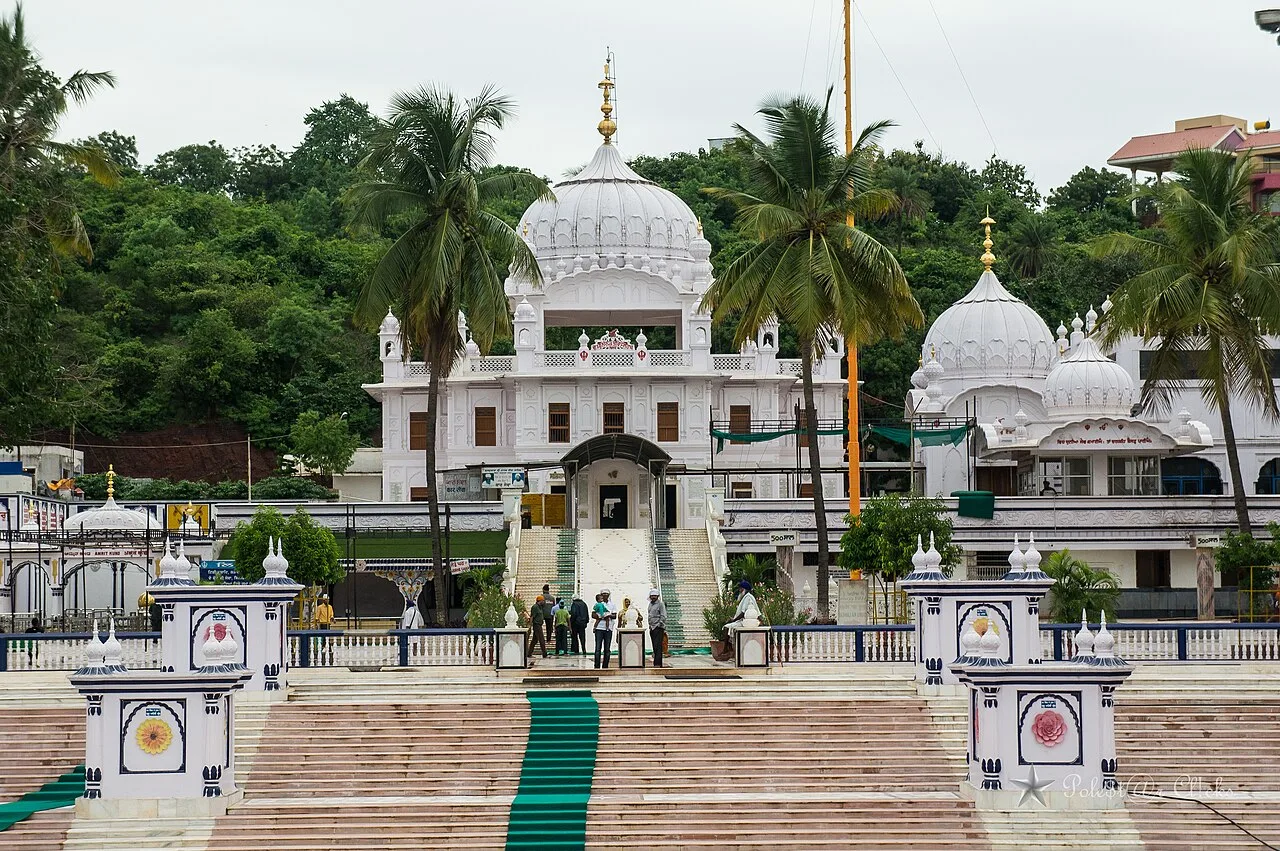
Guru Nanak Jhira Sahib is a Sikh shrine in Bidar, Karnataka, associated with Guru Nanak and the region’s Sikh history; visitors come to honour the first Sikh guru.

Gulbarga Fort

64 km away · Kalaburagi district

Gulbarga Fort

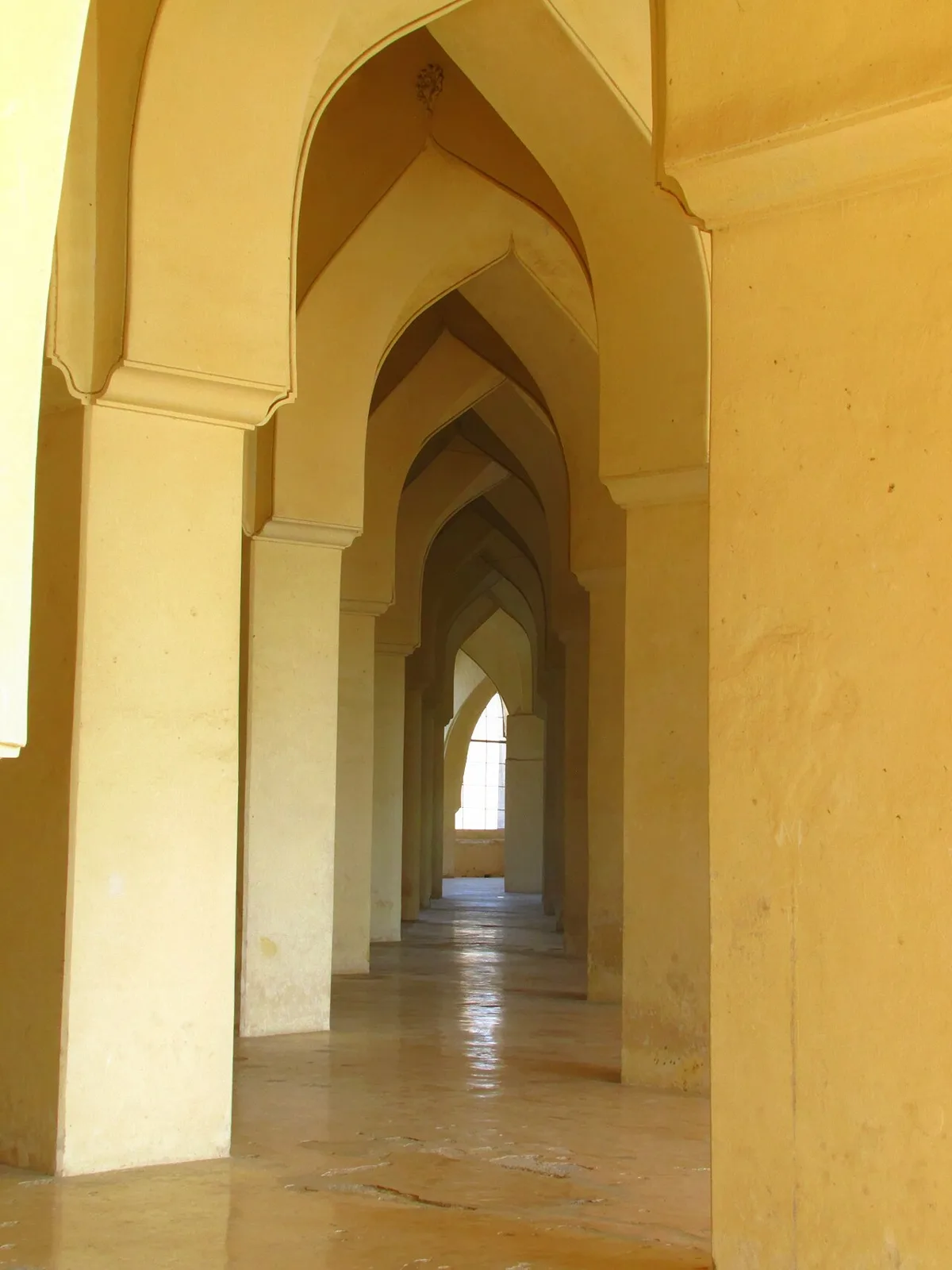
Gulbarga Fort is a historic stronghold in Kalaburagi associated with the Bahmani Kingdom. Visitors come to see its buildings, including the Jama Masjid, known for its enclosed form and Persian design.

Sharana Basaveshwara Temple

64 km away · Kalaburagi district

Sharana Basaveshwara Temple

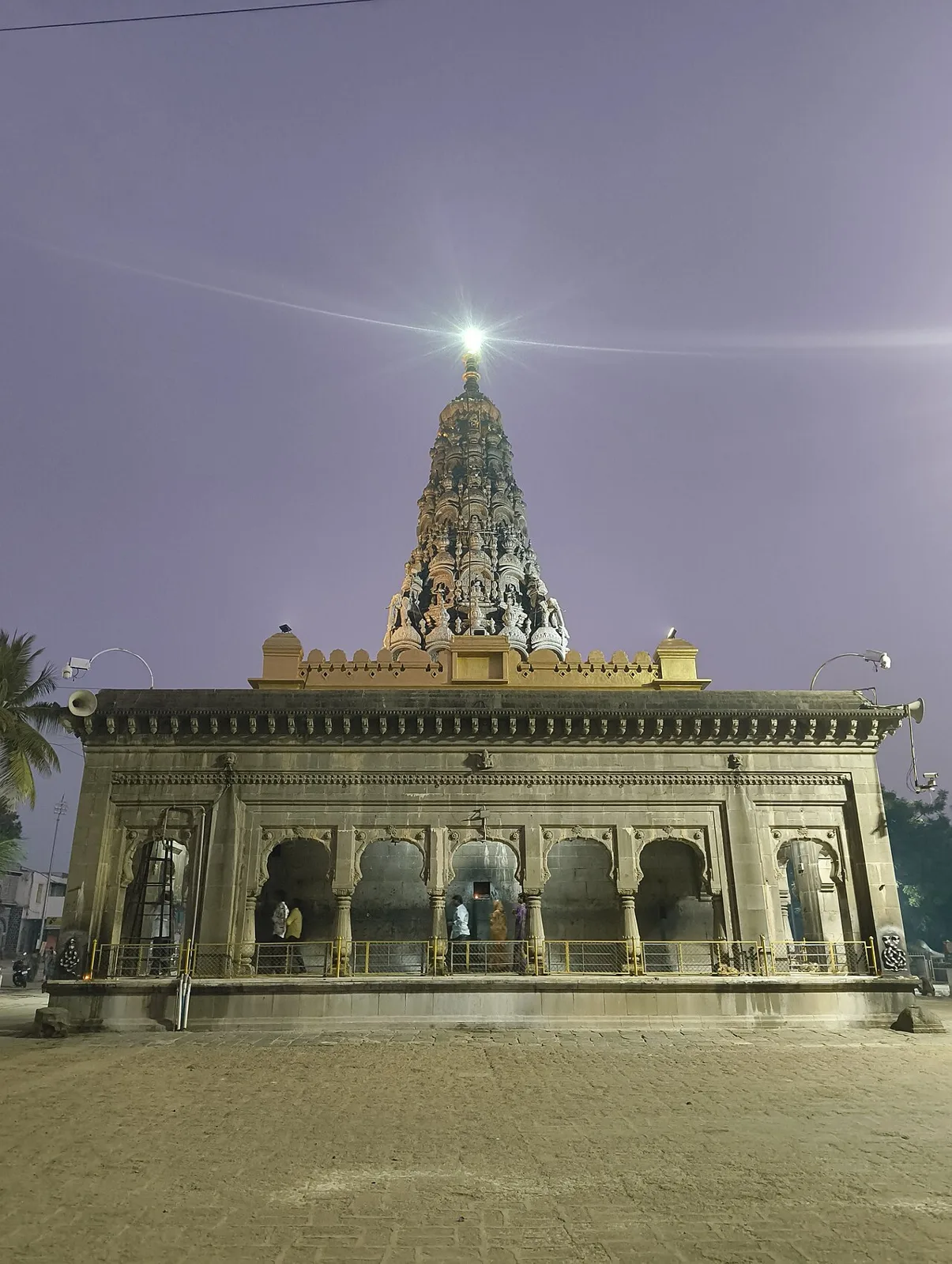
In Kalaburagi district, Karnataka, the Sharana Basaveshwara Temple is a shrine. Visitors come to worship at this site in Kalaburgi, an old town in the state’s northeast.

Raichur Fort

141 km away · Raichur district

Raichur Fort

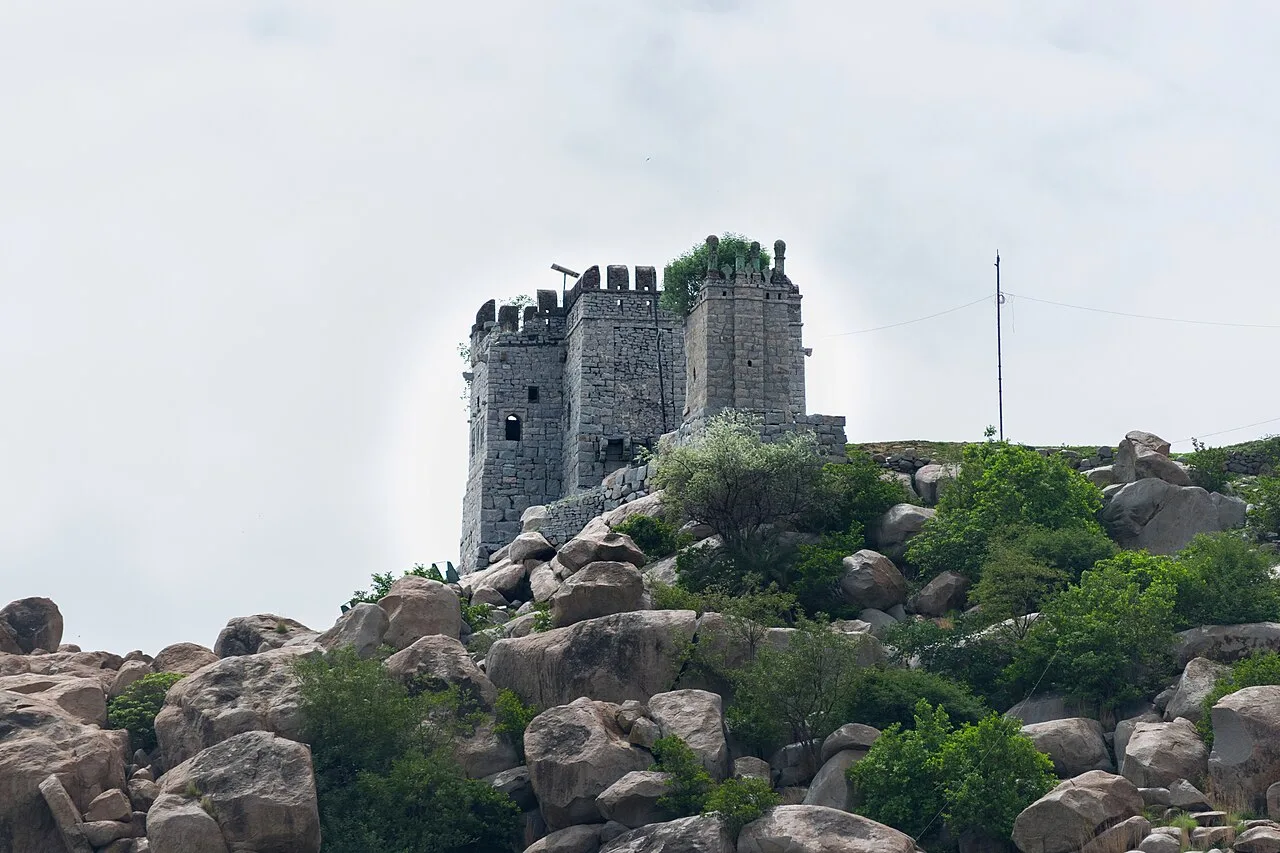
Raichur Fort is a hilltop stronghold in the city of Raichur, Karnataka. Visitors come to see its elevated setting and learn about the succession of powers that ruled the surrounding region.

Gol Gumbaz

192 km away · Vijayapura district

Gol Gumbaz

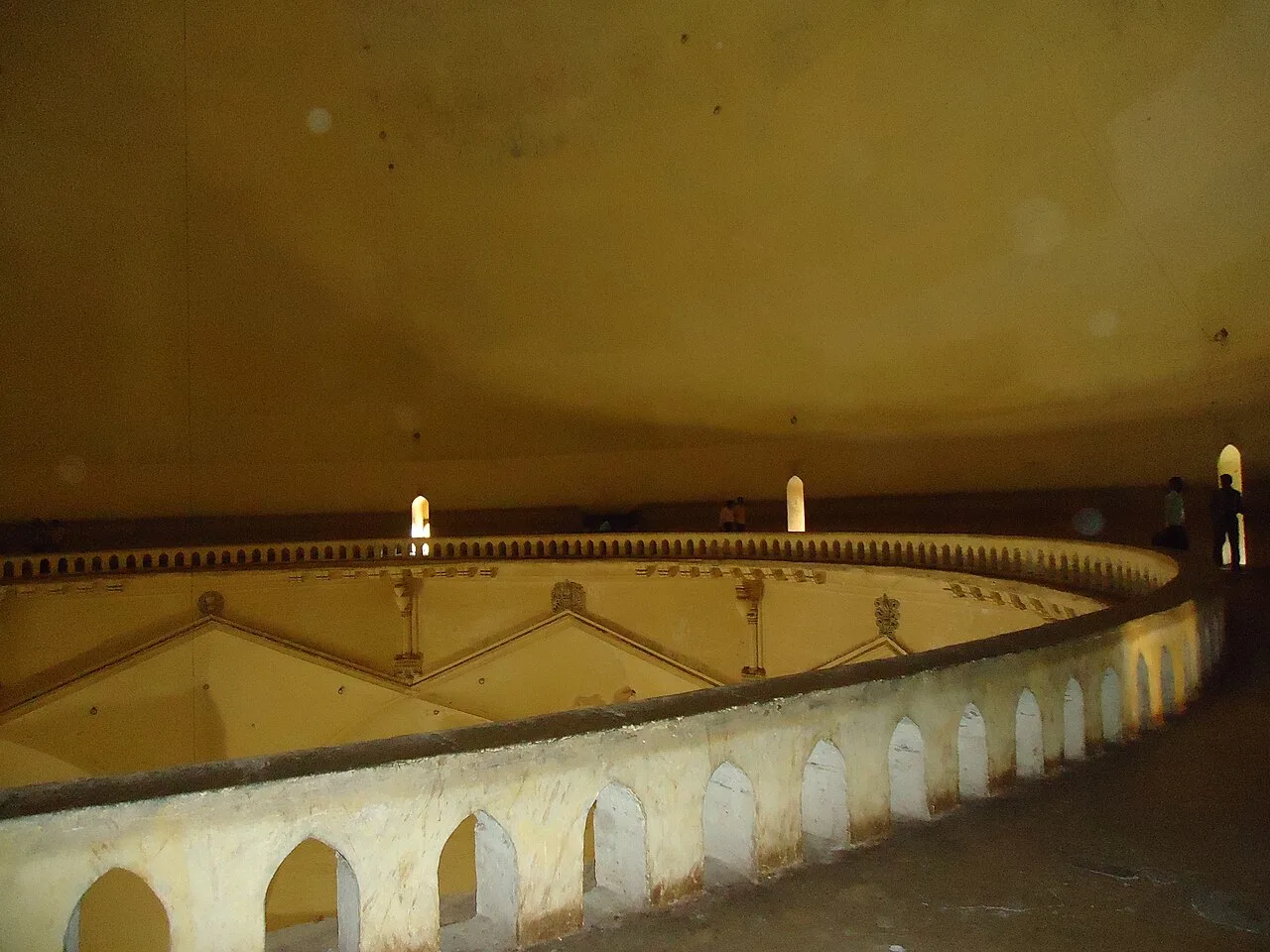
Gol Gumbaz is a basalt mausoleum in Bijapur, Karnataka, built for Mohammad Adil Shah. Visitors come to see its great dome, Indo-Islamic design and famous whispering gallery.

Map

Chincholi on the map

  1. 1Narasimha Jharni Cave Temple
  2. 2Bahmani Tombs
  3. 3Bidar Fort
  4. 4Guru Nanak Jhira Sahib
  5. 5Gulbarga Fort
  6. 6Sharana Basaveshwara Temple
  7. 7Raichur Fort
  8. 8Gol Gumbaz

Karnataka

Other cities to explore