Ghumoopedia — Explore, Discover, Experience
Sign in
Aihole, near Guledgudda

City guide · Karnataka

Guledgudda

Guledgudda is a small town in Bagalkot district whose importance comes from two roles: it is the headquarters of Guledgudda taluk and a centre for the distinctive handwoven fabric known as Guledgudda khana. The textile’s patterned designs and use in traditional garments give the town a profile beyond its size, and visitors can encounter weaving and local trade as part of everyday life.

Famous for

  • Guledgudda khana fabric
  • Traditional handloom weaving
  • North Karnataka cuisine
  • Badami-region heritage

Why Guledgudda matters

Guledgudda is a small town in Bagalkot district whose importance comes from two roles: it is the headquarters of Guledgudda taluk and a centre for the distinctive handwoven fabric known as Guledgudda khana. The textile’s patterned designs and use in traditional garments give the town a profile beyond its size, and visitors can encounter weaving and local trade as part of everyday life.

The town also makes a practical base for exploring the historic landscape around Badami. Badami’s cave temples and forts, the temple sites of Aihole, and the monuments at Pattadakal are regional draws, though they are separate destinations rather than attractions within Guledgudda itself. Travellers interested in textiles can look for khana in local shops and ask about nearby weaving activity; those exploring northern Karnataka can combine a town visit with heritage sites and countryside. Guledgudda is therefore best approached as a working taluk centre and textile town, with a quieter pace than the better-known archaeological destinations nearby.
Famous for: crafts, trade & products

Guledgudda is especially associated with Guledgudda khana, a traditional handloom fabric often used for blouses and other garments worn with saris. It is recognised as a Geographical Indication product. Its characteristic small-scale patterns and rich colours reflect a specialised weaving tradition, maintained by local weavers and their households. The fabric is the town’s best-known product and a meaningful purchase for visitors seeking a locally made textile.

Look for khana fabric, blouse lengths and related textiles at shops around the town centre and market streets; asking shopkeepers about locally woven stock can help distinguish it from cloth brought in from elsewhere. The town’s everyday trade also serves nearby villages, so its market is useful for seeing the rhythms of a taluk headquarters rather than a purpose-built tourist bazaar. Guledgudda is not widely known for a separate large-scale craft industry or a signature food product. Its strongest commercial identity remains the handloom textile, while the surrounding Bagalkot region is associated with agriculture and local produce.

History

Guledgudda’s history is closely tied to the wider Badami region, a landscape shaped by successive kingdoms and long-standing religious and commercial routes. Badami was the early Chalukya capital, and its rock-cut temples and nearby monuments give the surrounding region a deep historical setting. This regional legacy should not be confused with evidence that Guledgudda itself was a Chalukya capital or a major royal centre; the town’s better-documented modern role is that of a local settlement and market centre.

The area passed through changing political administrations in northern Karnataka, including the period of British rule, before becoming part of the reorganised state of Mysore, later renamed Karnataka. Administratively, Guledgudda was formerly within Badami taluk. It has since become the headquarters of its own taluk in Bagalkot district. Its development today is shaped by public administration, services for surrounding villages, road connections and the continuing handloom trade, rather than by large-scale urban expansion.

Food, festivals & culture

Daily food reflects northern Karnataka cooking. Jolada rotti, often served with stuffed brinjal curry, pulses and groundnut chutney, is a familiar regional meal; millet breads and seasonal vegetable dishes are also common. Sweets such as holige may appear at family celebrations and festival meals, though menus vary between households and eateries. Kannada is the main language of public life, alongside other languages heard across the district.

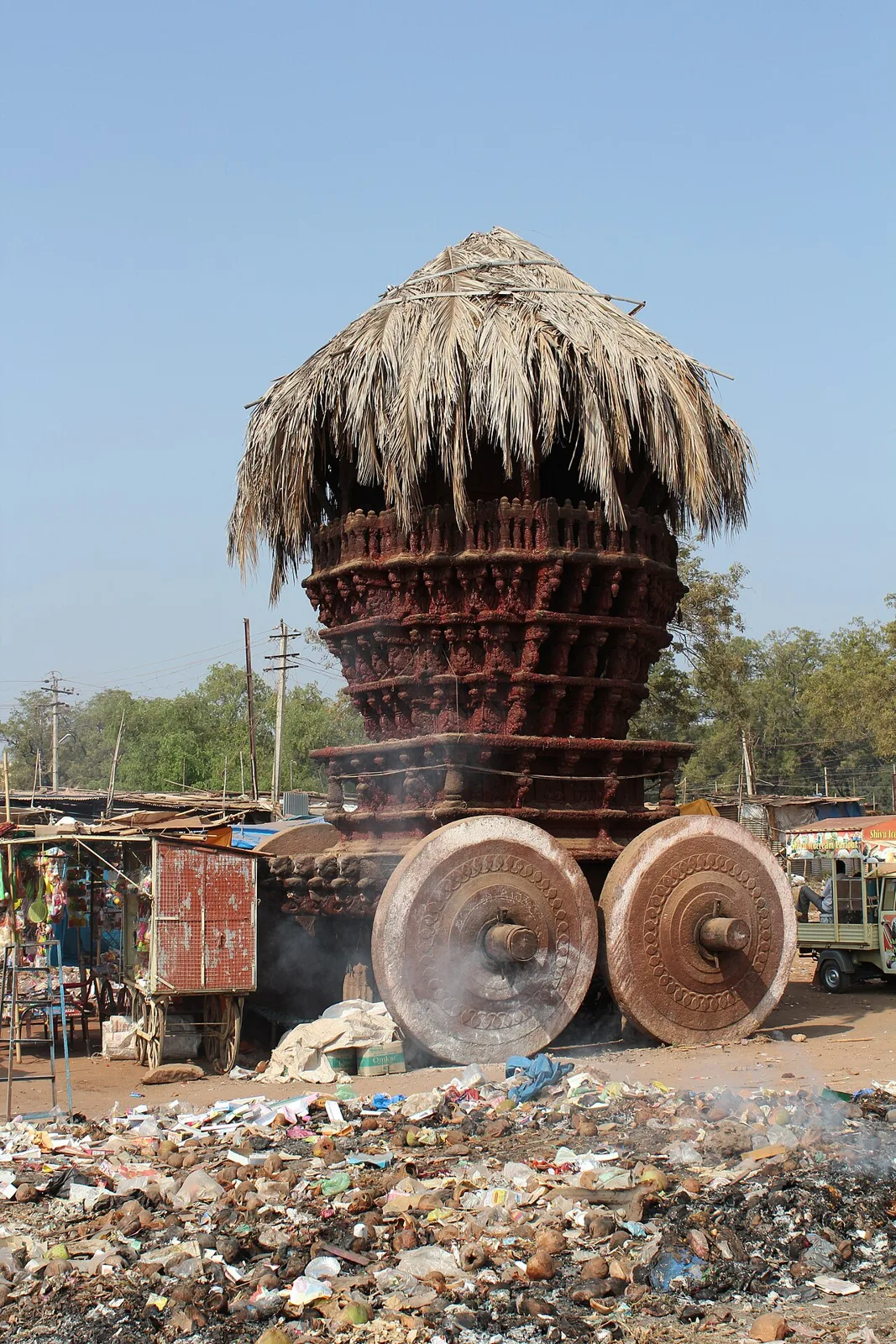
The calendar follows Hindu festivals observed widely in the region, including Ugadi in spring, Ganesh Chaturthi, and Deepavali in autumn. Temple fairs and local gatherings bring together residents from surrounding villages, while the Banashankari temple near Badami is an important regional pilgrimage destination. Worship in Guledgudda centres on local temples and shrines. Folk songs, devotional singing and community performances form part of celebrations; the wider region is also known for energetic folk traditions. Visitors are most likely to encounter these customs during festival periods or through ordinary market and temple life rather than staged cultural events.

Visiting the city

October to February is generally the most comfortable period to visit, with cooler conditions than the hot months before the monsoon. The nearest major airport is Hubballi Airport. For rail travel, check services to Guledagudda Road station; Badami railway station is another option for reaching the area. Local buses and taxis connect the town with nearby settlements and heritage destinations, while auto-rickshaws are useful for short trips within town.

Start around the town centre and market streets to see local commerce and look for Guledgudda khana. The weaving and shop areas are more rewarding as working neighbourhoods than as formal attractions, so allow time to browse respectfully and ask before photographing people or looms. Guledgudda can also be paired with visits to Badami, Aihole and Pattadakal, which are separate sites in the surrounding region. Check local transport arrangements before planning several stops in one day.

Trips from the city

Nearest places to visit from Guledgudda

Our closest destination guides, by straight-line distance.

Aihole

10 km away · Bagalkot district

Aihole

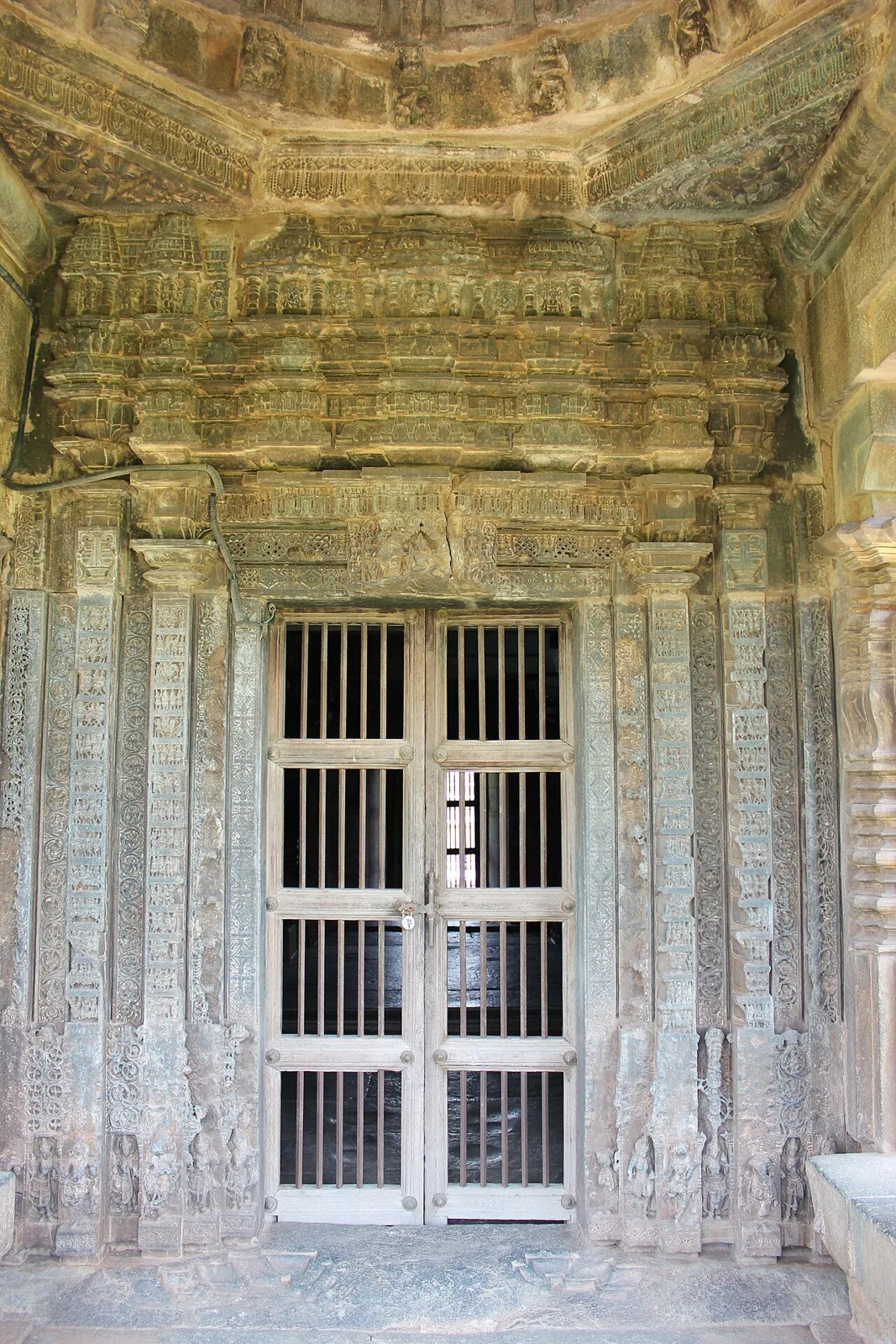
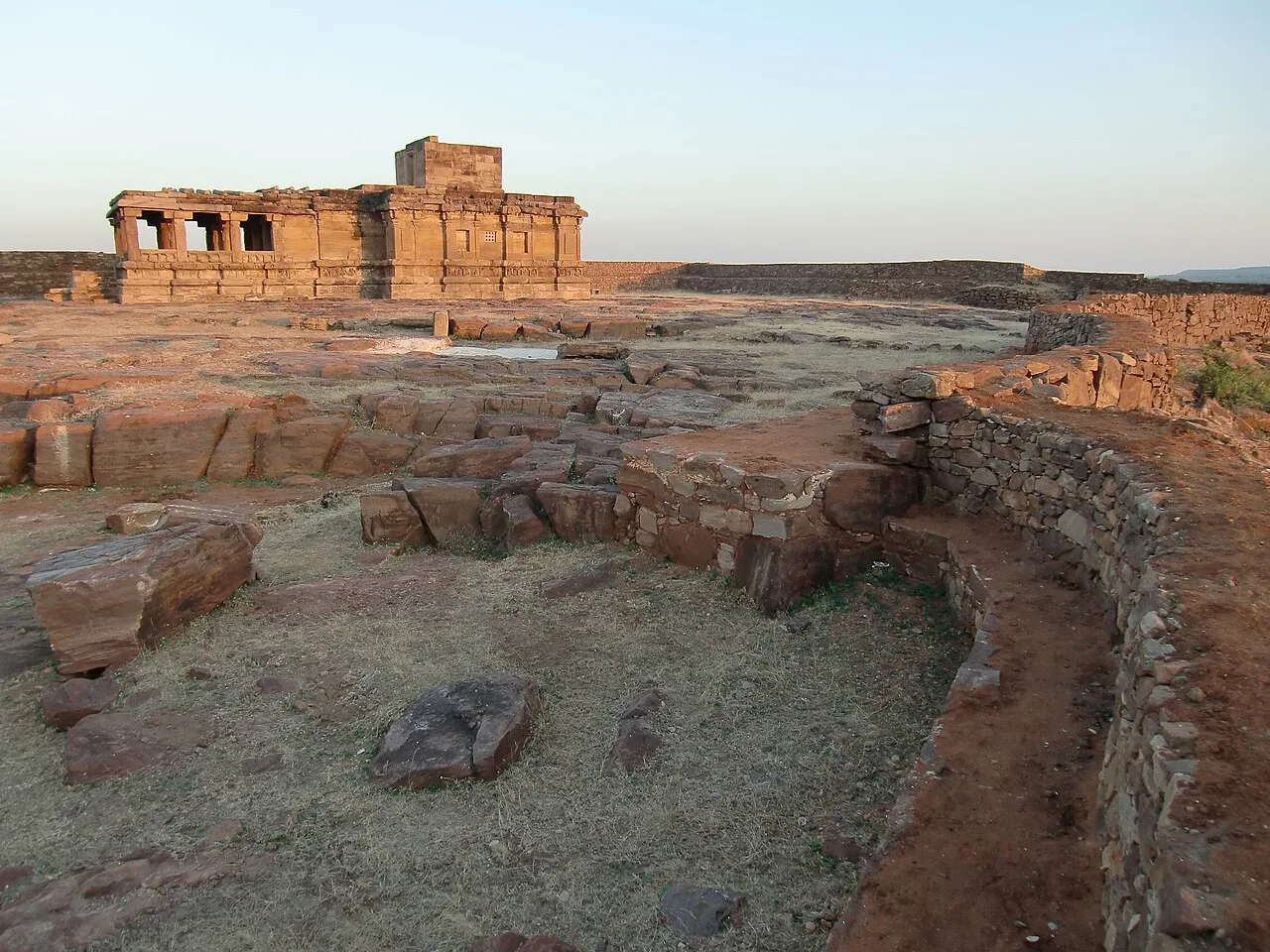
Aihole is a historic temple site in Karnataka, known for its Buddhist, Hindu and Jain monuments and for architectural experiments that influenced nearby Chalukya-era works.

Pattadakal

11 km away · Bagalkot district

Pattadakal

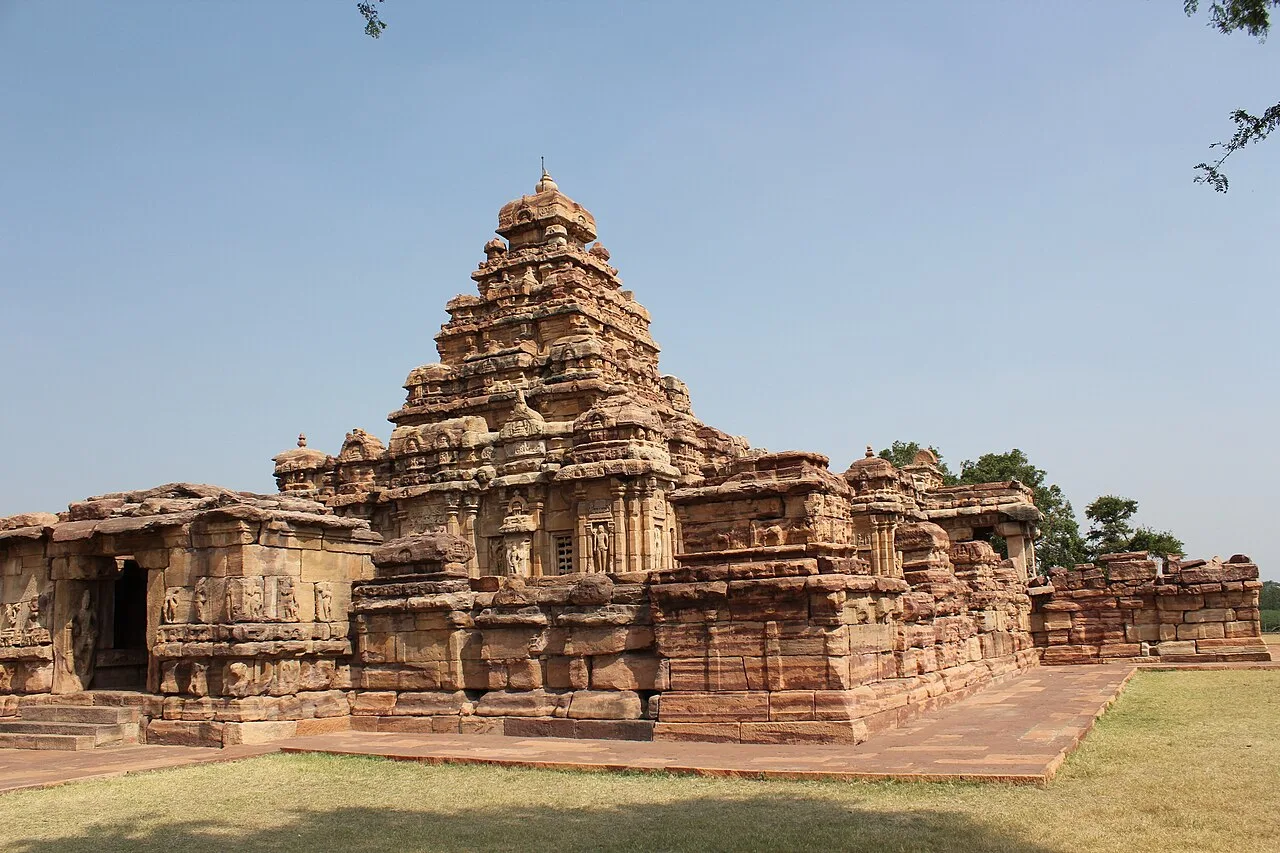
Pattadakal is a UNESCO-listed temple complex in Karnataka, with Hindu and Jain monuments from the seventh and eighth centuries. Visitors come to see its distinctive mix of northern and southern architectural traditions and its carved religious narratives.

Mahakuta Temples

15 km away · Bagalkot district

Mahakuta Temples

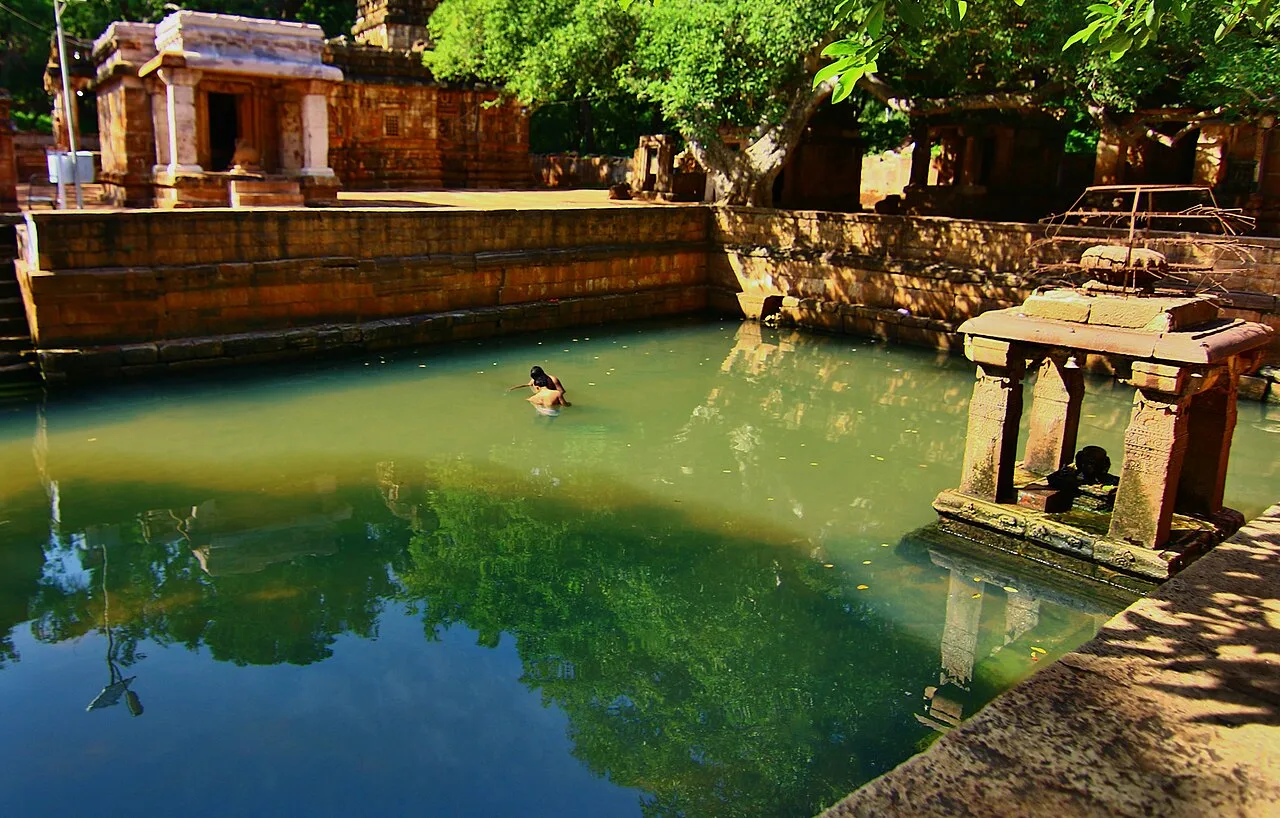
Mahakuta Temples is a Hindu temple complex and Shaiva monastic centre in Bagalkot district, Karnataka. People visit to worship and view its early Chalukyan architecture and inscriptions.

Badami cave temples

19 km away · Bagalkot district

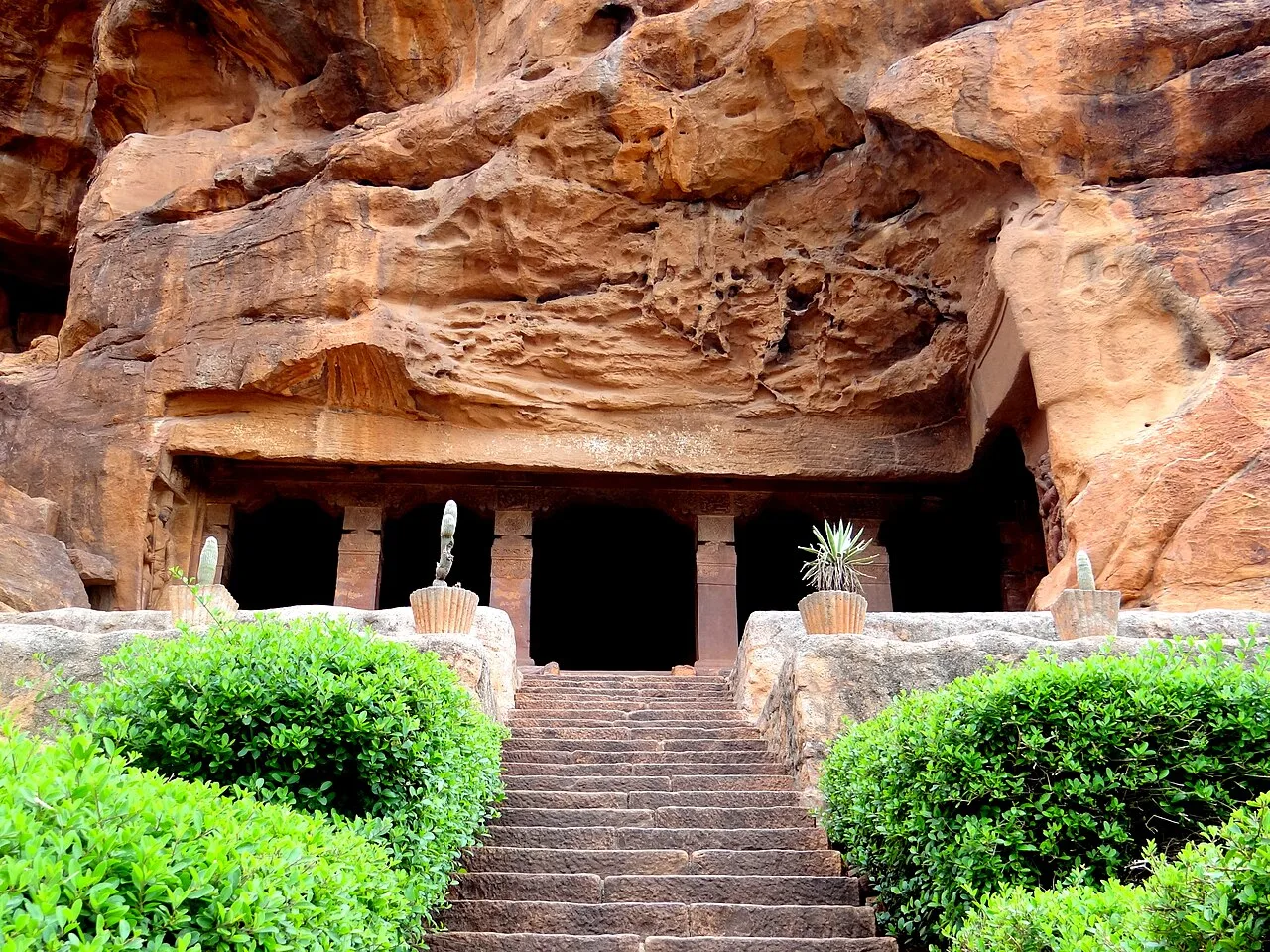
Badami cave temples

These rock-cut shrines in Badami, Karnataka, reflect Buddhist, Hindu and Jain traditions and early Chalukya-era art. Visitors come to see the sandstone architecture and carved religious figures.

Banashankari Temple, Badami

20 km away · Bagalkot district

Banashankari Temple, Badami

Banashankari Temple is a Hindu shrine at Cholachagudda near Badami, Karnataka. Visitors come to worship its goddess and attend the yearly jatre, which features cultural events, a boat festival and a chariot procession.

Itagi Mahadeva Temple

66 km away · Koppal district

Itagi Mahadeva Temple

Itagi Mahadeva Temple is a place of worship in Itagi, within Yelburga Taluk in Karnataka’s Koppal district. Visitors come to see the temple and its setting.

Trikuteshwara Temple, Gadag

72 km away · Gadag district

Trikuteshwara Temple, Gadag

In Gadag, Karnataka, Trikuteshwara Temple is a carved Hindu place of worship dedicated to Shiva. Visitors come to see its three lingas, Saraswathi shrine and carved columns.

Lakkundi

74 km away · Gadag district

Lakkundi

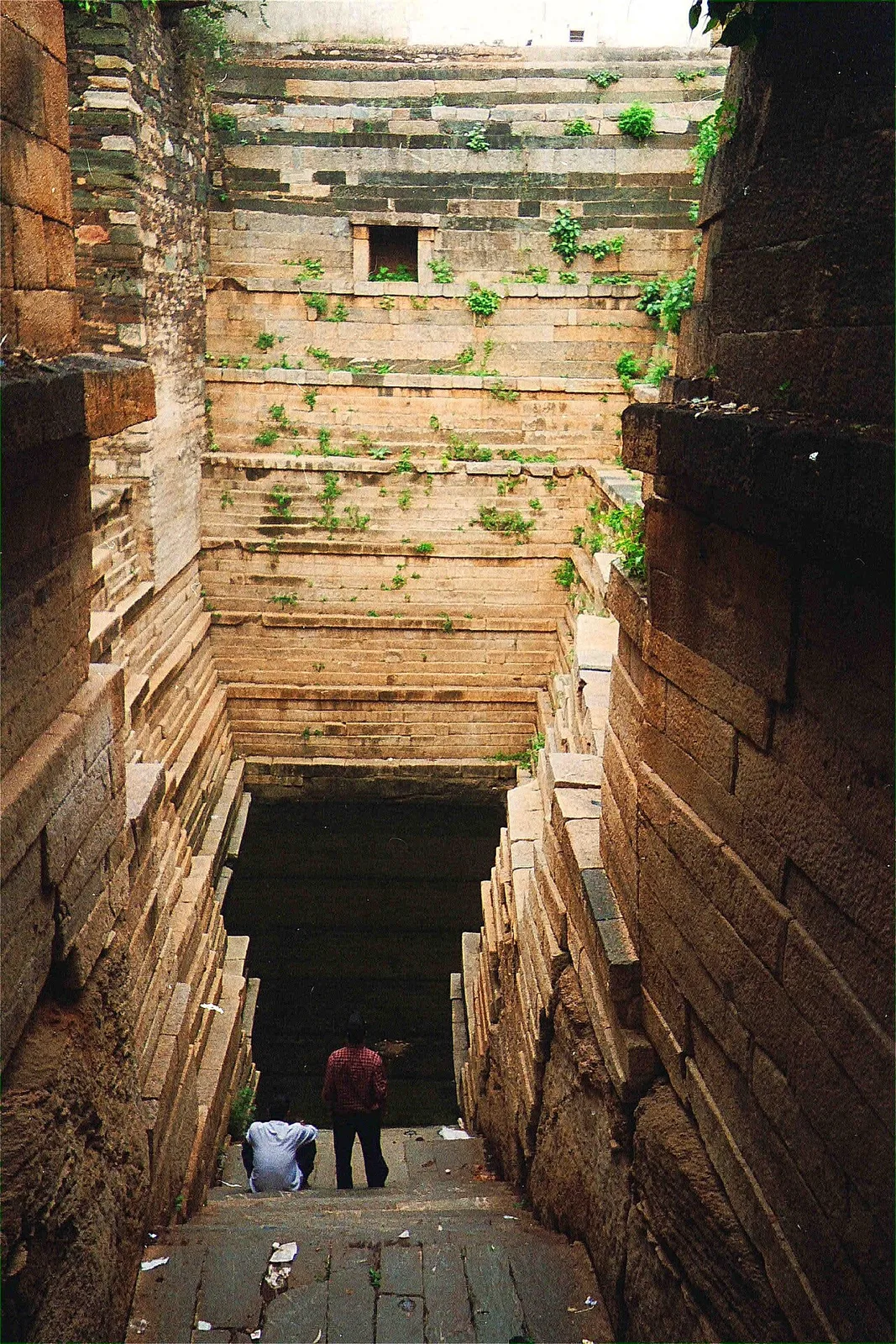
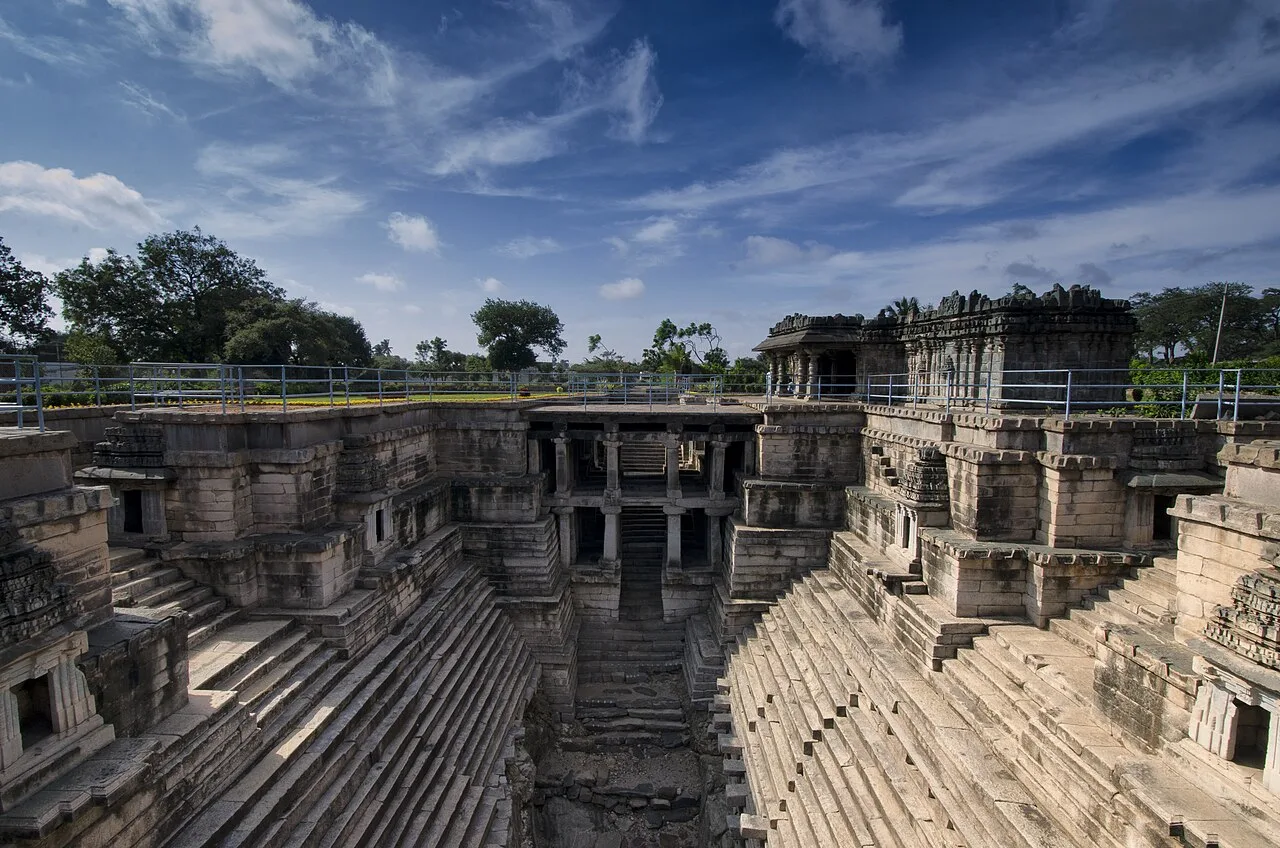
Lakkundi is a historic village in Karnataka’s Gadag district, visited for its Hindu and Jain temple remains, water structures and examples of Kalyana Chalukya architecture.

Map

Guledgudda on the map

  1. 1Aihole
  2. 2Pattadakal
  3. 3Mahakuta Temples
  4. 4Badami cave temples
  5. 5Banashankari Temple, Badami
  6. 6Itagi Mahadeva Temple
  7. 7Trikuteshwara Temple, Gadag
  8. 8Lakkundi

Karnataka

Other cities to explore