Ghumoopedia — Explore, Discover, Experience
Sign in
Anegundi, near Tekkalakote

City guide · Karnataka

Tekkalakote

Tekkalakote is a small town in Ballari district, between Ballari and Siruguppa, and an important local centre for administration, trade and agriculture. Its position on NH150A links it with nearby towns and villages, while its rice mills serve the surrounding paddy-growing countryside.

Famous for

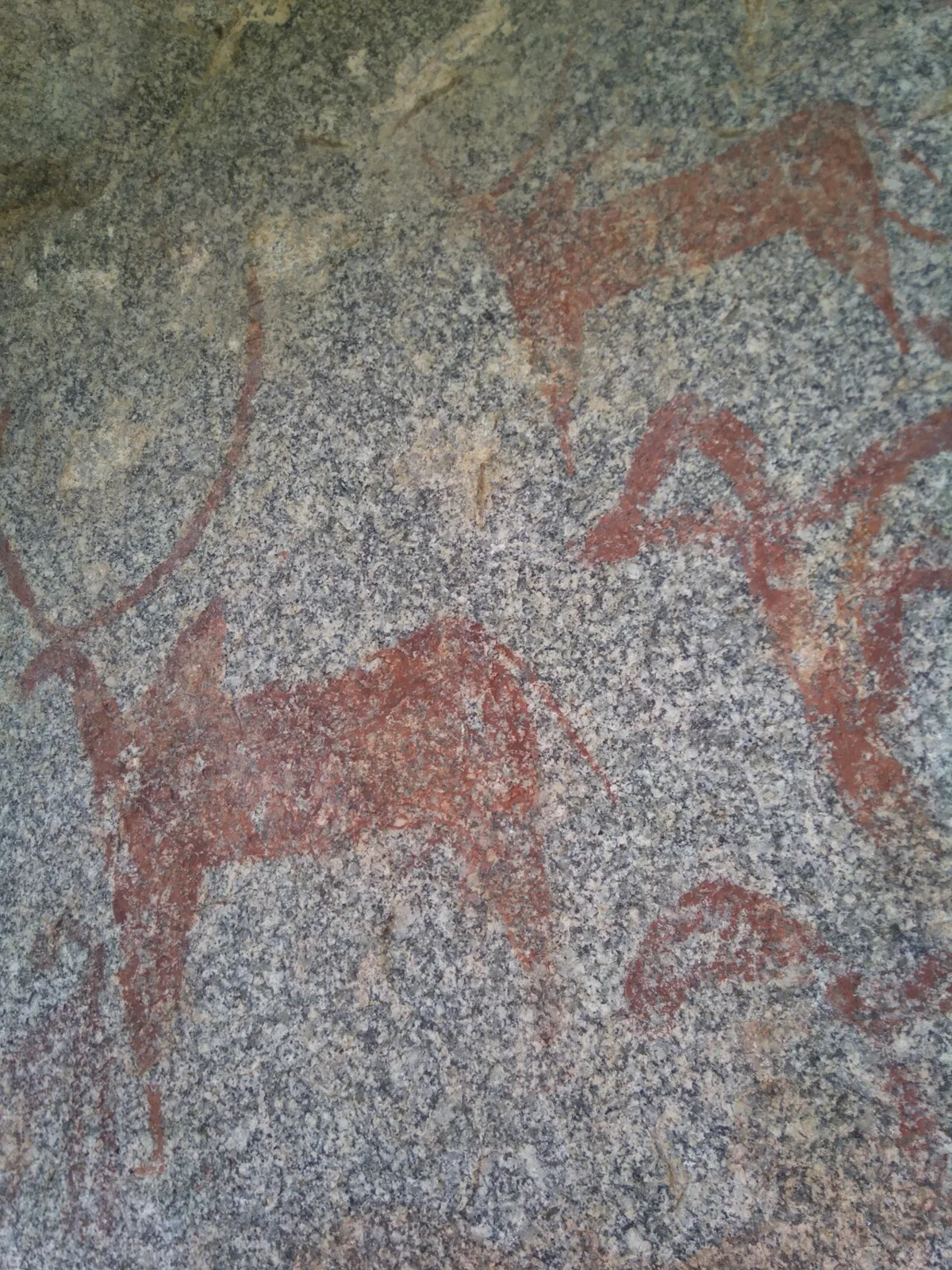
  • Neolithic hill rock art
  • Prehistoric gold ornaments
  • Eighteenth-century square fort
  • Paddy and rice mills
  • Historic Hindu temples

Why Tekkalakote matters

Tekkalakote is a small town in Ballari district, between Ballari and Siruguppa, and an important local centre for administration, trade and agriculture. Its position on NH150A links it with nearby towns and villages, while its rice mills serve the surrounding paddy-growing countryside. The town is also a centre for education and public services in its part of Siruguppa taluk.

Visitors are drawn chiefly by Tekkalakote’s prehistoric remains. The hill bears Neolithic rock paintings and other traces of early settlement, including evidence of elaborate gold ear ornaments. The town also has an eighteenth-century square fort and a cluster of old temples, making its heritage varied despite its modest size. Nearby Nittur and Udegolam are associated with minor edicts of Emperor Ashoka and can be included in a wider regional visit. Tekkalakote is best approached as a working agricultural town with significant archaeological interest, rather than as a destination with extensive visitor facilities.
Famous for: crafts, trade & products

Tekkalakote’s best-known local products are agricultural. Paddy is a major crop, and three rice mills reflect the importance of rice processing in the town’s economy. Cotton is also grown, alongside smaller crops such as foxtail millet, bajra, jowar and maize. The mix of irrigated and rain-fed farming shapes production in the surrounding villages. The town is not especially known for a signature textile, handicraft or GI-tagged product.

For everyday goods and locally produced food staples, visitors can look around the town’s shops and market areas; rice mills are part of the local trade, though they are primarily processing businesses rather than visitor attractions. Farmers in the wider hobli can also access agricultural support through the Raitha Samparka Kendra. Tekkalakote’s other notable institutions include government colleges and a veterinary hospital, which serve residents and nearby settlements. Its distinctive heritage—Neolithic rock art, prehistoric finds and the old fort—is better understood as an archaeological and historical legacy than as a craft industry. Ask locally about access to the hill and historic sites, as visitor services may be limited.

History

Tekkalakote’s history reaches back to the Neolithic period. Archaeological evidence from the hill includes rock paintings and other relics, as well as indications of elaborate gold ear ornaments. These remains place the area within the early settlement history of the Deccan. Nearby Nittur and Udegolam are known for minor edicts attributed to Mauryan emperor Ashoka, offering another glimpse of the region’s ancient past.

The town also retains an eighteenth-century square-shaped fort, though the available local history does not establish a detailed sequence of its rulers or later use. In more recent times, Tekkalakote developed as a revenue hobli and town-panchayat centre for surrounding settlements. Its location between Ballari and Siruguppa, on the NH150A corridor, has supported connections and commerce. Agriculture—especially paddy cultivation and rice milling—remains central to the town’s economy, alongside local administration, education and public services. The archaeological sites and the living town together tell a story of long settlement and continued regional importance.

Food, festivals & culture

Rice is central to everyday life in this paddy-growing area, while jowar, bajra and other millets are also cultivated locally. Meals commonly draw on grains, lentils and seasonal produce typical of the Karnataka Deccan. No particular sweet or specialist food product is strongly identified with Tekkalakote, so visitors may find the most familiar regional dishes at local eateries rather than a dedicated food destination.

Hindu and Muslim communities are both part of the town’s religious life, with a smaller Christian presence. Ganesh Chaturthi is observed around August or September, while Muharram follows the Islamic lunar calendar and therefore changes season each year. The town is known for its many temples, including Varavina Malleshwar, Kadasiddeshwara, Nela Amareshwara and Nagareshwara. Devotional singing and community gatherings are part of religious occasions; local customs and performances are best experienced through neighbourhood or temple events. Kannada is the principal local language, Hindi is also widely spoken, and Telugu has a smaller presence.

Visiting the city

The cooler months, roughly October to February, are generally the most comfortable for exploring the town and its archaeological surroundings. Tekkalakote lies about 45 km from Ballari and 11 km from Siruguppa on NH150A. The nearest airport is Vidyanagar Airport, also known as Jindal Vijaynagar Airport; check current connections before planning. Bellary Junction is the main nearby railway station, about 45 km away, while Karatagi station is another option at greater distance.

KSRTC and private buses connect Tekkalakote with nearby towns and villages, and local transport can help with short journeys. Explore the old fort, temple neighbourhoods and market streets, then ask locally about visiting the Neolithic hill. Devinagara, a small settlement around 2 km away, offers a brief look at the surrounding area. Nittur and Udegolam are nearby heritage stops; arrange transport and confirm site access locally.

Trips from the city

Nearest places to visit from Tekkalakote

Our closest destination guides, by straight-line distance.

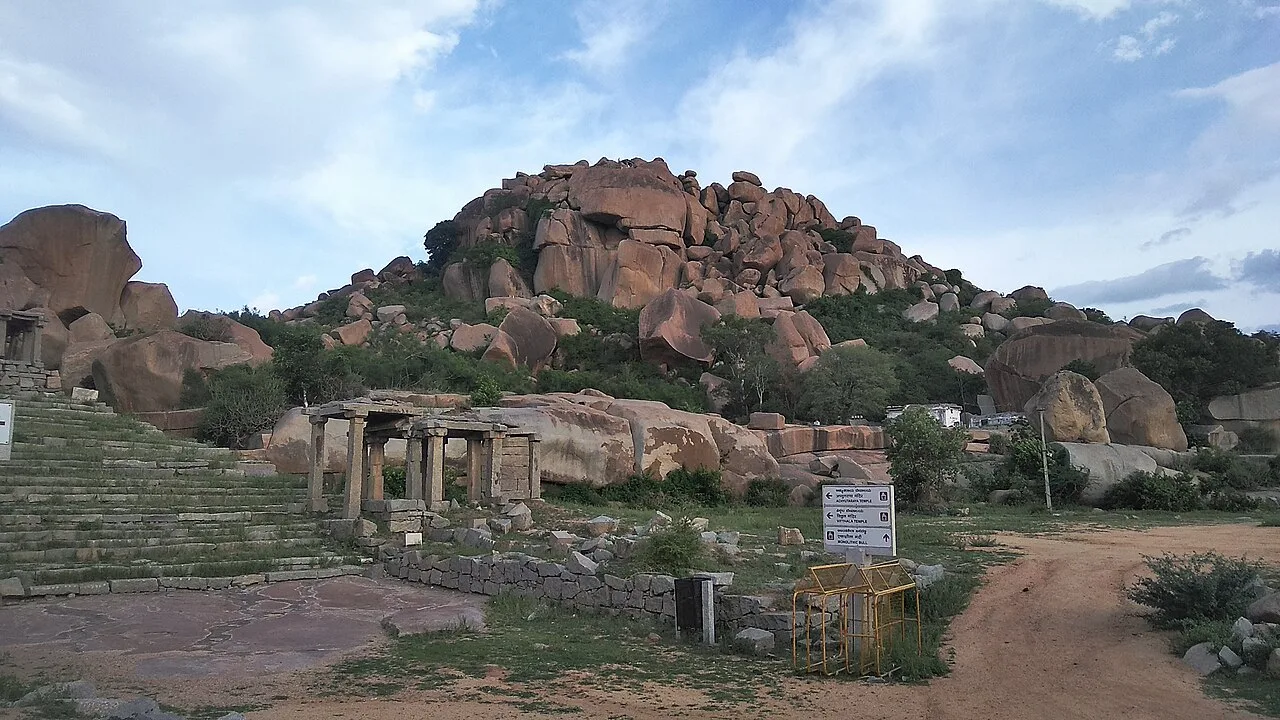
Anegundi

46 km away · Vijayanagara district

Anegundi

Anegundi is a Karnataka village once known as Kishkindha and considered older than Hampi. Visitors are interested in its historical associations and a nearby ash mound linked by tradition to Vali.

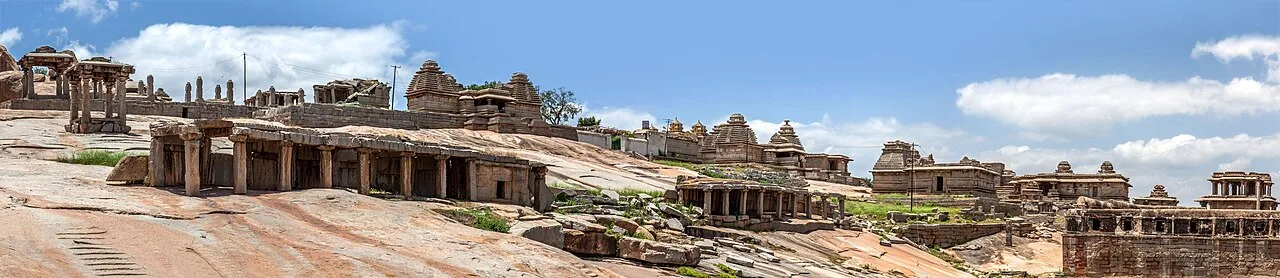
Hampi Monuments

50 km away · Vijayanagara district

Hampi Monuments

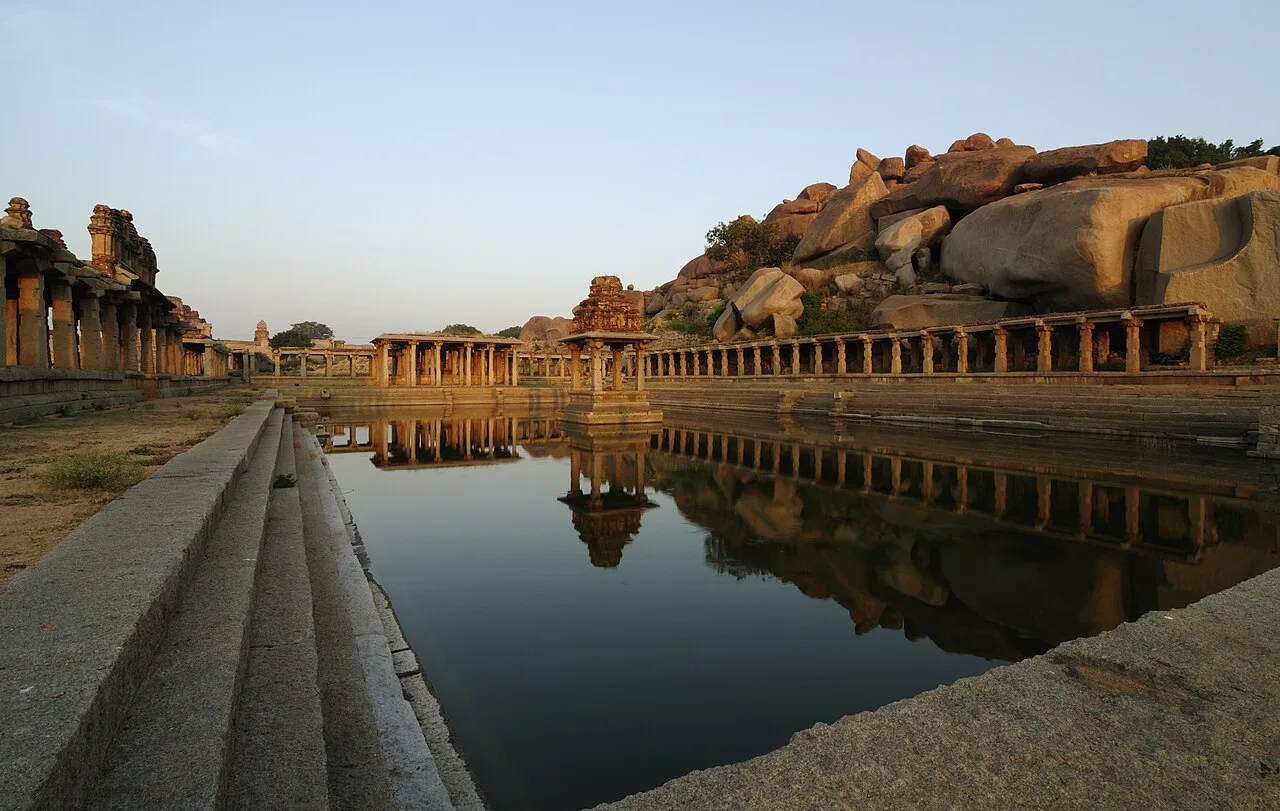
Hampi is a UNESCO-listed archaeological and religious landscape in Karnataka, known for its Vijayanagara-era remains. Visitors come to explore its temples, royal structures and continuing places of worship.

Lotus Mahal

50 km away · Vijayanagara district

Lotus Mahal

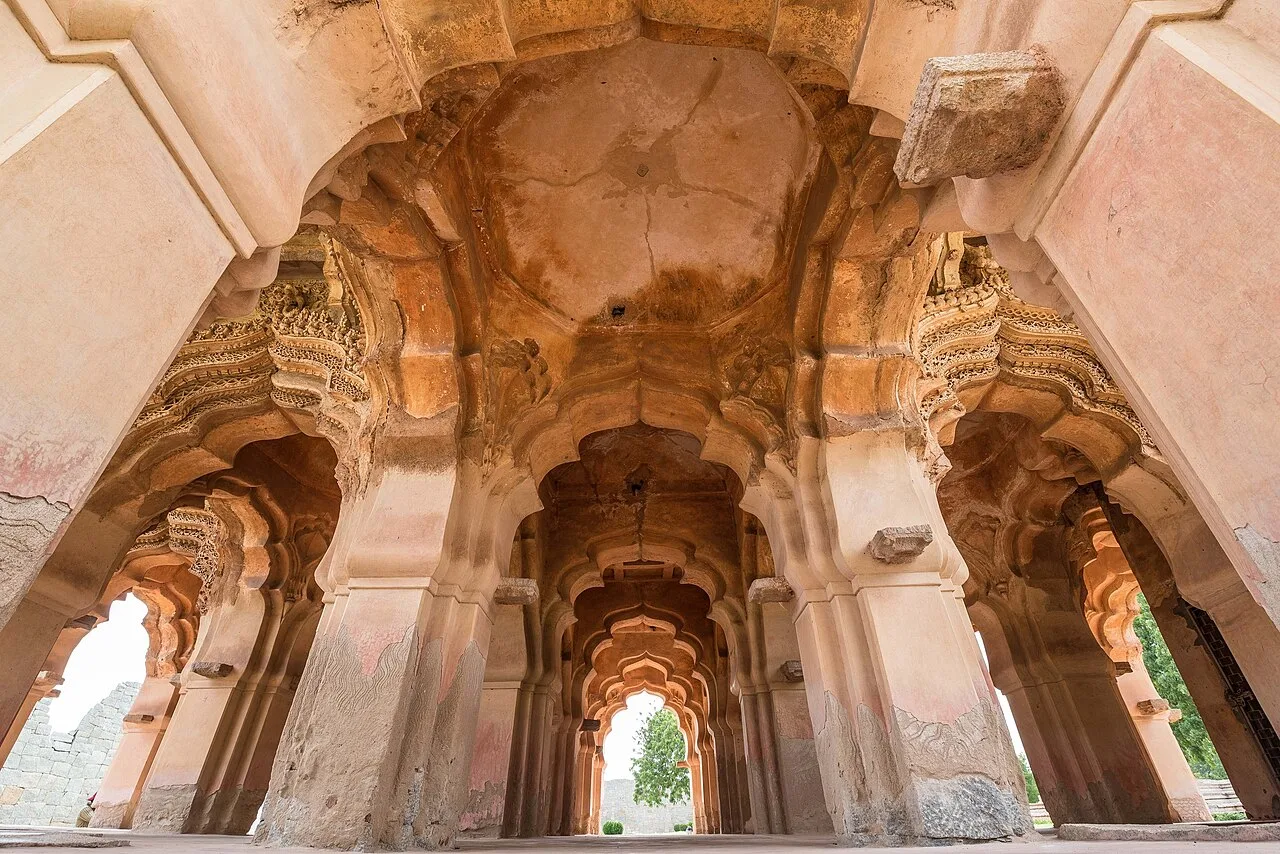
Lotus Mahal, also known as Chitrangini Mahal, is a secular building in Hampi, Karnataka. Visitors come to see its two-storey design, which reflects the architectural tradition of the Vijayanagara Empire.

Matanga Hill

50 km away · Vijayanagara district

Matanga Hill

In Hampi, Karnataka’s Vijayanagara district, Matanga Hill is a rocky rise associated with the Ramayana and the former Vijayanagara capital. Visitors explore its religious associations and place in the region’s history.

Virupaksha Temple

50 km away · Vijayanagara district

Virupaksha Temple

Set beside the Tungabhadra at Hampi, Virupaksha Temple is a historic Shiva shrine and the site’s principal pilgrimage destination, drawing visitors for its enduring religious significance.

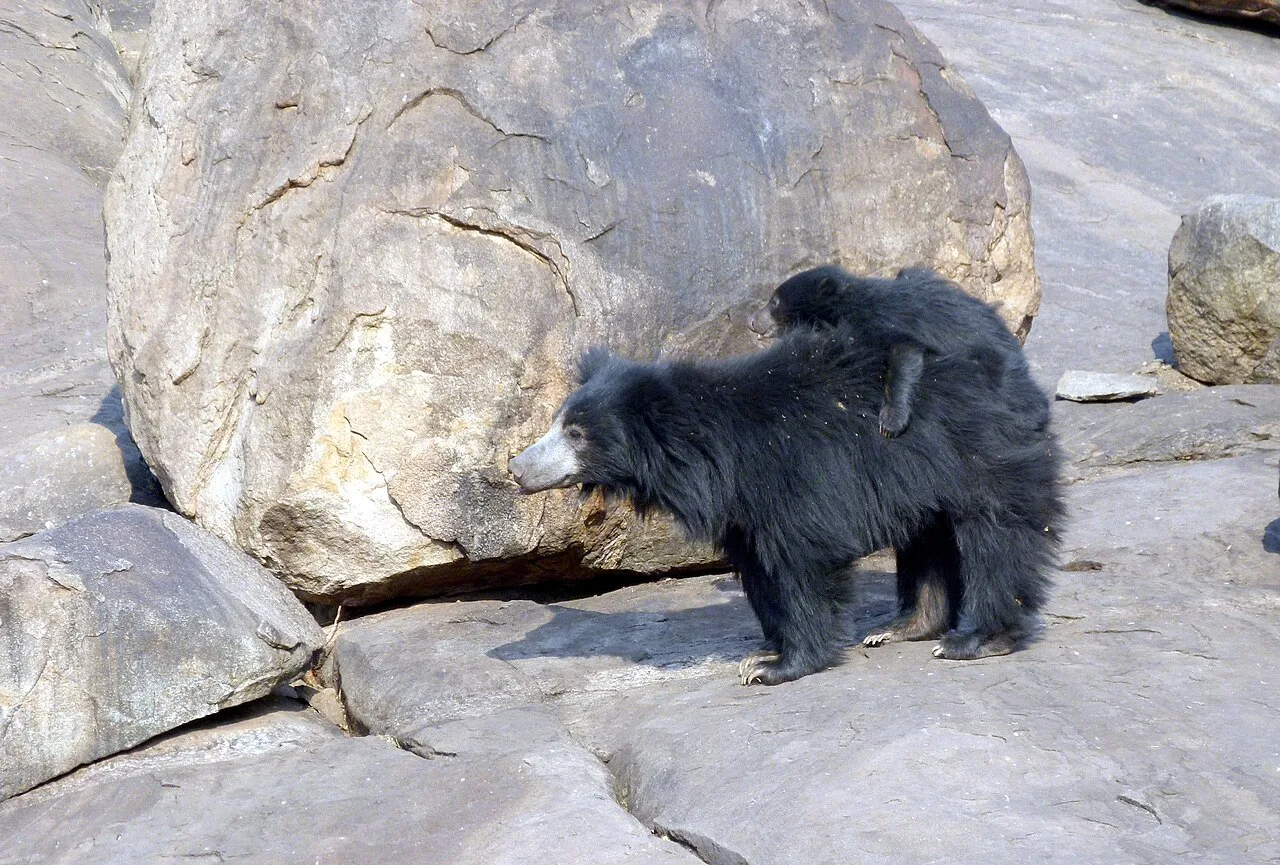
Daroji Sloth Bear Sanctuary

51 km away · Vijayanagara district

Daroji Sloth Bear Sanctuary

Daroji Sloth Bear Sanctuary in Karnataka protects sloth bears across a landscape near Ballari and Hampi. Visitors come to see bears, particularly as they descend the hillocks in the evening.

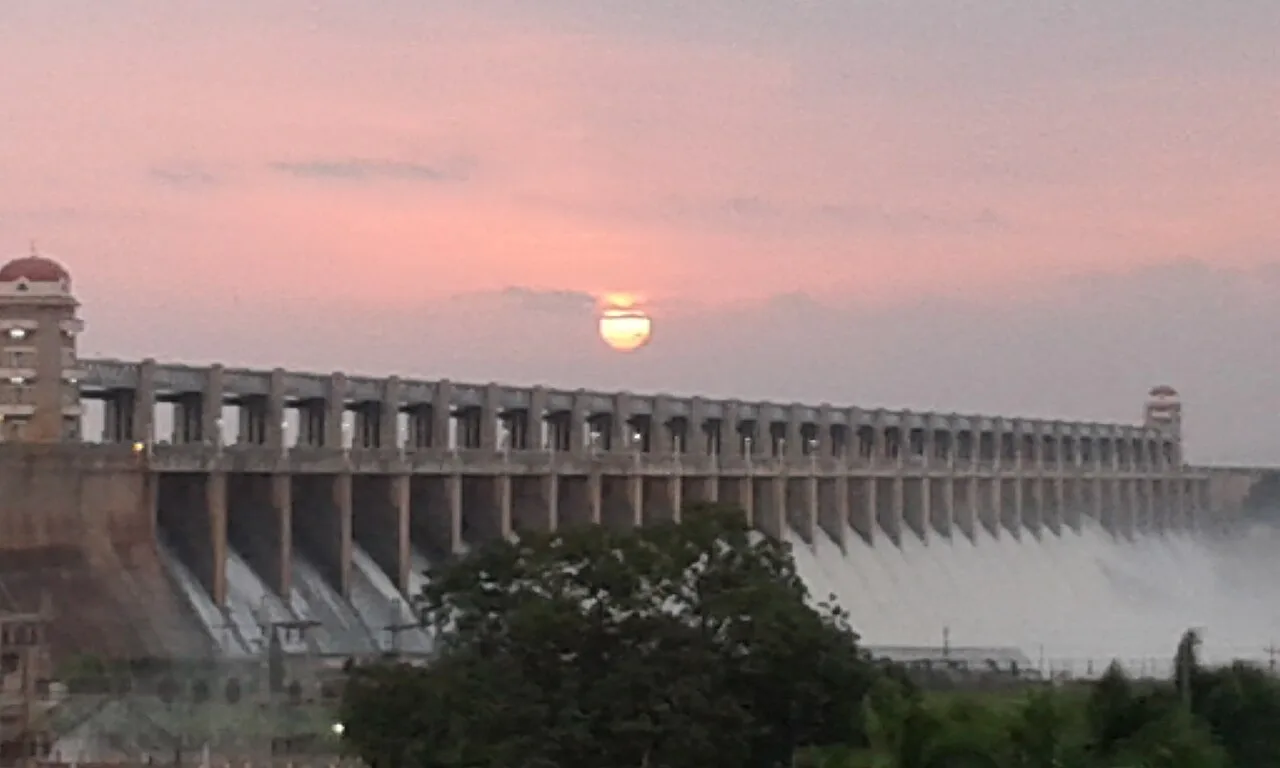
Tungabhadra Dam

64 km away · Vijayanagara district

Tungabhadra Dam

Tungabhadra Dam, also known as Pampa Sagar, is a multipurpose reservoir on Karnataka’s Tungabhadra River. Visitors interested in water infrastructure come to see its stone-masonry construction and its role in irrigation, electricity generation and flood management.

Kinhal Lacquer-Craft Village

80 km away · Koppal district

Kinhal Lacquer-Craft Village

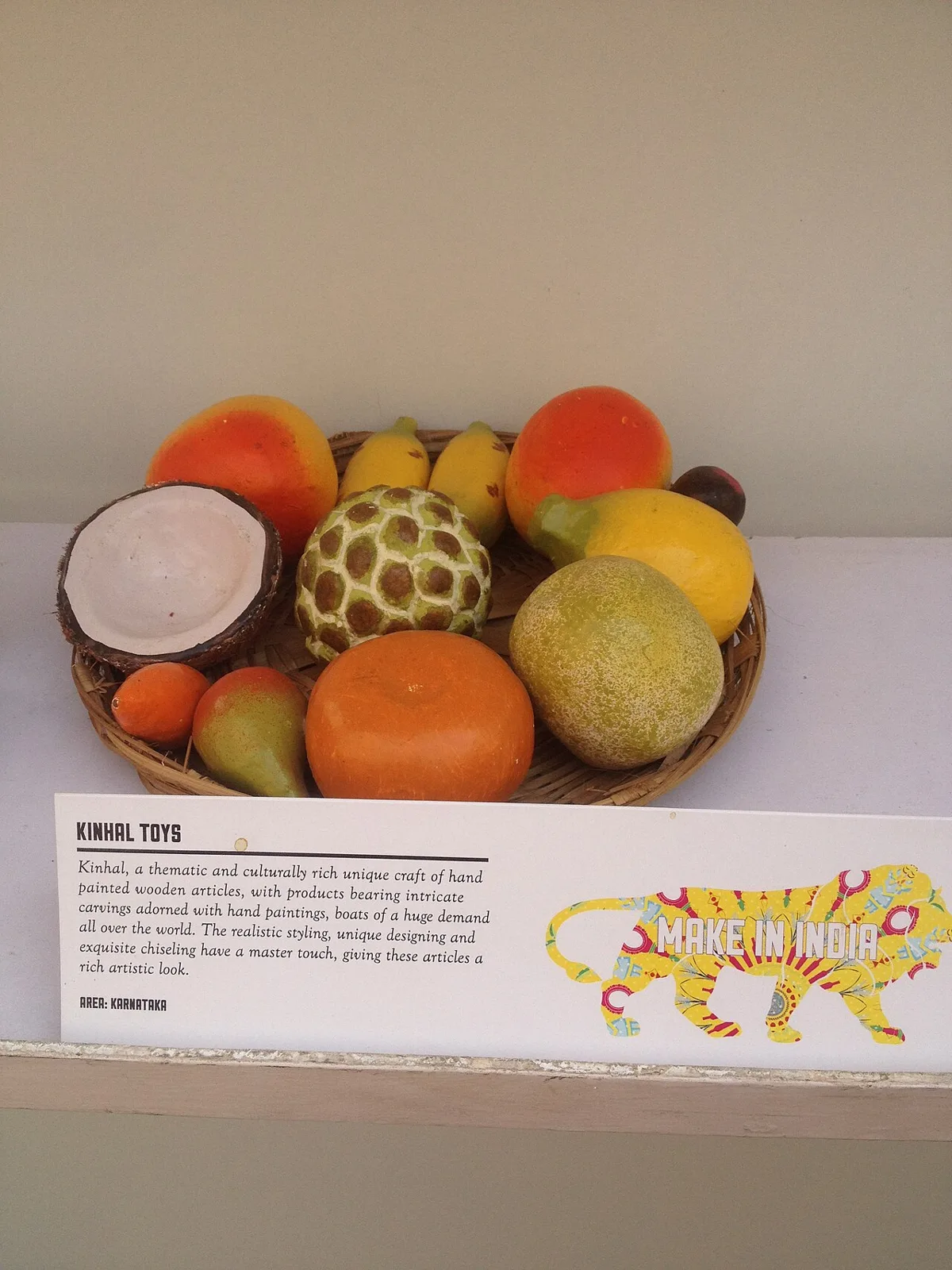
Kinhal Lacquer-Craft Village, also called Kinnal, is a settlement in Karnataka’s Koppal district. Visitors are drawn by its connection with Kinnal craft, which has geographical indication recognition.

Map

Tekkalakote on the map

  1. 1Anegundi
  2. 2Hampi Monuments
  3. 3Lotus Mahal
  4. 4Matanga Hill
  5. 5Virupaksha Temple
  6. 6Daroji Sloth Bear Sanctuary
  7. 7Tungabhadra Dam
  8. 8Kinhal Lacquer-Craft Village

Karnataka

Other cities to explore