Ghumoopedia — Explore, Discover, Experience
Sign in
Aihole, near Mudgal

City guide · Karnataka

Mudgal

Mudgal is a historic municipal town in Lingsugur taluk of Karnataka’s Raichur district. Its importance comes less from its size than from its position in the Deccan’s layered history: inscriptions, fortifications and places of worship recall periods when regional kingdoms competed for control of this part of the plateau.

Famous for

  • Mudgal Fort
  • Seuna Yadava inscriptions
  • Historic Jesuit church
  • Ancient Hindu temples
  • Fort moat and bastions

Why Mudgal matters

Mudgal is a historic municipal town in Lingsugur taluk of Karnataka’s Raichur district. Its importance comes less from its size than from its position in the Deccan’s layered history: inscriptions, fortifications and places of worship recall periods when regional kingdoms competed for control of this part of the plateau. The town lies about 10 miles south-west of Lingsugur and remains a local centre for surrounding settlements.

Visitors are drawn chiefly to the remains of Mudgal Fort, whose moat, gateways and bastions reflect successive phases of military construction. The town also has ancient temples dedicated to Aswathhanarayana, Venkatesha, Narasimha and Didderayah, as well as an old Roman Catholic church built by Jesuits before 1557. Together, these sites make Mudgal notable for its varied religious and architectural heritage. It is a rewarding stop for travellers exploring Raichur district, especially those interested in the histories of the Deccan sultanates and Vijayanagara, though facilities are more modest than in larger cities.
Famous for: crafts, trade & products

Mudgal is not especially known for a nationally recognised textile, handicraft, GI-tagged product or large-scale specialty industry. Its strongest identity is historical: the fort and its inscriptions are the town’s most distinctive heritage, rather than a particular manufactured good. The surrounding region is largely rural, and Mudgal’s shops and market streets primarily serve everyday needs of residents and nearby villages.

Visitors looking for local products can browse the town’s ordinary shops and market area for provisions and regional goods, but should not expect a dedicated craft bazaar or a reliably available range of souvenirs. North Karnataka staples such as jowar and pulses are part of the broader regional food economy, though Mudgal is not established as a specialist trading centre for them. The most meaningful way to engage with the town’s local character is to explore its historic sites and community spaces. For a wider selection of shopping, visitors may need to plan around larger district or regional centres rather than rely on Mudgal for specialist retail.

History

Historical accounts trace Mudgal’s settlement to very early times, and inscriptions associated with the Seuna Yadavas of Devagiri have been found in and around the town. In the 11th century, Mudgal was described as an educational centre attracting students from different parts of the country. By the early 14th century it had become an important outpost of the Kakatiya kingdom.

After Ala-ud-din Bahman Shah’s campaigns, Mudgal came under Bahmani rule. Control of the town and its fort later shifted amid struggles involving the Bahmani sultans, the Bijapur rulers and the Vijayanagara Empire; the fort’s mixed architectural features reflect this changing political landscape. A Jesuit church built before 1557 is a notable reminder of the town’s early Christian presence. In the modern era Mudgal developed as a municipal town within Lingsugur taluk, Raichur district. Its historical landmarks remain central to its identity, while its everyday role is that of a small service centre for surrounding rural communities.

Food, festivals & culture

Kannada is the principal language of daily life in Mudgal and the surrounding area; Urdu is also heard in parts of the region. The town’s culture is shaped by its Hindu and Muslim communities and by a long history of religious coexistence. Its places of worship include temples dedicated to Aswathhanarayana, Venkatesha, Narasimha and Didderayah, a historic Roman Catholic church, and a mosque near the fort’s western gateway.

Ugadi and Dasara are among the Hindu festivals observed in the region, usually in spring and autumn respectively; Muslim residents mark occasions such as Eid according to the Islamic calendar. The precise scale and programme of local celebrations can vary from year to year. Everyday food reflects the wider North Karnataka kitchen, where jowar rotti, pulses, vegetable curries and chutneys are familiar staples. These are regional foods rather than dishes unique to Mudgal. Folk music and dance traditions belong to the broader Deccan cultural landscape, while family, religious and seasonal gatherings remain important settings for local cultural life.

Visiting the city

The cooler months, roughly from October to February, are generally more comfortable for exploring Mudgal’s fort and temples. Summers can be very hot, so outdoor visits are best planned for early or late in the day. Kalaburagi Airport is a regional airport option; travellers may also consider Rajiv Gandhi International Airport in Hyderabad for a broader range of connections. Raichur is the main railway station commonly used to reach the area, with the onward journey made by road.

Within Mudgal, local auto-rickshaws and hired vehicles are practical ways to get between the town centre and its historic sites; confirm local transport availability on arrival. Allow time to explore the fort gateways, moat and inner hilltop remains, as well as the old church and temples. The historic centre around the fort and its western approach are the most rewarding areas for a first visit. Road connections link Mudgal with Lingsugur and other towns in Raichur district.

Trips from the city

Nearest places to visit from Mudgal

Our closest destination guides, by straight-line distance.

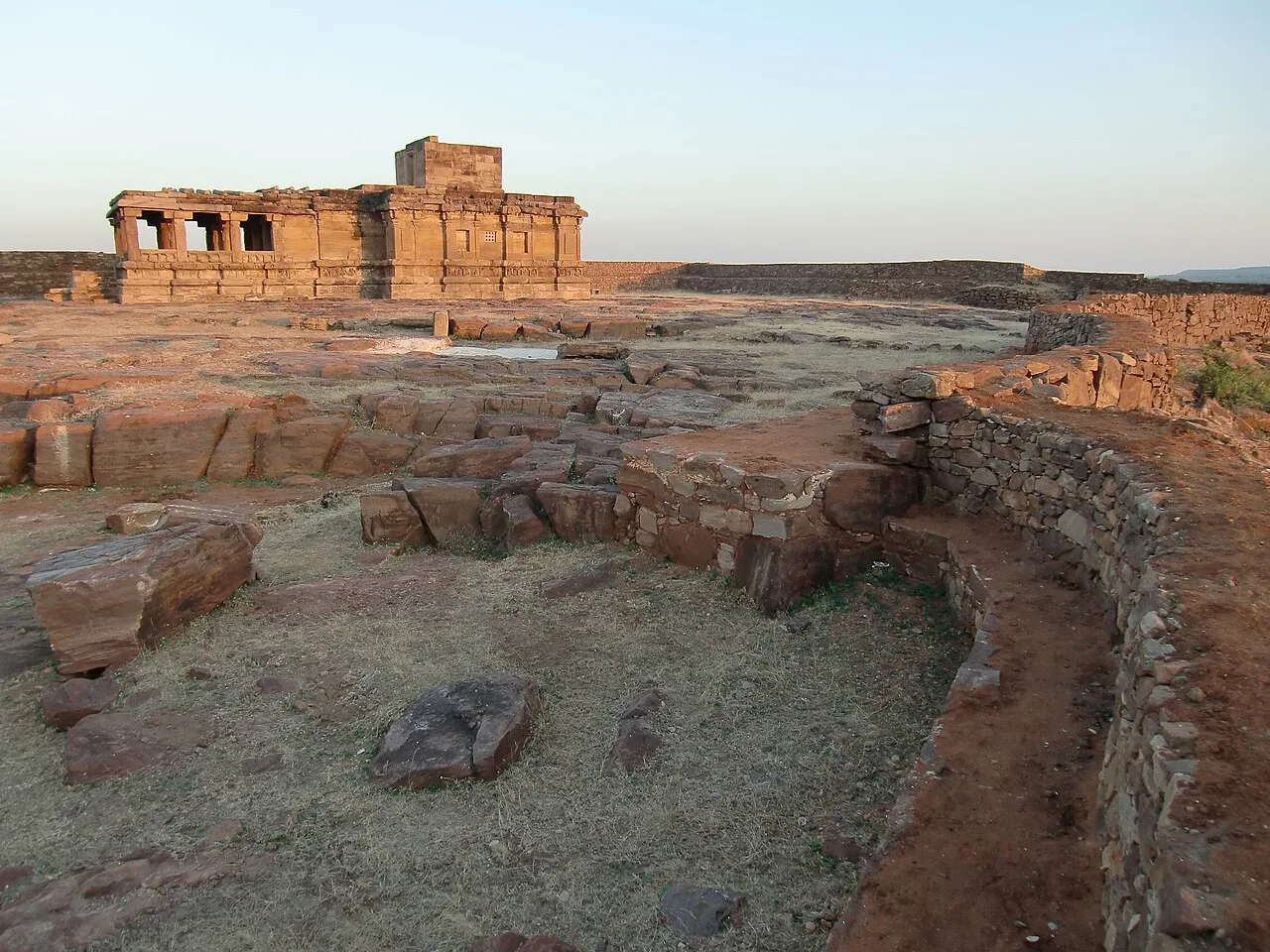
Aihole

60 km away · Bagalkot district

Aihole

Aihole is a historic temple site in Karnataka, known for its Buddhist, Hindu and Jain monuments and for architectural experiments that influenced nearby Chalukya-era works.

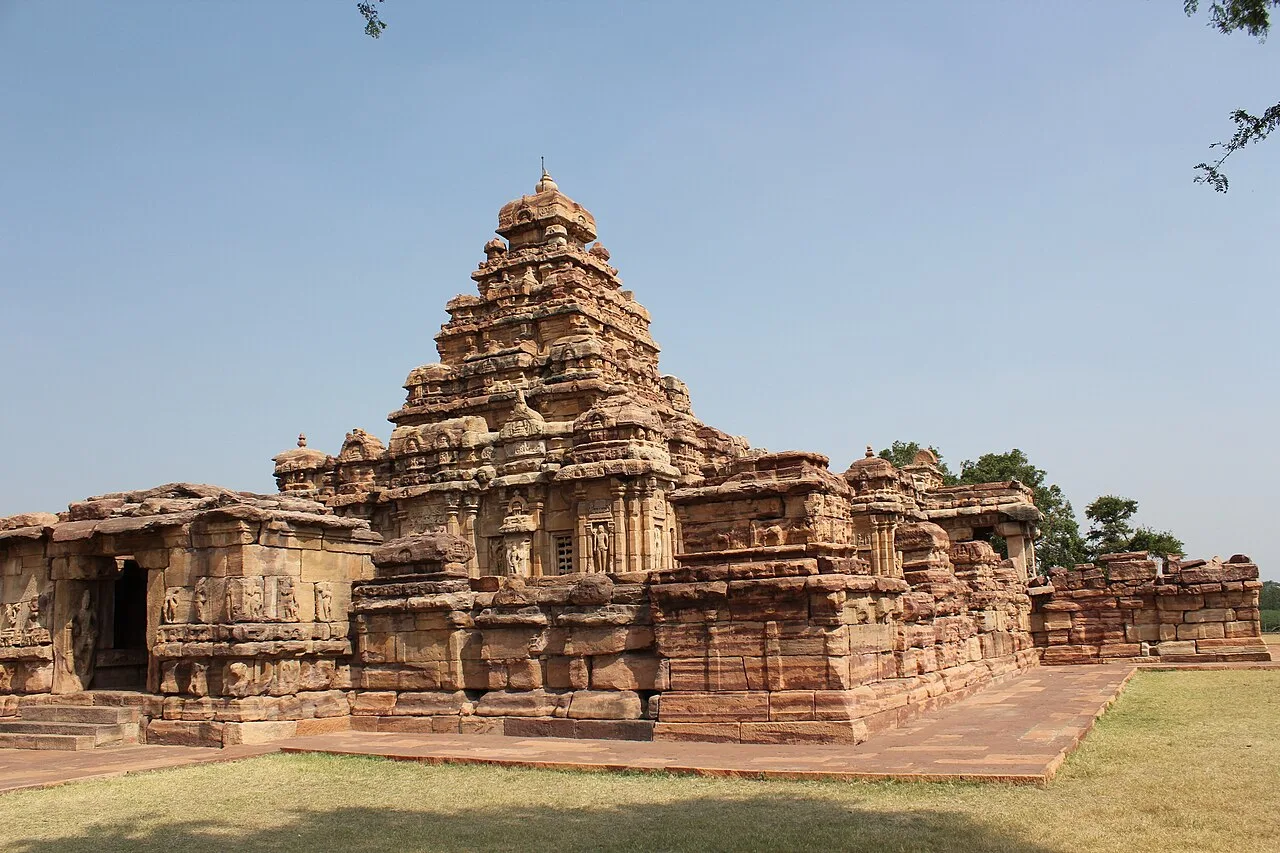
Pattadakal

67 km away · Bagalkot district

Pattadakal

Pattadakal is a UNESCO-listed temple complex in Karnataka, with Hindu and Jain monuments from the seventh and eighth centuries. Visitors come to see its distinctive mix of northern and southern architectural traditions and its carved religious narratives.

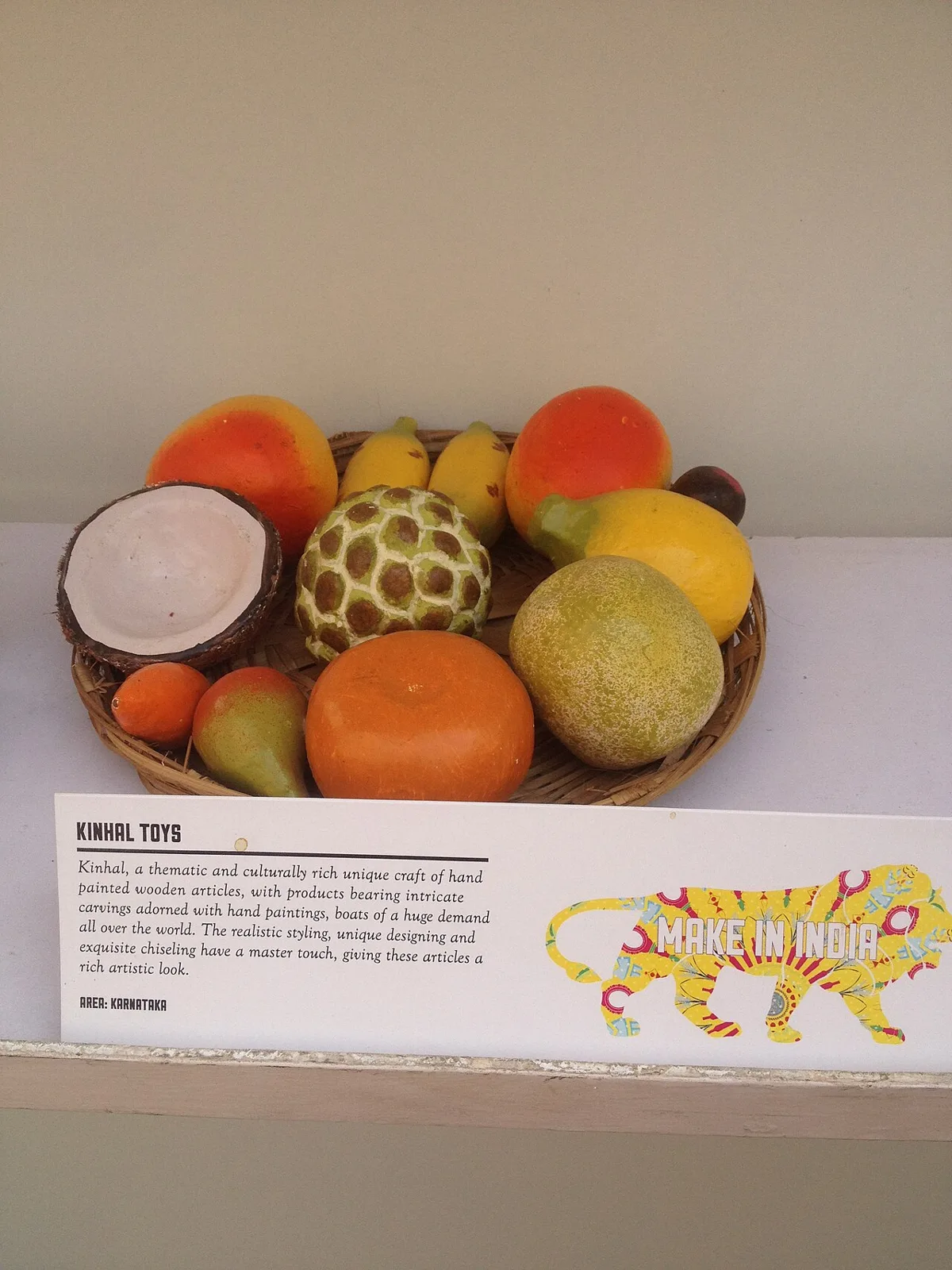
Kinhal Lacquer-Craft Village

71 km away · Koppal district

Kinhal Lacquer-Craft Village

Kinhal Lacquer-Craft Village, also called Kinnal, is a settlement in Karnataka’s Koppal district. Visitors are drawn by its connection with Kinnal craft, which has geographical indication recognition.

Anegundi

73 km away · Vijayanagara district

Anegundi

Anegundi is a Karnataka village once known as Kishkindha and considered older than Hampi. Visitors are interested in its historical associations and a nearby ash mound linked by tradition to Vali.

Hampi Monuments

75 km away · Vijayanagara district

Hampi Monuments

Hampi is a UNESCO-listed archaeological and religious landscape in Karnataka, known for its Vijayanagara-era remains. Visitors come to explore its temples, royal structures and continuing places of worship.

Itagi Mahadeva Temple

75 km away · Koppal district

Itagi Mahadeva Temple

Itagi Mahadeva Temple is a place of worship in Itagi, within Yelburga Taluk in Karnataka’s Koppal district. Visitors come to see the temple and its setting.

Virupaksha Temple

75 km away · Vijayanagara district

Virupaksha Temple

Set beside the Tungabhadra at Hampi, Virupaksha Temple is a historic Shiva shrine and the site’s principal pilgrimage destination, drawing visitors for its enduring religious significance.

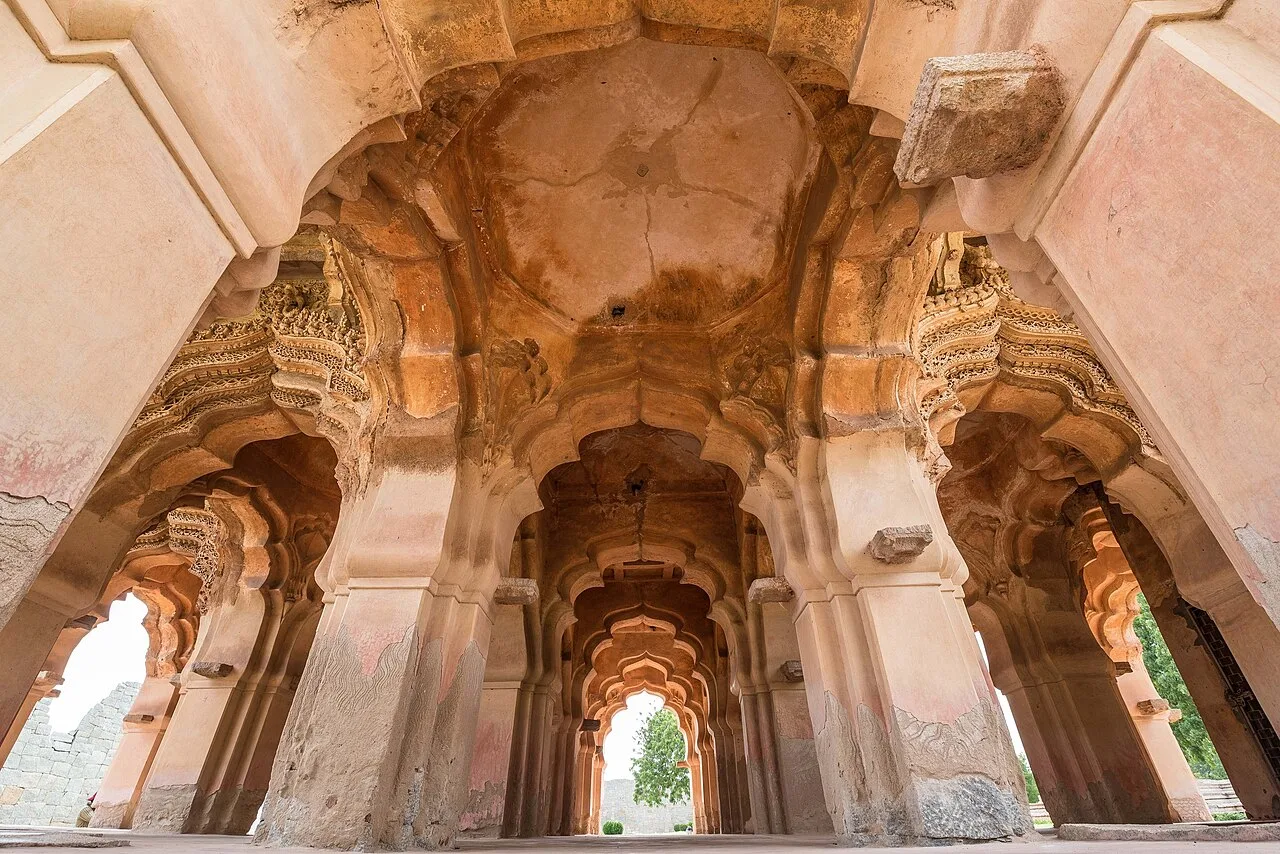
Lotus Mahal

77 km away · Vijayanagara district

Lotus Mahal

Lotus Mahal, also known as Chitrangini Mahal, is a secular building in Hampi, Karnataka. Visitors come to see its two-storey design, which reflects the architectural tradition of the Vijayanagara Empire.

Map

Mudgal on the map

  1. 1Aihole
  2. 2Pattadakal
  3. 3Kinhal Lacquer-Craft Village
  4. 4Anegundi
  5. 5Hampi Monuments
  6. 6Itagi Mahadeva Temple
  7. 7Virupaksha Temple
  8. 8Lotus Mahal

Karnataka

Other cities to explore