Ghumoopedia — Explore, Discover, Experience
Sign in
Aihole, near Ilkal

City guide · Karnataka

Ilkal

Ilkal is a trading and industrial town in Bagalkot district, set in a valley in the district’s south-eastern corner. It is now a taluk centre and serves communities in the surrounding countryside, as well as travellers moving between Bagalkot and neighbouring parts of Koppal district.

Famous for

  • Ilkal handloom sarees
  • Ruby-red granite
  • North Karnataka trade
  • Traditional weaving

Why Ilkal matters

Ilkal is a trading and industrial town in Bagalkot district, set in a valley in the district’s south-eastern corner. It is now a taluk centre and serves communities in the surrounding countryside, as well as travellers moving between Bagalkot and neighbouring parts of Koppal district. Its regional importance rests on a mix of commerce, education, weaving and stoneworking.

Visitors chiefly know Ilkal for its handloom sarees, whose contrasting borders and distinctive pallus make them stand out among Karnataka textiles. The town is also associated with pink, ruby-red granite quarried from the low hills around it and supplied to markets beyond the region. Local shops and workshops offer a closer look at these working traditions than a conventional sightseeing circuit would. Ilkal’s semi-arid setting, fertile black soils and small surrounding hills give the town a distinctly interior Deccan character. It is a practical stop for travellers interested in North Karnataka’s textiles, crafts and everyday market life, as well as a local service centre for education and trade.
Famous for: crafts, trade & products

Ilkal’s best-known product is the Ilkal saree, woven on handlooms and traditionally made with a cotton body and a contrasting pallu that may incorporate silk. Strong borders, characteristic colour combinations and traditional motifs give the saree its recognisable look. It is worn across North Karnataka and in neighbouring parts of Maharashtra and Andhra Pradesh, and is also chosen as formal wear beyond the region. Visitors can look for sarees at local handloom shops and ask retailers about the fibre mix and weaving details of individual pieces.

The other prominent local industry is pink or ruby-red granite, sourced from the rocky landscape around Ilkal and traded beyond India. Stone businesses and processing units are part of the town’s commercial life, though access to working sites may need to be arranged directly. Ilkal’s central shops and bazaar are the most convenient places to browse textiles and everyday goods; the surrounding weaving and stoneworking economy is best understood through local businesses rather than a formal visitor centre. The saree and granite are the town’s signature products; avoid assuming that every item sold locally carries a particular certification or geographical label.

History

Ilkal’s growth has been shaped less by a single celebrated royal capital or monument than by its position in the agricultural and trading landscape of interior Karnataka. The surrounding fertile black-soil tracts supported cultivation, while the town’s location near the edge of Bagalkot district connected it with settlements toward Koppal. Weaving and exchange developed alongside these local networks, and the area’s granite resources later added a substantial stone trade.

The wider Deccan changed hands among regional powers over many centuries, but no particular ruler or colonial-era episode is essential to understanding Ilkal’s present identity. Under British-era administration, the town belonged to the broader region governed through the former princely state of Mysore and adjacent territories; its modern civic role grew through local administration, roads, markets and education rather than a major colonial-era landmark. Ilkal was formerly within Hungund taluk and is now a taluk centre in its own right. Today, its handloom industry, granite trade and role as a service centre for nearby communities continue to shape its development.

Food, festivals & culture

Kannada is the main language of daily life, with local speech reflecting North Karnataka usage. Ilkal’s food traditions draw on the region’s grain-based cooking: visitors may find jolada rotti (sorghum flatbread), stuffed brinjal dishes, lentil preparations and chutneys made with groundnuts or other local ingredients. Holige and other familiar Karnataka sweets are enjoyed during celebrations, though menus vary between homes and eateries.

Ugadi in spring, Ganesh Chaturthi in late summer or early autumn, and Deepavali in autumn are among the widely observed festivals. Temple gatherings and local religious observances add to the calendar; Veerabhadreshwara temple is one of the town’s notable places of worship. As elsewhere in the region, devotional singing, bhajans and folk performance accompany community and festival occasions. Ilkal’s cultural identity is also expressed through its weaving: sarees are valued as everyday and ceremonial dress, and knowledge of colour, borders and pallu styles is passed through the local craft tradition. The town’s religious life includes more than one community, so respectful visitors should follow local customs at places of worship.

Visiting the city

The cooler months, roughly October to February, are generally the most comfortable for exploring Ilkal. Summers can be hot, while the monsoon brings rain to the surrounding semi-arid landscape. Hubballi Airport is a practical nearby air gateway; Bagalkot railway station is a useful railhead, with onward travel by road. Check current connections before setting out, as the final leg is by bus or hired vehicle.

Within town, local buses, auto-rickshaws and taxis can help with short journeys. Start around the central bazaar and handloom shops to browse sarees and observe the town’s commercial life. Ask locally about visiting weaving workspaces, since these are working premises rather than fixed tourist attractions. The older town and its places of worship offer a sense of local life, while the outskirts lead toward granite-working areas and low hills. Arrange access to private workshops or quarries in advance and follow safety guidance.

Trips from the city

Nearest places to visit from Ilkal

Our closest destination guides, by straight-line distance.

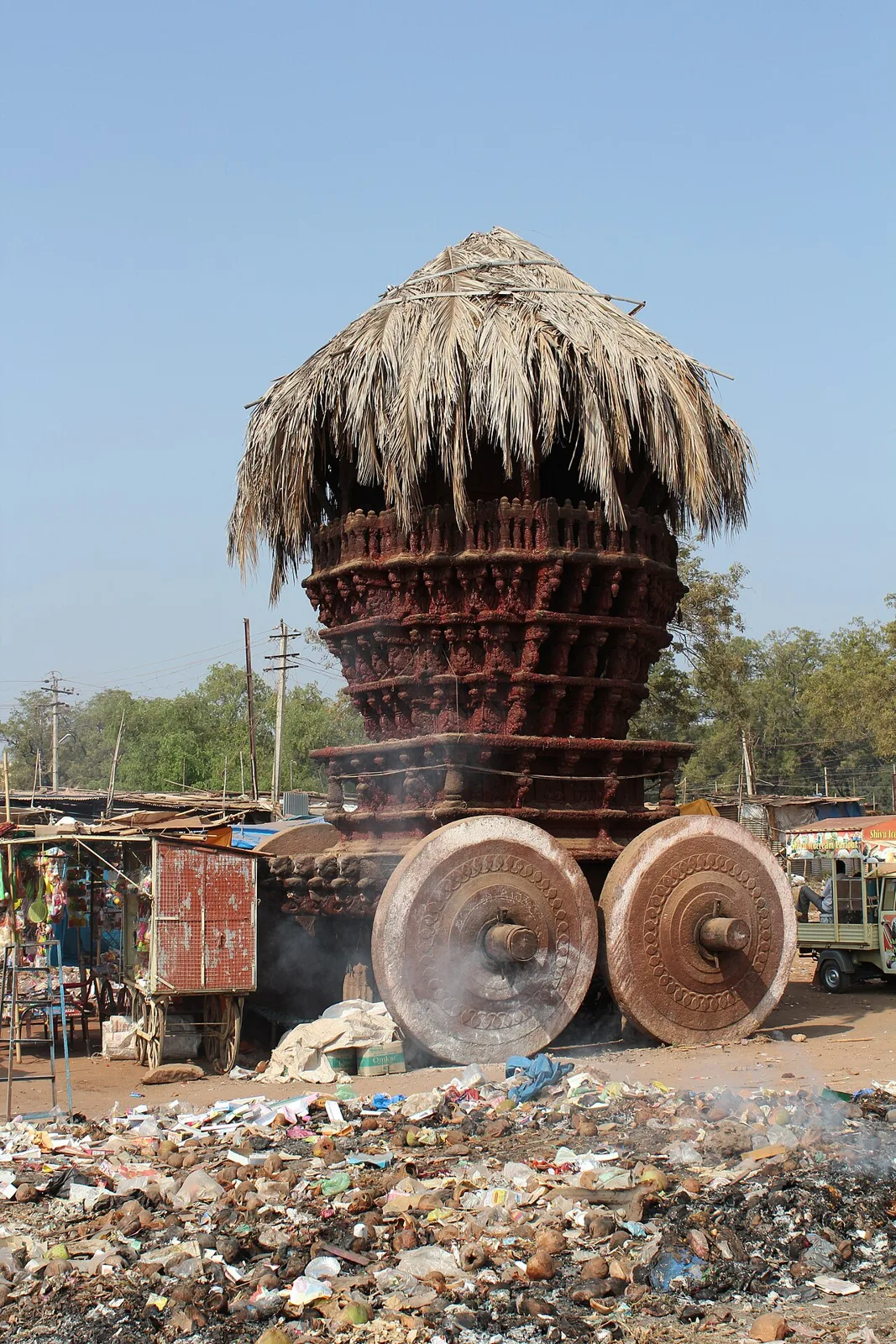
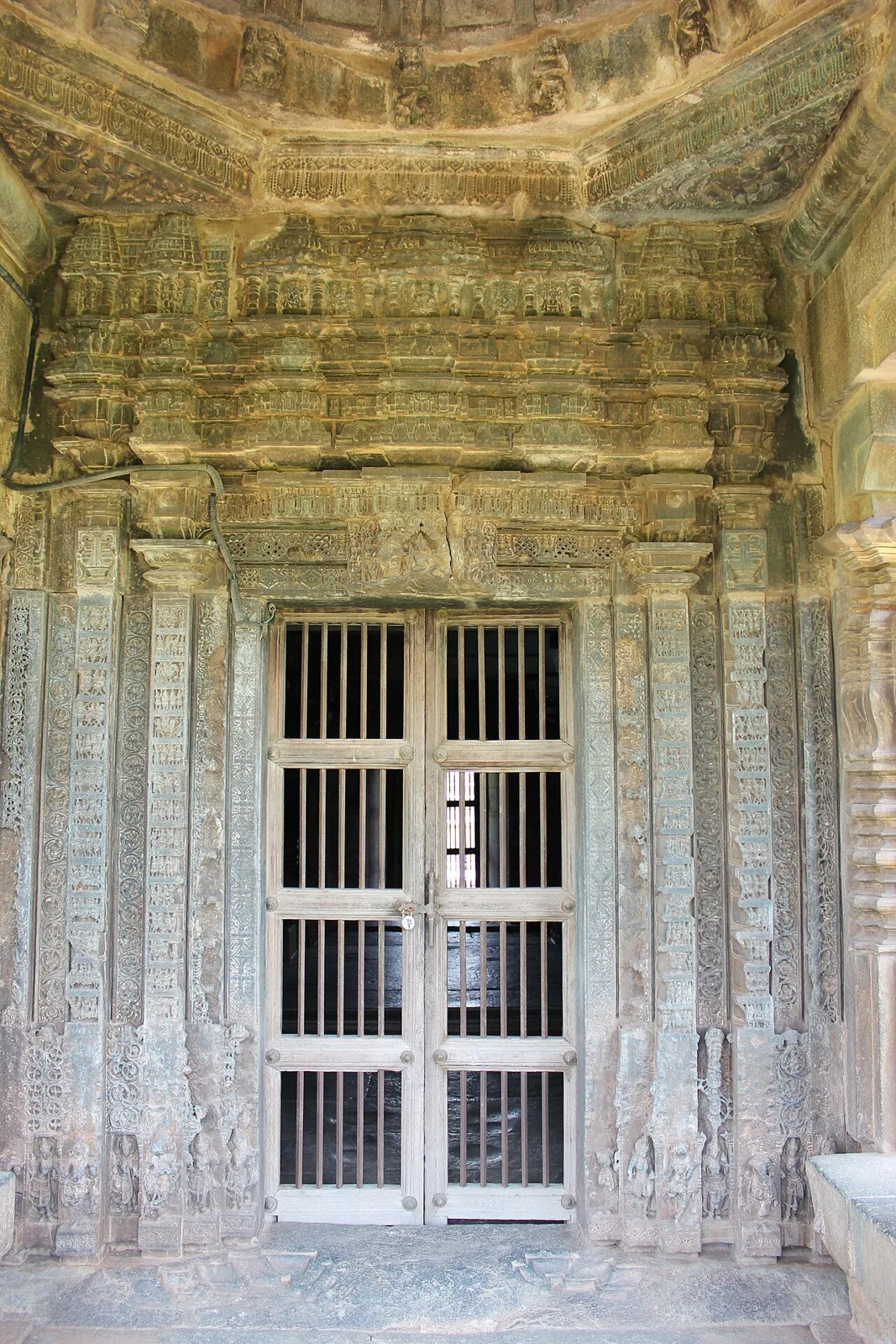
Aihole

27 km away · Bagalkot district

Aihole

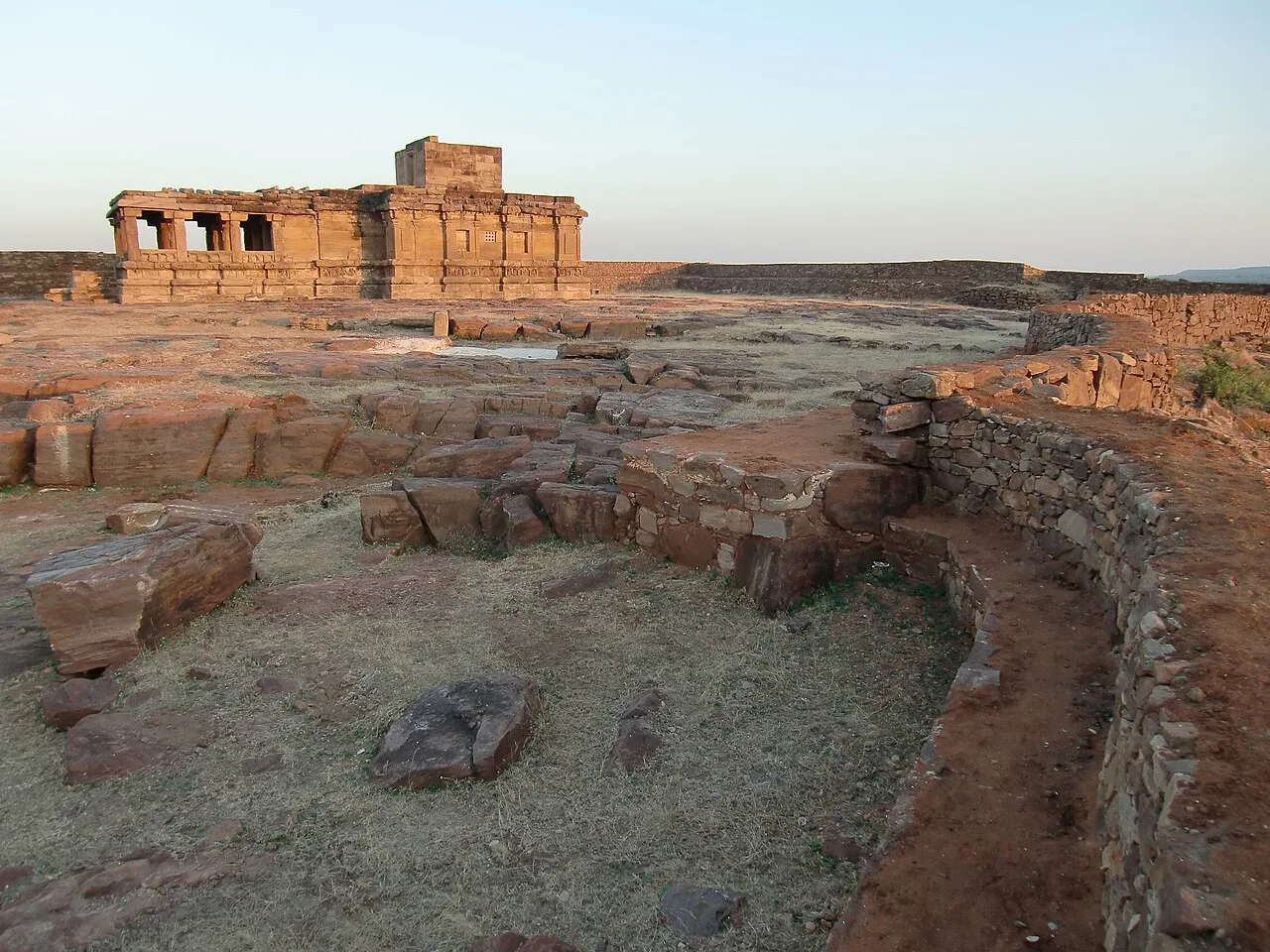
Aihole is a historic temple site in Karnataka, known for its Buddhist, Hindu and Jain monuments and for architectural experiments that influenced nearby Chalukya-era works.

Pattadakal

34 km away · Bagalkot district

Pattadakal

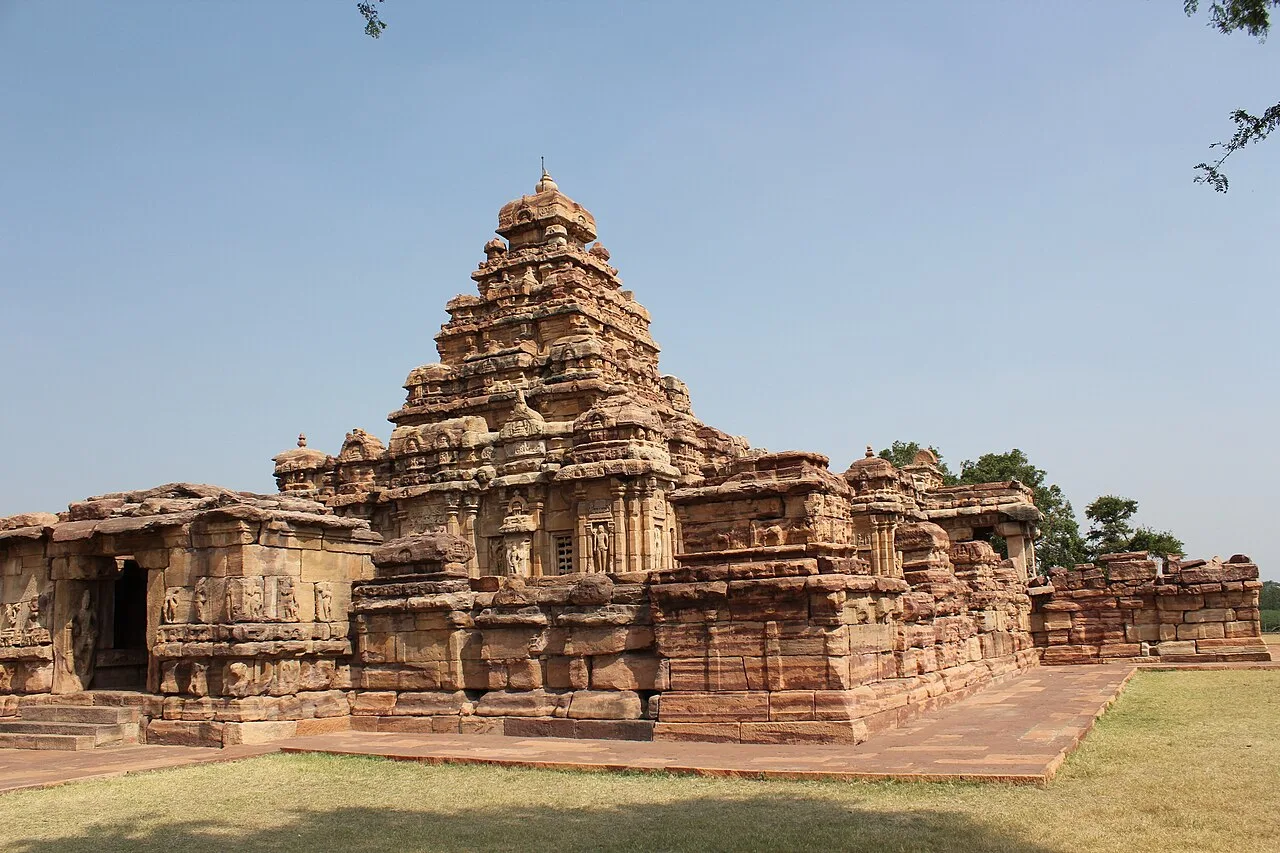
Pattadakal is a UNESCO-listed temple complex in Karnataka, with Hindu and Jain monuments from the seventh and eighth centuries. Visitors come to see its distinctive mix of northern and southern architectural traditions and its carved religious narratives.

Mahakuta Temples

44 km away · Bagalkot district

Mahakuta Temples

Mahakuta Temples is a Hindu temple complex and Shaiva monastic centre in Bagalkot district, Karnataka. People visit to worship and view its early Chalukyan architecture and inscriptions.

Banashankari Temple, Badami

46 km away · Bagalkot district

Banashankari Temple, Badami

Banashankari Temple is a Hindu shrine at Cholachagudda near Badami, Karnataka. Visitors come to worship its goddess and attend the yearly jatre, which features cultural events, a boat festival and a chariot procession.

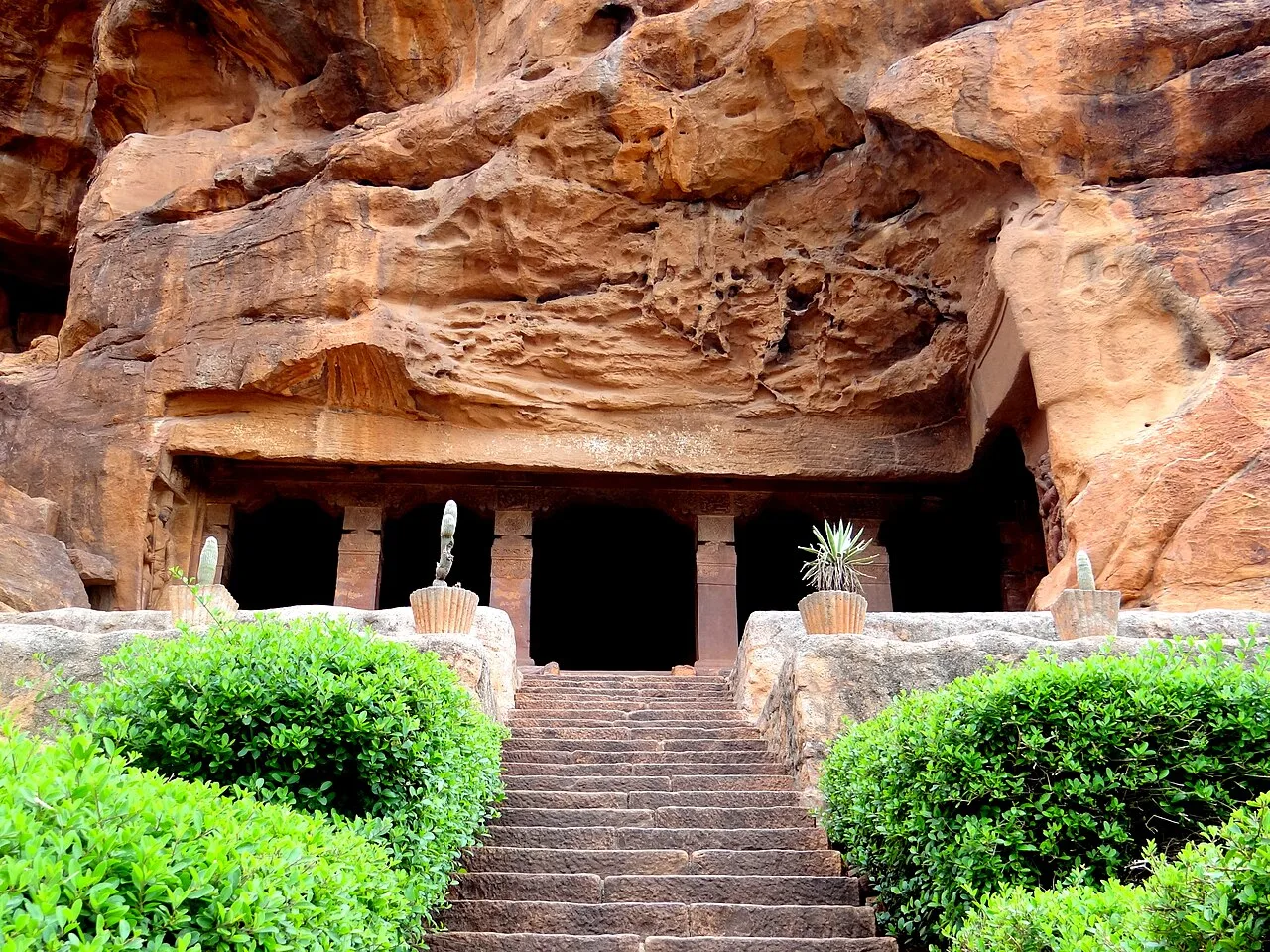
Badami cave temples

48 km away · Bagalkot district

Badami cave temples

These rock-cut shrines in Badami, Karnataka, reflect Buddhist, Hindu and Jain traditions and early Chalukya-era art. Visitors come to see the sandstone architecture and carved religious figures.

Itagi Mahadeva Temple

55 km away · Koppal district

Itagi Mahadeva Temple

Itagi Mahadeva Temple is a place of worship in Itagi, within Yelburga Taluk in Karnataka’s Koppal district. Visitors come to see the temple and its setting.

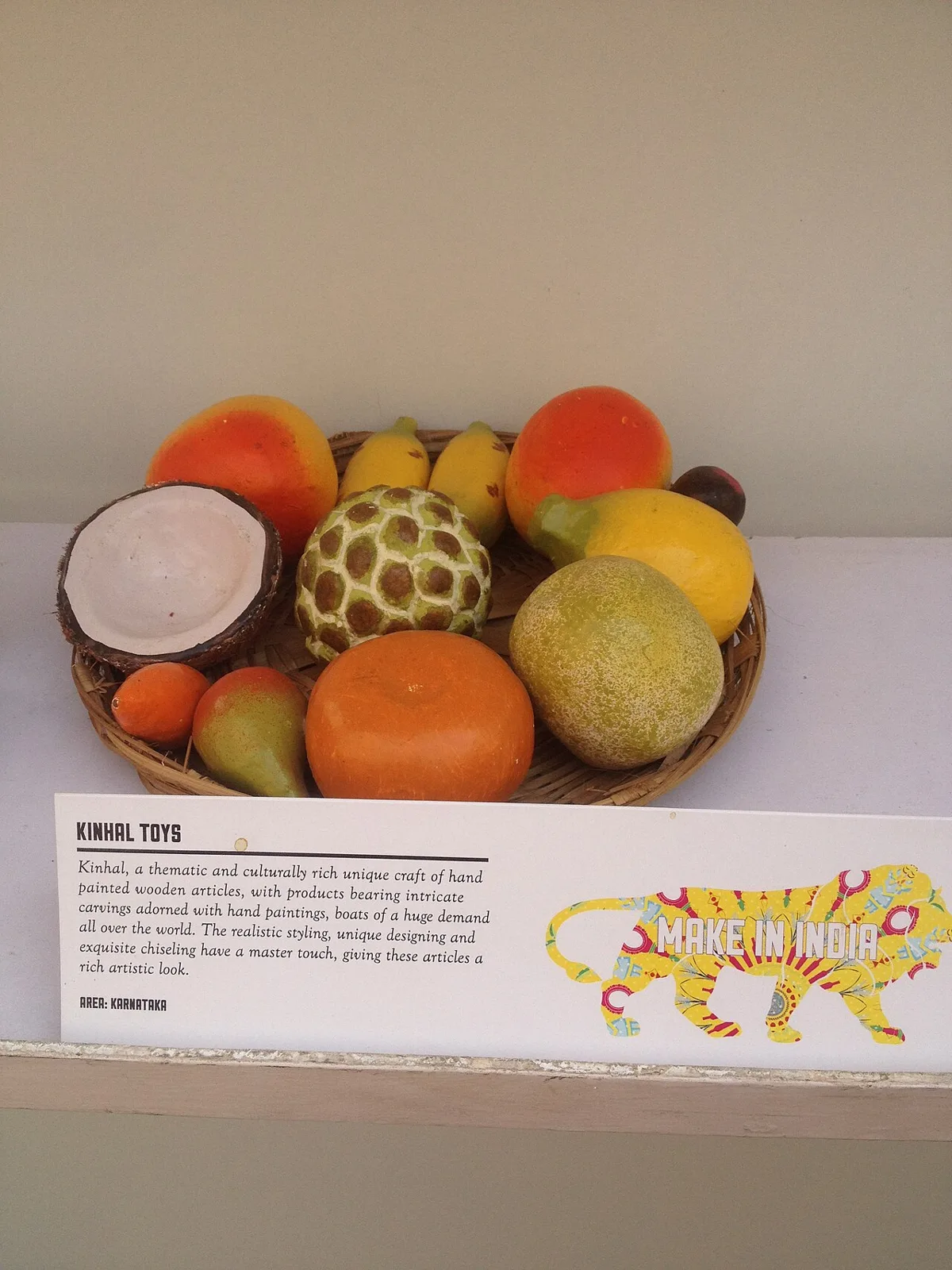
Kinhal Lacquer-Craft Village

59 km away · Koppal district

Kinhal Lacquer-Craft Village

Kinhal Lacquer-Craft Village, also called Kinnal, is a settlement in Karnataka’s Koppal district. Visitors are drawn by its connection with Kinnal craft, which has geographical indication recognition.

Lakkundi

78 km away · Gadag district

Lakkundi

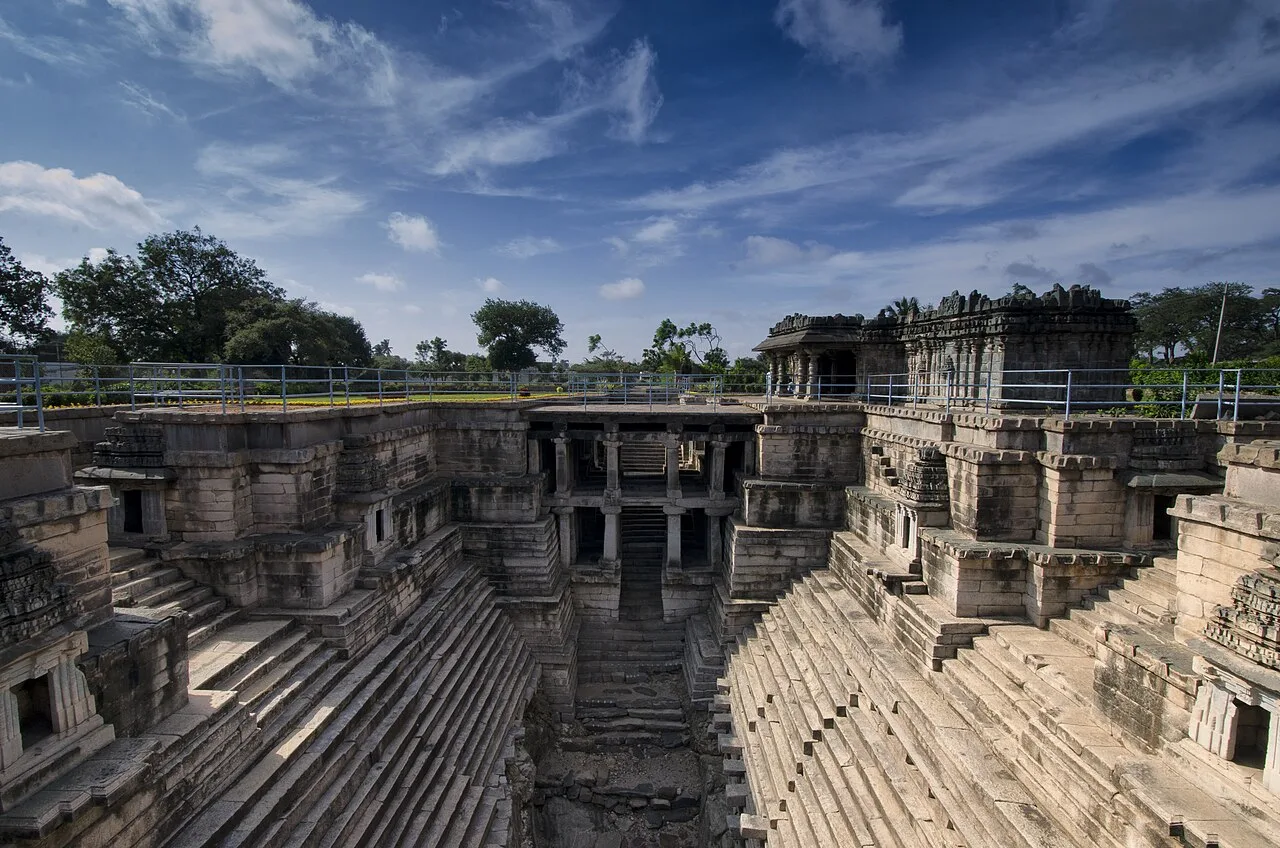
Lakkundi is a historic village in Karnataka’s Gadag district, visited for its Hindu and Jain temple remains, water structures and examples of Kalyana Chalukya architecture.

Map

Ilkal on the map

  1. 1Aihole
  2. 2Pattadakal
  3. 3Mahakuta Temples
  4. 4Banashankari Temple, Badami
  5. 5Badami cave temples
  6. 6Itagi Mahadeva Temple
  7. 7Kinhal Lacquer-Craft Village
  8. 8Lakkundi

Karnataka

Other cities to explore