
Ghumoopedia — Explore, Discover, Experience
Sign in
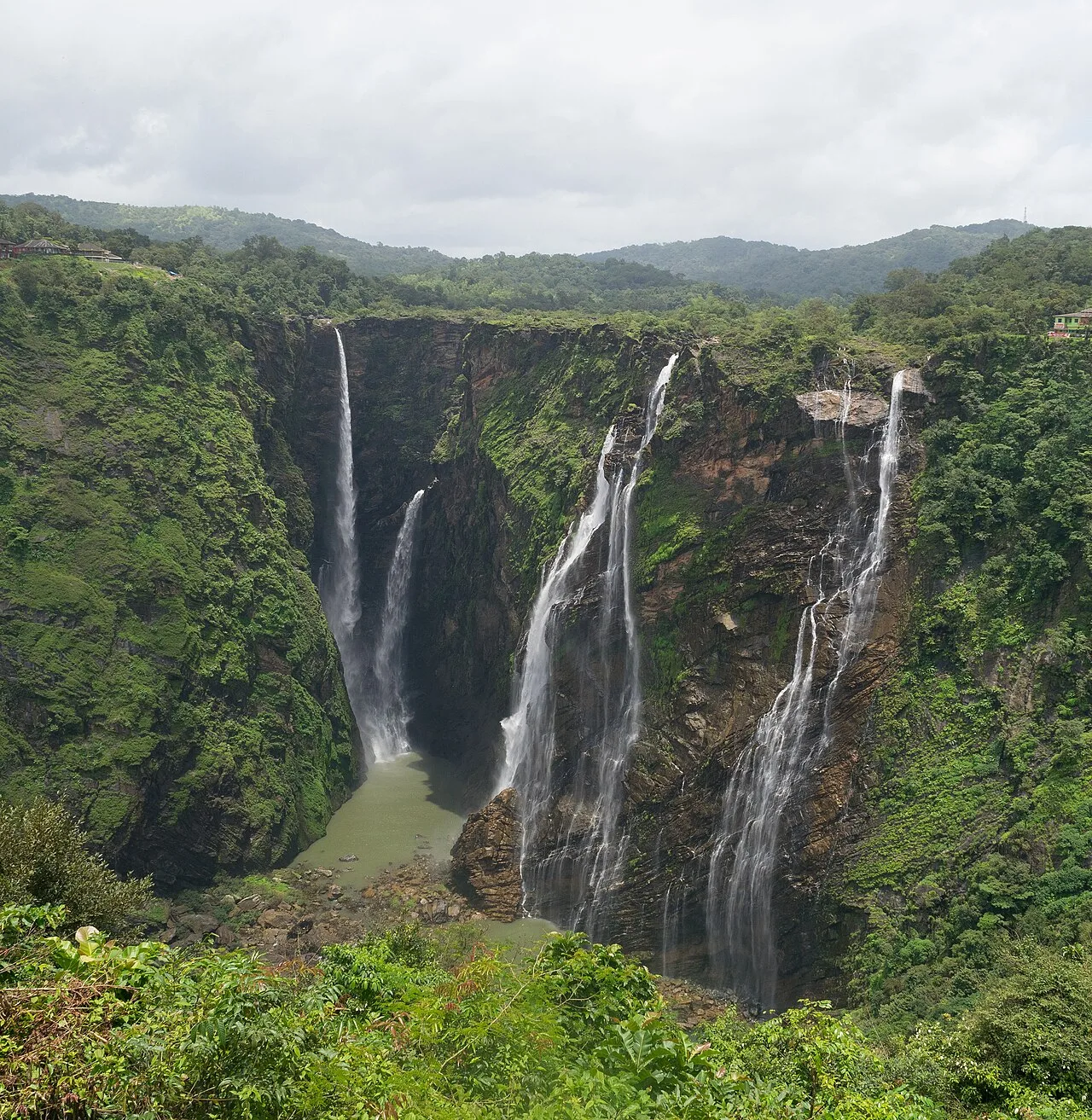
Jog Falls, near Kargal

City guide · Karnataka

Kargal

Kargal, also called Jog-Kargal, is a small town in Karnataka’s Malnad region, close to the dramatic drop of Jog Falls. Its setting beside the Sharavathi River makes it a convenient base for seeing the waterfall and the forested, rain-fed landscape around it.

Famous for

  • Jog Falls
  • Sharavathi River
  • Linganamakki Dam
  • Malnad landscape
  • Hydroelectric region
In the city
1
District
Shivamogga

Why Kargal matters

Kargal, also called Jog-Kargal, is a small town in Karnataka’s Malnad region, close to the dramatic drop of Jog Falls. Its setting beside the Sharavathi River makes it a convenient base for seeing the waterfall and the forested, rain-fed landscape around it. The falls are the best-known visitor attraction, especially when monsoon rains swell the river; the surrounding viewpoints offer a different experience as the flow changes through the year.

Kargal’s importance is also tied to water and power. The nearby Linganamakki Dam, built across the Sharavathi, helped bring development to the area and connects the town to the wider Sharavathi hydroelectric region. Today Kargal serves local residents and travellers moving between the falls, nearby settlements and the reservoir country. It is not primarily a shopping or craft destination: its appeal lies in its location, its links to the river and dam, and its access to one of Karnataka’s most celebrated waterfalls.

Famous for: crafts, trade & products

Kargal is best known for its proximity to Jog Falls and for its connection with the Sharavathi River and Linganamakki Dam. The town’s role is largely local and practical: shops and services in the central area cater to residents and people travelling through the region. It is not widely identified with a particular textile, saree, handicraft, GI-tagged product or specialist market, so visitors should not expect a dedicated craft-shopping district or a signature local merchandise tradition.

For everyday provisions, look to the town centre and its small shops rather than a large market. Travellers may find regional produce and ordinary household goods, but availability varies and there is no single product for which Kargal is a recognised buying destination. The area’s most distinctive attractions are natural and infrastructural: the Sharavathi valley, Jog Falls and the dam landscape. Visitors interested in local livelihoods can observe the importance of water, agriculture and services to settlements in the wider Malnad area, while treating Kargal chiefly as a gateway and service town rather than a centre for specialised trade.

History

Kargal’s modern growth is closely linked to the Sharavathi River and the development of water infrastructure in the surrounding region. The construction of Linganamakki Dam, begun in 1954, brought greater prominence to the settlement and connected it with the region’s hydroelectric development. The dam is part of a broader transformation of the river valley, where water management and power generation became important influences on work, transport and settlement.

The wider Malnad region passed through several political periods, including the rule of the Keladi Nayakas and later Mysore authorities, before coming under British paramountcy. These broader histories shaped the region, though Kargal is chiefly known for its more recent growth rather than as a major historic court or colonial centre. Administratively, it was first constituted as a notified area and later became a town panchayat in 2001. Its identity today remains closely tied to the nearby falls, river and dam.

Food, festivals & culture

Kargal belongs to Karnataka’s Malnad cultural landscape, where Kannada is the principal language of everyday life. Visitors may also encounter English or Hindi in some travel-related settings, but Kannada is the most useful language for local interaction. Regional meals in the wider area commonly draw on rice and locally available ingredients; dishes such as akki rotti or rice-based preparations may be found, though menus differ from place to place.

The town follows the broader festival calendar of Karnataka. Ugadi, usually in spring, Deepavali in autumn, and festivals such as Ganesh Chaturthi and Dasara are observed in the region, with local practices varying between communities. Small temples and neighbourhood places of worship serve as everyday cultural gathering points, while larger celebrations are often family- and community-centred. Folk performance traditions found across parts of the Malnad and coastal belt may feature at regional events, but Kargal is better known for its river-and-waterfall setting than for a distinct performing-arts scene.

Visiting the city

October to February is generally a comfortable period to visit, with clearer conditions for exploring the area. The monsoon, roughly June to September, brings a powerful flow to Jog Falls, but heavy rain can affect roads, visibility and outdoor plans. Check local conditions before setting out near the river or reservoir.

The nearest railway station is Talaguppa, which connects the area with the wider rail network. Shivamogga Airport at Sogane is the nearest airport; flight availability can vary, so confirm services before travel. Local buses, taxis and auto-rickshaws are practical options for getting around, though transport may be limited outside the town centre. Explore central Kargal for everyday services, then plan visits to the Jog Falls viewpoints and the surrounding Sharavathi landscape. Access around dam facilities may be restricted, so follow local signage and instructions.

Attractions

Places to visit in Kargal

Sights within about 12 km of each other, even when they fall in different districts.

Map

Kargal on the map

  1. 1Jog Falls

Karnataka

Other cities to explore