Ghumoopedia — Explore, Discover, Experience
Sign in
Pilikula Nisargadhama, Mangalore, near Vitla

City guide · Karnataka

Vitla

Vitla, also called Vittal, is a market town in Bantwal taluk of Dakshina Kannada district. Set between the coast and the foothills of the Western Ghats, it serves nearby farming communities and connects routes towards Mangaluru, Puttur, Kasaragod and surrounding villages.

Famous for

  • Panchalingeshwara Temple
  • Arecanut cultivation
  • Cocoa and pepper
  • Kalenjimale forest
  • Vittala Arasa palace
  • CPCRI research station

Why Vitla matters

Vitla, also called Vittal, is a market town in Bantwal taluk of Dakshina Kannada district. Set between the coast and the foothills of the Western Ghats, it serves nearby farming communities and connects routes towards Mangaluru, Puttur, Kasaragod and surrounding villages. Agriculture remains central to local life, with arecanut, coconut, cocoa, pepper, cashew and rice grown in the area.

Visitors come for the Panchalingeshwara Temple, the town’s links to the Vittala Arasa dynasty and the green landscapes around Kalenjimale. The former royal palace on the outskirts offers a glimpse of the region’s political past, while the forest and plantations give the town a distinctly rural setting. Vitla is also known for the regional research station of the Central Plantation Crops Research Institute, which studies arecanut and cocoa. Nearby Alike is home to Sri Sathya Sai Loka Seva educational institutions. Together, farming, transport, heritage and education make Vitla an important local centre as well as a useful base for exploring inland Dakshina Kannada.
Famous for: crafts, trade & products

Vitla is best known for plantation crops rather than a major textile, handicraft or manufacturing trade. Arecanut is especially important, alongside cocoa, pepper, coconut, cashew, rubber and paddy. These crops are grown in the surrounding villages and traded through local shops and produce markets; visitors may find seasonal local produce in Vitla’s market area. There is no widely recognised GI-tagged product specific to the town.

The Central Plantation Crops Research Institute’s regional station, on the Vitla–Puttur road, carries out research on arecanut and cocoa, including cultivation and crop protection. It is an important local institution, though access for visitors should be checked in advance. The Vittala Arasa palace, set amid greenery on the town’s outskirts, is another notable landmark, with descendants of the former ruling family still associated with it. The Panchalingeshwara Temple is a key religious and cultural site. For a sense of the area’s rural economy, look to the surrounding plantations and fields; these are working farms, so visiting or buying directly should be arranged respectfully with their owners.

History

Vitla’s history is closely associated with the Vittala Arasas, a local ruling family of the Domba Heggade dynasty. The palace on the town’s outskirts recalls this period and remains connected with descendants of the family. Local historical accounts describe Achuta Heggade as a ruler who opposed Hyder Ali, with support from the British, and who was eventually captured and executed. Later, Ravivarma Narasimha Domba Heggade is remembered for resisting British rule in coastal Karnataka and was also executed by the British.

The family’s fortunes shifted during the conflicts and political changes of the late eighteenth century. A later palace was built within the older grounds, and the family continued to live there. The dynasty also retained a role in ceremonies at temples in the area. In modern times Vitla developed as a road junction and service centre for surrounding settlements. Its agricultural trade, bus connections, schools and the CPCRI regional research station have helped shape its present-day importance.

Food, festivals & culture

Vitla shares the food traditions of coastal and inland Dakshina Kannada. Meals commonly feature rice, coconut and seasonal produce; neer dosa, pundi (steamed rice dumplings), pathrode and fish curry are familiar regional dishes. Sweets and festive foods vary by household and occasion, so there is no single signature sweet associated with the town. Local eateries and family-run establishments are the best places to sample everyday cooking.

Tulu and Kannada are widely used, with Beary, Konkani and other regional languages also heard. Temple festivals and annual ceremonies bring communities together, while Deepavali, Navaratri and Krishna Janmashtami are observed at their usual points in the Hindu calendar. Bhuta kola and other spirit-worship traditions are part of the wider cultural landscape of coastal Karnataka, though performances are tied to particular shrines and occasions. The Panchalingeshwara Temple is an important place of worship, and the Vittala Arasa family retains a ceremonial association with temples in the area. Yakshagana, the region’s lively dance-drama tradition, is performed across coastal Karnataka and may be encountered at local cultural events.

Visiting the city

The cooler, generally drier months from November to February are comfortable for exploring Vitla. The monsoon, usually from June into September, brings heavy rain and lush scenery but can make forest-side outings difficult. Mangaluru International Airport is the nearest major airport. Puttur railway station, also known as Kabaka Puttur, is a useful nearby railhead; confirm onward road connections before travelling.

Vitla is a road junction with bus links to Mangaluru, Puttur, Kasaragod and nearby settlements. Local buses, taxis and auto-rickshaws are practical ways to get around. Explore the town centre and Panchalingeshwara Temple, then visit the Vittala Arasa palace area and the plantation landscapes on the outskirts. Kalenjimale is a protected forest, so stick to accessible public roads and seek local guidance rather than entering restricted tracks. Alike, a short drive away, is another point of interest for its educational institutions.

Trips from the city

Nearest places to visit from Vitla

Our closest destination guides, by straight-line distance.

Pilikula Nisargadhama, Mangalore

26 km away · Dakshina Kannada district

Pilikula Nisargadhama, Mangalore

Pilikula Nisargadhama, also called Nisarga Dhama, is a multi-purpose attraction in Mangaluru, Karnataka. Visitors come for the range of facilities available at the site.

Ullal Beach

28 km away · Dakshina Kannada district

Ullal Beach

Ullal Beach lies beside the historic coastal city of Ullal in Karnataka. Visitors come for its shore and nearby temples, churches and sites linked with Queen Abbakka.

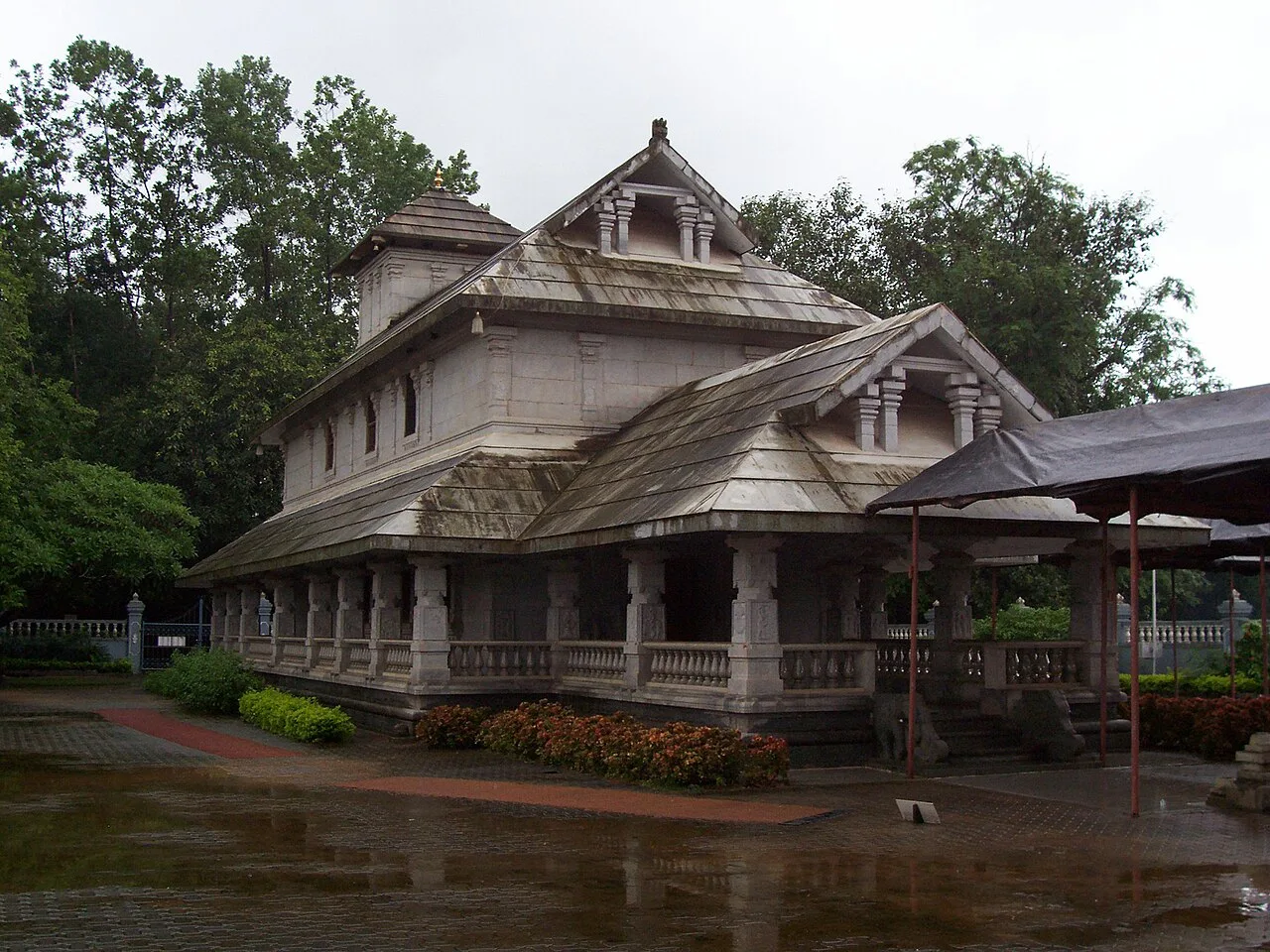
Mangaladevi Temple

29 km away · Dakshina Kannada district

Mangaladevi Temple

Mangaladevi Temple is a Hindu shrine in Bolara, Mangaluru, dedicated to Shakti as Mangaladevi. People visit to worship the seated deity and other deities honoured there.

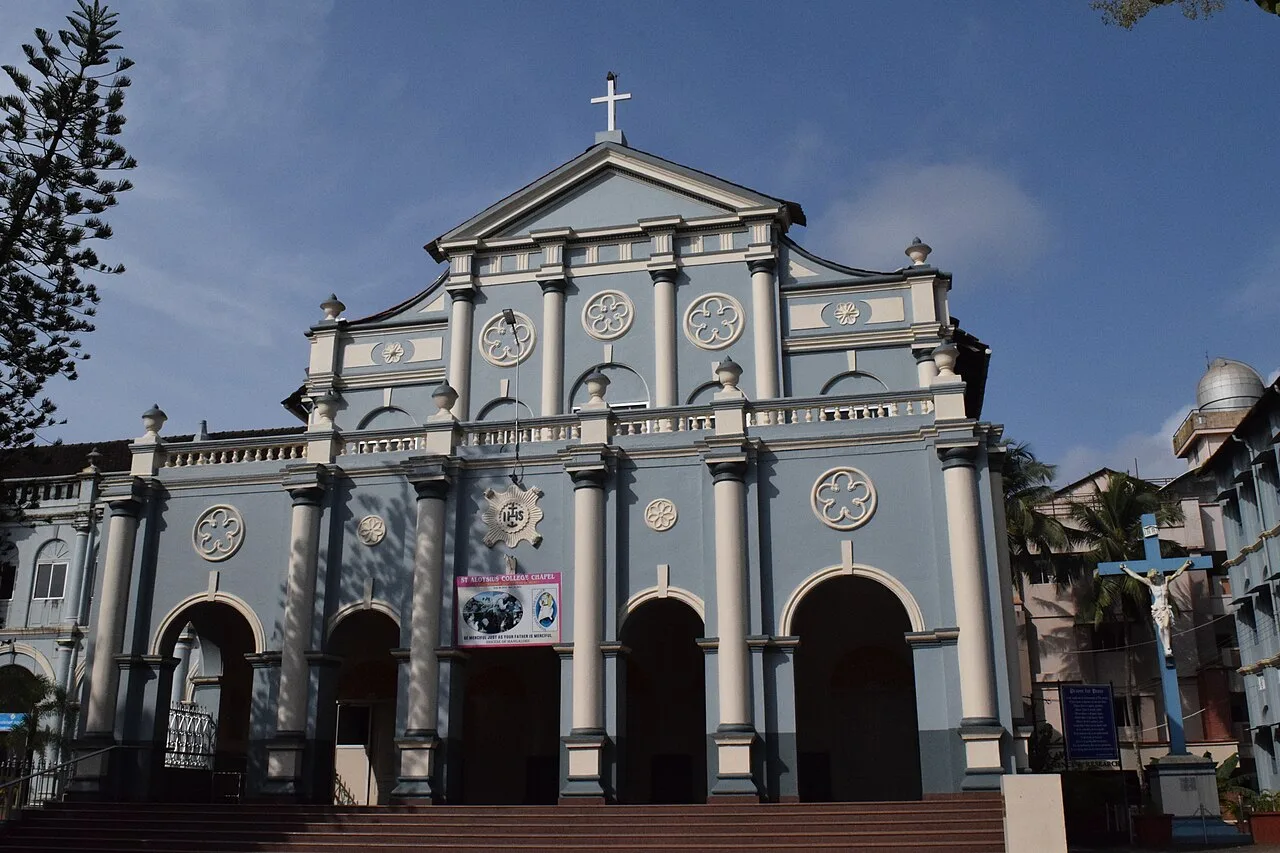
St. Aloysius Chapel

30 km away · Dakshina Kannada district

St. Aloysius Chapel

St. Aloysius Chapel is a Catholic place of worship in Mangalore, Karnataka, on Lighthouse Hill. Visitors come to see the chapel associated with St. Aloysius College, in the centre of the city.

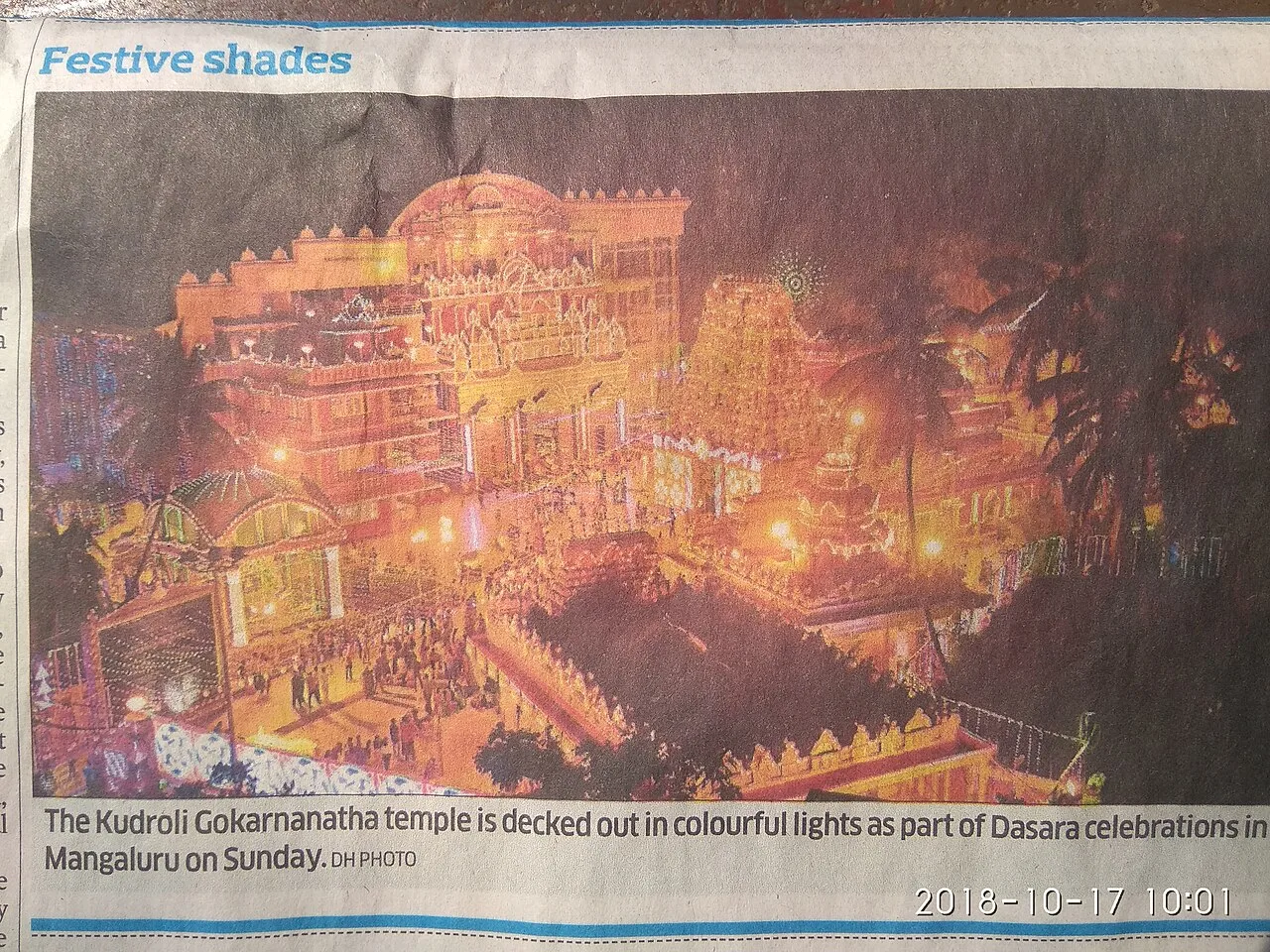
Kudroli Gokarnanatha Temple

32 km away · Dakshina Kannada district

Kudroli Gokarnanatha Temple

In Mangalore’s Kudroli neighbourhood, this Shiva shrine is also called Kudroli Sri Gokarnanatha Kshetra. Visitors come for its religious importance and tower murals depicting Hindu stories.

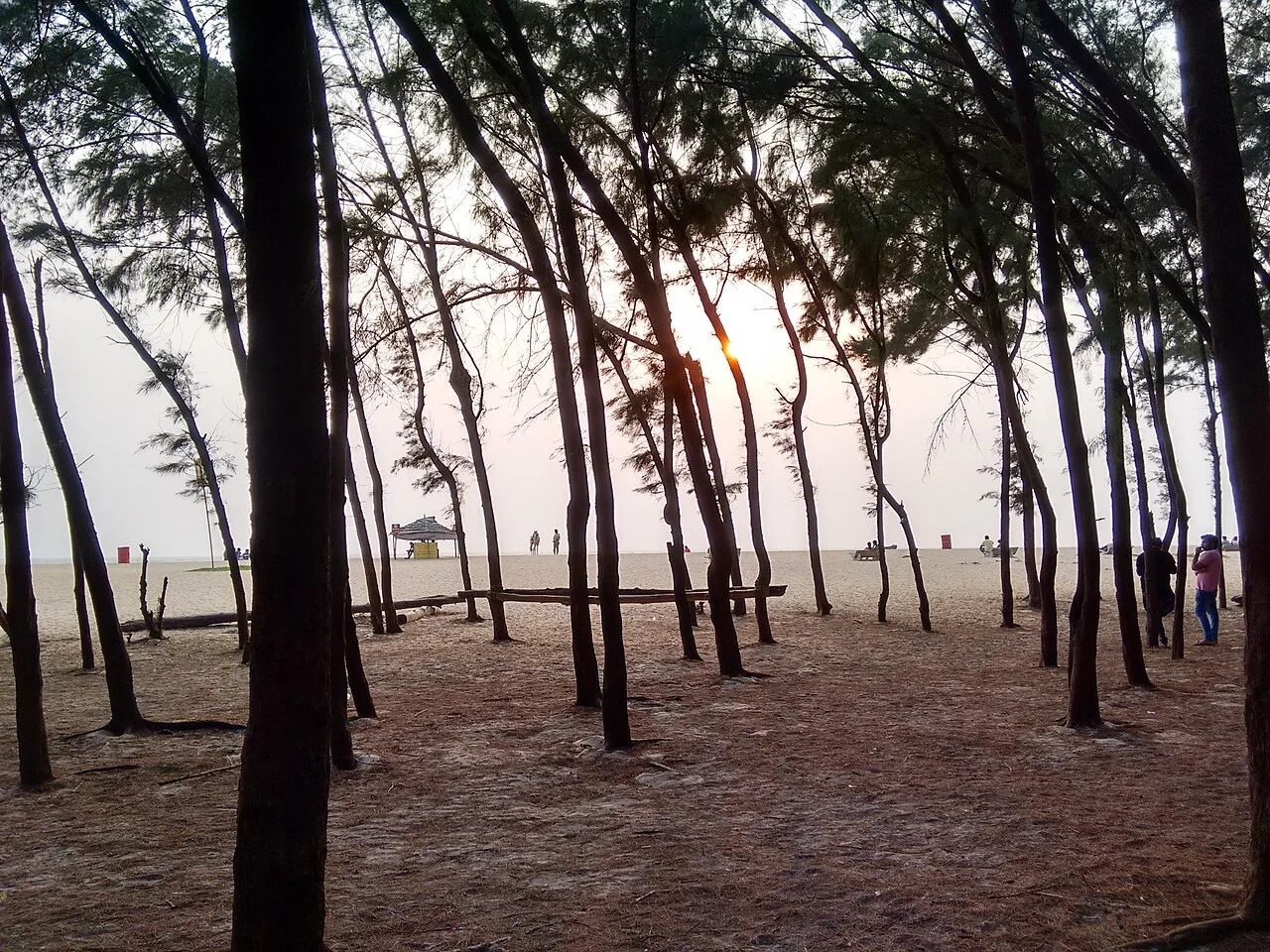
Tannirbhavi Beach

34 km away · Dakshina Kannada district

Tannirbhavi Beach

Tannirbhavi Beach is a coastal destination in Mangaluru, visited for its shoreline, nearby attractions and access by road or ferry.

Dharmasthala Temple

37 km away · Dakshina Kannada district

Dharmasthala Temple

Dharmasthala Temple is an approximately 800-year-old Hindu religious institution in Karnataka, visited by worshippers to honour Shiva as Mañjunatha and other Hindu and Jain deities.

45 km away · Chikkamagaluru district

Kudremukha

Kudremukha is a mountain range and peak in Karnataka’s Chikmagalur district, known for its horse-like profile and its setting in a region rich in biological diversity.

Map

Vitla on the map

  1. 1Pilikula Nisargadhama, Mangalore
  2. 2Ullal Beach
  3. 3Mangaladevi Temple
  4. 4St. Aloysius Chapel
  5. 5Kudroli Gokarnanatha Temple
  6. 6Tannirbhavi Beach
  7. 7Dharmasthala Temple
  8. 8Kudremukha

Karnataka

Other cities to explore