Ghumoopedia — Explore, Discover, Experience
Sign in
Itagi Mahadeva Temple, near Gajendragarh

City guide · Karnataka

Gajendragarh

Gajendragarh, also known locally as Gada, is a hill town in Gadag district whose best-known landmark is the Kalakaleshwara temple. Devotees climb broad steps to reach the Shiva shrine, set among the surrounding hills; the temple complex also includes a Veerabhadra shrine and the perennial spring called Anthara Gange.

Famous for

  • Kalakaleshwara Shiva temple
  • Gajendragad fort
  • Anthara Gange spring
  • Ugadi temple legend
  • MMTC wind-energy farm

Why Gajendragarh matters

Gajendragarh, also known locally as Gada, is a hill town in Gadag district whose best-known landmark is the Kalakaleshwara temple. Devotees climb broad steps to reach the Shiva shrine, set among the surrounding hills; the temple complex also includes a Veerabhadra shrine and the perennial spring called Anthara Gange. A distinctive Ugadi tradition adds to the town’s appeal: a local legend says the temple is painted by itself overnight on the eve of the Kannada New Year.

The town’s fort and its place in the history of the Deccan give visitors a reason to look beyond the pilgrimage site. Gajendragarh also makes a useful base for exploring the wider region, with historic places such as Badami, Aihole and Pattadakal within reach by road. Today it serves as a local centre for nearby communities and is known for a wind-energy project as well as its religious heritage. Its appeal lies in the combination of a living place of worship, hill scenery and layers of regional history.
Famous for: crafts, trade & products

Gajendragarh is not chiefly known for a widely established textile, handicraft or GI-tagged product. Its strongest identities are its temple and fort, together with the MMTC wind farm, which began operating in 2007. The project has a generating capacity of 15 MW and has supplied electricity to Hubli Electricity Supply Company. It is an industrial landmark rather than a visitor attraction with a dedicated shopping area.

For everyday shopping, visitors can look around the town centre and its local market for routine provisions and household goods. The town is better suited to experiencing local life than to seeking a particular craft or branded regional product. Travellers interested in traditional textiles, crafts or agricultural specialties can ask locally about what is available during their visit, but should not assume that a specific product is made or sold here. For a broader choice of regional goods, larger towns in the surrounding area may be more practical. The Kalakaleshwara temple complex and the fort remain Gajendragarh’s most distinctive places to explore.

History

Gajendragarh stands in a region shaped by successive Deccan powers and close to important Chalukya-era sites, including Badami, Aihole and Pattadakal. The town’s fort gives it a strategic place in this regional history. Local tradition associates the building and renewal of the fort and town with Shivaji. The Ghorpade family also became linked with Gajendragarh, whose ruling house was associated with the family’s wider Deccan branches.

The town is remembered in accounts of the conflict between Tipu Sultan, the Marathas and the Nizam in 1786–87. The conflict ended with the Treaty of Gajendragad: Tipu ceded Badami to the Marathas and agreed to an annual tribute, while recovering places including Gajendragarh and Dharwar. In later centuries the area passed through changing regional administrations and British-era rule, before becoming part of independent India. In modern times Gajendragarh has developed as a town municipal centre; the MMTC wind-energy project, begun in 2007, is a notable part of its contemporary development.

Food, festivals & culture

Kannada is the main language of daily life. The Kalakaleshwara temple is central to the town’s religious identity, with Shiva worship and the nearby Veerabhadra shrine drawing pilgrims. Ugadi, the Kannada New Year, is especially associated with the temple’s local legend: a priest is said to leave lime solution, a brush and a hookah inside the shrine, and tradition holds that the temple appears freshly painted by morning. Maha Shivaratri is also an important occasion for Shiva devotees, though celebrations vary from year to year.

Food reflects the wider North Karnataka region. Visitors may find meals based on jowar rotti, lentils, seasonal vegetables and spicy accompaniments such as peanut chutney; availability varies among local eateries. Festival gatherings and temple visits are the best opportunities to encounter community traditions. Music and dance are part of the broader regional folk culture, but the town is better known for its temple observances than for a distinct, regularly staged performance tradition.

Visiting the city

The cooler, drier months from October to February are generally comfortable for visiting the temple and fort. Hubballi Airport is the nearest major airport, roughly 110 kilometres away. Badami railway station is a nearby railhead; Gadag Junction offers another regional rail connection. Check current road and rail connections before travelling, as services can change.

Auto-rickshaws and local vehicles are useful for getting around town, while a hired car or taxi is practical for reaching nearby historic sites. Explore the Kalakaleshwara temple and Anthara Gange together, then allow time for the fort and the town centre. The temple-side area is the main focus for pilgrims; the central market offers a glimpse of everyday local activity. Roads connect Gajendragarh with Gadag and other towns in the region.

Trips from the city

Nearest places to visit from Gajendragarh

Our closest destination guides, by straight-line distance.

Itagi Mahadeva Temple

28 km away · Koppal district

Itagi Mahadeva Temple

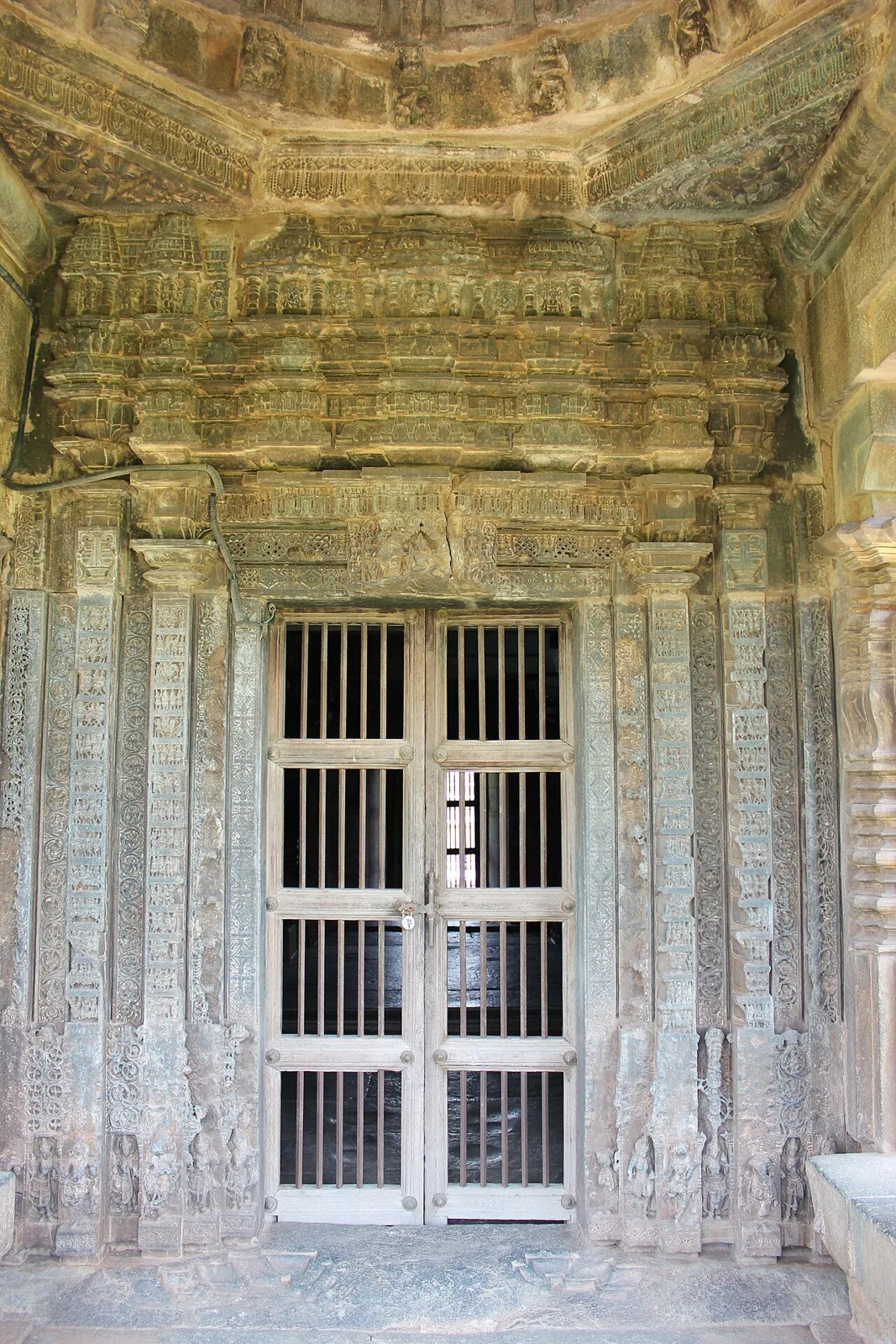
Itagi Mahadeva Temple is a place of worship in Itagi, within Yelburga Taluk in Karnataka’s Koppal district. Visitors come to see the temple and its setting.

Pattadakal

29 km away · Bagalkot district

Pattadakal

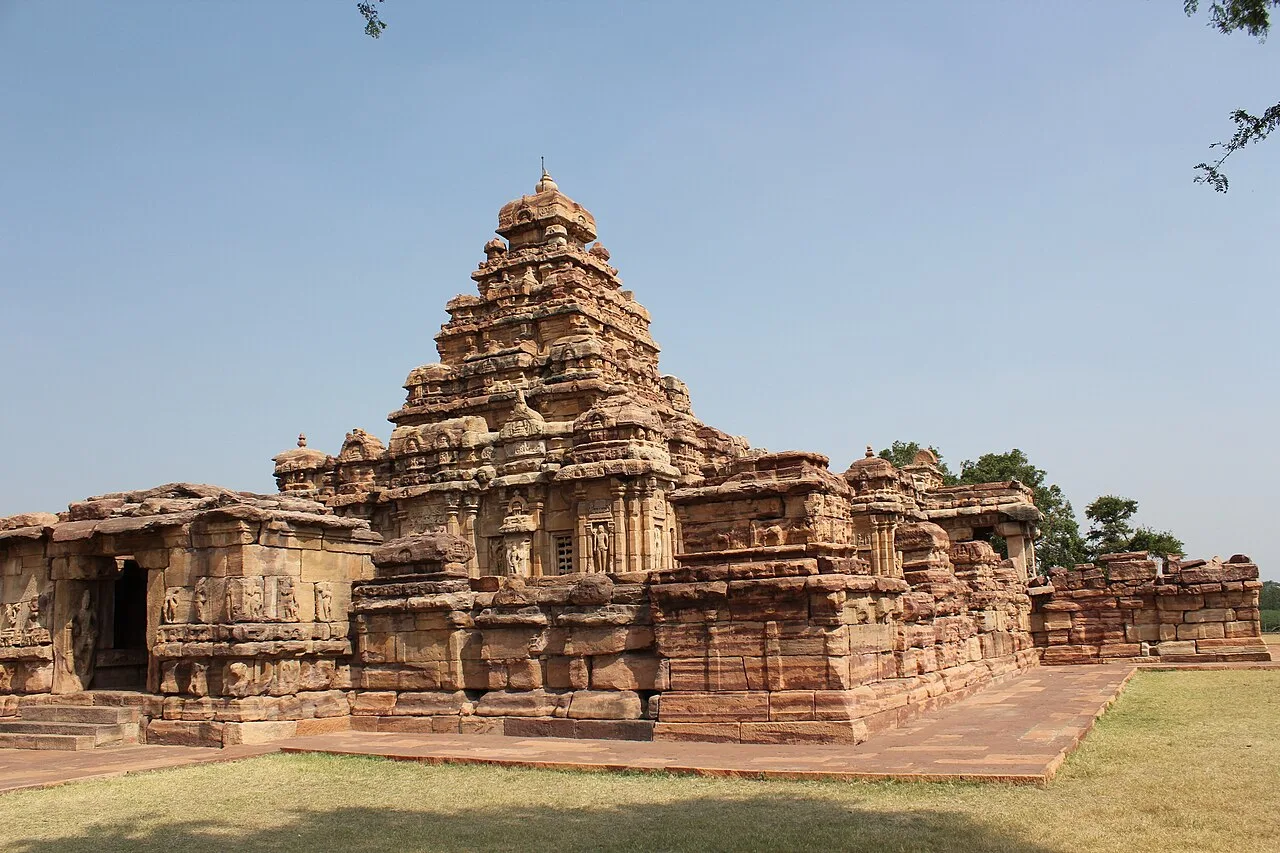
Pattadakal is a UNESCO-listed temple complex in Karnataka, with Hindu and Jain monuments from the seventh and eighth centuries. Visitors come to see its distinctive mix of northern and southern architectural traditions and its carved religious narratives.

Aihole

33 km away · Bagalkot district

Aihole

Aihole is a historic temple site in Karnataka, known for its Buddhist, Hindu and Jain monuments and for architectural experiments that influenced nearby Chalukya-era works.

Banashankari Temple, Badami

33 km away · Bagalkot district

Banashankari Temple, Badami

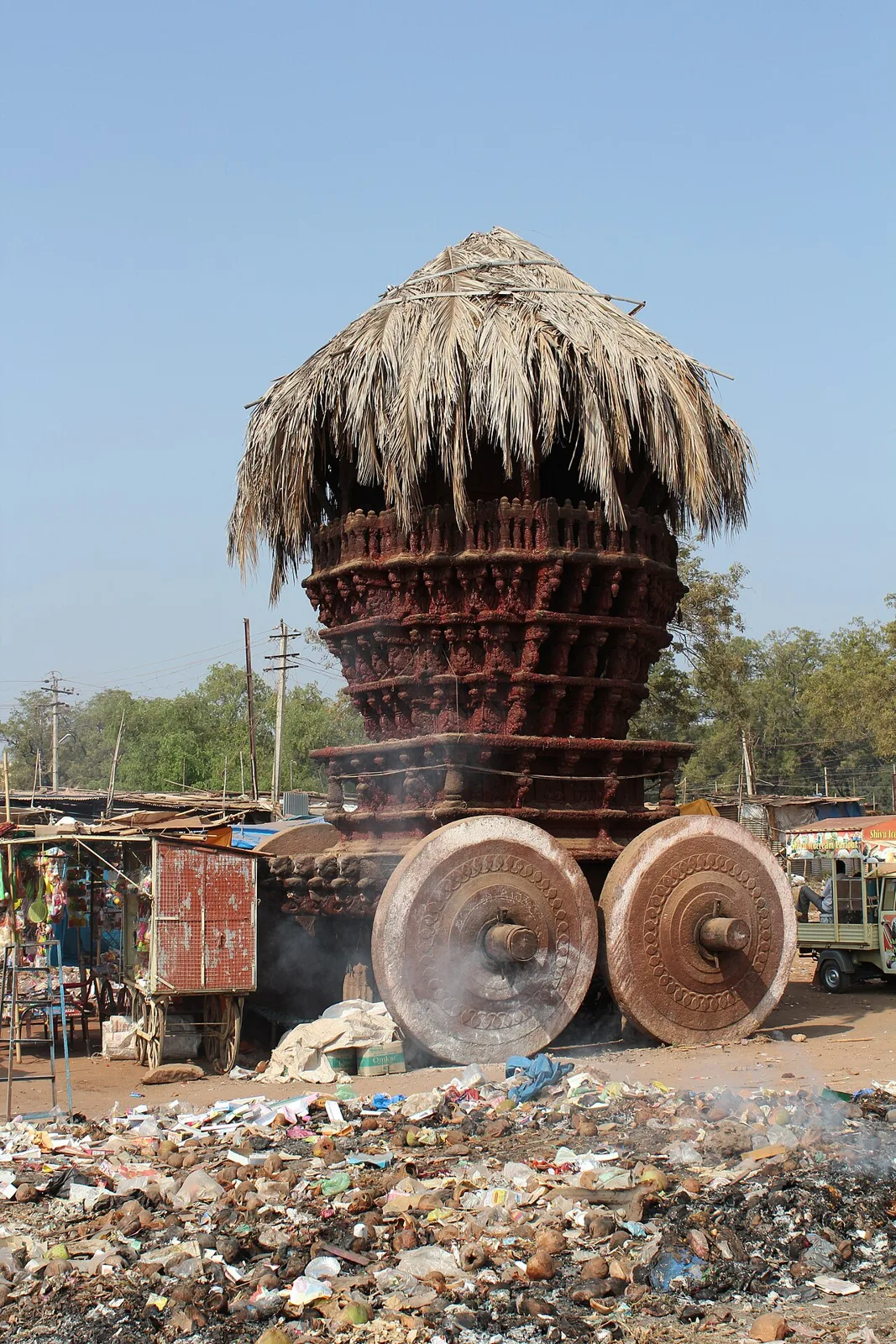
Banashankari Temple is a Hindu shrine at Cholachagudda near Badami, Karnataka. Visitors come to worship its goddess and attend the yearly jatre, which features cultural events, a boat festival and a chariot procession.

Mahakuta Temples

34 km away · Bagalkot district

Mahakuta Temples

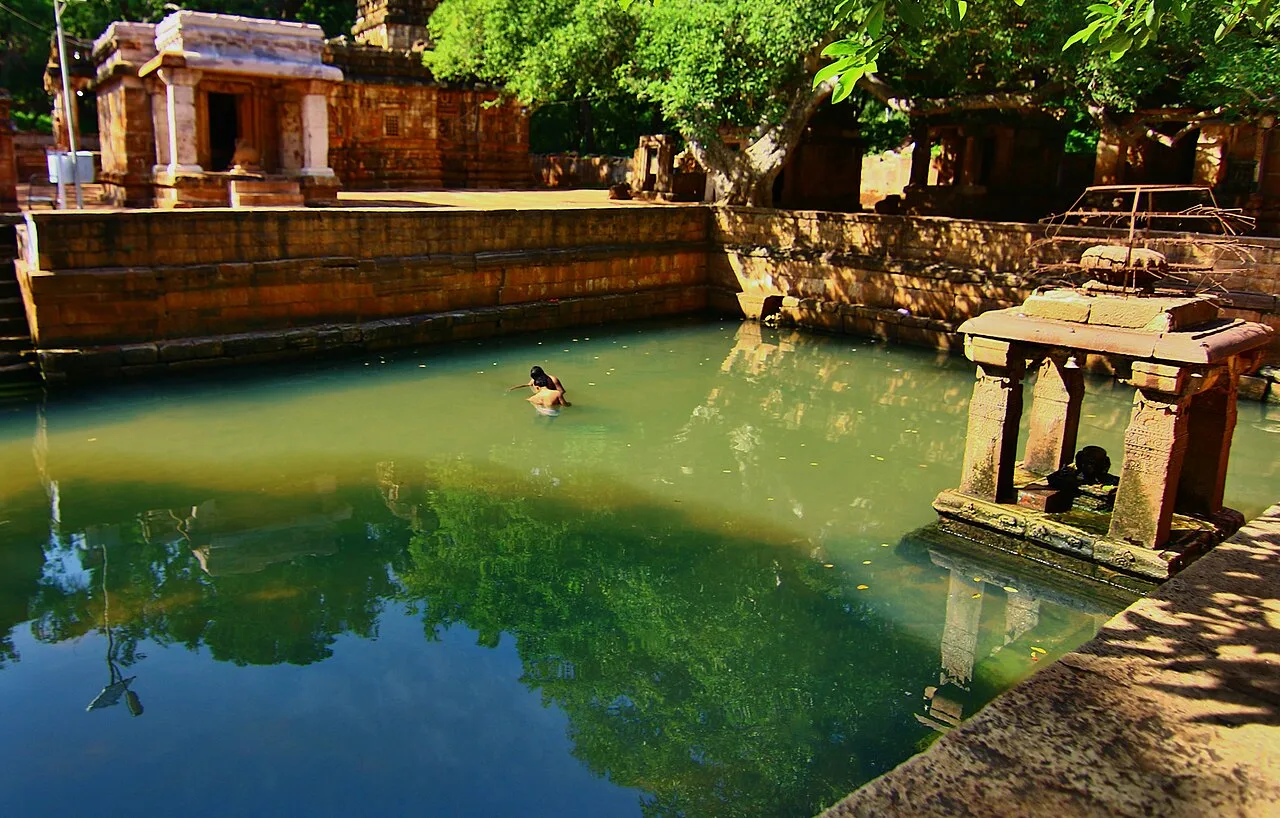
Mahakuta Temples is a Hindu temple complex and Shaiva monastic centre in Bagalkot district, Karnataka. People visit to worship and view its early Chalukyan architecture and inscriptions.

Badami cave temples

37 km away · Bagalkot district

Badami cave temples

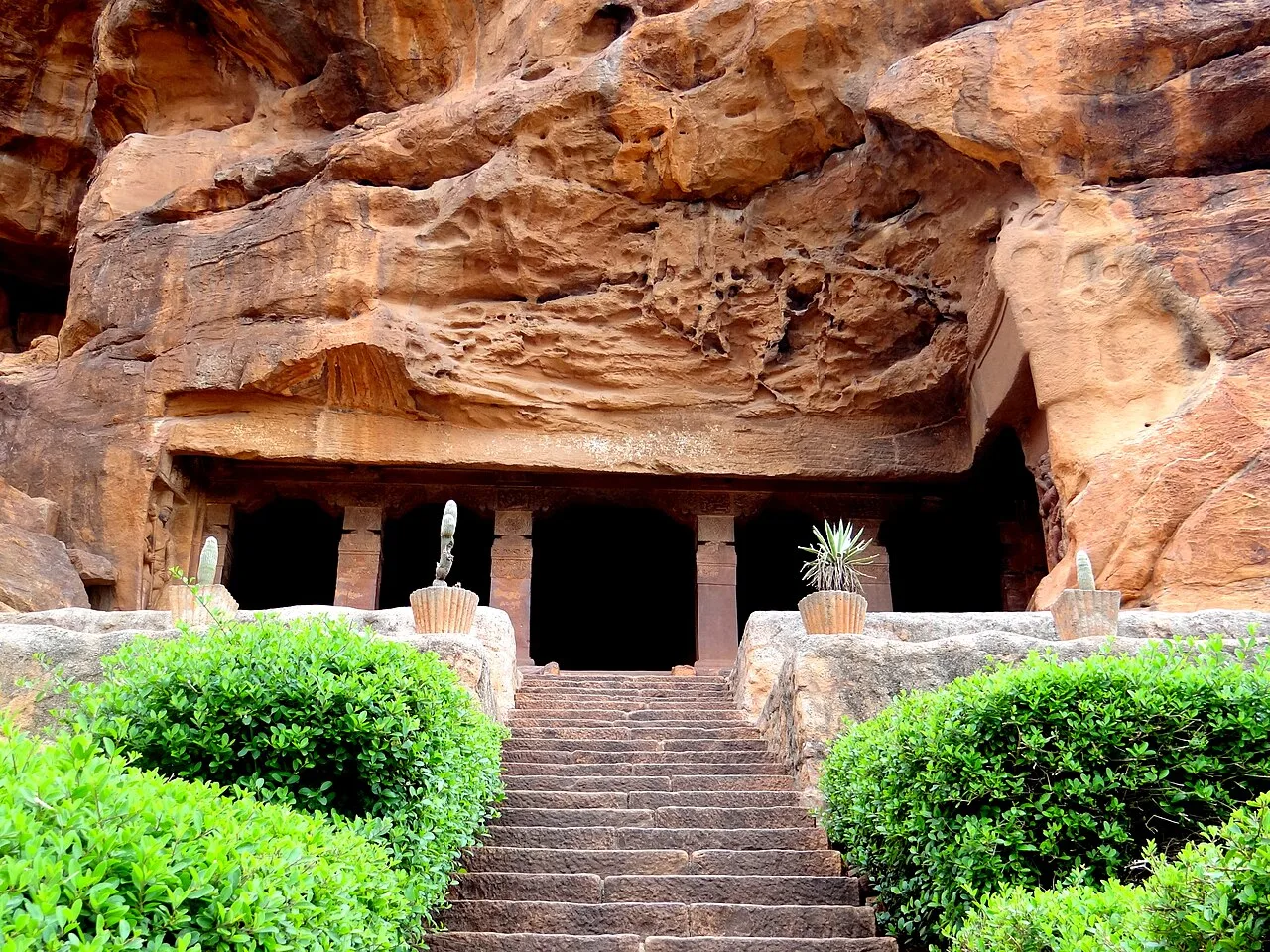
These rock-cut shrines in Badami, Karnataka, reflect Buddhist, Hindu and Jain traditions and early Chalukya-era art. Visitors come to see the sandstone architecture and carved religious figures.

Kinhal Lacquer-Craft Village

37 km away · Koppal district

Kinhal Lacquer-Craft Village

Kinhal Lacquer-Craft Village, also called Kinnal, is a settlement in Karnataka’s Koppal district. Visitors are drawn by its connection with Kinnal craft, which has geographical indication recognition.

Lakkundi

47 km away · Gadag district

Lakkundi

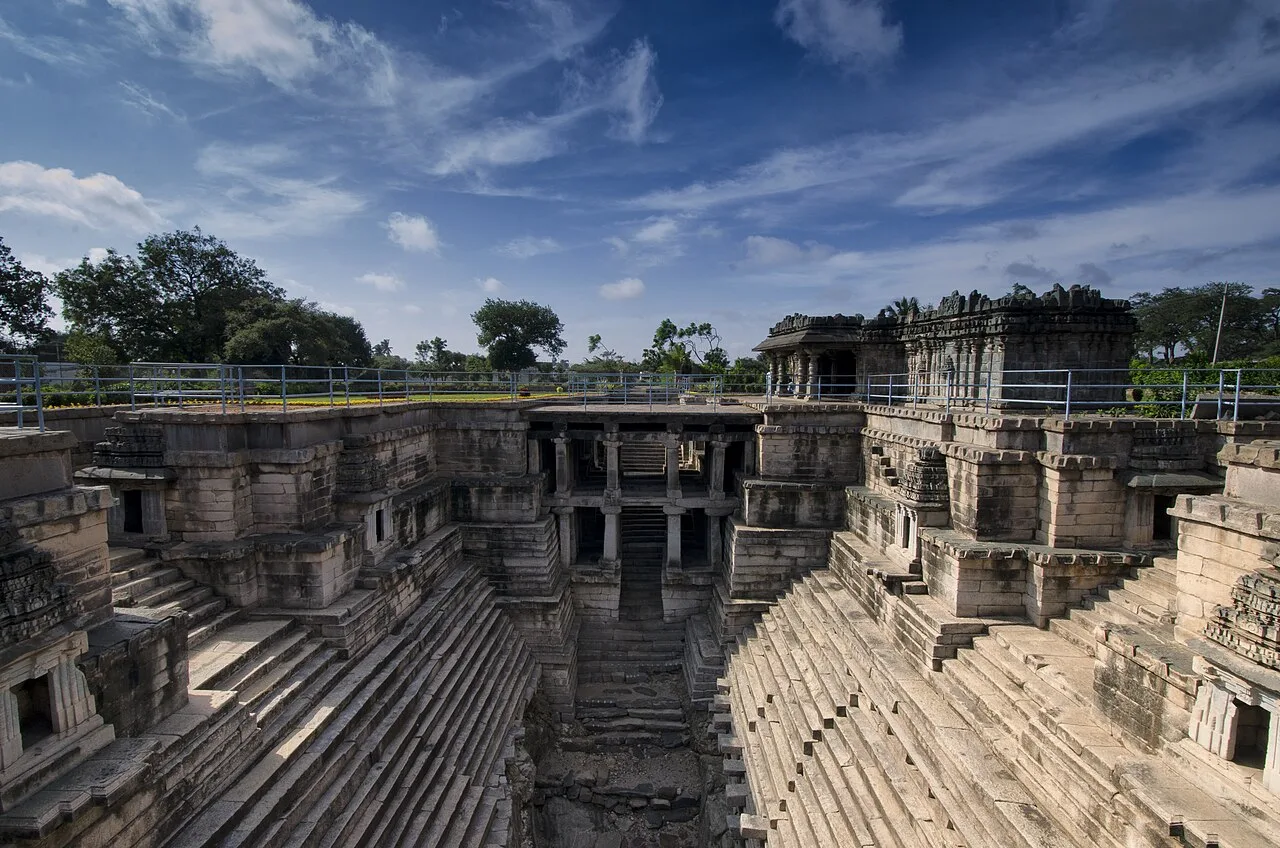
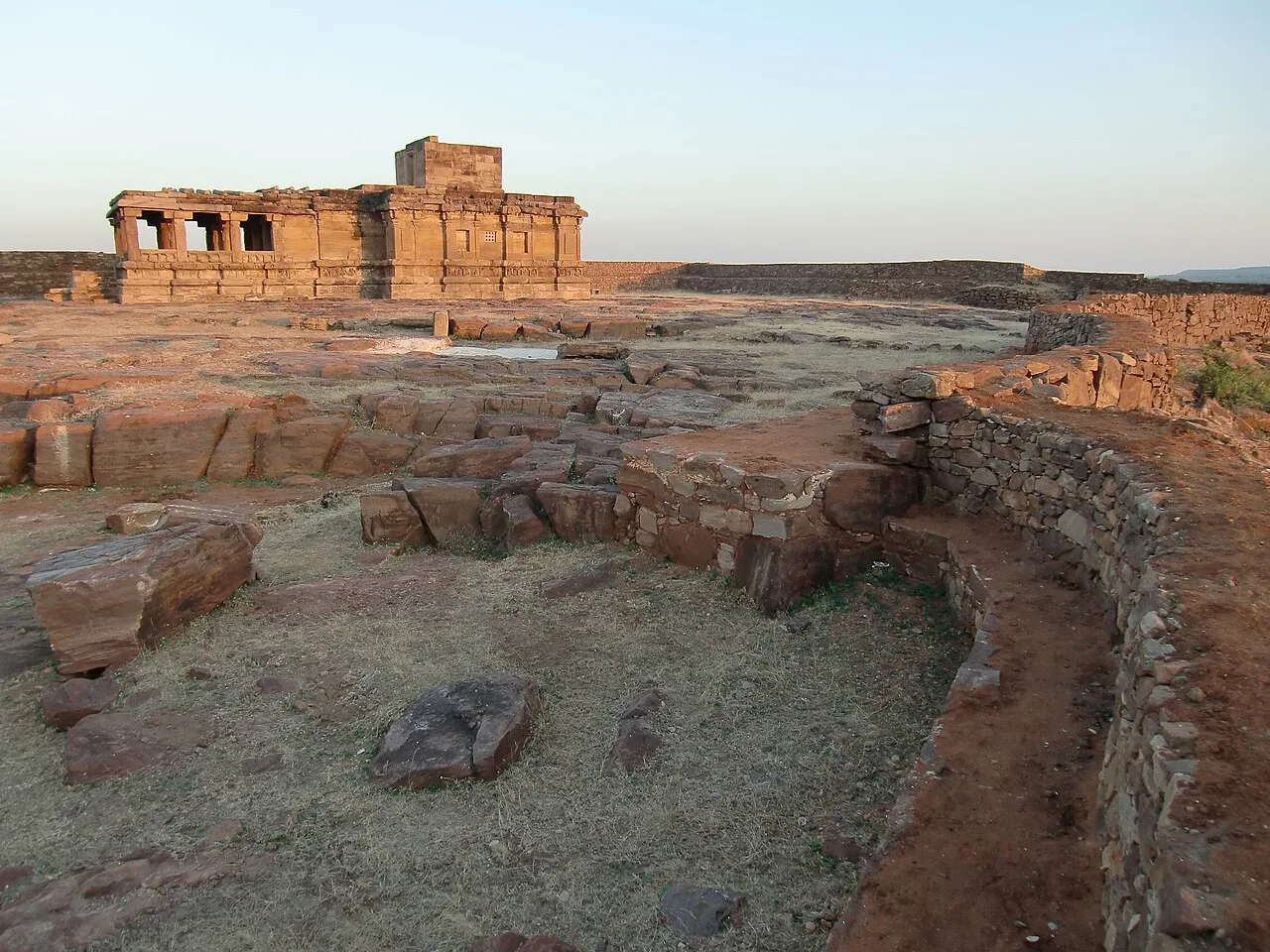
Lakkundi is a historic village in Karnataka’s Gadag district, visited for its Hindu and Jain temple remains, water structures and examples of Kalyana Chalukya architecture.

Map

Gajendragarh on the map

  1. 1Itagi Mahadeva Temple
  2. 2Pattadakal
  3. 3Aihole
  4. 4Banashankari Temple, Badami
  5. 5Mahakuta Temples
  6. 6Badami cave temples
  7. 7Kinhal Lacquer-Craft Village
  8. 8Lakkundi

Karnataka

Other cities to explore