Ghumoopedia — Explore, Discover, Experience
Sign in
Banavasi, near Hangal

City guide · Karnataka

Hangal

Hangal is a historic town in Karnataka’s Haveri district, set amid an agricultural landscape south of Hubballi-Dharwad. Its importance comes from a long record as a regional centre and from surviving temples that reflect the changing dynasties of the Deccan.

Famous for

  • Tarakeshwara Temple
  • Chalukyan temple architecture
  • Kadamba-era history
  • Gangubai Hangal
  • Hindustani classical music

Why Hangal matters

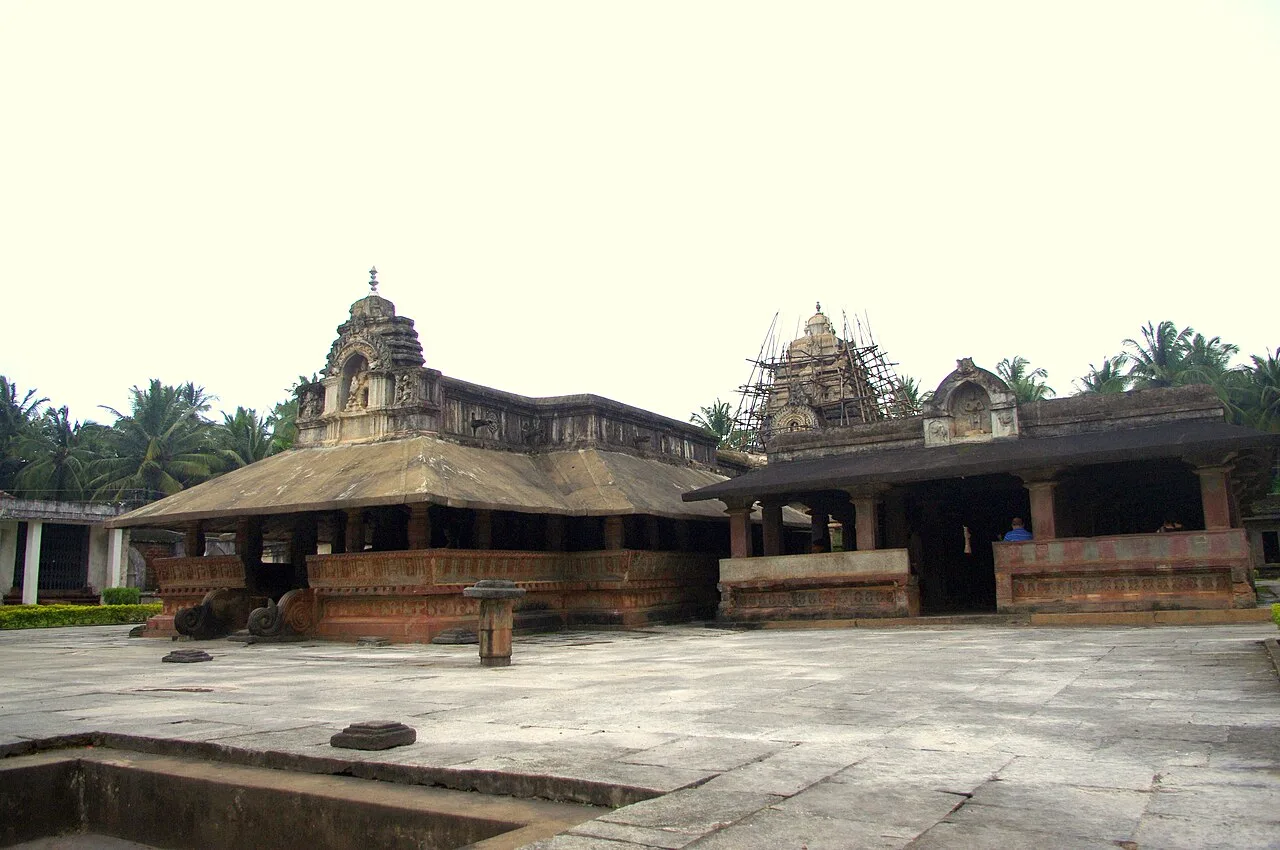
Hangal is a historic town in Karnataka’s Haveri district, set amid an agricultural landscape south of Hubballi-Dharwad. Its importance comes from a long record as a regional centre and from surviving temples that reflect the changing dynasties of the Deccan. The Tarakeshwara Temple is its best-known landmark, valued for its ornate stonework and Chalukyan-era architectural character. Jain temples and other historic remains add to the town’s religious and architectural interest.

Visitors also associate Hangal with Hindustani classical vocalist Gangubai Hangal, born here in 1913 and celebrated as a leading singer of the Kirana gharana. The town is not a large urban destination; it offers a quieter stop for travellers exploring northern Karnataka’s temple towns and historic sites. Its local markets and nearby Anakere lake give a sense of everyday life in the region, while its road connection to Hubballi makes it accessible as part of a wider journey through the Deccan.
Famous for: crafts, trade & products

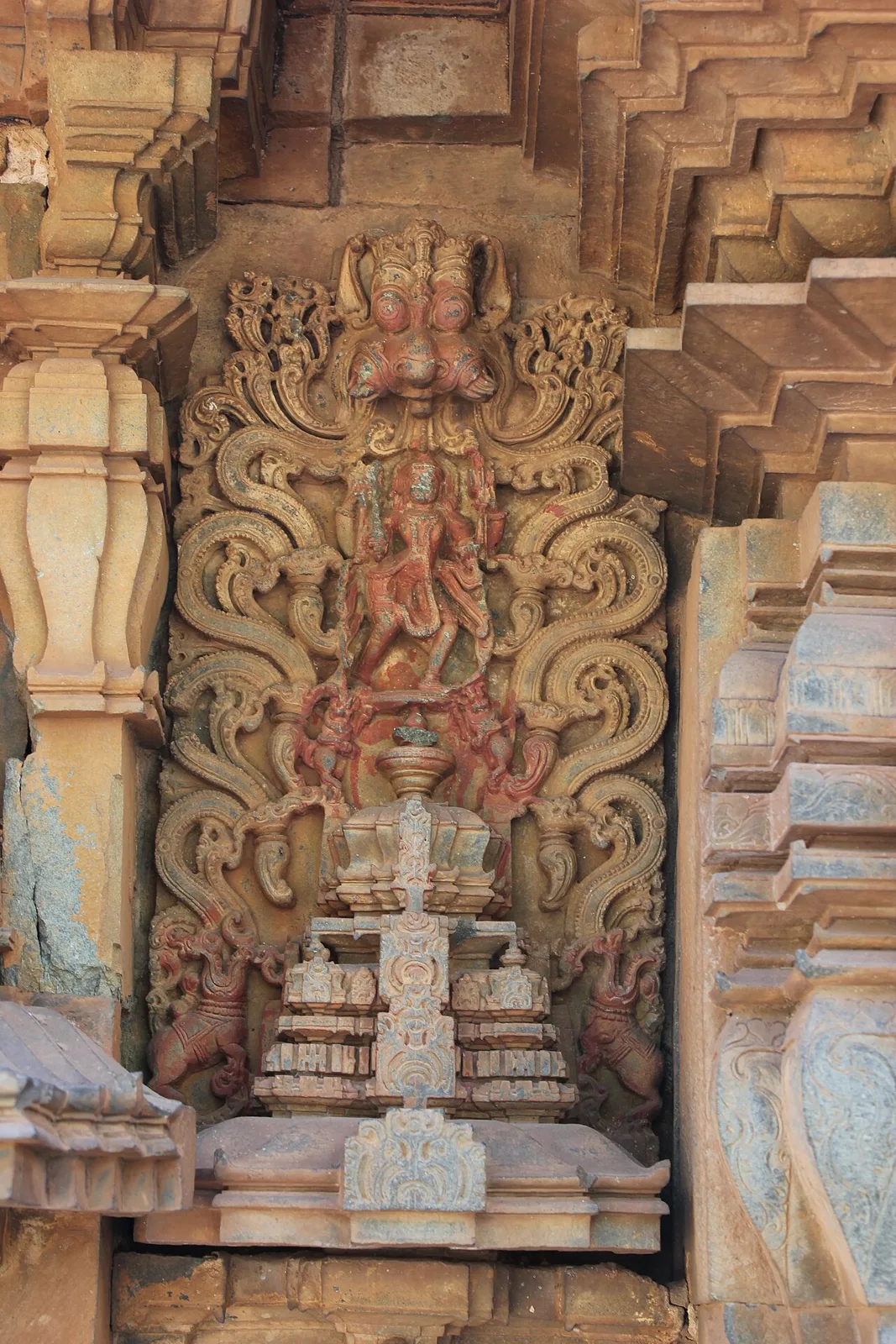
Hangal is best known for its historic temples and musical heritage rather than for a particular textile, handicraft or GI-tagged product. The Tarakeshwara Temple is the main place to appreciate the town’s stone architecture; its sculptural details are associated with the Chalukyan building tradition. Jain temples also reflect the town’s earlier religious history. These sites are the most distinctive local attractions for visitors interested in heritage.

The town’s bazaar serves residents and surrounding villages, with shops focused on everyday goods and agricultural needs. Visitors can look there for regional provisions and snacks, but Hangal is not widely recognised as a specialist destination for handloom sarees, craft shopping or branded food products. The wider district has an agricultural character, and local trade reflects that role. For a broader choice of retail and services, travellers can look to larger nearby centres such as Hubballi. Gangubai Hangal’s legacy is an important cultural association, though the town is not known for a dedicated music market or regular commercial music festival.

History

Early records refer to Hangal as Panungal. It became the seat of a Kadamba feudatory, and the Kadamba period is associated with the building of Jain temples. Local legend links the area to the Pandavas’ year in hiding, though this belongs to oral tradition rather than established chronology.

The town changed hands among powerful Deccan dynasties. The Hoysalas took Hangal around 1031, and Mallikarjuna of the Shilaharas besieged it in 1060. By the 12th century it was held by the Kalyani Chalukyas, whose temple building helped shape the region’s distinctive stone architecture. In 1800, English forces captured Hangal from the Maratha rebel Dhoondia. In modern times, the town has remained a local agricultural and administrative centre. Its wider cultural profile also reflects the legacy of vocalist Gangubai Hangal, born in the town in 1913 and later renowned across India for her Hindustani classical music.

Food, festivals & culture

Kannada is the principal language of daily life, with local speech reflecting northern Karnataka. Food follows the region’s home-style traditions: jowar rotti, vegetable curries such as ennegayi, and accompaniments made with groundnuts or chilli are common across the area. Holige and other festive sweets may appear at celebrations, though Hangal is not especially known for a signature dish.

Ugadi, Sankranti, Dasara and Deepavali are observed in their usual seasonal periods, alongside temple festivals and local fairs whose dates can vary. The Tarakeshwara Temple and Jain places of worship connect present-day religious life with Hangal’s older history. The town’s most prominent cultural association is Gangubai Hangal, whose career brought it lasting recognition in Hindustani classical music. Folk performances and regional dance traditions may feature at community and festival events, but Hangal is better known for its temple heritage and classical music connection than for a distinctive dance form.

Visiting the city

October to February is generally a comfortable period to visit, while summer can be hot and the monsoon brings rain. The nearest airport is Hubballi Airport. Haveri railway station is a useful nearby rail gateway; Hubballi Junction offers a broader set of connections. Hangal is reached by road from Hubballi and other towns in the district.

Auto-rickshaws and local vehicles are practical for short trips within town, while buses and hired cars connect it with nearby centres. Begin around the old temple precinct to see the Tarakeshwara Temple and other historic religious sites, then explore the bazaar for everyday town life. Anakere lake is another nearby place to visit. Hangal works well as a heritage stop on a longer northern Karnataka itinerary.

Trips from the city

Nearest places to visit from Hangal

Our closest destination guides, by straight-line distance.

Banavasi

28 km away · Uttara Kannada district

Banavasi

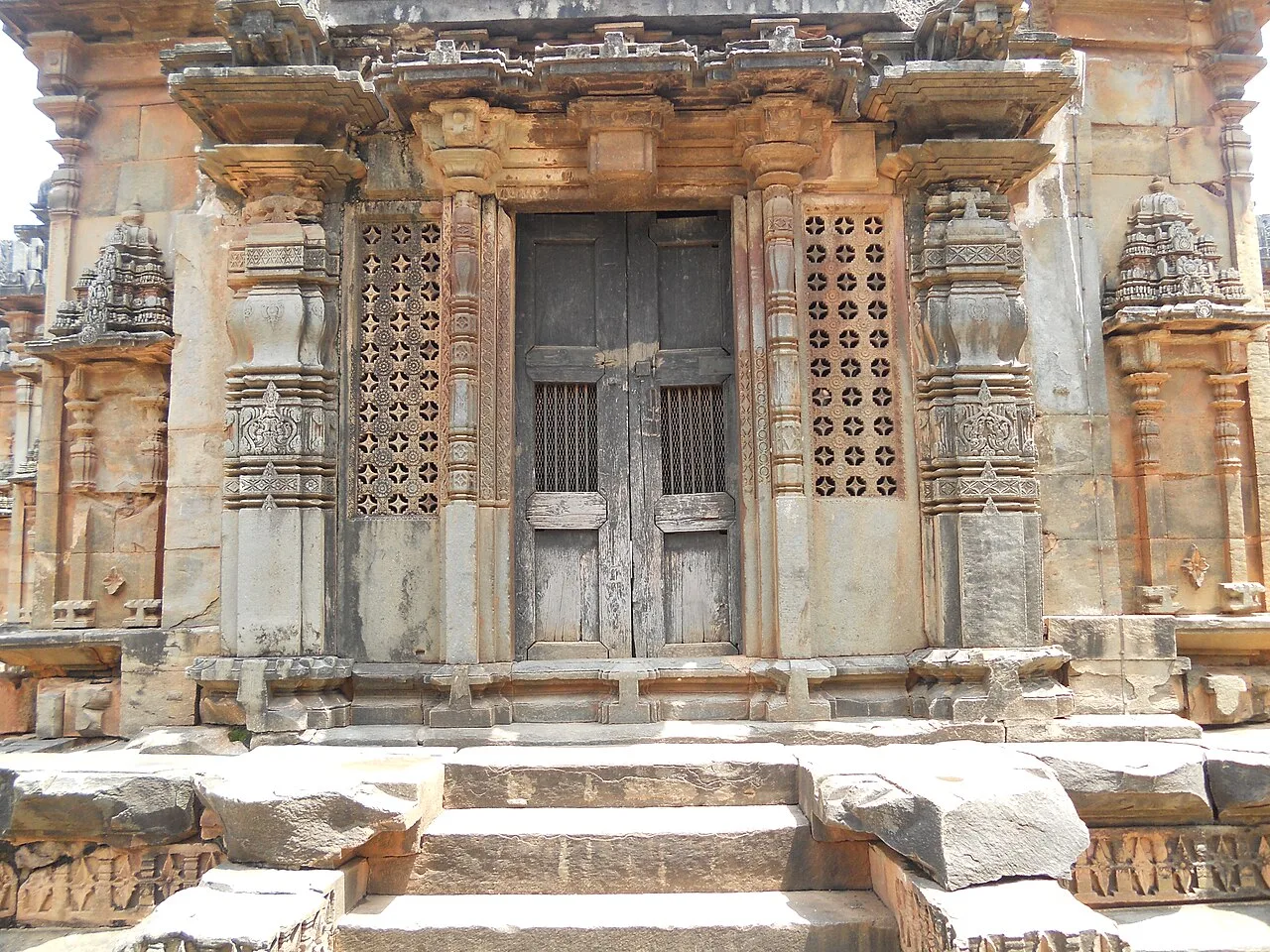
Banavasi, a village in Karnataka’s Uttara Kannada district, is known for its temples and its past as the Kadamba dynasty’s capital, making it a place of historical interest.

Siddhesvara Temple, Haveri

31 km away · Haveri district

Siddhesvara Temple, Haveri

Siddhesvara Temple in Haveri, Karnataka, is visited for worship and valued for its Western Chalukyan design and sculptures of Hindu deities.

57 km away · Uttara Kannada district

Unchalli Falls

In Karnataka’s Uttara Kannada district, Unchalli Falls is a 116-metre cascade on the Aghanashini, visited for its dramatic descent and the rare chance of seeing a moonbow.

Yana Rocks

63 km away · Uttara Kannada district

Yana Rocks

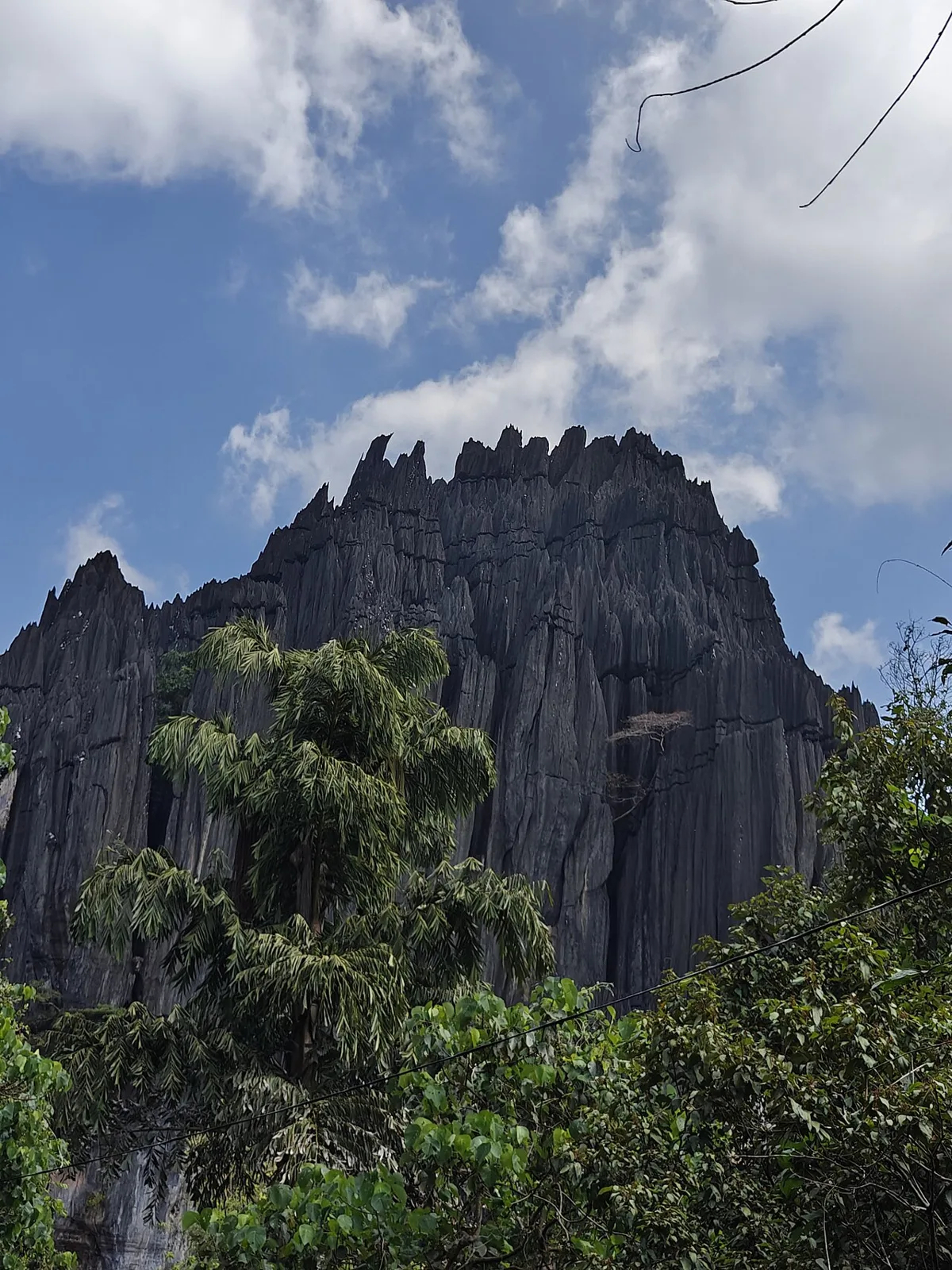
Yana, in Karnataka’s Uttara Kannada district, is a village with a karst landscape and two notable rock formations. Visitors come to see Bhairaveshwara Shikhara and Mohini Shikhara, and the temple dedicated to Shiva.

Chandramouleshwara Temple, Hubballi

68 km away · Dharwad district

Chandramouleshwara Temple, Hubballi

An 11th-century Shiva shrine in Unkal, Hubballi, Chandramouleshwara Temple draws interest for its Chalukyan design, distinctive plan and artwork representing several Hindu traditions.

Jog Falls

68 km away · Shivamogga district

Jog Falls

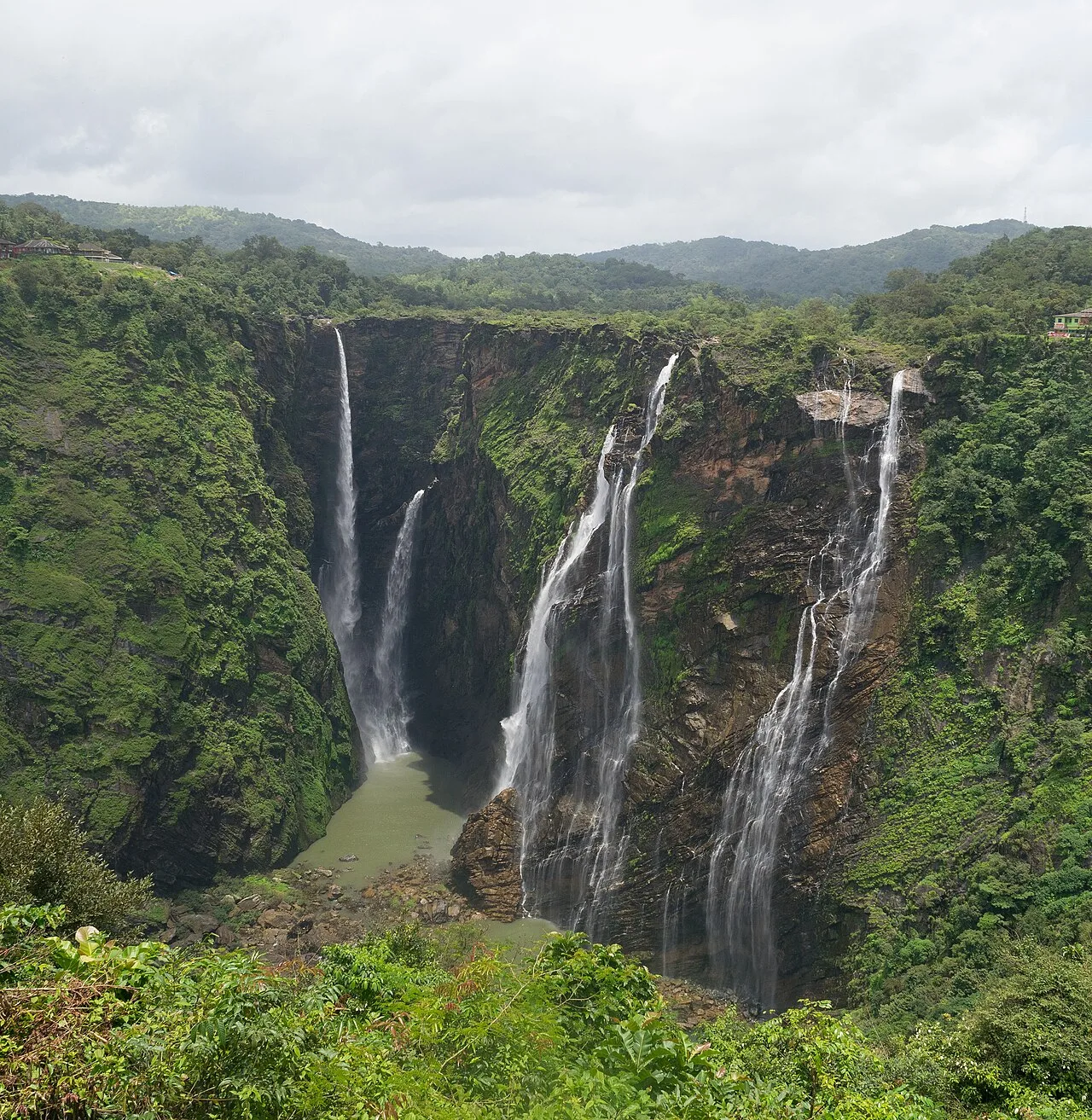
On Karnataka’s Sharavati River, Jog Falls is a four-part waterfall whose high descent and seasonal changes attract visitors to its viewing areas.

Mirjan Fort

82 km away · Uttara Kannada district

Mirjan Fort

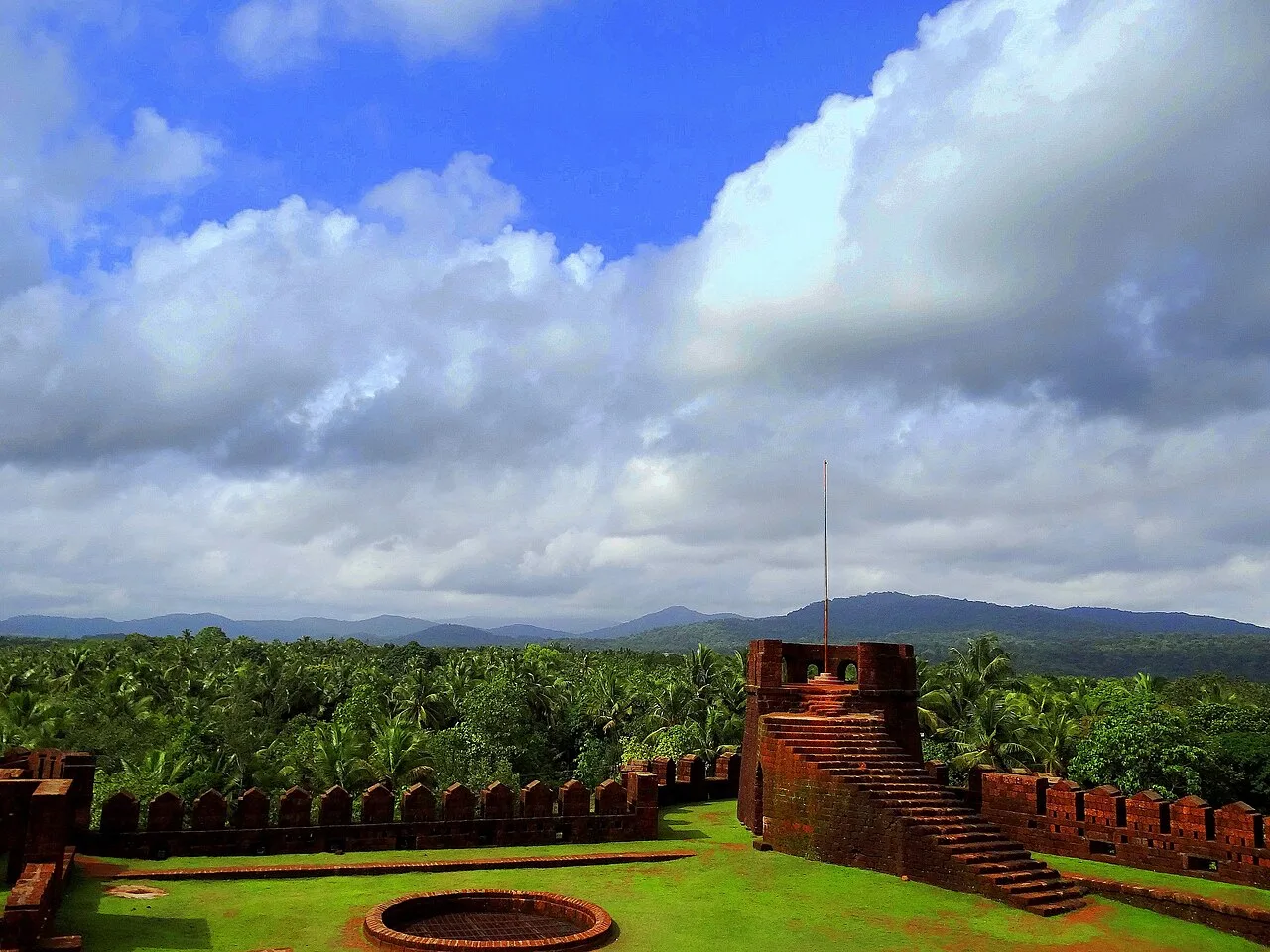
Mirjan Fort is a historic coastal stronghold in Karnataka’s Uttara Kannada district, known for its architecture, past conflicts and association with Rani Chennabhairadevi and the pepper trade.

Kali Tiger Reserve (Anshi Dandeli)

84 km away · Uttara Kannada district

Kali Tiger Reserve (Anshi Dandeli)

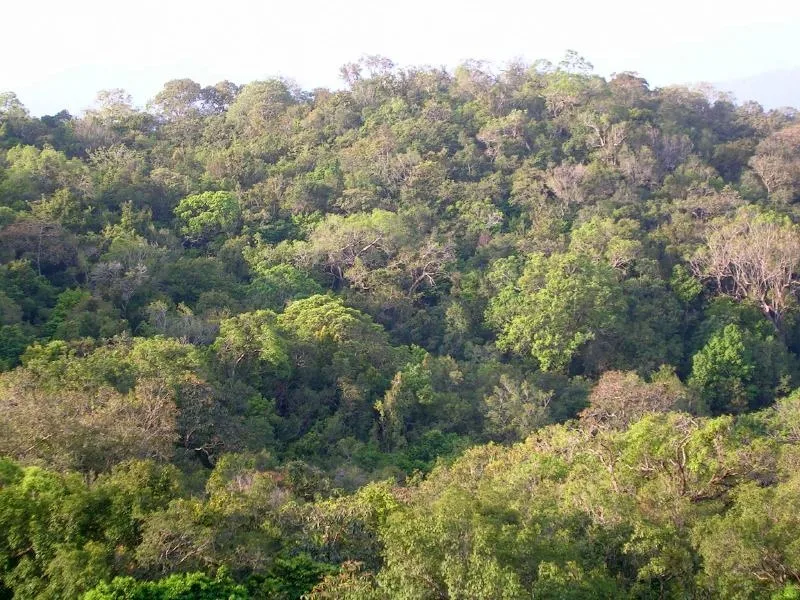
Kali Tiger Reserve is a 1,300-square-kilometre protected area in Karnataka’s Uttara Kannada district. Visitors can find habitat for Bengal tigers, black panthers and Indian elephants, with the Kali River running through the reserve.

Map

Hangal on the map

  1. 1Banavasi
  2. 2Siddhesvara Temple, Haveri
  3. 3Unchalli Falls
  4. 4Yana Rocks
  5. 5Chandramouleshwara Temple, Hubballi
  6. 6Jog Falls
  7. 7Mirjan Fort
  8. 8Kali Tiger Reserve (Anshi Dandeli)

Karnataka

Other cities to explore