Ghumoopedia — Explore, Discover, Experience
Sign in
Pattadakal, near Pattadakal

City guide · Karnataka

Pattadakal

Pattadakal is a small heritage destination on the west bank of the Malaprabha River in Karnataka’s Bagalkot district. Its group of temples, built chiefly in the 7th and 8th centuries, is recognised as a UNESCO World Heritage Site.

Famous for

  • Virupaksha Temple
  • Chalukyan temple architecture
  • UNESCO World Heritage Site
  • Nagara and Dravida styles
  • Pattadakal Dance Festival

Why Pattadakal matters

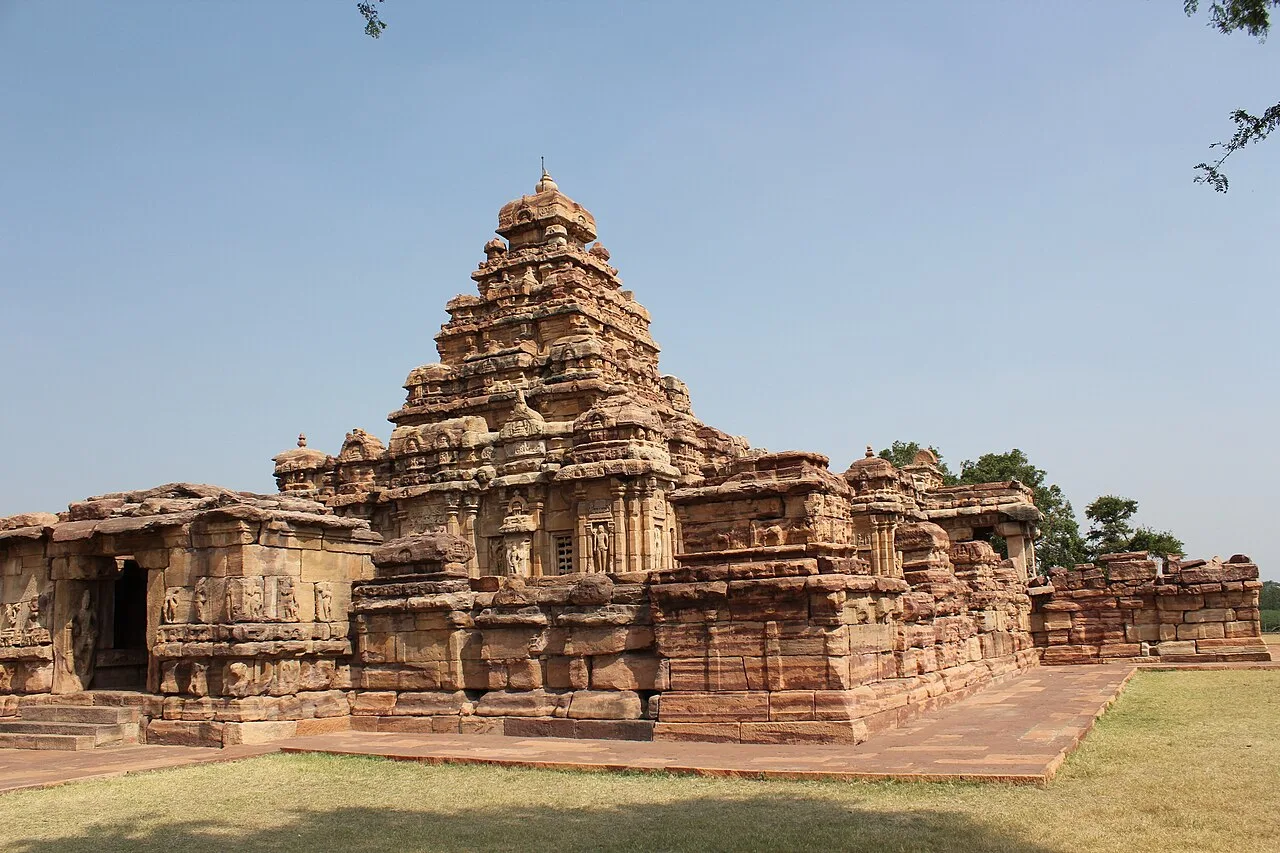
Pattadakal is a small heritage destination on the west bank of the Malaprabha River in Karnataka’s Bagalkot district. Its group of temples, built chiefly in the 7th and 8th centuries, is recognised as a UNESCO World Heritage Site. The monuments are celebrated for bringing together northern Nagara and southern Dravida architectural traditions, making the site an important place to understand the development of early medieval Indian temple design.

Visitors come to see the sculpted shrines, carved pillars and narrative panels, especially at the Virupaksha and Papanatha temples. The Virupaksha temple remains an active place of Hindu worship. Pattadakal is often explored alongside nearby Badami and Aihole, forming a rewarding circuit through the region’s Chalukyan heritage. The river valley and sandstone landscape add to the setting, while the annual dance festival brings classical performance to the historic complex. Pattadakal is not a large commercial town; its importance today rests chiefly on conservation, pilgrimage and cultural tourism.
Famous for: crafts, trade & products

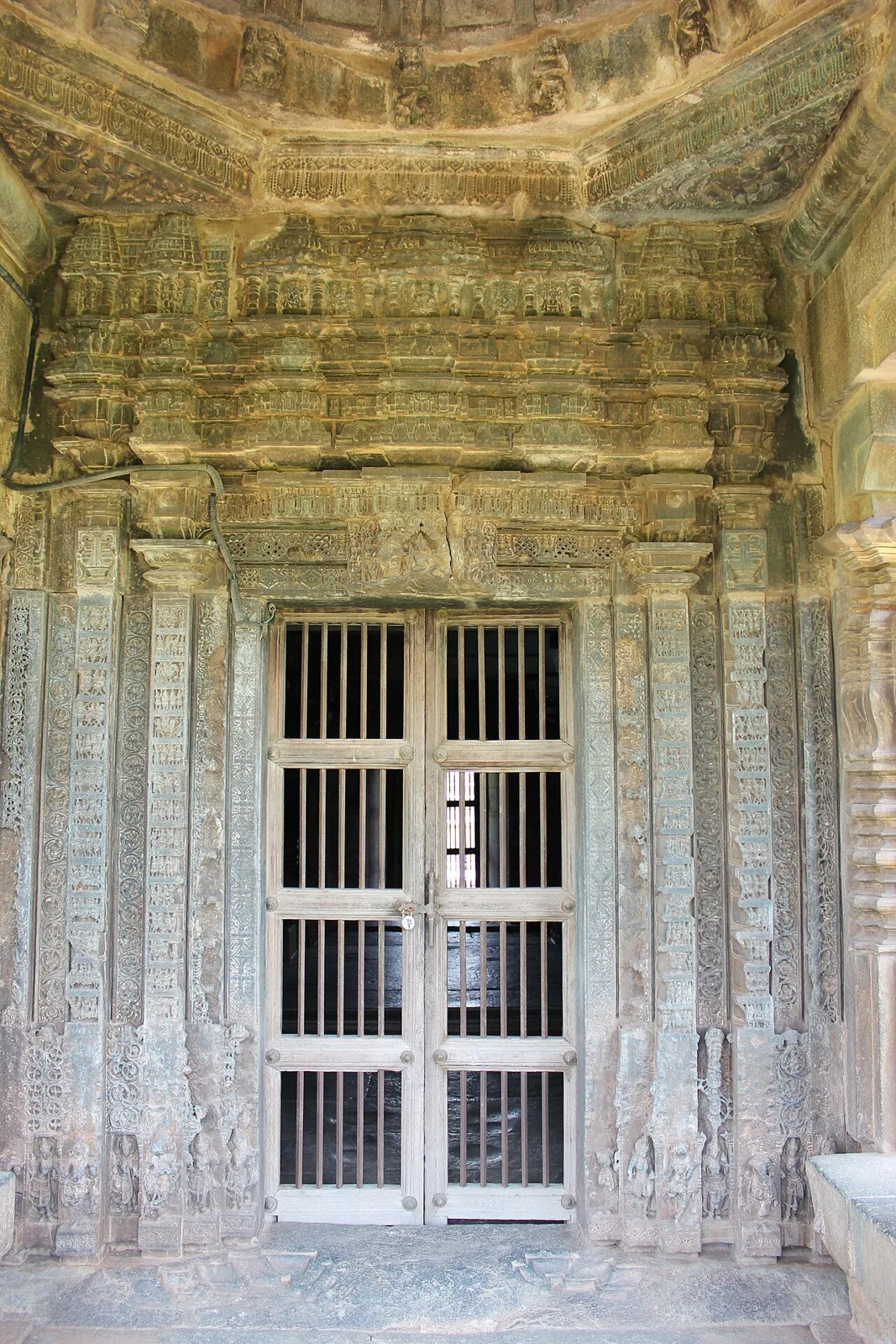
Pattadakal is best known for its temple architecture and sculpture rather than for a large textile, handicraft or manufacturing market. The historic complex preserves stonework that shows the skill of Chalukyan builders: carved doorways, columns, shrine towers and panels depicting episodes from Hindu epics and other traditions. These are protected monuments, not souvenirs for sale, and visitors should not remove or mark any stonework.

The wider Bagalkot region is associated with Ilkal sarees, a traditional handloom textile with a Geographical Indication tag. Pattadakal itself is not a major saree-production or shopping centre; visitors seeking regional handloom products can enquire in larger nearby towns such as Bagalkot or Ilkal. Badami and other towns in the area may have small shops selling everyday goods and locally made items, but there is no substantial dedicated craft bazaar at the monument site. The area’s most distinctive cultural product remains its architectural heritage: the temple group is a record of experimentation between northern and southern Indian building styles. For specialist shopping, plan a separate stop in a larger town rather than expecting a wide selection in Pattadakal.

History

Pattadakal became a major religious and artistic centre under the Early Chalukyas, who ruled much of the Deccan. Its name is associated with coronation ceremonies, and the Malaprabha River’s northward turn was regarded as auspicious. From the 7th century, Chalukyan patrons and builders developed a group of Hindu temples here, combining architectural ideas from northern and southern India. The Virupaksha temple, among the largest, was built in the 8th century; a Jain temple was added later, during the Rashtrakuta period.

After the Early Chalukyas, the region came under Rashtrakuta and later Western Chalukya rule, with religious building continuing in the wider valley. Pattadakal subsequently experienced changes of control involving Deccan kingdoms, the Vijayanagara Empire, the Bijapur Sultanate, the Mughals and the Marathas. British rule followed the defeat of Tipu Sultan. In modern times the temples became protected monuments managed by the Archaeological Survey of India. UNESCO added Pattadakal to its World Heritage List in 1987, strengthening its role as a centre for heritage conservation and tourism.

Food, festivals & culture

Pattadakal’s cultural life is closely linked to its temples and the wider north Karnataka region. Kannada is the principal language; visitors may also encounter regional varieties of Marathi, along with Hindi and English in tourism settings. The Virupaksha temple is an active place of worship, and Hindu festivals such as Mahashivaratri and Ugadi are observed in the region. Dates for festivals follow the lunar calendar and vary from year to year.

The annual Pattadakal dance festival, usually held in winter, brings classical dance and music performances to the monument setting. Local celebrations and performances connect the site’s architectural history with living traditions, though the town is not a major centre for daily nightlife or large-scale entertainment. Food is typical of northern Karnataka: meals may include jolada rotti, lentil dishes, vegetables, peanut chutney and regional rice preparations. Ilkal sarees and other regional textiles are part of the surrounding area’s cultural identity, while Pattadakal’s most visible artistic tradition is its historic stone carving. Food choices within the small settlement can be limited, so travellers may find more variety in Badami.

Visiting the city

The cooler months, roughly October to February, are generally the most comfortable for exploring the temples outdoors. Summers can be very hot; the monsoon brings greener scenery but may make travel less predictable. The nearest practical railway station is Badami, on the Hubballi–Solapur line. Belagavi and Hubballi airports are both roughly a three-hour drive away, depending on route and conditions.

Most visitors reach Pattadakal by road from Badami, around 23 kilometres away; Aihole is about 10 kilometres away. Local taxis and hired vehicles are useful for linking the three heritage sites, while transport options within Pattadakal are limited. Allow time for the main temple cluster, then visit the Jain temple a short distance to the west and the Malaprabha riverbank. Badami makes a convenient base for accommodation, meals and onward travel.

Trips from the city

Nearest places to visit from Pattadakal

Our closest destination guides, by straight-line distance.

Pattadakal

0 km away · Bagalkot district

Pattadakal

Pattadakal is a UNESCO-listed temple complex in Karnataka, with Hindu and Jain monuments from the seventh and eighth centuries. Visitors come to see its distinctive mix of northern and southern architectural traditions and its carved religious narratives.

Aihole

10 km away · Bagalkot district

Aihole

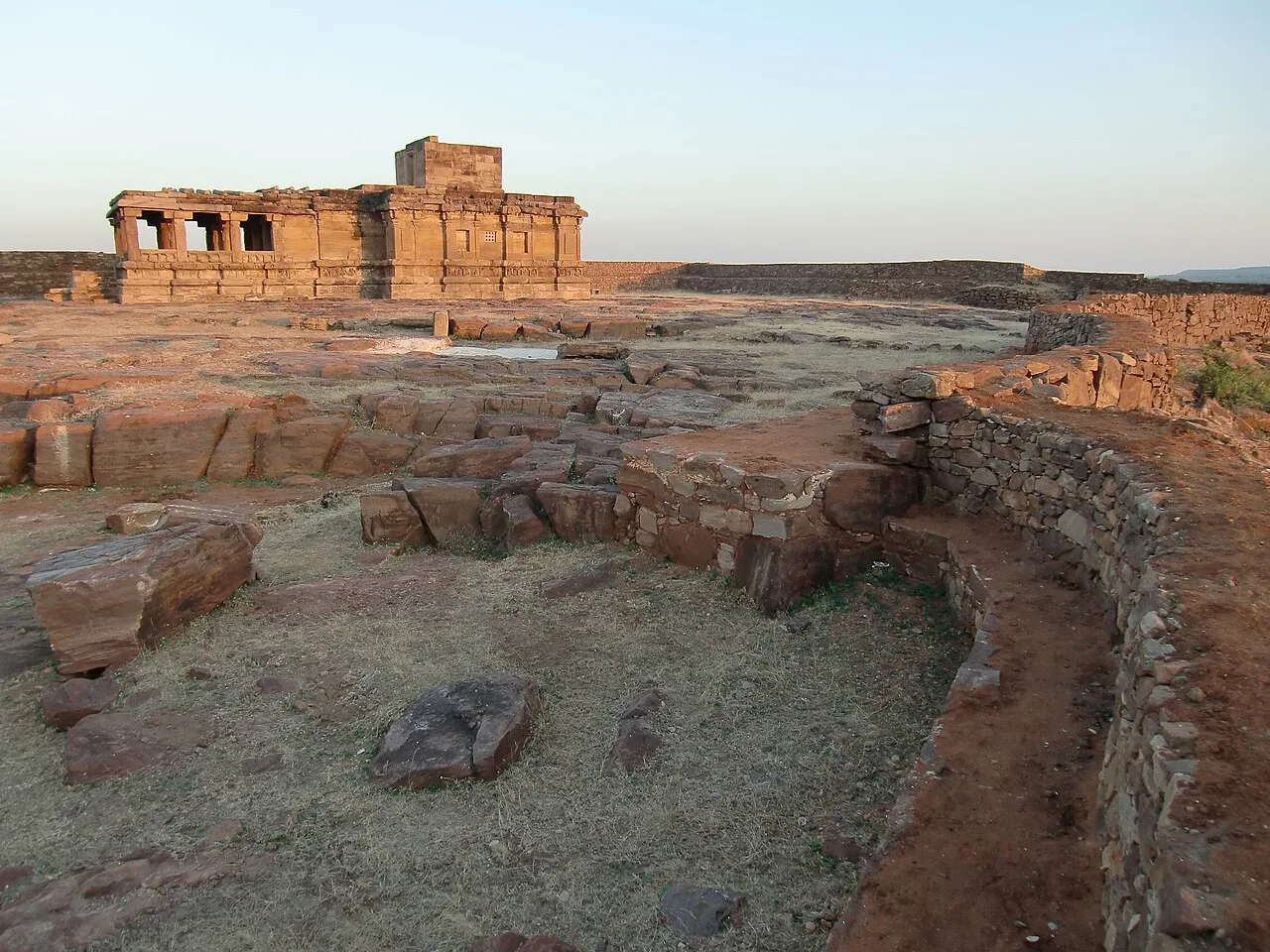
Aihole is a historic temple site in Karnataka, known for its Buddhist, Hindu and Jain monuments and for architectural experiments that influenced nearby Chalukya-era works.

Mahakuta Temples

10 km away · Bagalkot district

Mahakuta Temples

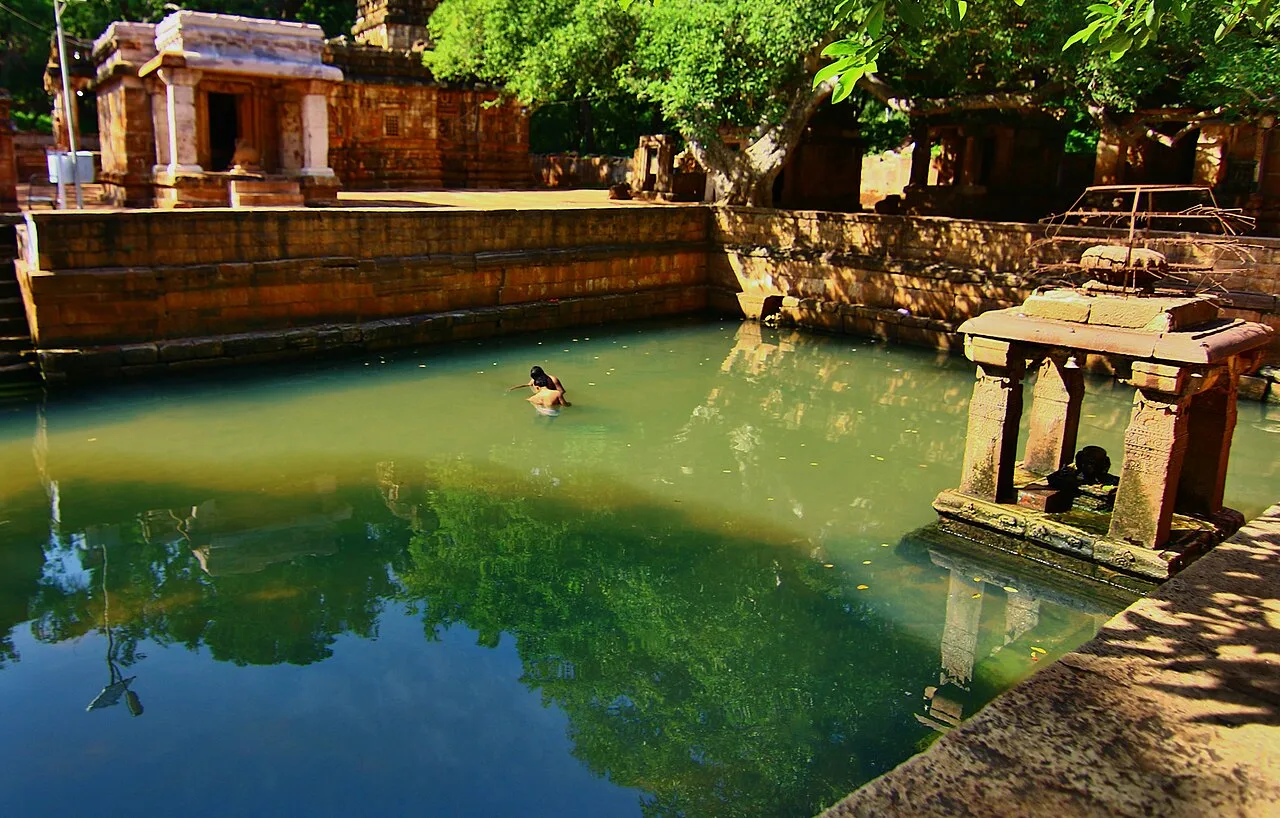
Mahakuta Temples is a Hindu temple complex and Shaiva monastic centre in Bagalkot district, Karnataka. People visit to worship and view its early Chalukyan architecture and inscriptions.

Badami cave temples

14 km away · Bagalkot district

Badami cave temples

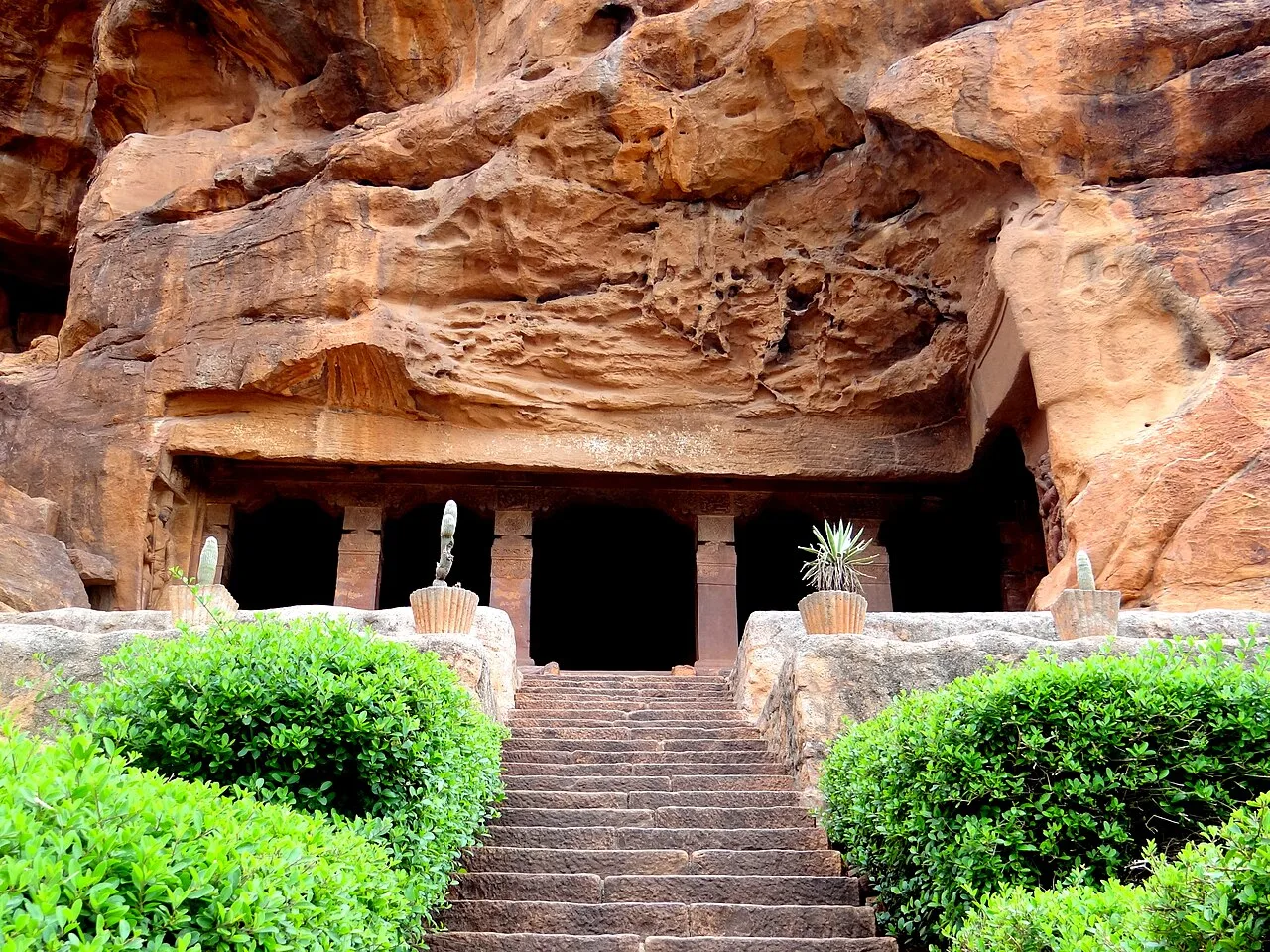
These rock-cut shrines in Badami, Karnataka, reflect Buddhist, Hindu and Jain traditions and early Chalukya-era art. Visitors come to see the sandstone architecture and carved religious figures.

Banashankari Temple, Badami

14 km away · Bagalkot district

Banashankari Temple, Badami

Banashankari Temple is a Hindu shrine at Cholachagudda near Badami, Karnataka. Visitors come to worship its goddess and attend the yearly jatre, which features cultural events, a boat festival and a chariot procession.

Itagi Mahadeva Temple

55 km away · Koppal district

Itagi Mahadeva Temple

Itagi Mahadeva Temple is a place of worship in Itagi, within Yelburga Taluk in Karnataka’s Koppal district. Visitors come to see the temple and its setting.

Trikuteshwara Temple, Gadag

62 km away · Gadag district

Trikuteshwara Temple, Gadag

In Gadag, Karnataka, Trikuteshwara Temple is a carved Hindu place of worship dedicated to Shiva. Visitors come to see its three lingas, Saraswathi shrine and carved columns.

Lakkundi

63 km away · Gadag district

Lakkundi

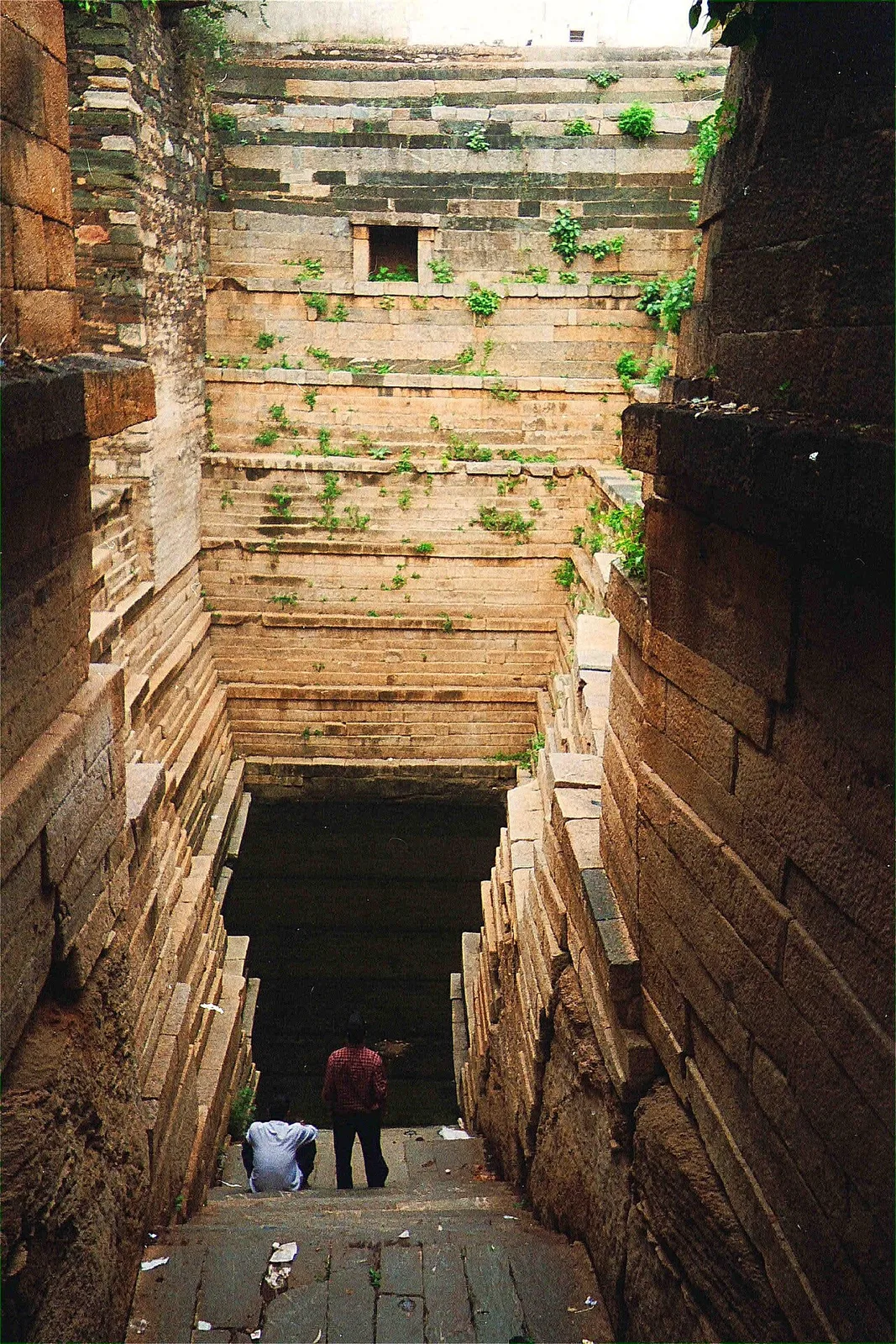
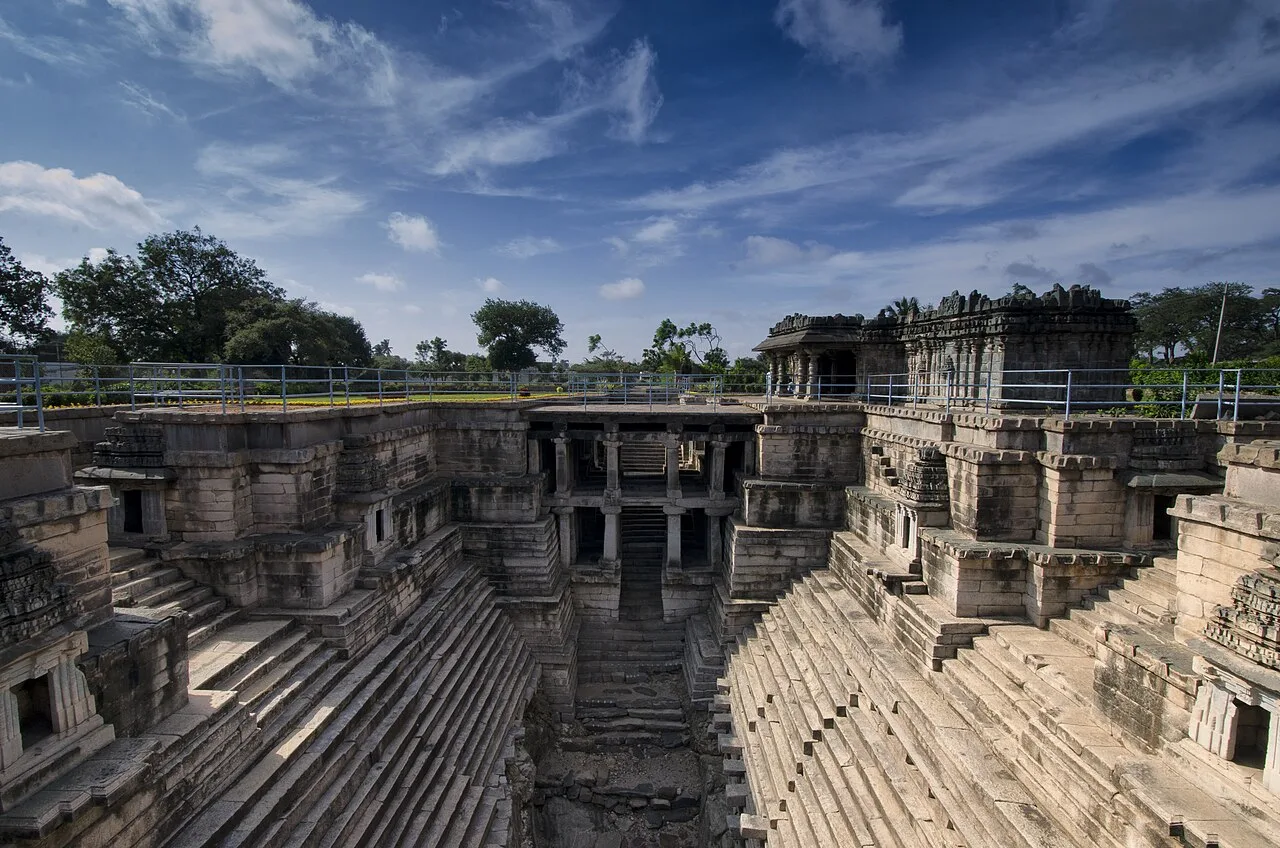
Lakkundi is a historic village in Karnataka’s Gadag district, visited for its Hindu and Jain temple remains, water structures and examples of Kalyana Chalukya architecture.

Map

Pattadakal on the map

  1. 1Pattadakal
  2. 2Aihole
  3. 3Mahakuta Temples
  4. 4Badami cave temples
  5. 5Banashankari Temple, Badami
  6. 6Itagi Mahadeva Temple
  7. 7Trikuteshwara Temple, Gadag
  8. 8Lakkundi

Karnataka

Other cities to explore