Ghumoopedia — Explore, Discover, Experience
Sign in
Daroji Sloth Bear Sanctuary, near Kurikuppi

City guide · Karnataka

Kurikuppi

Kurikuppi is a small settlement in Karnataka’s Sandur region, rather than a major urban or tourist centre. Its importance is best understood through its setting: the iron-ore country around Sandur and the larger industrial belt near Toranagallu, where mining and steel production have shaped work, transport and local development.

Famous for

  • Sandur-region iron ore
  • Nearby Sandur hills
  • Sandur Lambani embroidery
  • North Karnataka village life

Why Kurikuppi matters

Kurikuppi is a small settlement in Karnataka’s Sandur region, rather than a major urban or tourist centre. Its importance is best understood through its setting: the iron-ore country around Sandur and the larger industrial belt near Toranagallu, where mining and steel production have shaped work, transport and local development. The surrounding hills and dry countryside give the area a distinct landscape, while Sandur town provides a nearby focus for everyday services and regional connections.

Visitors are more likely to come through Kurikuppi while exploring the Sandur area or travelling between the region’s industrial towns and the Hampi–Vijayanagara heritage landscape. Sandur is also associated with Lambani embroidery, a colourful textile tradition practised by Lambani communities. Kurikuppi itself has few widely documented visitor attractions, so it suits travellers interested in rural Karnataka and the contrasts between village life, mining and historic sites nearby. For a fuller range of accommodation, transport and visitor facilities, travellers generally look to larger surrounding towns.
Famous for: crafts, trade & products

Kurikuppi is not widely known as a shopping or manufacturing centre in its own right. Its local economy is connected to the wider Sandur belt, where iron-ore extraction and related industry have a visible presence. For everyday provisions, visitors should expect small local shops rather than specialist markets; Sandur and the larger nearby towns offer a broader choice of goods and services.

The best-known craft associated with the area is Sandur Lambani embroidery, made by Lambani women using vivid colours, mirrors and decorative stitching. It is a regional textile tradition, not a product that can be assumed to be stocked in Kurikuppi itself. Ask in Sandur about community craft outlets or local sellers, and check provenance when buying. The cuisine and household food traditions are broadly those of northern Karnataka, but Kurikuppi is not recognised for a signature sweet, textile, handicraft market or GI-tagged product of its own. Travellers seeking a wider selection of crafts and regional goods can look in Sandur or larger commercial centres in the district.

History

Kurikuppi’s local history is not extensively documented in widely available accounts. Its past is best placed within the history of Sandur, a former princely state associated with the Ghorpade rulers. The hills and valleys around Sandur supported settled communities and agriculture, while the area’s mineral resources later became increasingly important to its economy.

During British rule, Sandur remained a princely state under British paramountcy rather than becoming a directly administered British district. After independence it was integrated into Indian administration and, with the reorganisation of states, became part of present-day Karnataka. In recent decades, mining and industrial development across the Sandur–Toranagallu belt have brought new employment, transport links and settlement growth. These changes have reshaped the region, although Kurikuppi remains a small settlement rather than a major administrative or commercial centre. Its story is therefore closely tied to the surrounding Sandur area and its changing relationship with mining and industry.

Food, festivals & culture

Everyday food in Kurikuppi reflects northern Karnataka cooking. Meals may include jolada rotti, vegetable curries, pulses and chutneys made with groundnuts or local spices. Menus vary between homes and eateries, and the settlement is not especially known for a distinct sweet or restaurant speciality. Nearby towns are more likely to offer a wider choice of food.

Kannada is the principal regional language; Lambani and Telugu are also heard in parts of the wider area. Hindu festivals such as Ugadi, Sankranti, Deepavali and Dasara are observed in the usual seasonal calendar, alongside local temple celebrations and village fairs whose dates vary. Lambani embroidery expresses an important regional craft tradition, while devotional singing, folk performance and community gatherings form part of local cultural life. Worship is centred on neighbourhood and village temples rather than a major pilgrimage complex within Kurikuppi. Visitors should ask locally about active festivals or gatherings, since events are community-based and schedules can change from year to year.

Visiting the city

The cooler, drier months from about October to February are generally the most comfortable for visiting; summers can be very hot, and the monsoon may affect road travel. The nearest rail connection is Toranagallu Junction. Jindal Vijaynagar Airport, also called Vidyanagar Airport, near Toranagallu is the closest airport, though travellers should check which services are operating; larger airports may offer more flight choices.

Local buses and road transport connect settlements in the Sandur area, while auto-rickshaws or hired vehicles are useful for shorter trips where available. Sandur town is the practical nearby area for local services and exploring the hills. Toranagallu is a transport and industrial hub, while Hampi and the Vijayanagara heritage sites make worthwhile regional excursions. Kurikuppi has limited visitor infrastructure, so arranging accommodation and onward transport in a larger nearby town is sensible.

Trips from the city

Nearest places to visit from Kurikuppi

Our closest destination guides, by straight-line distance.

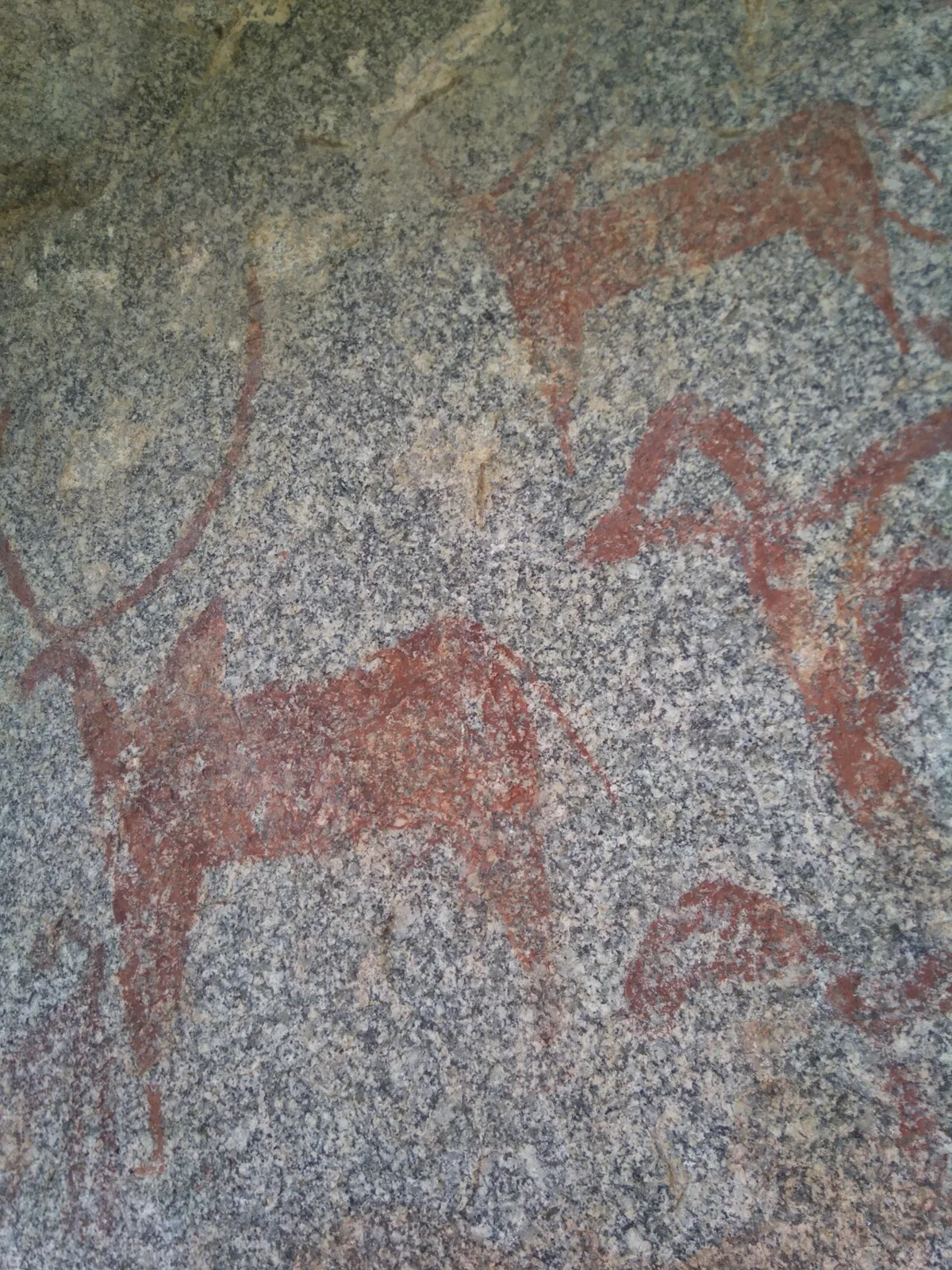
Daroji Sloth Bear Sanctuary

14 km away · Vijayanagara district

Daroji Sloth Bear Sanctuary

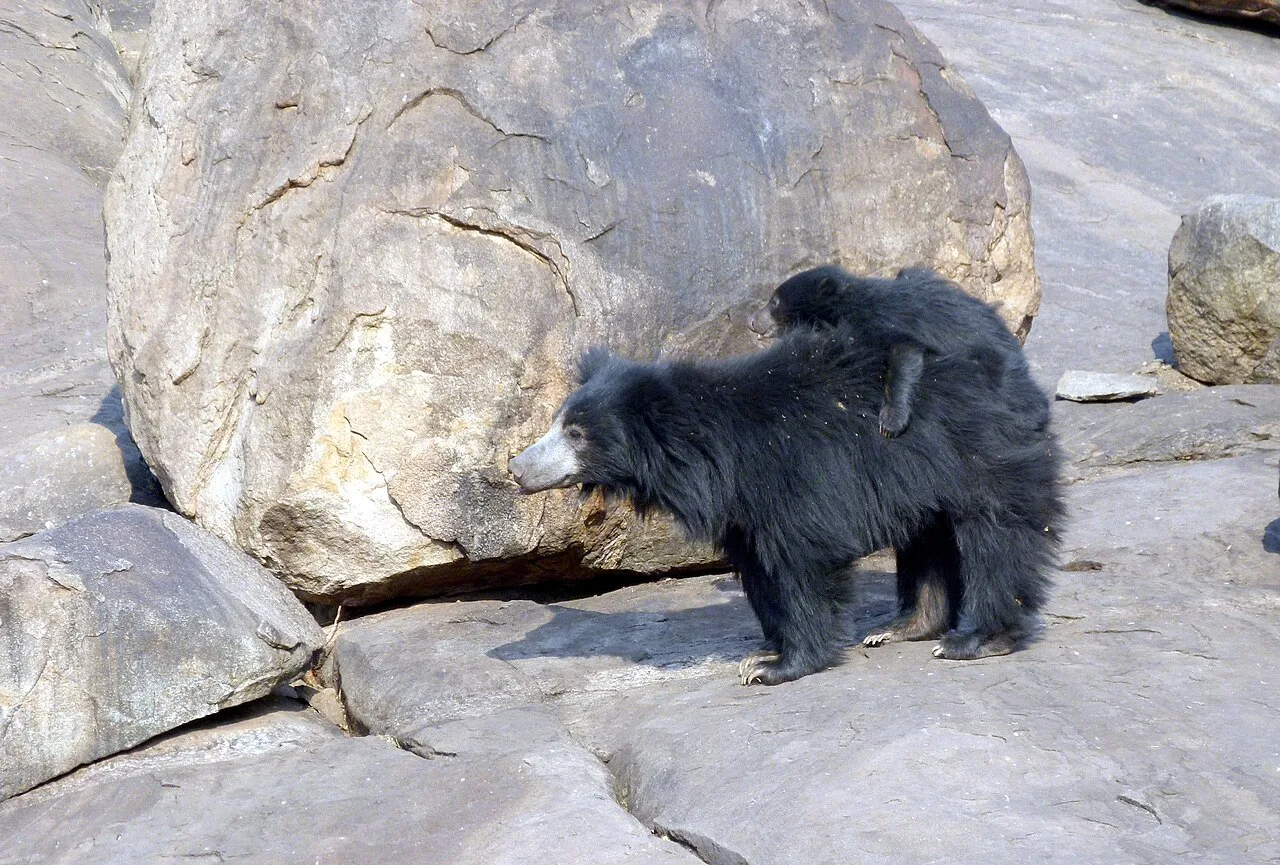
Daroji Sloth Bear Sanctuary in Karnataka protects sloth bears across a landscape near Ballari and Hampi. Visitors come to see bears, particularly as they descend the hillocks in the evening.

Lotus Mahal

22 km away · Vijayanagara district

Lotus Mahal

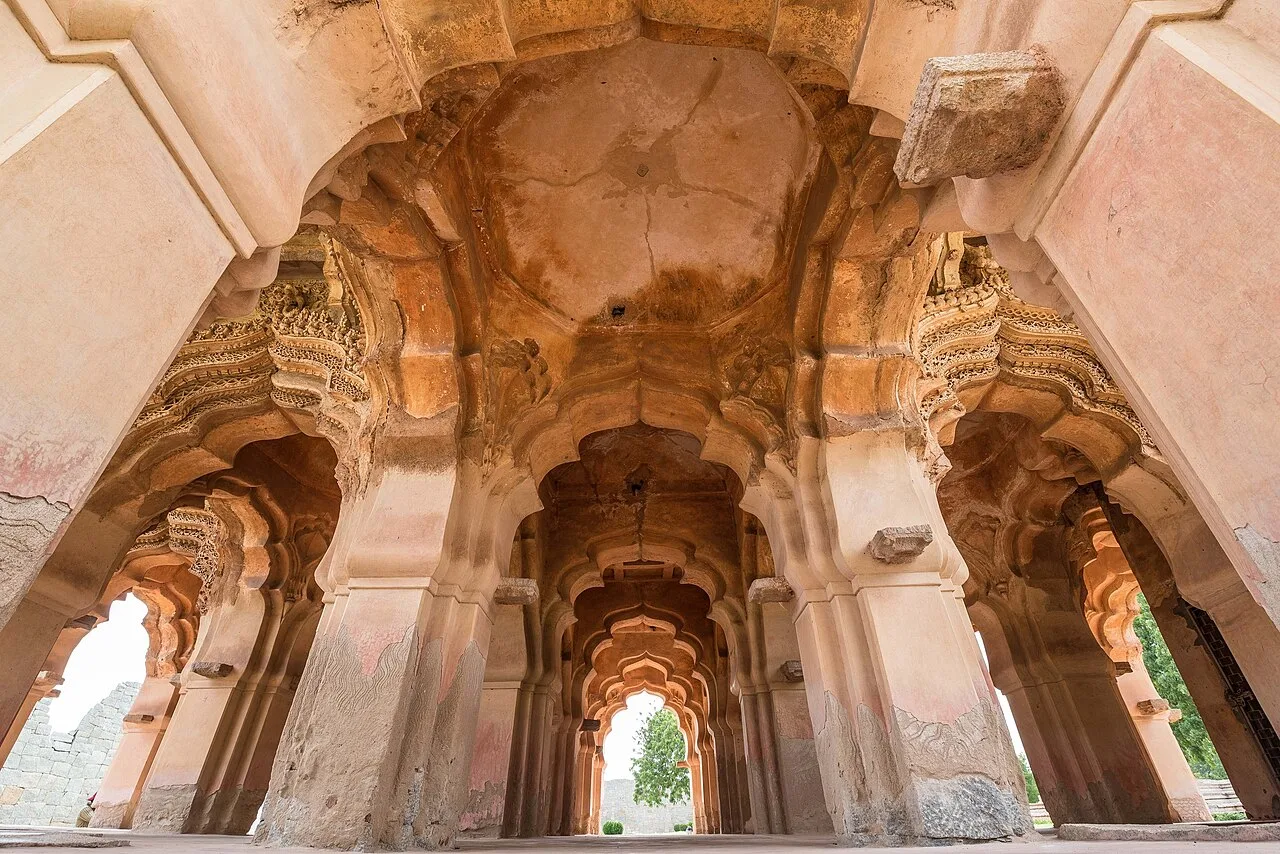
Lotus Mahal, also known as Chitrangini Mahal, is a secular building in Hampi, Karnataka. Visitors come to see its two-storey design, which reflects the architectural tradition of the Vijayanagara Empire.

Matanga Hill

22 km away · Vijayanagara district

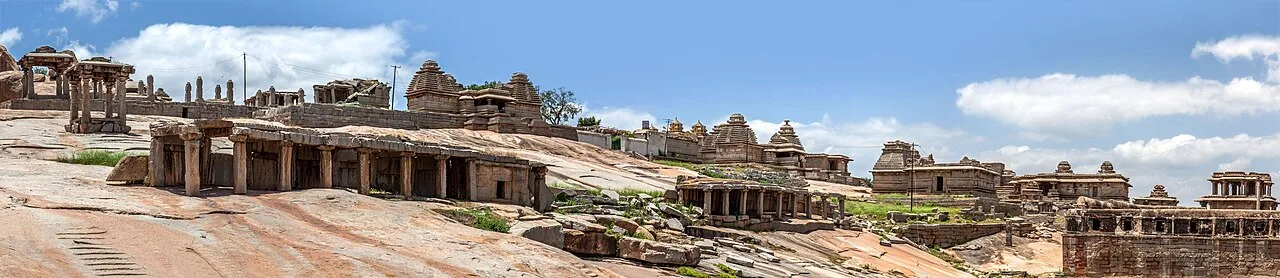
Matanga Hill

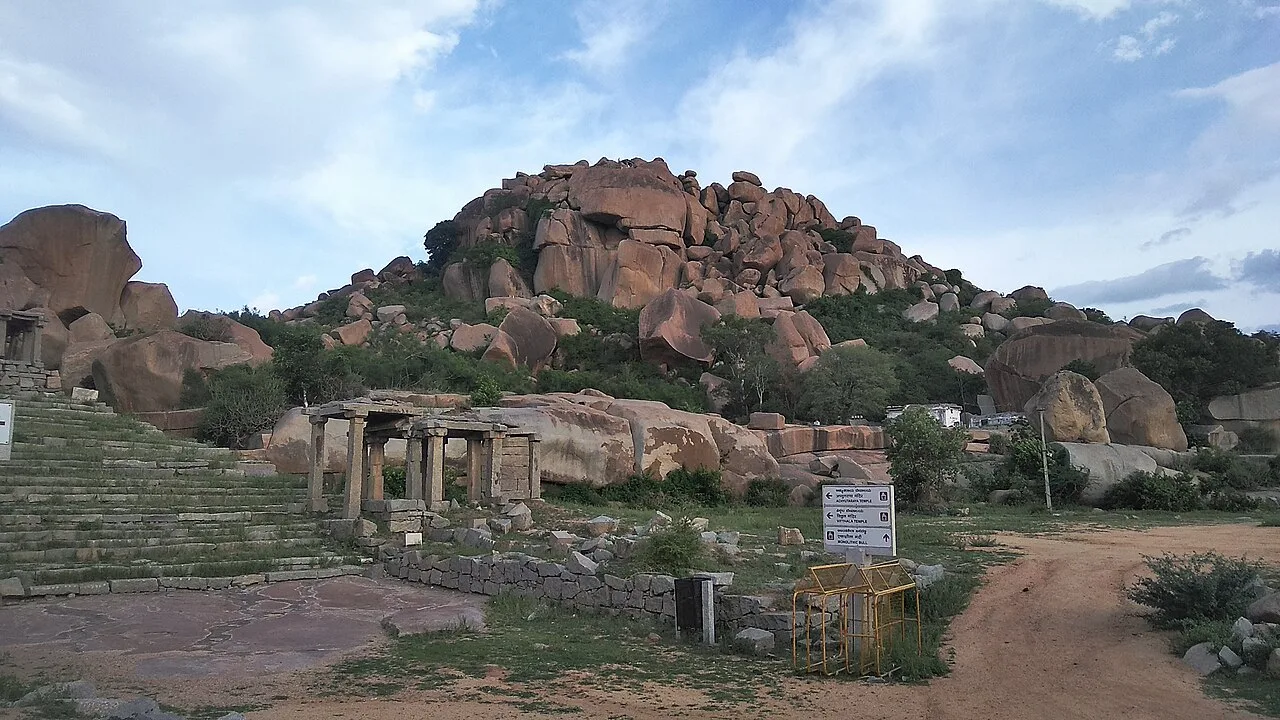
In Hampi, Karnataka’s Vijayanagara district, Matanga Hill is a rocky rise associated with the Ramayana and the former Vijayanagara capital. Visitors explore its religious associations and place in the region’s history.

Anegundi

23 km away · Vijayanagara district

Anegundi

Anegundi is a Karnataka village once known as Kishkindha and considered older than Hampi. Visitors are interested in its historical associations and a nearby ash mound linked by tradition to Vali.

Hampi Monuments

24 km away · Vijayanagara district

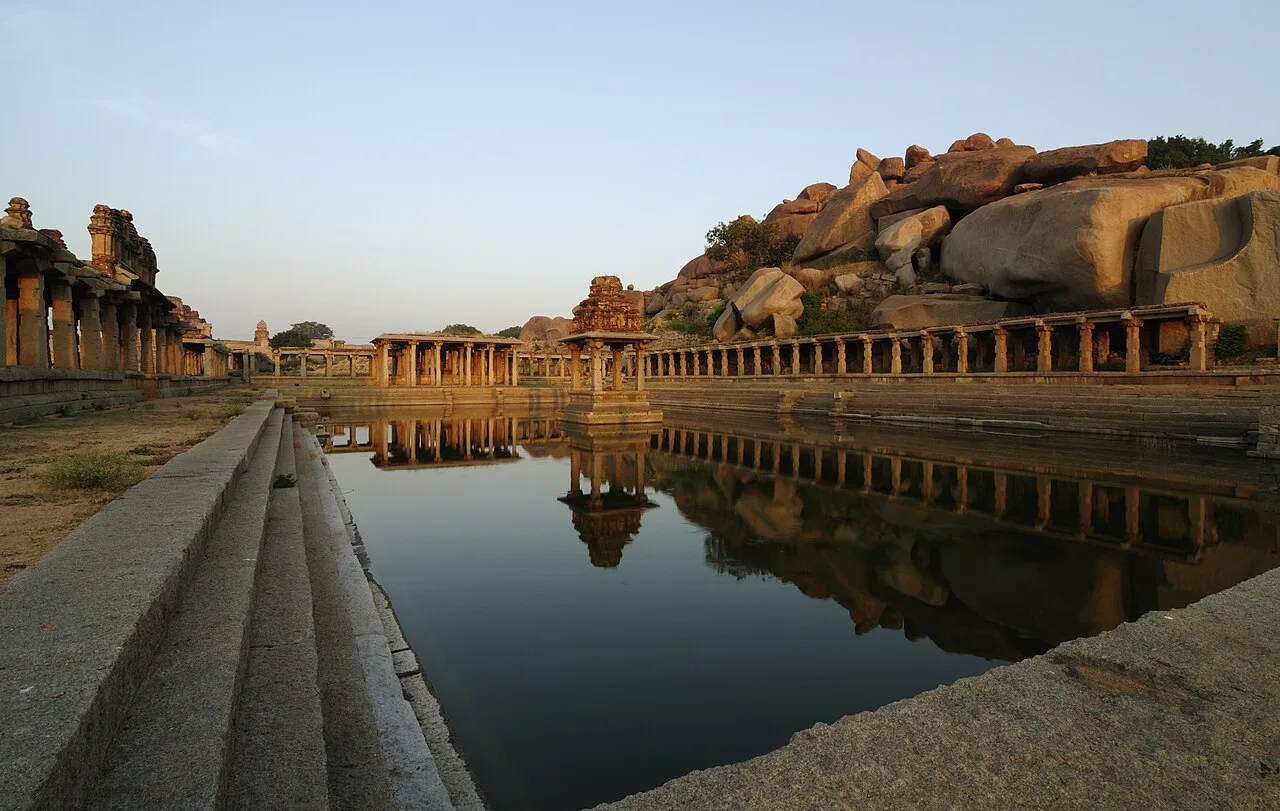
Hampi Monuments

Hampi is a UNESCO-listed archaeological and religious landscape in Karnataka, known for its Vijayanagara-era remains. Visitors come to explore its temples, royal structures and continuing places of worship.

Virupaksha Temple

24 km away · Vijayanagara district

Virupaksha Temple

Set beside the Tungabhadra at Hampi, Virupaksha Temple is a historic Shiva shrine and the site’s principal pilgrimage destination, drawing visitors for its enduring religious significance.

Tungabhadra Dam

35 km away · Vijayanagara district

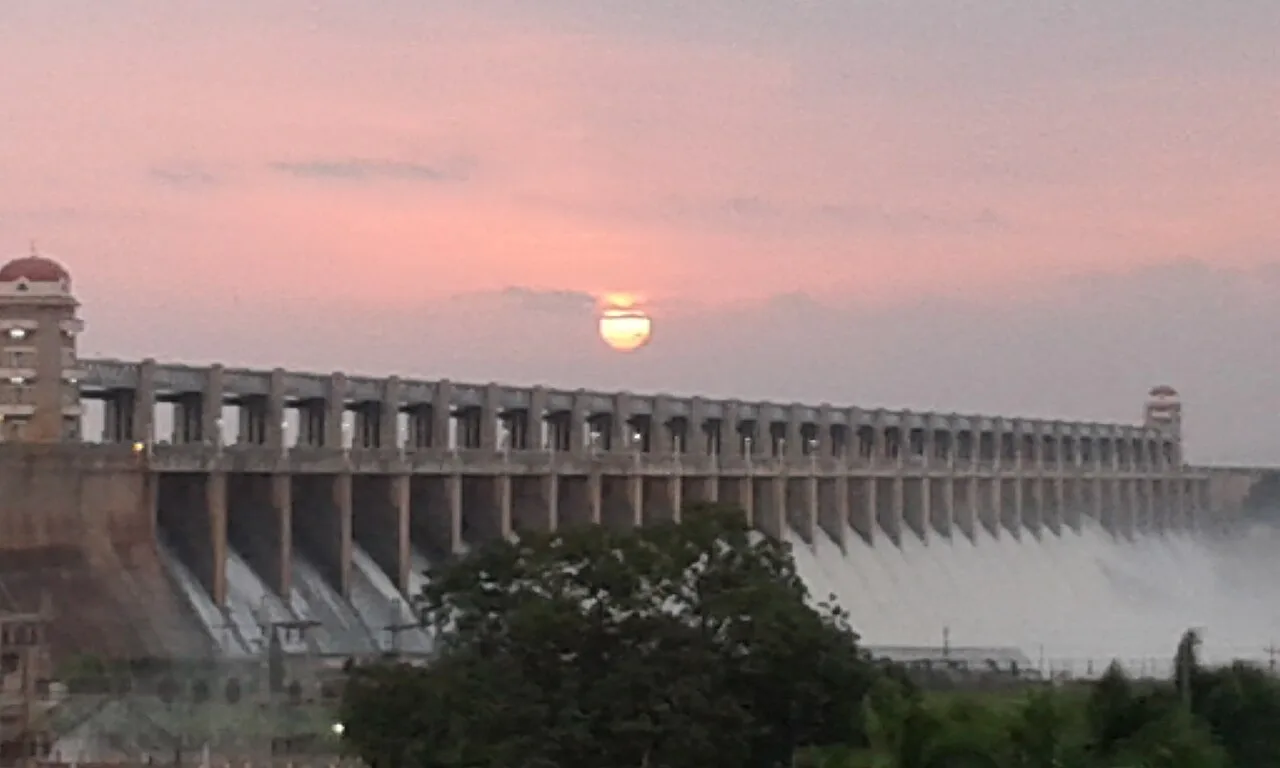
Tungabhadra Dam

Tungabhadra Dam, also known as Pampa Sagar, is a multipurpose reservoir on Karnataka’s Tungabhadra River. Visitors interested in water infrastructure come to see its stone-masonry construction and its role in irrigation, electricity generation and flood management.

54 km away · Chitradurga district

Molakalmuru

Molakalmuru is a taluk in Karnataka’s Chitradurga district, near Andhra Pradesh. People visit the town for its locally produced Molakalmuru sarees and its traditional story explaining the place-name.

Map

Kurikuppi on the map

  1. 1Daroji Sloth Bear Sanctuary
  2. 2Lotus Mahal
  3. 3Matanga Hill
  4. 4Anegundi
  5. 5Hampi Monuments
  6. 6Virupaksha Temple
  7. 7Tungabhadra Dam
  8. 8Molakalmuru

Karnataka

Other cities to explore