Ghumoopedia — Explore, Discover, Experience
Sign in
Baba Budangiri, near Kadur

City guide · Karnataka

Kadur

Kadur is a town and taluk headquarters in the eastern part of Chikkamagaluru district. Its role is practical as well as regional: it serves surrounding villages with markets, transport and everyday services, and its railway and road connections make it a useful stopping point for travel across this part of Karnataka.

Famous for

  • Arecanut and coconut
  • Eastern Chikkamagaluru hub
  • Kadur railway junction
  • Former district headquarters
  • Malenadu rain-shadow landscape

Why Kadur matters

Kadur is a town and taluk headquarters in the eastern part of Chikkamagaluru district. Its role is practical as well as regional: it serves surrounding villages with markets, transport and everyday services, and its railway and road connections make it a useful stopping point for travel across this part of Karnataka. The town is especially associated with arecanut and coconut cultivation, which shape local trade and the surrounding agricultural landscape.

Kadur differs from the wetter Malenadu areas farther west. It lies in a comparatively dry rain-shadow zone, where open countryside and cultivated land replace the dense greenery often associated with Chikkamagaluru district. Visitors may come to experience this less-visited side of the district, shop for local produce or use Kadur as a base for exploring nearby towns and villages. Its historical importance is also notable: it was once the headquarters of a district that later took the name Chikmagalur. Kadur is not chiefly a resort town, but its local commerce, transport links and layered history give it a distinct place in the region.
Famous for: crafts, trade & products

Kadur’s best-known products are agricultural rather than craft-based. Arecanut and coconut are important crops in the surrounding taluk, and their trade is visible in the town’s produce shops and market activity. Local traders and shops are the most practical places to ask about seasonal harvests, grading and buying produce. Coconut also features in everyday cooking and household use. Kadur is not widely associated with a signature textile, handicraft or GI-tagged product, so visitors should not expect a dedicated craft-shopping district.

The central bazaar and commercial streets are the natural places to browse for groceries, farm goods and daily necessities. Small shops sell packaged foods and household items, while eateries offer a taste of everyday Karnataka cooking. Kadur’s importance as a service centre for nearby farming communities is more significant than a specialist retail scene: produce moves through local trade, and the town supports the practical needs of its hinterland. For a closer look at the area’s economy, notice the agricultural goods and activity around the market rather than seeking a formal visitor-oriented craft centre.

History

Inscriptions indicate Jain settlement in the area during the period of the Western Ganga dynasty. Kadur later came under the Hoysalas and the Vijayanagara Empire, followed by the Nayakas of Keladi and the rulers of Mysore. A local story links the town’s name to a sambar deer, called kadave in Kannada: a 14th-century account tells of a chief establishing a fort after an encounter while hunting. This is a traditional explanation of the name rather than a firmly documented origin.

Kadur and nearby Yagati came under Mysore rule, and Yagati was incorporated into Kadur taluk in 1835. During the colonial period, taluk boundaries and headquarters changed several times. Kadur became the district headquarters in the nineteenth century, but that role moved to Chikmagalur in 1865. The district retained the Kadur name for a time before being renamed Chikmagalur district in 1947. Kadur’s modern identity is that of a taluk centre, with agriculture, local commerce and transport connections sustaining its growth.

Food, festivals & culture

Kannada is the main language of daily life in Kadur, while Urdu, Telugu and other languages may also be heard among residents and visitors. Food is broadly rooted in Karnataka home cooking. Meals commonly include rice, lentils, vegetables and coconut-based preparations; ragi mudde and jolada rotti are familiar regional staples, though menus vary between homes and eateries. Holige and Mysore pak are among the sweets visitors may find in local sweet shops, rather than products unique to Kadur.

The town follows Karnataka’s wider festival calendar. Ugadi is celebrated in spring, while Dasara and Deepavali usually fall in autumn; Sankranti brings seasonal observances in January. Muslim residents mark Ramadan and Eid, adding to the town’s varied community life. Religious observance is centred on local places of worship, and temple or community celebrations may include devotional singing, folk drumming and public gatherings. Kannada film music, devotional songs and regional folk traditions are part of the everyday soundscape. Festival events and their scale can vary from year to year, so visitors can ask locally about current celebrations.

Visiting the city

The cooler, generally drier months from October to February are comfortable for exploring; summers can be hot, and monsoon conditions bring changing rainfall. The nearest major airport is Shivamogga Airport, also called Kuvempu Airport; check current flight connections before planning around it. Kadur Junction is the town’s main railway station and a useful arrival point for rail travellers.

Auto-rickshaws and local taxis are convenient for getting around town, while buses connect Kadur with nearby settlements. Begin around the central bazaar for shops and everyday town life, then explore the station area and the agricultural outskirts. Kadur works well as a practical base for visiting villages across the taluk, though local transport is helpful beyond the centre. Carry water and sun protection when travelling through the drier countryside.

Trips from the city

Nearest places to visit from Kadur

Our closest destination guides, by straight-line distance.

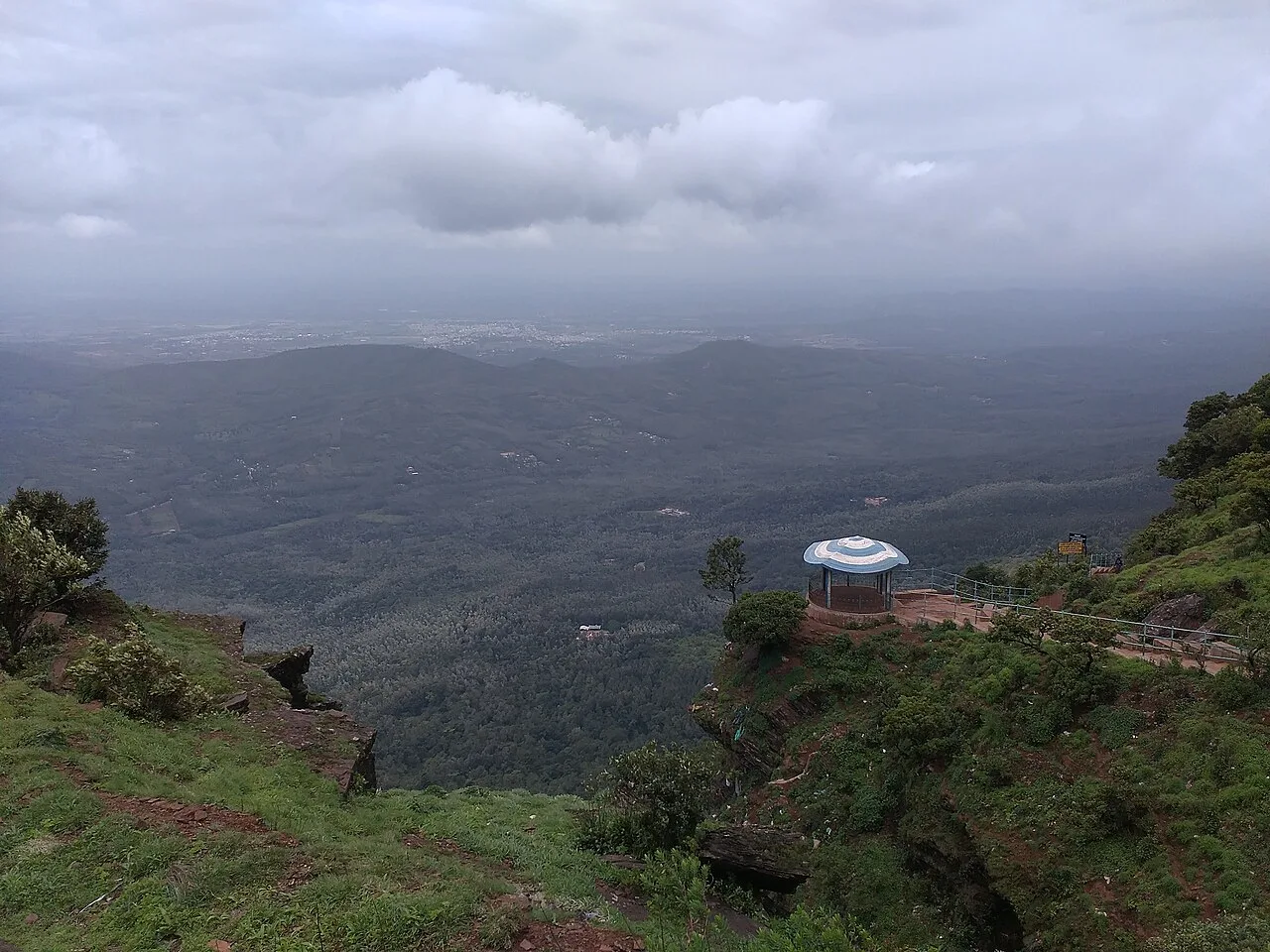
Baba Budangiri

31 km away · Chikkamagaluru district

Baba Budangiri

Baba Budangiri is a Western Ghats hill range in Karnataka, visited for its high peaks, coffee-growing heritage, trekking route and shrine revered by Hindu and Muslim pilgrims.

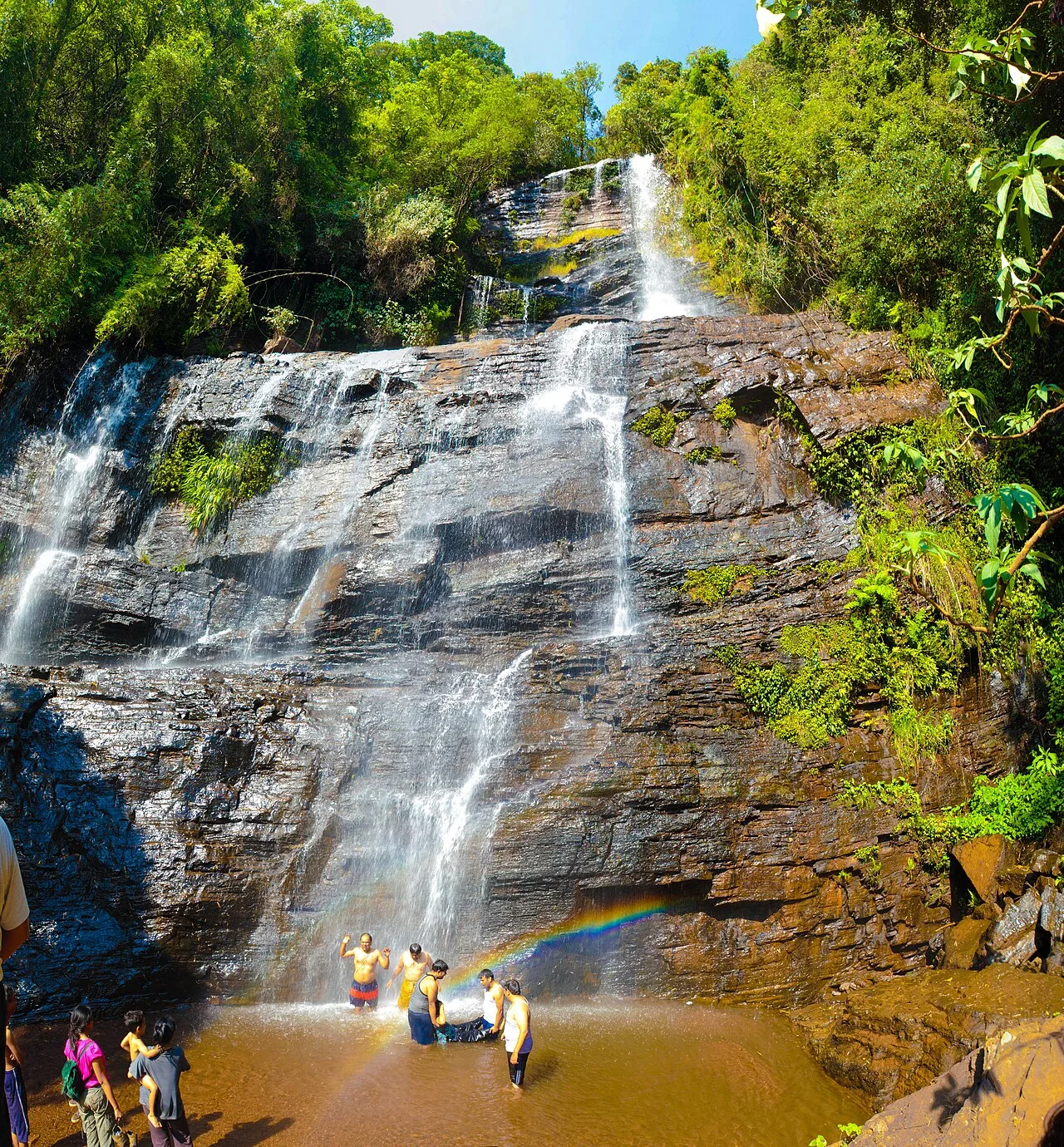
Hebbe Falls

31 km away · Chikkamagaluru district

Hebbe Falls

Set within a coffee estate in Karnataka’s Chikkamagaluru district, Hebbe Falls attracts visitors to see its 551-foot cascade, which divides into two named sections near Kemmangundi.

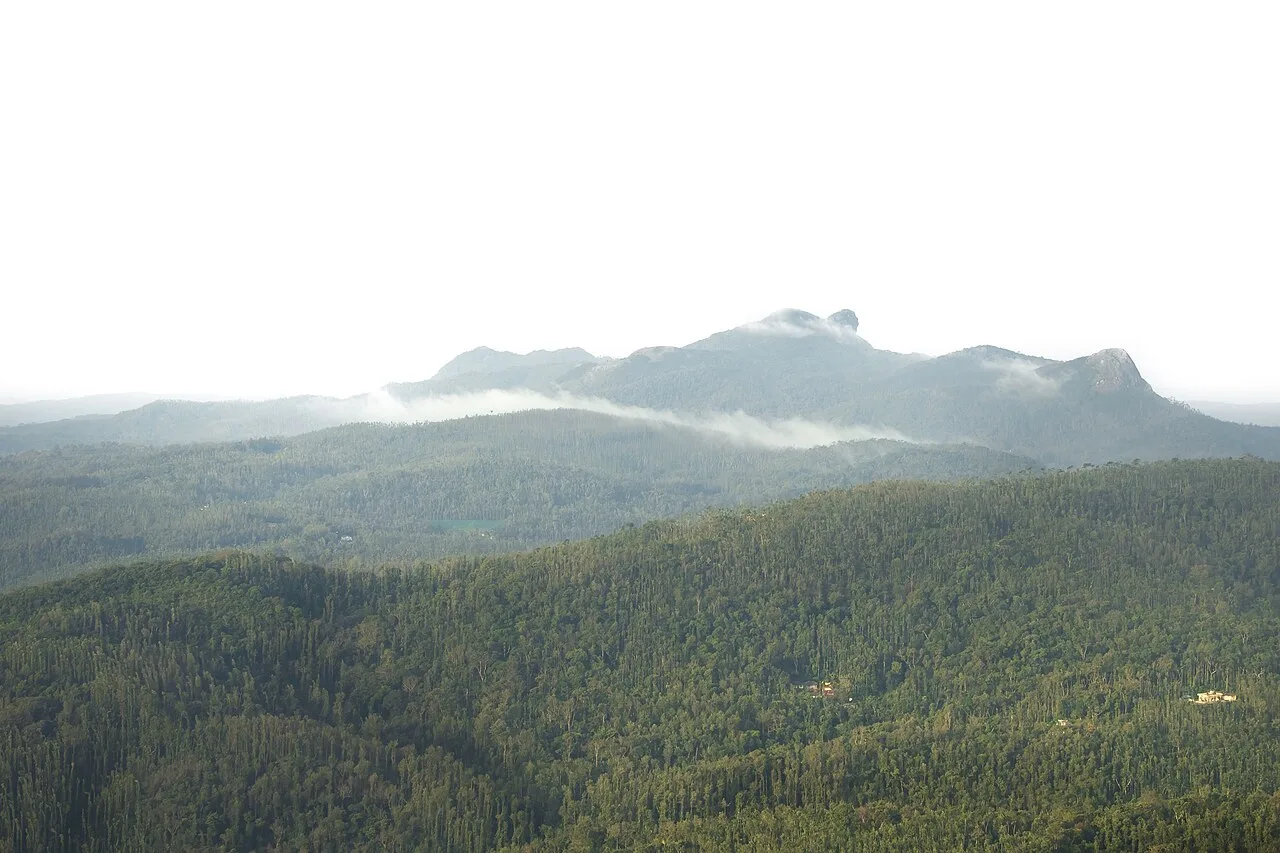
Mullayyanagiri

36 km away · Chikkamagaluru district

Mullayyanagiri

Mullayyanagiri is Karnataka’s highest mountain summit, set in the Western Ghats. People visit to reach its high point and see the small temple there.

Hoysaleswara Temple, Halebidu

38 km away · Hassan district

Hoysaleswara Temple, Halebidu

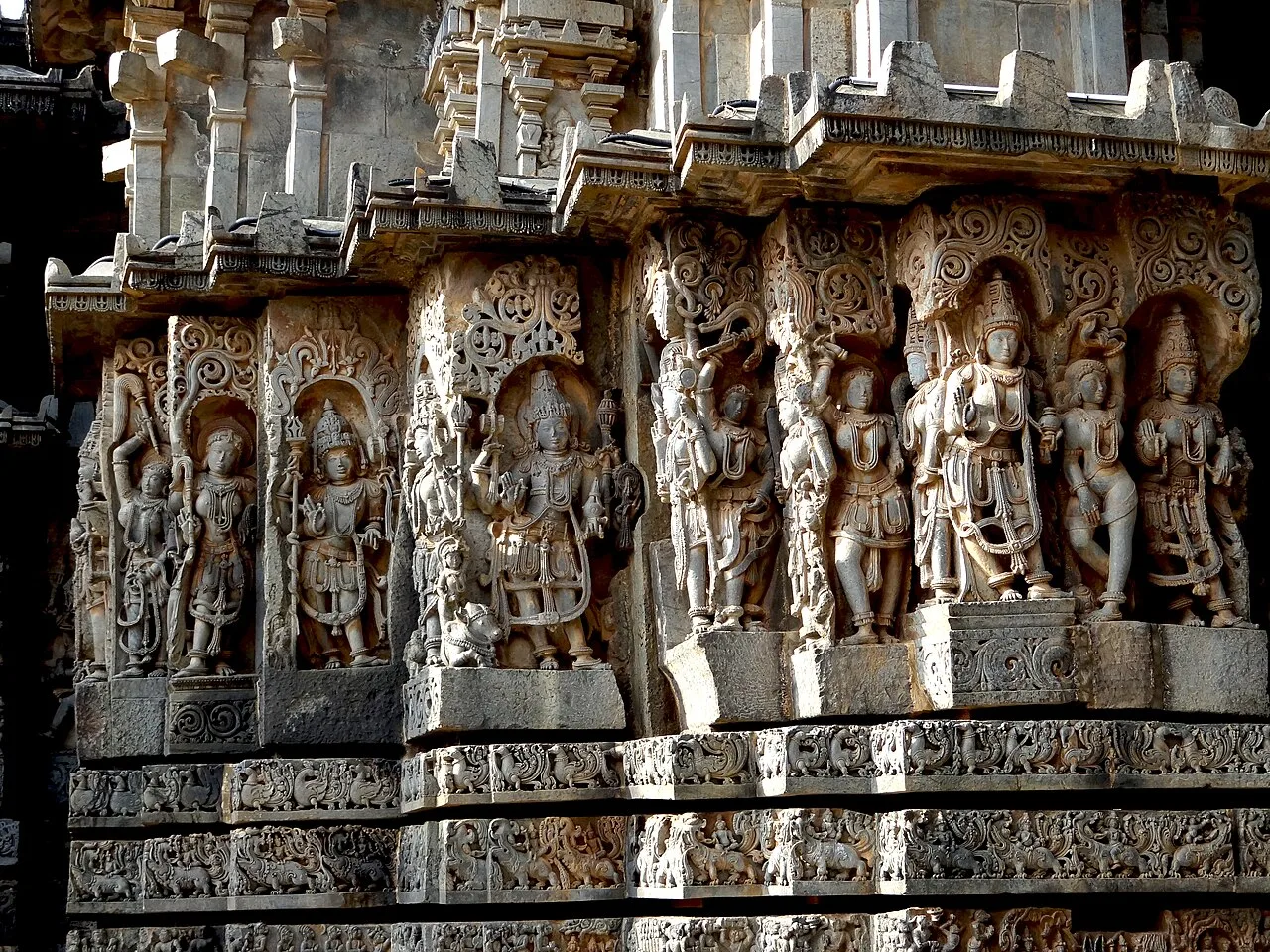
Hoysaleswara Temple is a 12th-century Shaiva monument in Halebidu, Karnataka. Visitors come to see its twin shrines and the extensive stone carvings that portray religious traditions and life in medieval South India.

Chennakeshava Temple, Belur

46 km away · Hassan district

Chennakeshava Temple, Belur

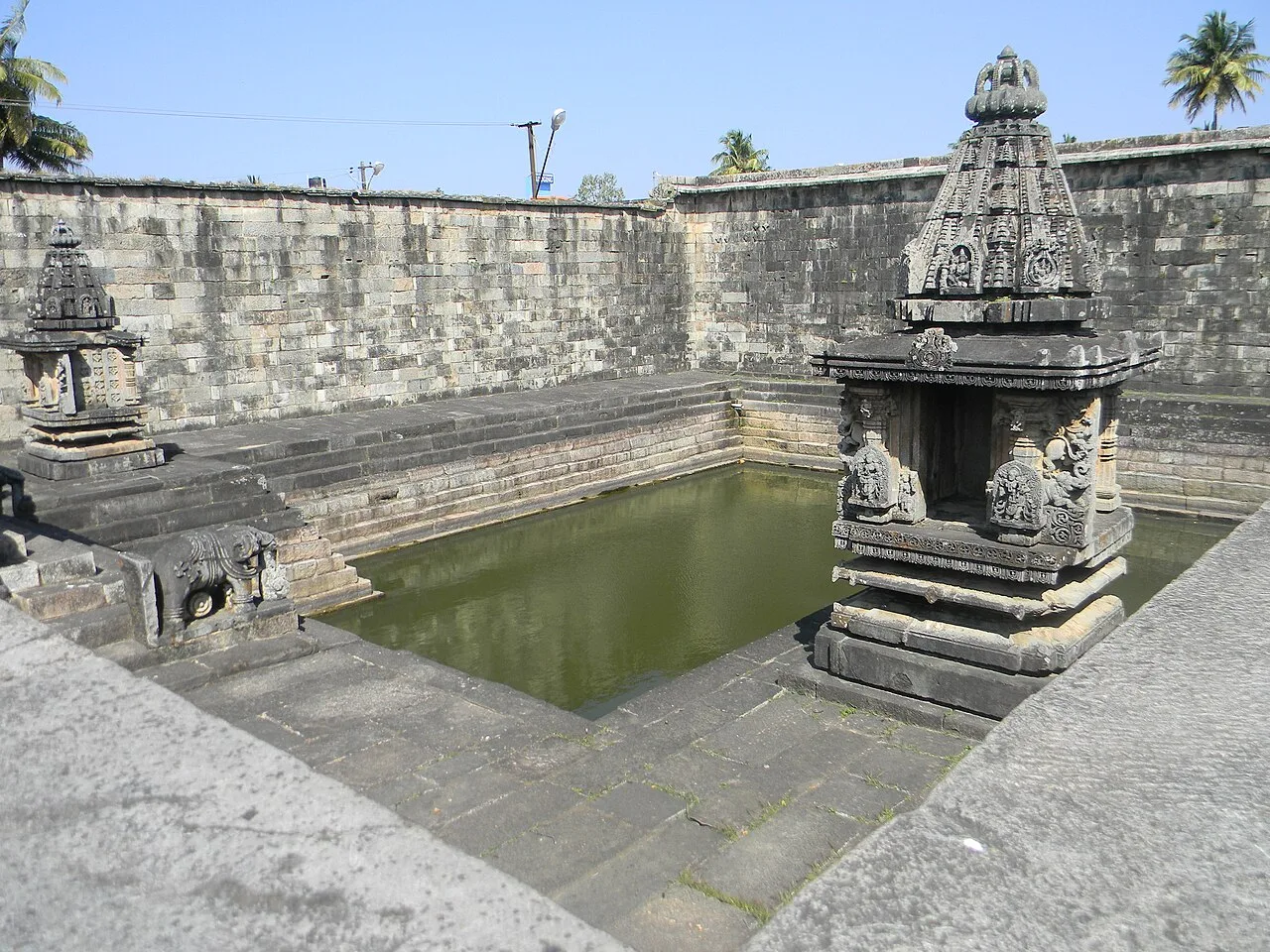
A 12th-century Hindu shrine in Belur, the Chennakeshava Temple is dedicated to Vishnu. Visitors come to see its Hoysala architecture, detailed sculpture and imagery spanning several religious traditions.

Mattur (Sanskrit Village)

61 km away · Shivamogga district

Mattur (Sanskrit Village)

Mattur is a village near Shivamogga in Karnataka, known for the everyday use of Sanskrit and its traditions of Sanskrit and Vedic learning. Visitors come to encounter its distinctive linguistic culture.

Manjarabad Fort

77 km away · Hassan district

Manjarabad Fort

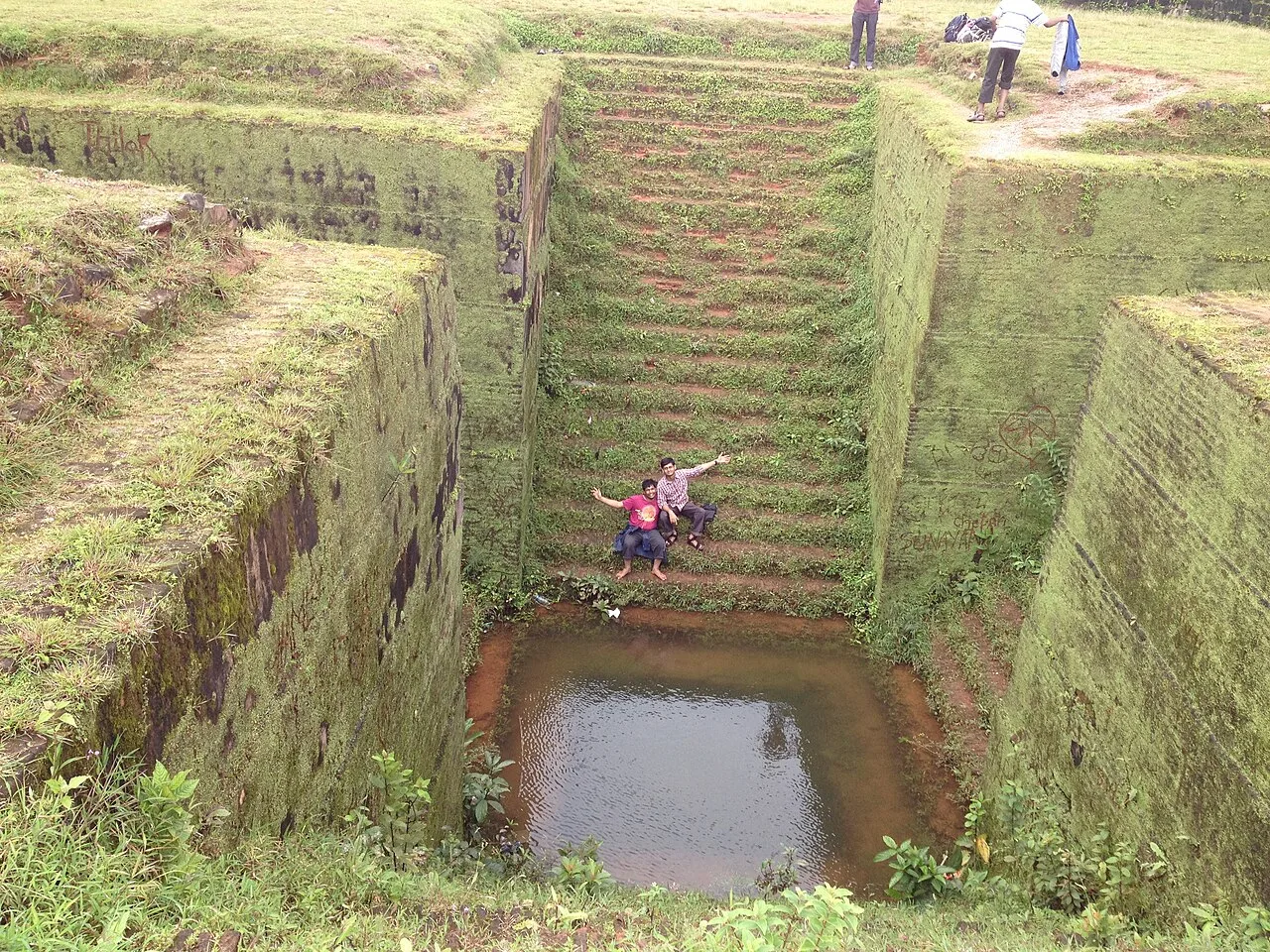
Manjarabad Fort is a star-shaped stronghold in Hassan district, Karnataka, built by Tipu Sultan in 1792. Visitors come to see its distinctive defensive plan and French design influences.

Horanadu Annapoorneshwari Temple

79 km away · Chikkamagaluru district

Horanadu Annapoorneshwari Temple

Horanadu Annapoorneshwari Temple is a religious site in Horanadu, Karnataka. Visitors come to worship at the temple, which gives the village its association with Annapoorneshwari.

Map

Kadur on the map

  1. 1Baba Budangiri
  2. 2Hebbe Falls
  3. 3Mullayyanagiri
  4. 4Hoysaleswara Temple, Halebidu
  5. 5Chennakeshava Temple, Belur
  6. 6Mattur (Sanskrit Village)
  7. 7Manjarabad Fort
  8. 8Horanadu Annapoorneshwari Temple

Karnataka

Other cities to explore