Ghumoopedia — Explore, Discover, Experience
Sign in
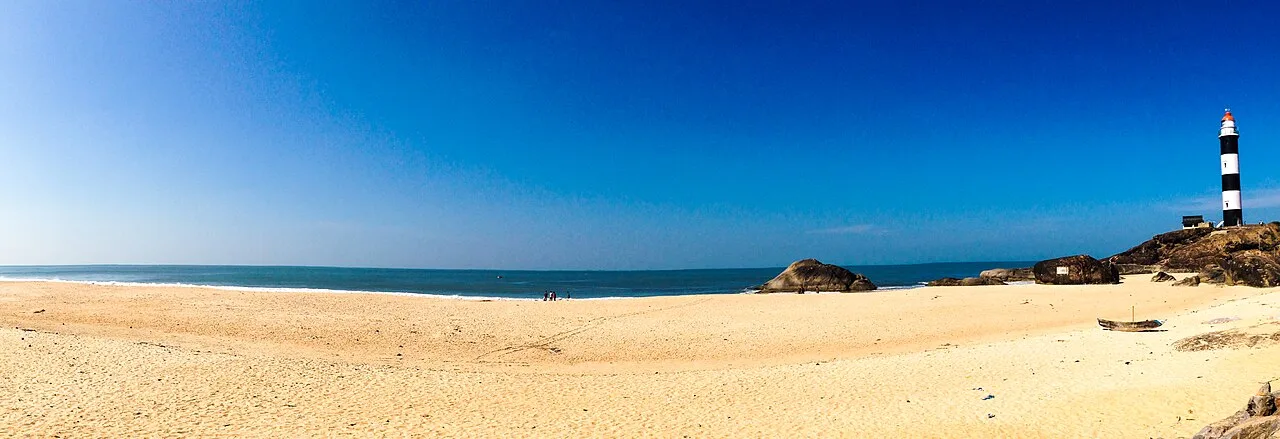
Kaup Beach and Lighthouse, near Mulki

City guide · Karnataka

Mulki

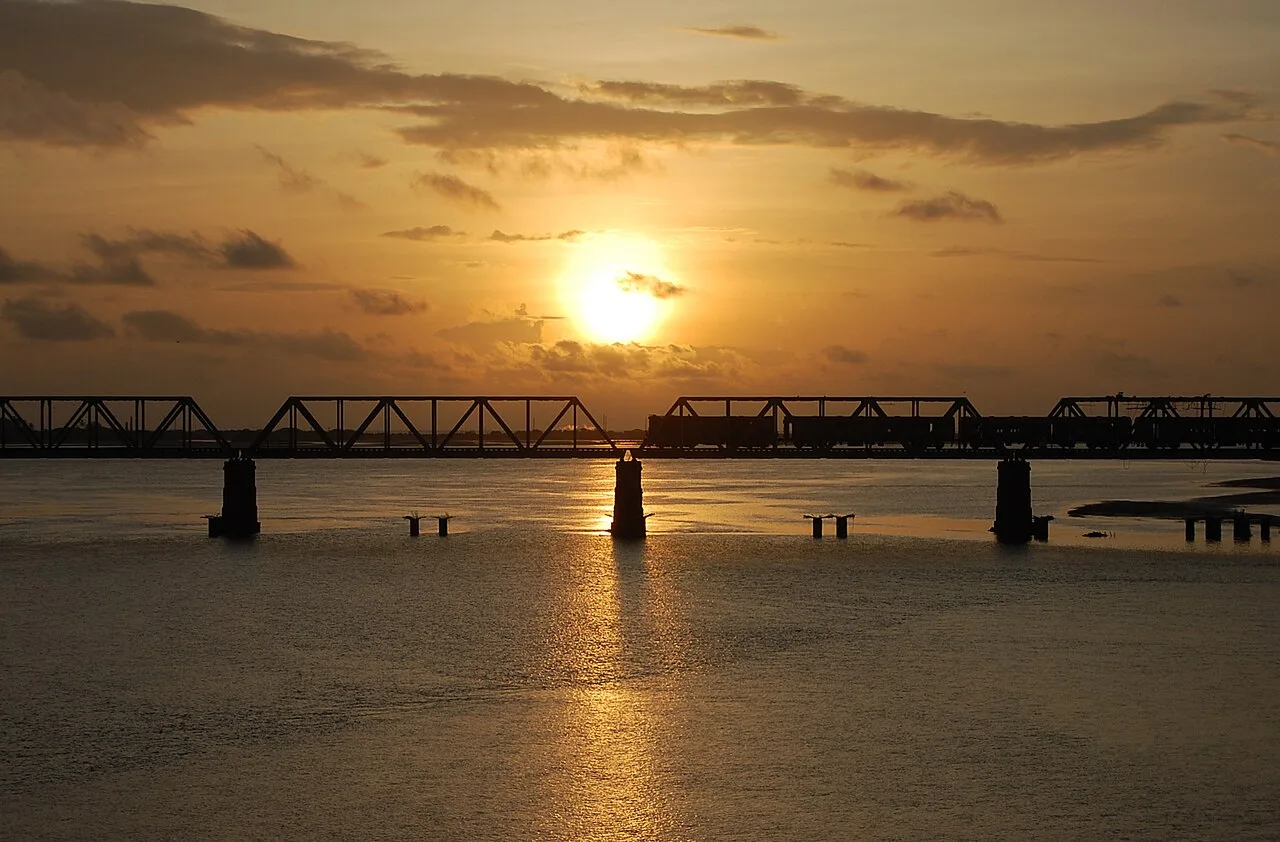
Mulki is a small coastal town in Dakshina Kannada, north of Mangaluru, where the Shambhavi River meets the Arabian Sea. Its position between river, estuary and coast gives it a distinctive landscape and links it to the wider Kanara region.

Famous for

  • Shambhavi River estuary
  • Sri Lakshmi Venkatesha Temple
  • Coastal surfing and paddling
  • Savant royal heritage
  • Tulu-Kannada coastal culture

Why Mulki matters

Mulki is a small coastal town in Dakshina Kannada, north of Mangaluru, where the Shambhavi River meets the Arabian Sea. Its position between river, estuary and coast gives it a distinctive landscape and links it to the wider Kanara region. The town serves local communities and visitors travelling between Mangaluru and the northern coast.

Visitors come for the historic Sri Lakshmi Venkatesha Temple, the town’s association with the Savant rulers, and opportunities for water-based activities on the Shambhavi and nearby coast. Mulki is also known as a base for surfing and paddling, although conditions depend on the season and local operators. Karnad and Padupanambur add historical interest, while the riverbanks offer a quieter way to experience the coastal setting. Mulki’s significance is less about a large-city attraction than its blend of religious heritage, river geography and contemporary outdoor tourism. Its location near Surathkal and Mangaluru makes it a useful stop or short stay on a coastal Karnataka journey.
Famous for: crafts, trade & products

Mulki is not especially associated with a signature textile, handicraft or GI-tagged product. Its identity is more closely tied to the Shambhavi estuary, the Sri Lakshmi Venkatesha Temple and the surrounding coastal landscape. Agriculture and industry are part of the wider Kanara region, but visitors should not expect a single locally branded product or specialist craft market to define the town.

For everyday shopping, look around the central town’s local shops and market area for household goods, provisions and regional foods. These are practical places to see local commerce rather than destinations for a particular craft tradition. The temple, locally called SLVT, is an important religious and cultural institution and a focal point for community activity. Mulki’s contemporary visitor economy also includes water-sports and surf-related services; arrangements and activities vary, so check locally before planning. For a broader selection of regional goods, larger commercial centres in Mangaluru offer more choice. Visitors interested in local history can ask about the Savant rulers and the book Mulkiya Savantaru, which documents the dynasty and the town’s past.

History

The area around present-day Mulki was once known as Volalanke or Olalanke, a name associated with land surrounded by the Shambhavi River. Accounts describe the river following a different course centuries ago; as it shifted, land emerged and became connected to the mainland. Karnad, now part of the town’s historical landscape, was a riverside trading centre. Foreign travellers’ accounts from the sixteenth and seventeenth centuries describe the area as inundated or shaped by the river.

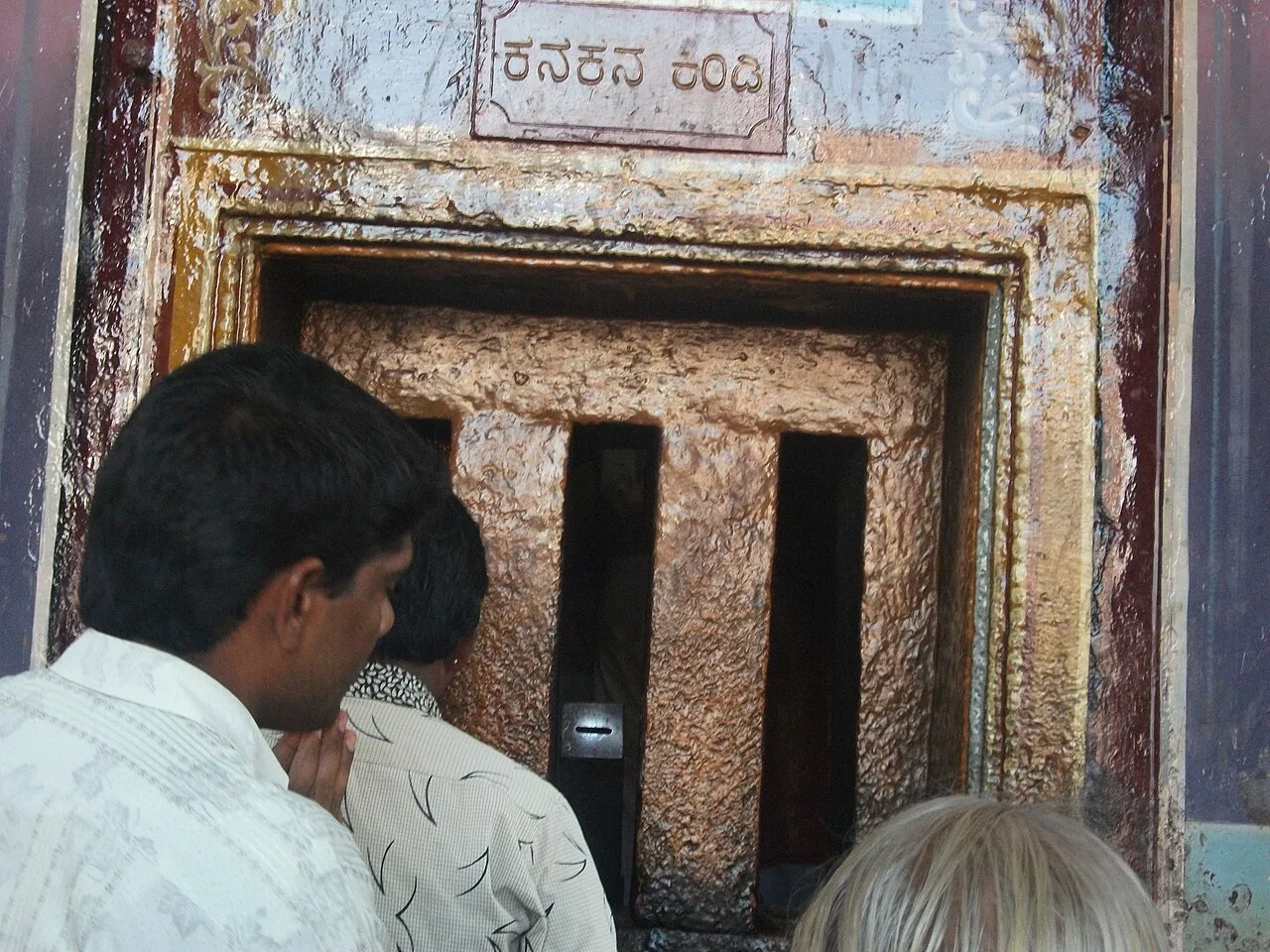
The Savant dynasty ruled the region from the fourteenth to the eighteenth century. Its capital moved from Elingje to Seemanthoor and later to Padupanambur, where the royal family is said to continue residing. The history of the rulers and region is recorded in Mulkiya Savantaru by folk scholar Muddu Moodubelle. Local tradition links the sixteenth-century saint-poet Kanakadasa with a visit and the name Mulki, though explanations of the name differ. The town developed as the river’s course changed and the settlement expanded. It is now a panchayat town within Mangaluru Taluk and part of the wider coastal region shaped by modern transport, services and tourism.

Food, festivals & culture

Mulki’s everyday culture reflects the coastal communities of Dakshina Kannada. Kannada and Tulu are widely used, alongside other languages found in the region. Coastal Karnataka cooking commonly features rice, coconut, seafood and bold spice blends; visitors may find fish curries, neer dosa and regional preparations such as kori rotti in local eateries. Menus and availability vary, and vegetarian meals are also part of the area’s food traditions.

The Sri Lakshmi Venkatesha Temple, dedicated to Venkatesha, a form of Vishnu, is a major religious and cultural centre. Its rituals and community celebrations follow the temple calendar. Navaratri, Deepavali and other Hindu festivals are observed in the wider region, with dates changing according to the lunar calendar. Yakshagana, the region’s colourful music-and-dance theatre, is part of the broader cultural life of coastal Karnataka and may be staged during festival periods or special events. The town’s cultural character also comes through in its river and sea connections, local temple traditions and the continuing memory of the Savant rulers.

Visiting the city

The drier months, broadly from November to February, are generally comfortable for exploring Mulki and spending time outdoors. The monsoon brings heavy rain and can affect coastal activities; check local conditions before planning water sports. Mangaluru International Airport is the nearest airport serving the area. Mulki Railway Station provides rail access, while Mangaluru Central is a larger station for connections around the region.

Auto-rickshaws and local taxis are useful for short trips; confirm transport availability locally, especially for quieter river and coastal areas. In town, visit the Sri Lakshmi Venkatesha Temple and explore the central streets. Karnad offers a connection to Mulki’s riverside history, while Padupanambur is associated with the Savant rulers. The Shambhavi riverfront and nearby coast are the main areas for scenery and outdoor activities. Respect temple customs and check conditions with local operators before entering the water.

Trips from the city

Nearest places to visit from Mulki

Our closest destination guides, by straight-line distance.

Kaup Beach and Lighthouse

16 km away · Udupi district

Kaup Beach and Lighthouse

Kaup Beach and Lighthouse is a coastal destination in Karnataka’s Udupi district, visited for its beach, historic lighthouse, fort and three Mariamman shrines.

Tannirbhavi Beach

22 km away · Dakshina Kannada district

Tannirbhavi Beach

Tannirbhavi Beach is a coastal destination in Mangaluru, visited for its shoreline, nearby attractions and access by road or ferry.

Kudroli Gokarnanatha Temple

24 km away · Dakshina Kannada district

Kudroli Gokarnanatha Temple

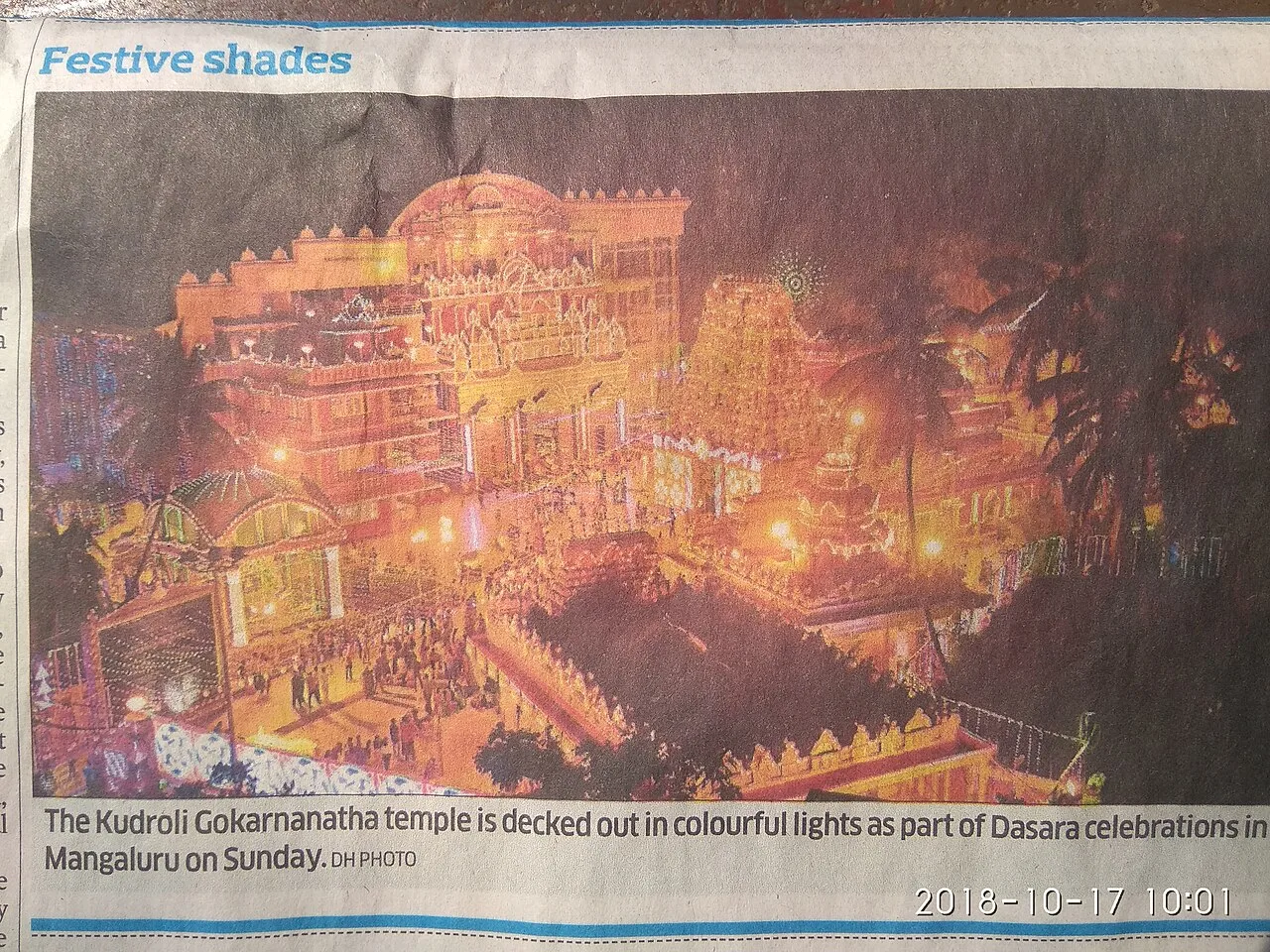
In Mangalore’s Kudroli neighbourhood, this Shiva shrine is also called Kudroli Sri Gokarnanatha Kshetra. Visitors come for its religious importance and tower murals depicting Hindu stories.

St. Aloysius Chapel

25 km away · Dakshina Kannada district

St. Aloysius Chapel

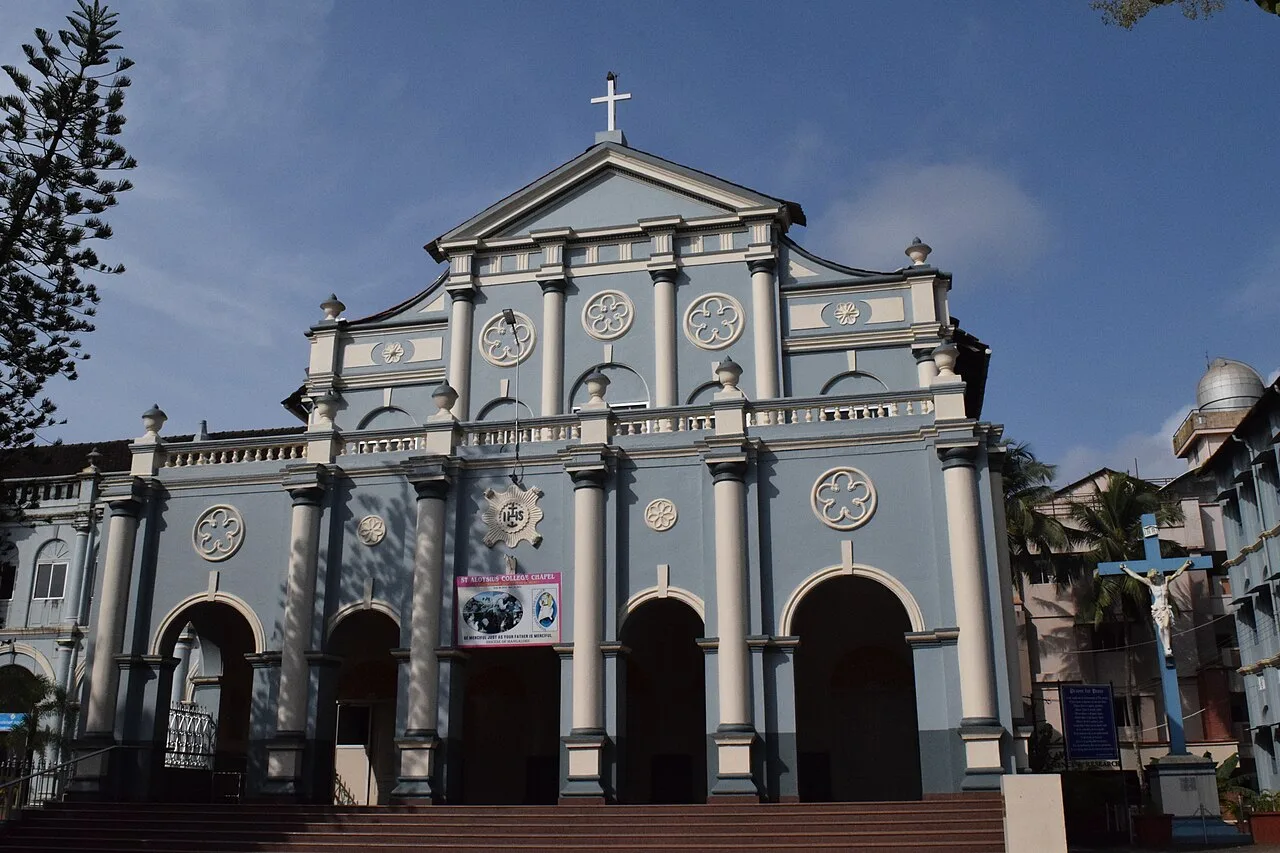
St. Aloysius Chapel is a Catholic place of worship in Mangalore, Karnataka, on Lighthouse Hill. Visitors come to see the chapel associated with St. Aloysius College, in the centre of the city.

Mangaladevi Temple

27 km away · Dakshina Kannada district

Mangaladevi Temple

Mangaladevi Temple is a Hindu shrine in Bolara, Mangaluru, dedicated to Shakti as Mangaladevi. People visit to worship the seated deity and other deities honoured there.

Udupi Sri Krishna Matha

27 km away · Udupi district

Udupi Sri Krishna Matha

Udupi Sri Krishna Matha is a historic Hindu place of worship in Udupi, Karnataka, associated with Krishna and Dvaita Matha. Visitors come to worship in its ashram-like setting.

Pilikula Nisargadhama, Mangalore

29 km away · Dakshina Kannada district

Pilikula Nisargadhama, Mangalore

Pilikula Nisargadhama, also called Nisarga Dhama, is a multi-purpose attraction in Mangaluru, Karnataka. Visitors come for the range of facilities available at the site.

Ullal Beach

31 km away · Dakshina Kannada district

Ullal Beach

Ullal Beach lies beside the historic coastal city of Ullal in Karnataka. Visitors come for its shore and nearby temples, churches and sites linked with Queen Abbakka.

Map

Mulki on the map

  1. 1Kaup Beach and Lighthouse
  2. 2Tannirbhavi Beach
  3. 3Kudroli Gokarnanatha Temple
  4. 4St. Aloysius Chapel
  5. 5Mangaladevi Temple
  6. 6Udupi Sri Krishna Matha
  7. 7Pilikula Nisargadhama, Mangalore
  8. 8Ullal Beach

Karnataka

Other cities to explore