
Ghumoopedia — Explore, Discover, Experience
Sign in
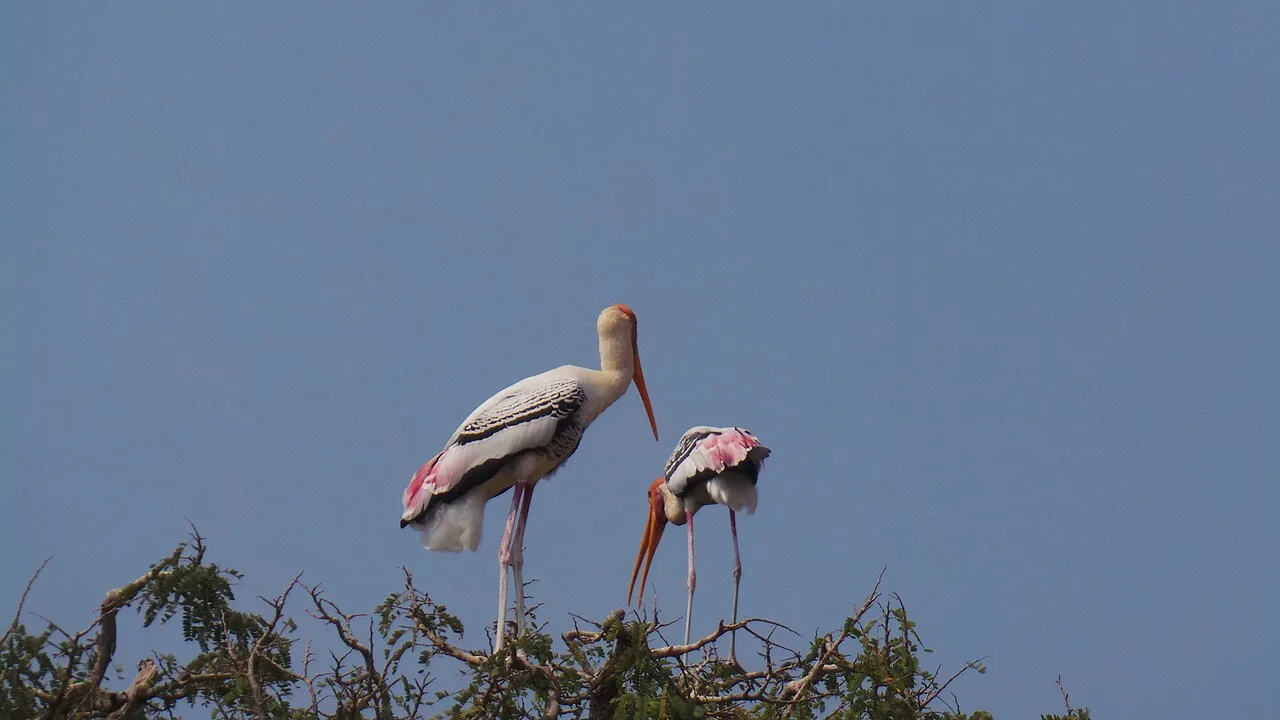
Kokrebellur, near Maddur

City guide · Karnataka

Maddur

Maddur is a town and taluk centre in Mandya district, Karnataka, set beside the Shimsha River. Its position between Bengaluru and Mysuru—about 82 kilometres from Bengaluru and 60 kilometres from Mysuru—gives it a practical role as a stop on one of southern Karnataka’s main travel corridors and as a service centre for surrounding settlements.

Famous for

  • Maddur vada
  • Shimsha River
  • Bengaluru–Mysuru corridor
  • Local Narasimha temple
In the city
1
District
Mandya

Why Maddur matters

Maddur is a town and taluk centre in Mandya district, Karnataka, set beside the Shimsha River. Its position between Bengaluru and Mysuru—about 82 kilometres from Bengaluru and 60 kilometres from Mysuru—gives it a practical role as a stop on one of southern Karnataka’s main travel corridors and as a service centre for surrounding settlements. The town is also connected to the wider region by road and rail.

For many visitors, Maddur is best known for Maddur vada, a crisp, savoury snack associated with the town and sold at local eateries. Its food stalls make a convenient pause for people travelling between the two cities, while the river and local places of worship offer a quieter glimpse of everyday life in the Mandya region. Maddur is not primarily a resort destination; its appeal lies in its distinctive food, its regional connections and its role as a small-town hub. Visitors can combine a stop for vada with a walk through the town centre and a visit to a local temple.

Famous for: crafts, trade & products

Maddur’s best-known local product is Maddur vada, a savoury fried snack made with a crisp exterior and a soft, flavourful centre. It is commonly available at bakeries, snack shops, restaurants and roadside eateries in and around the town, making the town centre and the Bengaluru–Mysuru road corridor convenient places to try it. Some visitors buy it as a travel snack, though availability and preparation can vary between shops.

Maddur is not especially known as a centre for silk, textiles or a particular handicraft, and its vada should not be described as a GI-tagged product without confirmation. The town’s wider commercial role is practical and local: shops and markets serve residents of Maddur and nearby settlements, while administrative and other everyday services make it a taluk hub. The surrounding Mandya region has an agricultural character, and local trade reflects the needs of that hinterland. For visitors, the most direct way to encounter Maddur’s food identity is to look for vada at established local snack outlets or eateries near the town centre and along the main travel route.

History

Maddur grew as a settlement beside the Shimsha River in the historic Mysore region. The wider area was associated with the Mysore kingdom and later formed part of the princely state of Mysore under British paramountcy. As with many towns in this region, its development was shaped by local administration, agriculture and connections between larger centres; detailed claims about particular rulers or dates in Maddur’s own history require care.

In modern times, Maddur became an administrative centre for its taluk within Mandya district. Its position between Bengaluru and Mysuru has supported movement of people and goods, with road and rail connections linking it to both cities and to nearby towns. These links helped sustain its role as a market and service centre rather than transforming it into a large industrial destination. Today, the town’s regional importance rests on that combination of administration, local commerce and transport access, alongside its enduring association with Maddur vada.

Food, festivals & culture

Food is central to Maddur’s public identity: Maddur vada is the town’s signature snack, often enjoyed with tea or as a quick stop on a journey. Local eateries also serve familiar Karnataka meals and snacks. Kannada is the main language of everyday life; English and other languages may be heard in shops and among travellers passing through.

The town shares the religious calendar of the wider region. Ugadi, usually in spring, Deepavali in autumn, and Sankranti in January are widely observed, while Dasara brings seasonal celebrations associated with Karnataka. Local temple worship and festivals add a more neighbourhood-focused rhythm to the year. The Narasimha Swamy temple is among the town’s places of worship; visitors should be respectful of prayer times and local customs. Devotional singing and regional folk forms are part of the broader cultural setting, alongside music and dance traditions seen at community and festival gatherings. Maddur’s culture is best experienced through its food, market streets and active religious life rather than through a single large annual event.

Visiting the city

October to February is generally a comfortable time to visit, with milder weather than the hotter months. Maddur is roughly 82 kilometres from Bengaluru and 60 kilometres from Mysuru. The nearest major airport is Kempegowda International Airport in Bengaluru; Maddur railway station serves the town on the Bengaluru–Mysuru rail corridor. Buses, trains and road connections make it possible to reach the town from either city.

Auto-rickshaws and local vehicles are useful for getting around town. Start around the central market and town streets for local shops and Maddur vada, then explore the temple area or the vicinity of the Shimsha River. Eateries along the main road are convenient for travellers, while the town centre offers a more everyday view of local life. Check locally for access conditions at places of worship.

Attractions

Places to visit in Maddur

Sights within about 12 km of each other, even when they fall in different districts.

Map

Maddur on the map

  1. 1Kokrebellur

Karnataka

Other cities to explore