Ghumoopedia — Explore, Discover, Experience
Sign in
Kokrebellur, near Mandya

City guide · Karnataka

Mandya

Mandya is the administrative headquarters of Mandya district and a busy service and trading centre in southern Karnataka. Its location between Mysuru and Bengaluru places it on a well-travelled route, while its surrounding countryside is shaped by irrigated fields and sugarcane cultivation.

Famous for

  • Sugarcane cultivation
  • Mandya jaggery
  • Sugar production
  • Krishna Raja Sagara
  • Melukote temple visits

Why Mandya matters

Mandya is the administrative headquarters of Mandya district and a busy service and trading centre in southern Karnataka. Its location between Mysuru and Bengaluru places it on a well-travelled route, while its surrounding countryside is shaped by irrigated fields and sugarcane cultivation. The city is widely called Sakkare Nagara, or Sugar City, reflecting the importance of sugar and jaggery production to the local economy.

Visitors use Mandya as a base for exploring the wider district, including the Krishna Raja Sagara reservoir and Brindavan Gardens, the temple town of Melukote, and historic Srirangapatna. The KRS irrigation system helped transform agriculture in the region, and the reservoir remains one of its best-known landmarks. In and around Mandya, jaggery-making and local markets offer a glimpse of the area’s farm-based trade. The city itself is primarily a practical regional hub, with shops, eateries and district services, rather than a resort destination. Kannada culture, agricultural traditions and access to nearby heritage sites give Mandya its distinctive place in Karnataka.
Famous for: crafts, trade & products

Mandya is best known for sugarcane, sugar production and jaggery. The district is included in the Government of India’s One District One Product programme for jaggery, a traditional product made by boiling freshly pressed sugarcane juice. Small and larger processing businesses operate across the region, and visitors can look for locally made jaggery at shops and produce sellers in Mandya’s central market areas. Some processing units in the surrounding countryside may offer a closer look at production, but visits should be arranged in advance.

Sugar factories and agriculture-related businesses are important parts of the local economy. The KRS reservoir and its irrigation network underpin much of the district’s farming, including sugarcane cultivation. Mandya is not especially known as a textile or handicraft centre, and visitors should not expect a specialised saree market or a major craft district. Instead, its commercial streets are useful for everyday goods and regional food products. Jaggery is sold in different forms, including blocks, and makes a practical local purchase. The city’s shops and eateries also reflect its role as a service centre for nearby farming communities.

History

The Mandya region has passed through the hands of several South Indian powers, including the Gangas, Cholas, Hoysalas and rulers of Vijayanagara. In later centuries it formed part of the Kingdom of Mysore. During the colonial era, Mysore remained a princely state under British paramountcy, and Mandya developed within that political and administrative setting.

Modern growth was closely connected to irrigation and agriculture. The Krishna Raja Sagara reservoir, built under the patronage of Krishnaraja Wadiyar IV with engineer M. Visvesvaraya, was opened in 1932. Its canals brought dependable irrigation to parts of the region, encouraging changes in cropping and strengthening sugarcane cultivation. Sugar and jaggery production subsequently became important to the local economy. Mandya grew as a district headquarters, bringing government offices, services and trade into the city. Its agricultural identity remains visible in the surrounding fields and local commerce. The district also has a significant Jain heritage: archaeological excavations at Arthipura, near Maddur, have uncovered historic images of Bahubali.

Food, festivals & culture

Kannada is the principal language of Mandya and is heard in homes, markets and public life. The city’s everyday food reflects the agricultural character of southern Karnataka: rice dishes, idli, dosa, ragi mudde and saaru are common choices. Jaggery appears in sweets and snacks, and locally produced blocks are a familiar regional product. Sugarcane juice is also associated with the area, especially during the warmer months. Restaurants and small eateries serve a mix of Karnataka meals and popular South Indian fare.

Ugadi is celebrated in spring, while Dasara and Deepavali usually fall in autumn; Sankranti in January is another important seasonal festival. Temple fairs and local celebrations bring nearby communities together during the year. Folk performance traditions such as dollu kunitha and veeragase are part of the wider Karnataka cultural landscape and may be seen at festivals and public events. Mandya has Hindu temples as well as mosques and churches serving its diverse communities. The nearby temple centres of Melukote and Srirangapatna are especially rewarding for visitors interested in worship, architecture and regional history.

Visiting the city

The cooler, drier months from about October to February are generally comfortable for exploring Mandya and its surroundings. Summers can be hot, while the monsoon brings rain that may affect outdoor plans. Mysuru Airport is the nearest airport; Bengaluru’s Kempegowda International Airport has a wider range of air connections. Mandya Railway Station lies on the Bengaluru–Mysuru rail corridor, and buses also connect the city with nearby towns.

Auto-rickshaws and local taxis are useful for getting around town, while a hired vehicle can make visits to places such as KRS, Melukote and Srirangapatna easier. Explore the central commercial streets and market areas for everyday shopping and local food. Mandya works well as a convenient base for district excursions, though many of its best-known sights are outside the city centre. Check local conditions before setting out to rural sites or processing units.

Trips from the city

Nearest places to visit from Mandya

Our closest destination guides, by straight-line distance.

Kokrebellur

21 km away · Mandya district

Kokrebellur

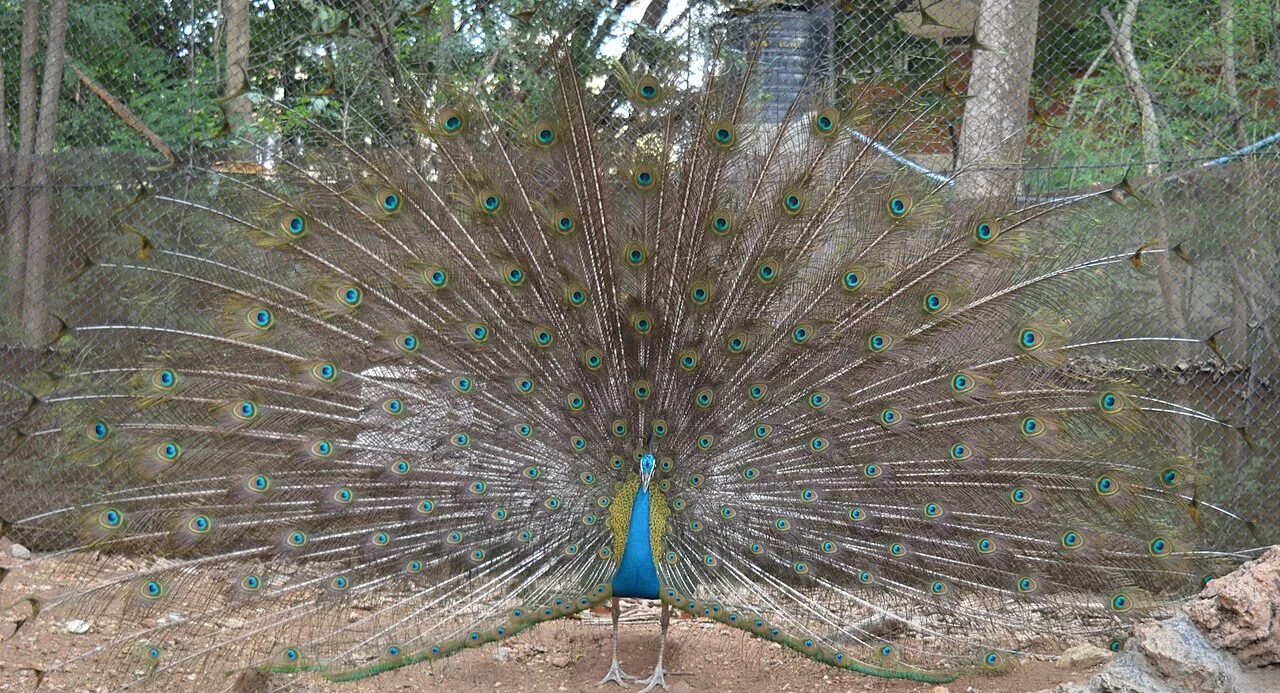
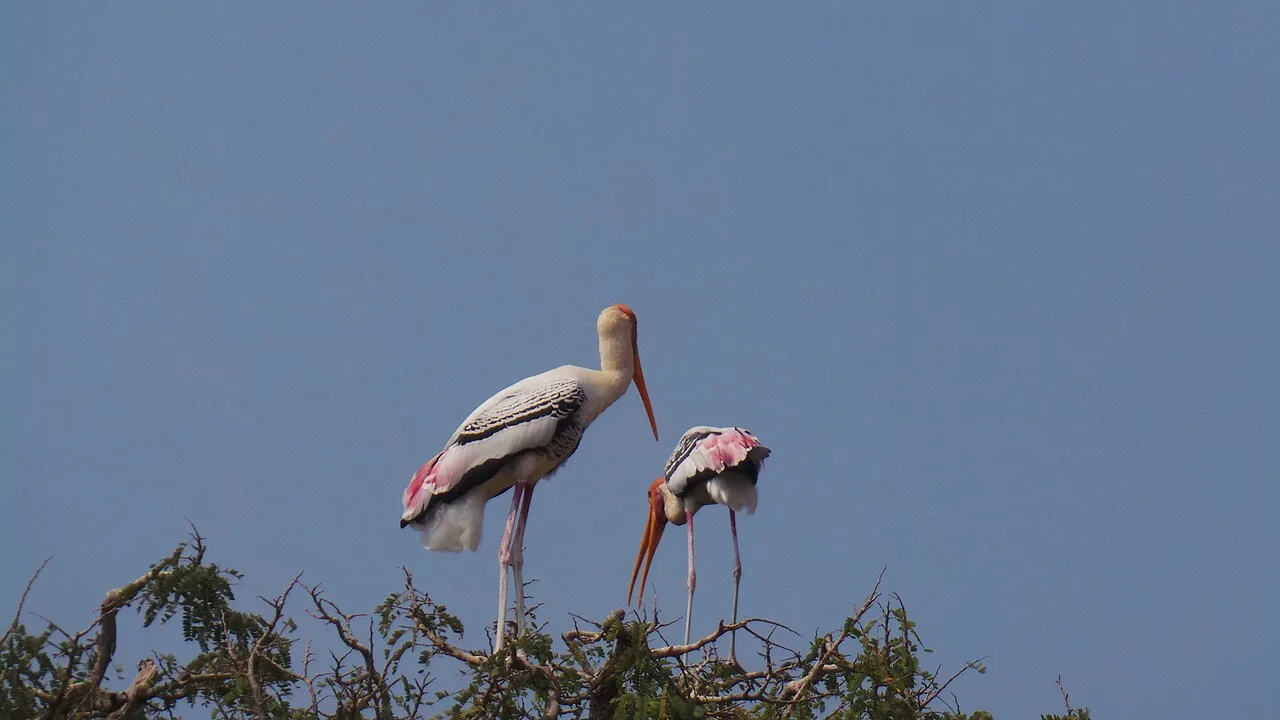
Kokrebellur, in Karnataka’s Mandya district, is known for nesting painted storks and spot-billed pelicans, whose presence has fostered a longstanding relationship with local residents.

Ranganathittu Bird Sanctuary

30 km away · Mandya district

Ranganathittu Bird Sanctuary

Ranganathittu Bird Sanctuary is a Ramsar-protected sanctuary in Karnataka, known as Pakshi Kashi. Visitors come to see its bird sanctuary setting near Srirangapattana and Mysore.

Melukote Temple Town

31 km away · Mandya district

Melukote Temple Town

Melukote is a sacred temple town in Karnataka, visited for its Cheluvanarayana Swamy and hilltop Yoganarasimha temples, Sri Vaishnava heritage and manuscript collection.

Karanji Lake

34 km away · Mysuru district

Karanji Lake

Karanji Lake, also called Fountain Lake, is an urban lake in Mysore, Karnataka. Visitors come to explore its nature park, butterfly park, walk-through aviary and the natural history museum on its banks.

St. Philomena's Cathedral

34 km away · Mysuru district

St. Philomena's Cathedral

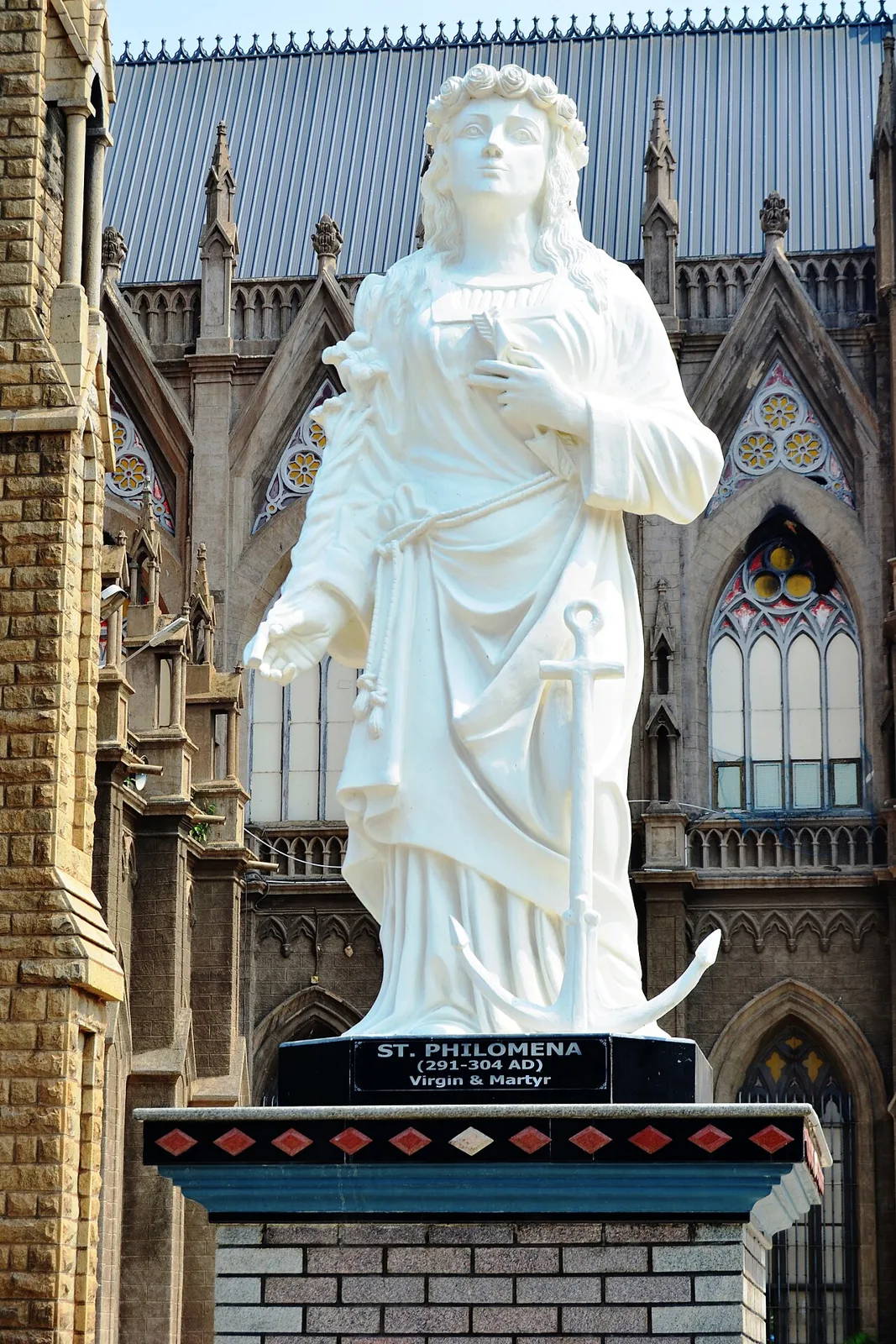
In Mysuru district, Karnataka, this Catholic cathedral serves the Diocese of Mysore. Visitors come to see its Neo-Gothic design, influenced by Cologne Cathedral in Germany.

Mysore Zoo

35 km away · Mysuru district

Mysore Zoo

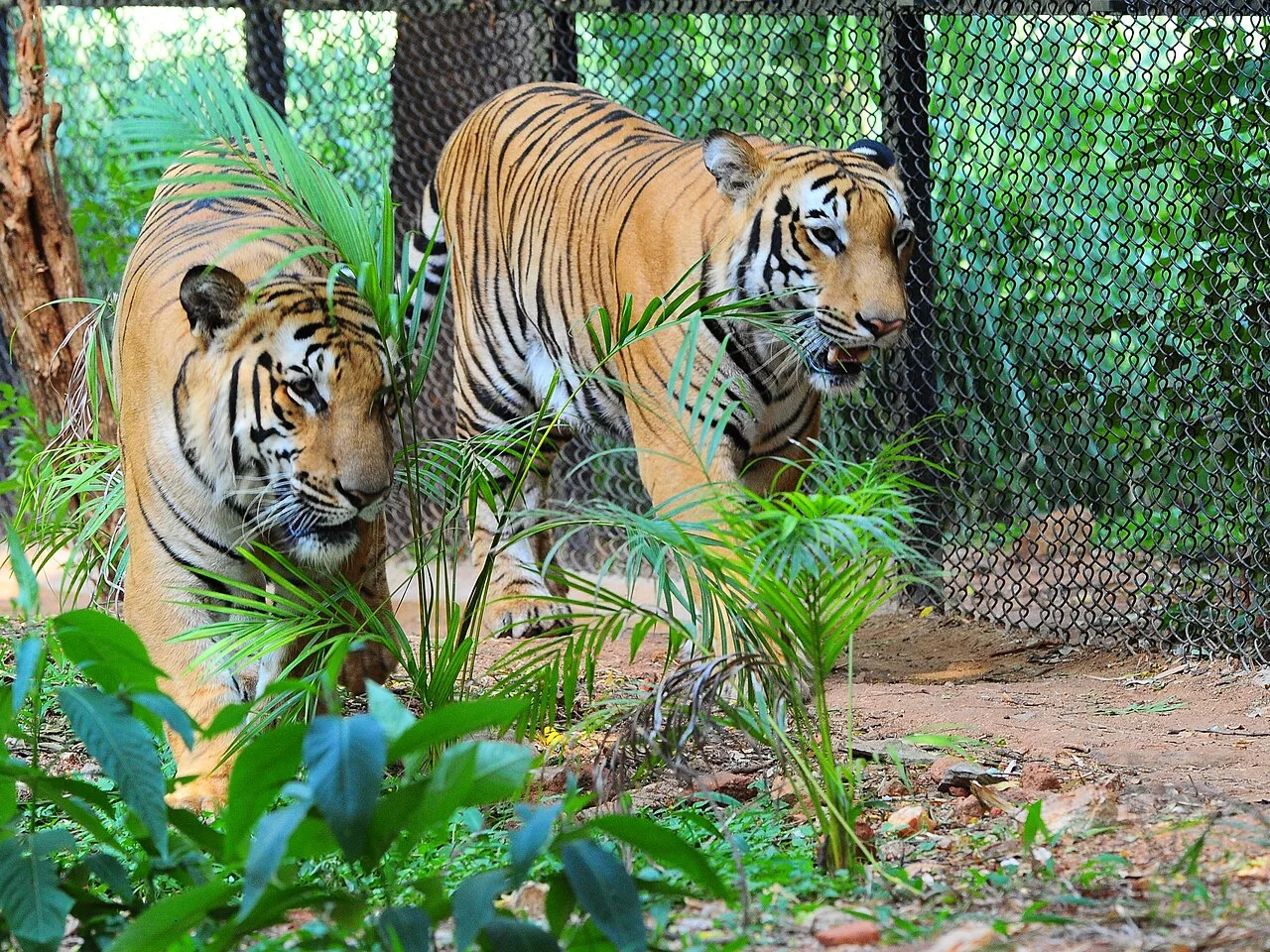
Mysore Zoo, formally Sri Chamarajendra Zoological Gardens, is an animal park and zoological garden in Mysuru, visited for its collection of more than 168 species.

Jaganmohan Palace

36 km away · Mysuru district

Jaganmohan Palace

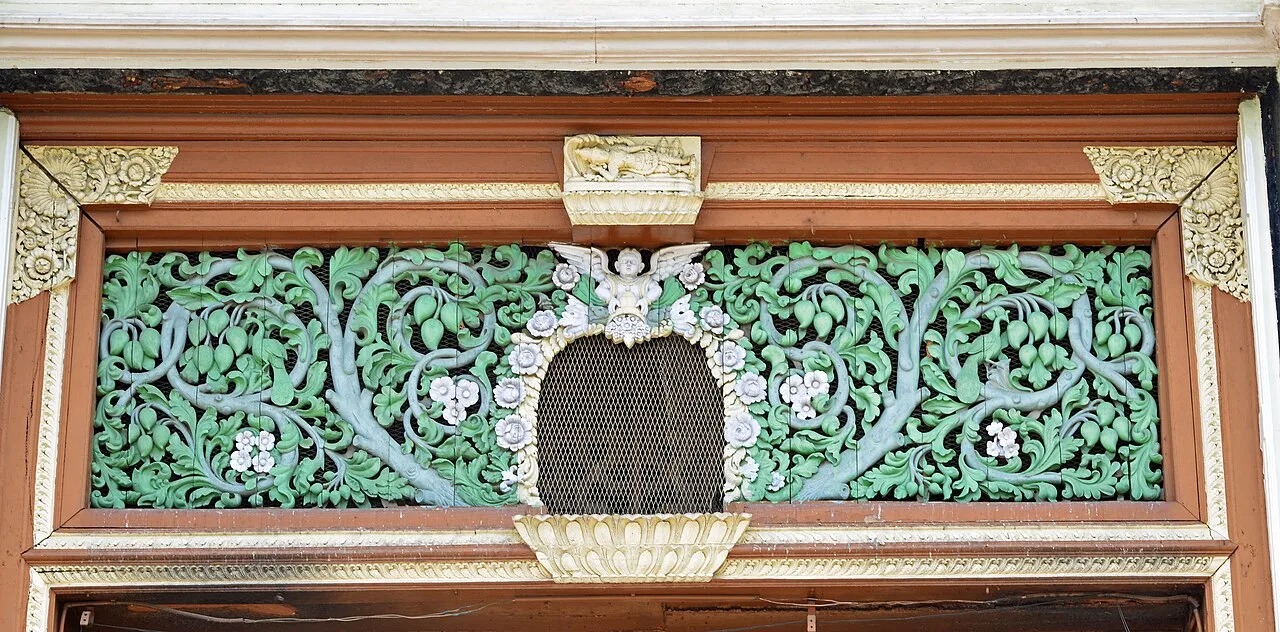
Jaganmohan Palace in Mysuru is a former royal residence that now houses the Sri Jayachamarajendra Art Gallery, attracting visitors interested in art and royal history.

Mysore Palace

36 km away · Mysuru district

Mysore Palace

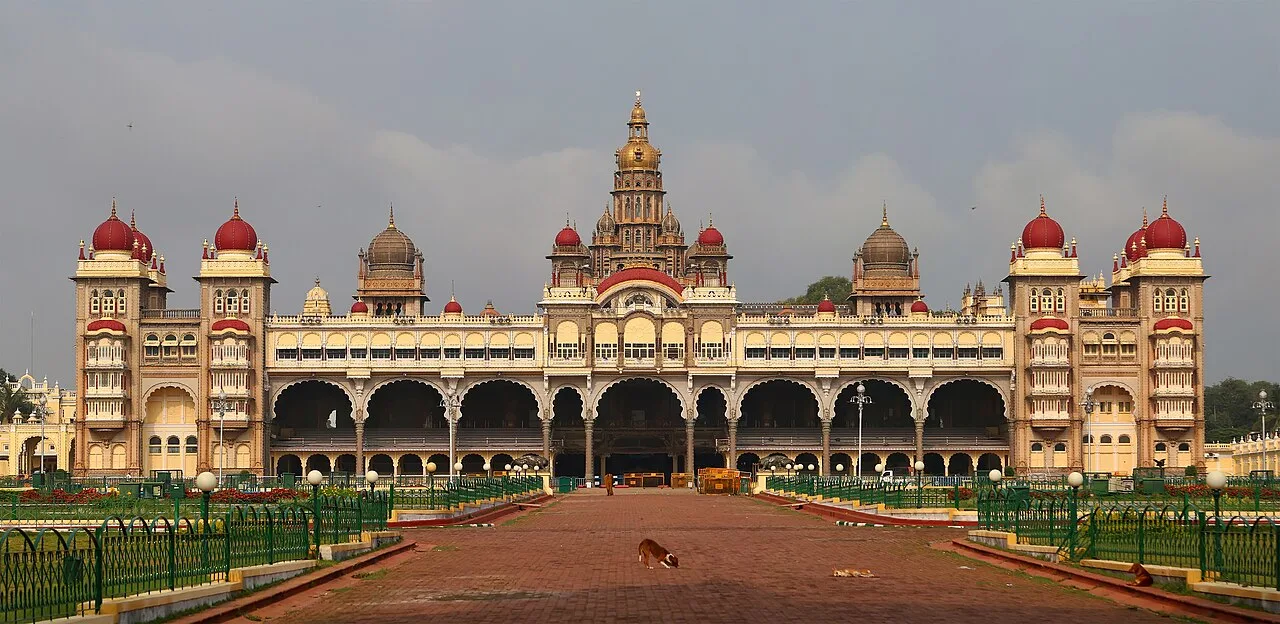
Mysore Palace, also called Amba Vilas Palace, is a former Wadiyar royal residence in Karnataka. Visitors come to see its architecture, museum and connection with the Mysore Dasara festival.

Map

Mandya on the map

  1. 1Kokrebellur
  2. 2Ranganathittu Bird Sanctuary
  3. 3Melukote Temple Town
  4. 4Karanji Lake
  5. 5St. Philomena's Cathedral
  6. 6Mysore Zoo
  7. 7Jaganmohan Palace
  8. 8Mysore Palace

Karnataka

Other cities to explore