
Ghumoopedia — Explore, Discover, Experience
Sign in
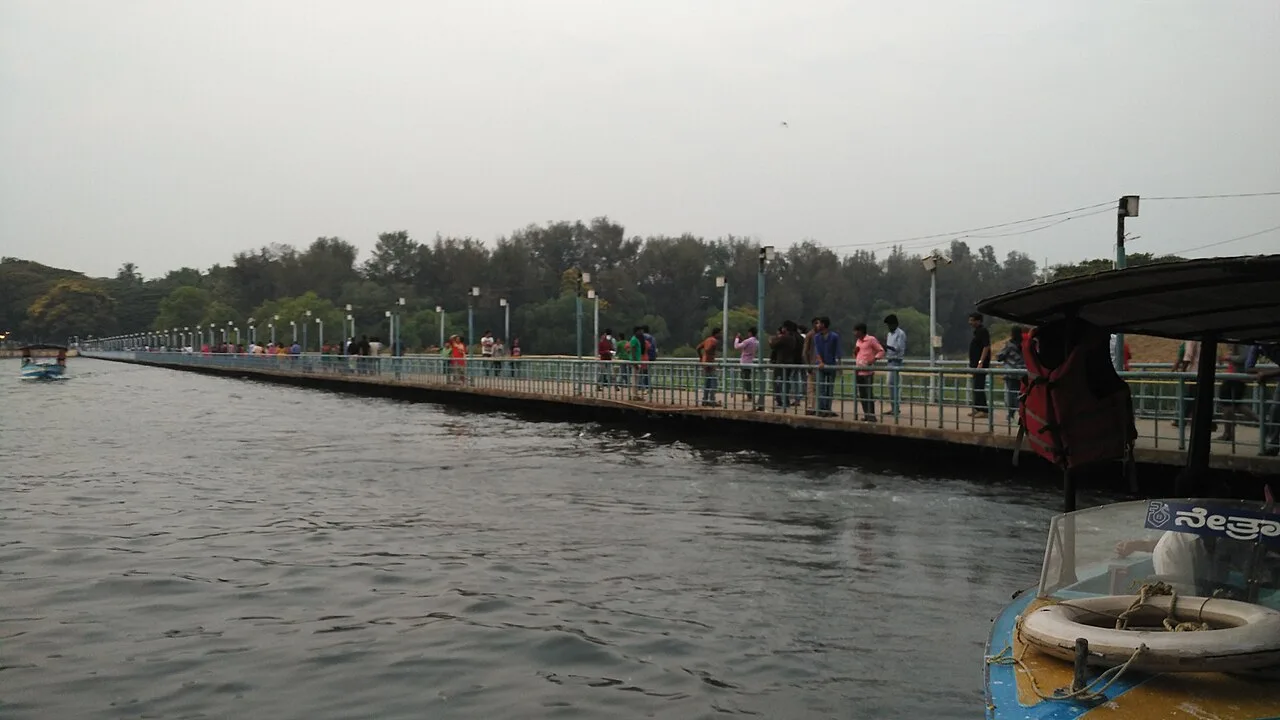
Brindavan Gardens and KRS Dam, near Srirangapatna

City guide · Karnataka

Srirangapatna

Set on an island formed by branches of the Cauvery River, Srirangapatna is a small town with an outsized place in Karnataka’s religious and political history. Its Ranganathaswamy Temple, consecrated around 984 CE, remains an important pilgrimage site.

Famous for

  • Ranganathaswamy Temple
  • Tipu Sultan’s island capital
  • Seringapatam fort
  • Dariya Daulat Bagh
  • Cauvery island heritage
In the city
0
Nearby
1
District
Mandya
Plan a trip

Why Srirangapatna matters

Set on an island formed by branches of the Cauvery River, Srirangapatna is a small town with an outsized place in Karnataka’s religious and political history. Its Ranganathaswamy Temple, consecrated around 984 CE, remains an important pilgrimage site. The town is also closely associated with Hyder Ali and Tipu Sultan, who made it the capital of Mysore. Fort walls, gates and other surviving landmarks recall the battles that shaped the region in the late eighteenth century.

Visitors come for the temple, Tipu Sultan’s summer palace at Dariya Daulat Bagh, the Gumbaz mausoleum and the river setting. Together, these sites make the town a rewarding day trip from Mysuru, while its position in Mandya district gives it a role as a local administrative and market centre. The historic monuments of Srirangapatna are included on UNESCO’s Tentative List, reflecting their wider heritage significance. The town is best explored at an unhurried pace, with time for both its monuments and the riverbank landscape.

Famous for: crafts, trade & products

Srirangapatna is better known for its temples and historic sites than for a distinctive textile, handicraft or manufacturing industry. It is not a major saree-weaving centre, and visitors looking specifically for Mysore silk or sandalwood crafts will find a broader selection in Mysuru. In town, small shops and the local market serve residents and visitors with everyday goods, snacks and devotional items, particularly around the temple and central streets.

The surrounding Mandya region is associated with sugarcane cultivation and the trade in sugar and jaggery; these products may be found through local provision stores and market traders, though availability varies. Rice and other agricultural produce also circulate through the district’s markets. Srirangapatna does not have a widely recognised local GI-tagged product or a well-established craft bazaar, so it is sensible to treat it as a heritage destination rather than a shopping stop. For a wider choice of regional textiles, crafts and packaged specialties, travellers can browse shops in nearby Mysuru and ask sellers to identify the product’s place of manufacture.

History

Srirangapatna grew around the Ranganathaswamy Temple, consecrated around 984 CE, and its defensible island position on the Cauvery. It was ruled by successive South Indian powers before becoming the capital of Mysore under Hyder Ali and his son Tipu Sultan in the eighteenth century. The town’s fort and palace complex became the centre of Tipu’s government and military campaigns.

The Treaty of Seringapatam, signed in 1792, ended the Third Anglo-Mysore War. In 1799, the town was captured during the Fourth Anglo-Mysore War; Tipu Sultan was killed in the battle, and the fort and palace precinct were plundered. Under British rule, the town was commonly called Seringapatam. After Tipu’s defeat, the Mysore capital shifted back to Mysuru, and Srirangapatna’s political prominence diminished. It later developed as a local town and taluk headquarters in Mandya district. Today, its surviving religious and military landmarks underpin its importance as a heritage destination.

Food, festivals & culture

Kannada is the main language of everyday life; Urdu and English are also heard, with other languages used by visitors and residents. The town’s cultural identity is strongly shaped by the Ranganathaswamy Temple and its traditions of worship. Vaikunta Ekadashi, usually observed in December or January, draws devotees, while temple celebrations take place at other points in the Hindu calendar. Dasara, generally held in September or October, is celebrated across the region, with the grandest events in nearby Mysuru.

Meals are typical of southern Karnataka: rice-based dishes, dosas, idli, sambar and vegetarian thalis are easy to find. Mysore pak is a popular regional sweet, while Maddur vada is associated with the wider Mandya area. These are regional favourites rather than exclusive Srirangapatna specialties. Classical Carnatic music and Karnataka’s devotional traditions are part of the wider cultural setting; performances are more likely during festivals or at organised events than as a daily attraction. Alongside the temple, the Jama Masjid and the Gumbaz reflect the town’s Islamic heritage.

Visiting the city

October to February is generally the most comfortable period for exploring, with cooler conditions than the hotter months. The nearest airport is Mysore Airport; Bengaluru’s Kempegowda International Airport offers a wider range of connections but is much farther away. Srirangapatna has its own railway station, while Mysuru Junction is a major nearby rail hub. Buses, taxis and auto-rickshaws connect the town with Mysuru and Mandya; within the historic centre, walking is a good way to see the closely grouped landmarks.

Explore the fort precinct and Ranganathaswamy Temple, then continue to Dariya Daulat Bagh, the Gumbaz and the Cauvery riverbanks. Nimishambha Temple, on the outskirts beside the river, makes a worthwhile extension. Allow time for the distances between sites, and check local access conditions before planning a visit to individual monuments.

Short trips

Around Srirangapatna

Within about 40 km — easy half-day or day trips from the city.

Map

Srirangapatna on the map

  1. 1Brindavan Gardens and KRS Dam

Karnataka

Other cities to explore