Ghumoopedia — Explore, Discover, Experience
Sign in
Kittur Fort, near Saundatti

City guide · Karnataka

Saundatti

Saundatti, also called Savadatti, is a historic town and taluk in Belagavi district in north-west Karnataka. It is best known as a pilgrimage centre: the hilltop Yellamma temple draws devotees from across Karnataka and neighbouring states, especially during religious fairs.

Famous for

  • Yellamma temple
  • Ratta dynasty heritage
  • Ancient Jain inscriptions
  • Saundatti fort
  • Renuka Sagar reservoir

Why Saundatti matters

Saundatti, also called Savadatti, is a historic town and taluk in Belagavi district in north-west Karnataka. It is best known as a pilgrimage centre: the hilltop Yellamma temple draws devotees from across Karnataka and neighbouring states, especially during religious fairs. The town’s older temples and fort also make it a rewarding stop for visitors interested in the region’s history and architecture.

Saundatti matters beyond its religious role. It was an important centre of the Ratta chiefs, whose influence extended across parts of the Deccan, and its inscriptions record a long association with Jainism. Nearby, the Malaprabha River is held back to form Renuka Sagar, a major reservoir and a striking feature of the surrounding landscape. Today, local life combines pilgrimage, farming and town-centre commerce. Saundatti is often visited from Belagavi, Dharwad or Hubballi, and can be paired with trips to the reservoir and other heritage sites in the district.
Famous for: crafts, trade & products

Saundatti is not especially known for a signature textile, craft or GI-tagged product. Its best-known local trade serves pilgrims: shops near the Yellamma temple and in the town sell worship supplies, flowers, coconuts, offerings and small devotional keepsakes. The central market is the most practical place to browse everyday goods and buy provisions for a visit.

The town also acts as a service centre for nearby rural communities, so its markets reflect the agricultural life of the region. Seasonal produce and household essentials are more characteristic than a specialised export industry. North Karnataka foods and ingredients, including jowar and groundnuts, are common in the wider area, though Saundatti is not known for a distinct packaged food product. Visitors seeking established craft or textile markets may find a broader selection in larger nearby cities such as Belagavi, Dharwad or Hubballi. In Saundatti, the most distinctive shopping experience is tied to the pilgrimage economy rather than to a dedicated craft quarter or major manufacturing district.

History

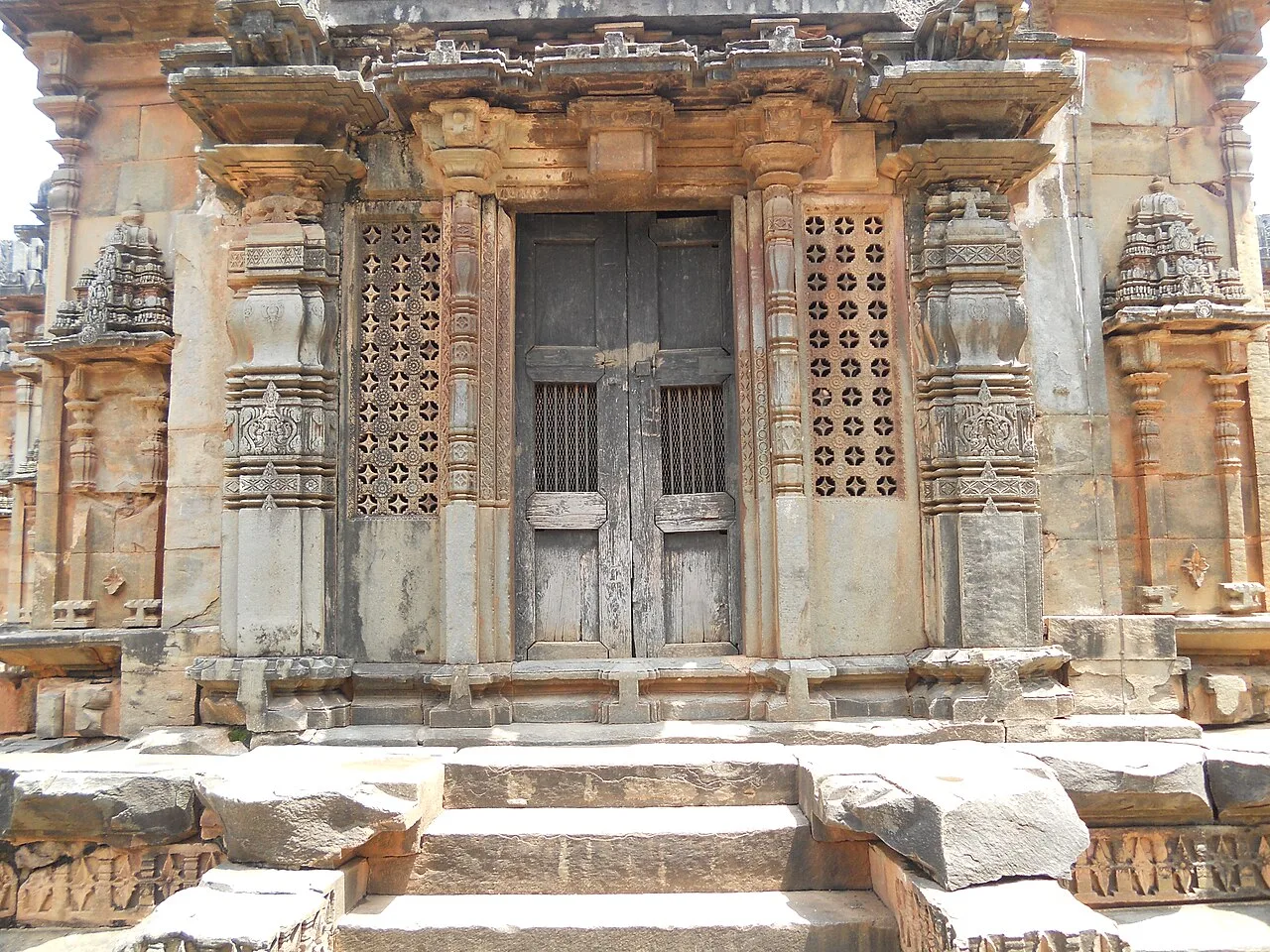
Saundatti’s earlier names include Sugandavarti and Sougandipura. From around the ninth to the thirteenth centuries, it was a capital of the Ratta chiefs, a lineage associated with the wider Rashtrakuta world. The Rattas and their provincial governors supported Jainism, and inscriptions found in the town—including records in Sanskrit and Kannada—attest to its religious and political importance. The Ankeshwara temple preserves an inscription associated with a Ratta chief.

The town’s fortunes changed as power in the Deccan shifted among later regional dynasties and states. During British rule, this part of the region was administered within the Bombay Presidency. After Independence, Saundatti remained part of the Belagavi region, which became part of Karnataka in the state reorganisation of 1956. Its fort, temples and inscriptions preserve traces of its earlier importance, while its modern role is shaped by pilgrimage, agriculture and the administration of the surrounding taluk.

Food, festivals & culture

Kannada is the principal language of Saundatti; Marathi is also heard in this border region, alongside other languages used by visitors and traders. Religious life centres on the Yellamma temple, where devotees gather for worship and fairs during the year. Navaratri and other Hindu observances are marked locally, with the busiest periods linked to temple festivals and pilgrimage gatherings. The older temples, including Ankeshwara, offer a quieter view of the town’s religious heritage.

Food is characteristic of north Karnataka rather than unique to Saundatti. Meals commonly feature jowar rotti, vegetable curries, pulses and groundnut-based chutney; local eateries and market stalls are convenient places to try regional fare. Devotional singing and bhajans are part of temple gatherings, while folk music and dance traditions from Karnataka are heard at community celebrations. The town’s cultural character is shaped by the mix of everyday market life, rural traditions and the steady movement of pilgrims.

Visiting the city

The cooler, drier months are generally the most comfortable time to visit; summer can be hot, while the monsoon brings greener scenery and possible rain. For temple fairs, check locally before travelling, as crowds and road conditions can change around major gatherings.

Hubballi Airport is a practical nearby air gateway, with Belagavi Airport another option. Dharwad Railway Station is a useful rail connection, and Belagavi and Hubballi also serve the region. Buses and taxis connect Saundatti with these larger towns; within Saundatti, local autos and taxis can help reach the temple hill and other sites. Explore the Yellamma temple area, the old town’s temples and fort, then make time for Renuka Sagar and the Malaprabha landscape. Carry water and allow extra travel time on pilgrimage days.

Trips from the city

Nearest places to visit from Saundatti

Our closest destination guides, by straight-line distance.

Kittur Fort

40 km away · Belagavi district

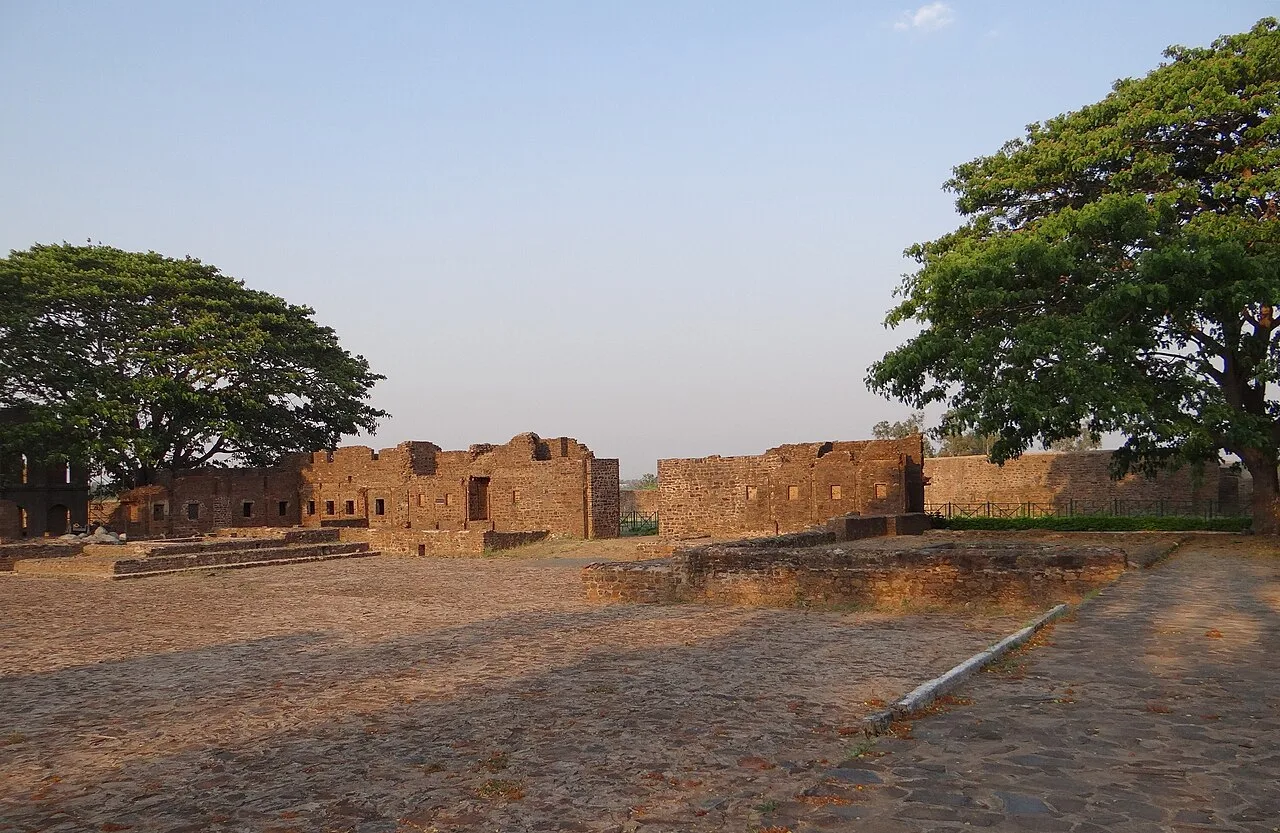
Kittur Fort

Kittur Fort is a historic site in Karnataka’s Belagavi district, associated with Rani Kittur Chennamma’s armed resistance to the British East India Company.

Chandramouleshwara Temple, Hubballi

43 km away · Dharwad district

Chandramouleshwara Temple, Hubballi

An 11th-century Shiva shrine in Unkal, Hubballi, Chandramouleshwara Temple draws interest for its Chalukyan design, distinctive plan and artwork representing several Hindu traditions.

Godachinmalki Falls

58 km away · Belagavi district

Godachinmalki Falls

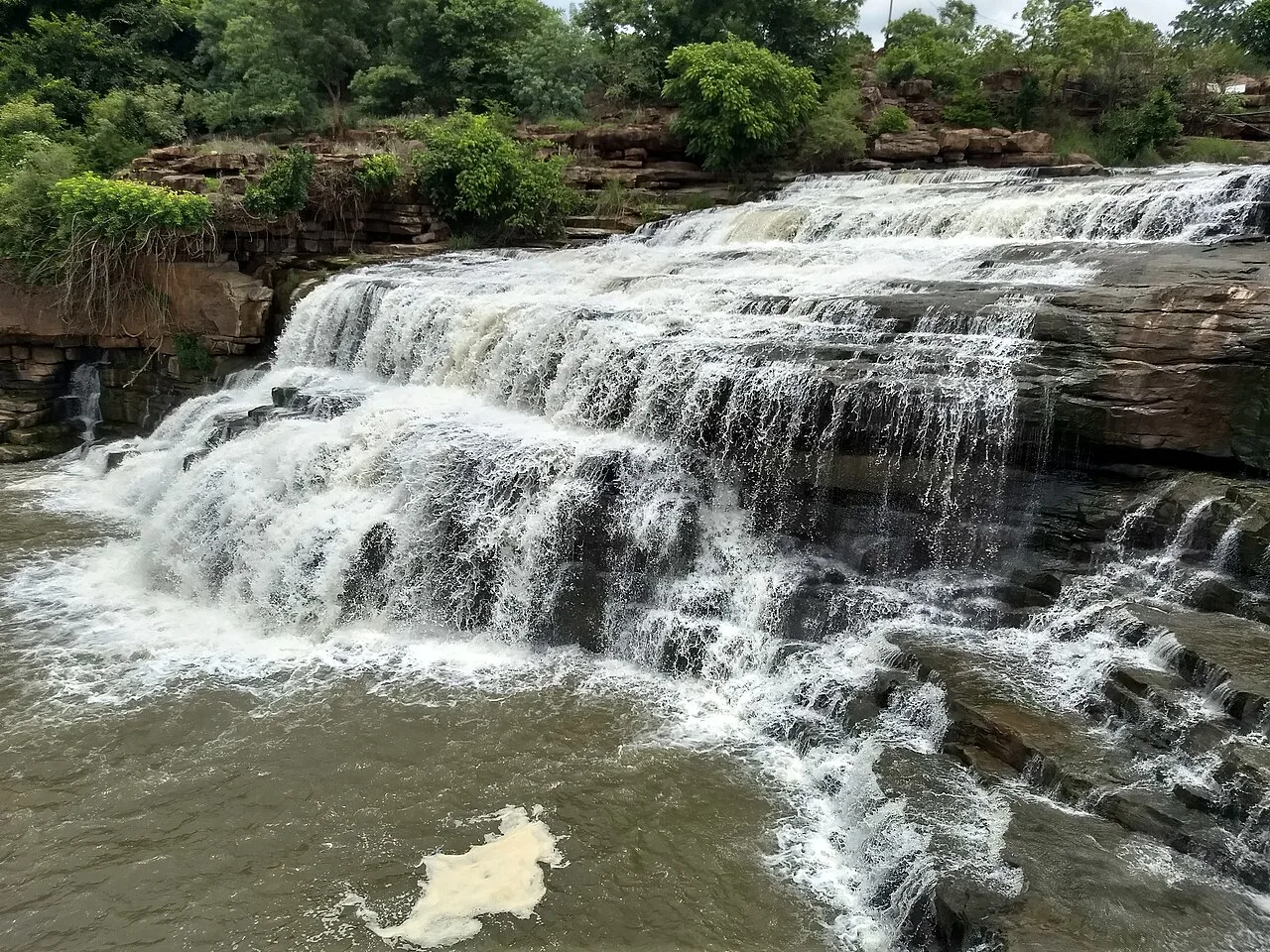
Godachinmalki Falls is a two-stage waterfall on the Markandeya river in Belagavi district. Visitors come to see its cascades in a rugged valley and explore nearby river landmarks.

Gokak Falls

60 km away · Belagavi district

Gokak Falls

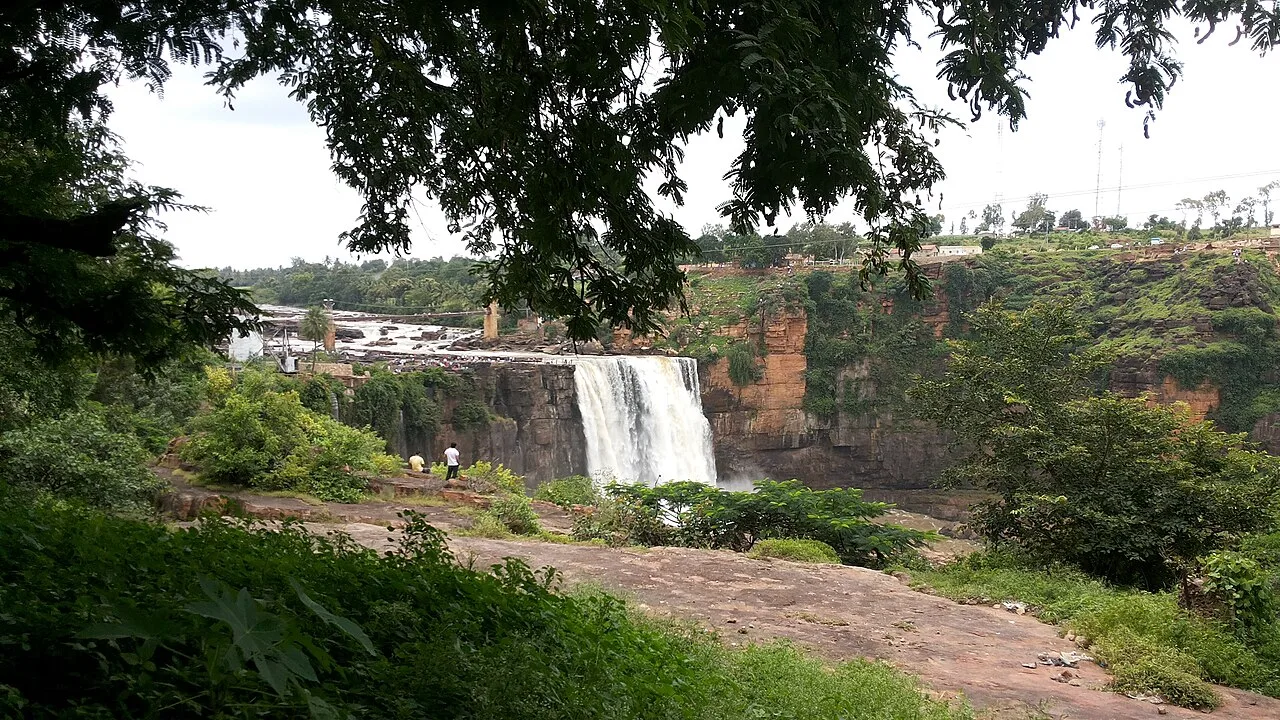
On the Ghataprabha River in Karnataka’s Belagavi district, Gokak Falls draws visitors who come to see the river’s waterfall near Gokak town.

Badami cave temples

63 km away · Bagalkot district

Badami cave temples

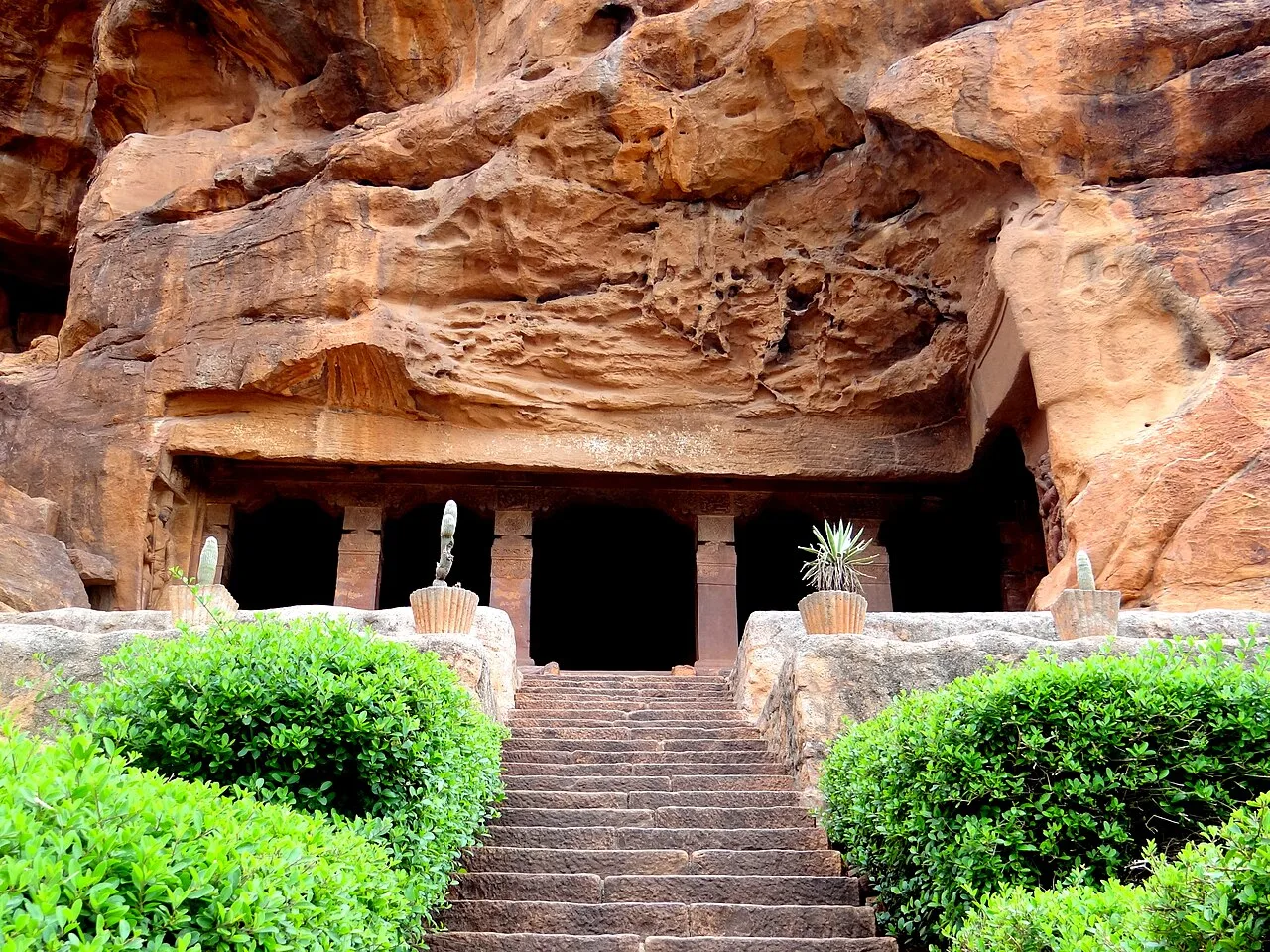
These rock-cut shrines in Badami, Karnataka, reflect Buddhist, Hindu and Jain traditions and early Chalukya-era art. Visitors come to see the sandstone architecture and carved religious figures.

Banashankari Temple, Badami

64 km away · Bagalkot district

Banashankari Temple, Badami

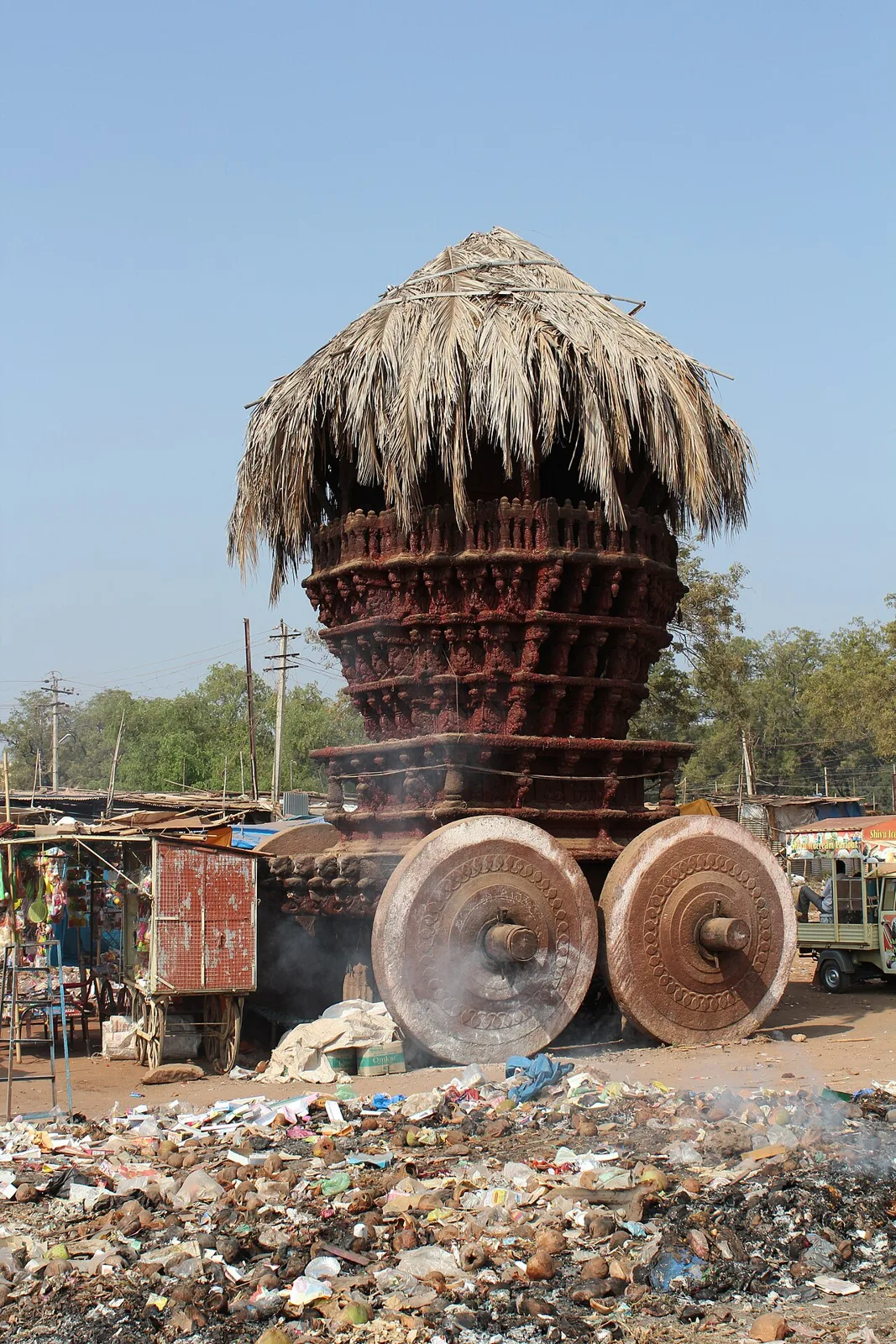
Banashankari Temple is a Hindu shrine at Cholachagudda near Badami, Karnataka. Visitors come to worship its goddess and attend the yearly jatre, which features cultural events, a boat festival and a chariot procession.

Belgaum Fort

64 km away · Belagavi district

Belgaum Fort

Belgaum Fort is a historic stronghold in Belgaum, Karnataka, known for its moat, ramparts, religious monuments and association with Mahatma Gandhi’s imprisonment.

Trikuteshwara Temple, Gadag

66 km away · Gadag district

Trikuteshwara Temple, Gadag

In Gadag, Karnataka, Trikuteshwara Temple is a carved Hindu place of worship dedicated to Shiva. Visitors come to see its three lingas, Saraswathi shrine and carved columns.

Map

Saundatti on the map

  1. 1Kittur Fort
  2. 2Chandramouleshwara Temple, Hubballi
  3. 3Godachinmalki Falls
  4. 4Gokak Falls
  5. 5Badami cave temples
  6. 6Banashankari Temple, Badami
  7. 7Belgaum Fort
  8. 8Trikuteshwara Temple, Gadag

Karnataka

Other cities to explore