Ghumoopedia — Explore, Discover, Experience
Sign in
Gulbarga Fort, near Shahabad

City guide · Karnataka

Shahabad

Shahabad is an industrial and agricultural city in Karnataka’s Kalaburagi district, best known for the limestone quarried in its surrounding taluka. The stone, commonly called Shahabad stone, has made the area an important source of building material, while limestone also supports cement production.

Famous for

  • Shahabad limestone
  • Cement production
  • Boiler manufacturing
  • Agriculture and trade

Why Shahabad matters

Shahabad is an industrial and agricultural city in Karnataka’s Kalaburagi district, best known for the limestone quarried in its surrounding taluka. The stone, commonly called Shahabad stone, has made the area an important source of building material, while limestone also supports cement production. Agriculture, boiler manufacturing and related commerce contribute to the local economy. The city’s importance is therefore rooted less in conventional sightseeing than in its role as a working centre for the region’s industries and trade.

Rail and road links make Shahabad accessible from other parts of Karnataka and neighbouring states. Its railway station connects it with long-distance routes, while NH 150 and state highways serve regional travel. The Kagina and Bhima rivers are significant local water sources and part of the wider landscape. Visitors may find Shahabad of interest for its stone and industrial identity, its everyday market life and its position in the Deccan interior. It can also serve as a practical stop for travellers exploring Kalaburagi district, though quarry and factory sites are working premises rather than visitor attractions.
Famous for: crafts, trade & products

Shahabad’s best-known product is its limestone, marketed as Shahabad stone and used as a building material. Quarrying and stone-related commerce are important to the local economy, alongside cement production and boiler manufacturing. Agriculture supplies produce for local trade, and the town’s markets serve residents and surrounding communities. Building-material dealers and local traders are the most relevant places to ask about stone products; agricultural goods are generally encountered through ordinary market commerce.

There is no widely established association between Shahabad and a particular saree tradition, handicraft or GI-tagged product. Visitors looking for locally made textiles or crafts should not assume these are specialities of the city. The town’s identity is primarily industrial rather than craft-based, and cement works, boiler production facilities and quarries are not necessarily open to the public. For an introduction to the city’s commercial character, explore the central market and the shops dealing in construction materials, while respecting private property and industrial safety restrictions. Product availability and access can vary, so enquiries should be made locally.

History

Shahabad’s history is best understood within that of the wider Kalaburagi region, a part of the Deccan that passed through the hands of several regional powers. Kalaburagi was an important centre under the Bahmani Sultanate, but that broader history should not be taken as evidence of a particular monument or event in Shahabad itself. In the colonial period, the region was within the princely state of Hyderabad under the Nizam rather than directly administered as part of British India.

After Hyderabad’s integration into India in 1948, the area became part of Mysore State through the 1956 reorganisation; the state was renamed Karnataka in 1973. Shahabad’s modern growth has been shaped chiefly by the resources around it. Limestone quarrying, stone trade and cement production helped establish its industrial character, while rail and road links supported movement of people and goods. Agriculture and manufacturing continue to shape the town’s working life. Detailed accounts of Shahabad’s own early rulers or colonial-era milestones are not as prominent as the wider regional history.

Food, festivals & culture

Daily life in Shahabad reflects the Kannada-speaking culture of northern Karnataka and the diverse communities of the Kalaburagi region. Kannada is widely used, and Urdu and other regional languages may also be heard. North Karnataka staples such as jowar rotti, lentil dishes, vegetable curries and peanut-based chutneys are familiar choices in local homes and eateries. These are regional foods rather than dishes unique to Shahabad; menus and availability vary between establishments.

The annual calendar commonly includes Ugadi and Sankranti in the cooler months, Ganesh Chaturthi around late summer or early autumn, and Dussehra in autumn. Muslim communities observe Eid celebrations according to the lunar calendar. Local worship and community gatherings take place at neighbourhood temples, mosques and other places of worship; ask residents for guidance on appropriate visiting customs. Music and dance are often part of festival, family and religious events, with devotional singing and regional forms more likely to be encountered at community gatherings than in scheduled tourist performances. There is no single signature performance tradition associated specifically with the city.

Visiting the city

The cooler months, roughly October to February, are generally more comfortable for exploring Shahabad; summer can be very hot, and monsoon rain may affect road journeys. The nearest airport is Kalaburagi Airport, though flight options may be limited. Shahabad railway station is the main rail stop for the city, with connections on long-distance routes; check current services before travelling.

Within town, local autorickshaws and taxis can help with short trips, while roads connect Shahabad to nearby settlements and district centres. NH 150 and state highways SH 125 and SH 149 serve the area. The central market is useful for experiencing everyday commerce, and visitors interested in the city’s stone trade can ask locally about appropriate public viewpoints or businesses. Rivers and quarry landscapes are part of the wider setting, but industrial sites and river access may be restricted. Confirm local conditions before setting out.

Trips from the city

Nearest places to visit from Shahabad

Our closest destination guides, by straight-line distance.

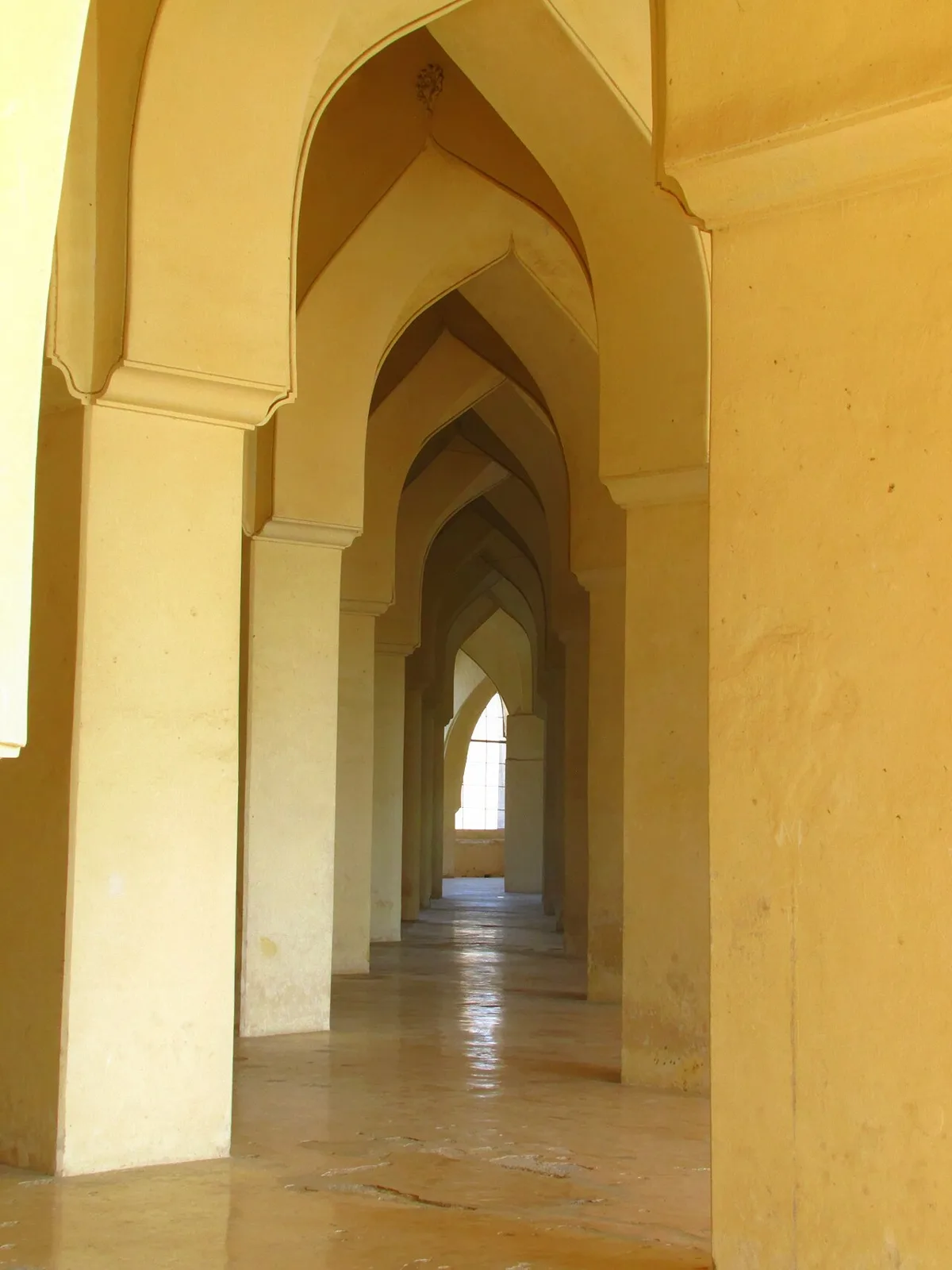
Gulbarga Fort

26 km away · Kalaburagi district

Gulbarga Fort

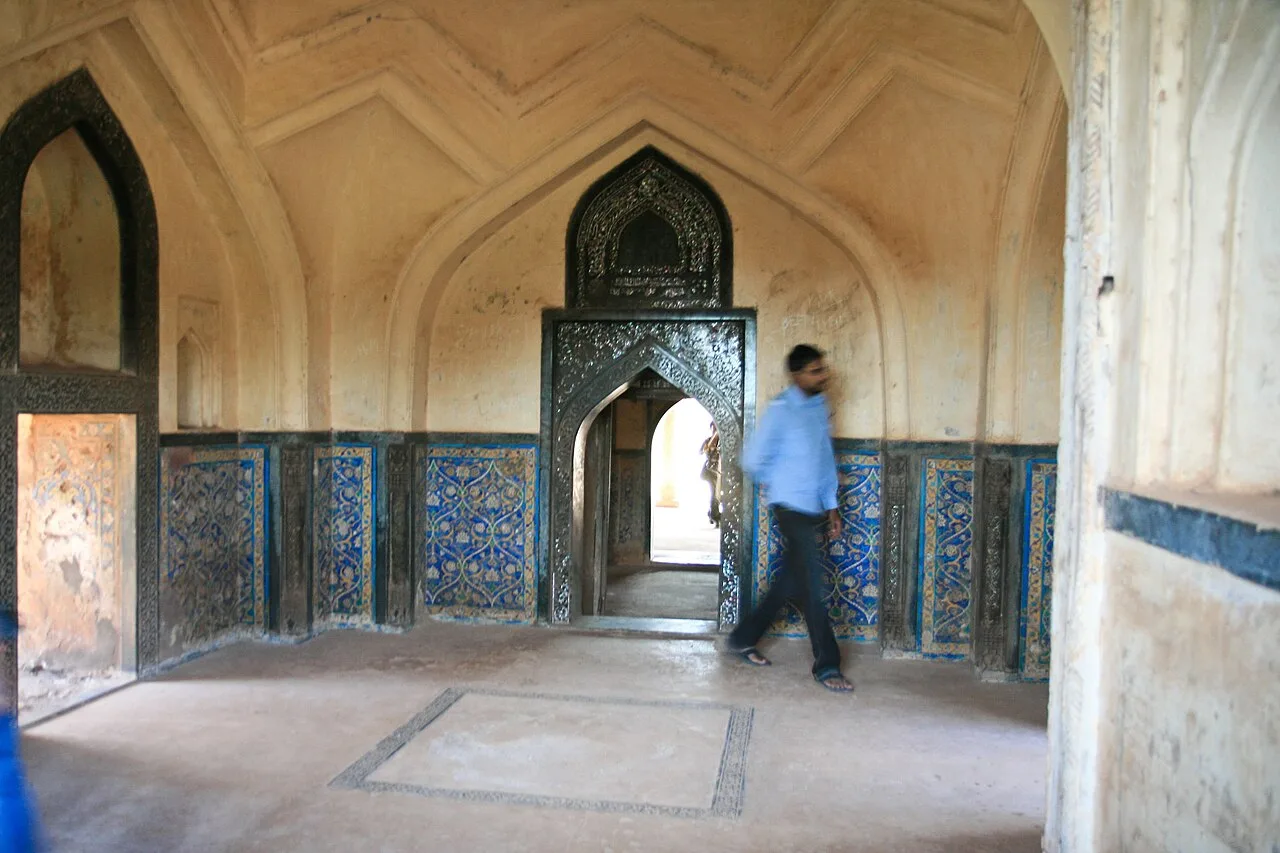
Gulbarga Fort is a historic stronghold in Kalaburagi associated with the Bahmani Kingdom. Visitors come to see its buildings, including the Jama Masjid, known for its enclosed form and Persian design.

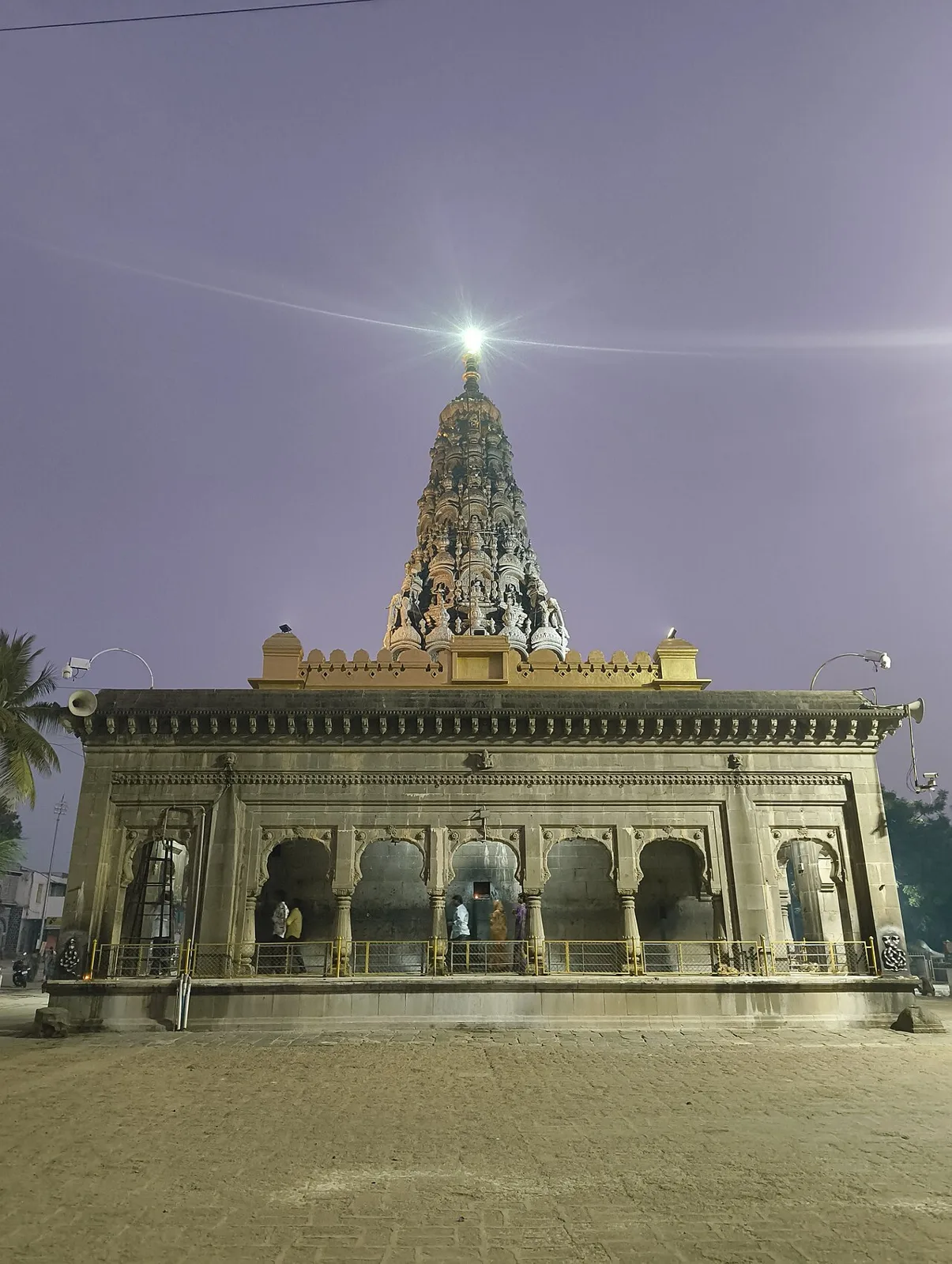
Sharana Basaveshwara Temple

26 km away · Kalaburagi district

Sharana Basaveshwara Temple

In Kalaburagi district, Karnataka, the Sharana Basaveshwara Temple is a shrine. Visitors come to worship at this site in Kalaburgi, an old town in the state’s northeast.

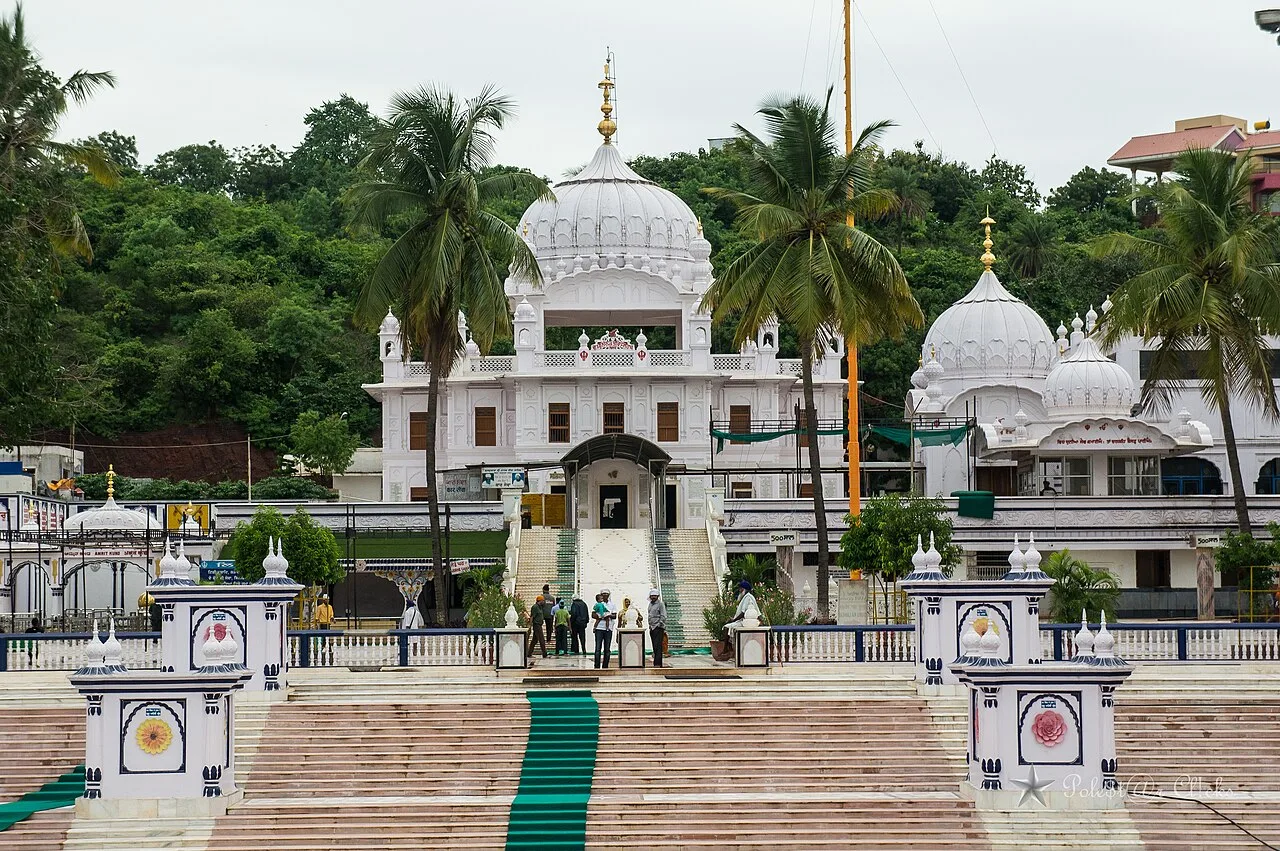
Guru Nanak Jhira Sahib

107 km away · Bidar district

Guru Nanak Jhira Sahib

Guru Nanak Jhira Sahib is a Sikh shrine in Bidar, Karnataka, associated with Guru Nanak and the region’s Sikh history; visitors come to honour the first Sikh guru.

107 km away · Bidar district

Narasimha Jharni Cave Temple

Narasimha Jharni Cave Temple is a shrine in Bidar district, Karnataka, linked to Vishnu’s Narasimha avatar. Visitors come to worship at the cave temple and recognise its place in Vaishnavite tradition.

Bidar Fort

108 km away · Bidar district

Bidar Fort

Bidar Fort is a historic complex in Bidar, Karnataka, where visitors can explore more than 30 monuments and learn about the changing powers of the Deccan.

Bahmani Tombs

109 km away · Bidar district

Bahmani Tombs

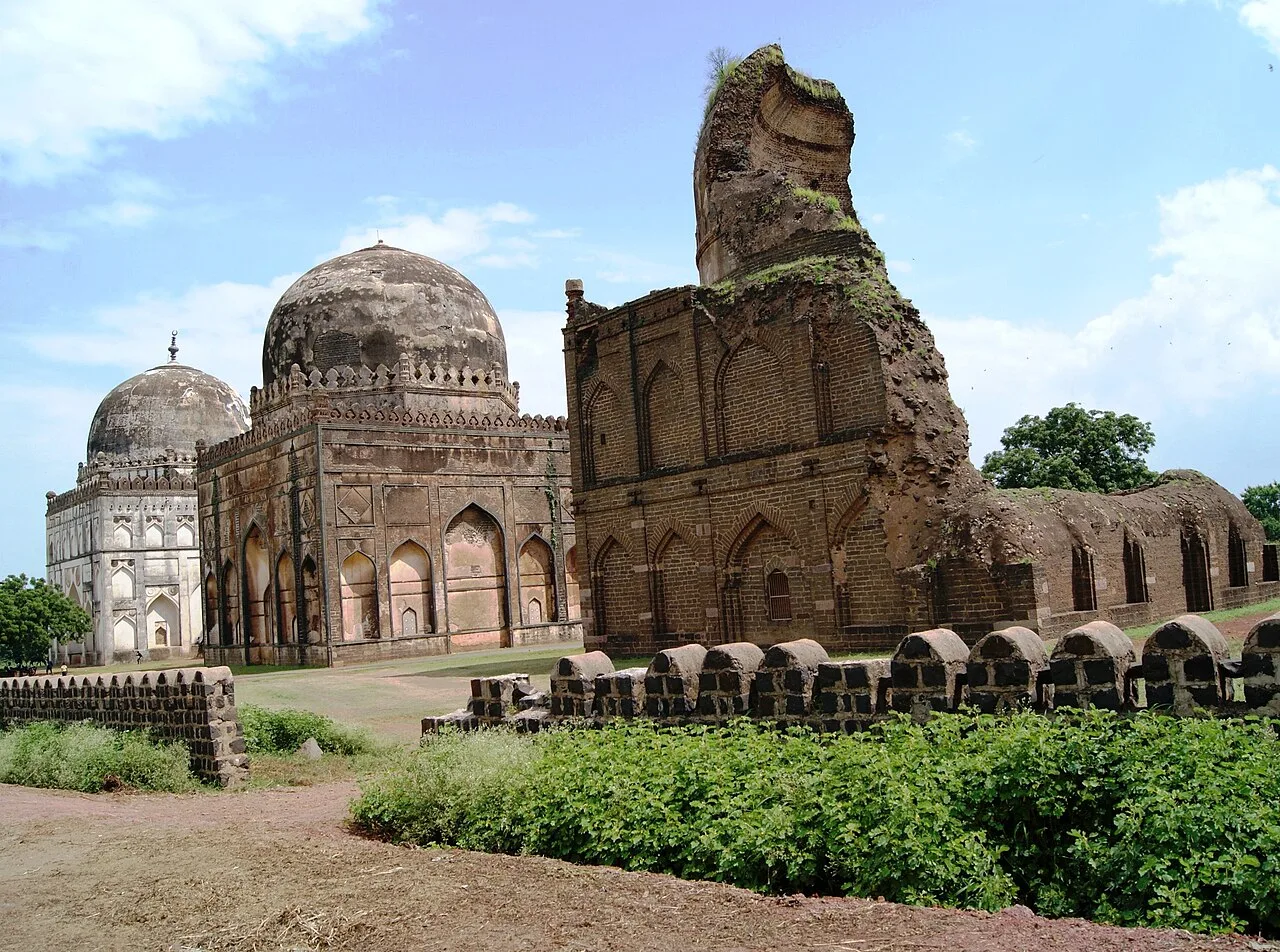
The Bahmani Tombs are a burial complex in Bidar, Karnataka, dating from the fifteenth and sixteenth centuries. Visitors come to see their distinctive Deccan architecture and blend of influences.

Raichur Fort

113 km away · Raichur district

Raichur Fort

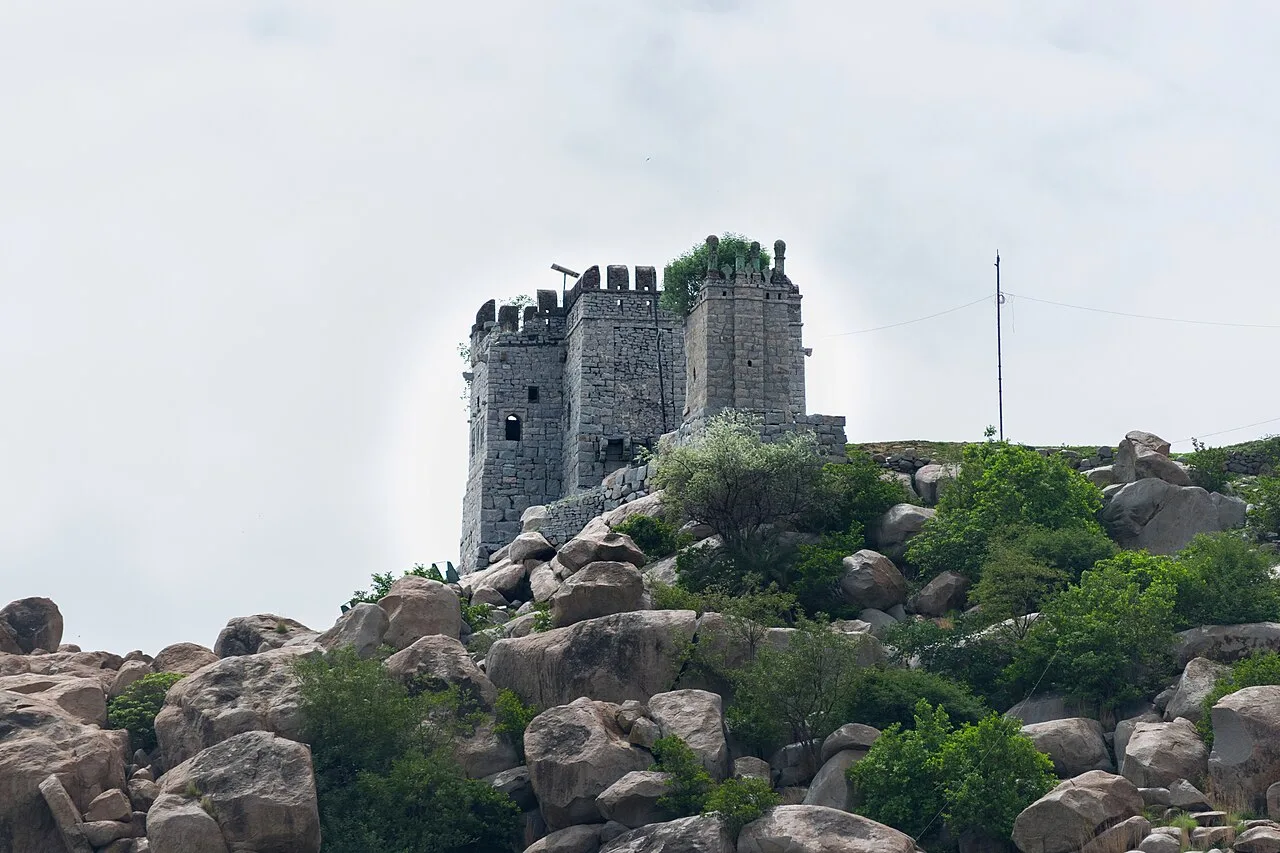
Raichur Fort is a hilltop stronghold in the city of Raichur, Karnataka. Visitors come to see its elevated setting and learn about the succession of powers that ruled the surrounding region.

Gol Gumbaz

133 km away · Vijayapura district

Gol Gumbaz

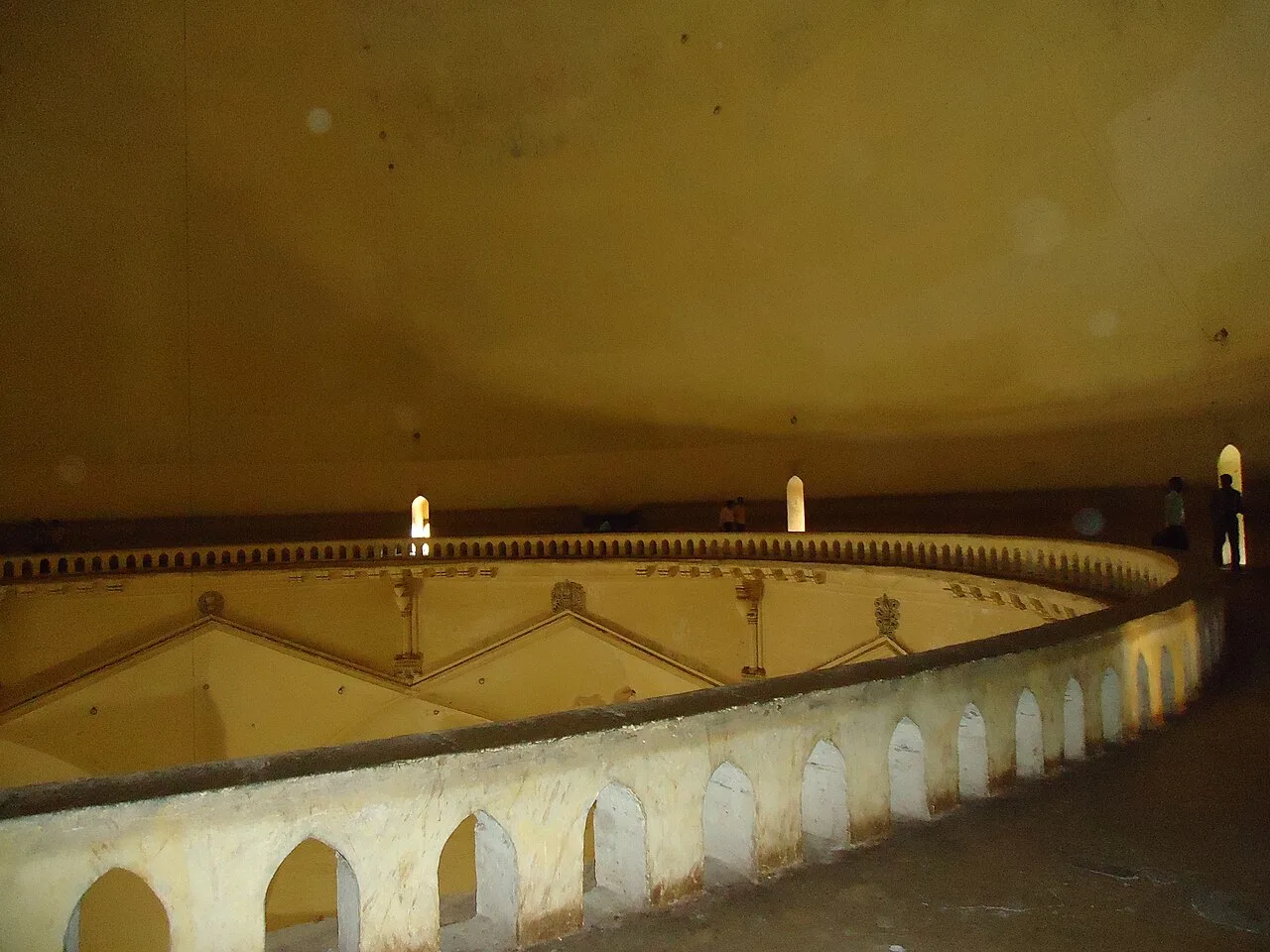
Gol Gumbaz is a basalt mausoleum in Bijapur, Karnataka, built for Mohammad Adil Shah. Visitors come to see its great dome, Indo-Islamic design and famous whispering gallery.

Map

Shahabad on the map

  1. 1Gulbarga Fort
  2. 2Sharana Basaveshwara Temple
  3. 3Guru Nanak Jhira Sahib
  4. 4Narasimha Jharni Cave Temple
  5. 5Bidar Fort
  6. 6Bahmani Tombs
  7. 7Raichur Fort
  8. 8Gol Gumbaz

Karnataka

Other cities to explore