Ghumoopedia — Explore, Discover, Experience
Sign in

City guide · Karnataka

Lingasugur

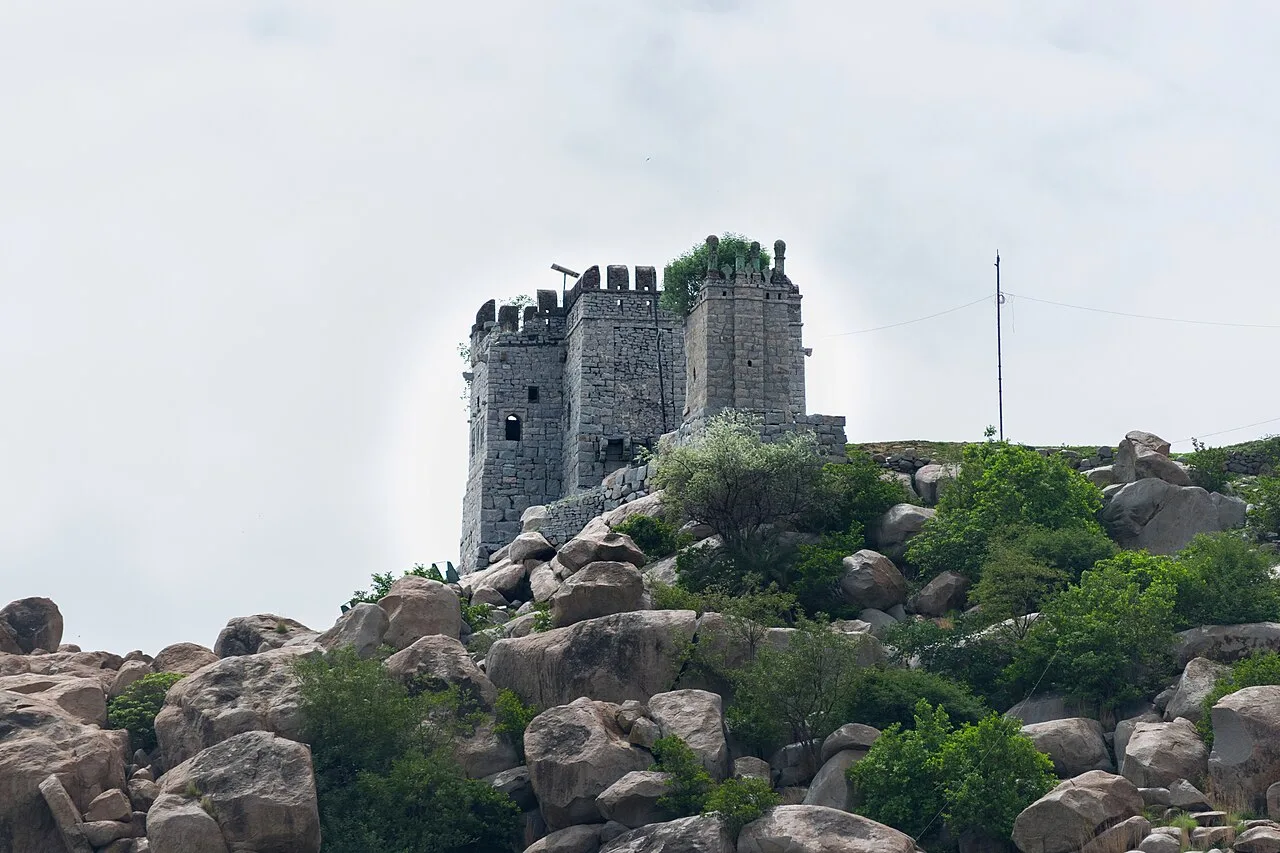
Lingasugur is a municipal town in Raichur district and an administrative and market centre for the surrounding region. Its appeal lies in the layers of history around it: nearby Karadakal preserves traces of an early regional centre, while Mudgal is known for its old fort.

Famous for

  • Mudgal Fort
  • British cantonment heritage
  • Maha Shivaratri celebrations
  • Muharram observances
  • Karadakal inscriptions

Why Lingasugur matters

Lingasugur is a municipal town in Raichur district and an administrative and market centre for the surrounding region. Its appeal lies in the layers of history around it: nearby Karadakal preserves traces of an early regional centre, while Mudgal is known for its old fort. Temples, hills and fortifications make the area rewarding for travellers interested in heritage and quieter journeys through northern Karnataka.

The town itself was once called Chavani, a name associated with its British-era cantonment. That past, together with its earlier links to Karadakal and Mudgal, gives Lingasugur a story distinct from that of a purely modern service town. Visitors come to explore the nearby historic sites, attend local religious festivals and experience a Kannada-speaking town with strong regional character. Lingasugur is not chiefly a destination for luxury tourism; it works well as a base for exploring the taluk, especially Mudgal, and as a stop for travellers crossing Raichur district.
Famous for: crafts, trade & products

Lingasugur is better known for its historical surroundings and regional role than for a signature textile, handicraft or GI-tagged product. No particular saree tradition or craft is closely identified with the town. Its central market serves residents and visitors from nearby settlements, with everyday shops and services rather than a specialist tourist-shopping district.

The most meaningful local purchases are likely to be ordinary regional provisions and goods found in the town’s market streets; availability varies, so visitors looking for a specific craft should ask locally rather than expect a dedicated emporium. Lingasugur also functions as a practical service centre for travel around the taluk. For heritage-focused outings, Mudgal’s fort and the old sites around Karadakal are stronger draws than shopping. Those interested in local history may find the area’s inscriptions and built heritage more distinctive than any product category. For a wider selection of crafts and commercial goods, visitors can look to larger towns in the region, while treating Lingasugur’s bazaar as a place for everyday essentials and a glimpse of local trade.

History

The history of Lingasugur is closely connected with Karadakal and Mudgal. Early medieval inscriptions found around Karadakal and Yardona point to the region’s importance during the Rashtrakuta period. Karadakal, then known as Kardikalnadu, served as a regional headquarters overseeing a large group of villages. In the late 12th century, administrative importance shifted to Mudgal, and Karadakal declined as a centre.

Lingasugur gained prominence again under British rule. A cantonment was established near Karadakal, east of the older settlement, and the place became known as Chavani. The surrounding region remained under the Nizam of Hyderabad until 1948. In the late 19th century Lingasugur was made a district headquarters, with a jurisdiction that included areas now in several neighbouring districts. The district was abolished in 1905, and its territory was redistributed between Raichur and Gulbarga districts. Lingasugur is now a town in Raichur district, while Mudgal’s fort remains an important reminder of the area’s earlier political history.

Food, festivals & culture

Kannada is the principal language of daily life in Lingasugur, and Urdu and Telugu are also heard in the wider region. Local food reflects northern Karnataka’s familiar home-style cooking: meals may include jowar rotti, rice, lentils, seasonal vegetable palya and spicy chutneys. Holige is a sweet associated with festive meals in the region, though menus and household traditions vary. The town is not especially known for a single signature dish.

Maha Shivaratri, usually observed in February or March, is an important occasion for worship at Shiva temples. Muharram is also significant, with community observances shaped by local custom. Temples, shrines and mosques form part of the town’s everyday religious landscape. Around Lingasugur, visitors can combine a visit to places of worship with trips to historic Mudgal and the area’s hills and forts. Cultural life is rooted in religious gatherings, family celebrations and the rhythms of a regional market town; visitors should dress respectfully at sacred sites and follow local guidance during ceremonies.

Visiting the city

The cooler months, roughly October to February, are generally the most comfortable for exploring Lingasugur and its surroundings. Summer can be very hot, while monsoon conditions may affect road journeys. Kalaburagi Airport is the nearby airport option; for a wider choice of flights, travellers can consider Rajiv Gandhi International Airport in Hyderabad. Raichur railway station is a principal railhead for reaching the area, with onward travel by road.

Buses and hired cars connect Lingasugur with nearby towns and sites; local auto-rickshaws are useful for shorter trips within town. The central market area offers a practical starting point for daily needs, while the town’s older quarters and places of worship give a sense of local life. Plan separate road excursions to Mudgal Fort and Karadakal, and allow time for travel between sites. Check current transport connections before setting out, especially for less-frequented heritage stops.

Trips from the city

Nearest places to visit from Lingasugur

Our closest destination guides, by straight-line distance.

Aihole

70 km away · Bagalkot district

Aihole

Aihole is a historic temple site in Karnataka, known for its Buddhist, Hindu and Jain monuments and for architectural experiments that influenced nearby Chalukya-era works.

Pattadakal

79 km away · Bagalkot district

Pattadakal

Pattadakal is a UNESCO-listed temple complex in Karnataka, with Hindu and Jain monuments from the seventh and eighth centuries. Visitors come to see its distinctive mix of northern and southern architectural traditions and its carved religious narratives.

Kinhal Lacquer-Craft Village

89 km away · Koppal district

Kinhal Lacquer-Craft Village

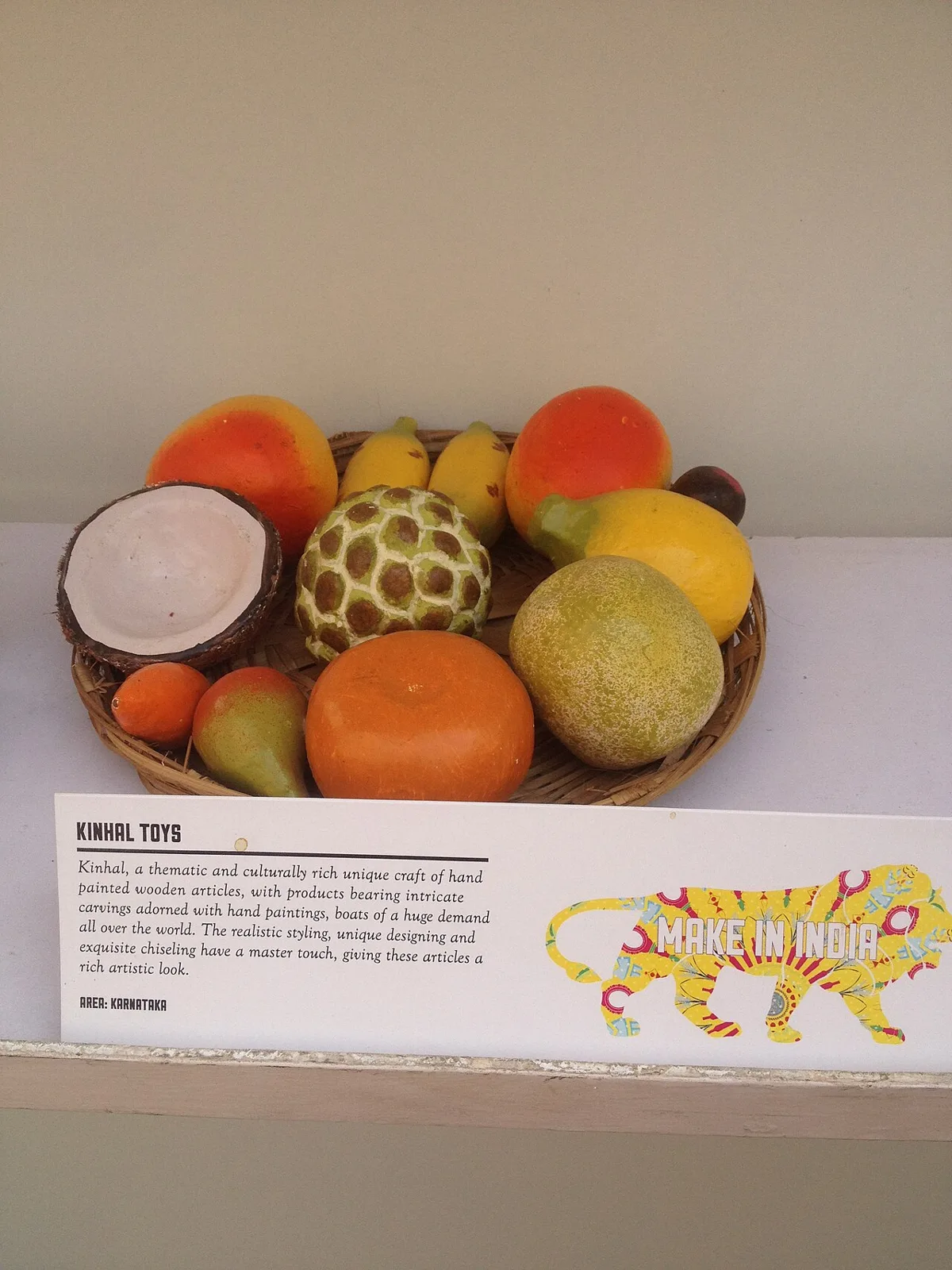
Kinhal Lacquer-Craft Village, also called Kinnal, is a settlement in Karnataka’s Koppal district. Visitors are drawn by its connection with Kinnal craft, which has geographical indication recognition.

Mahakuta Temples

89 km away · Bagalkot district

Mahakuta Temples

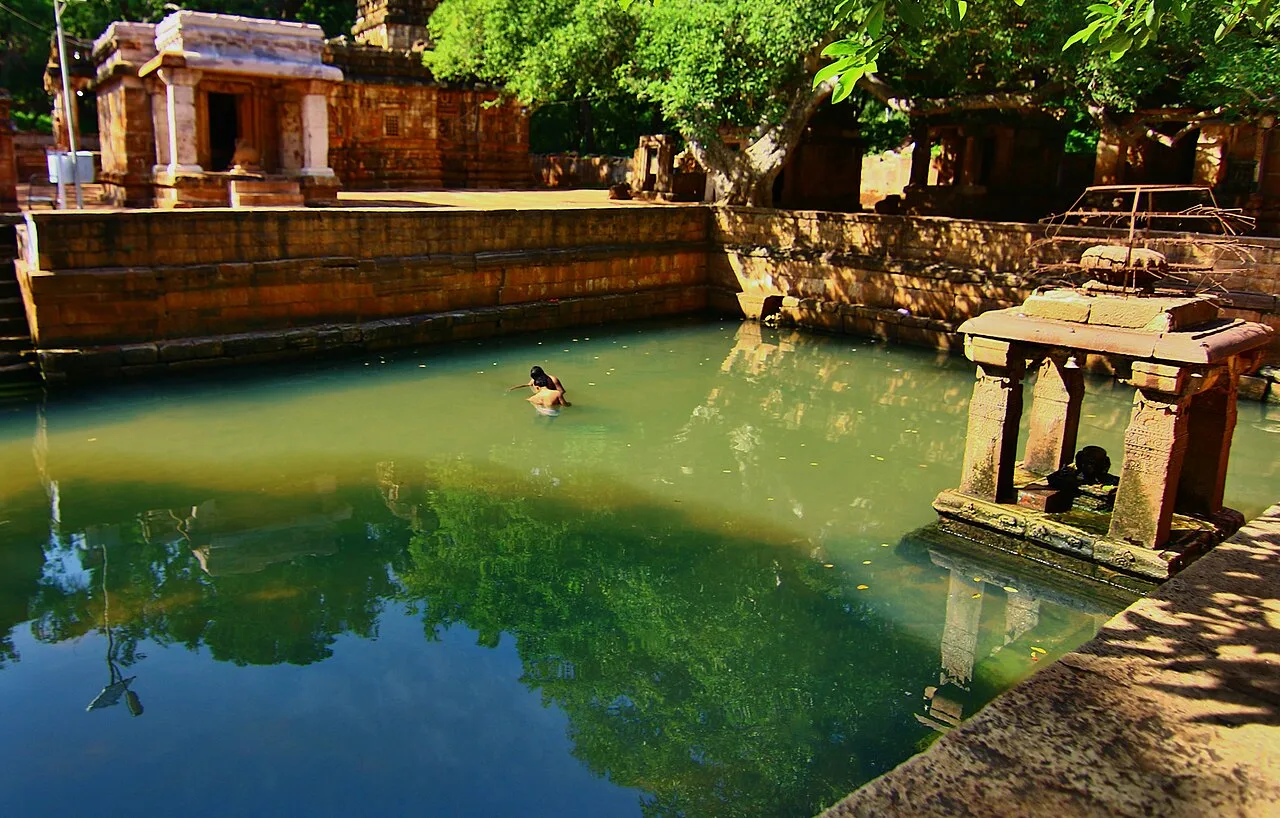
Mahakuta Temples is a Hindu temple complex and Shaiva monastic centre in Bagalkot district, Karnataka. People visit to worship and view its early Chalukyan architecture and inscriptions.

Anegundi

90 km away · Vijayanagara district

Anegundi

Anegundi is a Karnataka village once known as Kishkindha and considered older than Hampi. Visitors are interested in its historical associations and a nearby ash mound linked by tradition to Vali.

Raichur Fort

91 km away · Raichur district

Raichur Fort

Raichur Fort is a hilltop stronghold in the city of Raichur, Karnataka. Visitors come to see its elevated setting and learn about the succession of powers that ruled the surrounding region.

Banashankari Temple, Badami

92 km away · Bagalkot district

Banashankari Temple, Badami

Banashankari Temple is a Hindu shrine at Cholachagudda near Badami, Karnataka. Visitors come to worship its goddess and attend the yearly jatre, which features cultural events, a boat festival and a chariot procession.

Hampi Monuments

92 km away · Vijayanagara district

Hampi Monuments

Hampi is a UNESCO-listed archaeological and religious landscape in Karnataka, known for its Vijayanagara-era remains. Visitors come to explore its temples, royal structures and continuing places of worship.

Map

Lingasugur on the map

  1. 1Aihole
  2. 2Pattadakal
  3. 3Kinhal Lacquer-Craft Village
  4. 4Mahakuta Temples
  5. 5Anegundi
  6. 6Raichur Fort
  7. 7Banashankari Temple, Badami
  8. 8Hampi Monuments

Karnataka

Other cities to explore