Ghumoopedia — Explore, Discover, Experience
Sign in
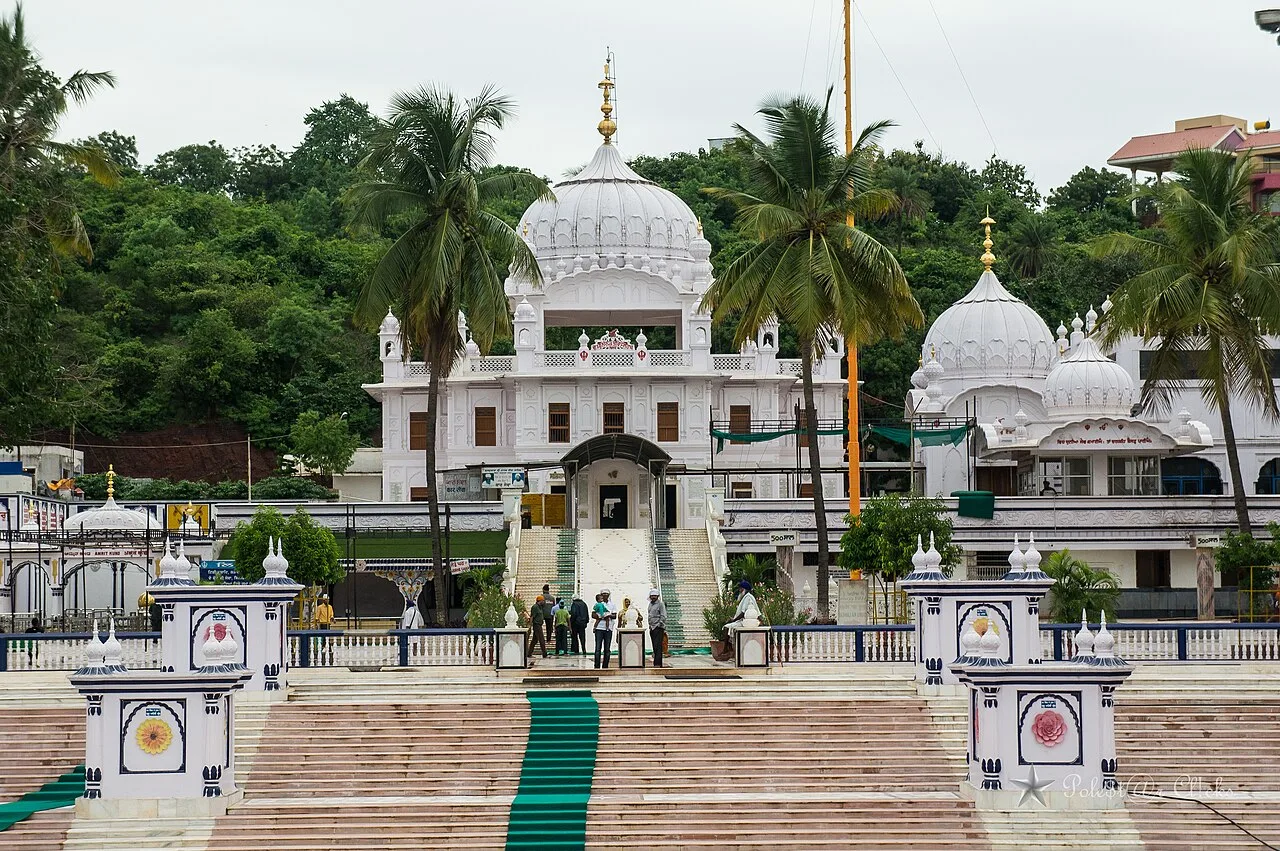
Guru Nanak Jhira Sahib, near Humnabad

City guide · Karnataka

Humnabad

Humnabad is a municipal town in Bidar district and the administrative headquarters of Humnabad taluk. Its position between Bidar and Kalaburagi makes it a useful regional centre for residents, traders and travellers moving across northern Karnataka.

Famous for

  • Veerabhadreshwara Temple
  • Shaiva pilgrimage
  • Humnabad taluk headquarters
  • Deccan road connections

Why Humnabad matters

Humnabad is a municipal town in Bidar district and the administrative headquarters of Humnabad taluk. Its position between Bidar and Kalaburagi makes it a useful regional centre for residents, traders and travellers moving across northern Karnataka. The town is also known as Jayasimha Nagar, though Humnabad is the name most commonly used today.

The best-known visitor draw is the Veerabhadreshwara Temple, an important place of worship for devotees of Shiva and Veerabhadra. Pilgrims come to the temple, while other visitors may use Humnabad as a stop on journeys through the Bidar region. National highways NH 50 and NH 65 connect the town with routes across Karnataka and beyond, and rail links add another option for reaching the area. Humnabad’s importance is therefore both local and regional: it serves nearby villages and taluk-level needs, while its temple and transport links give it a wider profile. Visitors will find a working town rather than a large sightseeing centre, with religious life and everyday commerce at its heart.
Famous for: crafts, trade & products

Humnabad is best known beyond its immediate area for the Veerabhadreshwara Temple, rather than for a widely established textile, handicraft or GI-tagged product. The temple is the town’s most prominent cultural landmark and the main reason many visitors make a dedicated stop here. The town also functions as a service and trading centre for Humnabad taluk, whose villages rely on it for everyday shopping and administrative needs.

Central market streets and the shops around the town centre are the practical places to look for groceries, household goods, clothing and provisions for a journey. These are local retail areas, not specialist craft markets, and visitors should not assume that a particular product is exclusive to Humnabad. Regional foods and agricultural goods may appear in ordinary shops and markets, but no single item is especially established as the town’s signature export. For locally made religious offerings or pilgrimage supplies, ask at shops near the temple. Travellers seeking a broader range of Bidar-region crafts or specialty products may find more options in larger nearby centres.

History

Humnabad is also known by the name Jayasimha Nagar. Its local past is not as widely documented as the history of nearby Bidar, so it is best understood in the context of the wider Deccan region rather than through a firmly established account of individual rulers or a founding date. The surrounding region was shaped by successive Deccan powers, including the Bahmani and Barid Shahi states, and later came under the Hyderabad State. These broader political changes influenced the towns, routes and religious institutions of the area.

Under princely Hyderabad, Humnabad developed as a local settlement and service centre. After Hyderabad State joined the Indian Union in 1948, the area became part of the post-independence administrative system. Humnabad is now a municipal council and the headquarters of its taluk in Karnataka’s Bidar district. Road and rail connections, along with its role serving nearby villages, have supported its modern growth. The Veerabhadreshwara Temple remains a prominent marker of the town’s religious identity.

Food, festivals & culture

Kannada is widely used in Humnabad and across the surrounding district. Urdu, Marathi and Telugu are also heard in this part of the Deccan, reflecting its neighbouring regions and mixed communities. Everyday food draws on the broader northern Karnataka and Deccan kitchen: jowar rotti, vegetable curries, lentils and groundnut-based accompaniments are familiar regional choices. These are regional staples rather than dishes unique to Humnabad; ordinary eateries and local homes are the likeliest places to encounter them. Sweet offerings and festival foods vary by household and occasion.

Humnabad’s Veerabhadreshwara Temple is central to its religious life, and temple observances bring devotees together through the year. Hindu festivals such as Ugadi, Ganesh Chaturthi and Deepavali are celebrated, while Muslim communities mark Eid. The timing of observances follows the religious calendar, so dates vary from year to year. Music and devotional singing are part of worship and festival gatherings; cultural expression also reflects the wider Kannada-speaking region. Visitors should dress respectfully at places of worship and follow local guidance during ceremonies.

Visiting the city

The cooler months, roughly October to February, are generally the most comfortable time to visit; summer can be very hot, while monsoon weather may affect road journeys. The nearest airport is Bidar Airport, though travellers should check whether suitable commercial services are operating. Humnabad Railway Station serves the town, and road links include NH 50 and NH 65.

Within town, local auto-rickshaws and taxis are useful for reaching the Veerabhadreshwara Temple and central shopping streets; confirm availability locally. The temple area and town centre are the main places to explore, with nearby market streets offering a glimpse of everyday life. Humnabad works well as a short pilgrimage stop or as a base for travel around the taluk. For a wider choice of accommodation and attractions, visitors can consider nearby Bidar.

Trips from the city

Nearest places to visit from Humnabad

Our closest destination guides, by straight-line distance.

Guru Nanak Jhira Sahib

44 km away · Bidar district

Guru Nanak Jhira Sahib

Guru Nanak Jhira Sahib is a Sikh shrine in Bidar, Karnataka, associated with Guru Nanak and the region’s Sikh history; visitors come to honour the first Sikh guru.

Bidar Fort

46 km away · Bidar district

Bidar Fort

Bidar Fort is a historic complex in Bidar, Karnataka, where visitors can explore more than 30 monuments and learn about the changing powers of the Deccan.

47 km away · Bidar district

Narasimha Jharni Cave Temple

Narasimha Jharni Cave Temple is a shrine in Bidar district, Karnataka, linked to Vishnu’s Narasimha avatar. Visitors come to worship at the cave temple and recognise its place in Vaishnavite tradition.

Bahmani Tombs

49 km away · Bidar district

Bahmani Tombs

The Bahmani Tombs are a burial complex in Bidar, Karnataka, dating from the fifteenth and sixteenth centuries. Visitors come to see their distinctive Deccan architecture and blend of influences.

Gulbarga Fort

57 km away · Kalaburagi district

Gulbarga Fort

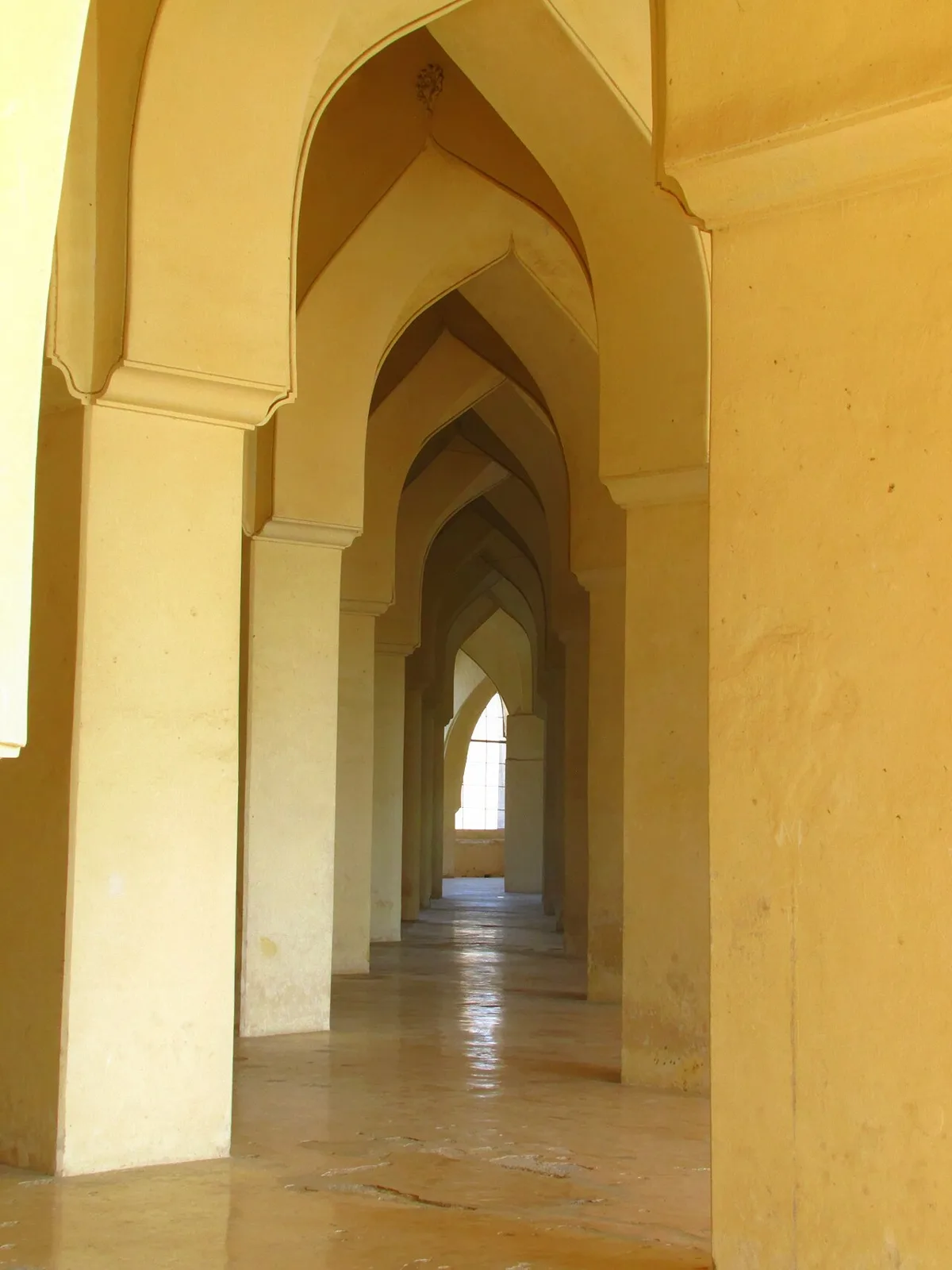
Gulbarga Fort is a historic stronghold in Kalaburagi associated with the Bahmani Kingdom. Visitors come to see its buildings, including the Jama Masjid, known for its enclosed form and Persian design.

Sharana Basaveshwara Temple

58 km away · Kalaburagi district

Sharana Basaveshwara Temple

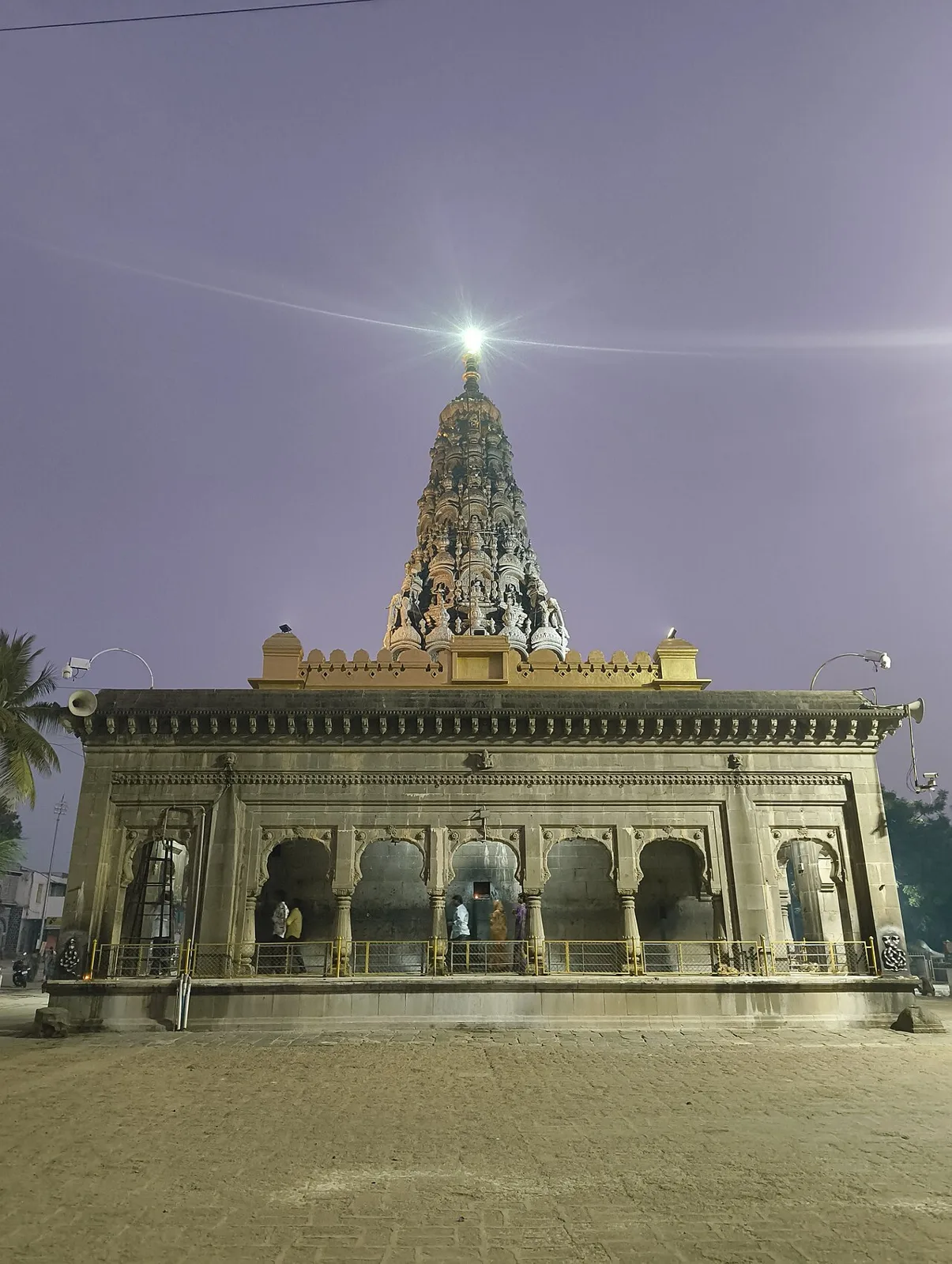
In Kalaburagi district, Karnataka, the Sharana Basaveshwara Temple is a shrine. Visitors come to worship at this site in Kalaburgi, an old town in the state’s northeast.

Raichur Fort

177 km away · Raichur district

Raichur Fort

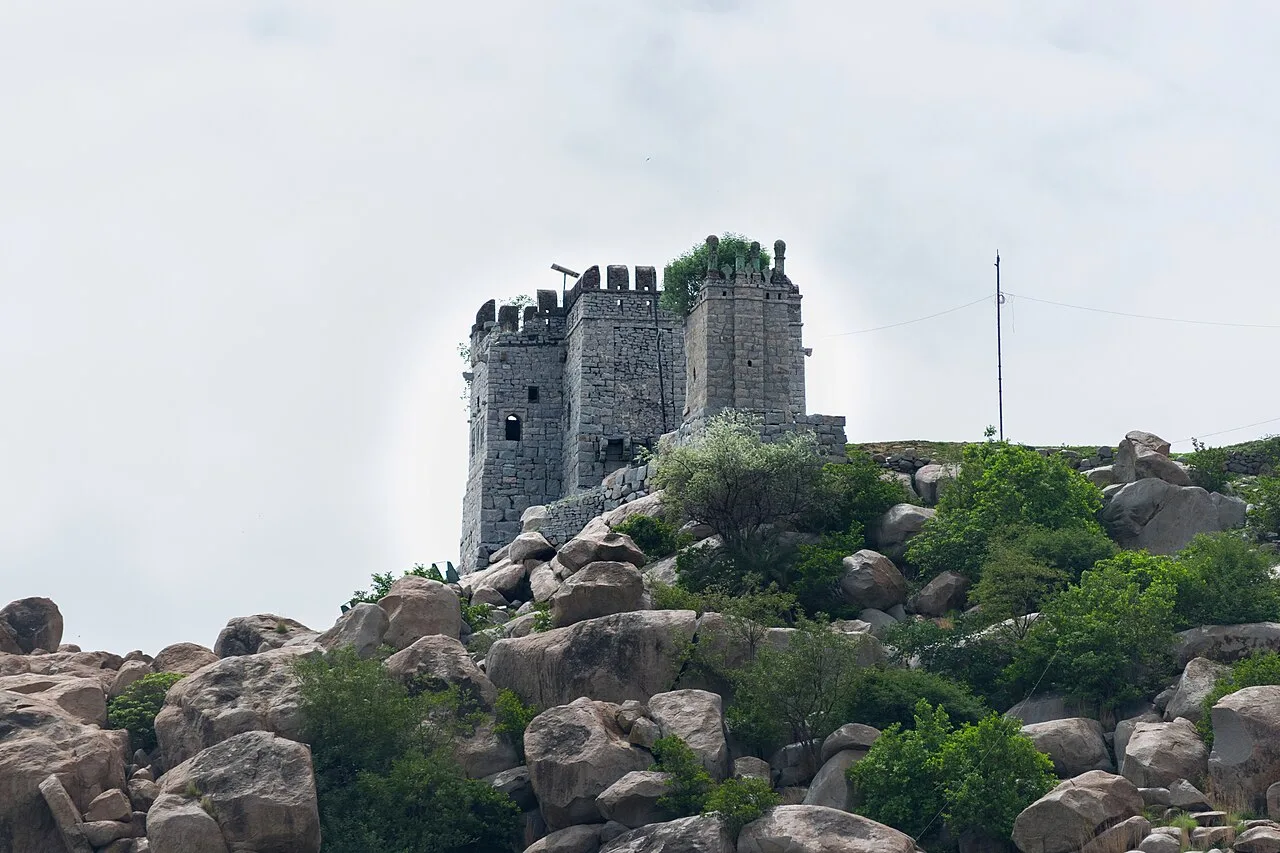
Raichur Fort is a hilltop stronghold in the city of Raichur, Karnataka. Visitors come to see its elevated setting and learn about the succession of powers that ruled the surrounding region.

Gol Gumbaz

181 km away · Vijayapura district

Gol Gumbaz

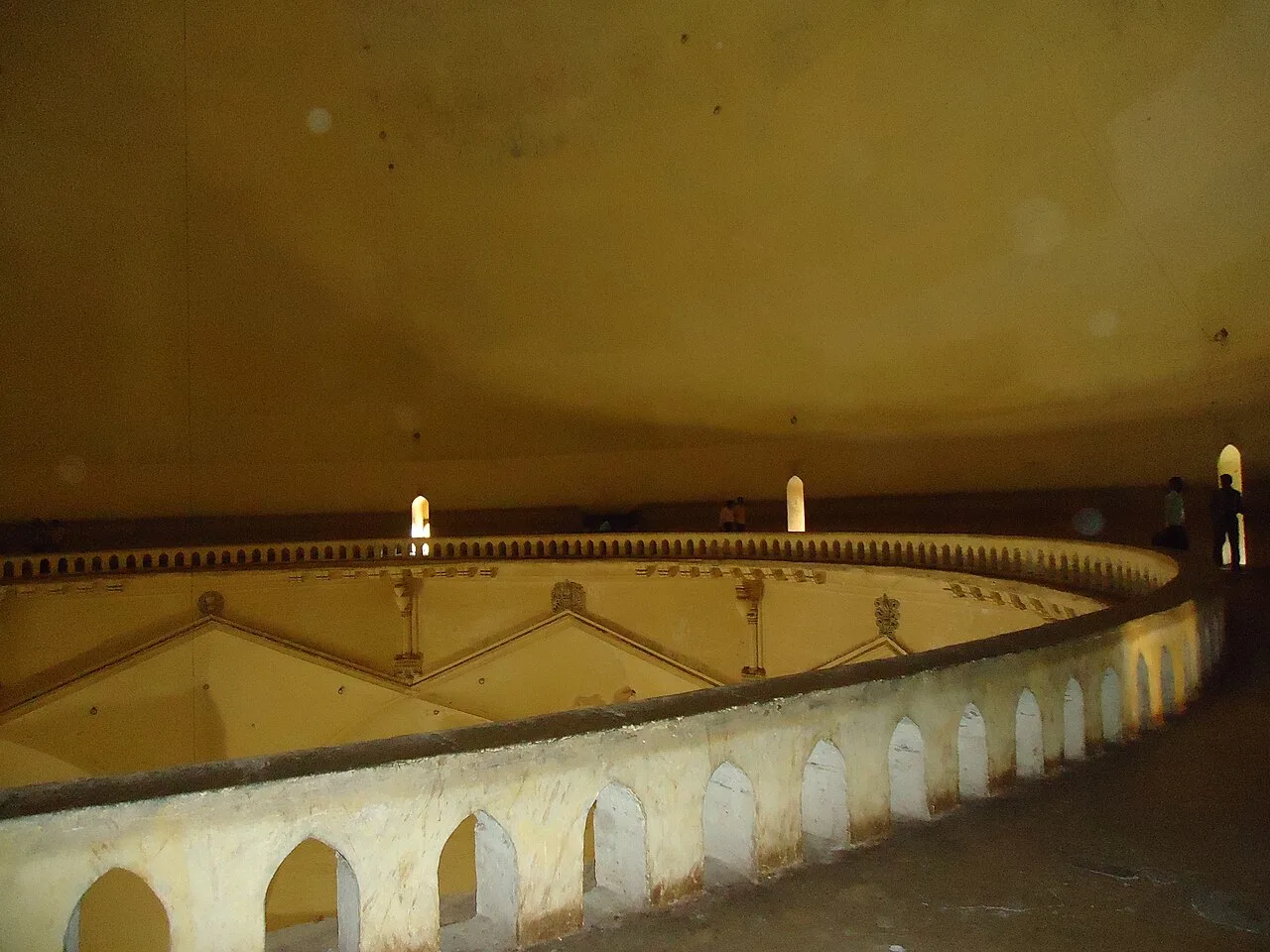
Gol Gumbaz is a basalt mausoleum in Bijapur, Karnataka, built for Mohammad Adil Shah. Visitors come to see its great dome, Indo-Islamic design and famous whispering gallery.

Map

Humnabad on the map

  1. 1Guru Nanak Jhira Sahib
  2. 2Bidar Fort
  3. 3Narasimha Jharni Cave Temple
  4. 4Bahmani Tombs
  5. 5Gulbarga Fort
  6. 6Sharana Basaveshwara Temple
  7. 7Raichur Fort
  8. 8Gol Gumbaz

Karnataka

Other cities to explore