Ghumoopedia — Explore, Discover, Experience
Sign in
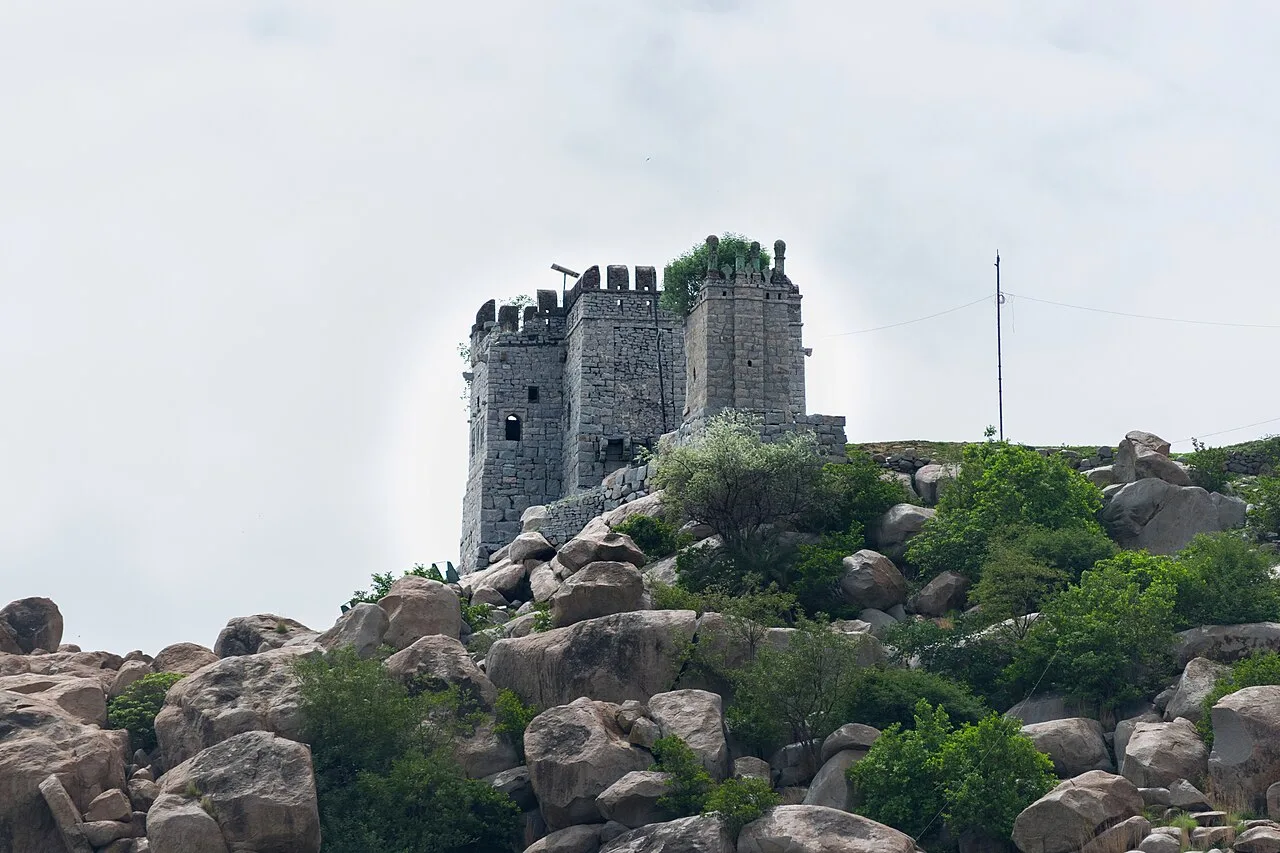
Raichur Fort, near Manvi

City guide · Karnataka

Manvi

Manvi is a town in Raichur district in northeastern Karnataka and serves as the administrative headquarters of Manvi taluk. Its importance comes less from large tourist attractions than from its role as a service and trading centre for surrounding settlements.

Famous for

  • Jagannatha Dasa devotional legacy
  • Haridasa music tradition
  • Manvi taluk headquarters
  • Raichur-region agriculture

Why Manvi matters

Manvi is a town in Raichur district in northeastern Karnataka and serves as the administrative headquarters of Manvi taluk. Its importance comes less from large tourist attractions than from its role as a service and trading centre for surrounding settlements. Government offices, shops, schools and everyday services make the town a practical base for people travelling through this part of the Raichur region.

Manvi is also associated with the devotional heritage of Jagannatha Dasa, an important Kannada Haridasa poet and composer. Places connected with this tradition draw devotees, while local temples and the town’s markets offer a quieter view of life in the interior Deccan. Visitors may encounter Kannada, Urdu and Telugu in daily use, and find North Karnataka food and agricultural commerce central to the town’s character. Manvi suits travellers interested in regional culture, religious heritage and small-town life more than those seeking a developed sightseeing circuit. Its position within the taluk makes it a useful stop for exploring nearby communities and the wider Raichur district.
Famous for: crafts, trade & products

Manvi is not widely identified with a signature saree, handicraft or GI-tagged product. Its better-known role is as a local commercial centre serving an agricultural hinterland. Produce from farms in the wider area, including cereals, pulses, cotton and paddy, supports trade and everyday commerce, though crops and availability vary by season.

For a sense of local trade, explore the central bazaar and surrounding shops, where residents shop for household goods, clothing, food and farm-related supplies. Fresh produce and staples are generally found through local vendors and markets; visitors looking for a particular craft or specialty product should not assume there is a dedicated artisan market. The town’s strongest cultural association is the Haridasa tradition linked to Jagannatha Dasa, reflected in devotional practice and local sites of worship rather than in a distinct commercial craft industry. Manvi’s taluk offices and other public services are also part of its regional importance, bringing people into town from nearby villages.

History

Manvi’s development has been shaped by its position in the Raichur region, an area of the Deccan that saw successive changes in political control. Medieval powers active across the wider region included the Vijayanagara and Bahmani kingdoms and later Deccan sultanates; their influence should be understood as part of the district’s history rather than as a claim that every power ruled the town directly.

In the colonial period, Raichur was administered within the princely state of Hyderabad, which was under British paramountcy. After Indian independence and the reorganisation of states, Raichur district became part of Mysore State in 1956, later renamed Karnataka. Manvi grew as the administrative centre of its taluk, with civic offices and market activity serving surrounding rural settlements. Its religious and literary history is also associated with Jagannatha Dasa and the Kannada Haridasa movement, whose devotional compositions remain part of Karnataka’s cultural heritage.

Food, festivals & culture

Everyday food reflects the wider North Karnataka palate. Jolada rotti, made from sorghum, is commonly eaten with vegetable curries, lentils, chutneys and stuffed brinjal preparations; rice and other grains are also part of local meals. Holige and other sweets may be prepared for festivals and family occasions, though specialities vary between households and seasons.

Kannada is the principal language of the region, with Urdu and Telugu also heard in the district’s multilingual communities. The devotional legacy associated with Jagannatha Dasa connects Manvi with Kannada Haridasa poetry and bhakti music. Ugadi and Deepavali are celebrated in spring and autumn respectively, while Dasara and local temple observances bring communities together; Ramadan and Eid are important occasions for Muslim residents. Temples and other neighbourhood places of worship are central to community life, and visitors can experience local customs most naturally by attending respectfully during public celebrations.

Visiting the city

The cooler months, roughly October to February, are generally the most comfortable time to visit; summers can be very hot, and monsoon conditions may affect road journeys. Kalaburagi Airport is the nearest airport, while Rajiv Gandhi International Airport in Hyderabad may offer a wider choice of connections. Raichur is the main railway station for reaching Manvi, with the onward journey made by road.

Buses and taxis connect Manvi with nearby towns, and local auto-rickshaws are useful for short trips within town. Begin around the central bazaar to see everyday commerce, then visit local places of worship and sites associated with the Jagannatha Dasa devotional tradition. Manvi is compact, so exploring the town centre on foot can be practical, with local transport useful for longer distances.

Trips from the city

Nearest places to visit from Manvi

Our closest destination guides, by straight-line distance.

Raichur Fort

41 km away · Raichur district

Raichur Fort

Raichur Fort is a hilltop stronghold in the city of Raichur, Karnataka. Visitors come to see its elevated setting and learn about the succession of powers that ruled the surrounding region.

Anegundi

93 km away · Vijayanagara district

Anegundi

Anegundi is a Karnataka village once known as Kishkindha and considered older than Hampi. Visitors are interested in its historical associations and a nearby ash mound linked by tradition to Vali.

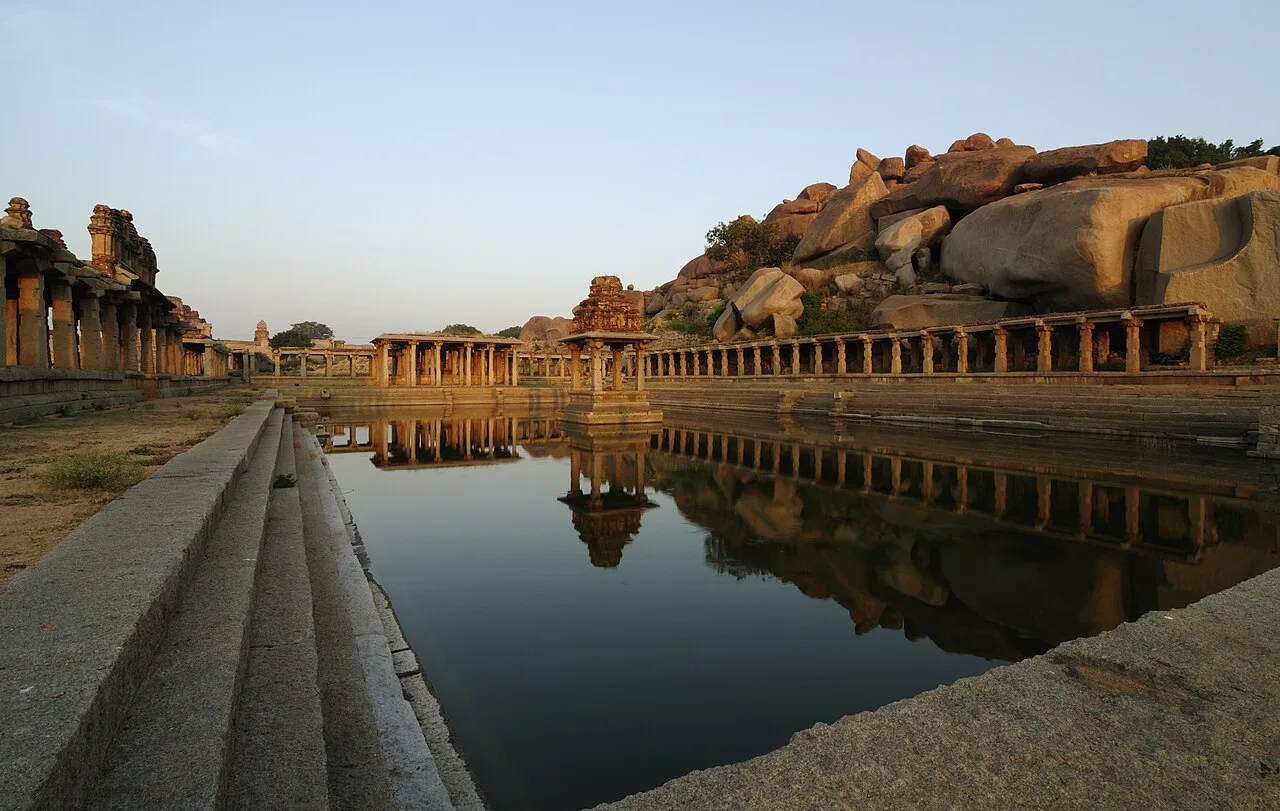
Hampi Monuments

96 km away · Vijayanagara district

Hampi Monuments

Hampi is a UNESCO-listed archaeological and religious landscape in Karnataka, known for its Vijayanagara-era remains. Visitors come to explore its temples, royal structures and continuing places of worship.

Lotus Mahal

97 km away · Vijayanagara district

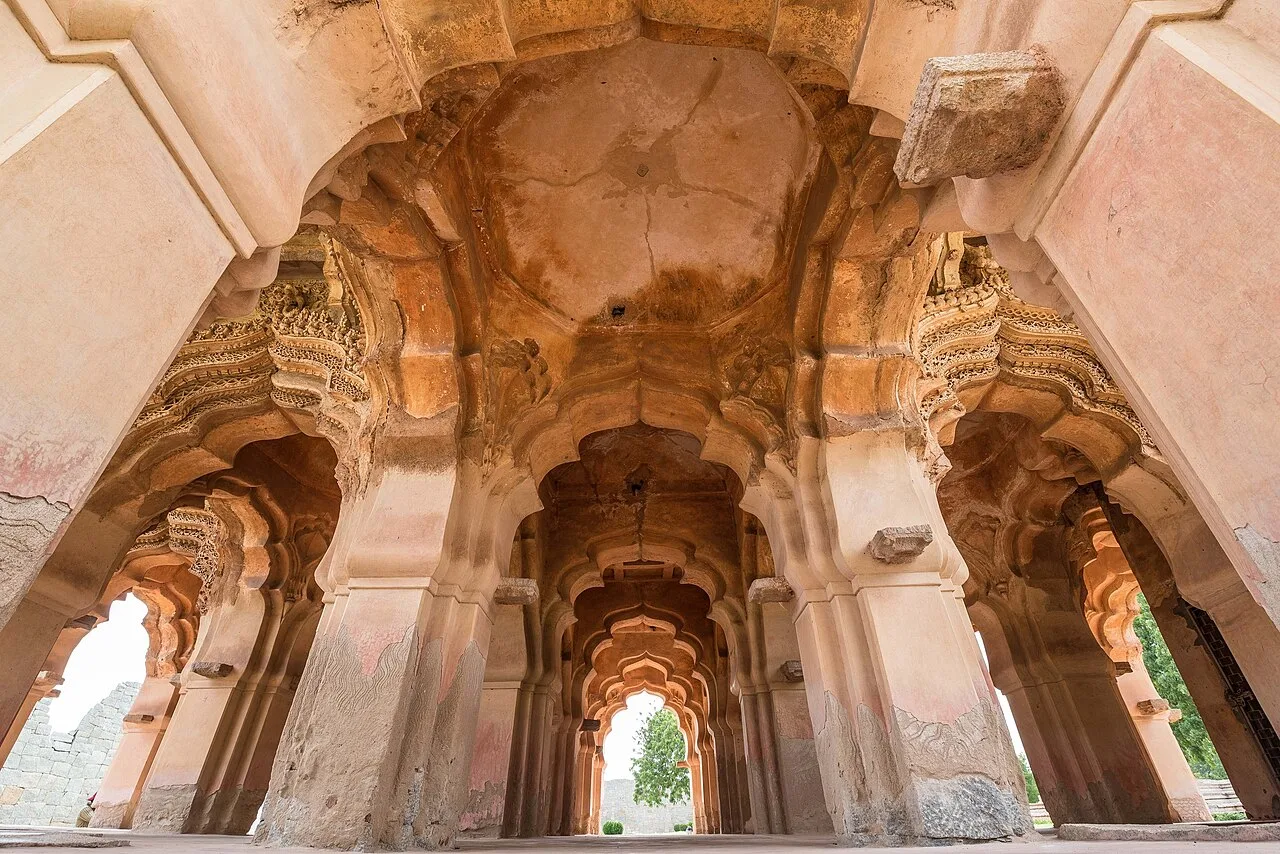
Lotus Mahal

Lotus Mahal, also known as Chitrangini Mahal, is a secular building in Hampi, Karnataka. Visitors come to see its two-storey design, which reflects the architectural tradition of the Vijayanagara Empire.

Virupaksha Temple

97 km away · Vijayanagara district

Virupaksha Temple

Set beside the Tungabhadra at Hampi, Virupaksha Temple is a historic Shiva shrine and the site’s principal pilgrimage destination, drawing visitors for its enduring religious significance.

Matanga Hill

98 km away · Vijayanagara district

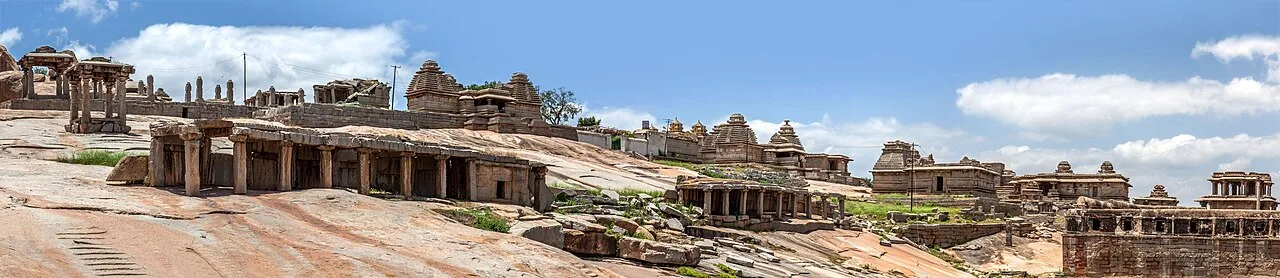
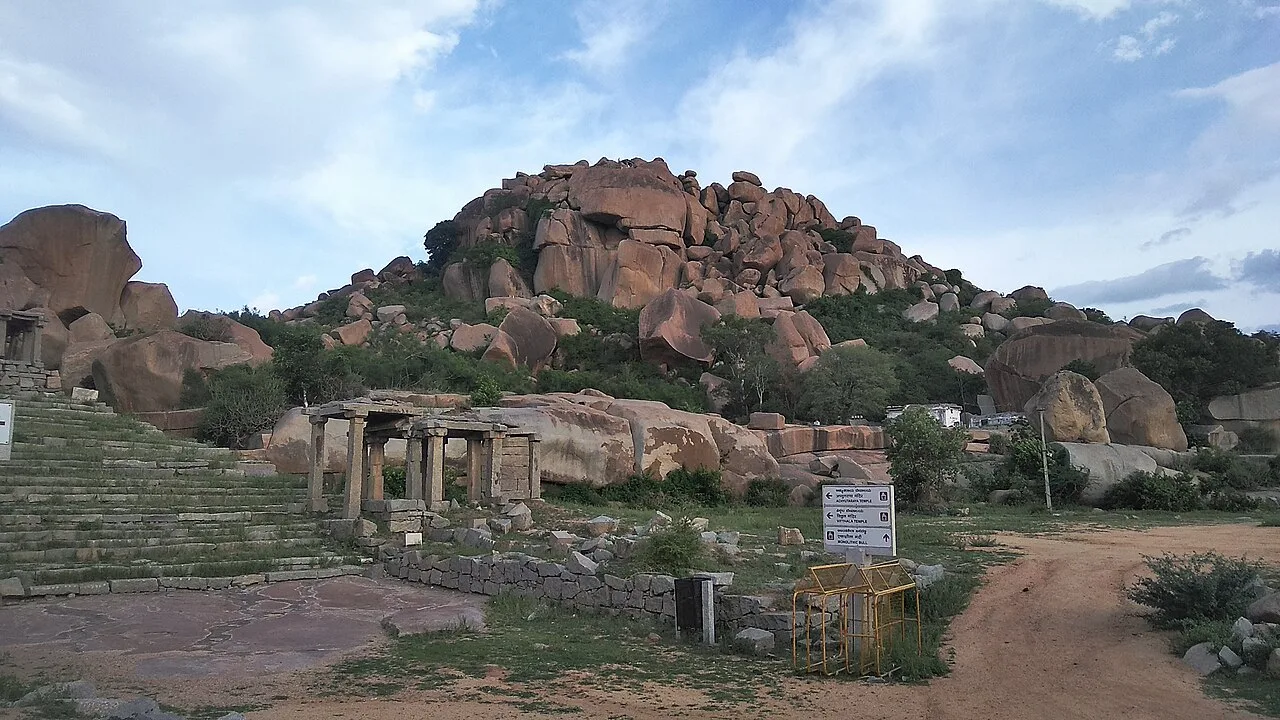
Matanga Hill

In Hampi, Karnataka’s Vijayanagara district, Matanga Hill is a rocky rise associated with the Ramayana and the former Vijayanagara capital. Visitors explore its religious associations and place in the region’s history.

Daroji Sloth Bear Sanctuary

102 km away · Vijayanagara district

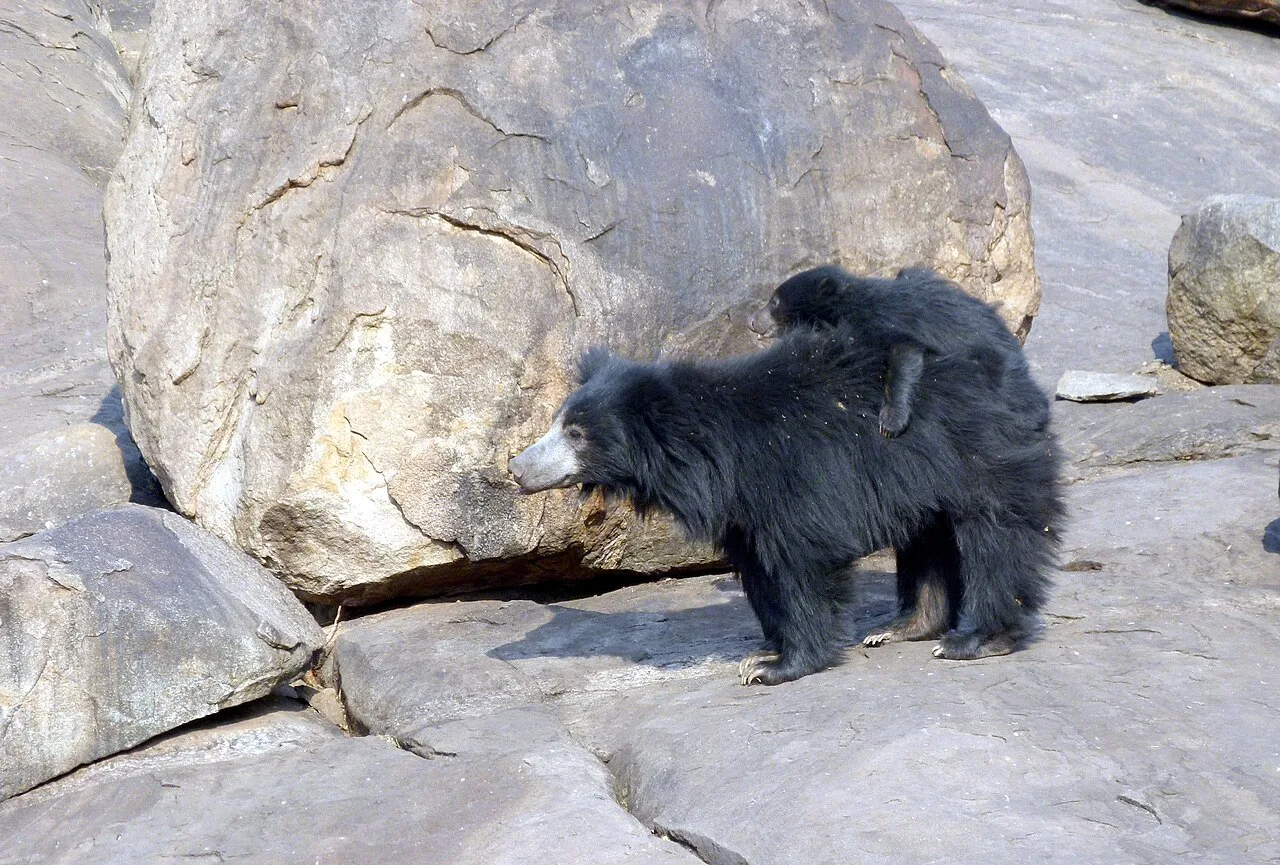
Daroji Sloth Bear Sanctuary

Daroji Sloth Bear Sanctuary in Karnataka protects sloth bears across a landscape near Ballari and Hampi. Visitors come to see bears, particularly as they descend the hillocks in the evening.

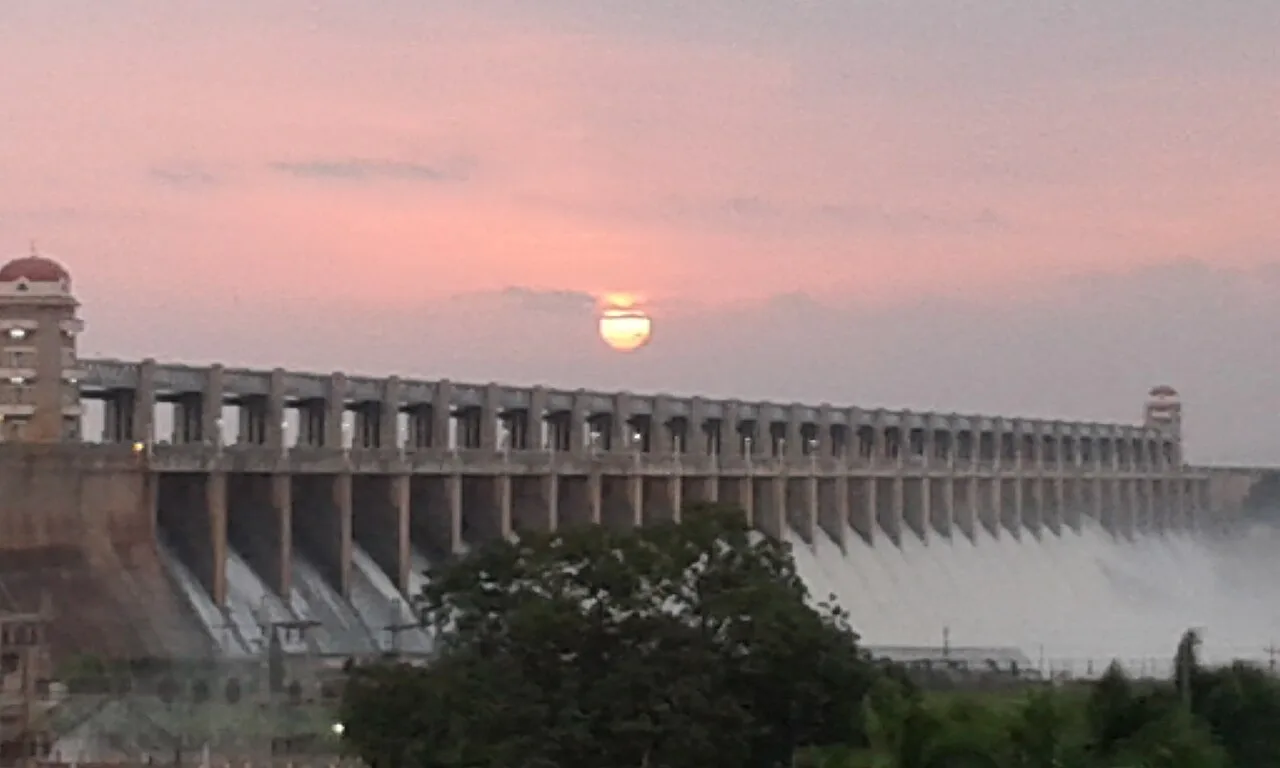
Tungabhadra Dam

109 km away · Vijayanagara district

Tungabhadra Dam

Tungabhadra Dam, also known as Pampa Sagar, is a multipurpose reservoir on Karnataka’s Tungabhadra River. Visitors interested in water infrastructure come to see its stone-masonry construction and its role in irrigation, electricity generation and flood management.

Map

Manvi on the map

  1. 1Raichur Fort
  2. 2Anegundi
  3. 3Hampi Monuments
  4. 4Lotus Mahal
  5. 5Virupaksha Temple
  6. 6Matanga Hill
  7. 7Daroji Sloth Bear Sanctuary
  8. 8Tungabhadra Dam

Karnataka

Other cities to explore