Ghumoopedia — Explore, Discover, Experience
Sign in
Trikuteshwara Temple, Gadag, near Annigeri

City guide · Karnataka

Annigeri

Annigeri is a historic town and taluk centre in Karnataka’s Dharwad district, situated between Gadag and Hubballi. Its best-known landmark is the Amruteshwara Temple, a major example of Western Chalukya architecture.

Famous for

  • Amruteshwara Temple
  • Adikavi Pampa’s birthplace
  • Western Chalukya architecture
  • Jain Parshvanatha shrine
  • Historic temple town

Why Annigeri matters

Annigeri is a historic town and taluk centre in Karnataka’s Dharwad district, situated between Gadag and Hubballi. Its best-known landmark is the Amruteshwara Temple, a major example of Western Chalukya architecture. Built in soapstone, the temple is recognised for its dark stonework, carved mythological figures and a roof supported by 76 pillars. Visitors come to see this heritage site and the town’s other places of worship, including a Jain shrine dedicated to Parshvanatha.

Annigeri is also remembered as the birthplace of Adikavi Pampa, an influential early Kannada poet. This literary connection gives the town a place in Karnataka’s cultural history as well as its architectural story. For travellers moving between Gadag and Hubballi, Annigeri offers a quieter stop focused on temples, local history and Kannada heritage. Its importance today rests less on a large tourist infrastructure than on the survival of its historic buildings and its continuing role as a regional centre.
Famous for: crafts, trade & products

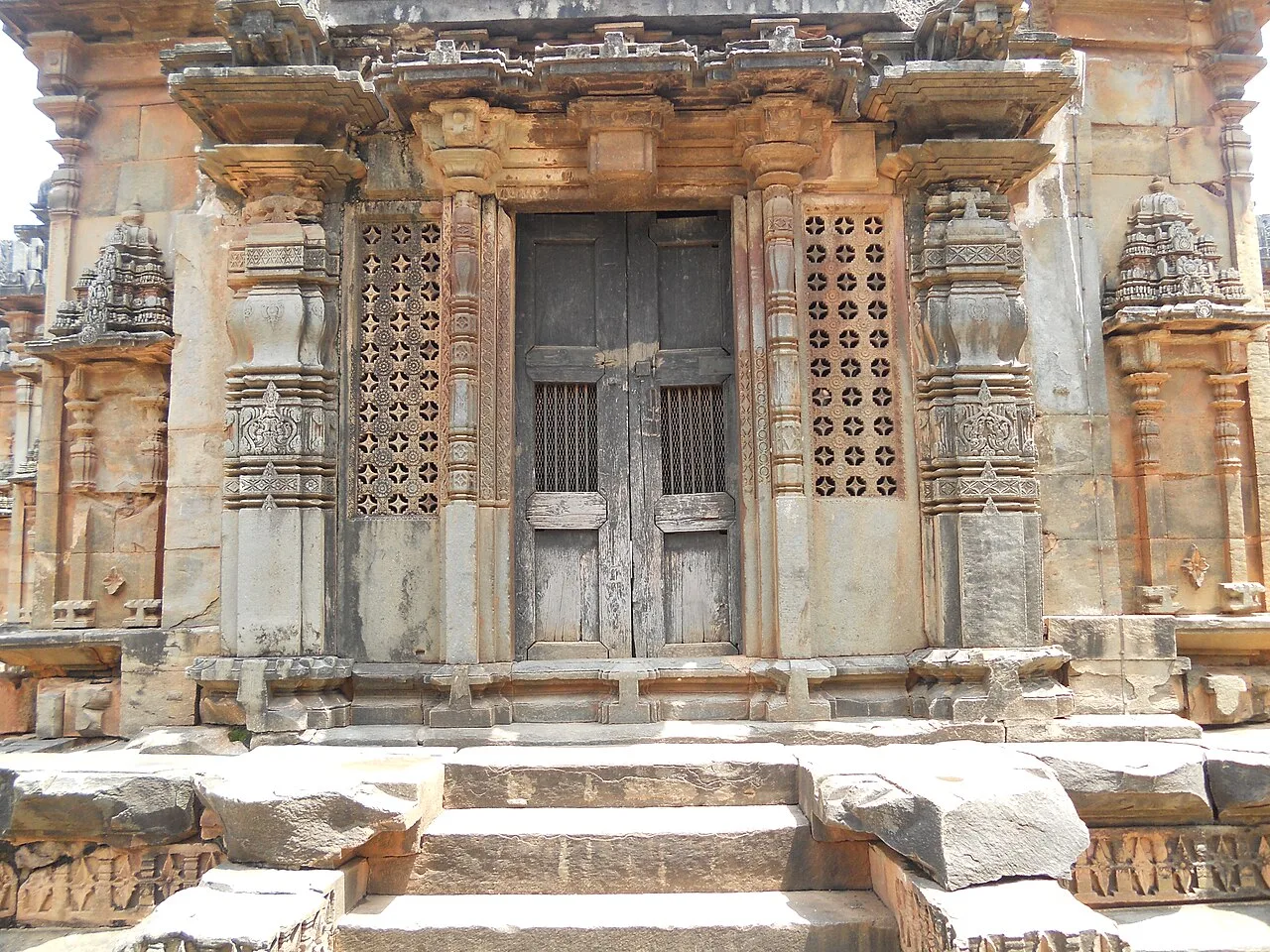
Annigeri is best known for its historic architecture and religious heritage rather than for a signature textile, handicraft or manufactured product. The Amruteshwara Temple’s soapstone construction and Chalukyan carvings are the town’s most distinctive local legacy. Its temples, Jain shrine and Lingayat religious institutions also shape its identity. No widely recognised GI-tagged product or specialist craft is particularly associated with Annigeri.

The town’s central market area is the practical place to look for everyday goods and provisions, but it is not a major destination for specialist shopping. Visitors seeking a wider choice of textiles, household goods or regional products can explore the larger commercial centres of Gadag and Hubballi. North Karnataka foods and ingredients may be available in local shops, though Annigeri is not especially known for a food product of its own. For travellers, the most rewarding “local speciality” is the temple heritage itself: look closely at the stonework and carvings, and allow time to explore the surrounding old-town streets and places of worship.

History

Annigeri was an important political and cultural centre in the medieval Deccan. The region passed among several ruling powers, including the Western Chalukyas, Kalachuris, Seuna Yadavas and Hoysalas. The Amruteshwara Temple, built around 1050, reflects the town’s place within the Western Chalukyas’ architectural sphere. After the Kalachuri ruler Bijjala II took the Chalukya capital of Basavakalyan in 1157, the Chalukyas shifted their seat to Annigeri. It served as a capital under Someshwara IV in the late twelfth century and was associated with the prosperous province of Belvola.

Annigeri also had a scholarly role: historical accounts describe five Brahmapuris that supported primary and Vedic education. During the colonial period, the wider Dharwad region came under British administration; after independence, it became part of Karnataka. The town’s modern profile is that of a regional centre whose strongest links to the past remain visible in its temples and literary heritage.

Food, festivals & culture

Kannada is the principal language of everyday life in Annigeri, with the town sharing the devotional and social traditions of North Karnataka. Its religious landscape includes Hindu temples, a Jain shrine, Lingayat mathas and mosques. The Amruteshwara Temple is the most prominent historic place of worship, while temples dedicated to Banashankari, Hanuman and other deities draw local devotees. Pampa’s association with the town is an important part of its literary identity.

Food follows familiar North Karnataka tastes: jolada rotti (sorghum flatbread), vegetable curries such as ennegayi, and accompaniments such as peanut chutney are common regional fare. These are regional favourites rather than dishes unique to Annigeri. Ugadi is celebrated in spring, while Ganesh Chaturthi, Navaratri—usually in autumn—and Deepavali are observed through the year. Temple worship and devotional singing are part of community life; visitors may also encounter local observances around individual shrines. The town is not especially known for a distinct performance tradition, so nearby Gadag and Hubballi offer a broader cultural programme.

Visiting the city

The cooler, drier months from about October to February are generally the most comfortable for exploring Annigeri; summer can be hot, and monsoon showers may affect road travel. Hubballi Airport is the nearest airport. Annigeri Railway Station serves the town, while Hubballi Junction is a larger rail hub. Annigeri lies on the road between Gadag and Hubballi, making buses and road connections useful for reaching it. Local auto-rickshaws can help with short trips, though walking is practical around the central temple area.

Begin at Amruteshwara Temple, then explore the nearby old-town streets and other temples, including the Jain shrine. The central market area offers a glimpse of everyday town life. Annigeri is compact enough for a short heritage-focused visit; Gadag and Hubballi make useful bases or onward stops.

Trips from the city

Nearest places to visit from Annigeri

Our closest destination guides, by straight-line distance.

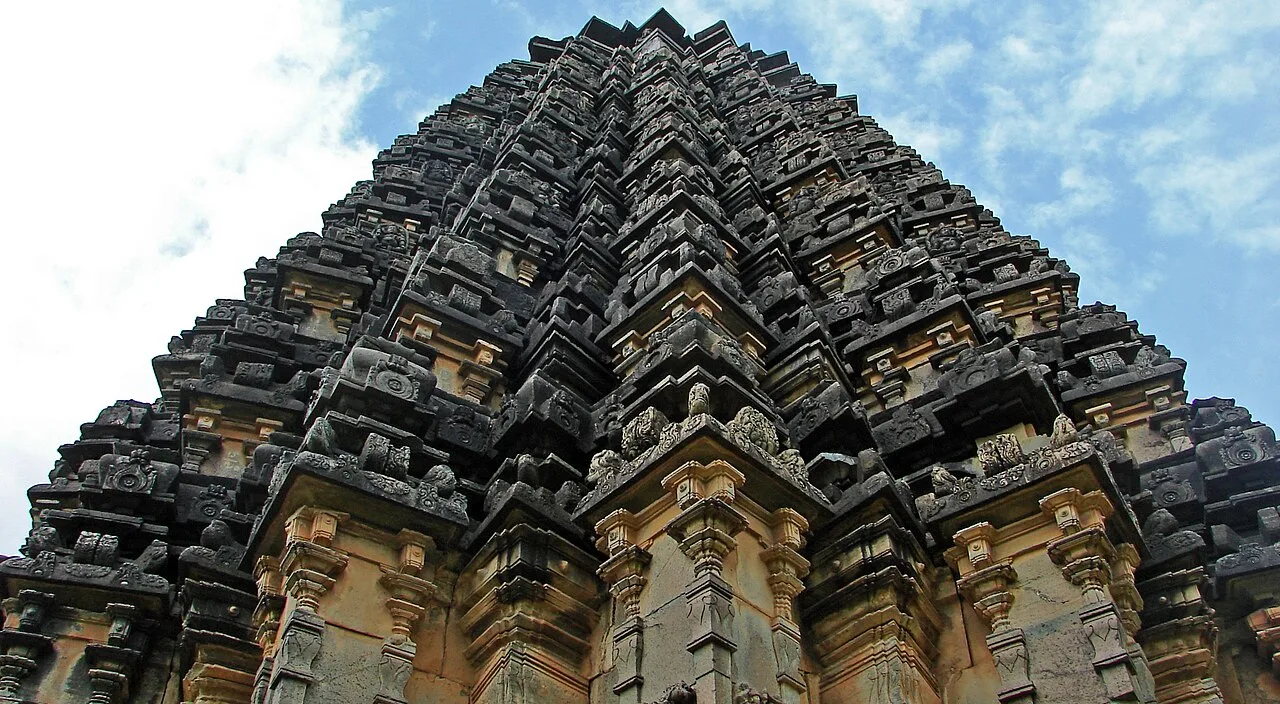
Trikuteshwara Temple, Gadag

21 km away · Gadag district

Trikuteshwara Temple, Gadag

In Gadag, Karnataka, Trikuteshwara Temple is a carved Hindu place of worship dedicated to Shiva. Visitors come to see its three lingas, Saraswathi shrine and carved columns.

Lakkundi

31 km away · Gadag district

Lakkundi

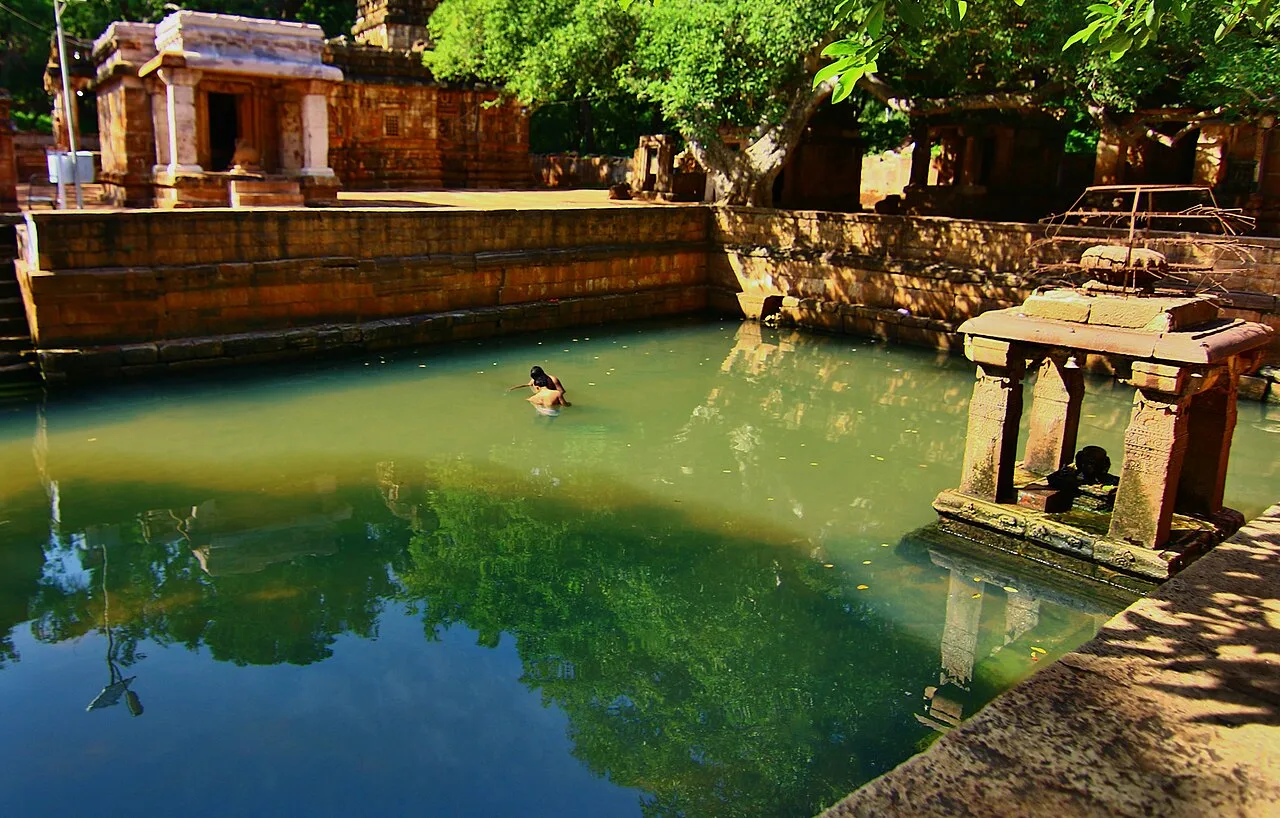
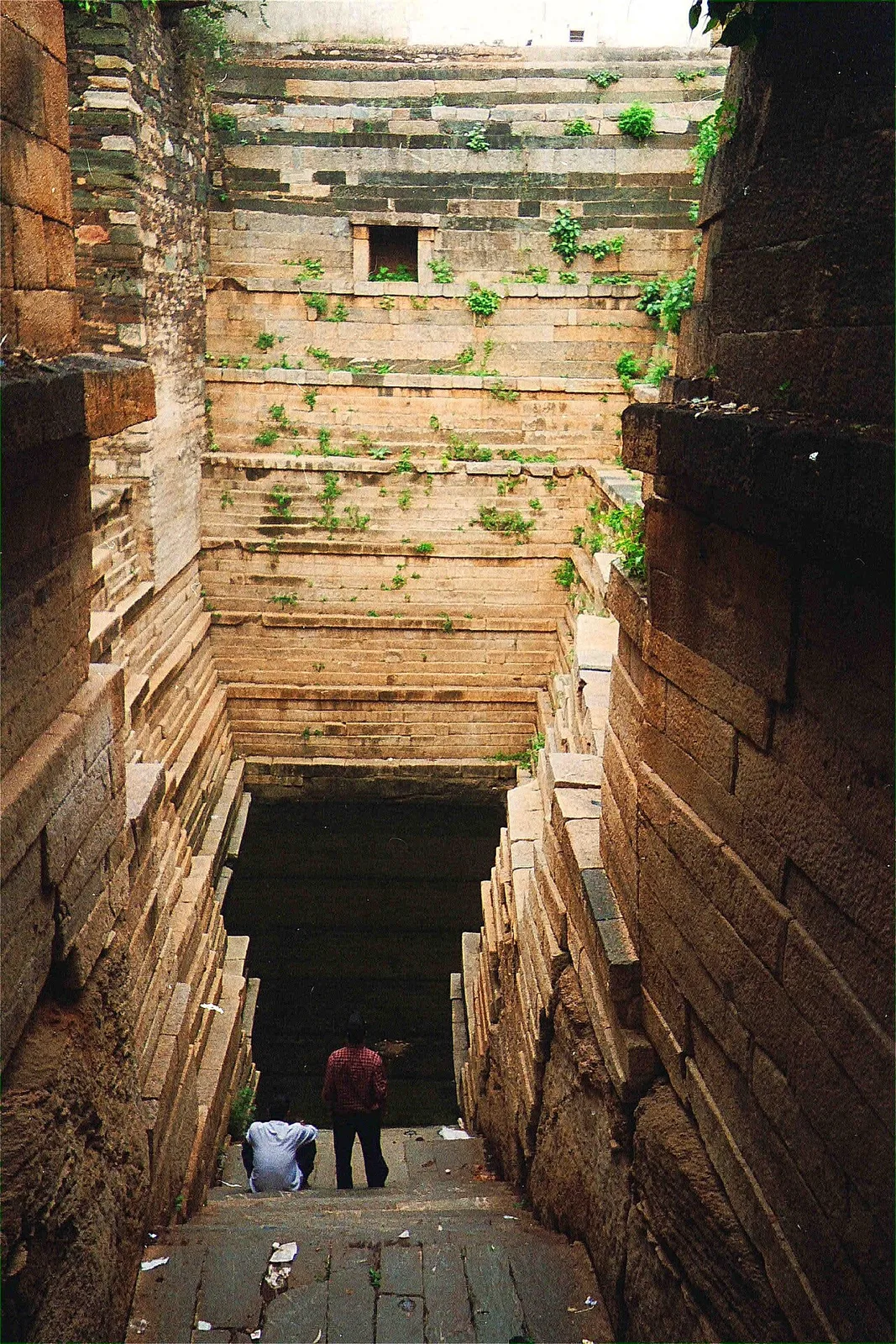
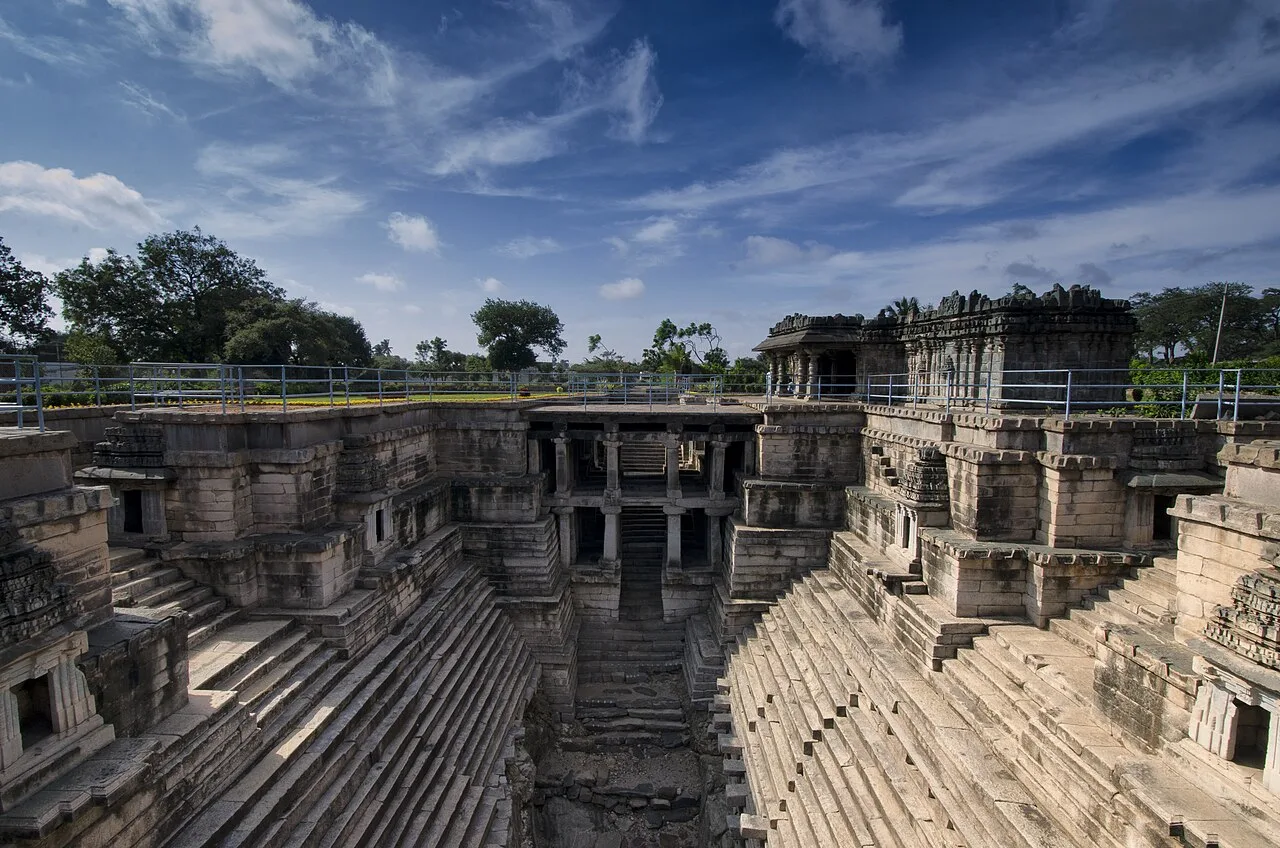
Lakkundi is a historic village in Karnataka’s Gadag district, visited for its Hindu and Jain temple remains, water structures and examples of Kalyana Chalukya architecture.

Chandramouleshwara Temple, Hubballi

34 km away · Dharwad district

Chandramouleshwara Temple, Hubballi

An 11th-century Shiva shrine in Unkal, Hubballi, Chandramouleshwara Temple draws interest for its Chalukyan design, distinctive plan and artwork representing several Hindu traditions.

Doddabasappa Temple

42 km away · Gadag district

Doddabasappa Temple

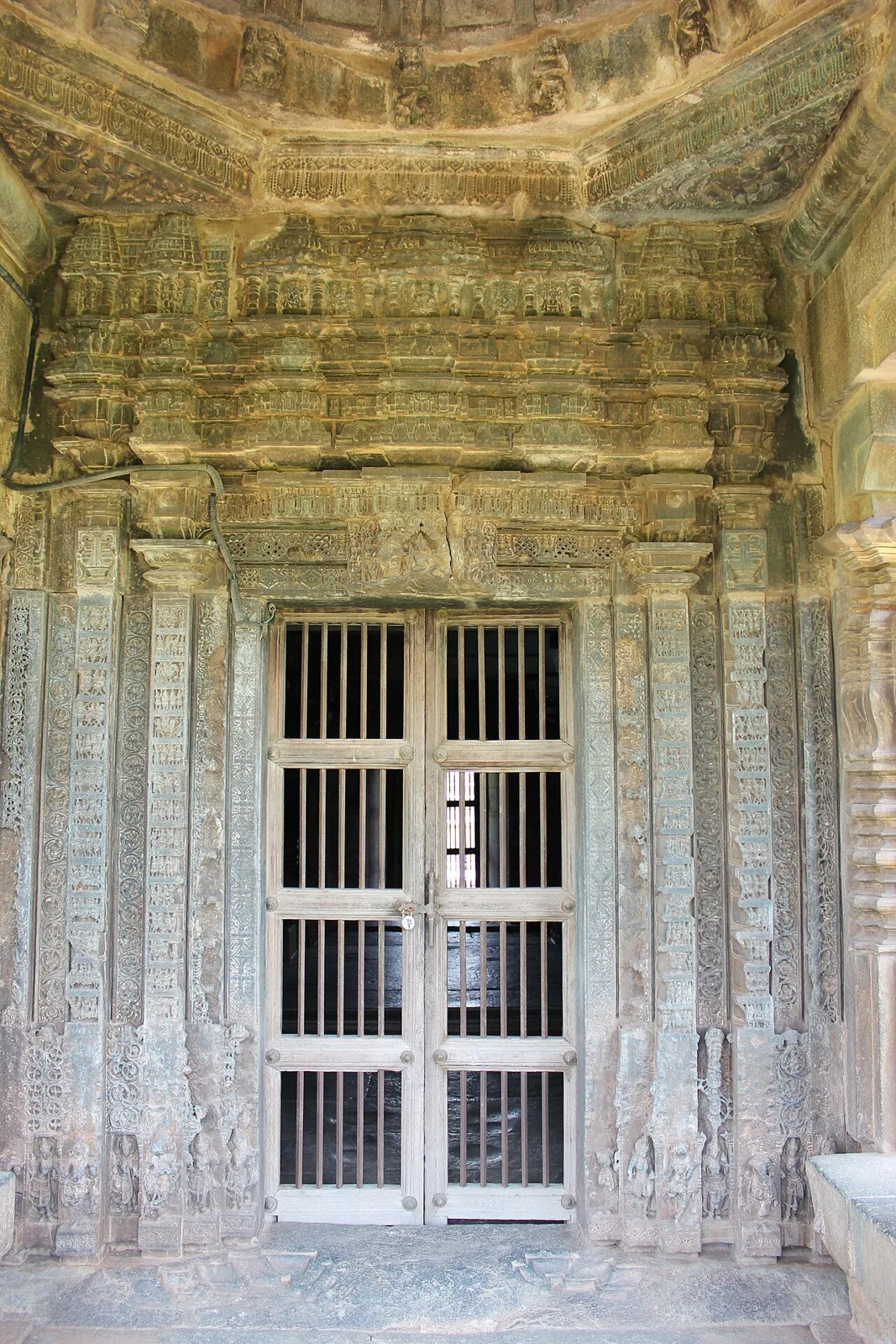
Doddabasappa Temple, in Dambal, Karnataka, is a 12th-century work of Western Chalukyan design. Visitors come to see its Shiva shrine and its place within the region’s architectural tradition.

Banashankari Temple, Badami

59 km away · Bagalkot district

Banashankari Temple, Badami

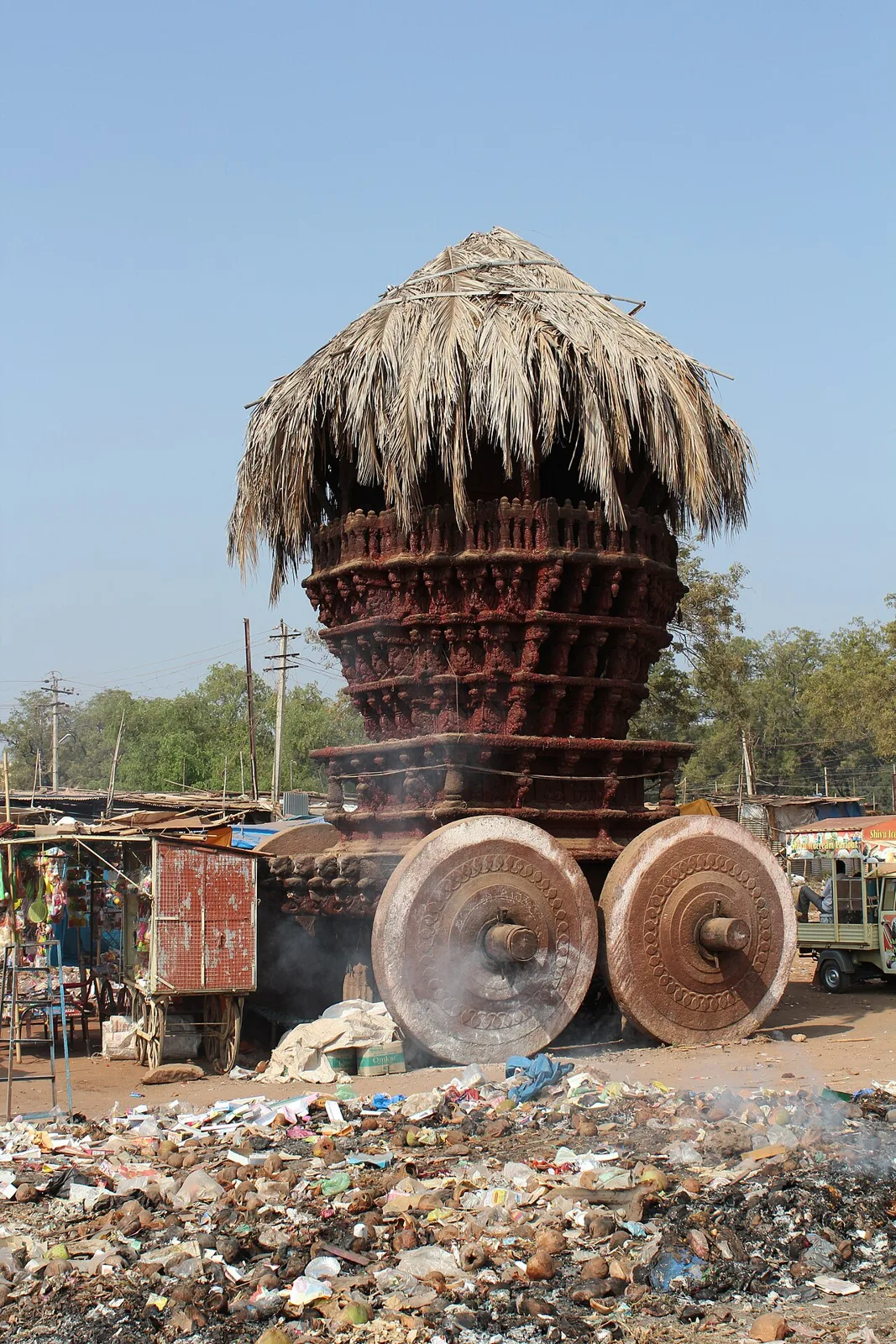
Banashankari Temple is a Hindu shrine at Cholachagudda near Badami, Karnataka. Visitors come to worship its goddess and attend the yearly jatre, which features cultural events, a boat festival and a chariot procession.

Badami cave temples

61 km away · Bagalkot district

Badami cave temples

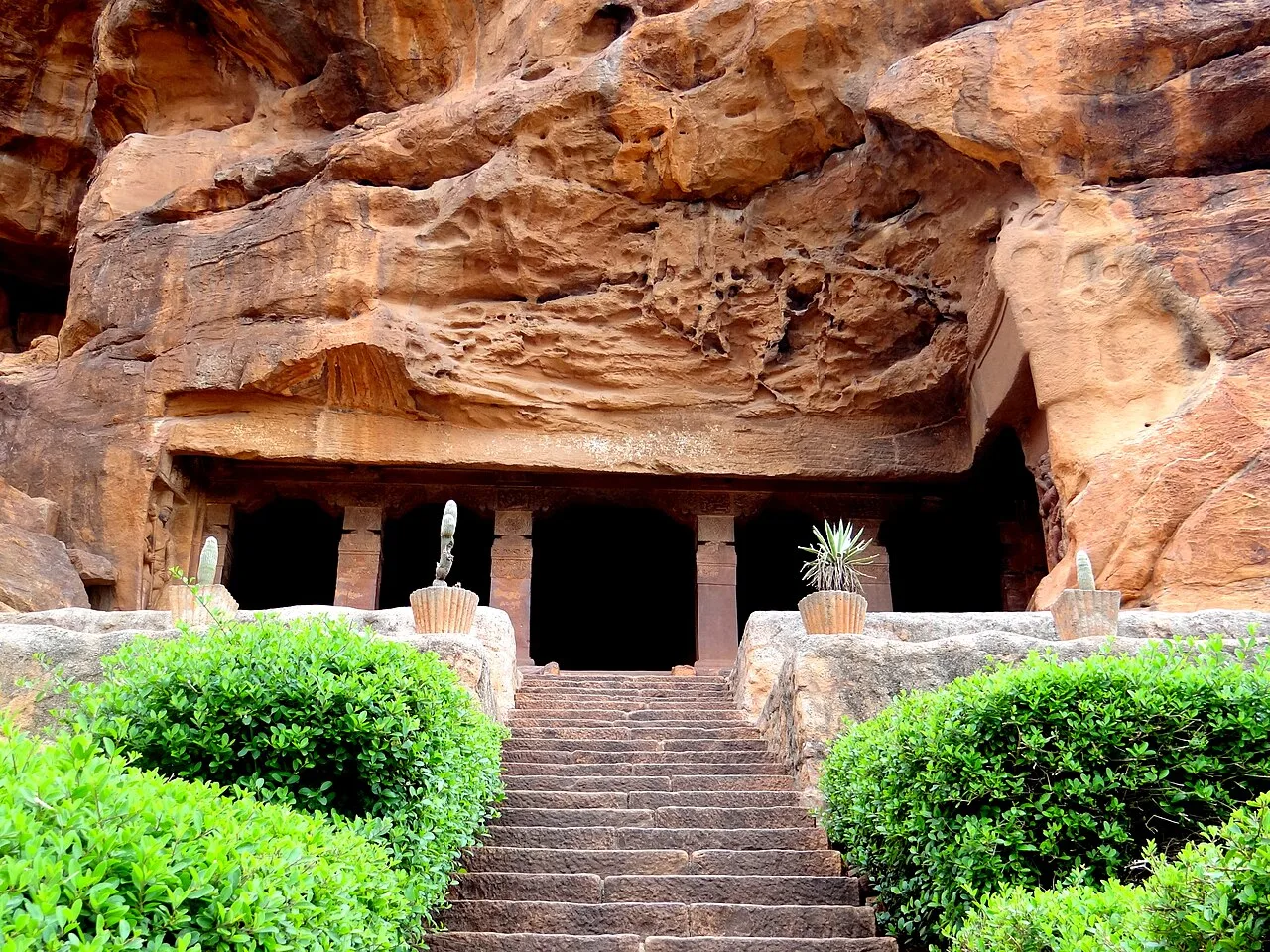
These rock-cut shrines in Badami, Karnataka, reflect Buddhist, Hindu and Jain traditions and early Chalukya-era art. Visitors come to see the sandstone architecture and carved religious figures.

Itagi Mahadeva Temple

61 km away · Koppal district

Itagi Mahadeva Temple

Itagi Mahadeva Temple is a place of worship in Itagi, within Yelburga Taluk in Karnataka’s Koppal district. Visitors come to see the temple and its setting.

Mahakuta Temples

64 km away · Bagalkot district

Mahakuta Temples

Mahakuta Temples is a Hindu temple complex and Shaiva monastic centre in Bagalkot district, Karnataka. People visit to worship and view its early Chalukyan architecture and inscriptions.

Map

Annigeri on the map

  1. 1Trikuteshwara Temple, Gadag
  2. 2Lakkundi
  3. 3Chandramouleshwara Temple, Hubballi
  4. 4Doddabasappa Temple
  5. 5Banashankari Temple, Badami
  6. 6Badami cave temples
  7. 7Itagi Mahadeva Temple
  8. 8Mahakuta Temples

Karnataka

Other cities to explore