Ghumoopedia — Explore, Discover, Experience
Sign in
Dharmasthala Temple, near Puttur

City guide · Karnataka

Puttur

Puttur is an inland town in Dakshina Kannada district and an important administrative and trading centre for the surrounding agricultural region. It lies about 52 km south-east of Mangaluru, among the green, rain-fed landscapes of coastal Karnataka’s hinterland.

Famous for

  • Shree Mahalingeshwara Temple
  • Puttur Kambala
  • Arecanut trade
  • Yakshagana traditions

Why Puttur matters

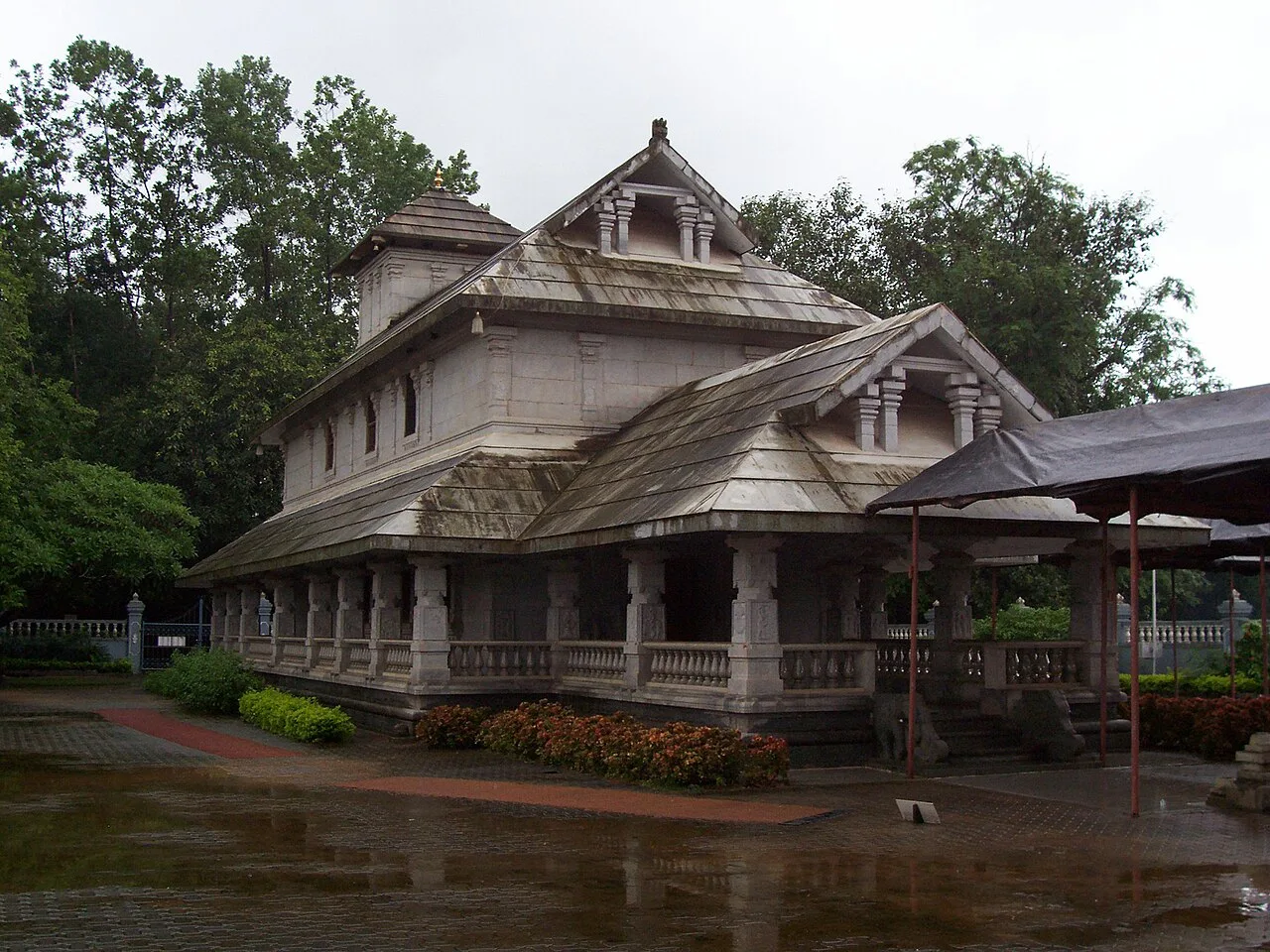
Puttur is an inland town in Dakshina Kannada district and an important administrative and trading centre for the surrounding agricultural region. It lies about 52 km south-east of Mangaluru, among the green, rain-fed landscapes of coastal Karnataka’s hinterland. Its best-known landmark is the Shree Mahalingeshwara Temple, a prominent place of worship that draws devotees for daily visits and its annual festival.

The town’s character also reflects the farming communities and customs of the region. Arecanut and other agricultural produce shape local commerce, while nearby villages sustain traditions such as Kambala, the seasonal buffalo race, and Yakshagana, a lively form of dance-drama. Visitors come for the temple, local festivals and a glimpse of everyday life beyond the coast’s larger cities. Puttur also serves as a practical base for exploring the surrounding taluka, with markets, educational institutions and transport links that connect smaller settlements to Mangaluru and other parts of Dakshina Kannada.
Famous for: crafts, trade & products

Puttur’s most established commercial identity is as a market town for an agricultural hinterland. Arecanut is a major local crop, and town markets and traders handle it alongside produce such as coconut, paddy and other regional goods. Shops and market streets are the most useful places to look for everyday local products and seasonal produce. The town is not especially known for a signature textile, saree tradition or widely recognised handicraft, and no particular GI-tagged product is strongly identified with Puttur itself.

The local economy also includes retail, services and education. Its colleges and other institutions serve students from Puttur and nearby settlements, while agricultural trade supports businesses across town. Visitors looking for regional foods or household goods can browse the central commercial areas and ask local vendors about what is in season. Rather than a specialist craft-shopping destination, Puttur offers a window into the practical trade of a Dakshina Kannada market town, with farm produce and everyday goods at the centre of its commercial life.

History

Puttur’s history is closely tied to the wider story of the coastal and inland communities of Dakshina Kannada. The region was shaped over time by local dynasties and larger powers, including the Alupas, the Vijayanagara Empire and the Keladi Nayakas. Puttur developed as a settlement serving the surrounding farming villages, with its temple and local institutions forming important points of community life.

Under British rule, the area was part of South Canara district in the Madras Presidency. After Indian independence, it became part of the reorganised Mysore State in 1956; the state was later renamed Karnataka. In modern times, Puttur has grown as a taluka headquarters and regional service centre. Agricultural commerce, transport connections and expanding educational institutions have helped it serve both the town’s residents and people from nearby rural areas, while the temple and local customs continue to connect present-day life with older regional traditions.

Food, festivals & culture

Kannada and Tulu are widely used in Puttur and the surrounding area; Konkani and Beary are also spoken in the wider region. Local food draws on coastal Karnataka cooking, with dishes such as neer dosa, rice-based preparations, fish curry and seasonal vegetable dishes familiar on many tables. Regional sweets and snacks are available in local bakeries and shops, though Puttur is not defined by a single widely recognised sweet.

The Shree Mahalingeshwara Temple is a central place of worship, and its annual jatre brings devotees together; the festival generally falls in the spring, with dates following the local ritual calendar. Deepavali and Dasara are also observed. Kambala, a traditional buffalo race held during the cooler months, is a major seasonal expression of rural culture in the area. Yakshagana performances, with music, elaborate costumes and dramatic storytelling, are another distinctive tradition of coastal Karnataka and can be encountered at local events and venues.

Visiting the city

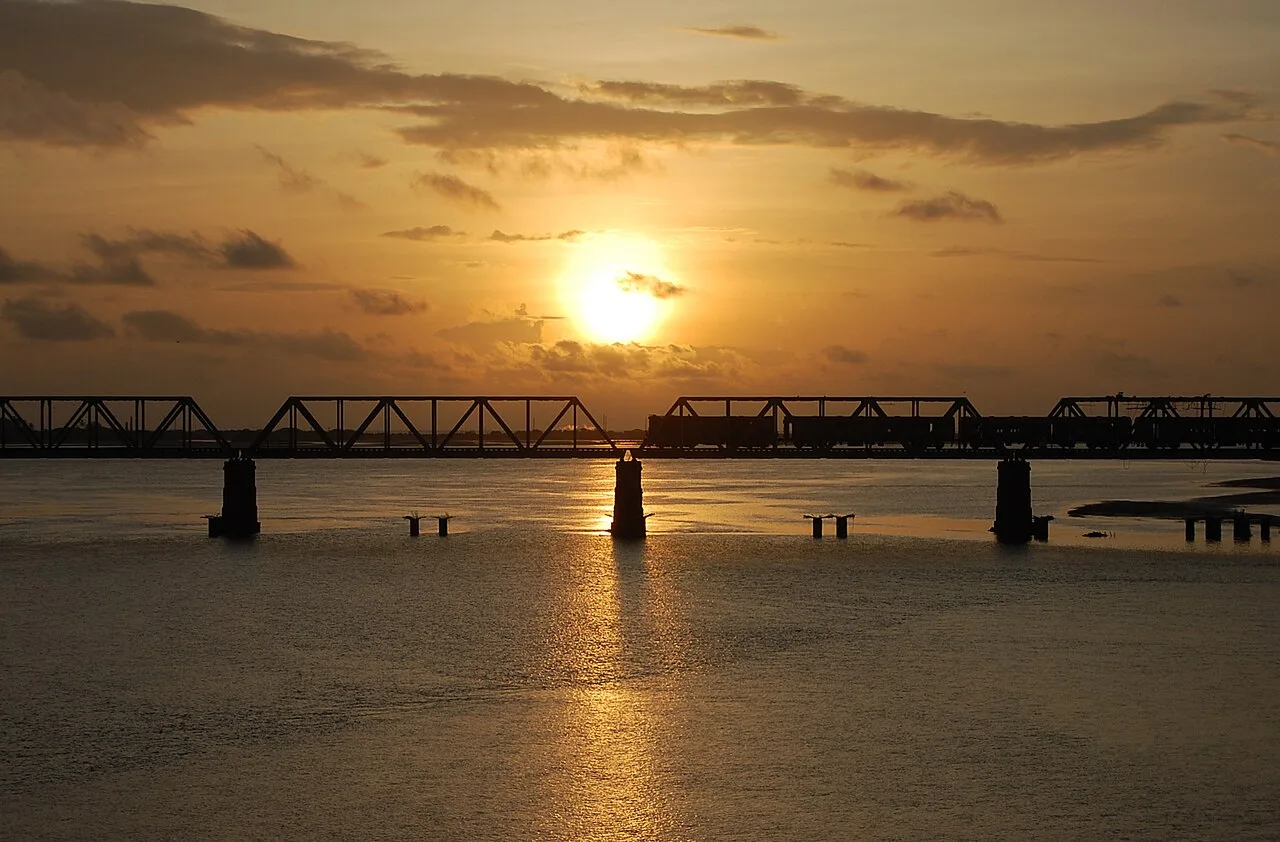
The cooler, relatively drier months from November to February are generally comfortable for a visit. The monsoon, usually from June into September, brings heavy rain and lush scenery but can make travel less convenient. Mangaluru International Airport is the nearest major airport. The town’s railway station is Kabaka Puttur, and buses connect Puttur with Mangaluru and other regional centres.

Auto-rickshaws and local taxis are useful for getting around town, while buses serve nearby settlements. Begin around the Shree Mahalingeshwara Temple and explore the central market streets for local shops and everyday town life. The commercial centre is compact enough to explore on foot in parts, though local transport helps with longer trips. For Kambala or other rural events, check locally for the venue and seasonal schedule, as these can vary.

Trips from the city

Nearest places to visit from Puttur

Our closest destination guides, by straight-line distance.

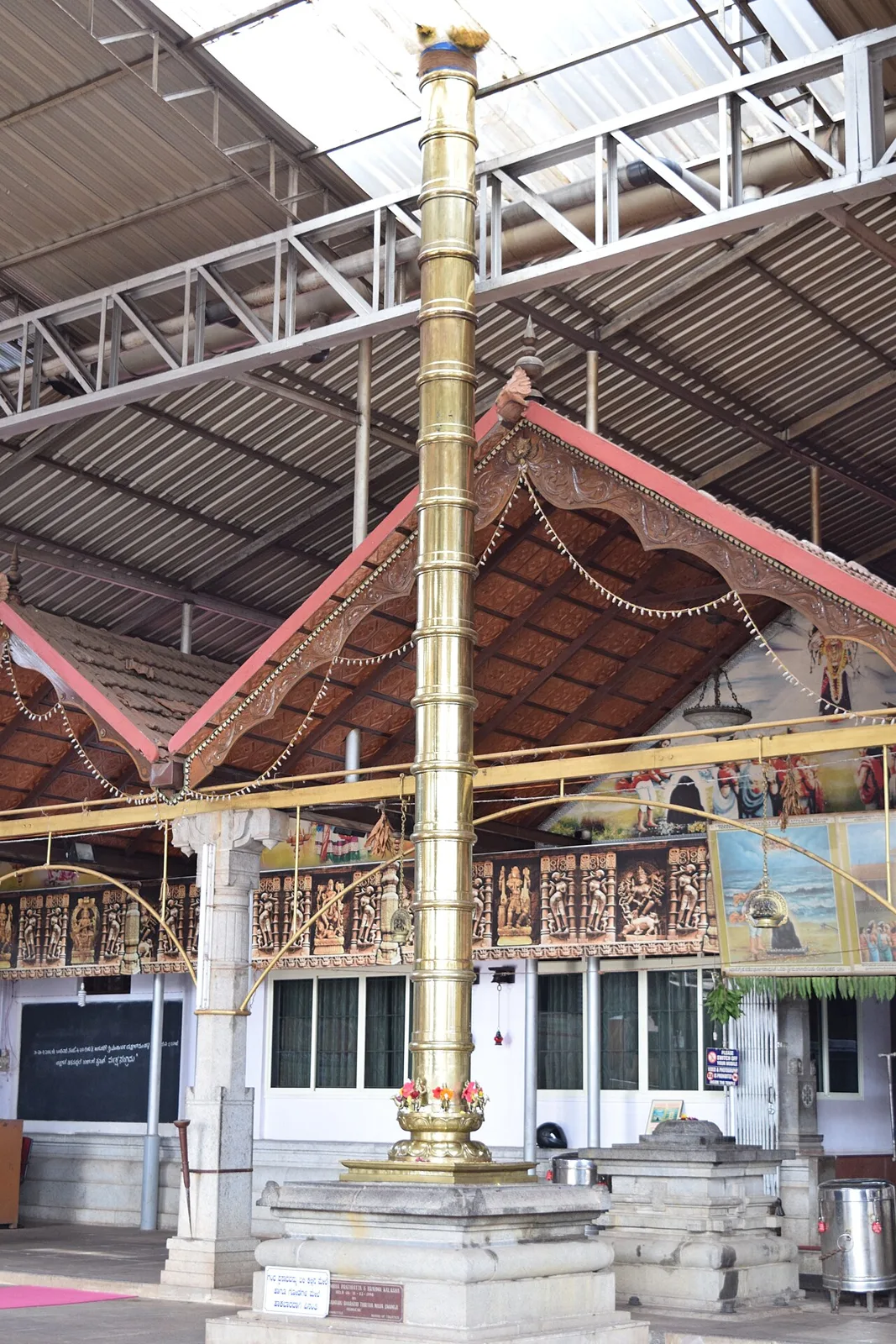
Dharmasthala Temple

29 km away · Dakshina Kannada district

Dharmasthala Temple

Dharmasthala Temple is an approximately 800-year-old Hindu religious institution in Karnataka, visited by worshippers to honour Shiva as Mañjunatha and other Hindu and Jain deities.

Pilikula Nisargadhama, Mangalore

36 km away · Dakshina Kannada district

Pilikula Nisargadhama, Mangalore

Pilikula Nisargadhama, also called Nisarga Dhama, is a multi-purpose attraction in Mangaluru, Karnataka. Visitors come for the range of facilities available at the site.

Ullal Beach

39 km away · Dakshina Kannada district

Ullal Beach

Ullal Beach lies beside the historic coastal city of Ullal in Karnataka. Visitors come for its shore and nearby temples, churches and sites linked with Queen Abbakka.

Mangaladevi Temple

40 km away · Dakshina Kannada district

Mangaladevi Temple

Mangaladevi Temple is a Hindu shrine in Bolara, Mangaluru, dedicated to Shakti as Mangaladevi. People visit to worship the seated deity and other deities honoured there.

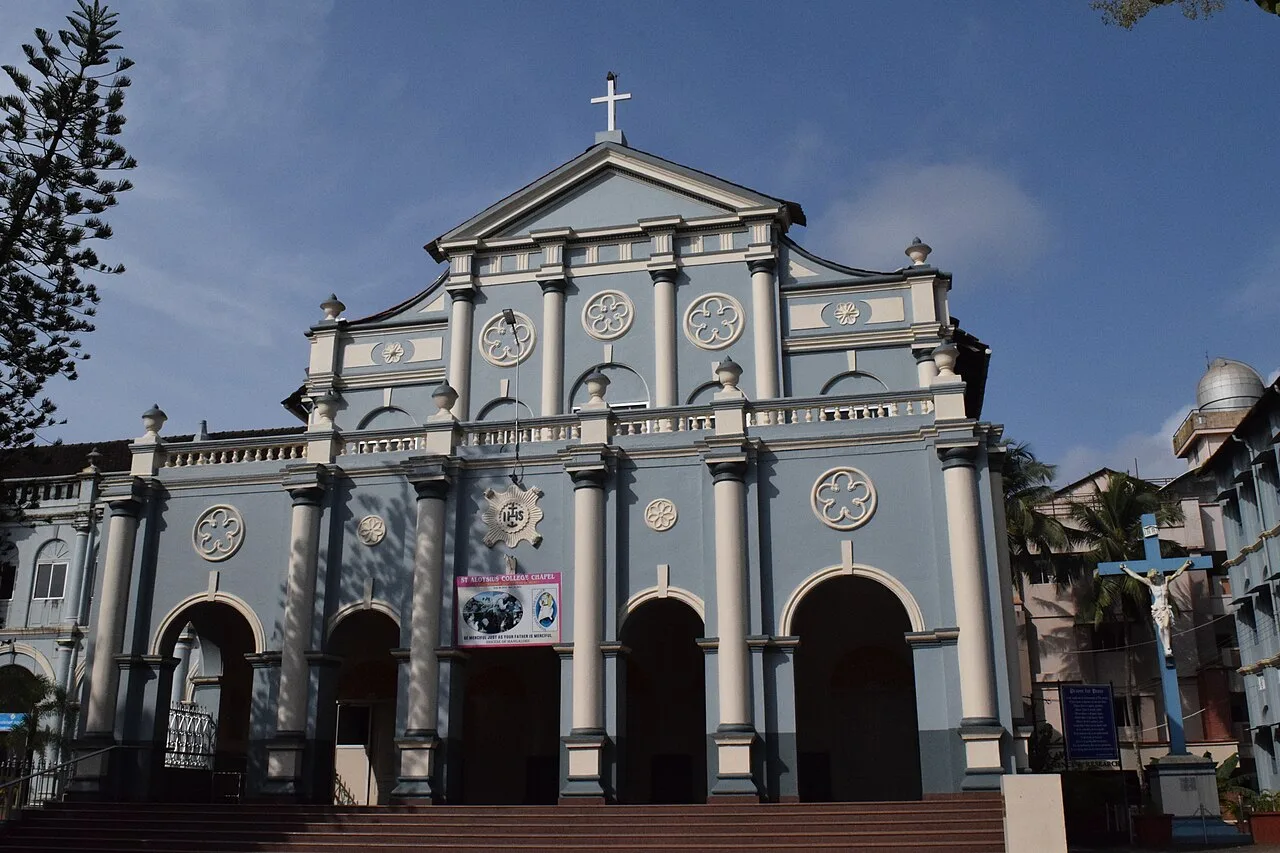
St. Aloysius Chapel

41 km away · Dakshina Kannada district

St. Aloysius Chapel

St. Aloysius Chapel is a Catholic place of worship in Mangalore, Karnataka, on Lighthouse Hill. Visitors come to see the chapel associated with St. Aloysius College, in the centre of the city.

42 km away · Chikkamagaluru district

Kudremukha

Kudremukha is a mountain range and peak in Karnataka’s Chikmagalur district, known for its horse-like profile and its setting in a region rich in biological diversity.

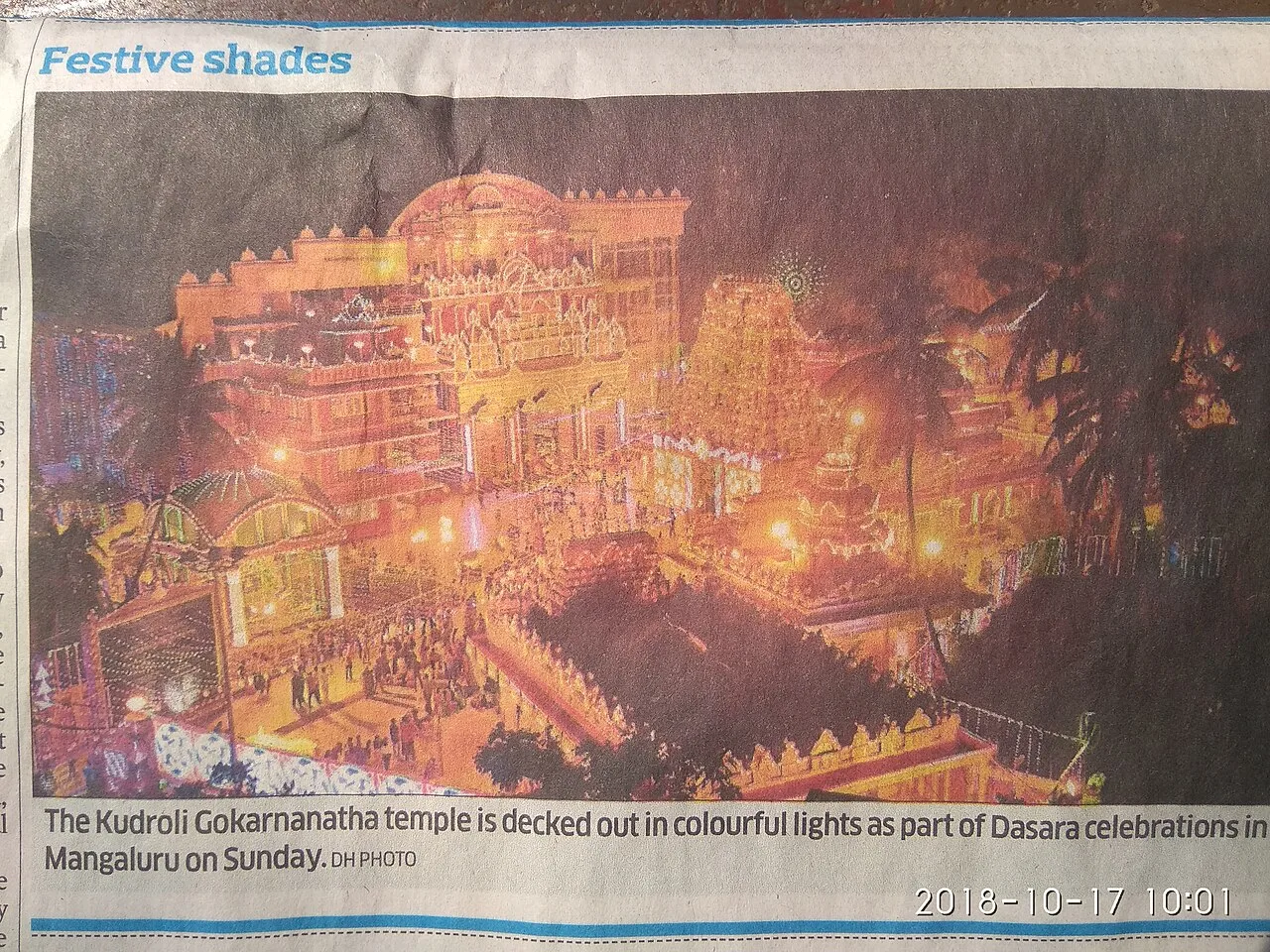
Kudroli Gokarnanatha Temple

42 km away · Dakshina Kannada district

Kudroli Gokarnanatha Temple

In Mangalore’s Kudroli neighbourhood, this Shiva shrine is also called Kudroli Sri Gokarnanatha Kshetra. Visitors come for its religious importance and tower murals depicting Hindu stories.

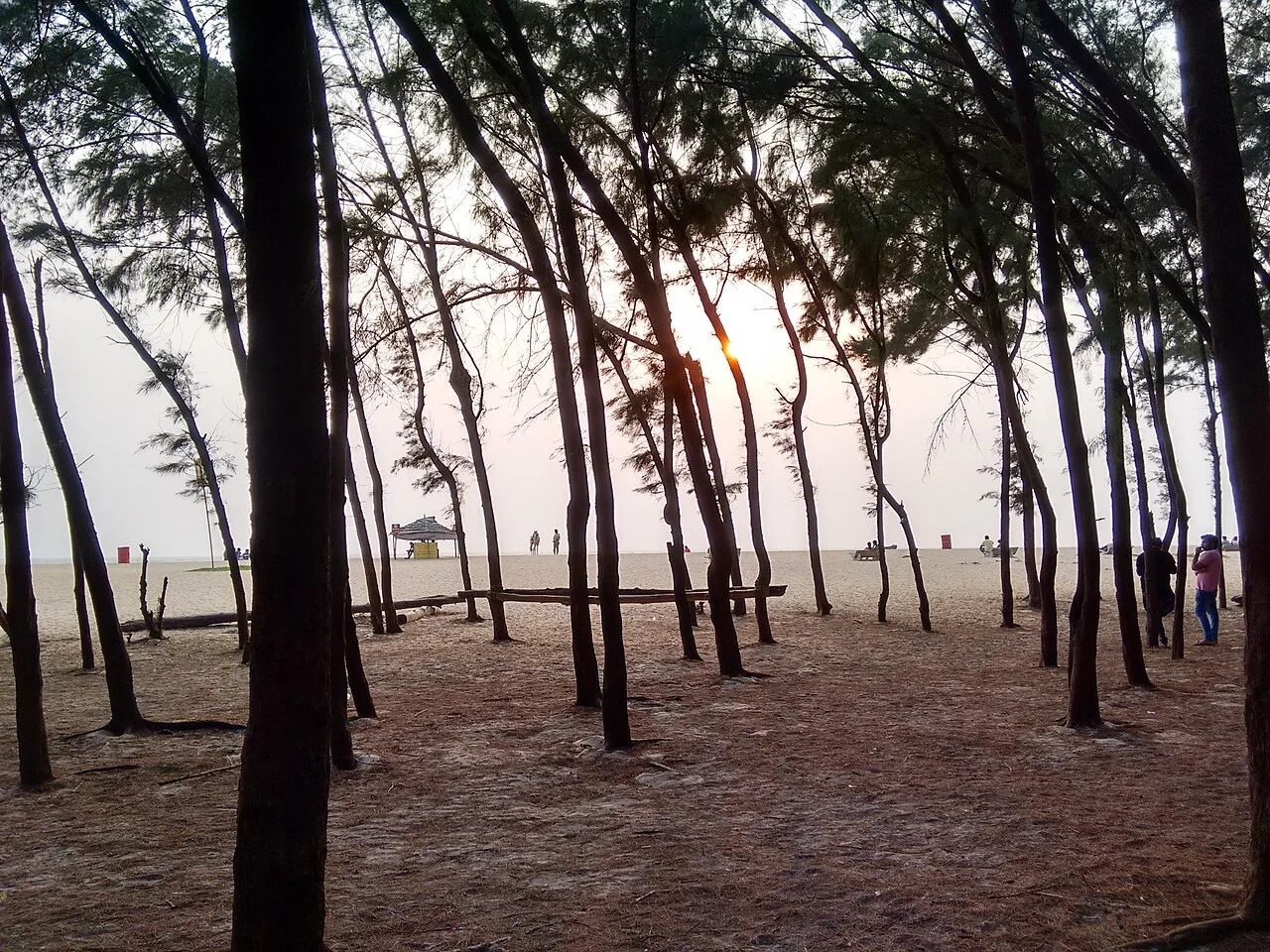
Tannirbhavi Beach

44 km away · Dakshina Kannada district

Tannirbhavi Beach

Tannirbhavi Beach is a coastal destination in Mangaluru, visited for its shoreline, nearby attractions and access by road or ferry.

Map

Puttur on the map

  1. 1Dharmasthala Temple
  2. 2Pilikula Nisargadhama, Mangalore
  3. 3Ullal Beach
  4. 4Mangaladevi Temple
  5. 5St. Aloysius Chapel
  6. 6Kudremukha
  7. 7Kudroli Gokarnanatha Temple
  8. 8Tannirbhavi Beach

Karnataka

Other cities to explore