Ghumoopedia — Explore, Discover, Experience
Sign in
Belgaum Fort, near Kakti

City guide · Karnataka

Kakti

Kakti is a small settlement on the outskirts of Belagavi in Karnataka’s north-west, where village life meets the activity of a growing regional centre. Its importance comes less from a major monument or a nationally known craft than from its position within Belagavi’s wider orbit: the district headquarters, transport links, markets and services are close by, while Kakti retains a more rural character.

Famous for

  • Kakti Industrial Area
  • Belagavi region access
  • North Karnataka cuisine
  • Nearby Belagavi kunda

Why Kakti matters

Kakti is a small settlement on the outskirts of Belagavi in Karnataka’s north-west, where village life meets the activity of a growing regional centre. Its importance comes less from a major monument or a nationally known craft than from its position within Belagavi’s wider orbit: the district headquarters, transport links, markets and services are close by, while Kakti retains a more rural character. The Kakti Industrial Area is part of this changing landscape, bringing workshops and businesses alongside farms and residential neighbourhoods.

Visitors generally use Kakti as a quieter base or a stop while exploring Belagavi and the surrounding region. The nearby city offers historic sites, shopping and a broader choice of food, while the countryside around Kakti gives a sense of everyday life in the transition between the Western Ghats and the Deccan plateau. Local interest is therefore practical and regional: access to Belagavi, a glimpse of its expanding outskirts, and the food and customs shared across the Kannada- and Marathi-speaking borderland.
Famous for: crafts, trade & products

Kakti is not widely recognised as a specialist centre for a particular saree, handicraft or GI-tagged product. Its best-known economic feature is the Kakti Industrial Area, where local manufacturing and commercial activity reflect the growth of the Belagavi region. The settlement also sits within an agricultural landscape, and seasonal produce and everyday provisions are part of village markets and neighbourhood shops.

For a wider choice of goods, visitors can head into Belagavi, whose established markets serve the surrounding towns and villages. There, shoppers can look for the region’s well-known Belagavi kunda, a rich milk sweet, as well as local groceries, clothing, household goods and produce. Belagavi also has educational and professional institutions that draw people from across the district. Kakti’s identity is consequently tied to its nearby urban market and industrial activity rather than to a distinct textile tradition or a signature handmade product.

History

Kakti’s past is closely connected to the history of Belagavi and the surrounding borderland rather than to a separately documented royal centre. The region changed hands under several powers, including the Kadambas, the Rattas, the Vijayanagara rulers, the Adil Shahi sultans and the Marathas. Belagavi later became part of the Bombay Presidency under British rule, a legacy that helped shape the area’s links with both Kannada- and Marathi-speaking communities.

For much of its history, Kakti was a village settlement within this agricultural hinterland. Its more recent development has followed Belagavi’s expansion, improved regional connections and the growth of industrial and commercial activity on the city’s fringe. The reorganisation of Indian states in 1956 placed Belagavi in the newly formed Mysore State, later renamed Karnataka. Today, Kakti’s changing mix of village homes, farms, businesses and industrial activity reflects the wider transformation of the Belagavi outskirts.

Food, festivals & culture

Daily life in Kakti shares the food and customs of the Belagavi border region. Meals commonly draw on North Karnataka staples such as jowar bhakri, jolada rotti, lentils, seasonal vegetables, peanut chutney and spicy curries. Belagavi kunda, a slow-cooked milk sweet associated with the nearby city, is a popular regional treat. Kannada and Marathi are widely used across the area; Hindi and Urdu are also heard in the wider Belagavi region.

Hindu festivals such as Ganesh Chaturthi, Navratri and Dussehra, Diwali and Ugadi are observed according to the calendar, while Muslim residents mark occasions including Eid. Celebrations often centre on family, community gatherings and local places of worship. Folk music and dance traditions from North Karnataka and the adjoining Maharashtra borderland form part of the broader cultural setting, though large performances are more likely to be found in Belagavi. The city’s temples, mosques and other religious sites serve as useful places to experience this diverse regional life.

Visiting the city

The cooler, drier months from October to February are generally the most comfortable time to visit; summers can be hot and the monsoon brings heavier rain. Kakti is served most conveniently through nearby Belagavi Airport and Belagavi railway station. From either, continue by road; local buses, auto-rickshaws and taxis connect Kakti with Belagavi, though a taxi or private vehicle is useful for flexible travel around the outskirts.

Explore Kakti’s village centre and industrial surroundings for a sense of its everyday character, then set aside time for Belagavi’s markets and historic core. The Fort Road area and the neighbourhoods around Belagavi Fort and Shahapur provide a broader look at the nearby city. Kakti has limited visitor services, so it is practical to arrange accommodation and most meals in Belagavi.

Trips from the city

Nearest places to visit from Kakti

Our closest destination guides, by straight-line distance.

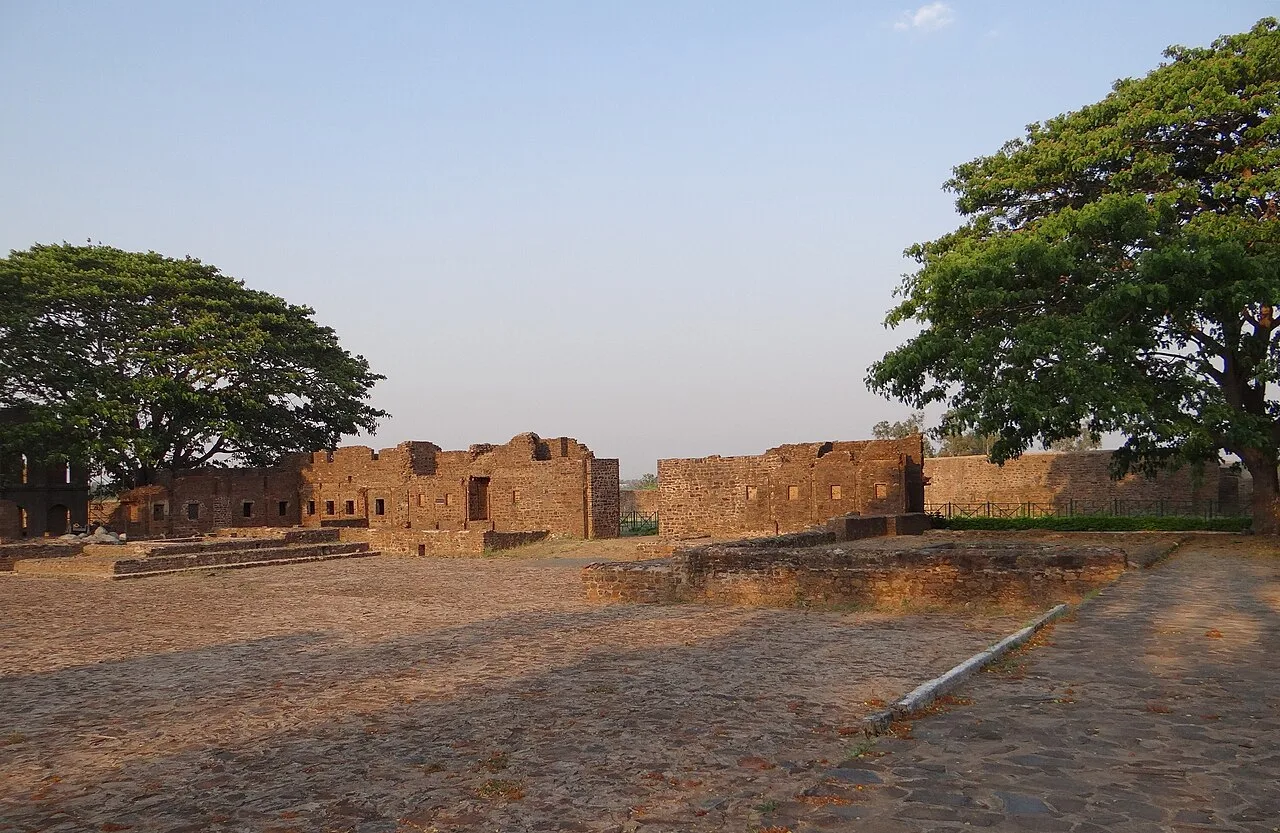
Belgaum Fort

8 km away · Belagavi district

Belgaum Fort

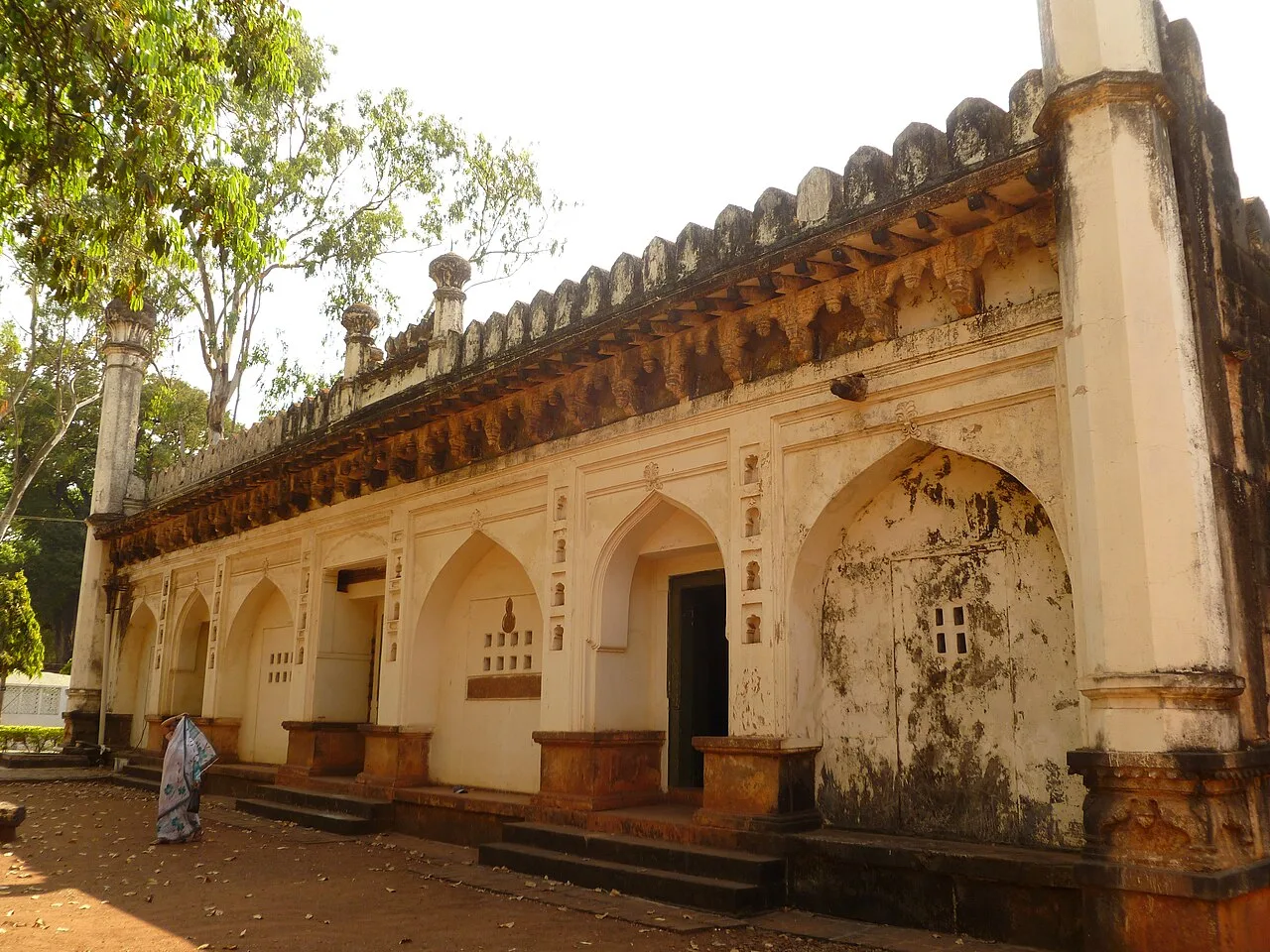
Belgaum Fort is a historic stronghold in Belgaum, Karnataka, known for its moat, ramparts, religious monuments and association with Mahatma Gandhi’s imprisonment.

Godachinmalki Falls

31 km away · Belagavi district

Godachinmalki Falls

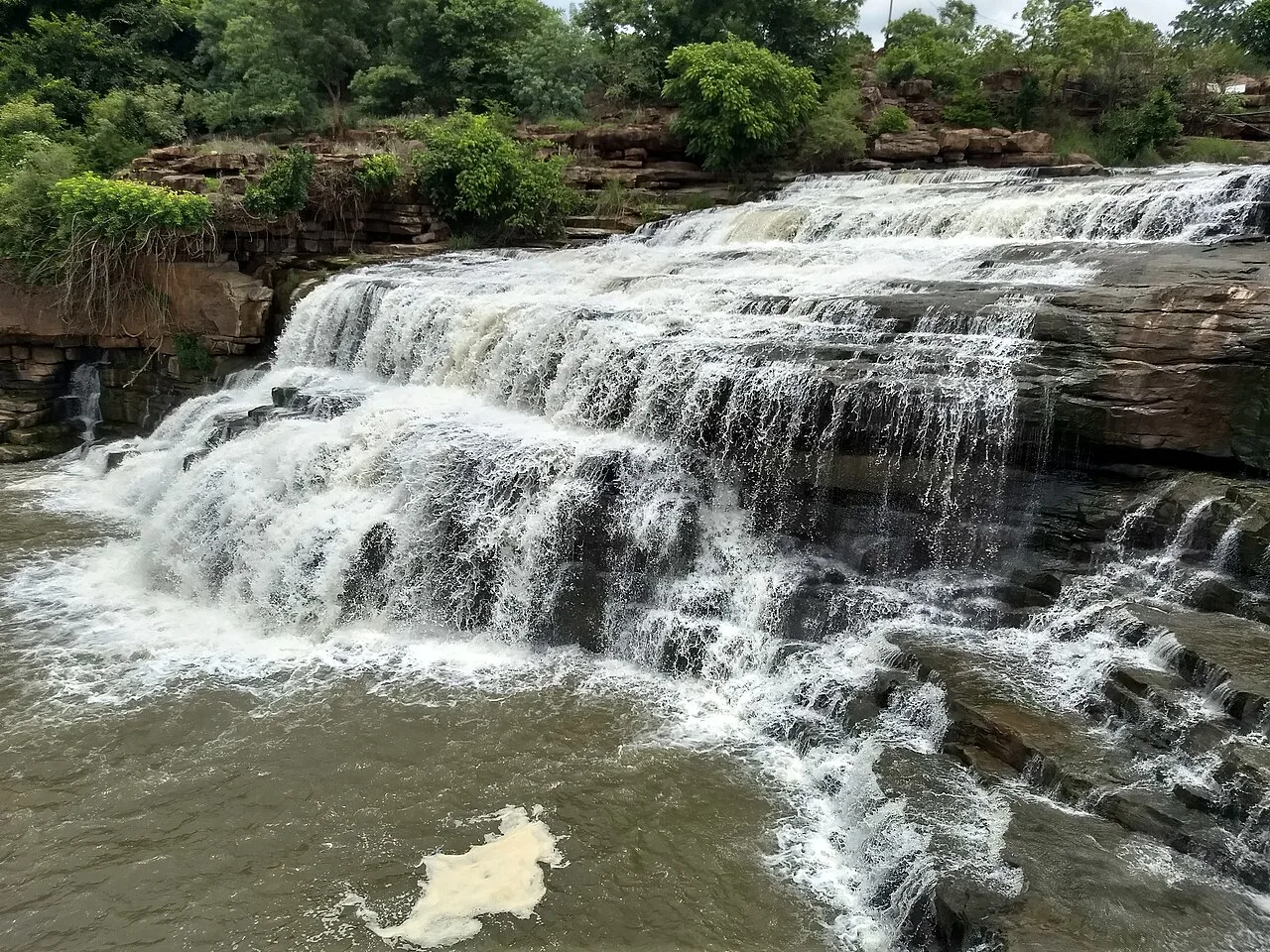
Godachinmalki Falls is a two-stage waterfall on the Markandeya river in Belagavi district. Visitors come to see its cascades in a rugged valley and explore nearby river landmarks.

Gokak Falls

39 km away · Belagavi district

Gokak Falls

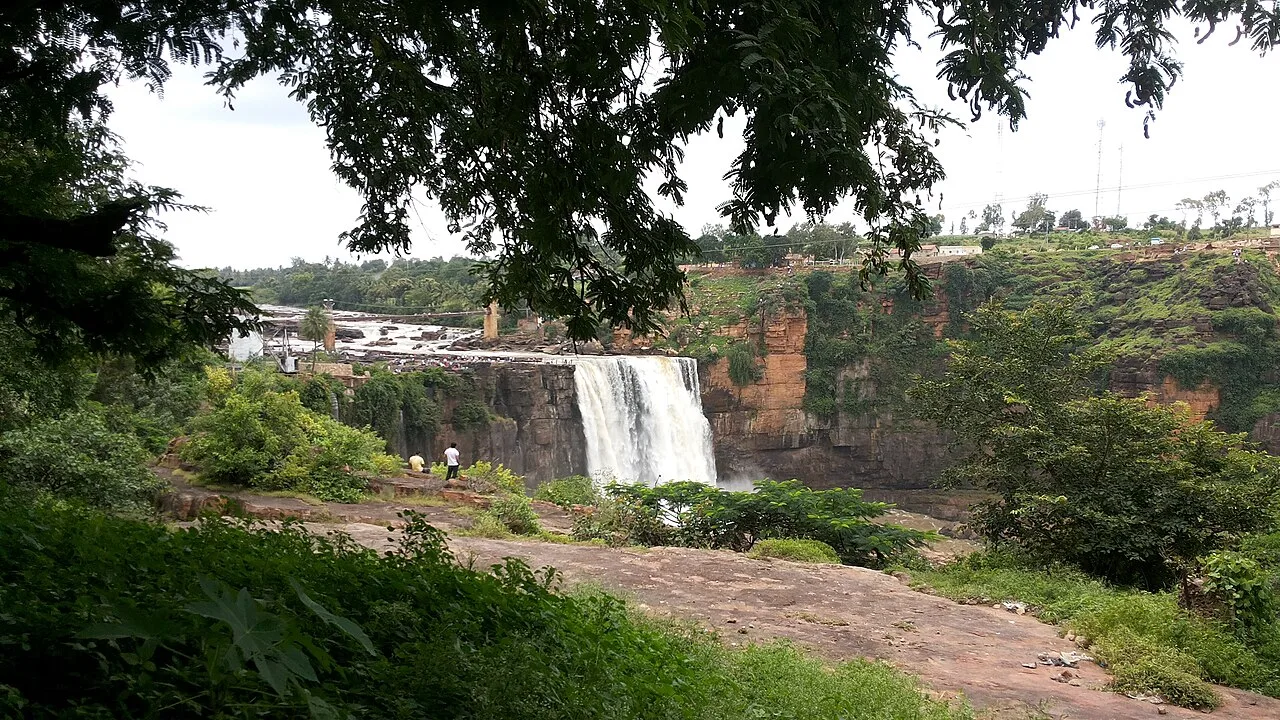
On the Ghataprabha River in Karnataka’s Belagavi district, Gokak Falls draws visitors who come to see the river’s waterfall near Gokak town.

Kittur Fort

46 km away · Belagavi district

Kittur Fort

Kittur Fort is a historic site in Karnataka’s Belagavi district, associated with Rani Kittur Chennamma’s armed resistance to the British East India Company.

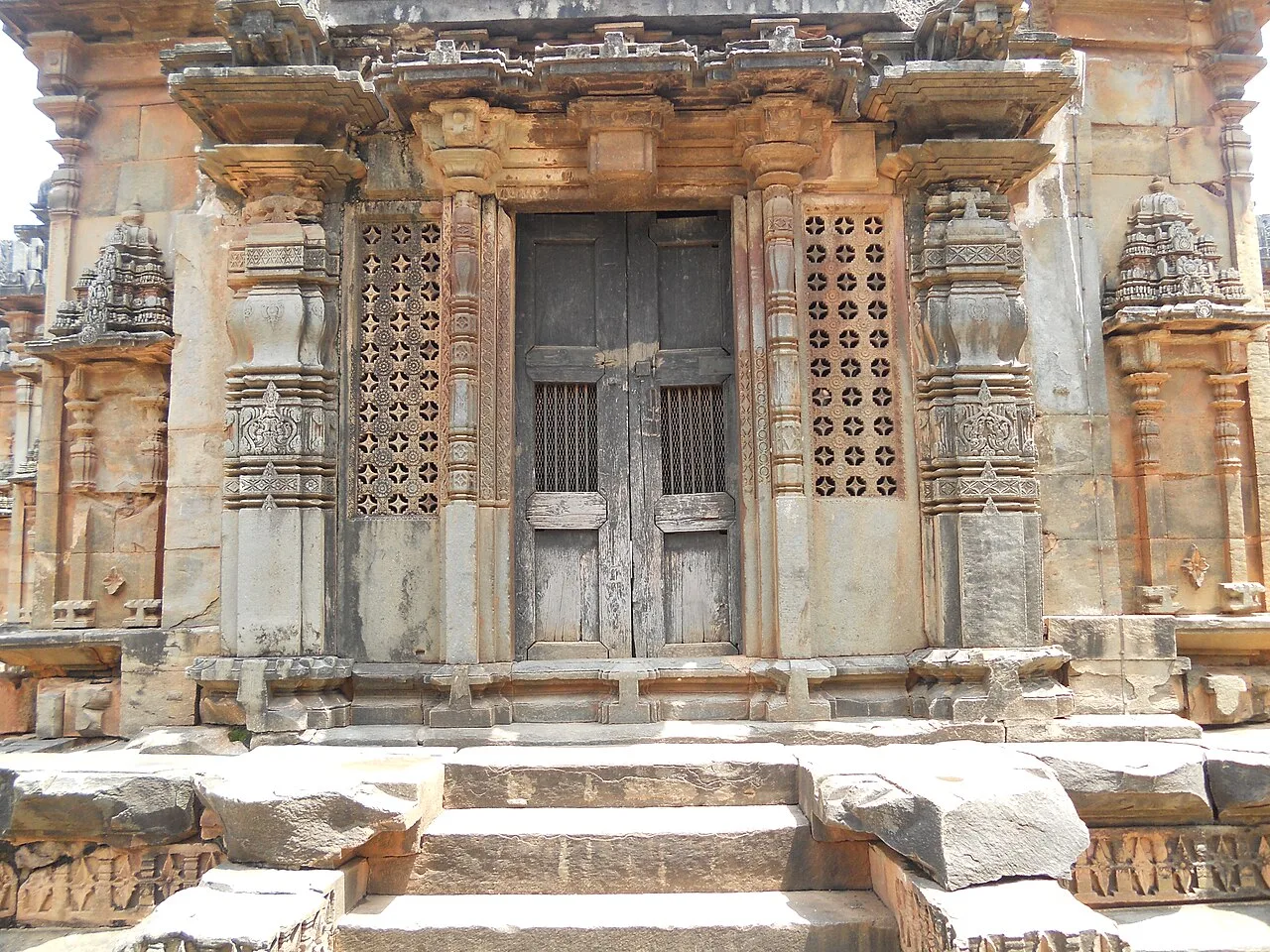
Chandramouleshwara Temple, Hubballi

88 km away · Dharwad district

Chandramouleshwara Temple, Hubballi

An 11th-century Shiva shrine in Unkal, Hubballi, Chandramouleshwara Temple draws interest for its Chalukyan design, distinctive plan and artwork representing several Hindu traditions.

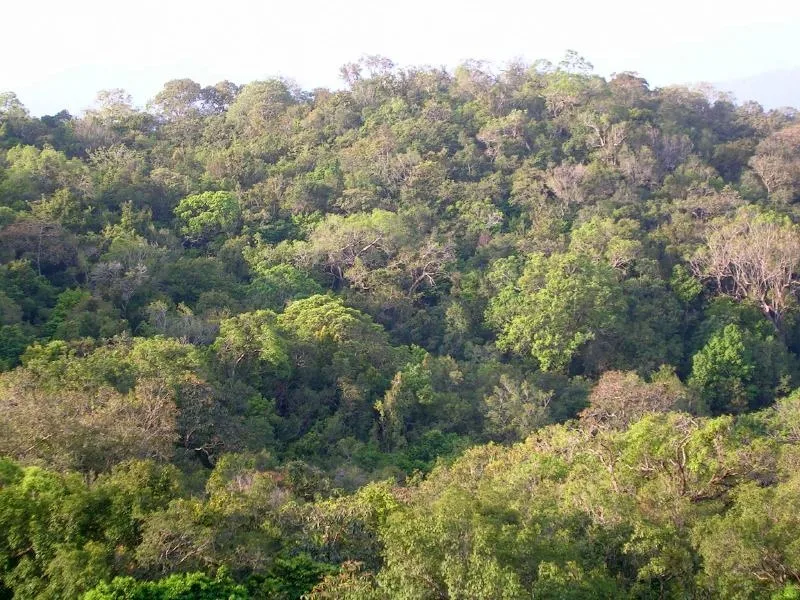
Kali Tiger Reserve (Anshi Dandeli)

103 km away · Uttara Kannada district

Kali Tiger Reserve (Anshi Dandeli)

Kali Tiger Reserve is a 1,300-square-kilometre protected area in Karnataka’s Uttara Kannada district. Visitors can find habitat for Bengal tigers, black panthers and Indian elephants, with the Kali River running through the reserve.

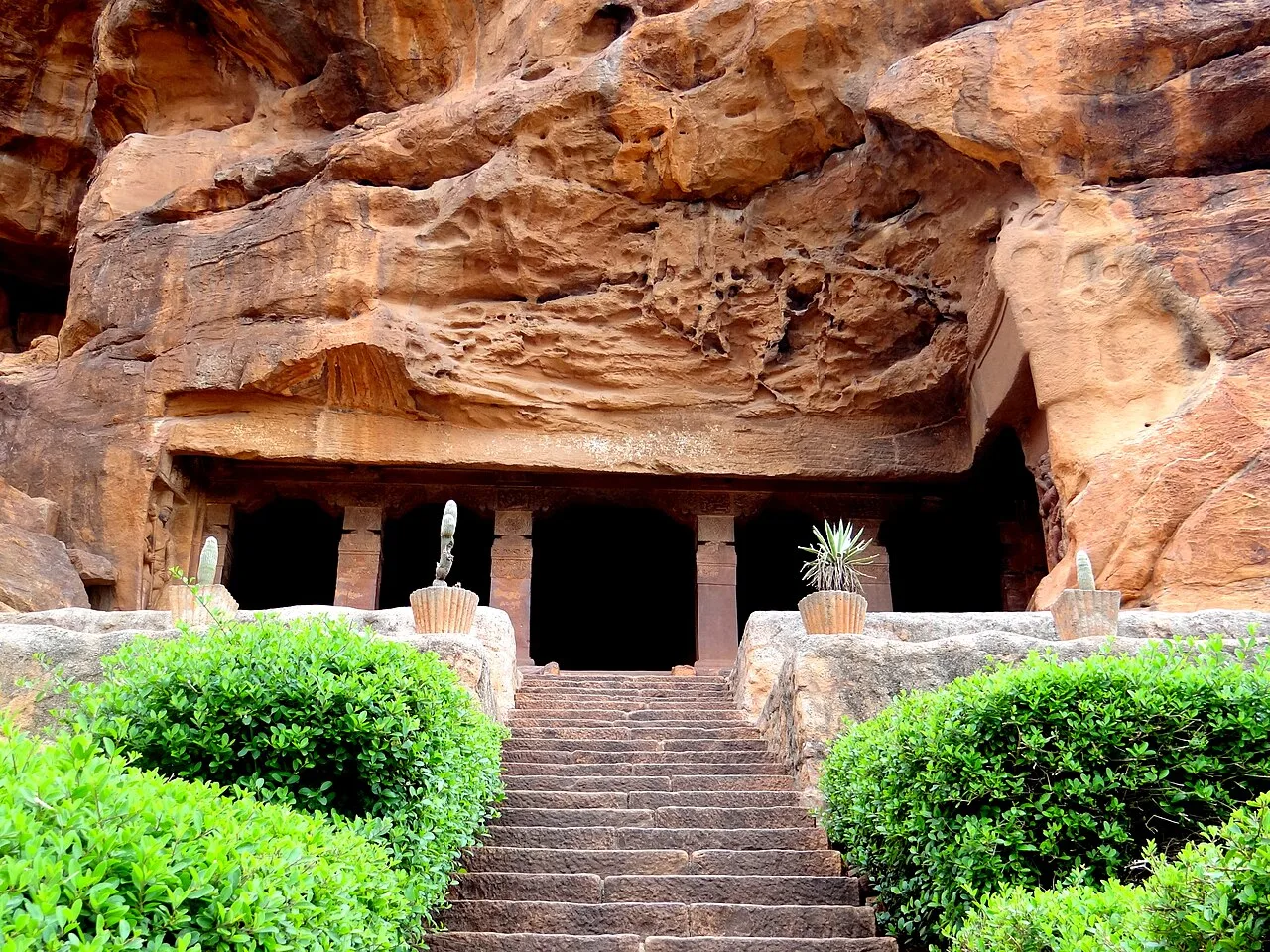
Badami cave temples

124 km away · Bagalkot district

Badami cave temples

These rock-cut shrines in Badami, Karnataka, reflect Buddhist, Hindu and Jain traditions and early Chalukya-era art. Visitors come to see the sandstone architecture and carved religious figures.

Banashankari Temple, Badami

126 km away · Bagalkot district

Banashankari Temple, Badami

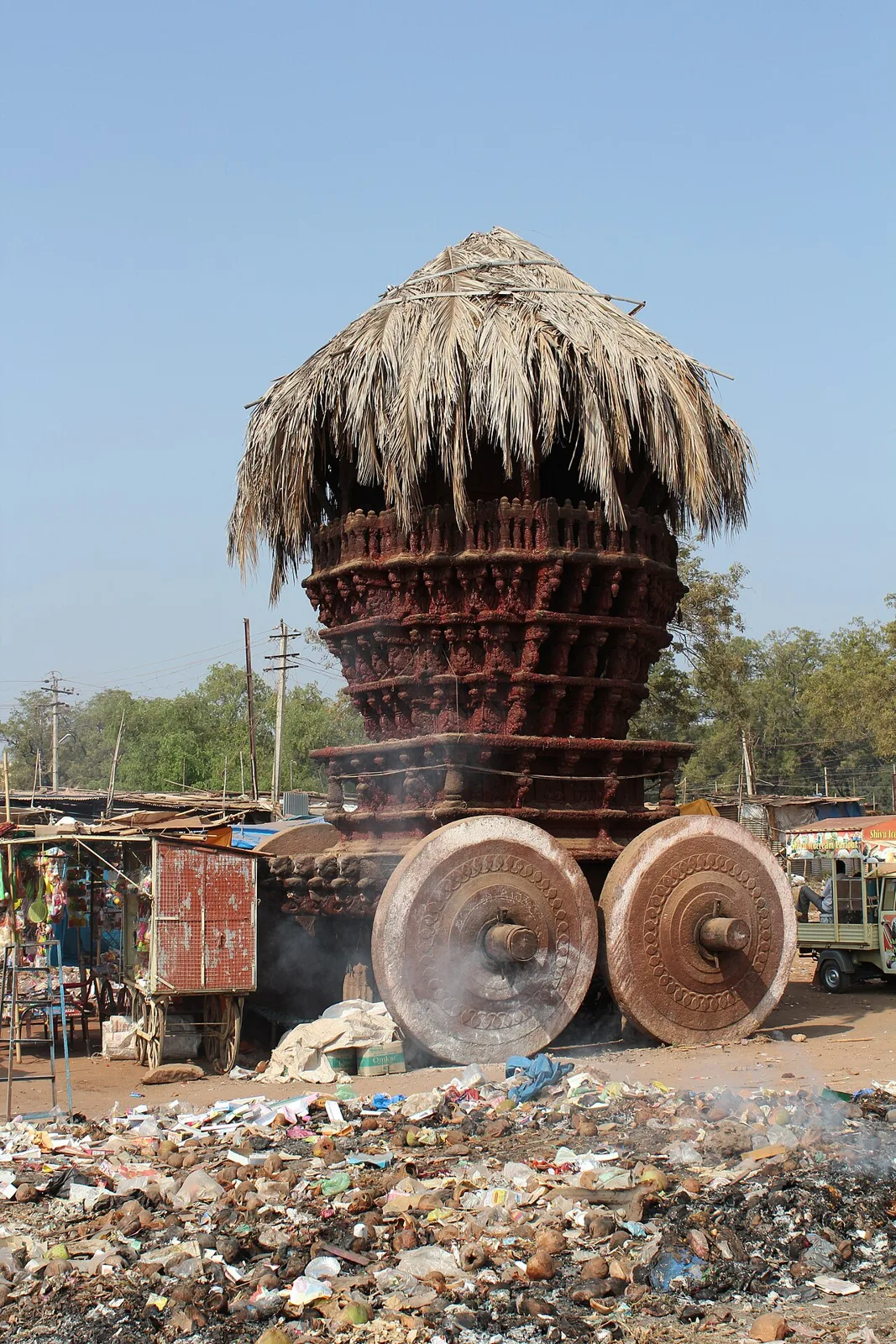
Banashankari Temple is a Hindu shrine at Cholachagudda near Badami, Karnataka. Visitors come to worship its goddess and attend the yearly jatre, which features cultural events, a boat festival and a chariot procession.

Map

Kakti on the map

  1. 1Belgaum Fort
  2. 2Godachinmalki Falls
  3. 3Gokak Falls
  4. 4Kittur Fort
  5. 5Chandramouleshwara Temple, Hubballi
  6. 6Kali Tiger Reserve (Anshi Dandeli)
  7. 7Badami cave temples
  8. 8Banashankari Temple, Badami

Karnataka

Other cities to explore