Ghumoopedia — Explore, Discover, Experience
Sign in
Anegundi, near Gangavathi

City guide · Karnataka

Gangavathi

Gangavathi is an important commercial and administrative centre in Koppal district, serving the farming communities of the surrounding Tungabhadra basin. Paddy cultivation supports a substantial rice-milling sector, and the city is a useful base for visitors exploring the wider Gangavathi taluk.

Famous for

  • Paddy cultivation and rice milling
  • Rice Technology Park
  • Anjanadri Hills and Hanuman tradition
  • Anegundi and Pampa Sarovara
  • Channabasava Swamy Thatha devotion

Why Gangavathi matters

Gangavathi is an important commercial and administrative centre in Koppal district, serving the farming communities of the surrounding Tungabhadra basin. Paddy cultivation supports a substantial rice-milling sector, and the city is a useful base for visitors exploring the wider Gangavathi taluk. Its agricultural economy, local markets and transport links give it a practical role beyond tourism.

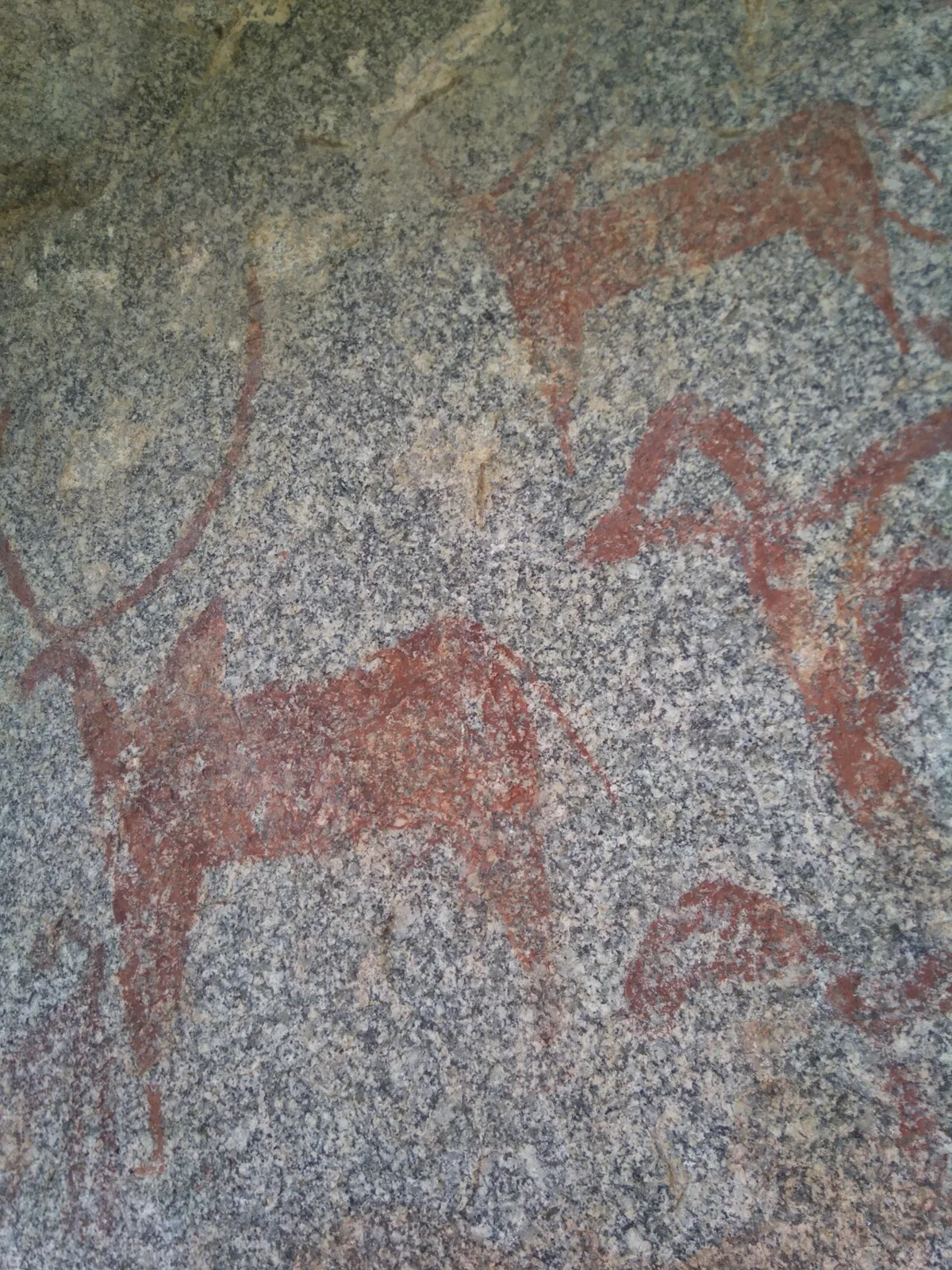
The taluk’s attractions include Anjanadri Hills, traditionally regarded as the birthplace of Hanuman, as well as Anegundi and Pampa Sarovara, places associated with Ramayana traditions and the heritage of the Hampi region. Chikkabenakal’s ancient rock-shelter and Sangapur lake offer other reasons to explore beyond the city. In Gangavathi itself, visitors encounter a lively regional centre and devotion to Channabasava Swamy Thatha, revered across communities. The city’s combination of rice trade, everyday Karnataka town life and access to nearby heritage sites makes it a convenient starting point for a broader visit.
Famous for: crafts, trade & products

Gangavathi’s best-known trade is rice. Paddy grown in the surrounding countryside supplies local mills, making rice processing a defining part of the city’s economy. The city also has a Rice Technology Park associated with the sector. Visitors interested in this agricultural trade can look to the central commercial areas and rice mills; these are working businesses, so access to mill premises may require permission.

Local shops and markets serve residents and nearby villages with groceries, farm-related goods and everyday necessities. Rice and other regional produce are more representative purchases here than a distinctive textile, handicraft or souvenir tradition. Gangavathi is not especially known for a widely recognised GI-tagged product or a specialist craft market, so visitors seeking those should not expect a dedicated shopping district. The city’s importance lies chiefly in its role as a trading and service centre for an agricultural hinterland. For a sense of that role, explore the town’s market streets and commercial areas, where shops, transport services and food businesses cater to local and regional customers.

History

Gangavathi’s story is closely connected to the agricultural landscape of the Tungabhadra basin and to the older heritage of the surrounding region. Nearby Anegundi and the Hampi area preserve important historical and religious associations, including traditions linked with the Ramayana and the Vijayanagara period. These regional histories provide context for a visit, though they should not be confused with a claim that every nearby monument lies within the city itself.

The modern town developed as a market and service centre for villages where paddy cultivation is central to livelihoods. Rice milling strengthened its commercial role, while irrigation infrastructure around the Tungabhadra helped shape the wider farming economy. Gangavathi is now part of Koppal district; the district was formerly within Raichur district, reflecting changes in Karnataka’s administrative boundaries. Rail and road connections have supported the movement of agricultural goods and people. Its contemporary identity is therefore shaped less by a single urban monument than by regional trade, farming and access to a historically rich landscape.

Food, festivals & culture

Kannada is the main language of daily life, with Urdu and Telugu also heard in this part of Karnataka. Food reflects the wider North Karnataka region: meals commonly feature jowar rotti, rice, lentils, vegetables and spicy curries. Ennegayi, a stuffed brinjal preparation, is a familiar regional dish, while local sweet shops offer traditional Indian sweets. Menus and specialities vary between restaurants, so asking what is freshly prepared is often the easiest way to find local choices.

Ugadi in spring, Ganesh Chaturthi, Dasara, Deepavali and Sankranti are observed, with the scale and customs of celebrations varying by neighbourhood and community. Temples and other places of worship shape the town’s social calendar. Channabasava Swamy Thatha is especially revered in Gangavathi, and worship draws people across communities. Devotional singing and music are part of religious gatherings and festival occasions; regional folk performance traditions may also feature at community events. Visitors can experience this everyday culture respectfully by attending public celebrations and following local guidance at places of worship.

Visiting the city

October to February is generally the most comfortable season for exploring Gangavathi and its surrounding sites; summer can be very hot. The nearest airport is Jindal Vijaynagar Airport, also known as Vidyanagar Airport, near Toranagallu. Gangavathi railway station is the town’s main rail station, on the Mahabubnagar–Munirabad line. Check current flight and rail services before travelling.

Within town, auto-rickshaws, local buses and taxis are practical ways to get around. The central market and commercial streets offer a good introduction to daily life and local food. Gangavathi also works as a base for day trips to Anegundi, Anjanadri Hills and Pampa Sarovara, along with sites such as Chikkabenakal and Sangapur lake in the wider taluk. Arrange onward transport locally, particularly for rural attractions.

Trips from the city

Nearest places to visit from Gangavathi

Our closest destination guides, by straight-line distance.

Anegundi

10 km away · Vijayanagara district

Anegundi

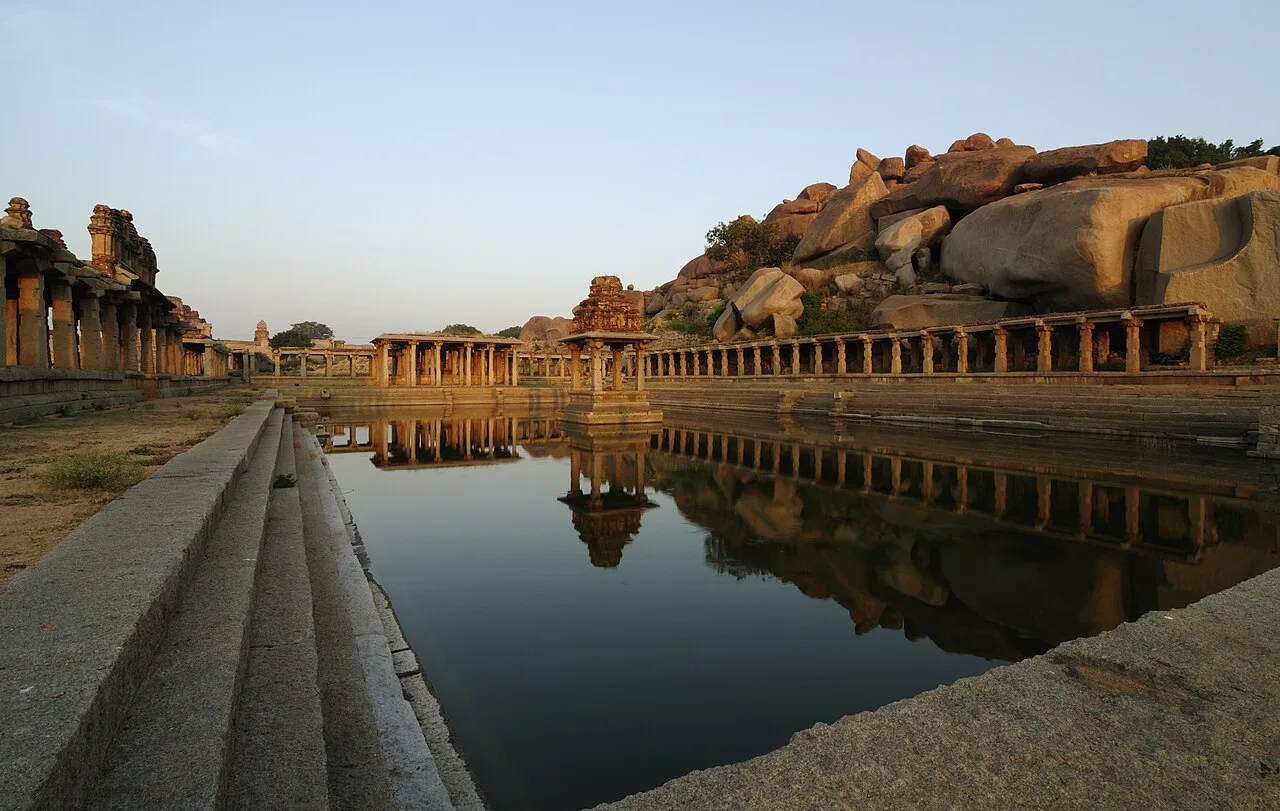
Anegundi is a Karnataka village once known as Kishkindha and considered older than Hampi. Visitors are interested in its historical associations and a nearby ash mound linked by tradition to Vali.

Hampi Monuments

13 km away · Vijayanagara district

Hampi Monuments

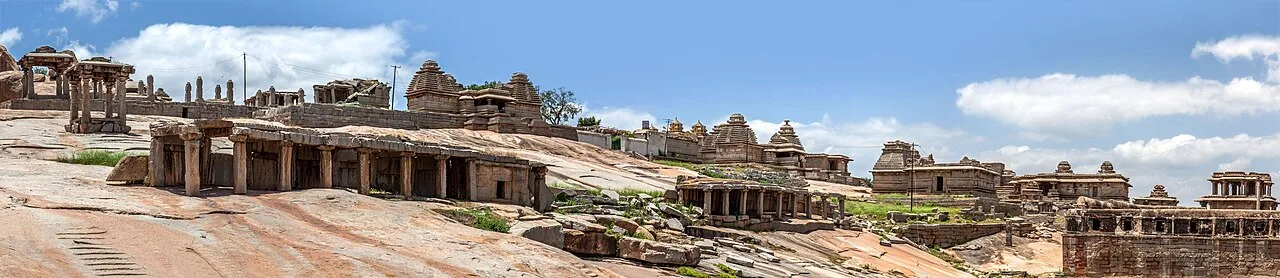
Hampi is a UNESCO-listed archaeological and religious landscape in Karnataka, known for its Vijayanagara-era remains. Visitors come to explore its temples, royal structures and continuing places of worship.

Virupaksha Temple

13 km away · Vijayanagara district

Virupaksha Temple

Set beside the Tungabhadra at Hampi, Virupaksha Temple is a historic Shiva shrine and the site’s principal pilgrimage destination, drawing visitors for its enduring religious significance.

Lotus Mahal

14 km away · Vijayanagara district

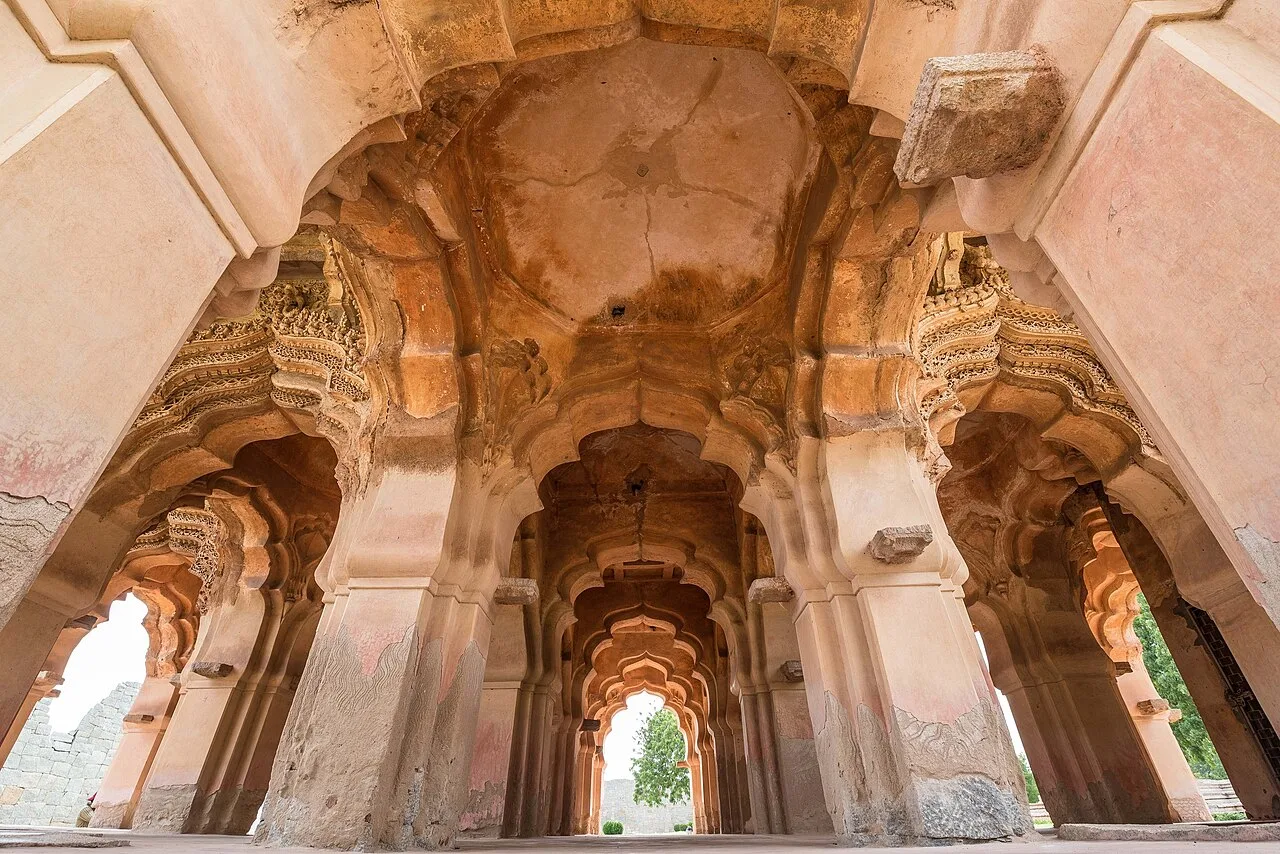
Lotus Mahal

Lotus Mahal, also known as Chitrangini Mahal, is a secular building in Hampi, Karnataka. Visitors come to see its two-storey design, which reflects the architectural tradition of the Vijayanagara Empire.

Matanga Hill

14 km away · Vijayanagara district

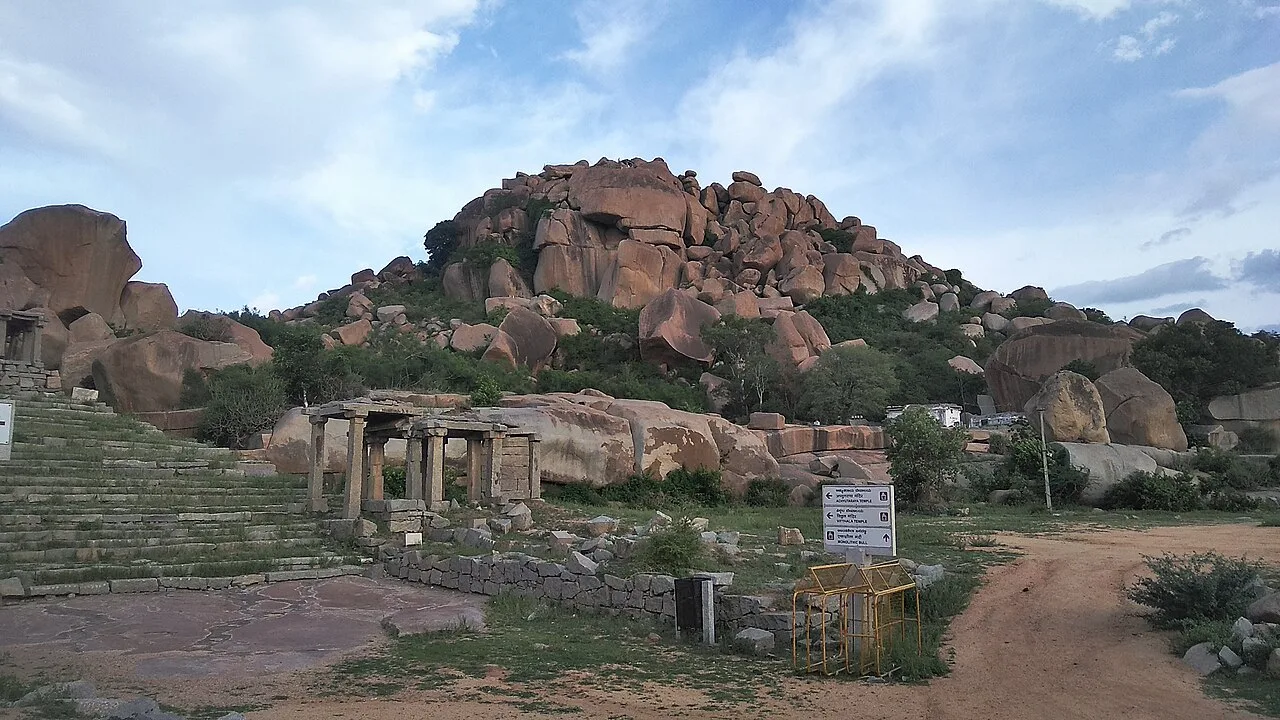
Matanga Hill

In Hampi, Karnataka’s Vijayanagara district, Matanga Hill is a rocky rise associated with the Ramayana and the former Vijayanagara capital. Visitors explore its religious associations and place in the region’s history.

Daroji Sloth Bear Sanctuary

22 km away · Vijayanagara district

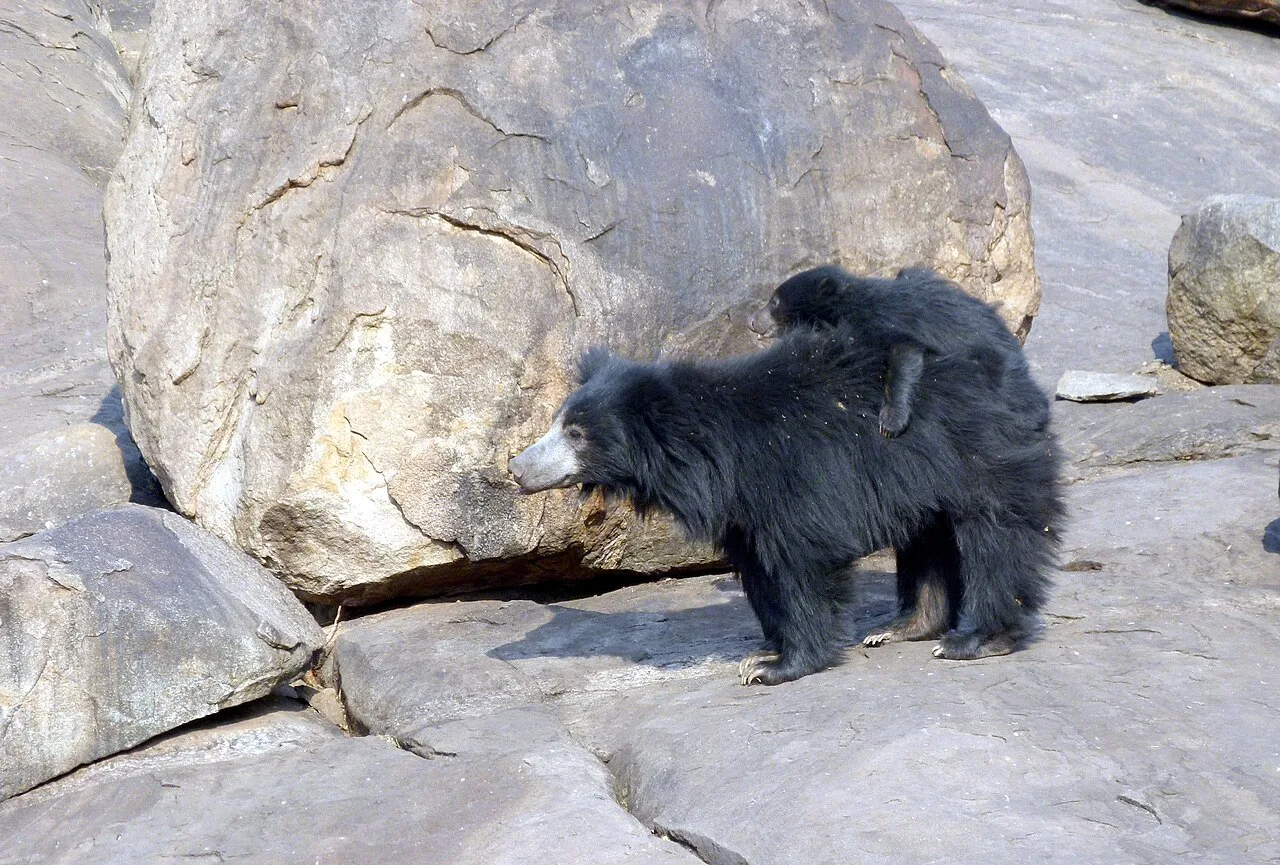
Daroji Sloth Bear Sanctuary

Daroji Sloth Bear Sanctuary in Karnataka protects sloth bears across a landscape near Ballari and Hampi. Visitors come to see bears, particularly as they descend the hillocks in the evening.

Tungabhadra Dam

26 km away · Vijayanagara district

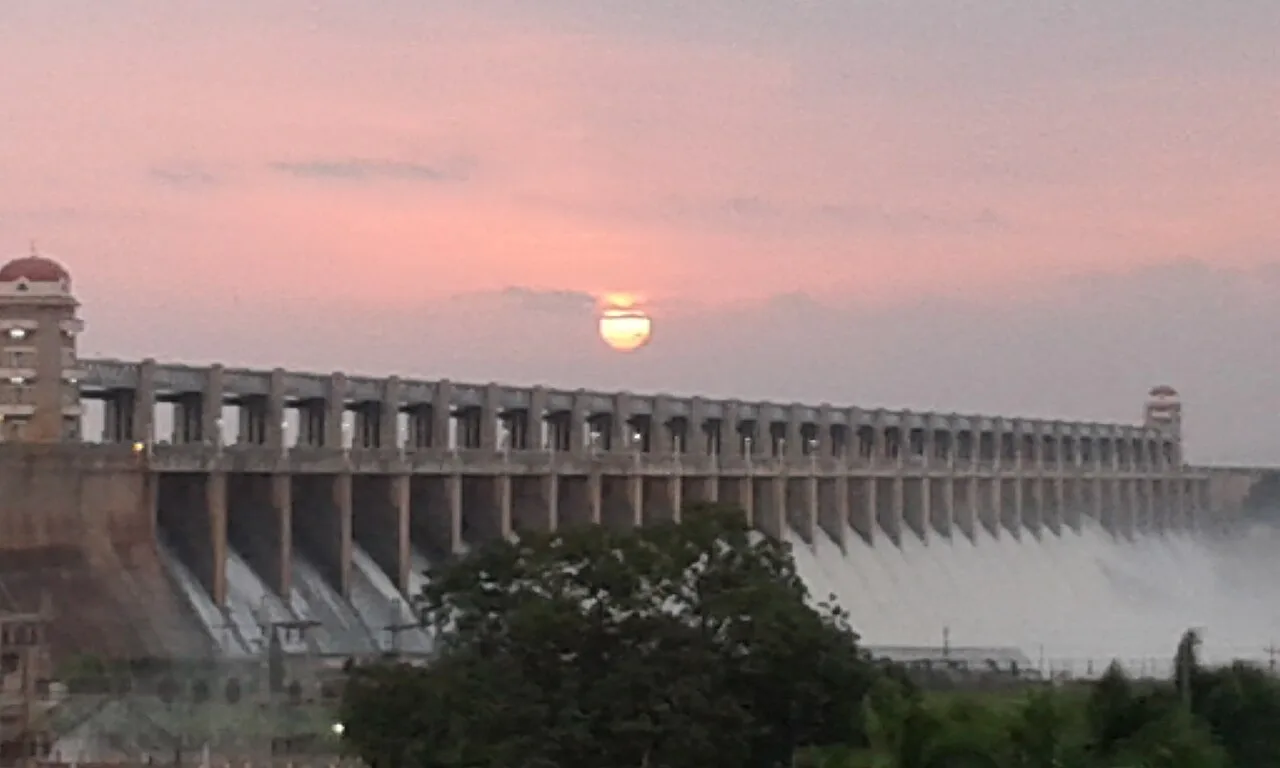
Tungabhadra Dam

Tungabhadra Dam, also known as Pampa Sagar, is a multipurpose reservoir on Karnataka’s Tungabhadra River. Visitors interested in water infrastructure come to see its stone-masonry construction and its role in irrigation, electricity generation and flood management.

Kinhal Lacquer-Craft Village

42 km away · Koppal district

Kinhal Lacquer-Craft Village

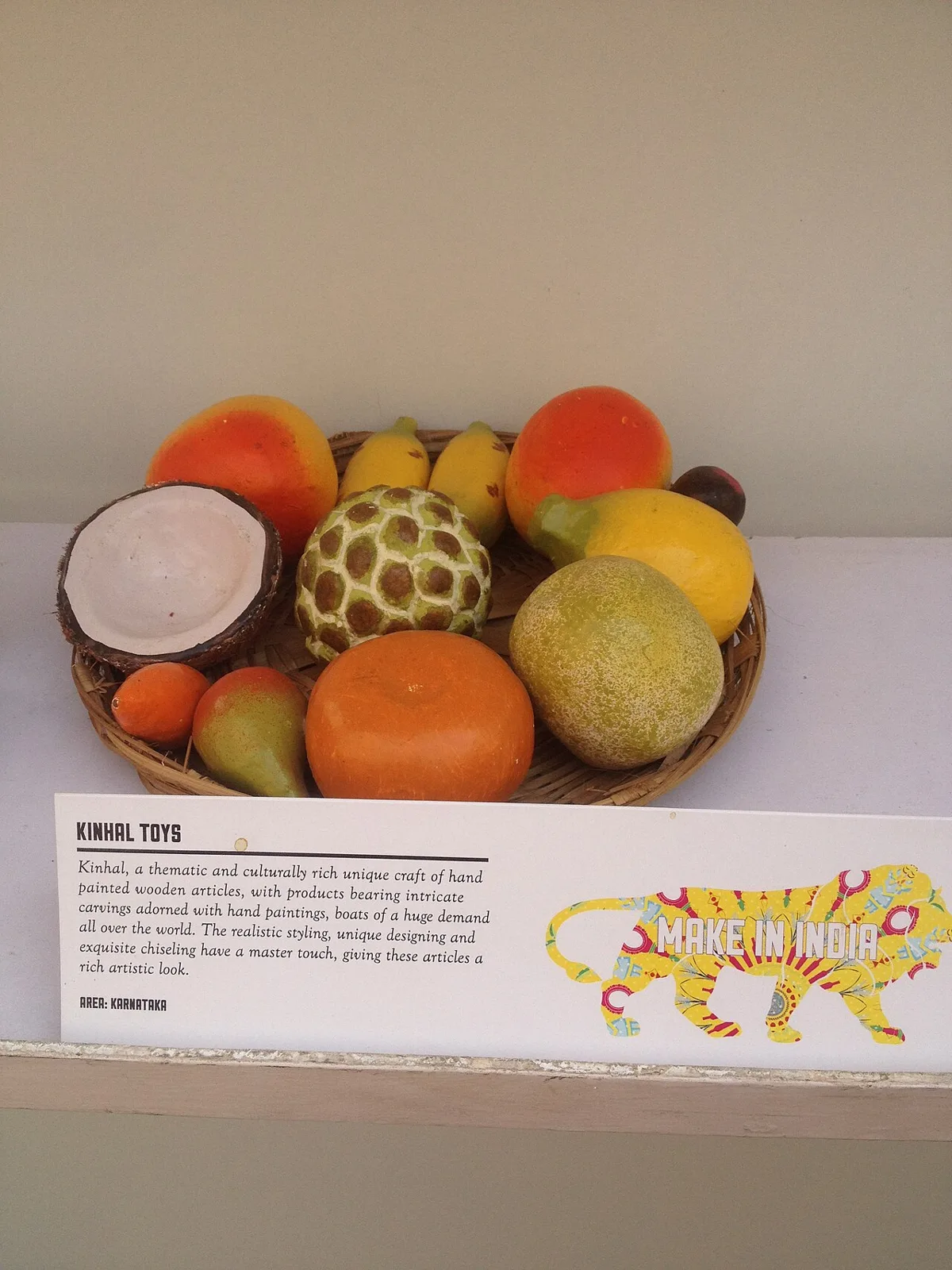
Kinhal Lacquer-Craft Village, also called Kinnal, is a settlement in Karnataka’s Koppal district. Visitors are drawn by its connection with Kinnal craft, which has geographical indication recognition.

Map

Gangavathi on the map

  1. 1Anegundi
  2. 2Hampi Monuments
  3. 3Virupaksha Temple
  4. 4Lotus Mahal
  5. 5Matanga Hill
  6. 6Daroji Sloth Bear Sanctuary
  7. 7Tungabhadra Dam
  8. 8Kinhal Lacquer-Craft Village

Karnataka

Other cities to explore