
Ghumoopedia — Explore, Discover, Experience
Sign in
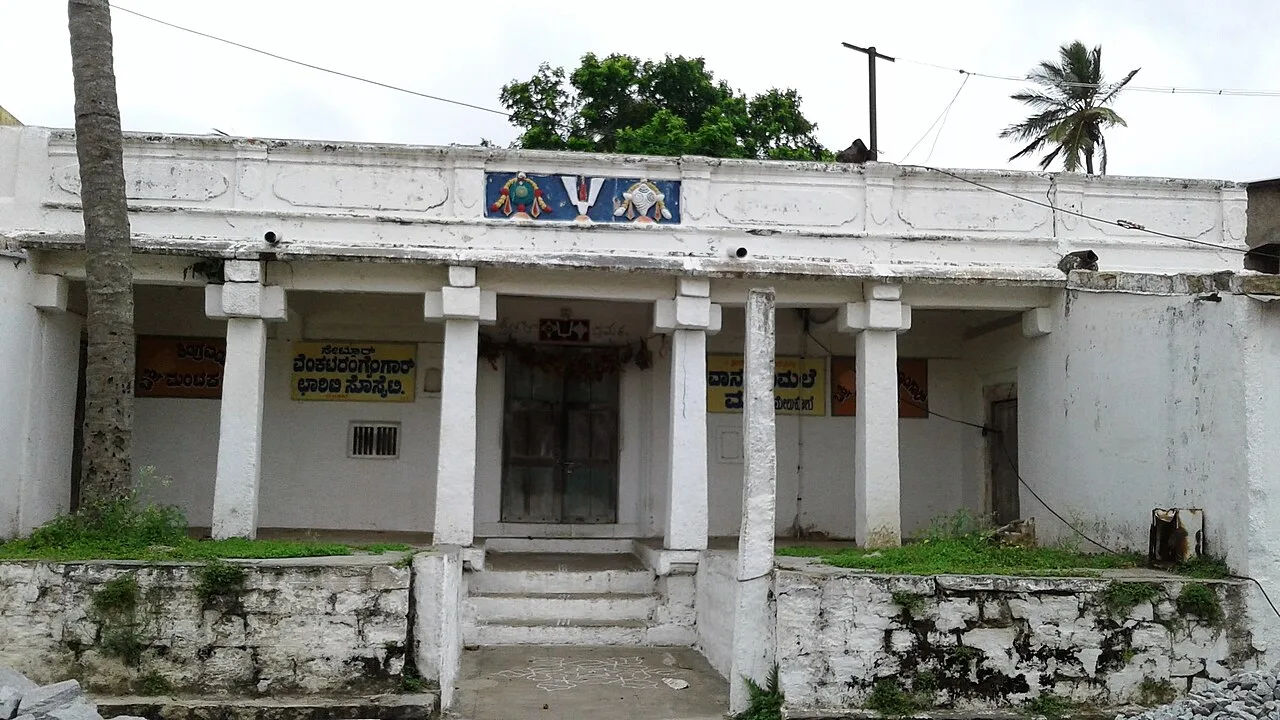
Melukote Temple Town, near Melukote

City guide · Karnataka

Melukote

Melukote is a hilltop temple town in Mandya district, set on the rocky Yadugiri range above the Cauvery valley. Its principal shrine, the Cheluvanarayana Swamy Temple, and the hilltop Yoganarasimha Temple make it one of Karnataka’s important centres of Sri Vaishnavism.

Famous for

  • Cheluvanarayana Swamy Temple
  • Yoganarasimha hilltop temple
  • Vairamudi festival
  • Melukote puliyogare
  • Sri Vaishnava learning
In the city
1
District
Mandya

Why Melukote matters

Melukote is a hilltop temple town in Mandya district, set on the rocky Yadugiri range above the Cauvery valley. Its principal shrine, the Cheluvanarayana Swamy Temple, and the hilltop Yoganarasimha Temple make it one of Karnataka’s important centres of Sri Vaishnavism. The 12th-century association with the philosopher and teacher Ramanujacharya continues to shape the town’s religious life and draws pilgrims as well as visitors interested in South Indian temple architecture and history.

The annual Vairamudi celebration, when the deity is adorned with a celebrated diamond-studded crown, is the town’s best-known festival. Visitors also come to see the stepped Kalyani tank, smaller shrines and hill views, and to taste local Iyengar-style food, especially puliyogare. Melukote remains a place of worship and learning rather than a large commercial centre: its Sanskrit research institutions and long scholarly traditions are part of its identity. Together, its temples, rituals, landscape and living religious communities give the town significance beyond its compact size.

Famous for: crafts, trade & products

Melukote is best known for its temple heritage and the Vairamudi festival, rather than for large-scale industry. Its handloom tradition is another local feature; visitors can ask at shops and weaving businesses in the town about locally made textiles and what is currently available. The town is not known for a major craft market, and no particular product should be assumed to carry a geographical indication without checking its current status.

Food is an important part of Melukote’s reputation. Puliyogare, a tamarind-seasoned rice dish associated with Iyengar cooking, is widely sought by pilgrims and visitors; temple-style meals and other traditional preparations can also be found locally. The town’s educational and cultural institutions are notable products of its history: the Sanskrit research academy and associated collections preserve Vedic and Sanskrit manuscripts, alongside books in several regional languages. The old scholarly tradition is also reflected in institutions such as the Sanskrit college and the Sri Vaishnava maths. Visitors looking for textiles, food or books should explore the streets around the main temple and ask locally, as availability varies.

History

Melukote’s sacred identity predates its best-known medieval association: the Cheluvanarayana Swamy shrine was already established as a place of worship when Ramanujacharya came to the region in the 12th century. He lived here for a period, and the town grew into a prominent centre of Sri Vaishnavism. The community of Mandyam Iyengars took root here, while temples, maths and places of learning strengthened Melukote’s religious role.

Hoysala and Vijayanagara-era building and patronage contributed to the temple complex, and Mysore rulers later supported its shrines and rituals. The town also carries a painful memory of violence against Mandyam Iyengars during the late 18th-century conflicts associated with Tipu Sultan’s forces; accounts differ, and the event remains part of local remembrance. After the fall of Tipu Sultan, Melukote formed part of the Mysore princely state under British paramountcy. Since independence it has remained a temple and learning centre in Karnataka, with manuscript preservation and research continuing alongside pilgrimage.

Food, festivals & culture

Religious life centres on the Cheluvanarayana Swamy and Yoganarasimha temples, with Sri Vaishnava customs shaping worship and festival traditions. The Vairamudi festival, usually held in March or April according to the ritual calendar, is the principal annual celebration; the deity is adorned with the crown for a procession. A chariot festival also draws devotees, while smaller observances continue through the year. Deepavali has a solemn local association with the remembered massacre of Mandyam Iyengars, and its observance in the town has historically differed from that elsewhere.

Puliyogare is the best-known local food, alongside temple-style rice dishes and traditional Iyengar cooking. Kannada is widely spoken; Tamil is also part of the area’s Sri Vaishnava heritage, and Sanskrit remains important in ritual and study. The town’s culture is expressed more through temple music, recitation and devotional practice than through a large performance scene. The stepped Kalyani tank, temple streets and hilltop shrine are central public and religious spaces, while the Sanskrit academy and maths sustain scholarship and learning.

Visiting the city

October to February is generally comfortable for exploring; March and April can be hot, though they coincide with the Vairamudi season. The nearest airport is Mysore Airport, while Kempegowda International Airport in Bengaluru is the main air gateway for a wider choice of connections. Mandya railway station is the closest main rail stop; Mysuru Junction is another useful option.

Melukote is about 36 km from Mandya and 51 km from Mysuru. Reaching the town by road and using a taxi or local auto-rickshaw for short journeys is practical; the temple quarter is best explored on foot. Allow time for the Cheluvanarayana Swamy Temple, the Kalyani tank and the climb to Yoganarasimha Temple. The streets around the main shrine offer the best introduction to the town’s daily life.

Attractions

Places to visit in Melukote

Sights within about 12 km of each other, even when they fall in different districts.

Map

Melukote on the map

  1. 1Melukote Temple Town

Karnataka

Other cities to explore