Ghumoopedia — Explore, Discover, Experience
Sign in
Gokak Falls, near Rabkavi-Banhatti

City guide · Karnataka

Rabkavi-Banhatti

Rabkavi-Banhatti is a textile town on the banks of the Krishna River in Bagalkot district, northern Karnataka. Its importance comes from its role as a centre for weaving, textile trade and services for the surrounding region.

Famous for

  • Handloom sarees
  • Power-loom textiles
  • Krishna river setting
  • Danamma Devi Temple
  • Shravan temple fair

Why Rabkavi-Banhatti matters

Rabkavi-Banhatti is a textile town on the banks of the Krishna River in Bagalkot district, northern Karnataka. Its importance comes from its role as a centre for weaving, textile trade and services for the surrounding region. The town is about 18 kilometres west of Jamkhandi and comes under the Jamkhandi subdivision. Its urban fabric brings together Rabkavi, Banhatti, Rampur and Hosur, giving visitors a feel for several closely connected neighbourhoods rather than a single compact centre.

Weaving is the town’s most distinctive draw: local businesses make and trade both power-loomed and hand-loomed sarees. Visitors can explore textile shops and, where available, speak with sellers or weavers about the different production methods. Temples and seasonal fairs add a devotional dimension, especially during the Shravan and Bhadrapada months. Rabkavi also has a place in Kannada literary history: it hosted the 28th Kannada Sahithya Sammelana in 1944. Together, its loom economy, river setting and local religious life make it a useful stop for travellers exploring the Jamkhandi and Bagalkot region.
Famous for: crafts, trade & products

Rabkavi-Banhatti is best known for sarees and other textiles produced on both handlooms and power looms. Weaving and textile trading support the local economy, and the town serves buyers and businesses from surrounding districts. More than 22,000 power looms operate in the town, alongside handloom work. Rather than a single visitor market, textile shops and trading businesses are found across the Rabkavi and Banhatti neighbourhoods; shoppers can ask sellers about the weave, production method and care of each saree.

The town’s identity is strongly associated with saree-making, but a specific GI-tagged product should not be assumed without checking its current registration status. Visitors interested in the craft can look for local textile outlets and ask whether a nearby workshop welcomes visitors. There is no need to treat a shop purchase as a factory tour: access to loom spaces depends on the individual business. Rabkavi-Banhatti is primarily a working textile town, so its most direct encounter with local craft is through the everyday trade in sarees and the people involved in making and selling them.

History

Rabkavi-Banhatti developed as a cluster of settlements on the Krishna, with weaving and textile commerce helping shape its growth. The town comprises Rabkavi, Banhatti, Rampur and Hosur. Rabkavi and Banhatti were administered as separate municipalities until their municipalities merged in 1952, a step that reflected their close connection. The area later became a taluka within Bagalkot district and the Jamkhandi subdivision: Karnataka declared Rabkavi-Banhatti a taluka in 2017, and it began operating in that role in 2018.

The town also has a record in modern Kannada literary life. Rabkavi hosted the 28th Kannada Sahithya Sammelana in 1944, presided over by Shri Shri Basavanala. Its development is best understood through these civic changes and the continuing expansion of its textile activity; it is not chiefly known for a surviving royal capital or a major colonial-era monument. Today, its municipal and taluka roles serve a wider rural hinterland, while its loom businesses remain central to local livelihoods and trade.

Food, festivals & culture

Kannada is the principal language of daily life, with the town’s location in northern Karnataka also bringing regional linguistic influences. Local food reflects the broader North Karnataka table: jolada rotti, vegetable curries such as ennegayi and accompaniments like shenga chutney are familiar fare. Holige and other festive sweets may be served on special occasions, though Rabkavi-Banhatti is better known for textiles than for a signature food. Small eateries and household kitchens are the best places to encounter everyday regional cooking.

Religious life centres on temples and their annual observances. Rabkavi’s Danamma Devi Temple holds a fair during Shravan Maasa, while Banhatti’s Shri Kadasiddeshwara temple has a fair during Bhadrapada Maasa. Other places of worship include Shri Mahadev temple, Shri Shankarling temple and Shri Gurudeva Brahmanandam Ashram. Ugadi, Deepavali and other widely observed festivals are marked locally as well. Devotional singing and regional folk performance are part of festival life, though programmes vary from year to year.

Visiting the city

The cooler months, roughly November to February, are generally comfortable for exploring. Summer days can be hot, while monsoon travel may require flexibility around rain and river conditions. Belagavi Airport is a regional air option; Bagalkot railway station is a useful main rail connection, with onward travel by road. Check current connections before setting out, as schedules and routes can change.

Within town, auto-rickshaws and local vehicles are practical for short trips; taxis or a hired car are useful for visiting nearby places. Explore Rabkavi and Banhatti for textile shops and temples, then include Rampur and Hosur to understand the wider four-part town. The Krishna riverbank offers a change of pace, while temple visits are especially lively around their annual fairs. Dress modestly at places of worship and ask locally before photographing people or loom work.

Trips from the city

Nearest places to visit from Rabkavi-Banhatti

Our closest destination guides, by straight-line distance.

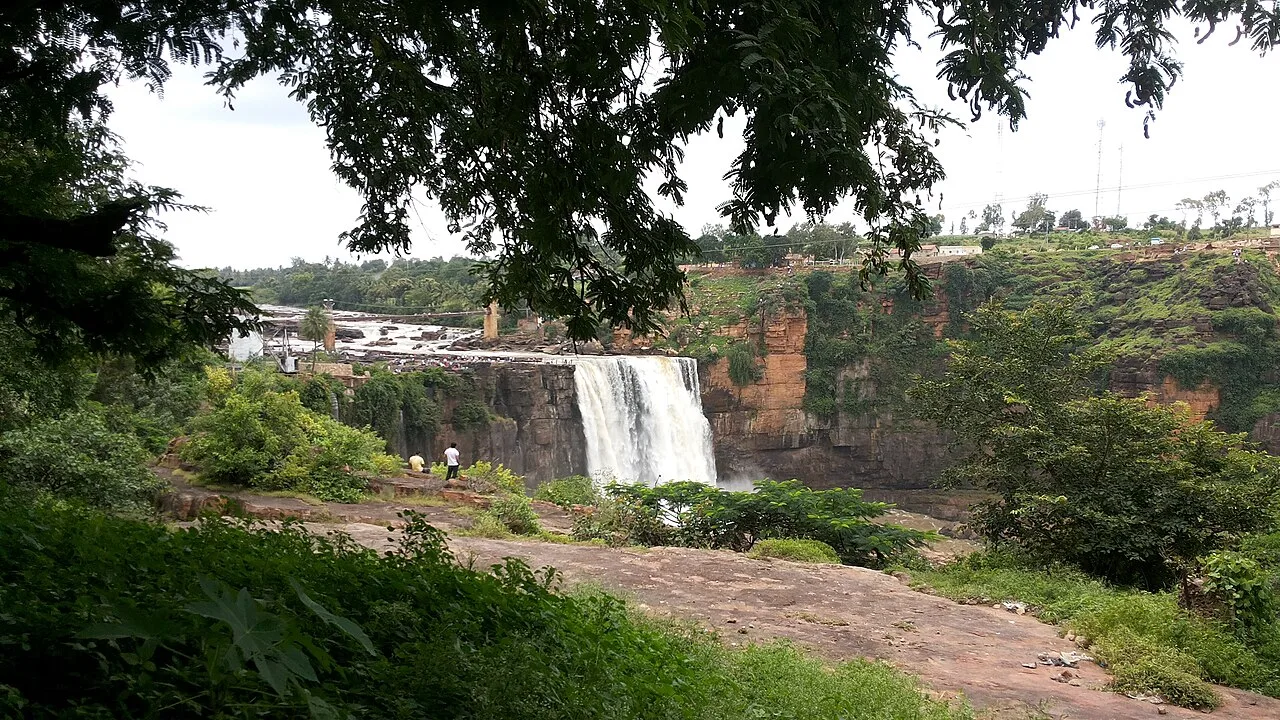
Gokak Falls

48 km away · Belagavi district

Gokak Falls

On the Ghataprabha River in Karnataka’s Belagavi district, Gokak Falls draws visitors who come to see the river’s waterfall near Gokak town.

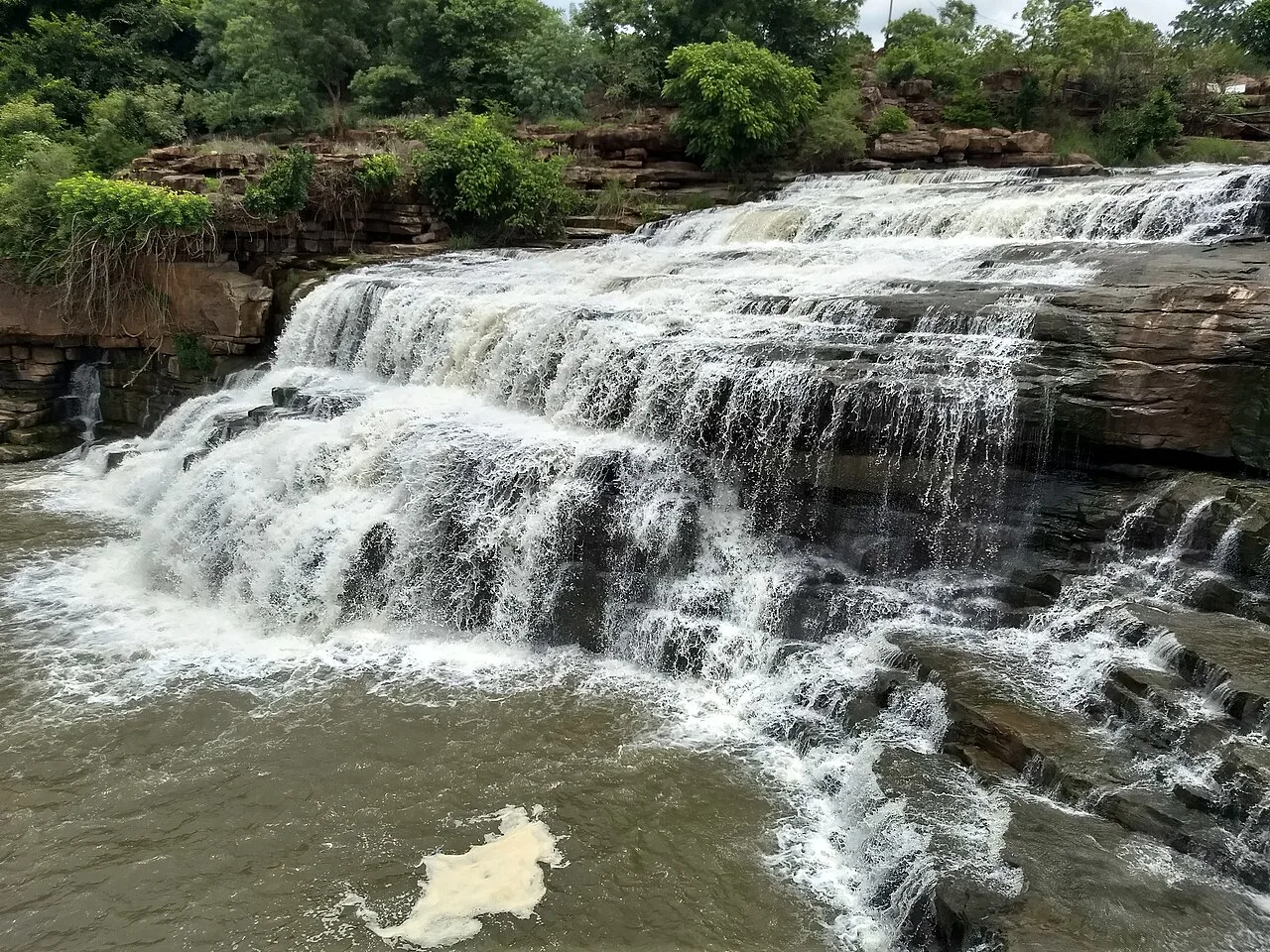
Godachinmalki Falls

56 km away · Belagavi district

Godachinmalki Falls

Godachinmalki Falls is a two-stage waterfall on the Markandeya river in Belagavi district. Visitors come to see its cascades in a rugged valley and explore nearby river landmarks.

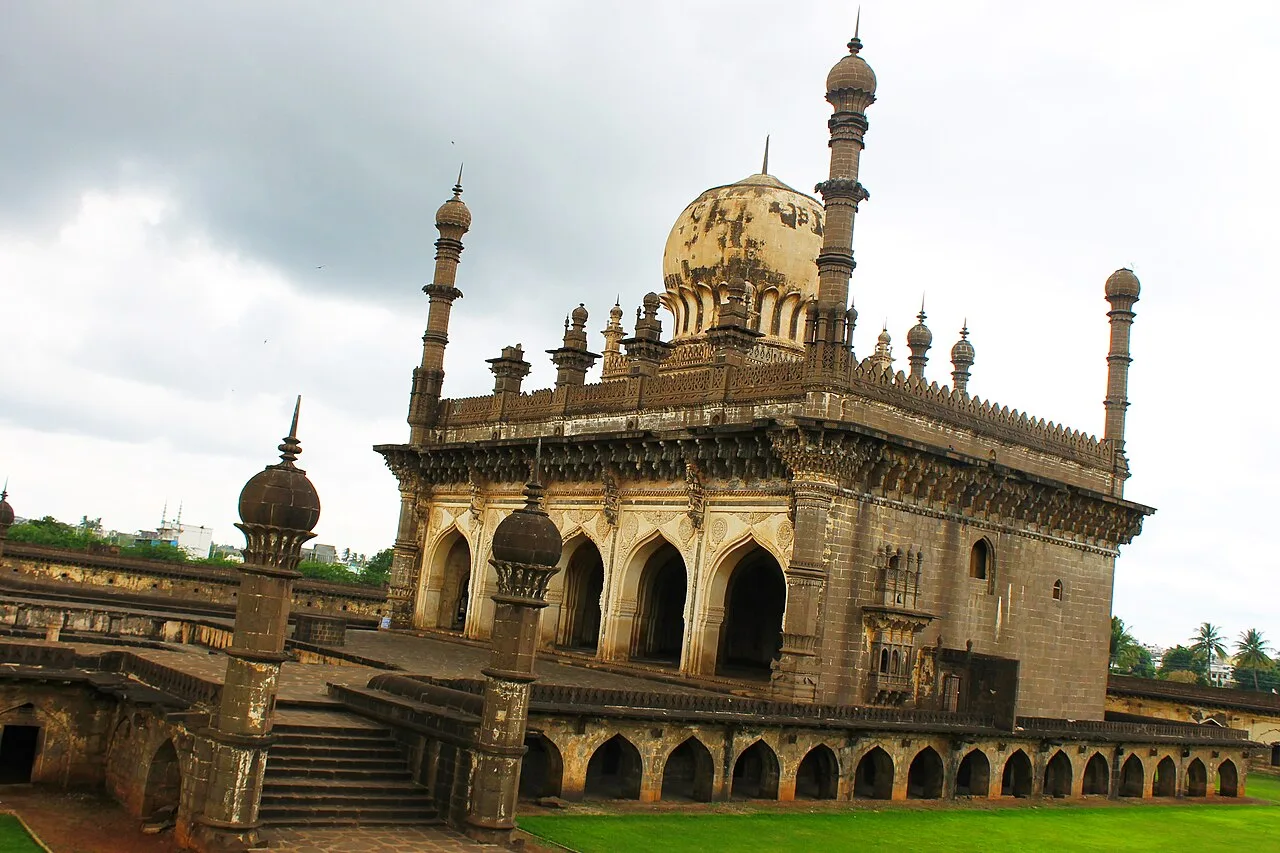
Ibrahim Rauza

74 km away · Vijayapura district

Ibrahim Rauza

Ibrahim Rauza is a funerary complex in Vijayapura, Karnataka, bringing together a mausoleum, mosque and gardens. Visitors come to see its paired buildings, fountain and Adil Shahi architecture.

Bara Kaman

75 km away · Vijayapura district

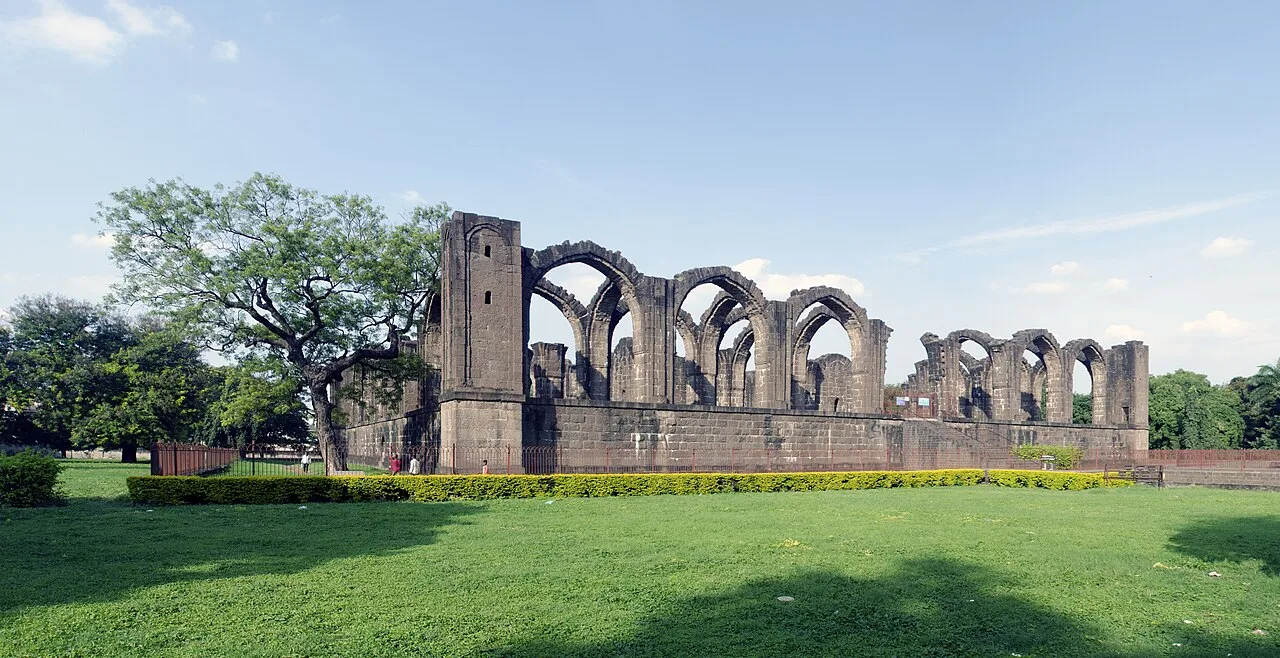
Bara Kaman

Bara Kaman is an incomplete royal burial complex in Vijayapura, Karnataka. Visitors come to see its surviving arches and learn about the ambitious mausoleum planned for Ali Adil Shah II.

Malik-e-Maidan Cannon

75 km away · Vijayapura district

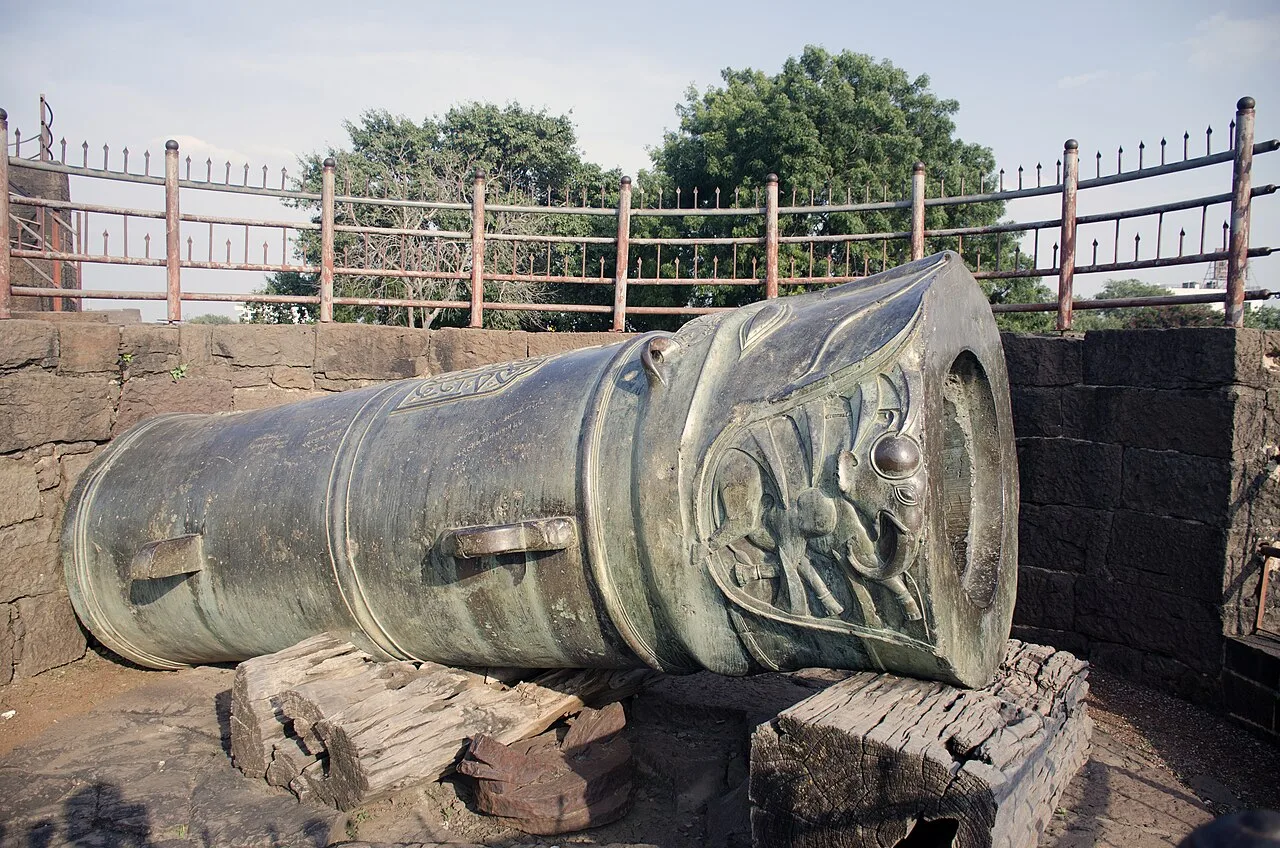
Malik-e-Maidan Cannon

Malik-e-Maidan is a sixteenth-century cannon at Bijapur Fort, notable as the largest surviving artillery example from the medieval period and for its substantial size.

Jama Masjid, Vijayapura

76 km away · Vijayapura district

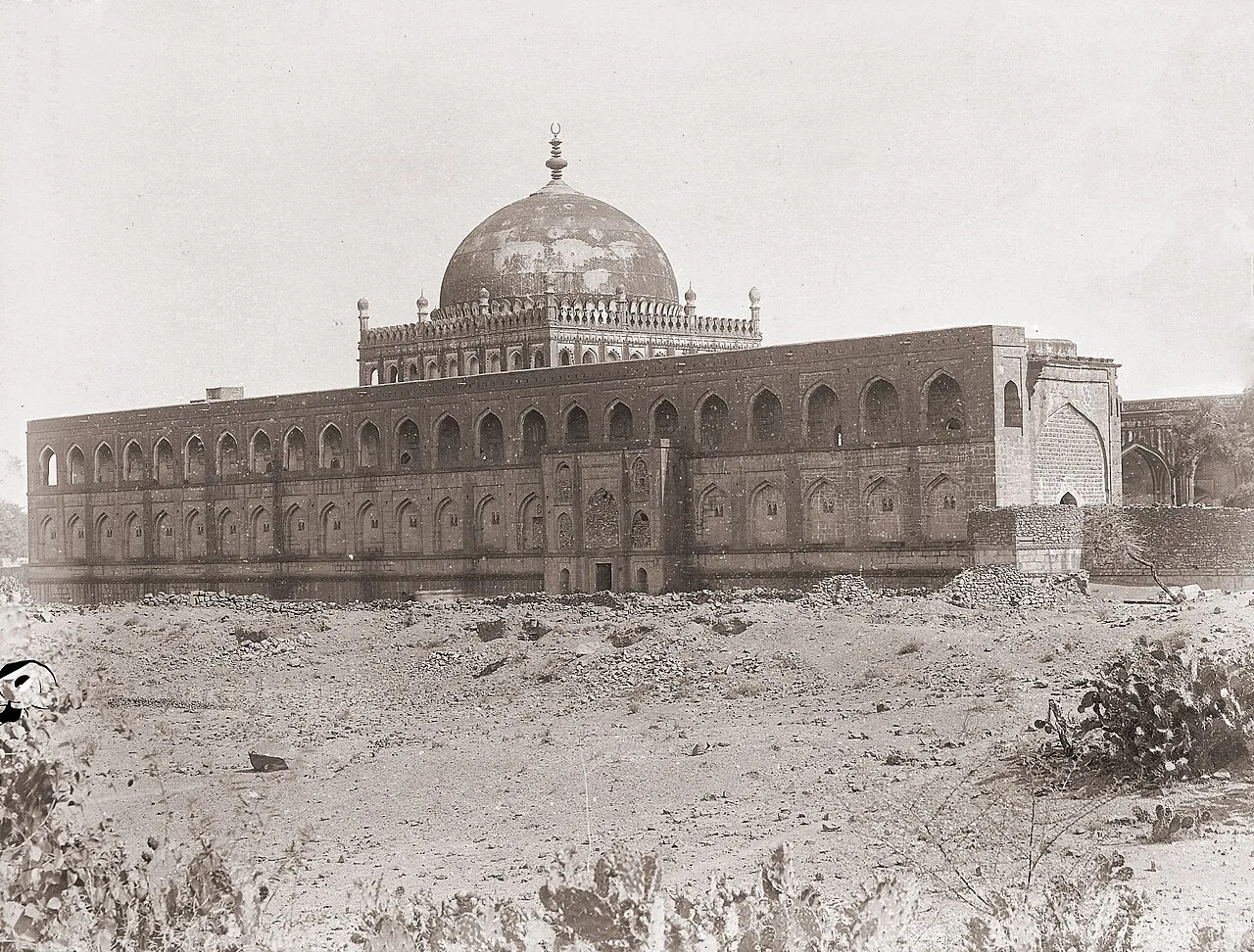
Jama Masjid, Vijayapura

Jama Masjid is a 16th-century congregational mosque in Vijayapura, Karnataka, begun under Ali Adil Shah I. Visitors come to see Bijapur’s largest mosque and its unfinished historic landmark.

Gol Gumbaz

77 km away · Vijayapura district

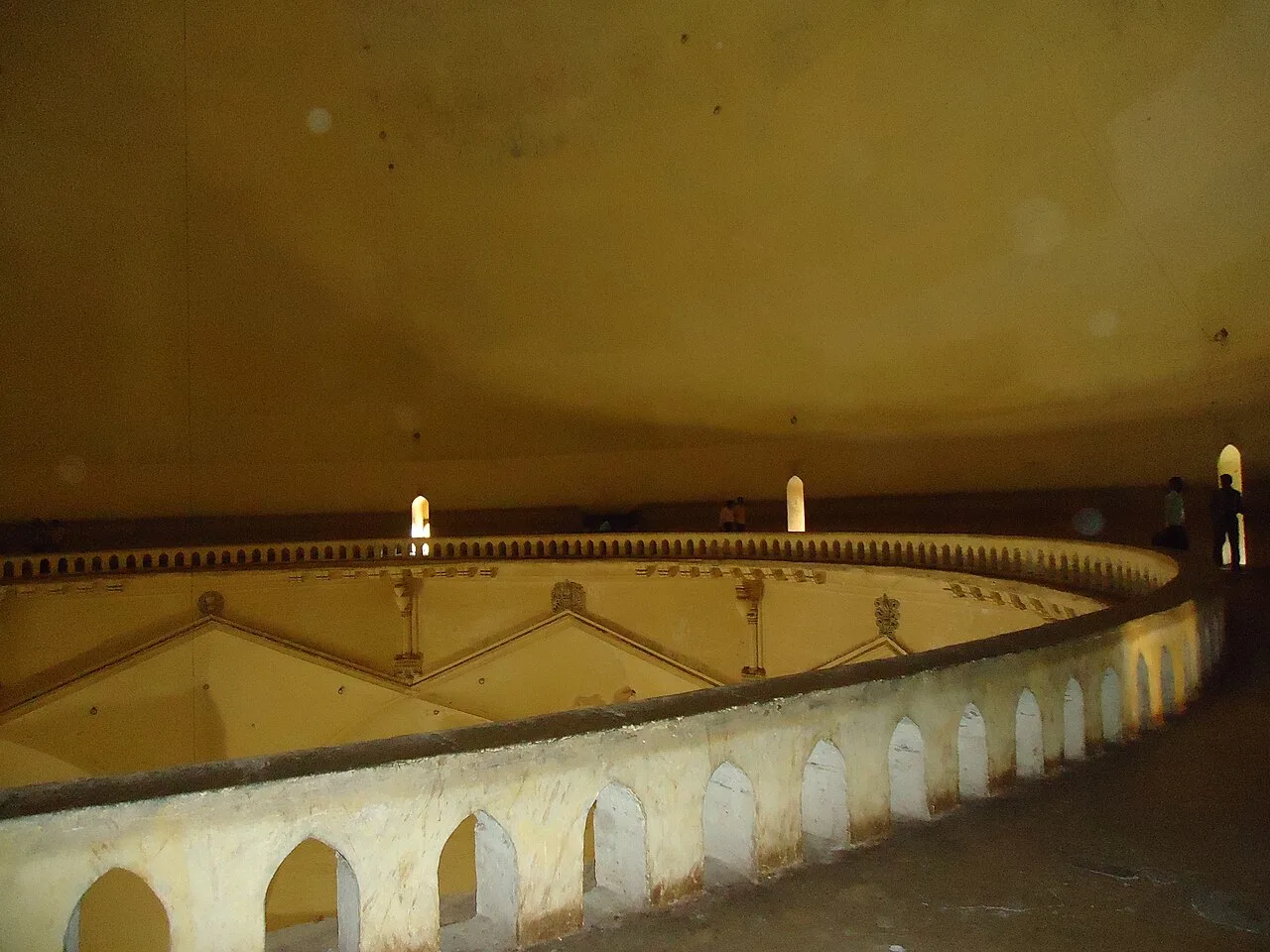
Gol Gumbaz

Gol Gumbaz is a basalt mausoleum in Bijapur, Karnataka, built for Mohammad Adil Shah. Visitors come to see its great dome, Indo-Islamic design and famous whispering gallery.

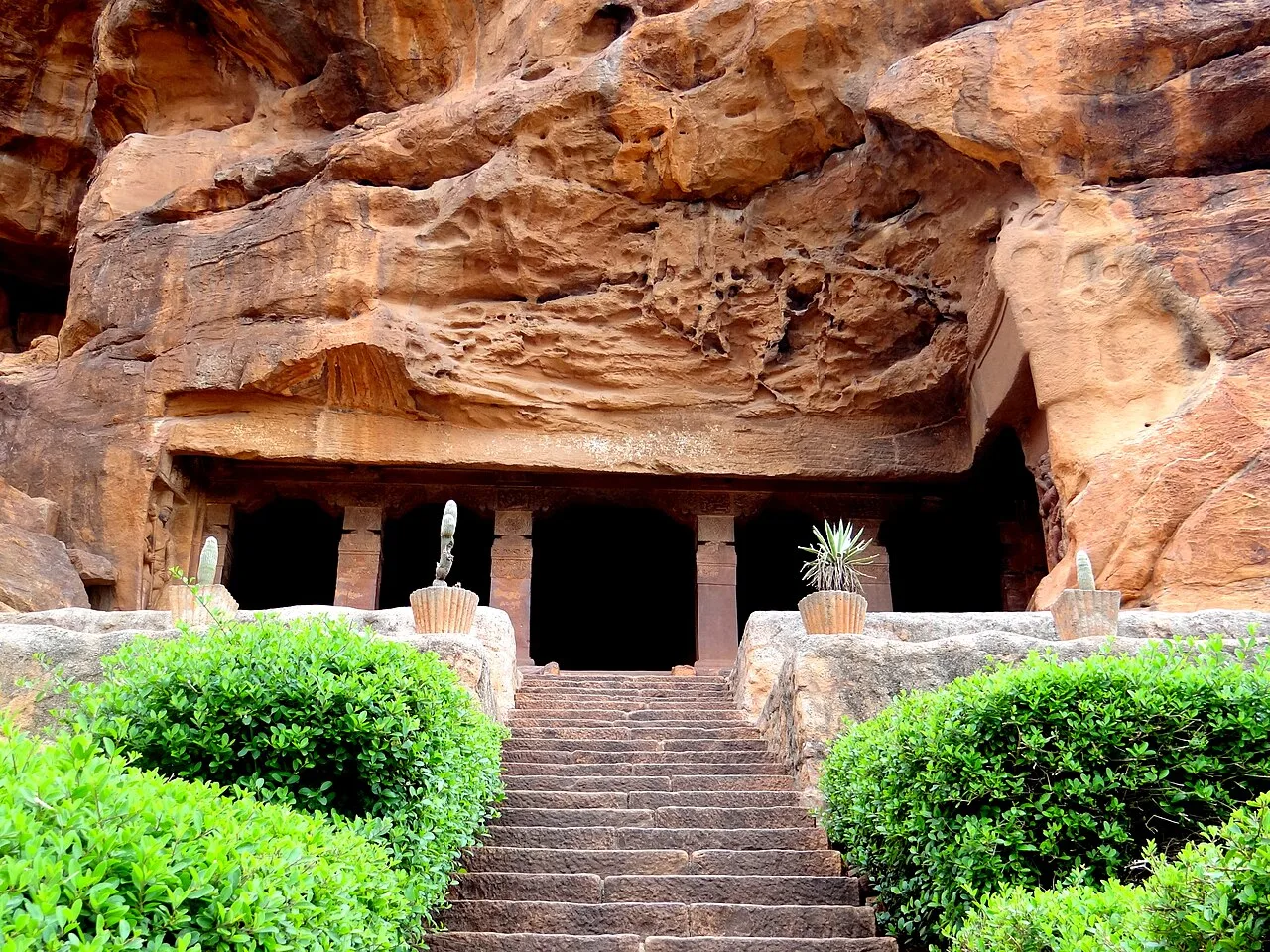
Badami cave temples

86 km away · Bagalkot district

Badami cave temples

These rock-cut shrines in Badami, Karnataka, reflect Buddhist, Hindu and Jain traditions and early Chalukya-era art. Visitors come to see the sandstone architecture and carved religious figures.

Map

Rabkavi-Banhatti on the map

  1. 1Gokak Falls
  2. 2Godachinmalki Falls
  3. 3Ibrahim Rauza
  4. 4Bara Kaman
  5. 5Malik-e-Maidan Cannon
  6. 6Jama Masjid, Vijayapura
  7. 7Gol Gumbaz
  8. 8Badami cave temples

Karnataka

Other cities to explore