Ghumoopedia — Explore, Discover, Experience
Sign in
Siddhesvara Temple, Haveri, near Savanur

City guide · Karnataka

Savanur

Savanur is a small town in Karnataka’s Haveri district and the administrative headquarters of Savanur taluk. Its importance comes from a history that is unusually layered for a regional centre: it was the seat of a princely state ruled by Nawabs, and its heritage reflects the shifting influence of the Mughal, Maratha, Mysore and British powers.

Famous for

  • Savanur Nawabi heritage
  • Satyabodha Tirtha Brindavana
  • Annual Brindavana celebrations
  • Nawab-era civic buildings
  • Historic baobab trees

Why Savanur matters

Savanur is a small town in Karnataka’s Haveri district and the administrative headquarters of Savanur taluk. Its importance comes from a history that is unusually layered for a regional centre: it was the seat of a princely state ruled by Nawabs, and its heritage reflects the shifting influence of the Mughal, Maratha, Mysore and British powers. Remnants of this past, including Nawab-era buildings and the town’s historic baobab trees, give visitors reasons to pause on a journey through northern Karnataka.

Savanur is also a place of religious significance. The Brindavana of Shri Satyabodha Tirtha, a pontiff of the Uttaradi Matha, draws devotees, with annual observances held around March or April. Today the town serves its surrounding rural area through local administration, shops and everyday services. It is not a large resort destination; its appeal lies in a quieter visit combining history, devotional traditions and a sense of the region’s changing political past. Haveri and Hubballi are useful nearby centres for wider travel connections.
Famous for: crafts, trade & products

Savanur is best known for its historic Nawabi identity and religious heritage rather than for a widely documented textile, handicraft or GI-tagged product. The town’s old buildings and baobab trees are notable local features, while the Brindavana of Satyabodha Tirtha is its most distinctive devotional landmark. These are the best starting points for visitors interested in what is particular to Savanur.

Savanur’s shops and central market serve residents and the surrounding taluk, with everyday provisions and locally traded goods. It is not generally recognised as a specialist destination for silk sarees, a signature craft or a major industrial product, so visitors looking for those should not assume they will find a dedicated cluster here. For practical shopping, browse the town centre and ask locally about seasonal produce or regional goods; availability will vary. The town’s administrative role is also part of its identity, but it is better understood as a local service and trading centre than as a major commercial hub. Visitors seeking a particular craft or product may find a wider selection in larger nearby cities.

History

Savanur developed as the capital of a princely state ruled by Muslim Nawabs descended from Abdul Karim Khan, an Afghan who received a grant in 1672. The state’s position between the Marathas, the Nizam of Hyderabad and the rulers of Mysore left it vulnerable to successive territorial losses. The Marathas took more than half its territory during the eighteenth century, and Tipu Sultan later annexed what remained. After Tipu’s death in 1799, Savanur regained independence with reduced territory. It accepted British protection after the Maratha Confederacy was defeated in 1818.

The final Nawab, Abdul Majid Khan II, pursued modernization after assuming power, supporting schools, dispensaries, public offices, courts, roads and irrigation works. British rule ended with Indian independence; the state acceded to India in 1948. The former princely capital is now a town and taluk headquarters in Haveri district. Its historic buildings and religious sites preserve traces of its former political and civic life.

Food, festivals & culture

Kannada is the principal language of daily life in Savanur, and Urdu is also part of the town’s cultural mix. Food reflects the broader traditions of northern Karnataka: visitors may encounter jolada rotti, vegetable curries, lentil dishes and accompaniments such as peanut chutney. These are regional staples rather than dishes unique to Savanur; availability varies between homes and eateries. There is no single locally distinctive sweet that defines the town, though familiar Karnataka sweets may be found in shops.

The annual celebrations associated with Shri Satyabodha Tirtha’s Brindavana are an important devotional occasion, usually falling around March or April. Hindu festivals such as Ugadi, Deepavali and Dasara, and Muslim observances including Eid, are part of the town’s calendar. The Brindavana and local temples, alongside mosques serving the Muslim community, reflect Savanur’s varied religious life. Devotional singing and regional folk performance traditions are part of the wider cultural setting, though the town is not especially known for a separate, named music or dance form.

Visiting the city

The cooler months, roughly October to February, are generally the most comfortable time to visit; afternoons can be hot outside this period, while the monsoon brings rain. Hubballi Airport is the nearest major airport, and Haveri railway station is a practical rail gateway. From either, continue by road; buses and local vehicles connect Savanur with nearby towns, and auto-rickshaws are useful for getting around locally.

Explore the town centre for its market and everyday street life, then visit the Brindavana of Satyabodha Tirtha and the historic Nawabi quarter. The baobab trees are another distinctive stop. Ask locally about access and visiting etiquette at religious sites, as arrangements may vary. Savanur works well as a short cultural stop or as part of a wider trip through Haveri district.

Trips from the city

Nearest places to visit from Savanur

Our closest destination guides, by straight-line distance.

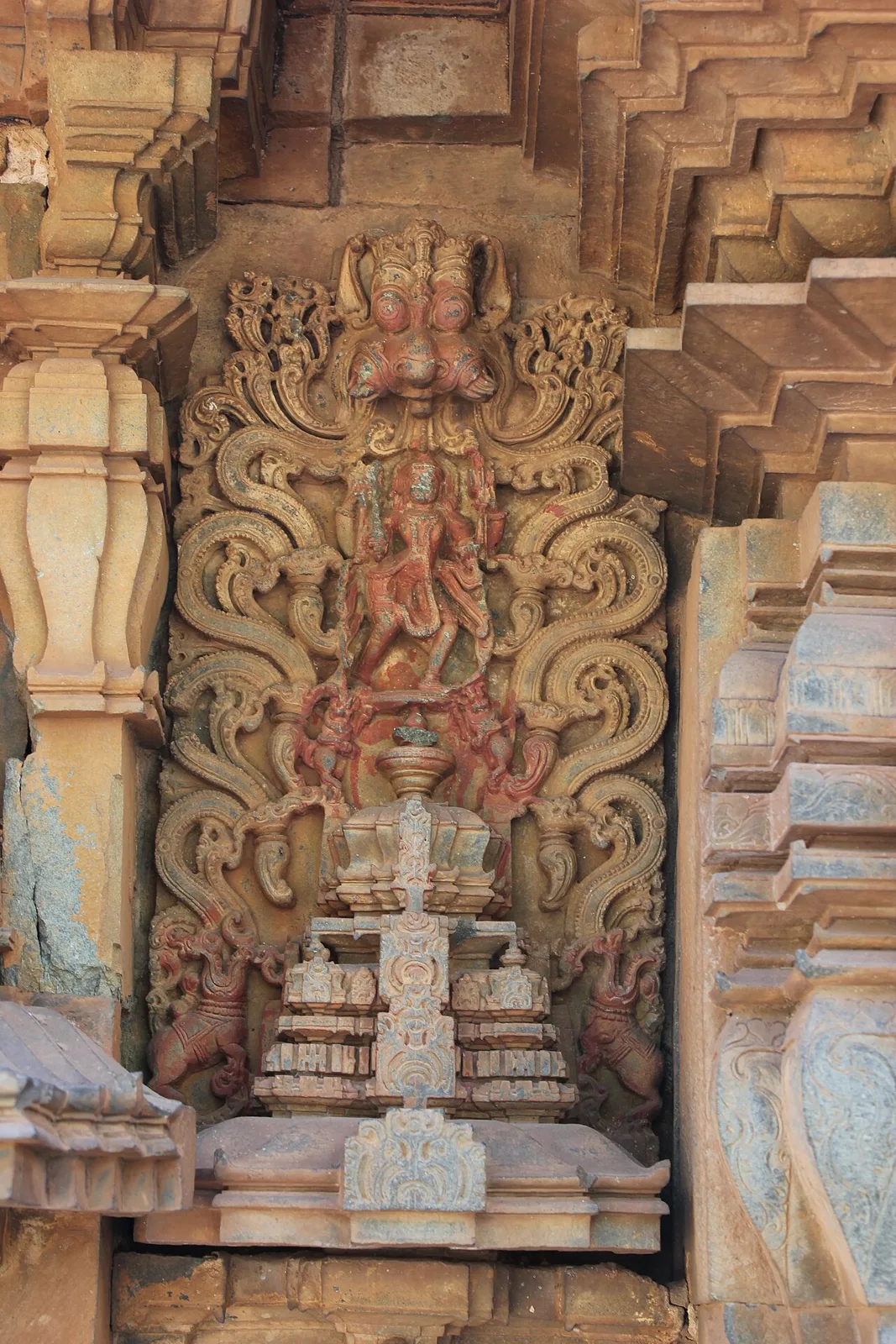
Siddhesvara Temple, Haveri

22 km away · Haveri district

Siddhesvara Temple, Haveri

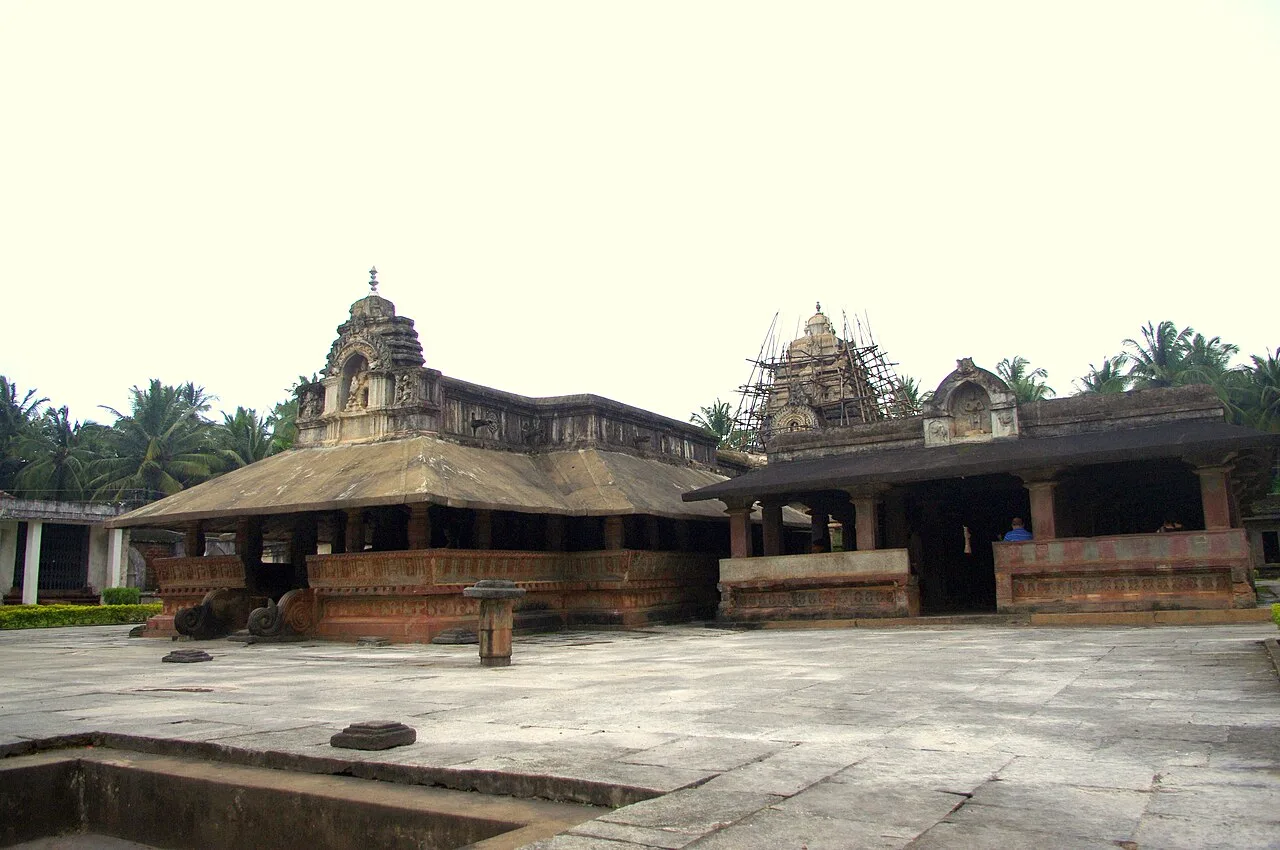
Siddhesvara Temple in Haveri, Karnataka, is visited for worship and valued for its Western Chalukyan design and sculptures of Hindu deities.

Chandramouleshwara Temple, Hubballi

51 km away · Dharwad district

Chandramouleshwara Temple, Hubballi

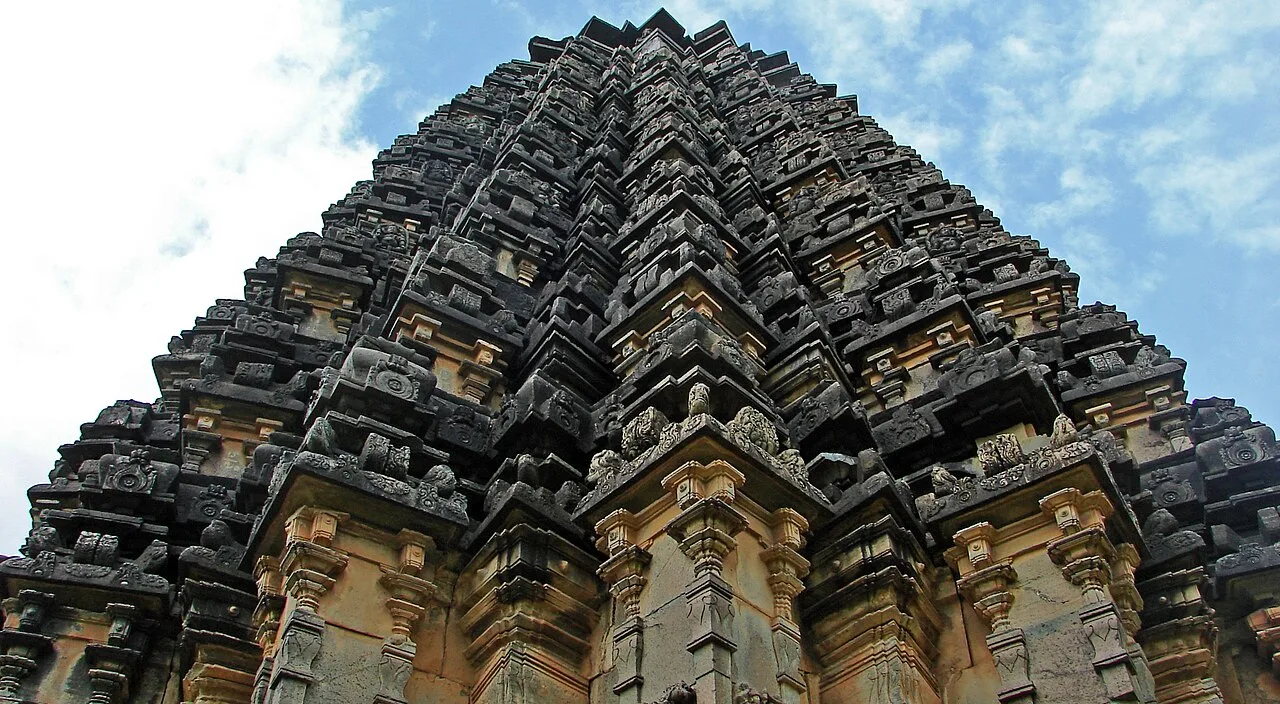
An 11th-century Shiva shrine in Unkal, Hubballi, Chandramouleshwara Temple draws interest for its Chalukyan design, distinctive plan and artwork representing several Hindu traditions.

Trikuteshwara Temple, Gadag

59 km away · Gadag district

Trikuteshwara Temple, Gadag

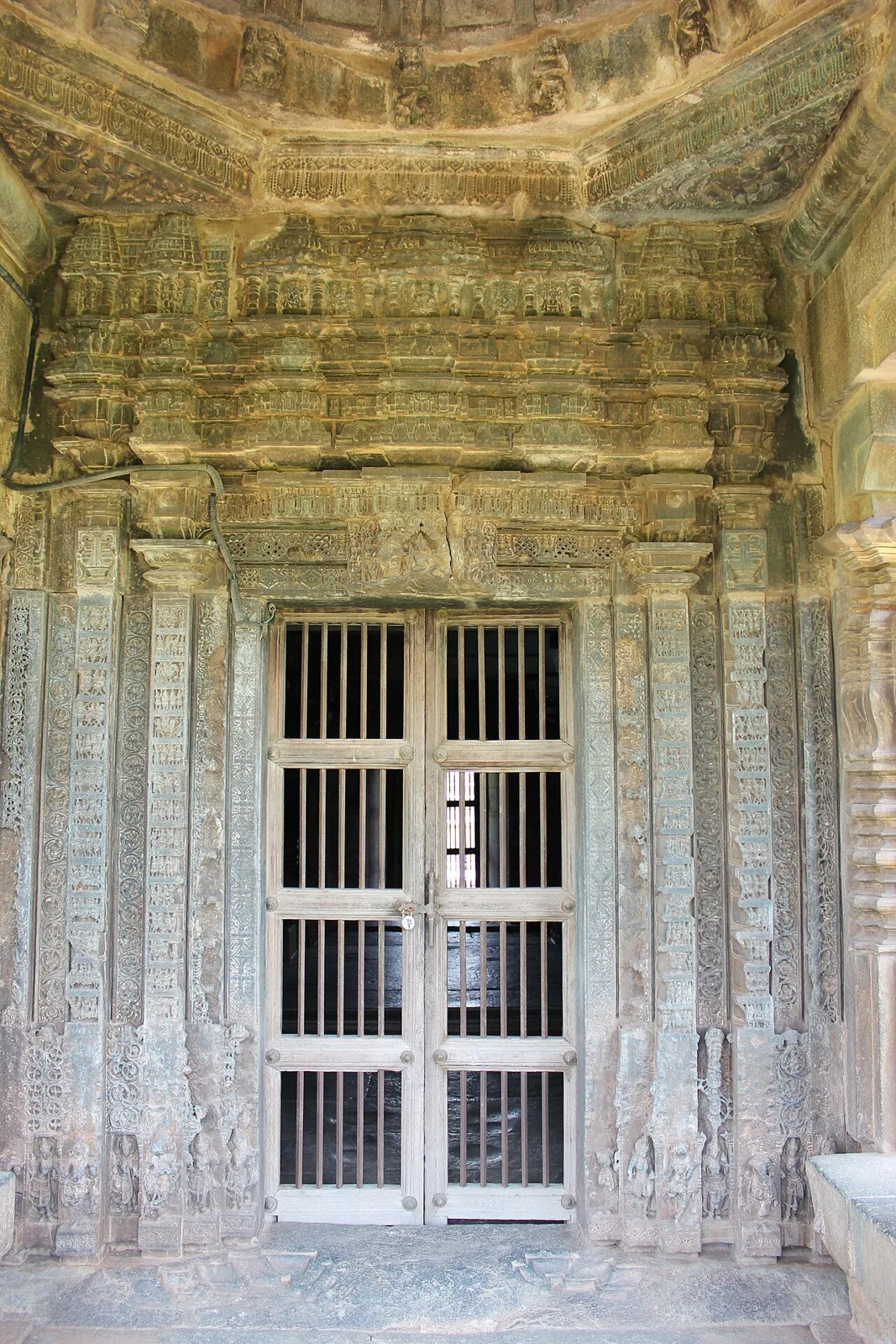
In Gadag, Karnataka, Trikuteshwara Temple is a carved Hindu place of worship dedicated to Shiva. Visitors come to see its three lingas, Saraswathi shrine and carved columns.

Banavasi

60 km away · Uttara Kannada district

Banavasi

Banavasi, a village in Karnataka’s Uttara Kannada district, is known for its temples and its past as the Kadamba dynasty’s capital, making it a place of historical interest.

Lakkundi

62 km away · Gadag district

Lakkundi

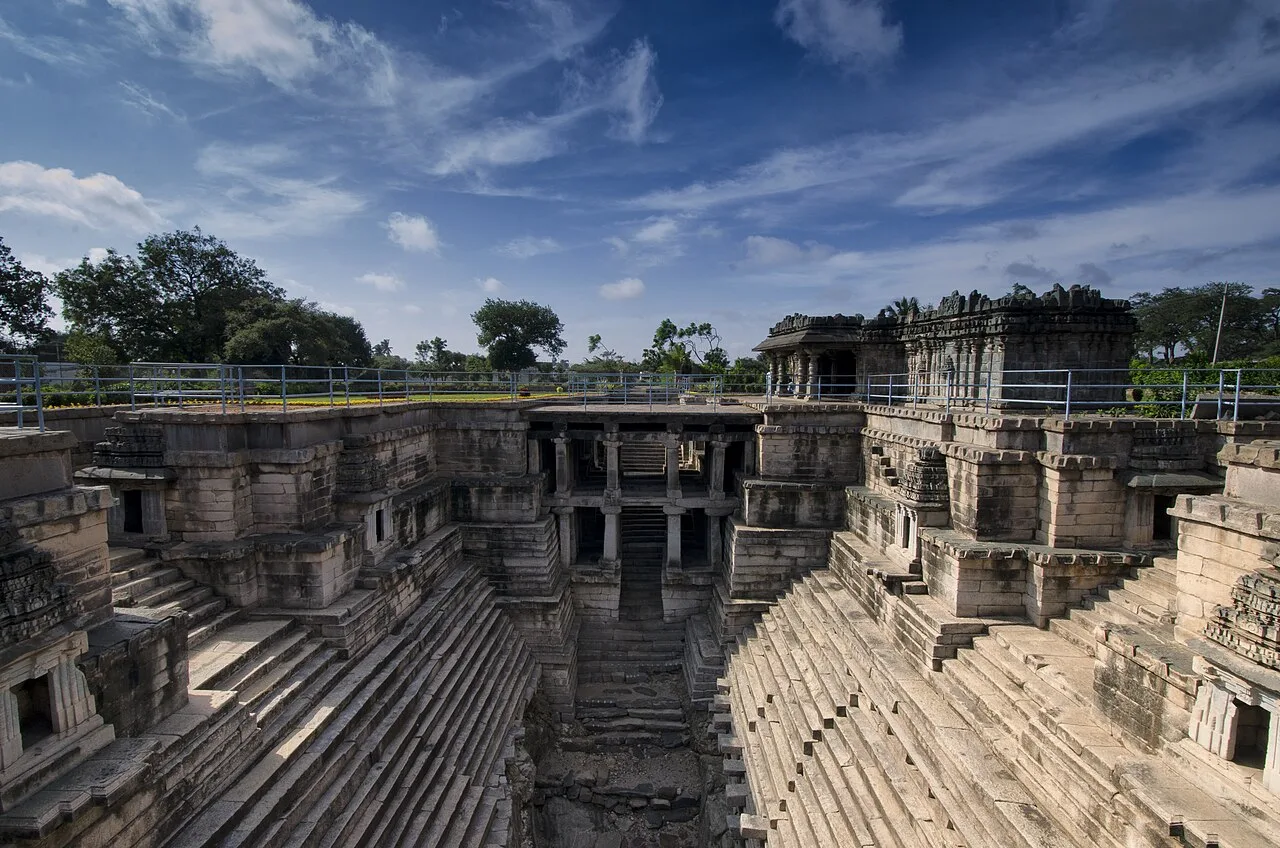
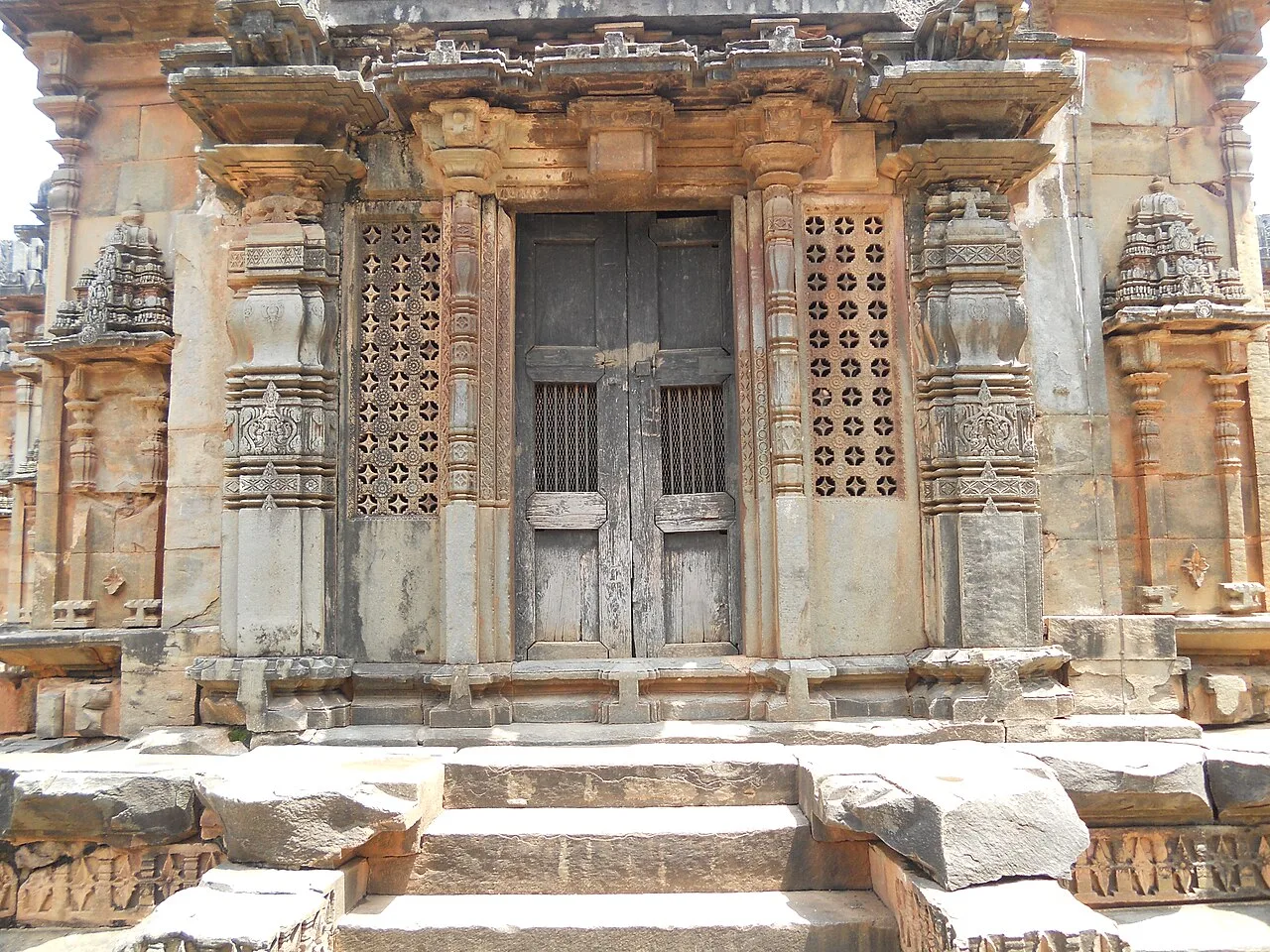
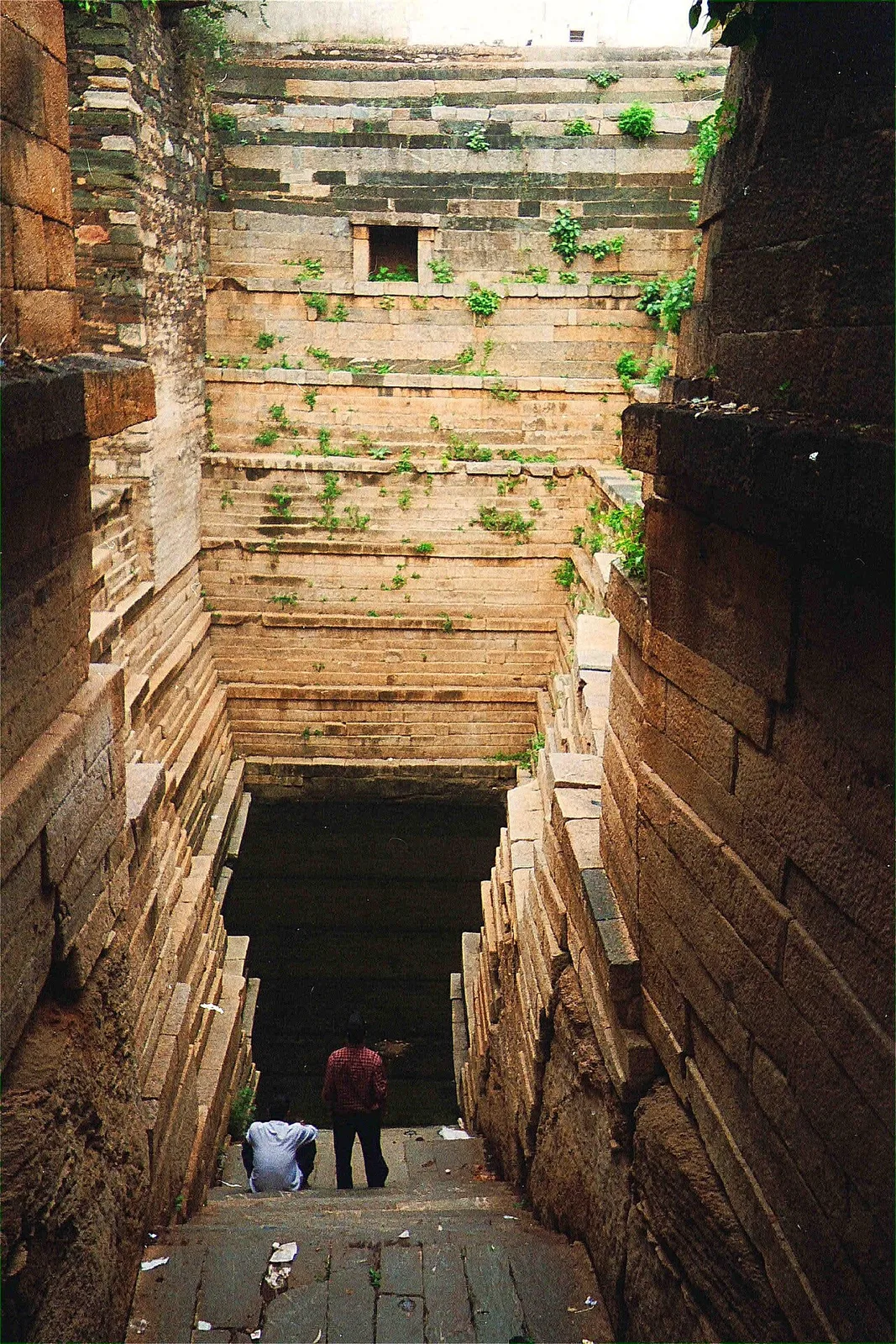
Lakkundi is a historic village in Karnataka’s Gadag district, visited for its Hindu and Jain temple remains, water structures and examples of Kalyana Chalukya architecture.

Doddabasappa Temple

64 km away · Gadag district

Doddabasappa Temple

Doddabasappa Temple, in Dambal, Karnataka, is a 12th-century work of Western Chalukyan design. Visitors come to see its Shiva shrine and its place within the region’s architectural tradition.

89 km away · Uttara Kannada district

Unchalli Falls

In Karnataka’s Uttara Kannada district, Unchalli Falls is a 116-metre cascade on the Aghanashini, visited for its dramatic descent and the rare chance of seeing a moonbow.

Itagi Mahadeva Temple

91 km away · Koppal district

Itagi Mahadeva Temple

Itagi Mahadeva Temple is a place of worship in Itagi, within Yelburga Taluk in Karnataka’s Koppal district. Visitors come to see the temple and its setting.

Map

Savanur on the map

  1. 1Siddhesvara Temple, Haveri
  2. 2Chandramouleshwara Temple, Hubballi
  3. 3Trikuteshwara Temple, Gadag
  4. 4Banavasi
  5. 5Lakkundi
  6. 6Doddabasappa Temple
  7. 7Unchalli Falls
  8. 8Itagi Mahadeva Temple

Karnataka

Other cities to explore