
Ghumoopedia — Explore, Discover, Experience
Sign in
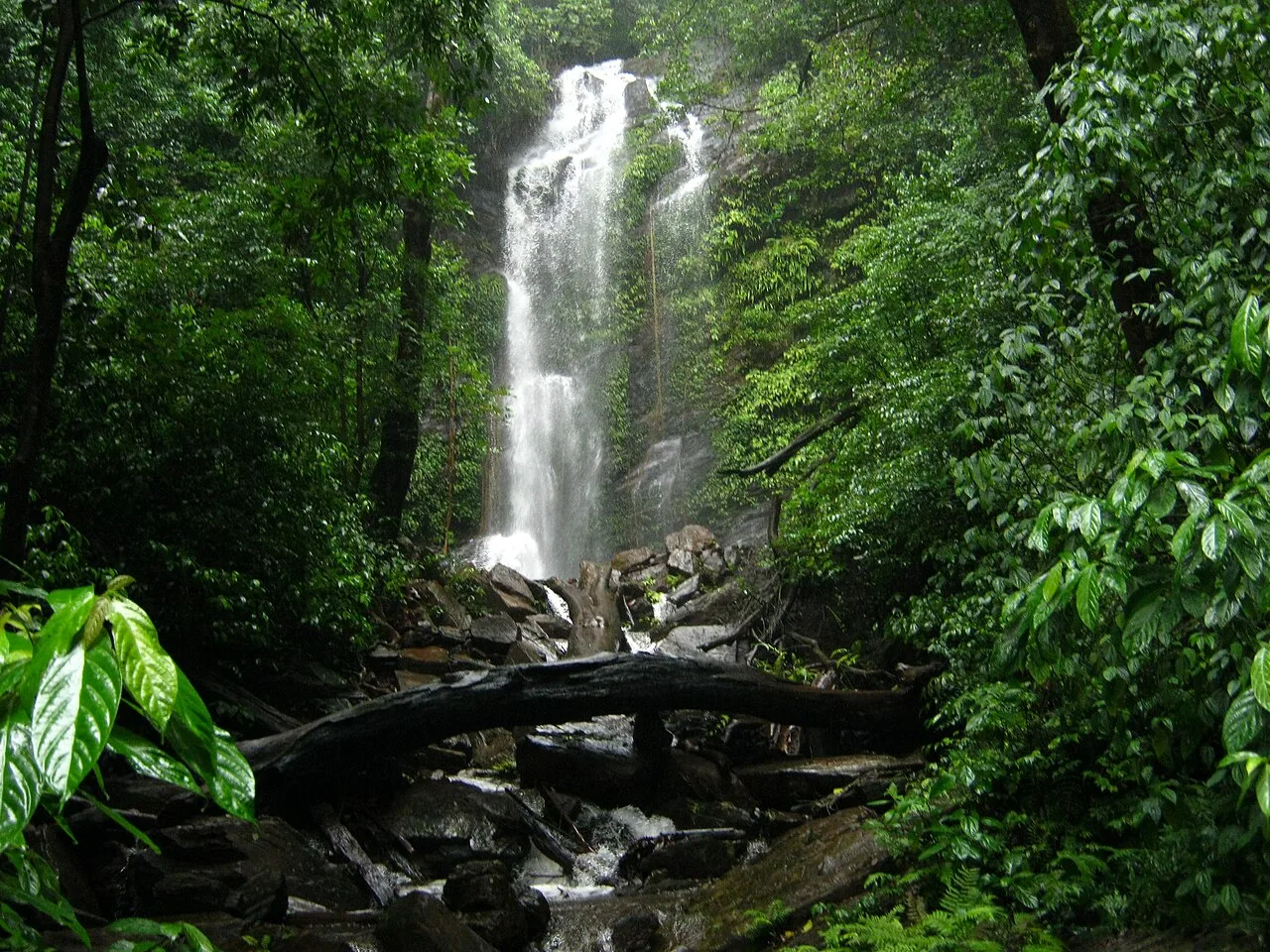
Kodachadri, near Kollur

City guide · Karnataka

Kollur

Kollur is a temple town in Byndoor taluk, Udupi district, best known as the home of Sri Mookambika Temple. Set among the Western Ghats, it draws pilgrims from Karnataka and other parts of India to worship the goddess, revered here as a form of Shakti.

Famous for

  • Sri Mookambika Temple
  • Pilgrimage and worship
  • Navaratri celebrations
  • Souparnika River
  • Western Ghats setting
In the city
0
Nearby
1
District
Shivamogga
Plan a trip

Why Kollur matters

Kollur is a temple town in Byndoor taluk, Udupi district, best known as the home of Sri Mookambika Temple. Set among the Western Ghats, it draws pilgrims from Karnataka and other parts of India to worship the goddess, revered here as a form of Shakti. The temple is the town’s central landmark and shapes much of its daily life, visitor services and local trade.

Kollur also serves as a base for experiencing a quieter, greener stretch of coastal Karnataka. The Souparnika River and forested mountain surroundings give the pilgrimage setting a strong connection with the region’s landscape. Visitors commonly arrive by road from the coast or travel by rail to Mookambika Road Byndoor station and continue onward to the temple. While Kollur is modest in scale, its religious importance gives it a regional reach well beyond the village itself. For many travellers, the town is both a destination for worship and a stopping point on a wider journey through Udupi district and the Western Ghats.

Famous for: crafts, trade & products

Kollur’s best-known institution is Sri Mookambika Temple, which anchors the town’s visitor economy. The local commercial area mainly serves pilgrims, with shops and stalls offering worship supplies and devotional goods. These are practical purchases associated with a temple visit rather than evidence of a large specialist craft or textile industry.

Kollur is not widely identified with a particular saree, handicraft, GI-tagged product or major manufacturing sector. Travellers looking for such goods should not expect the town to function as a dedicated craft market. Instead, the most relevant places to browse are the small shops near the temple and along the town’s main approach roads, where everyday visitor needs are catered for. Offerings, souvenirs and other devotional items may be available, but selection can vary. For a broader choice of regional products, visitors can look to larger towns in Udupi district. Kollur’s local trade is closely tied to pilgrimage, hospitality and services rather than a distinctive export or shopping specialty.

History

Kollur developed around the worship of Sri Mookambika, whose temple has made the settlement an important pilgrimage destination in the Western Ghats. The goddess is associated in local religious tradition with the meeting of divine forms of knowledge and power, and the shrine continues to attract worshippers from across southern India. Stories about the temple’s origins belong to a long devotional tradition; precise dates for the early growth of the settlement are not necessary to understand its importance today.

Kollur’s history has largely been shaped by its religious role and its position between the coastal settlements and the mountain interior. The available background does not establish a single ruling dynasty or a specific colonial-era episode as central to the town’s development. In modern times, road connections, pilgrim facilities and access via Mookambika Road Byndoor railway station have made visits more manageable. The town remains closely centred on the temple, while its services have grown to accommodate the steady flow of devotees and visitors.

Food, festivals & culture

Temple worship is central to Kollur’s cultural life. Navaratri, usually observed in September or October, is an especially important period at Sri Mookambika Temple, with prayers and ceremonies focused on the goddess. Saraswati worship during the festival is significant to devotees who associate Mookambika with learning and the arts. The temple calendar also includes other observances; the exact programme can vary from year to year.

Kannada is the principal language of the area, while visitors may also hear Tulu, Konkani and other languages spoken along the coast. The town’s food reflects its setting in coastal Karnataka: rice-based meals and familiar regional dishes are common, while the temple environment also caters to pilgrims seeking vegetarian food. Kollur is not known for one signature sweet or a distinct local cuisine. Its cultural experience is more strongly defined by devotional practice, the temple’s ritual traditions and the surrounding landscape than by a separate performance or craft scene.

Visiting the city

The cooler, drier months from about October to March are generally comfortable for visiting. The monsoon season brings heavy rain to the Western Ghats, so road journeys and outdoor plans may require flexibility. Mangaluru International Airport is a main air gateway for the region. The principal railway station for temple-bound travellers is Mookambika Road Byndoor (BYNR); from there, continue to Kollur by road. Buses and taxis connect the town with nearby settlements, and local movement is mainly by road.

The temple precinct and the small town centre are the main areas to explore. Allow time for worship and for the river and forested surroundings, while following local guidance around temple spaces. Kollur works well as a focused pilgrimage stop or as part of a wider trip through Udupi district.

Short trips

Around Kollur

Within about 40 km — easy half-day or day trips from the city.

Map

Kollur on the map

  1. 1Kodachadri

Karnataka

Other cities to explore