Ghumoopedia — Explore, Discover, Experience
Sign in
Aihole, near Amingarh

City guide · Karnataka

Amingarh

Amingarh is commonly identified with Amingad, also written Aminagad, a small town in Bagalkot district in northern Karnataka. Its best-known claim is Amingad karadantu, a rich sweet made with jaggery, edible gum, ghee and nuts.

Famous for

  • Amingad karadantu
  • Jaggery and dry-fruit sweet
  • Northern Karnataka food
  • Gateway to Badami country

Why Amingarh matters

Amingarh is commonly identified with Amingad, also written Aminagad, a small town in Bagalkot district in northern Karnataka. Its best-known claim is Amingad karadantu, a rich sweet made with jaggery, edible gum, ghee and nuts. Travellers often stop here to sample or buy it while exploring the historic sites and towns of the wider Bagalkot region.

Amingad is primarily a local market centre rather than a destination with a large collection of visitor attractions. Its appeal lies in everyday north Karnataka town life, regional food and its position within reach of places such as Badami, Aihole, Pattadakal and Kudalasangama. These sites bring visitors interested in Chalukyan architecture, religious heritage and the Deccan’s layered history. Kannada is the principal language of daily life, and the town offers a useful glimpse of a largely Kannada-speaking region beyond the state’s major cities. For a short visit, karadantu shops and the central bazaar are the most characteristic stops; longer itineraries can use Amingad as one point in a wider circuit of Bagalkot district.
Famous for: crafts, trade & products

Amingad is best known for karadantu, a dense, chewy sweet traditionally prepared with edible gum, jaggery, ghee and dry fruits or nuts. It is associated closely enough with the town to carry its name and has a Geographical Indication registration. Local sweet shops, especially those around the bazaar and main commercial streets, are the natural places to look for it. Recipes and texture vary between makers, so visitors may see different versions on sale. It is commonly bought as a treat to eat during a journey or take home.

The town is not especially known as a textile or handicraft centre, and it has no major visitor-oriented shopping district. In the wider area, Ilkal sarees and Guledgudda Khana fabric are notable regional textiles; look for them in Ilkal and Guledgudda rather than assuming they are made or widely stocked in Amingad. The everyday market serves nearby settlements with groceries, produce and household goods. For a sense of local trade, browse the central bazaar, while treating karadantu as the town’s distinctive speciality rather than expecting a broad range of craft outlets or branded products.

History

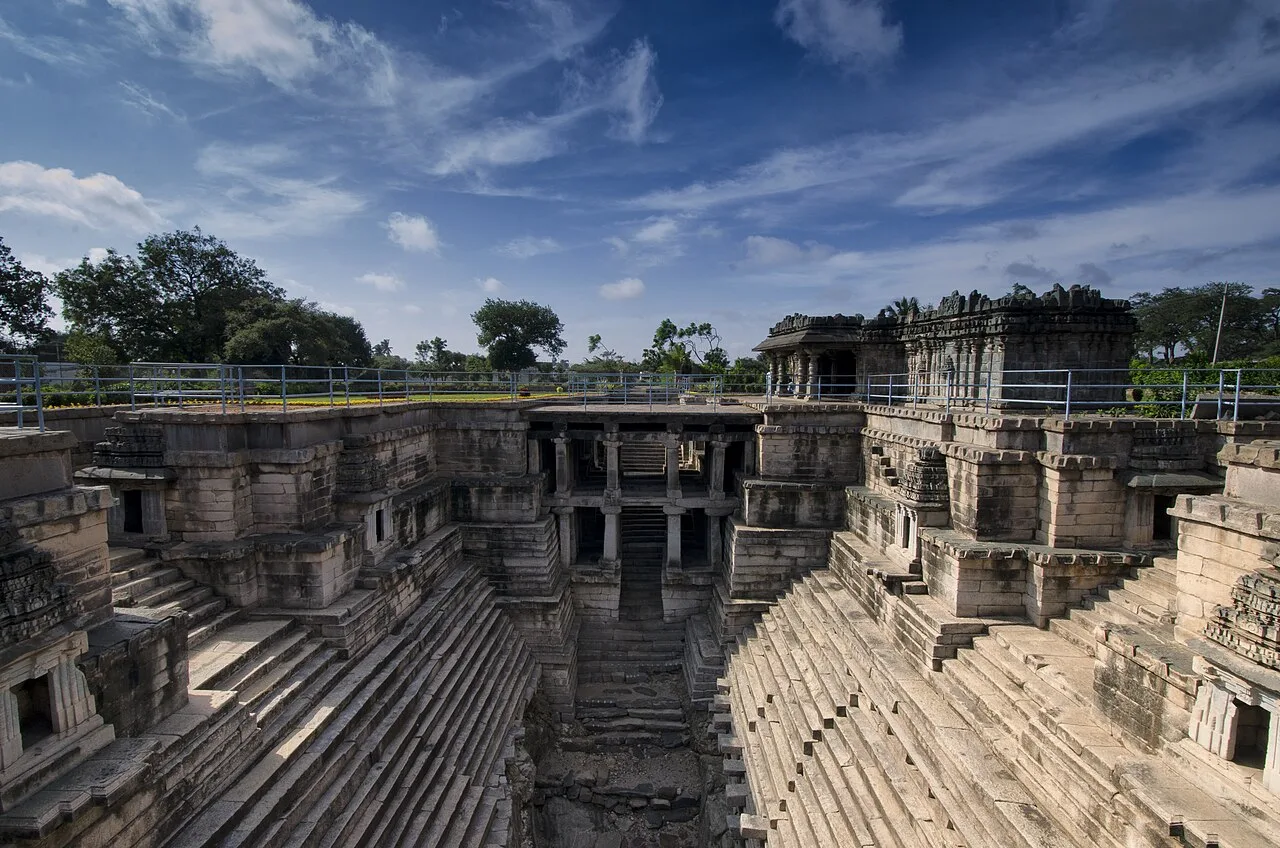
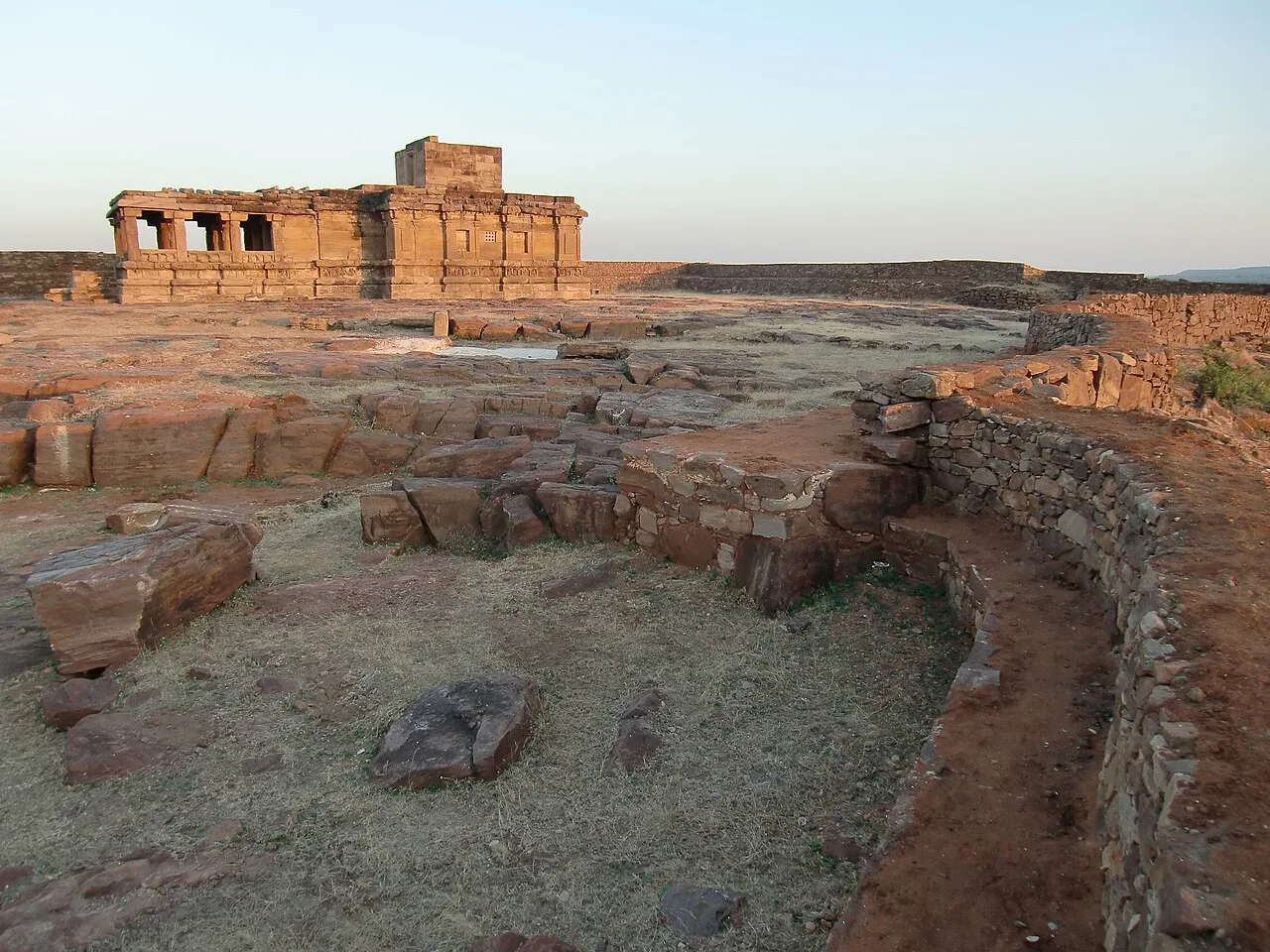
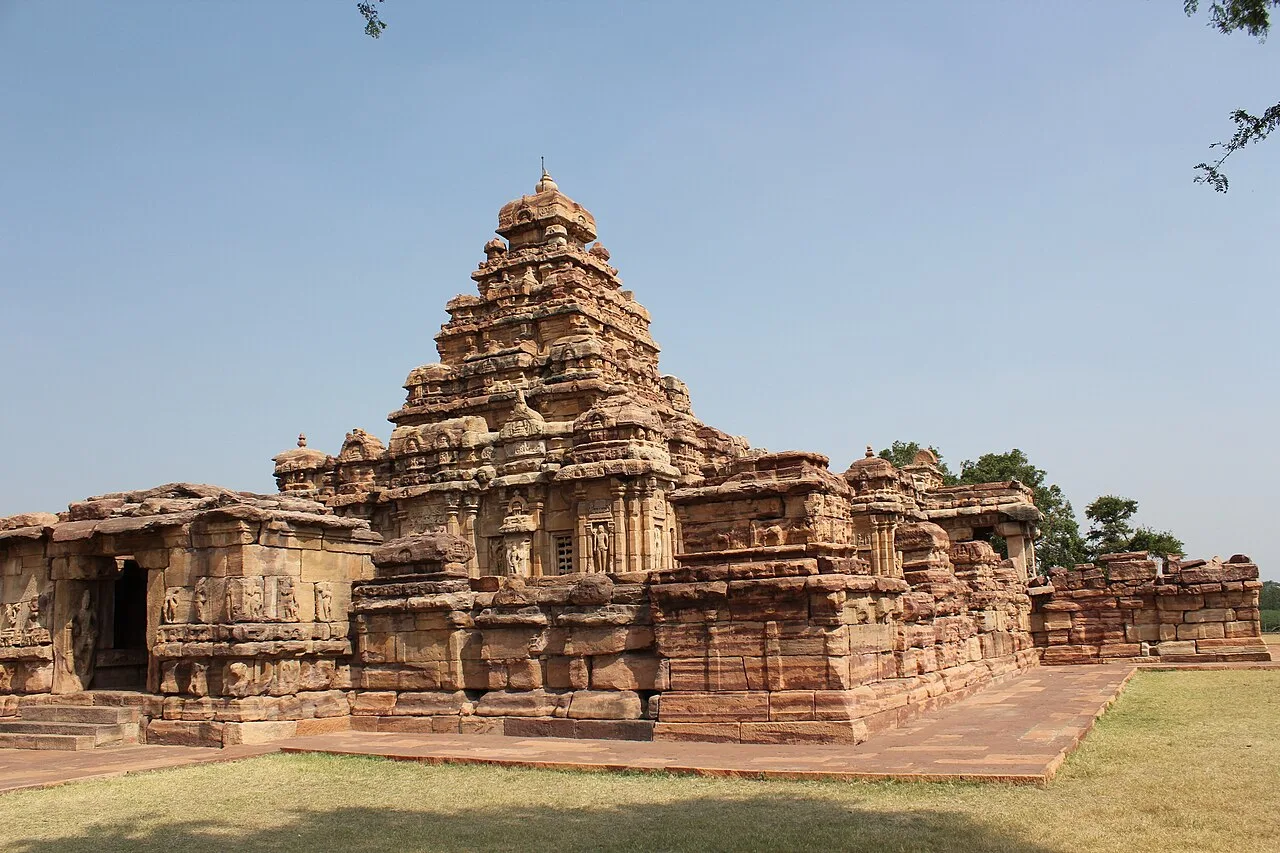
Amingad’s story is part of the wider history of Bagalkot district, although detailed accounts of the town itself are limited. The surrounding region is closely associated with the Badami Chalukyas, whose early medieval centres at Badami, Aihole and Pattadakal preserve temples, inscriptions and evidence of major architectural experimentation. Over subsequent centuries, northern Karnataka came under the influence of changing Deccan powers, including the Adil Shahi rulers of Bijapur and later Maratha authorities.

Under British rule, the area formed part of the Bombay Presidency. After Indian independence and the reorganisation of states in 1956, it became part of Mysore State, renamed Karnataka in 1973. In modern times Amingad has remained a small town serving nearby villages through local commerce, services and road connections. The region’s heritage is visible nearby, but it is more accurate to distinguish that district-wide history from claims about specific monuments or royal events in Amingad itself.

Food, festivals & culture

Kannada is the main language of everyday life in Amingad, with regional forms of north Karnataka speech common in conversation. Food reflects the dry Deccan plateau: jowar rotti, spicy vegetable curries, brinjal dishes and groundnut-based chutneys are familiar regional fare. Karadantu is the town’s signature sweet, combining jaggery and ghee with edible gum and nuts. Visitors may also encounter other local snacks and sweets in the bazaar, though menus vary between eateries.

Ugadi, usually in spring, marks the Kannada New Year; Ganesh Chaturthi, Dasara in autumn and Deepavali are also widely observed across Karnataka. Temple festivals and family celebrations shape the local calendar, but dates and activities vary by neighbourhood and year. Hindu places of worship are part of everyday town life, while the wider district also has important religious destinations, including Kudalasangama, associated with the 12th-century poet and social reformer Basavanna. Classical and devotional Kannada music, folk performance and regional dance traditions belong to the broader cultural landscape; large staged performances are more likely in bigger towns or during special events than on an ordinary day in Amingad.

Visiting the city

The cooler, drier months from about October to February are generally the most comfortable for exploring Amingad and the surrounding heritage sites. Summer can be very hot, while monsoon rain may affect road journeys. Hubballi Airport is a commonly used air gateway for the region. Bagalkot railway station is the main rail connection for visitors; Guledagudda is another station to check when planning a route. Road travel is the practical way to reach Amingad and visit nearby towns, using buses or hired vehicles from regional centres.

In Amingad, the central bazaar and main commercial streets are the most useful areas to explore for karadantu shops, local food and everyday town scenes. The town is compact, and local transport or walking can cover its central area. For a fuller trip, combine it with Badami, Aihole, Pattadakal or Kudalasangama, arranging transport in advance if visiting several sites in one day. Check local conditions before setting out, as services and connections can vary.

Trips from the city

Nearest places to visit from Amingarh

Our closest destination guides, by straight-line distance.

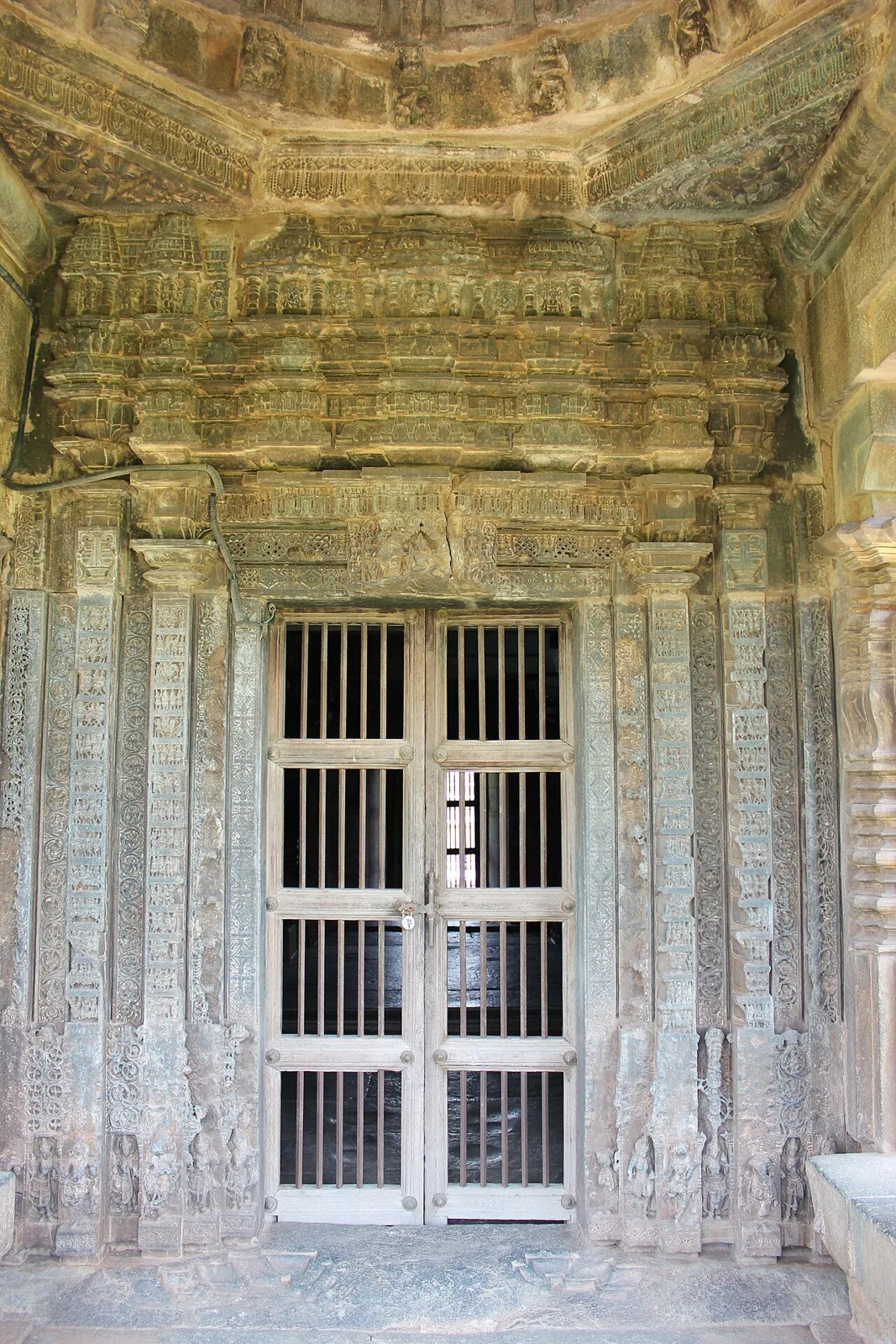
Aihole

8 km away · Bagalkot district

Aihole

Aihole is a historic temple site in Karnataka, known for its Buddhist, Hindu and Jain monuments and for architectural experiments that influenced nearby Chalukya-era works.

Pattadakal

18 km away · Bagalkot district

Pattadakal

Pattadakal is a UNESCO-listed temple complex in Karnataka, with Hindu and Jain monuments from the seventh and eighth centuries. Visitors come to see its distinctive mix of northern and southern architectural traditions and its carved religious narratives.

Mahakuta Temples

28 km away · Bagalkot district

Mahakuta Temples

Mahakuta Temples is a Hindu temple complex and Shaiva monastic centre in Bagalkot district, Karnataka. People visit to worship and view its early Chalukyan architecture and inscriptions.

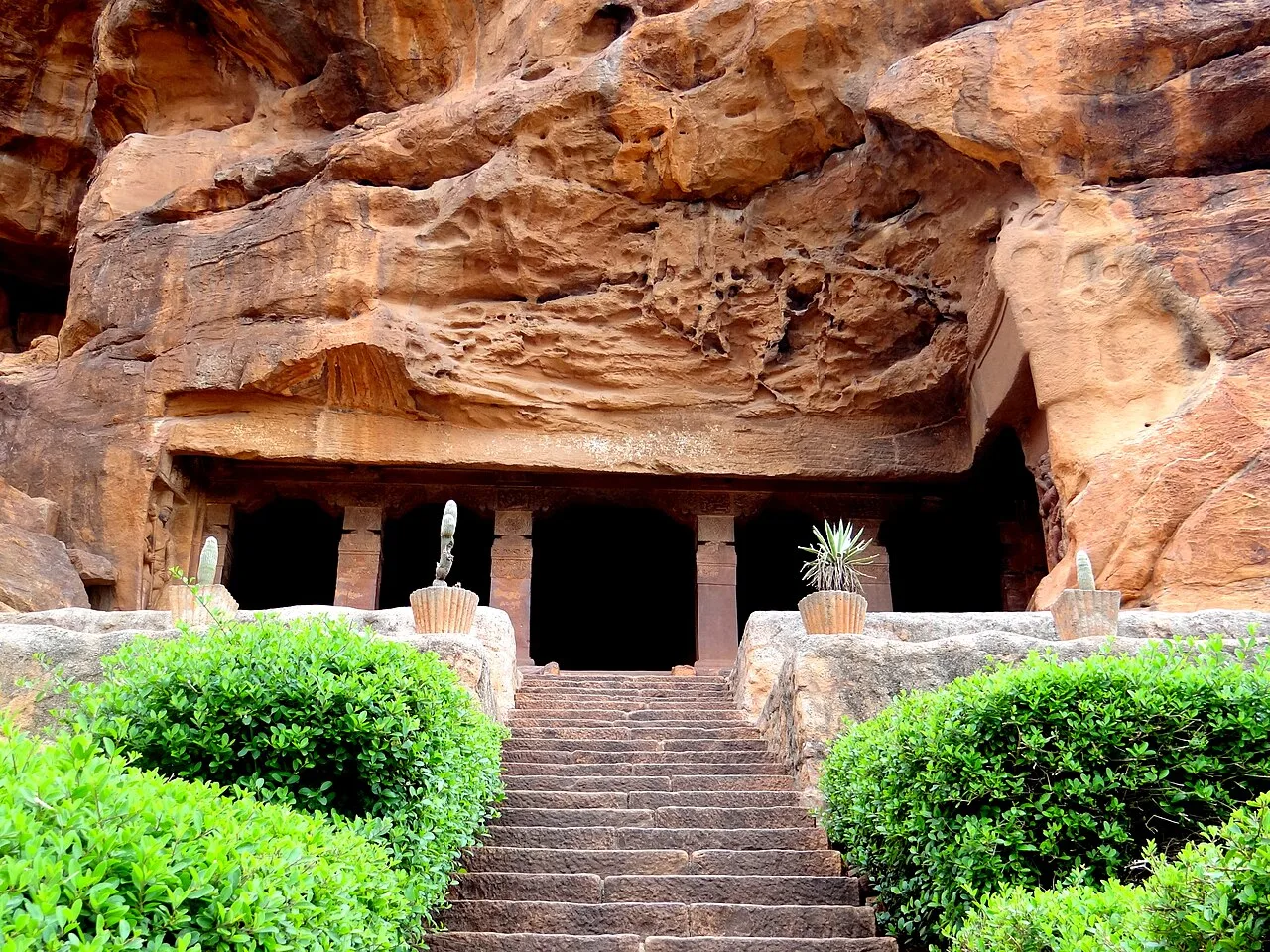
Badami cave temples

32 km away · Bagalkot district

Badami cave temples

These rock-cut shrines in Badami, Karnataka, reflect Buddhist, Hindu and Jain traditions and early Chalukya-era art. Visitors come to see the sandstone architecture and carved religious figures.

Banashankari Temple, Badami

32 km away · Bagalkot district

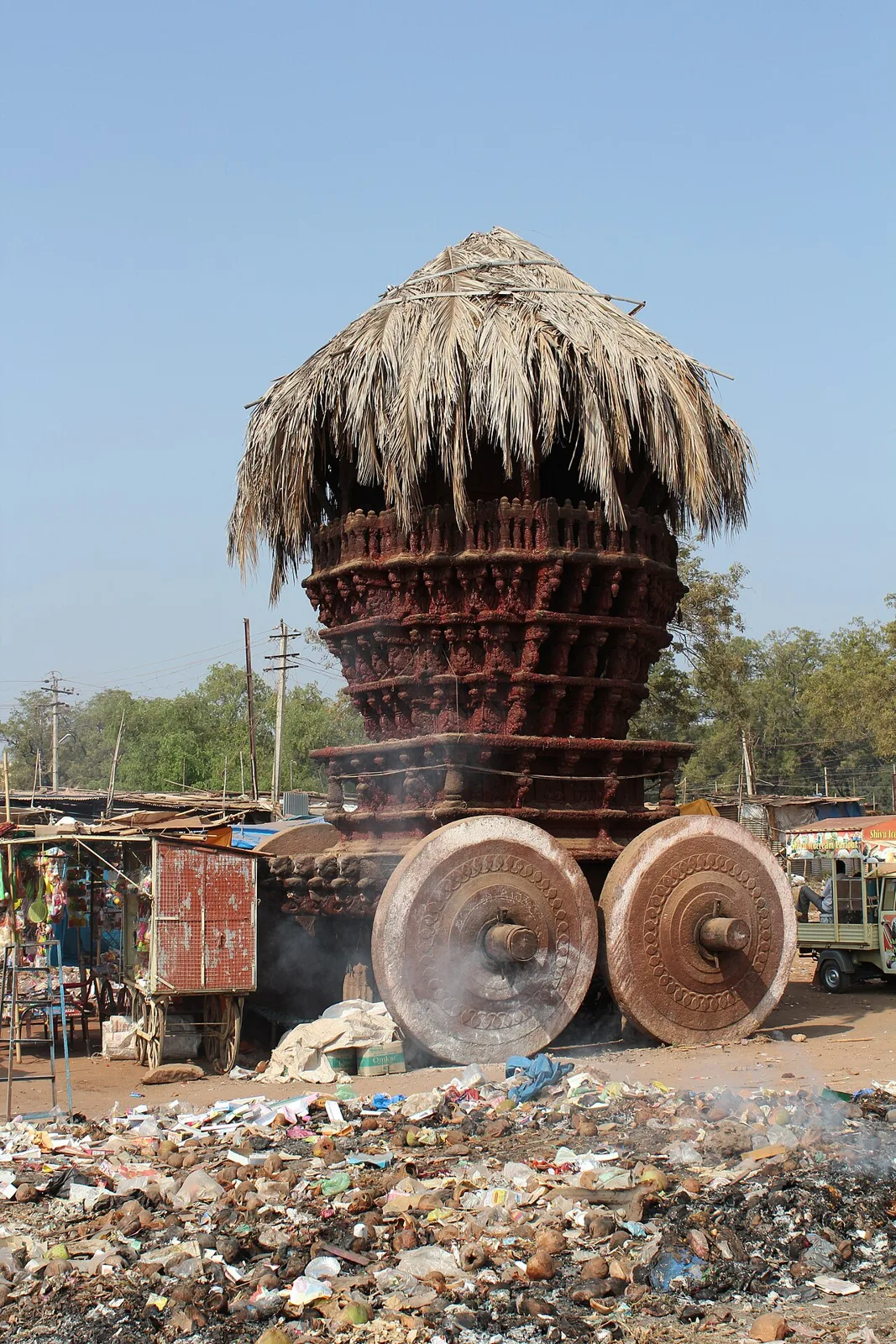
Banashankari Temple, Badami

Banashankari Temple is a Hindu shrine at Cholachagudda near Badami, Karnataka. Visitors come to worship its goddess and attend the yearly jatre, which features cultural events, a boat festival and a chariot procession.

Itagi Mahadeva Temple

63 km away · Koppal district

Itagi Mahadeva Temple

Itagi Mahadeva Temple is a place of worship in Itagi, within Yelburga Taluk in Karnataka’s Koppal district. Visitors come to see the temple and its setting.

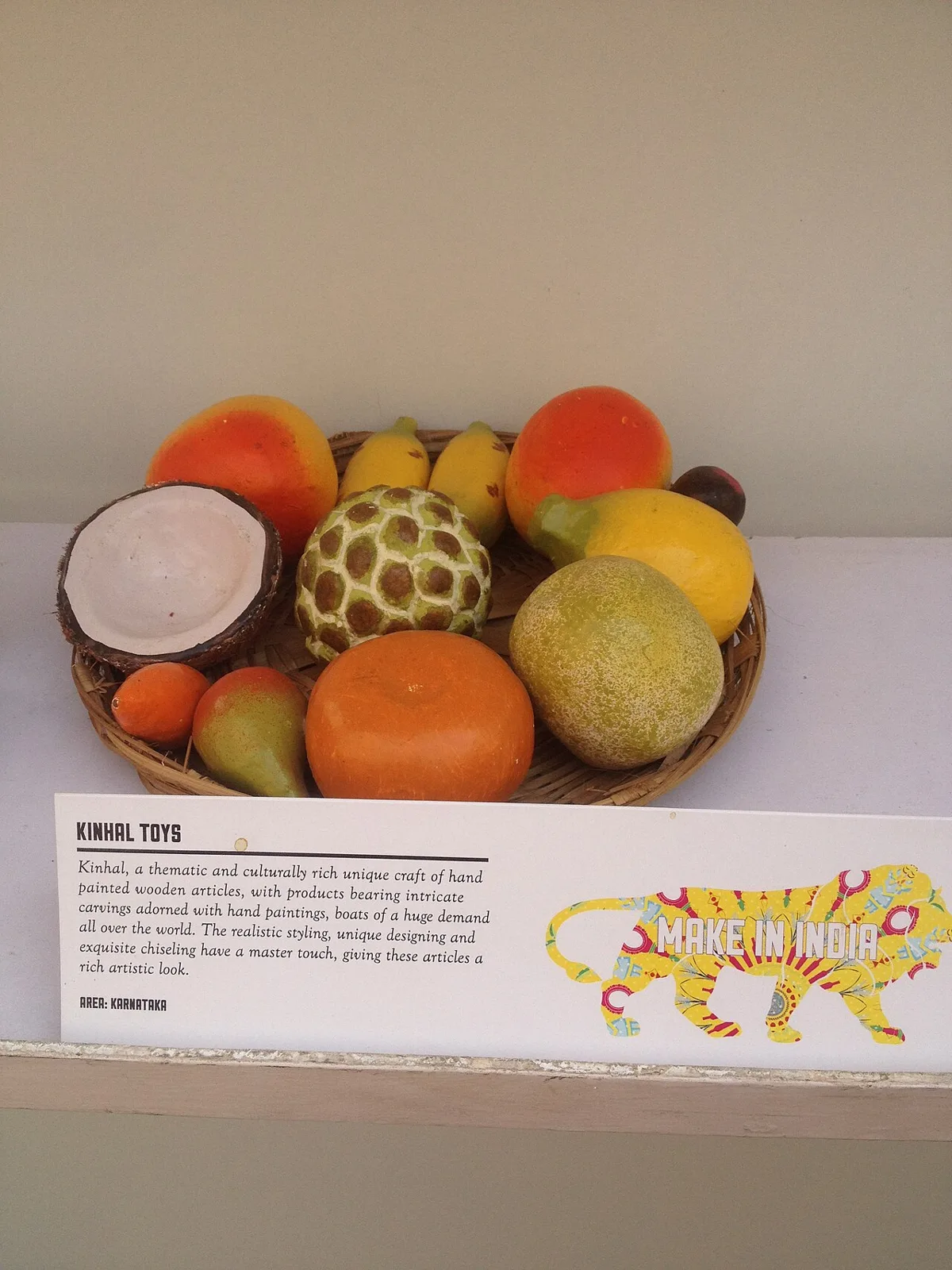
Kinhal Lacquer-Craft Village

71 km away · Koppal district

Kinhal Lacquer-Craft Village

Kinhal Lacquer-Craft Village, also called Kinnal, is a settlement in Karnataka’s Koppal district. Visitors are drawn by its connection with Kinnal craft, which has geographical indication recognition.

Lakkundi

78 km away · Gadag district

Lakkundi

Lakkundi is a historic village in Karnataka’s Gadag district, visited for its Hindu and Jain temple remains, water structures and examples of Kalyana Chalukya architecture.

Map

Amingarh on the map

  1. 1Aihole
  2. 2Pattadakal
  3. 3Mahakuta Temples
  4. 4Badami cave temples
  5. 5Banashankari Temple, Badami
  6. 6Itagi Mahadeva Temple
  7. 7Kinhal Lacquer-Craft Village
  8. 8Lakkundi

Karnataka

Other cities to explore