Ghumoopedia — Explore, Discover, Experience
Sign in
Banashankari Temple, Badami, near Ron

City guide · Karnataka

Ron

Ron is a taluka headquarters in Gadag district, in Karnataka’s northern Deccan. Its importance comes from its role as a local centre and from the heritage sites and religious destinations scattered across the surrounding taluka.

Famous for

  • Siddharudha Swami Matha
  • Ramanavami chariot procession
  • Sudi Chalukyan temples
  • Bhimsen Joshi’s birthplace
  • Belavanaki Veerabhadra sculpture
Plan a tripHotels near Ron

Why Ron matters

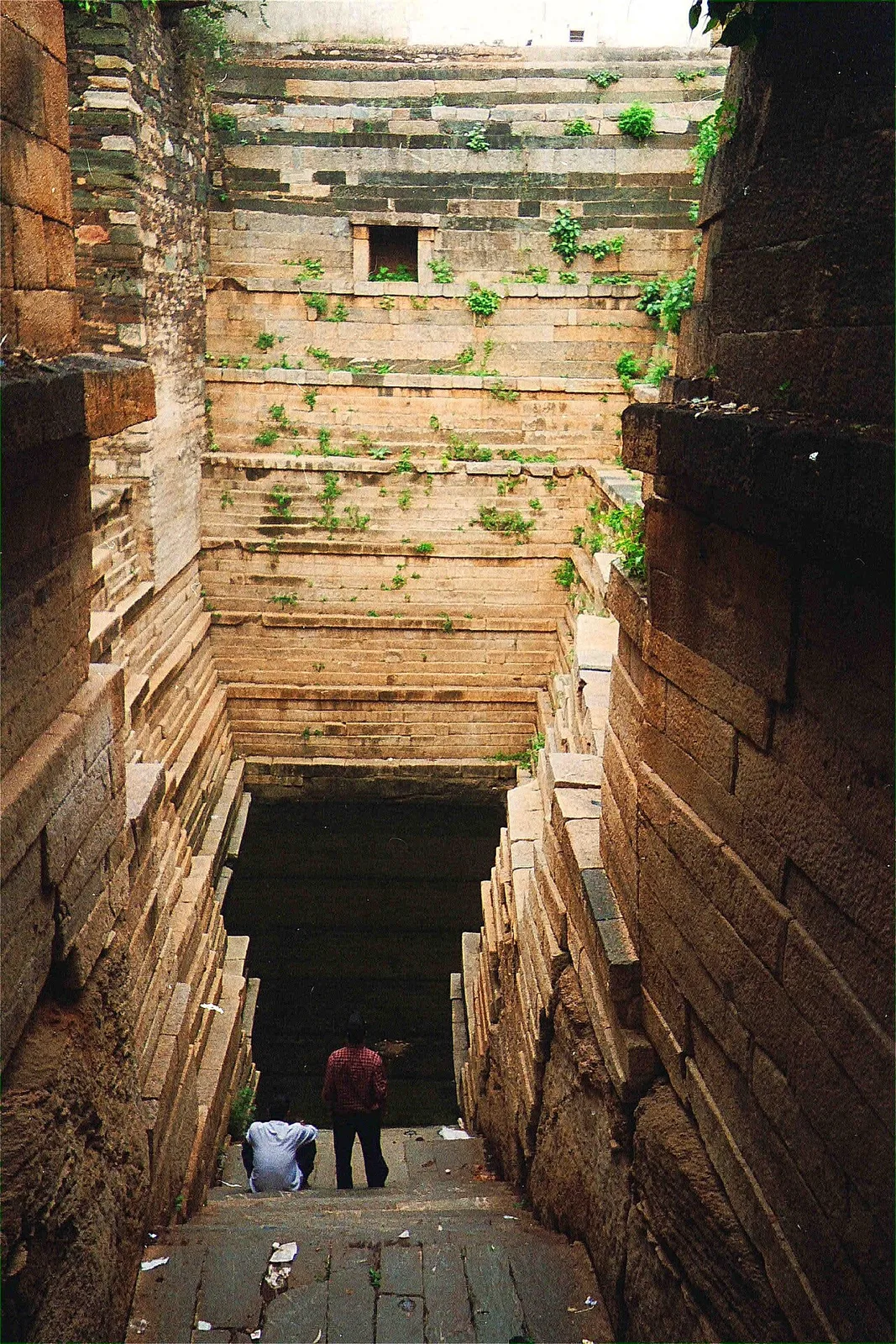
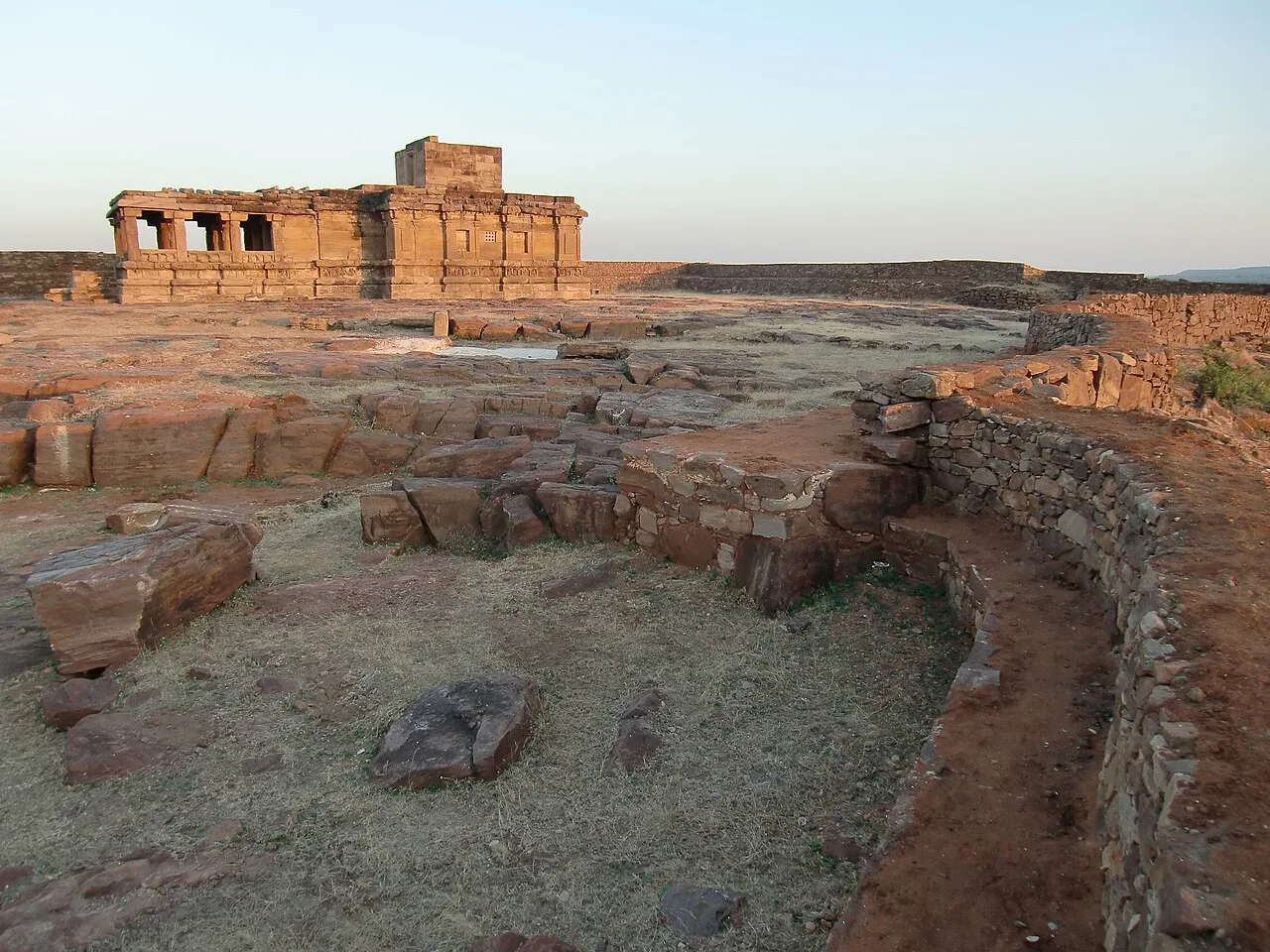
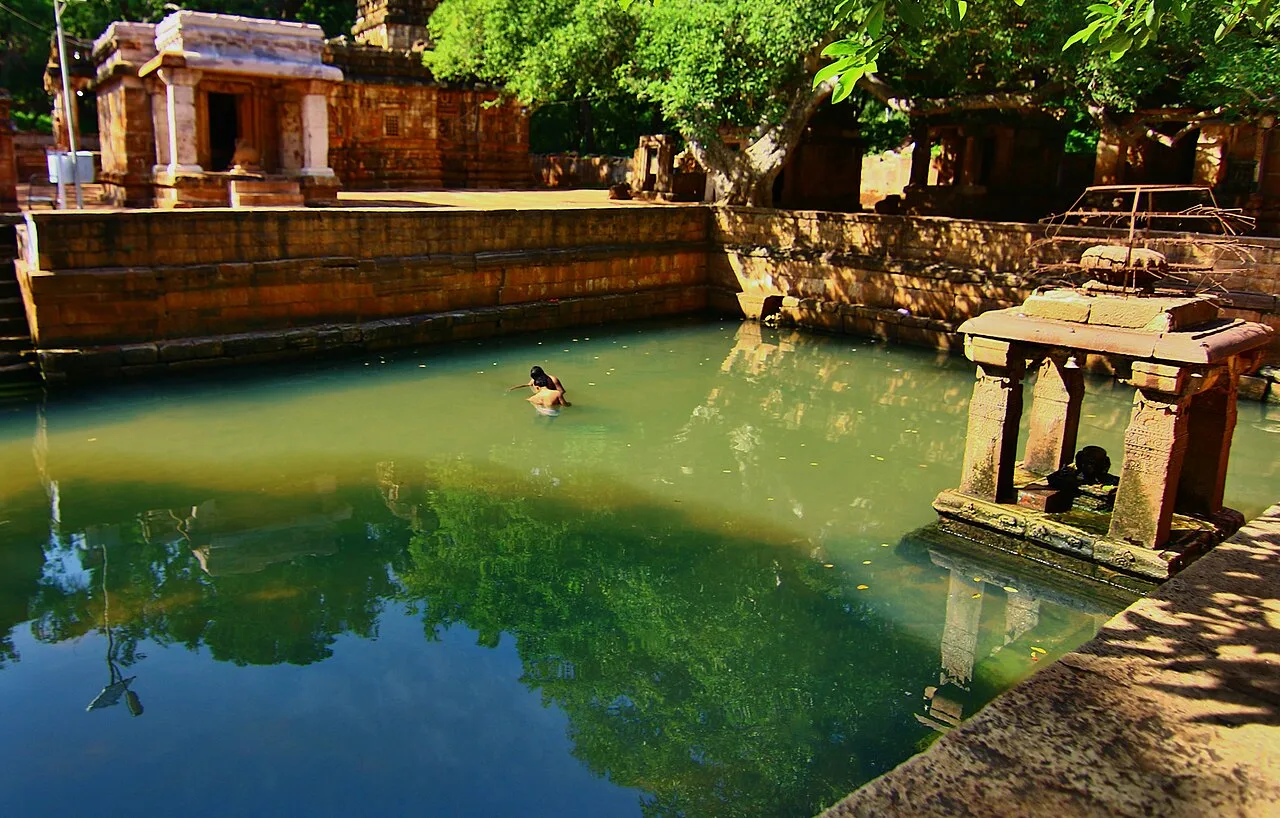
Ron is a taluka headquarters in Gadag district, in Karnataka’s northern Deccan. Its importance comes from its role as a local centre and from the heritage sites and religious destinations scattered across the surrounding taluka. Visitors come to the Siddharudha Swami Matha in Ron, while nearby Sudi is known for striking stone temples and a carved stone well associated with the Kalyani Chalukya period.

The wider region also includes Itagi’s Bheemavva shrine and the historic Shiva temple at Belavanaki, whose Veerabhadra sculpture is particularly noted. Ron has a place in India’s musical history as the birthplace of Hindustani classical vocalist Bhimsen Joshi. Scholars and public figures born in the taluka include Kannada scholars R. C. Hiremath and B. V. Mallapur, as well as Giraddi Govindraj and Alur Venkatrao. Together, its living places of worship, regional history and cultural associations make Ron a useful base for exploring Gadag district beyond its larger towns.
Famous for: crafts, trade & products

Ron is not widely identified with a signature textile, handicraft, GI-tagged product or large manufacturing industry. Its public identity is instead shaped by religious institutions and the architectural heritage of the surrounding taluka. The Siddharudha Swami Matha is a prominent place of worship in town, while Sudi draws attention for its carved stone monuments, including a twin-towered temple and a large stone well. Belavanaki is known for its historic temples and a finely regarded Veerabhadra sculpture.

Ron’s central market serves everyday needs for residents and visitors, rather than functioning as a specialist craft or souvenir district. Travellers can ask local shopkeepers about seasonal produce and regional goods, but should not expect a particular product tradition or organised heritage market. For temple visits, local offerings and daily provisions are generally easiest to find around the town centre and near places of worship. The area’s strongest cultural connections are its religious sites and the birthplace associations of musicians, writers and scholars, rather than a distinct commercial product.

History

The history of Ron and its surrounding villages is connected to the changing powers of the Deccan. Inscriptions from the region record administrative divisions and officials during the ninth and tenth centuries, under the Rashtrakutas and the Chalukyas of Kalyana. Nearby Sudi became an important centre under the Kalyani Chalukyas around the turn of the first millennium; its surviving temples and stone structures reflect that period’s architectural work.

Belavanaki’s inscriptional history also reaches back to the early medieval era. The wider area later experienced Maratha influence, including the period of Shivaji and the Peshwas in the seventeenth and eighteenth centuries. Under British rule, this part of north Karnataka was administered within the Bombay Presidency. After independence it became part of Mysore State, later renamed Karnataka. Ron today serves as a taluka headquarters in Gadag district, an administrative district formed from the former Dharwad district.

Food, festivals & culture

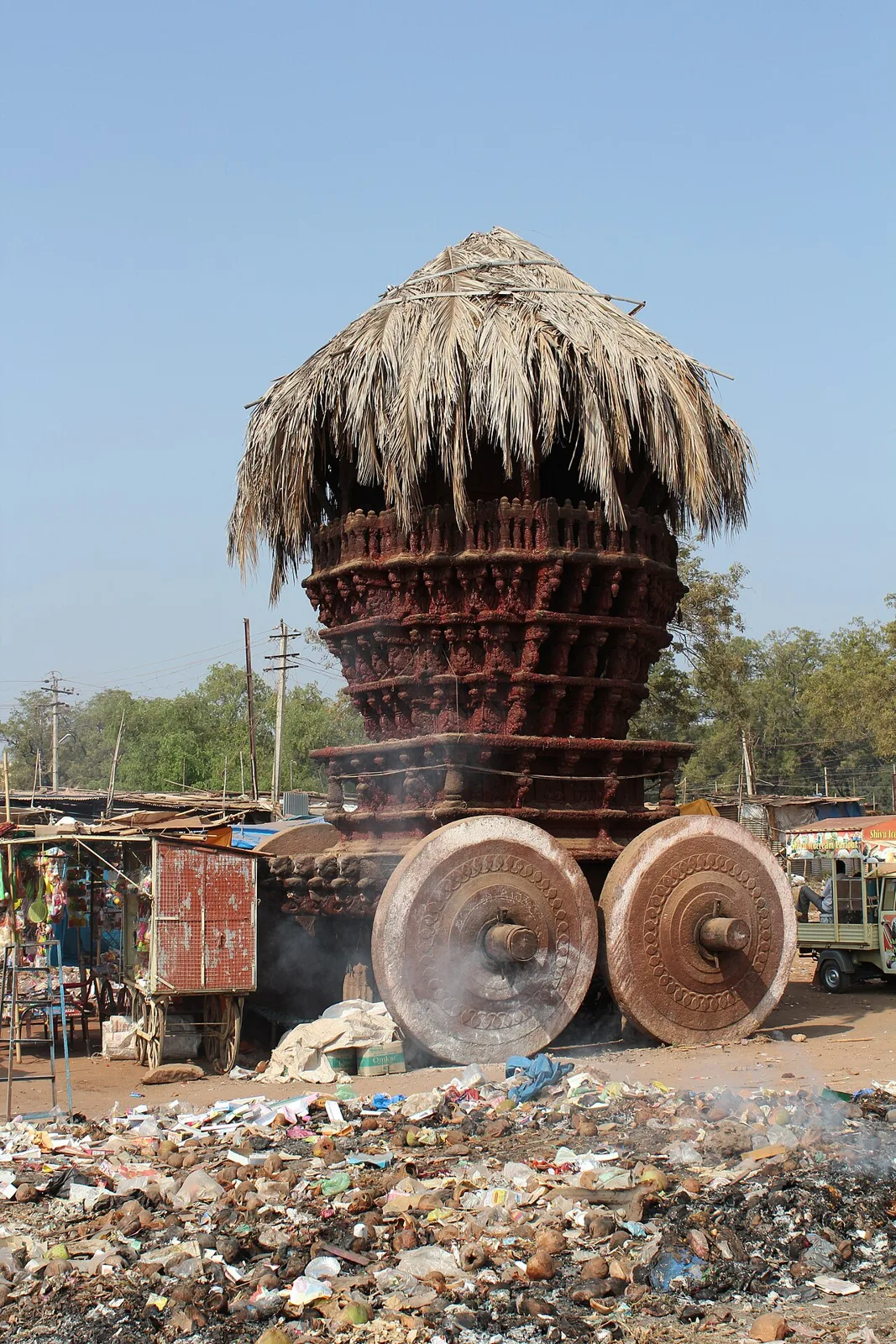
Kannada is the principal language of daily life in Ron, and the town’s religious calendar is an important part of its public culture. The Siddharudha Swami Matha holds a major celebration for Ramanavami, usually in the spring. The occasion includes a procession with the temple’s carved chariot, devotional observances and annadaana for devotees; a seven-day Saptaha is also held at the matha. Itagi’s Bheemavva shrine is another active place of worship in the taluka, alongside historic Shiva temples in the region.

Ron is also associated with Hindustani classical music through the birth of vocalist Bhimsen Joshi. In food, it shares the north Karnataka tradition of jowar rotti, often served with vegetable curries, groundnut chutney and seasonal accompaniments. These are regional staples rather than dishes unique to Ron. Temple visits, devotional singing and family observances are more visible markers of local culture than a distinct city-specific dance or performance tradition.

Visiting the city

The cooler months, roughly October to February, are generally the most comfortable for visiting Ron and nearby heritage sites. Summers can be hot, while monsoon showers may affect outdoor sightseeing. Hubballi Airport is the nearest major airport. Ron has a railway station for local rail access; Gadag Junction is the larger rail hub for connections in the district.

The town centre and Siddharudha Swami Matha are natural starting points. Local buses and auto-rickshaws can help with short trips, while a hired car is convenient for visiting sites spread across the taluka, including Sudi, Belavanaki and Itagi. Gajendragad and the Kalkaleshwara temple area can also be explored as a regional excursion. Allow time for road travel between villages, and dress respectfully at active places of worship.

Trips from the city

Nearest places to visit from Ron

Our closest destination guides, by straight-line distance.

Banashankari Temple, Badami

21 km away · Bagalkot district

Banashankari Temple, Badami

Banashankari Temple is a Hindu shrine at Cholachagudda near Badami, Karnataka. Visitors come to worship its goddess and attend the yearly jatre, which features cultural events, a boat festival and a chariot procession.

Badami cave temples

25 km away · Bagalkot district

Badami cave temples

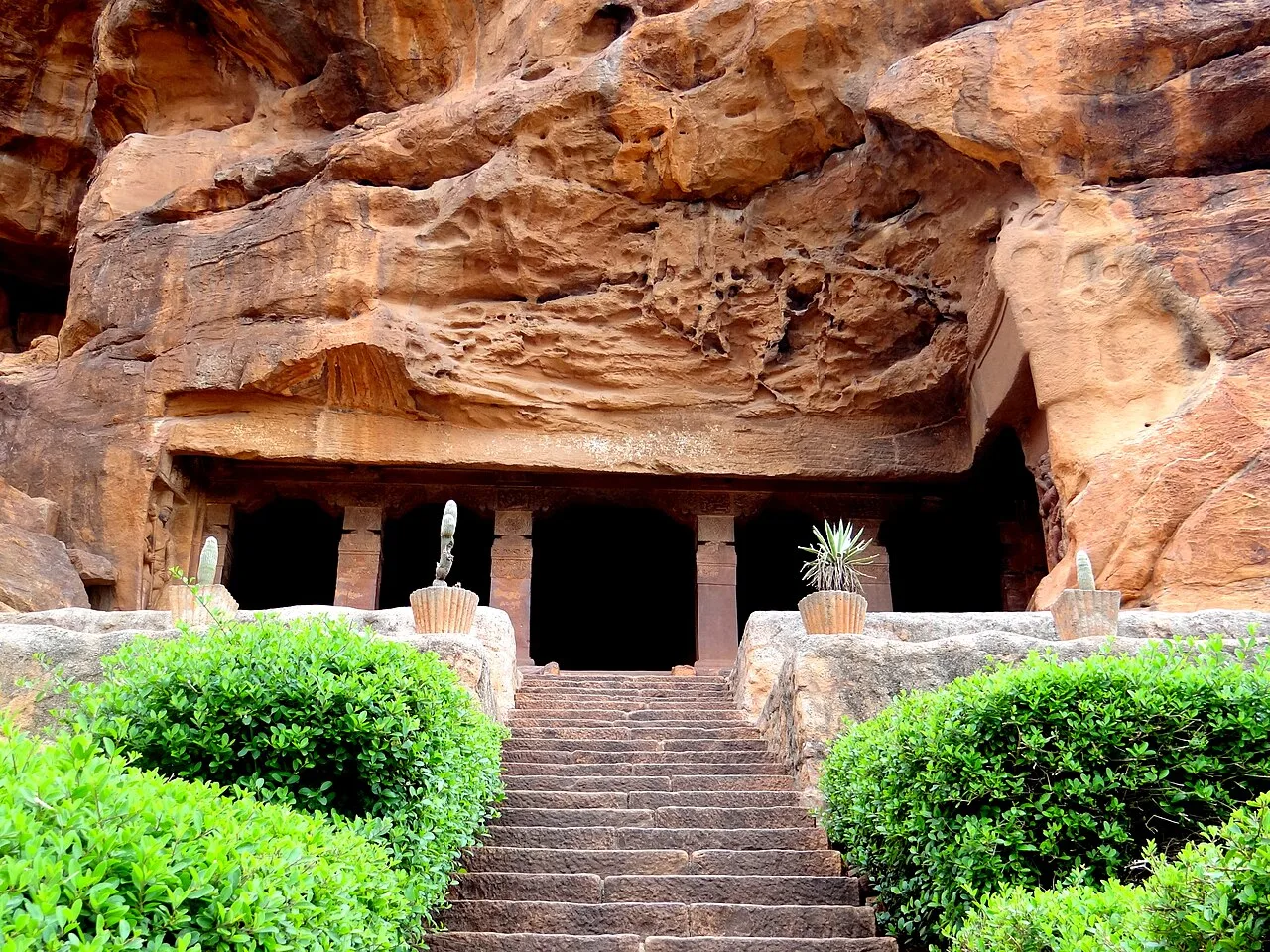
These rock-cut shrines in Badami, Karnataka, reflect Buddhist, Hindu and Jain traditions and early Chalukya-era art. Visitors come to see the sandstone architecture and carved religious figures.

Mahakuta Temples

26 km away · Bagalkot district

Mahakuta Temples

Mahakuta Temples is a Hindu temple complex and Shaiva monastic centre in Bagalkot district, Karnataka. People visit to worship and view its early Chalukyan architecture and inscriptions.

Pattadakal

29 km away · Bagalkot district

Pattadakal

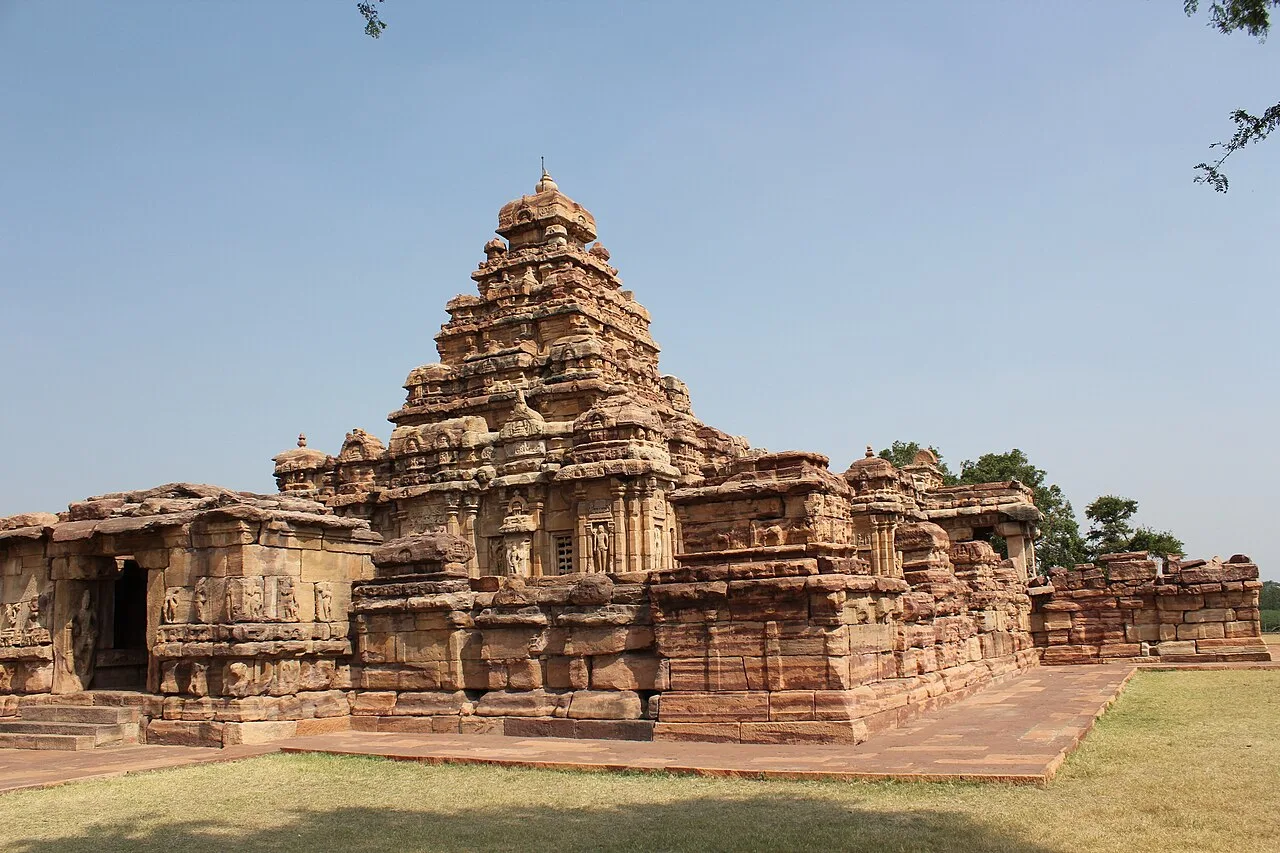
Pattadakal is a UNESCO-listed temple complex in Karnataka, with Hindu and Jain monuments from the seventh and eighth centuries. Visitors come to see its distinctive mix of northern and southern architectural traditions and its carved religious narratives.

Trikuteshwara Temple, Gadag

33 km away · Gadag district

Trikuteshwara Temple, Gadag

In Gadag, Karnataka, Trikuteshwara Temple is a carved Hindu place of worship dedicated to Shiva. Visitors come to see its three lingas, Saraswathi shrine and carved columns.

Lakkundi

34 km away · Gadag district

Lakkundi

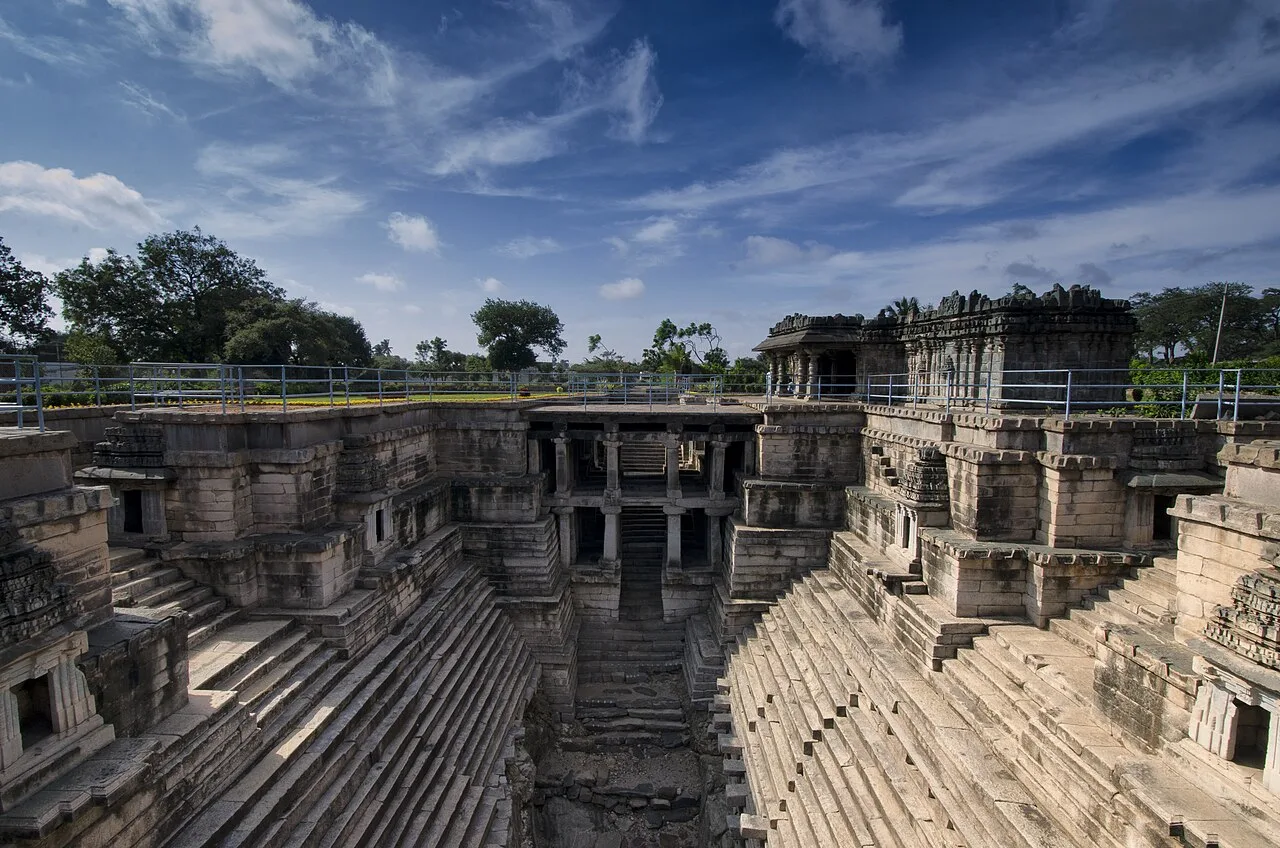
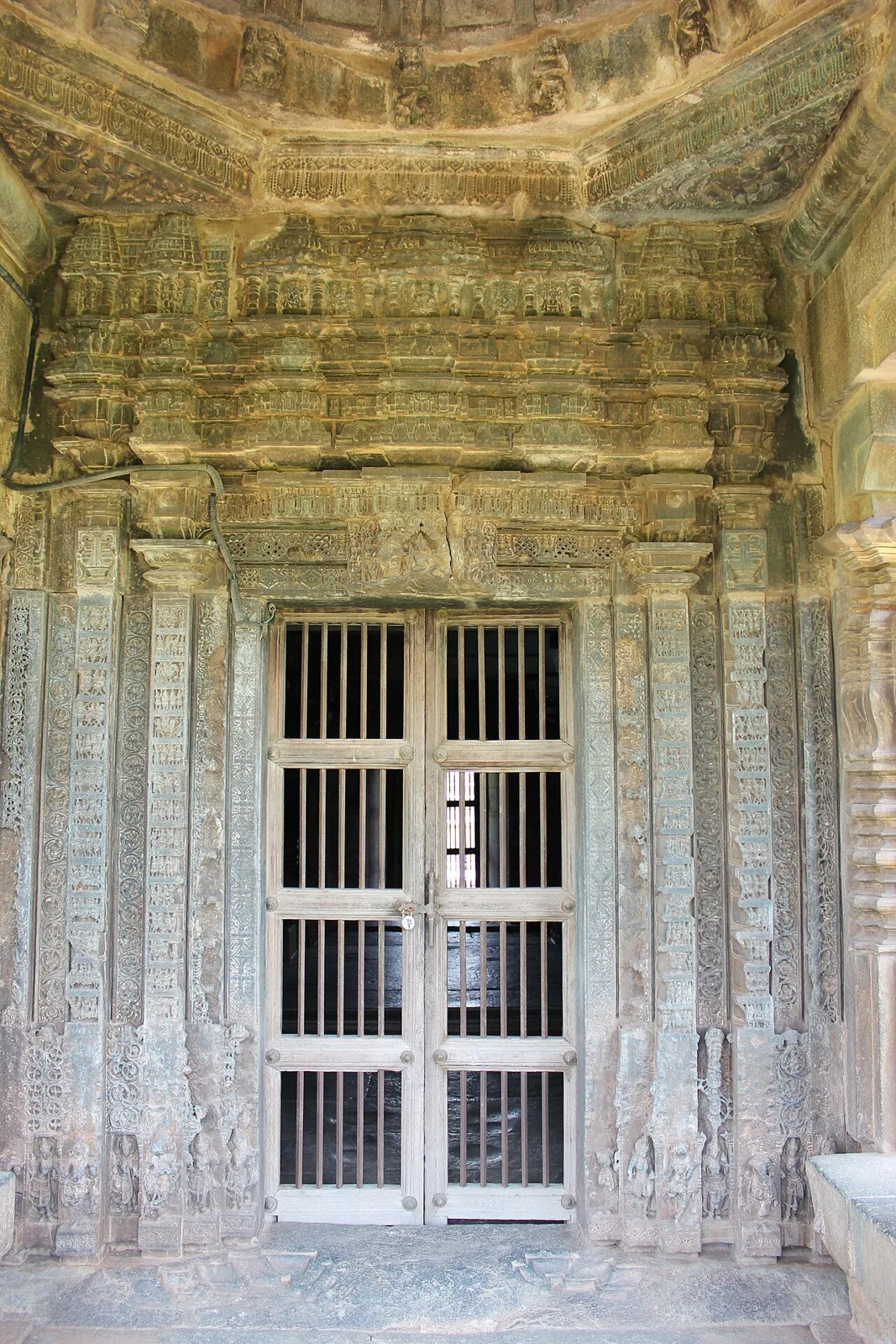
Lakkundi is a historic village in Karnataka’s Gadag district, visited for its Hindu and Jain temple remains, water structures and examples of Kalyana Chalukya architecture.

Itagi Mahadeva Temple

36 km away · Koppal district

Itagi Mahadeva Temple

Itagi Mahadeva Temple is a place of worship in Itagi, within Yelburga Taluk in Karnataka’s Koppal district. Visitors come to see the temple and its setting.

Aihole

39 km away · Bagalkot district

Aihole

Aihole is a historic temple site in Karnataka, known for its Buddhist, Hindu and Jain monuments and for architectural experiments that influenced nearby Chalukya-era works.

Map

Ron on the map

  1. 1Banashankari Temple, Badami
  2. 2Badami cave temples
  3. 3Mahakuta Temples
  4. 4Pattadakal
  5. 5Trikuteshwara Temple, Gadag
  6. 6Lakkundi
  7. 7Itagi Mahadeva Temple
  8. 8Aihole

Karnataka

Other cities to explore