Ghumoopedia — Explore, Discover, Experience
Sign in
Daroji Sloth Bear Sanctuary, near Sanduru

City guide · Karnataka

Sanduru

Sandur, also written Sanduru, is a town in Ballari district and the administrative centre of Sanduru taluka. Its setting is distinctive: the town and nearby settlements lie amid green ridges, valleys and steep gorges, a cooler and more enclosed landscape than the plains around Ballari and Hospet.

Famous for

  • Sandur Lambani embroidery
  • Iron ore and manganese mining
  • Kumaraswamy Temple
  • Ghorpade royal heritage
  • Green hill valleys

Why Sanduru matters

Sandur, also written Sanduru, is a town in Ballari district and the administrative centre of Sanduru taluka. Its setting is distinctive: the town and nearby settlements lie amid green ridges, valleys and steep gorges, a cooler and more enclosed landscape than the plains around Ballari and Hospet. The hills are a major draw for visitors, alongside the hilltop Kumaraswamy Temple and the region’s heritage of Maratha Ghorpade rule.

Sandur also matters as part of Karnataka’s important mining belt. Iron ore and manganese extraction have shaped local employment and development, while the Sandur Lambani embroidery tradition gives the town a recognised place in the state’s craft landscape. Visitors can encounter both sides of Sandur: an industrial hinterland and a small town with a strong regional identity, craft work and access to hill scenery. It is best approached as a quiet base for exploring the surrounding countryside rather than as a large urban sightseeing destination.
Famous for: crafts, trade & products

Sandur’s best-known craft is Lambani embroidery, made by women of the Banjara or Lambani community. Its vivid stitching, mirrors and decorative details appear on garments, bags and household textiles. The Sandur Lambani embroidery tradition has a Geographical Indication tag. Sandur Kushala Kala Kendra is a useful place to enquire about the craft and locally made pieces; availability and sales arrangements can vary. The town is not especially known for a particular saree weave or large textile market.

Mining is another defining part of the local economy: the surrounding area has deposits of iron ore and manganese, and mining and related industrial activity have a long presence here. Sandur Manganese & Iron Ores Ltd is among the established names associated with the region. These operations are not visitor attractions, and access to working sites may be restricted. For travellers interested in local products, embroidery is the more accessible way to connect with Sandur’s economy and community traditions. Ask locally about current craft displays or sales rather than expecting a permanent, extensive bazaar.

History

Sandur developed as the seat of a small princely state ruled by the Ghorpade family, a Maratha royal house. Its sheltered valley setting helped distinguish it from the open plains and larger settlements nearby. Under British rule, Sandur retained its identity as a princely state rather than becoming a directly administered district town.

After Indian independence, the state joined the Indian Union and Sandur became part of the wider administrative landscape of the region. It is now the headquarters of Sanduru taluka in Ballari district. The hills around the town also contain valuable mineral deposits, and iron ore and manganese mining became a major force in modern development. This industrial history has brought economic activity and infrastructure, while also making the balance between livelihoods, land and the area’s distinctive landscape an important local concern. The Ghorpade legacy, mining history and Lambani craft traditions together shape Sandur’s character today.

Food, festivals & culture

Kannada is widely used in Sandur and the surrounding area; Lambani and Telugu are also heard locally. Lambani embroidery is a particularly visible expression of community identity, with its colourful stitching and mirror work. The town’s religious life includes the hill setting of Kumaraswamy Temple, alongside neighbourhood and village shrines. Temple gatherings and local fairs bring communities together, though their schedules can vary from year to year.

Ugadi is welcomed in spring, while Dasara and Deepavali are observed in the autumn festival season; Ganesh Chaturthi is also celebrated. Folk music and dance are part of regional and community occasions, including Lambani performance traditions. Food is broadly characteristic of the Ballari and north Karnataka region rather than centred on a widely recognised Sandur-specific dish. Visitors may find jowar rotti, millet-based meals, lentil dishes and spicy vegetable curries at local eateries. Menus and availability differ, so asking for the day’s local meal is often the simplest way to try regional cooking.

Visiting the city

The cooler months, roughly October to February, are generally the most comfortable for exploring Sandur and its surrounding hills. The monsoon can make the landscape especially green, but rain may affect outdoor plans. Jindal Vijaynagar Airport near Toranagallu is the nearest airport; check available services before planning around it. Sandur railway station serves the town, while Ballari Junction is a larger regional rail hub.

Local buses, auto-rickshaws and hired vehicles are practical ways to get around; a car or taxi is useful for reaching scattered hill and temple sites. Explore the town centre for everyday shops and services, then make time for Kumaraswamy Temple and the valleys and villages around Sandur. Confirm local access and road conditions before heading into the hills, as some routes pass through mining or restricted areas.

Trips from the city

Nearest places to visit from Sanduru

Our closest destination guides, by straight-line distance.

Daroji Sloth Bear Sanctuary

17 km away · Vijayanagara district

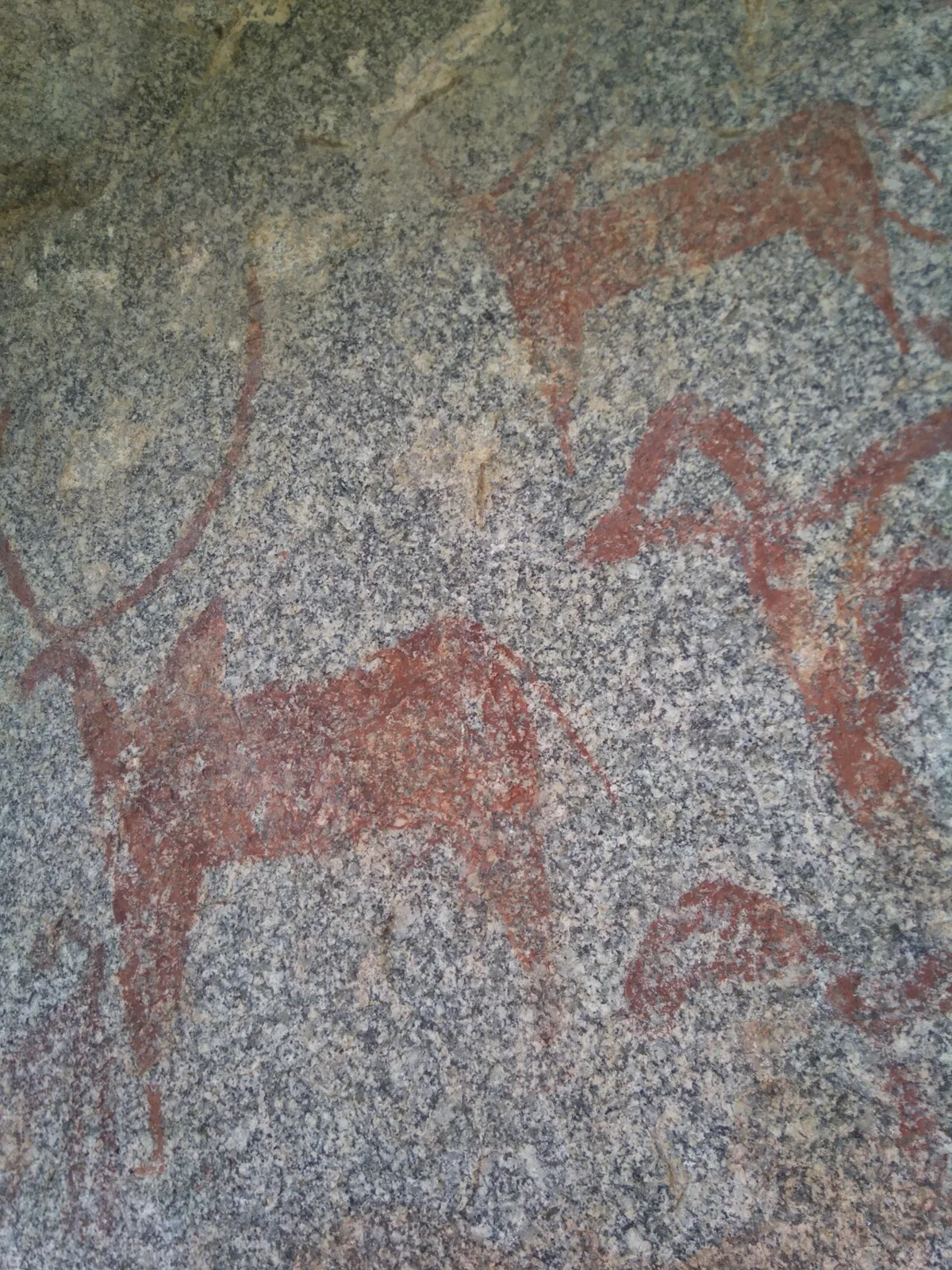
Daroji Sloth Bear Sanctuary

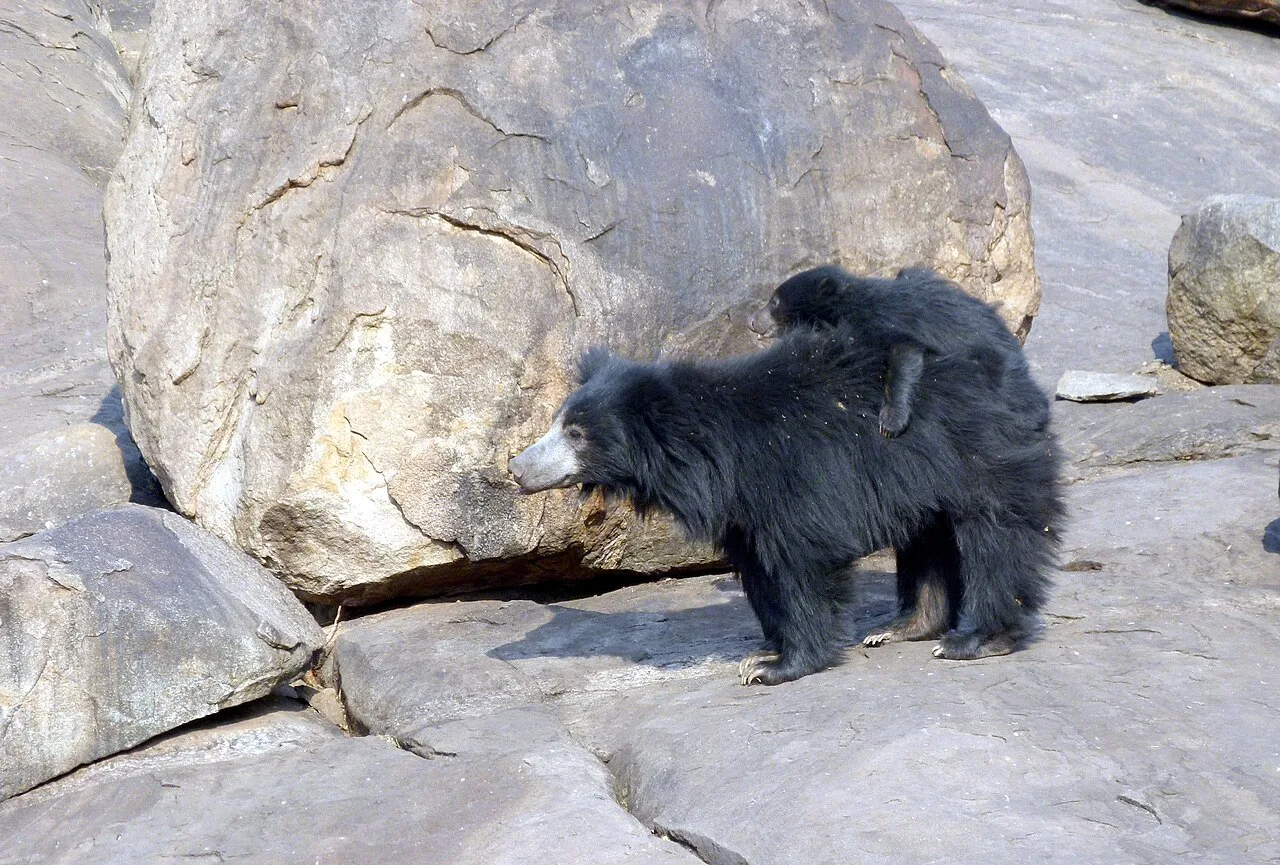
Daroji Sloth Bear Sanctuary in Karnataka protects sloth bears across a landscape near Ballari and Hampi. Visitors come to see bears, particularly as they descend the hillocks in the evening.

Lotus Mahal

27 km away · Vijayanagara district

Lotus Mahal

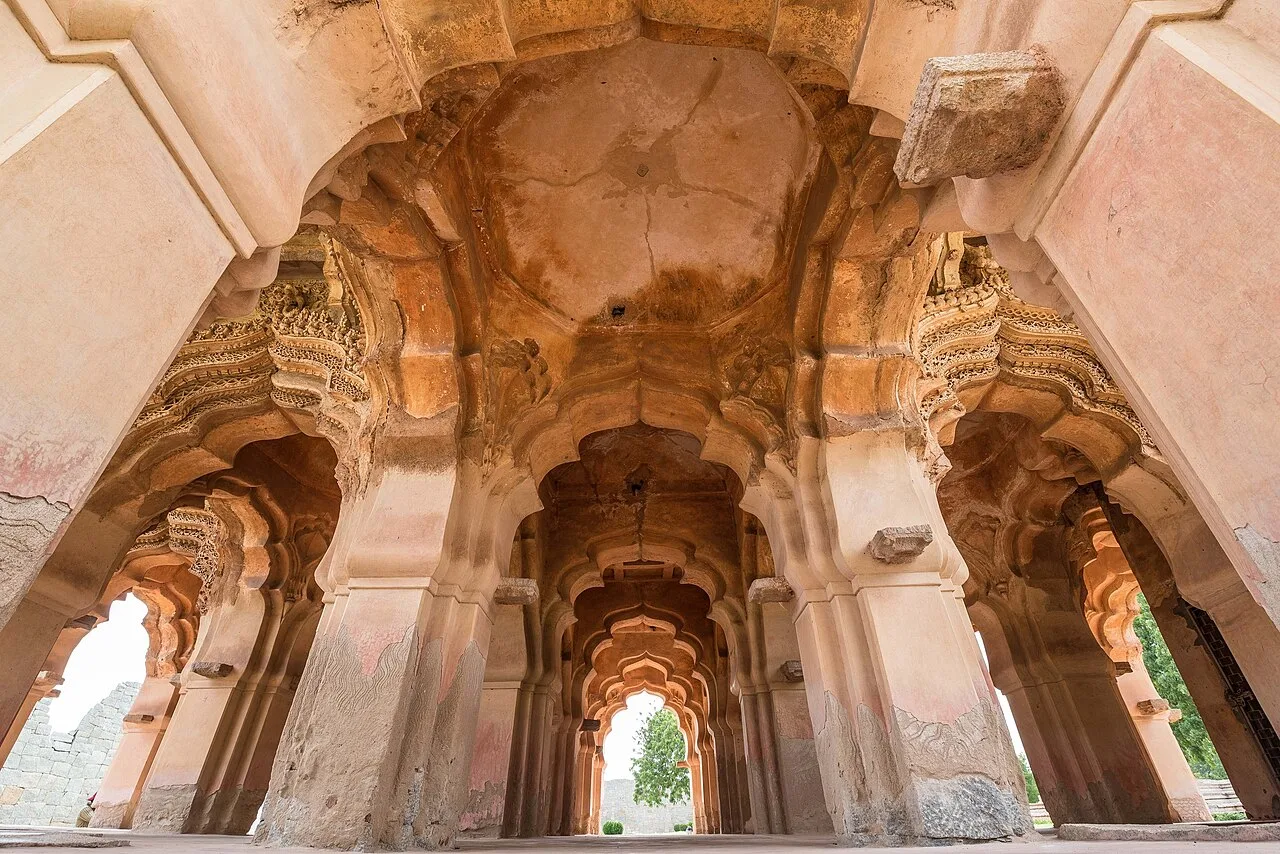
Lotus Mahal, also known as Chitrangini Mahal, is a secular building in Hampi, Karnataka. Visitors come to see its two-storey design, which reflects the architectural tradition of the Vijayanagara Empire.

Matanga Hill

27 km away · Vijayanagara district

Matanga Hill

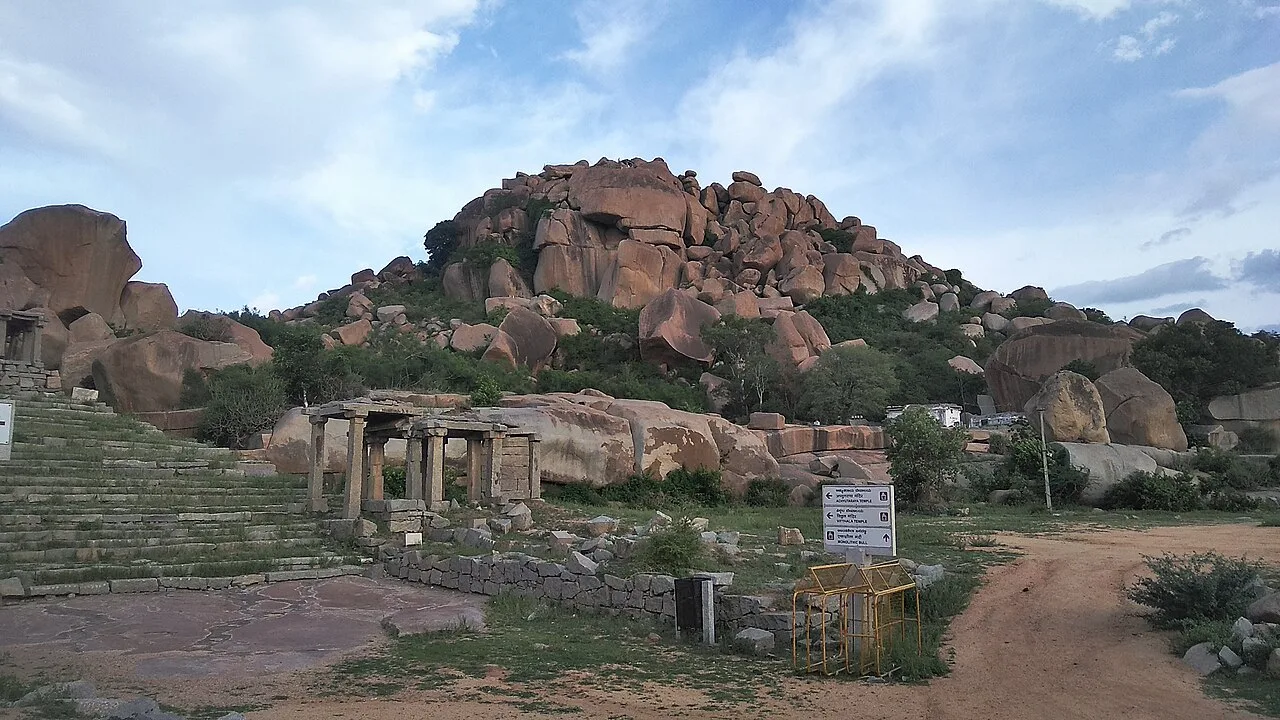
In Hampi, Karnataka’s Vijayanagara district, Matanga Hill is a rocky rise associated with the Ramayana and the former Vijayanagara capital. Visitors explore its religious associations and place in the region’s history.

Hampi Monuments

29 km away · Vijayanagara district

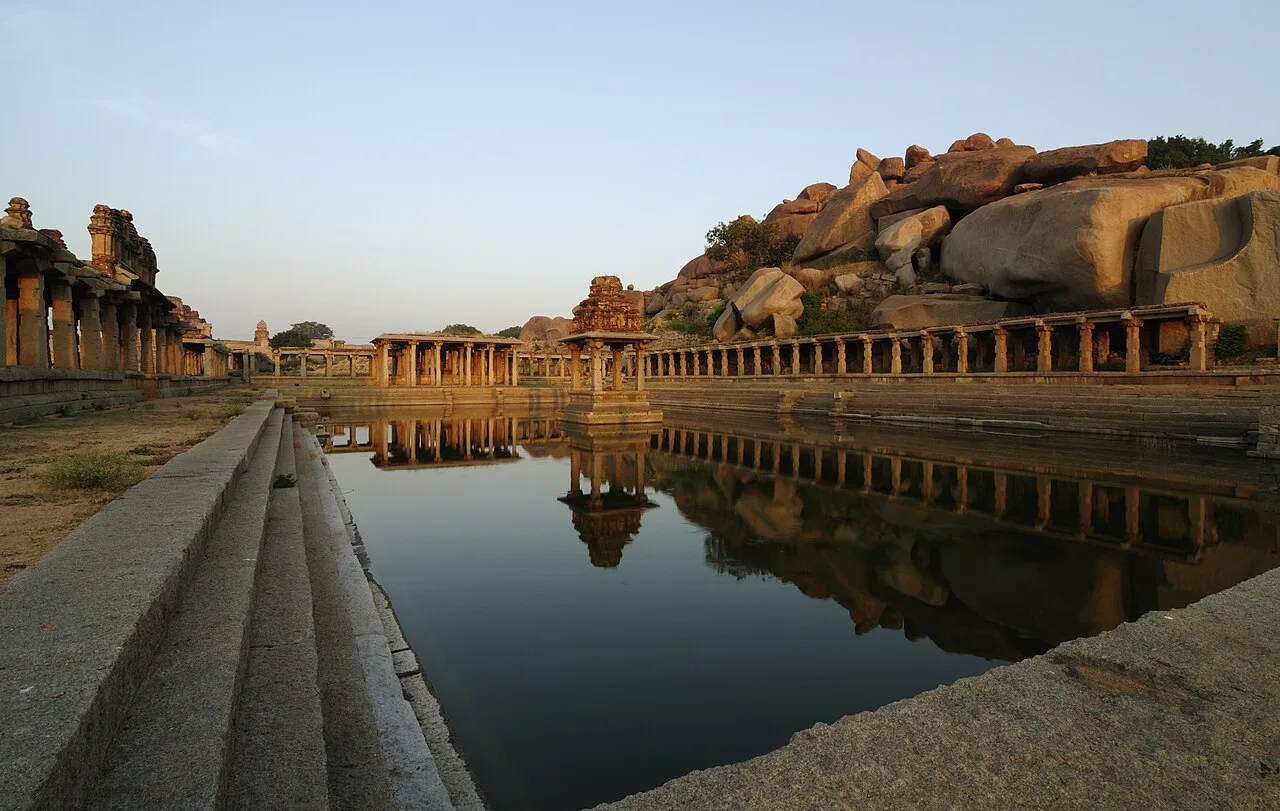
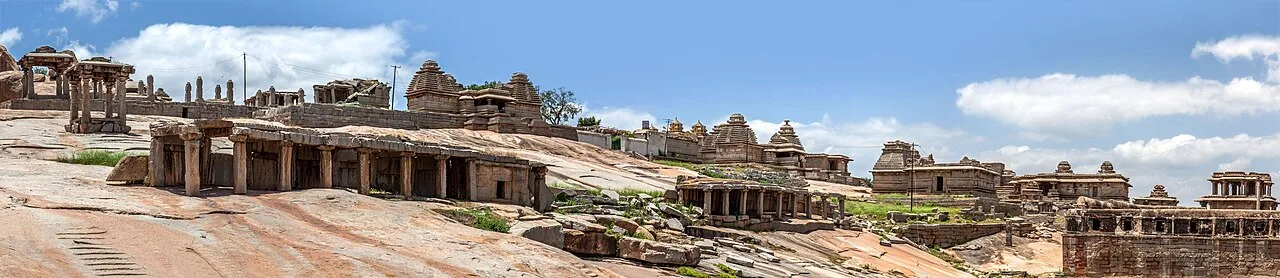
Hampi Monuments

Hampi is a UNESCO-listed archaeological and religious landscape in Karnataka, known for its Vijayanagara-era remains. Visitors come to explore its temples, royal structures and continuing places of worship.

Virupaksha Temple

29 km away · Vijayanagara district

Virupaksha Temple

Set beside the Tungabhadra at Hampi, Virupaksha Temple is a historic Shiva shrine and the site’s principal pilgrimage destination, drawing visitors for its enduring religious significance.

Anegundi

30 km away · Vijayanagara district

Anegundi

Anegundi is a Karnataka village once known as Kishkindha and considered older than Hampi. Visitors are interested in its historical associations and a nearby ash mound linked by tradition to Vali.

Tungabhadra Dam

33 km away · Vijayanagara district

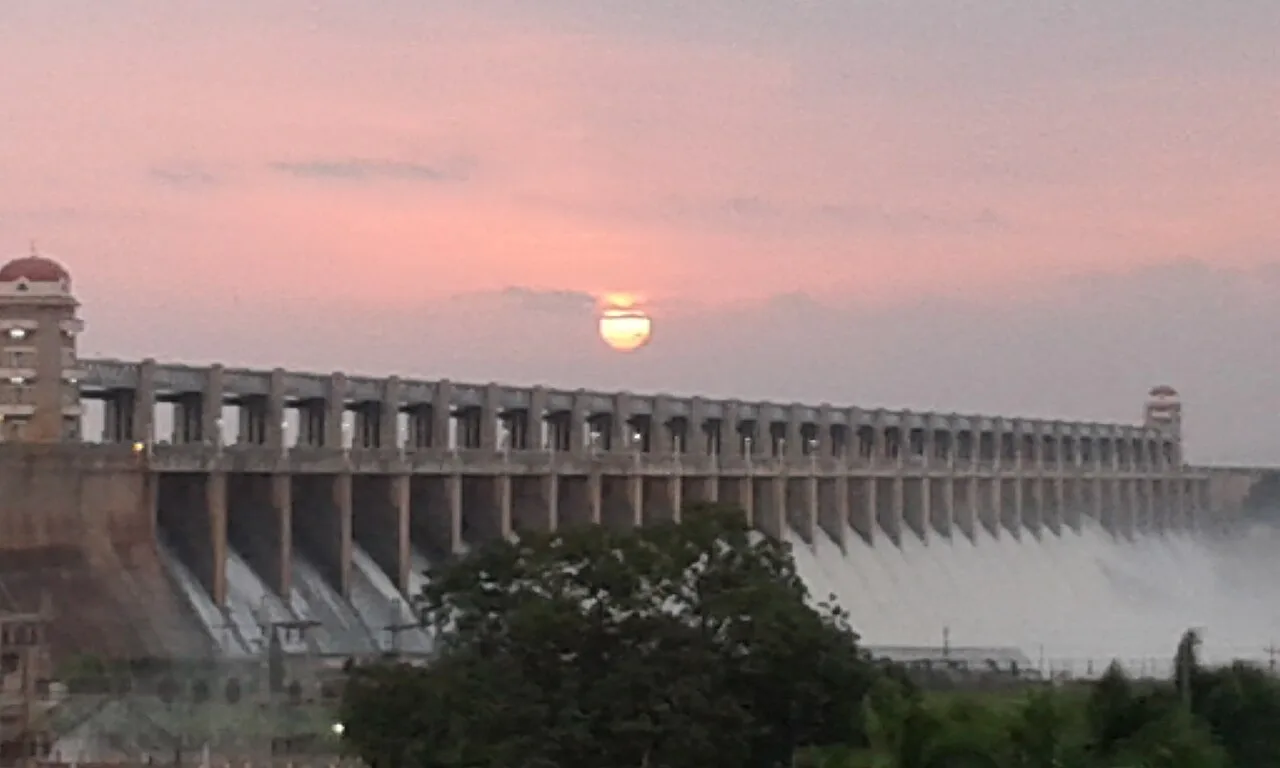
Tungabhadra Dam

Tungabhadra Dam, also known as Pampa Sagar, is a multipurpose reservoir on Karnataka’s Tungabhadra River. Visitors interested in water infrastructure come to see its stone-masonry construction and its role in irrigation, electricity generation and flood management.

42 km away · Chitradurga district

Molakalmuru

Molakalmuru is a taluk in Karnataka’s Chitradurga district, near Andhra Pradesh. People visit the town for its locally produced Molakalmuru sarees and its traditional story explaining the place-name.

Map

Sanduru on the map

  1. 1Daroji Sloth Bear Sanctuary
  2. 2Lotus Mahal
  3. 3Matanga Hill
  4. 4Hampi Monuments
  5. 5Virupaksha Temple
  6. 6Anegundi
  7. 7Tungabhadra Dam
  8. 8Molakalmuru

Karnataka

Other cities to explore