Ghumoopedia — Explore, Discover, Experience
Sign in
Trikuteshwara Temple, Gadag, near Shirahatti

City guide · Karnataka

Shirahatti

Shirahatti is a small town in Karnataka’s Gadag district, set in the state’s dry interior. Its importance is chiefly local: it serves residents of the town and surrounding settlements, with everyday services, shops and links to the wider district.

Famous for

  • Fakireshwar shrine
  • Shrine-centred gatherings
  • North Karnataka market-town life
  • Kannada regional culture

Why Shirahatti matters

Shirahatti is a small town in Karnataka’s Gadag district, set in the state’s dry interior. Its importance is chiefly local: it serves residents of the town and surrounding settlements, with everyday services, shops and links to the wider district. The town is best known to visitors for the Fakireshwar shrine, a place of worship associated with devotees from different communities. Shrine visits and gatherings give Shirahatti a stronger pilgrimage identity than its modest size might suggest.

For travellers, Shirahatti offers a quieter look at life in north Karnataka rather than a large collection of tourist facilities. Its setting, local streets and religious precinct are the main reasons to stop. It can also be a base for exploring the broader Gadag region, whose towns and countryside reflect the area’s long-established agricultural and Kannada-speaking culture. Visitors should treat Shirahatti as a small regional centre: come for the shrine, local atmosphere and a slower pace, and plan transport and onward sightseeing accordingly.
Famous for: crafts, trade & products

Shirahatti is not widely identified with a signature textile, handicraft, GI-tagged product or large manufacturing industry. Its commercial role is primarily that of a local service and market town. Shops in and around the town centre cater to everyday needs, while market activity reflects the surrounding countryside and its agricultural economy. There is no single specialist shopping district or widely recognised product trail to seek out.

The Fakireshwar shrine is the town’s most distinctive public institution and a focal point for visitors and local gatherings. The surrounding streets are the most practical place to look for ordinary provisions and small-town shopping; availability varies, so visitors seeking a particular craft or regional product should not assume it will be stocked. North Karnataka foods and ingredients may appear in local shops and eateries, but these are part of a broader regional food culture rather than products unique to Shirahatti. For a wider choice of crafts, branded goods or specialist markets, travellers can look to larger towns in the Gadag district and beyond.

History

Shirahatti’s documented present-day profile is that of a panchayat town in Gadag district. Its growth is best understood as that of a local settlement serving nearby villages, with religious life, trade and civic services shaping its role. The Fakireshwar shrine is a notable part of the town’s identity and has helped draw visitors from beyond the immediate area.

The wider Gadag region has a layered past, but a detailed chronology assigning particular rulers, events or monuments specifically to Shirahatti is not firmly established here. As elsewhere in the interior of Karnataka, the area experienced changing administrations over time, followed by colonial-era governance and, after independence, integration into the modern state. In recent decades, Shirahatti has continued chiefly as a local administrative and market centre, connected by road to other settlements in the district.

Food, festivals & culture

Kannada is the principal language of everyday life in Shirahatti, with the speech and customs of north Karnataka shaping local interactions. The Fakireshwar shrine is central to the town’s religious identity and draws worshippers and visitors. Its gatherings are an important part of the local calendar; visitors should check locally for current event arrangements, since dates can vary.

The broader festival cycle commonly includes Ugadi in spring, Ganesh Chaturthi in the monsoon season, and Dasara and Deepavali in autumn. Eid is also observed by Muslim communities. These are regional observances rather than festivals unique to Shirahatti. Local meals reflect north Karnataka tastes: jowar rotti, vegetable curries, pulses and spicy accompaniments are familiar regional fare, though menus differ between homes and eateries. There is no particular sweet or performance tradition that is widely established as exclusive to the town. Music, devotional singing and community celebrations are best encountered around worship and festival gatherings, where respectful dress and observance of local customs are appreciated.

Visiting the city

The cooler months, roughly October to February, are generally the most comfortable time to visit; the hotter part of the year can be demanding in this dry interior. Hubballi Airport is the nearest major airport, while Gadag Junction is the main railway station for rail connections to the area. From either, visitors can continue by road; local buses and hired vehicles connect towns and settlements, and auto-rickshaws may be available within Shirahatti.

Begin in the town centre for shops and everyday street life, then visit the Fakireshwar shrine precinct. These are the most useful areas to explore on a short stay. Shirahatti is compact in feel, but transport options and services may be limited compared with larger cities, so arrange onward travel in advance. For broader sightseeing, use it as one stop within a Gadag-district itinerary.

Trips from the city

Nearest places to visit from Shirahatti

Our closest destination guides, by straight-line distance.

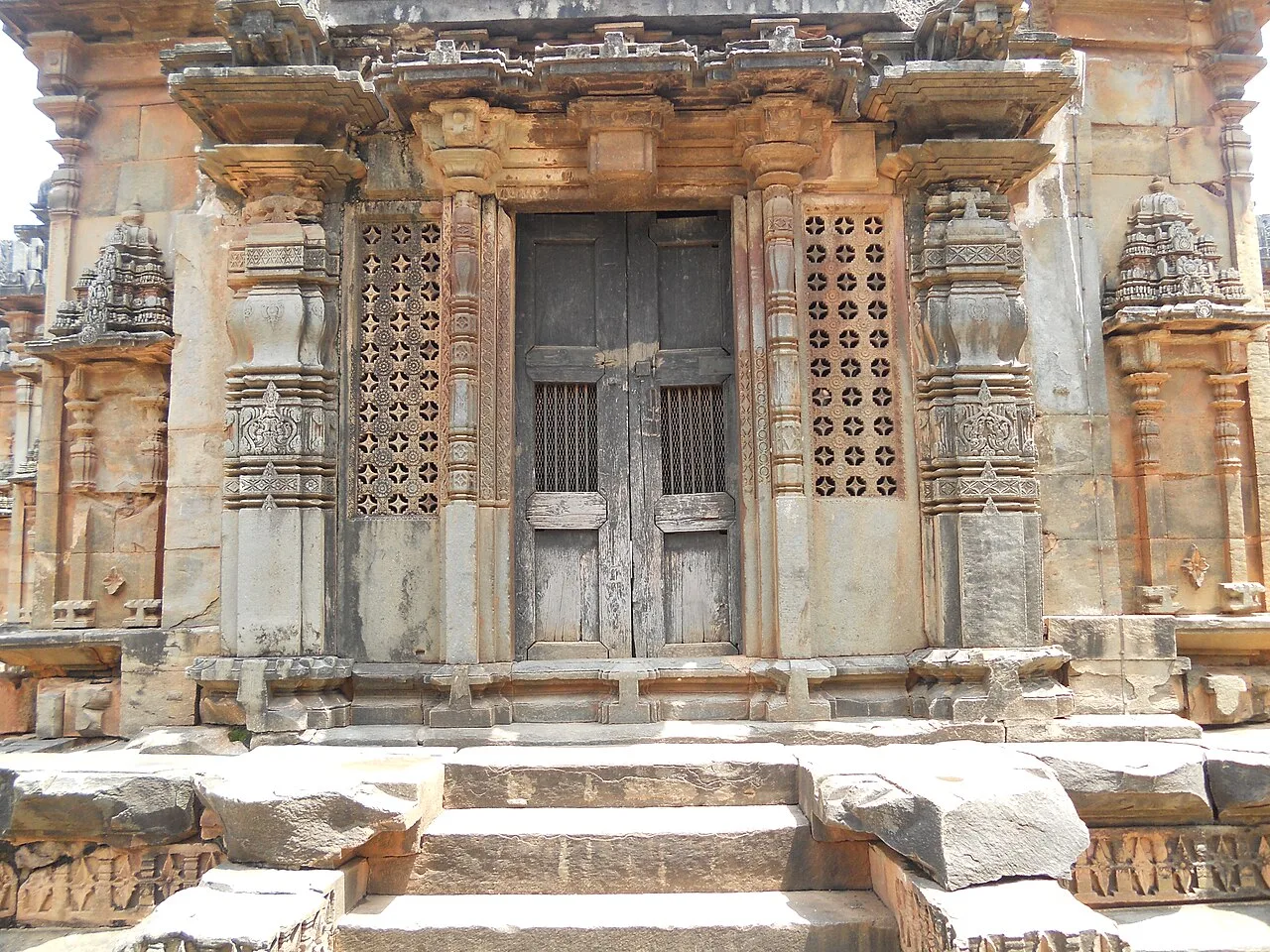
Trikuteshwara Temple, Gadag

22 km away · Gadag district

Trikuteshwara Temple, Gadag

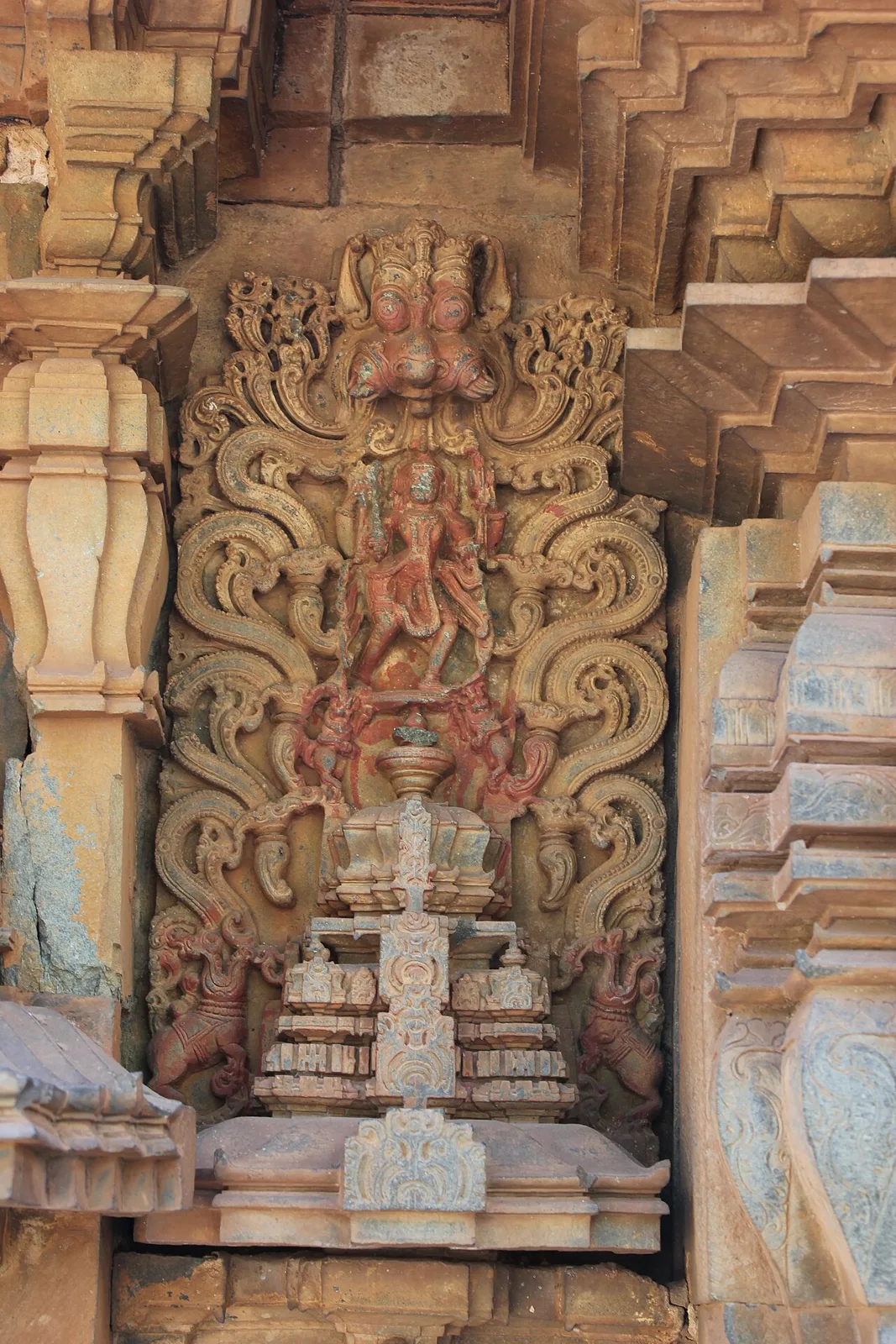
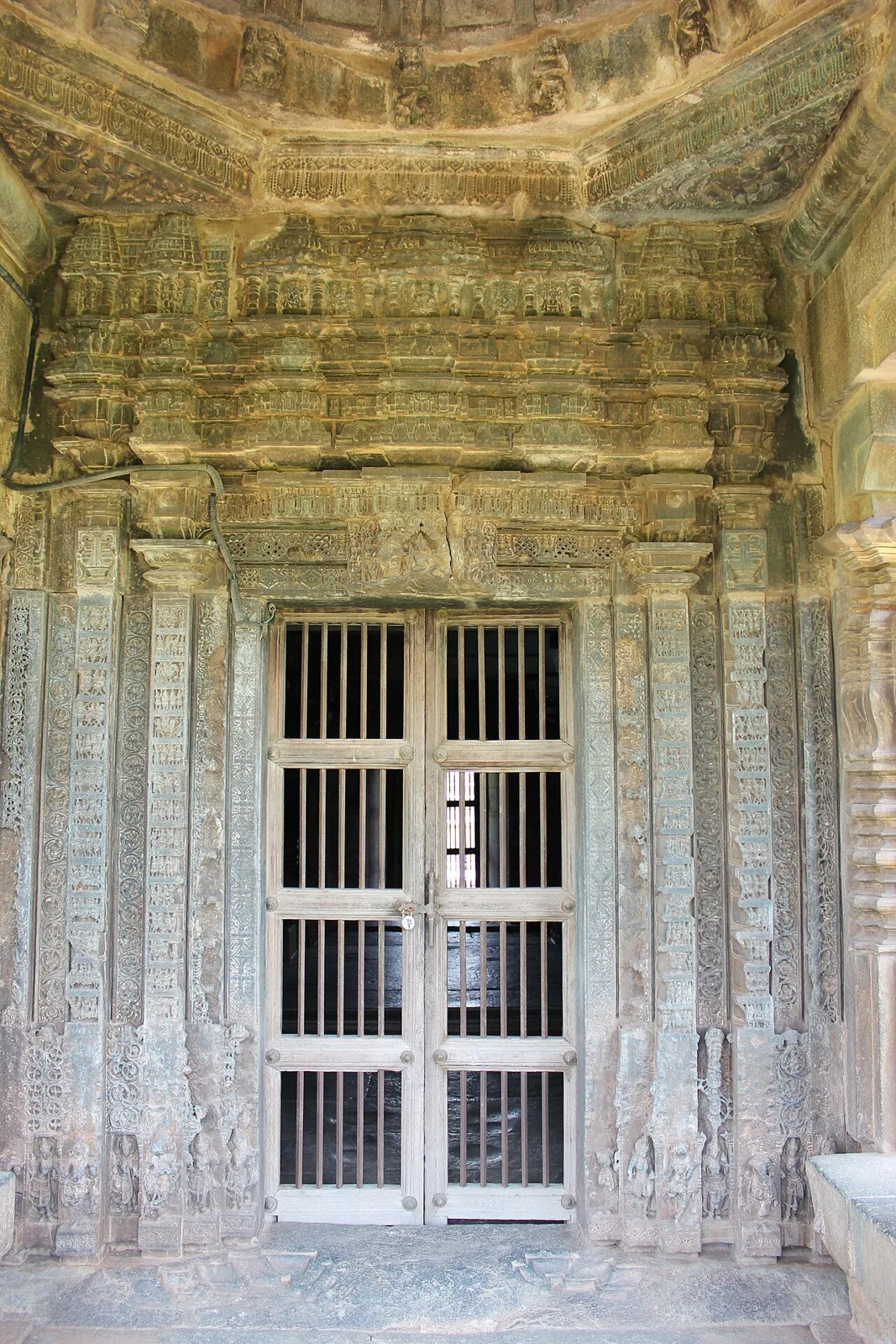
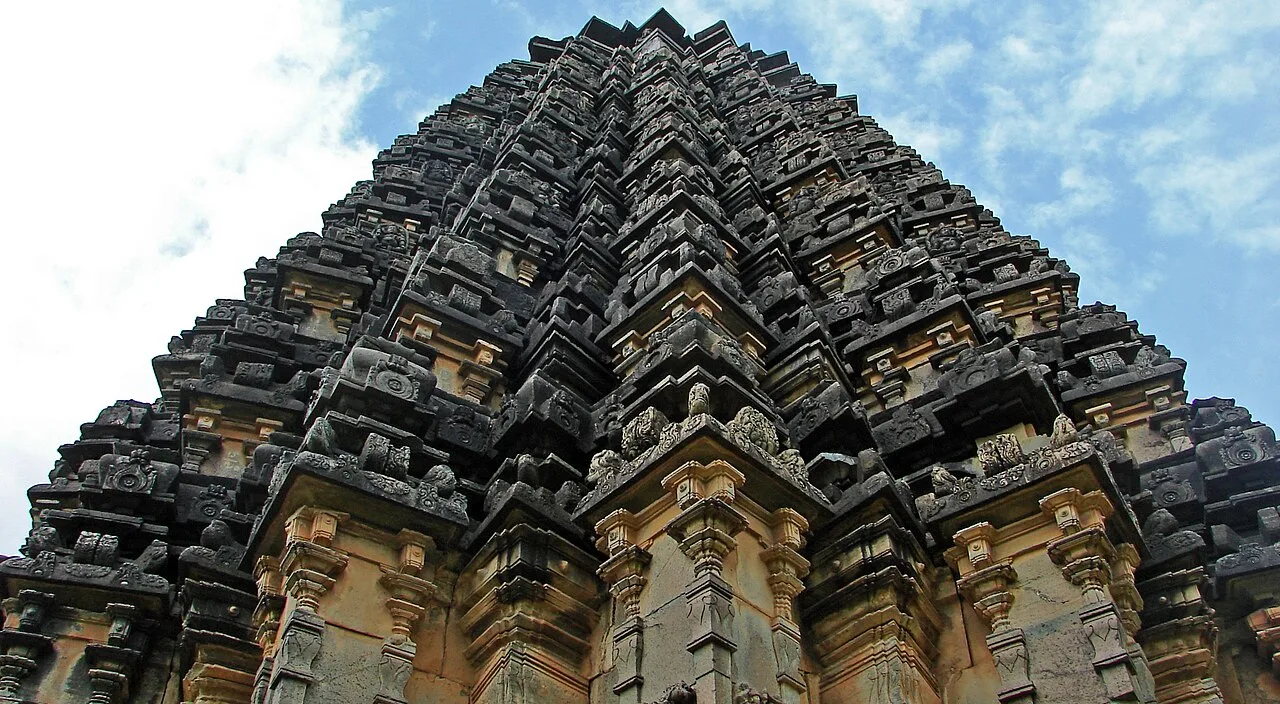
In Gadag, Karnataka, Trikuteshwara Temple is a carved Hindu place of worship dedicated to Shiva. Visitors come to see its three lingas, Saraswathi shrine and carved columns.

Lakkundi

23 km away · Gadag district

Lakkundi

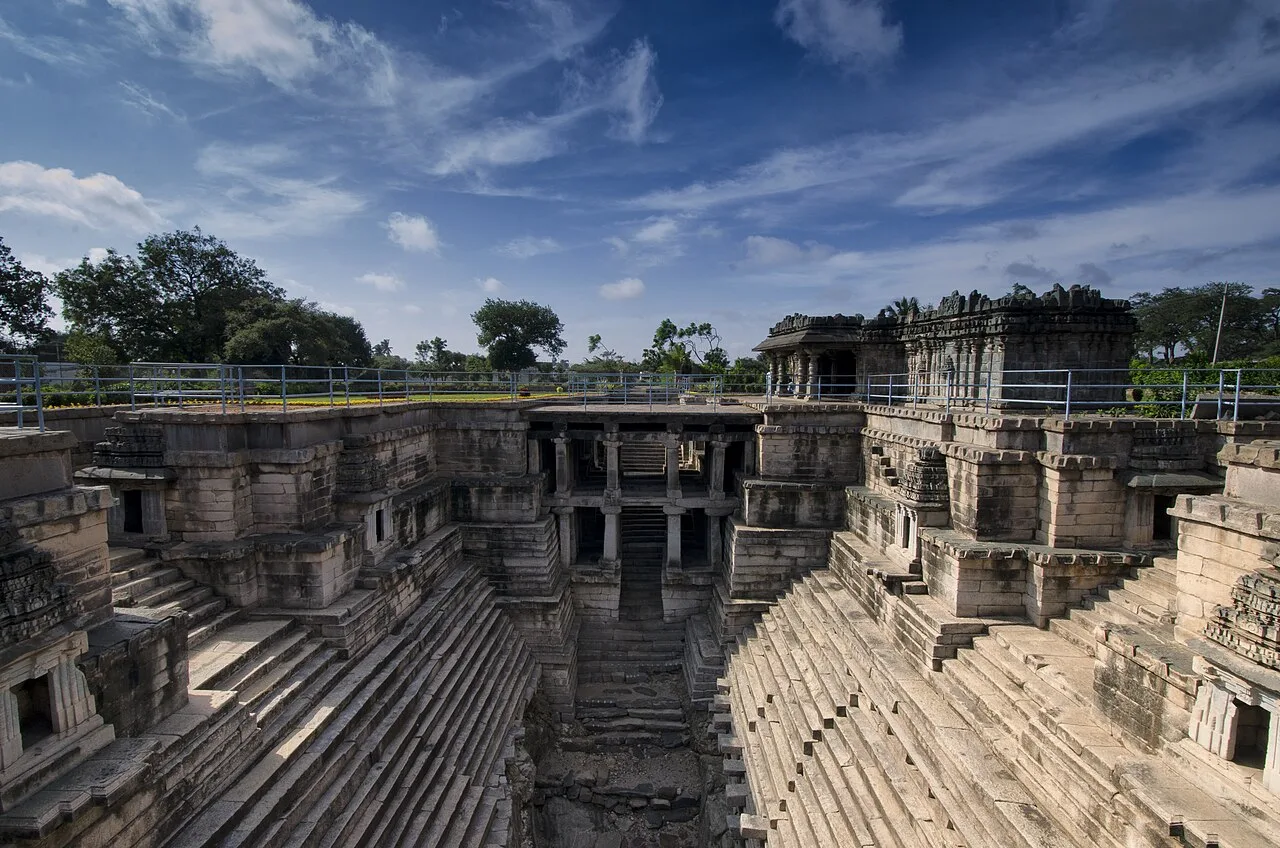
Lakkundi is a historic village in Karnataka’s Gadag district, visited for its Hindu and Jain temple remains, water structures and examples of Kalyana Chalukya architecture.

Doddabasappa Temple

27 km away · Gadag district

Doddabasappa Temple

Doddabasappa Temple, in Dambal, Karnataka, is a 12th-century work of Western Chalukyan design. Visitors come to see its Shiva shrine and its place within the region’s architectural tradition.

Chandramouleshwara Temple, Hubballi

52 km away · Dharwad district

Chandramouleshwara Temple, Hubballi

An 11th-century Shiva shrine in Unkal, Hubballi, Chandramouleshwara Temple draws interest for its Chalukyan design, distinctive plan and artwork representing several Hindu traditions.

Siddhesvara Temple, Haveri

52 km away · Haveri district

Siddhesvara Temple, Haveri

Siddhesvara Temple in Haveri, Karnataka, is visited for worship and valued for its Western Chalukyan design and sculptures of Hindu deities.

Itagi Mahadeva Temple

53 km away · Koppal district

Itagi Mahadeva Temple

Itagi Mahadeva Temple is a place of worship in Itagi, within Yelburga Taluk in Karnataka’s Koppal district. Visitors come to see the temple and its setting.

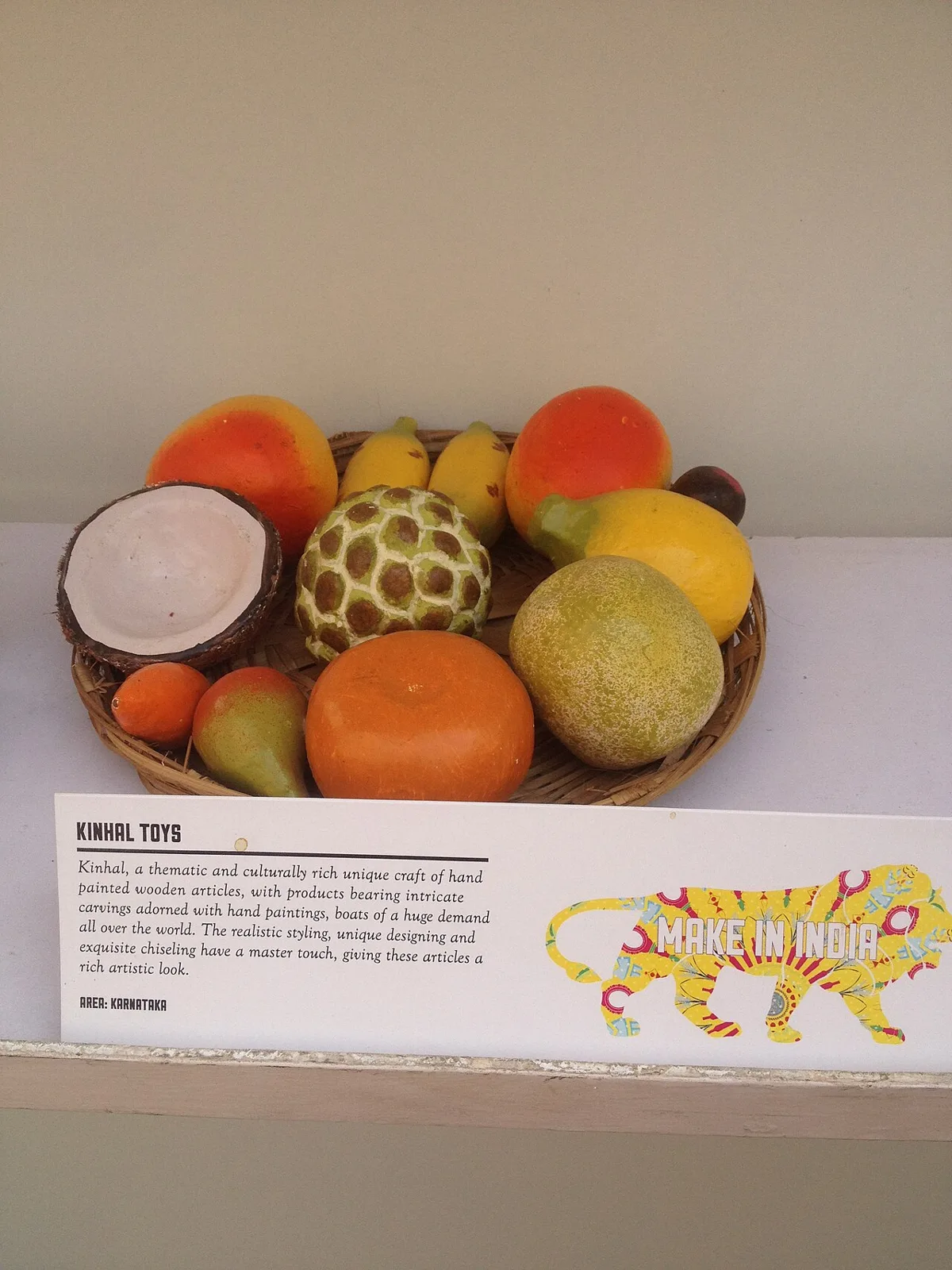
Kinhal Lacquer-Craft Village

64 km away · Koppal district

Kinhal Lacquer-Craft Village

Kinhal Lacquer-Craft Village, also called Kinnal, is a settlement in Karnataka’s Koppal district. Visitors are drawn by its connection with Kinnal craft, which has geographical indication recognition.

Banashankari Temple, Badami

74 km away · Bagalkot district

Banashankari Temple, Badami

Banashankari Temple is a Hindu shrine at Cholachagudda near Badami, Karnataka. Visitors come to worship its goddess and attend the yearly jatre, which features cultural events, a boat festival and a chariot procession.

Map

Shirahatti on the map

  1. 1Trikuteshwara Temple, Gadag
  2. 2Lakkundi
  3. 3Doddabasappa Temple
  4. 4Chandramouleshwara Temple, Hubballi
  5. 5Siddhesvara Temple, Haveri
  6. 6Itagi Mahadeva Temple
  7. 7Kinhal Lacquer-Craft Village
  8. 8Banashankari Temple, Badami

Karnataka

Other cities to explore