Ghumoopedia — Explore, Discover, Experience
Sign in

City guide · Karnataka

Hatti

Hatti is a small mining town in Raichur district, best known for its association with the Hutti Gold Mines. Gold extraction has shaped its identity and gives the settlement an industrial character distinct from the agricultural towns around it.

Famous for

  • Hutti gold mining
  • Gold-mining heritage
  • North Karnataka setting
  • Regional Kannada culture

Why Hatti matters

Hatti is a small mining town in Raichur district, best known for its association with the Hutti Gold Mines. Gold extraction has shaped its identity and gives the settlement an industrial character distinct from the agricultural towns around it. The nearby taluk centre of Lingsugur connects Hatti with the wider region, while Raichur serves as an important district hub.

The town may interest travellers curious about Karnataka’s mining history and the communities built around mineral work. Its appeal is less about a developed sightseeing circuit than about seeing a working industrial settlement in the dry northern Deccan landscape. The mine is an operating industrial site, not a conventional visitor attraction, so access should be confirmed locally and visitors should not enter restricted areas. Hatti is also a useful base for understanding everyday life in this part of Raichur district, where Kannada-speaking communities, regional food traditions and long road journeys between towns shape the travel experience.
Famous for: crafts, trade & products

Hatti’s defining product is gold, extracted at the Hutti Gold Mines complex. Mining is an industrial activity rather than a visitor-facing craft: the gold is not generally something travellers can expect to buy directly at the mine. The town’s identity is tied to the workforce, services and settlement that have grown around this operation. It is not especially known as a centre for textiles, handicrafts or a GI-tagged product, and visitors should not expect a dedicated craft bazaar.

For an impression of Hatti’s local character, explore the publicly accessible town centre and everyday shops, where residents meet and buy daily necessities. The broader Lingsugur area provides additional local services and a connection to surrounding villages; Raichur has a larger range of commercial facilities. Those interested in the mining operation should seek current guidance about public access rather than approaching work areas independently. Hatti’s significance lies chiefly in its gold-mining industry and the settlement it sustains, not in a particular retail district or a tradition of gold jewellery sales.

History

Hatti’s growth is closely connected with gold mining. The wider Raichur region has a long history shaped by its position in the Raichur Doab, a strategic landscape between major river systems that came under the influence of successive Deccan powers. That regional history provides context for Hatti, although the town’s present identity is more directly associated with mining than with a surviving royal centre or monument.

In the modern period, organized gold extraction and the settlement of workers and their families helped shape Hatti as an industrial town. During the colonial era, the area formed part of the larger Hyderabad-administered region rather than a separate princely centre at Hatti. After independence and the reorganization of Indian states, Raichur became part of Mysore state, later renamed Karnataka. Mining has remained the central influence on Hatti’s development, while its links to Lingsugur and Raichur connect it to the district’s wider administrative and commercial life.

Food, festivals & culture

Hatti’s cultural life reflects the wider Raichur and North Karnataka region. Kannada is widely used, alongside other languages heard across the district, including Telugu and Urdu. Everyday meals commonly draw on regional staples such as jowar rotti, served with vegetable curries, pulses or chutneys. These are broader local food traditions rather than dishes unique to Hatti; travellers will find simple meals in town, with more choice in larger nearby centres.

Residents observe major festivals such as Ugadi, usually in spring, and Dasara and Deepavali in autumn, as well as Eid celebrations. The details of observance vary among families and communities. Local temples and mosques serve as important places of worship and gathering, though Hatti is not widely known for a major pilgrimage site or a distinct performance tradition. Folk music and dance forms associated with North Karnataka belong to the region’s cultural landscape and may feature at community celebrations. Visitors should be respectful at places of worship and ask before photographing ceremonies or people.

Visiting the city

The cooler, drier months from about October to February are generally more comfortable for visiting than the hot summer. Kalaburagi Airport is a nearby air option, though flight availability may be limited; check current services before planning around it. Raichur Junction is the main railway station for reaching the district, with the onward journey to Hatti made by road.

Hatti is connected with Lingsugur and Raichur by road. Local buses and hired vehicles can help with travel between settlements, while walking is practical for short trips within the town. The town centre and publicly accessible parts of the mining settlement are the most relevant areas to explore. Hutti Gold Mines is an active industrial site, so confirm whether any visit is permitted and stay outside restricted work zones. Lingsugur is a useful nearby stop for services and regional connections.

Trips from the city

Nearest places to visit from Hatti

Our closest destination guides, by straight-line distance.

Raichur Fort

76 km away · Raichur district

Raichur Fort

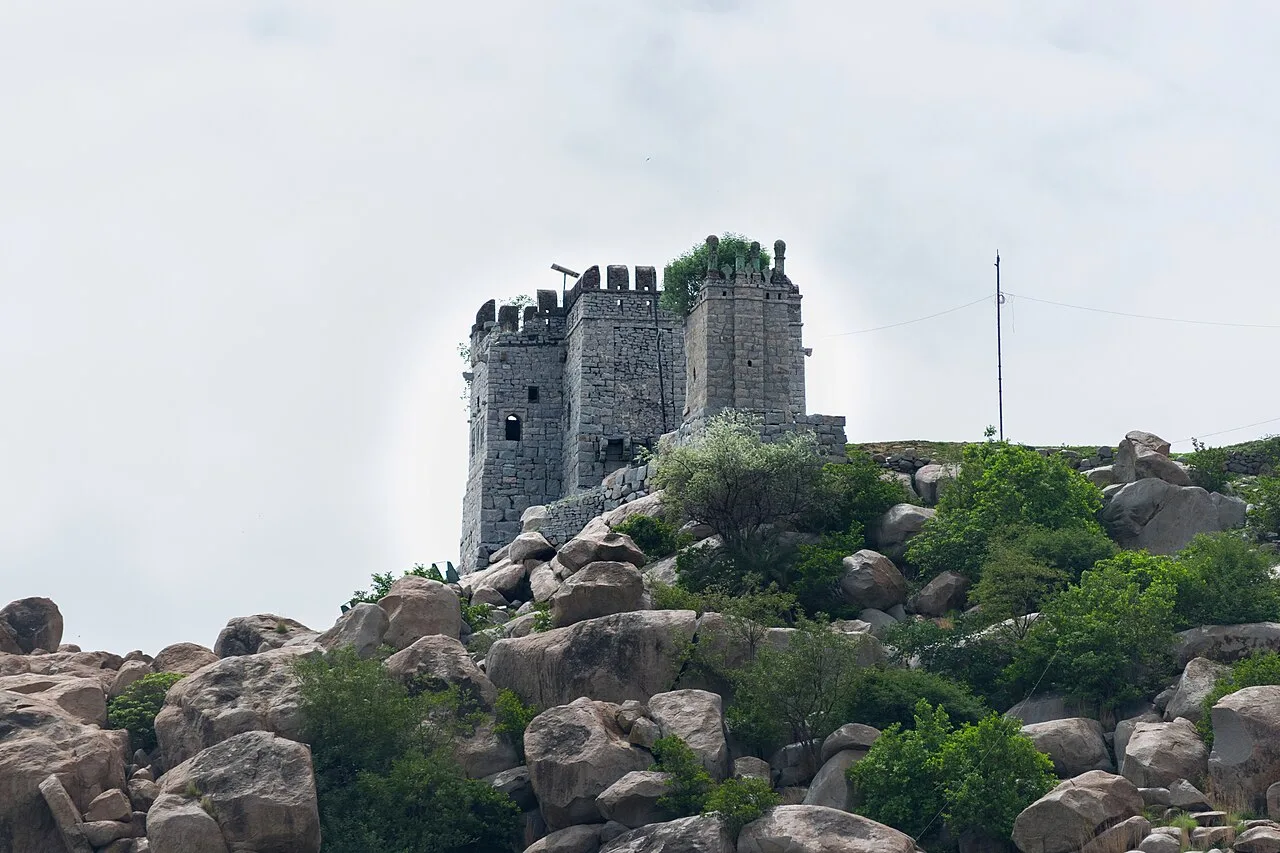
Raichur Fort is a hilltop stronghold in the city of Raichur, Karnataka. Visitors come to see its elevated setting and learn about the succession of powers that ruled the surrounding region.

Aihole

86 km away · Bagalkot district

Aihole

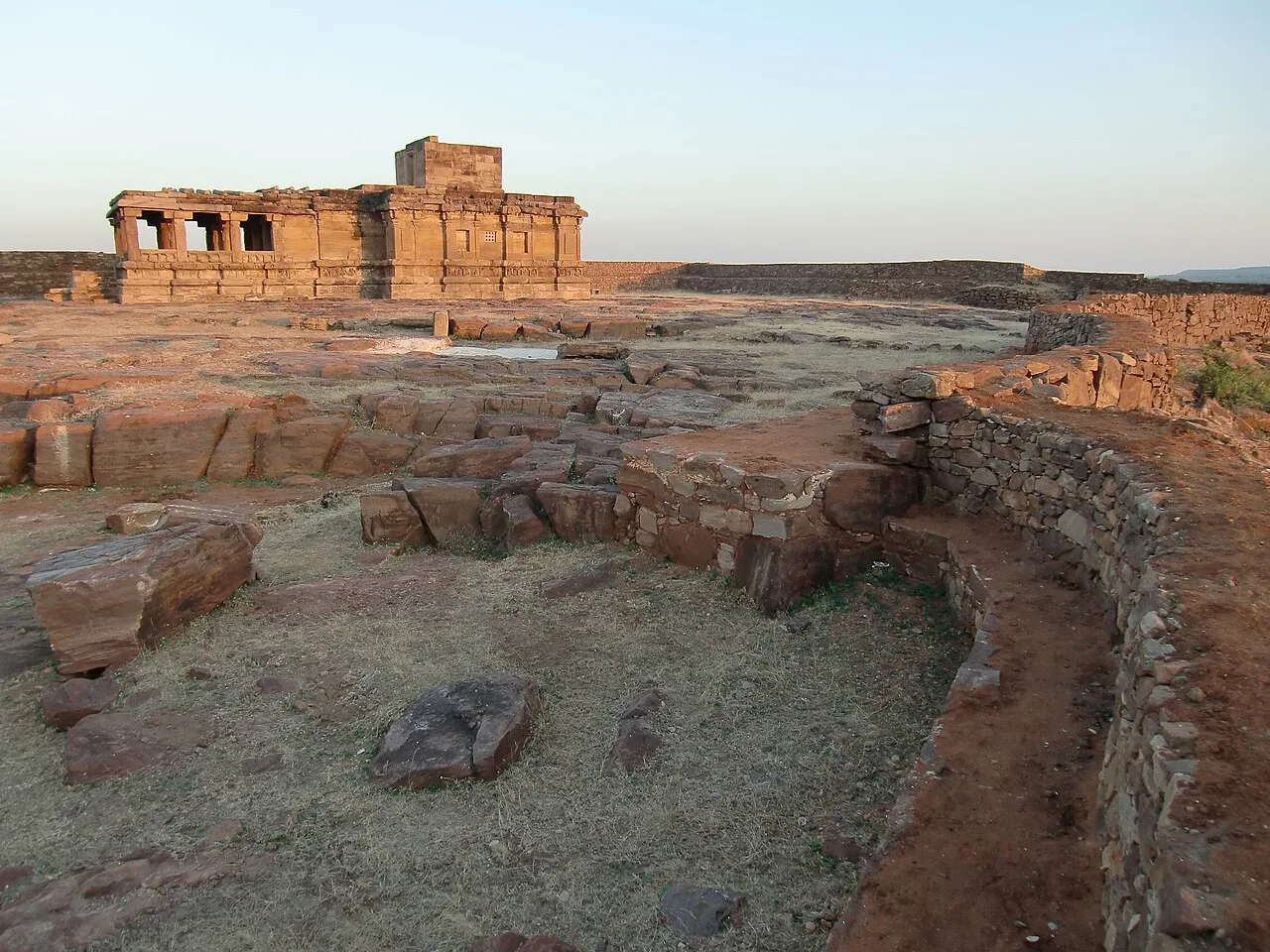
Aihole is a historic temple site in Karnataka, known for its Buddhist, Hindu and Jain monuments and for architectural experiments that influenced nearby Chalukya-era works.

Pattadakal

94 km away · Bagalkot district

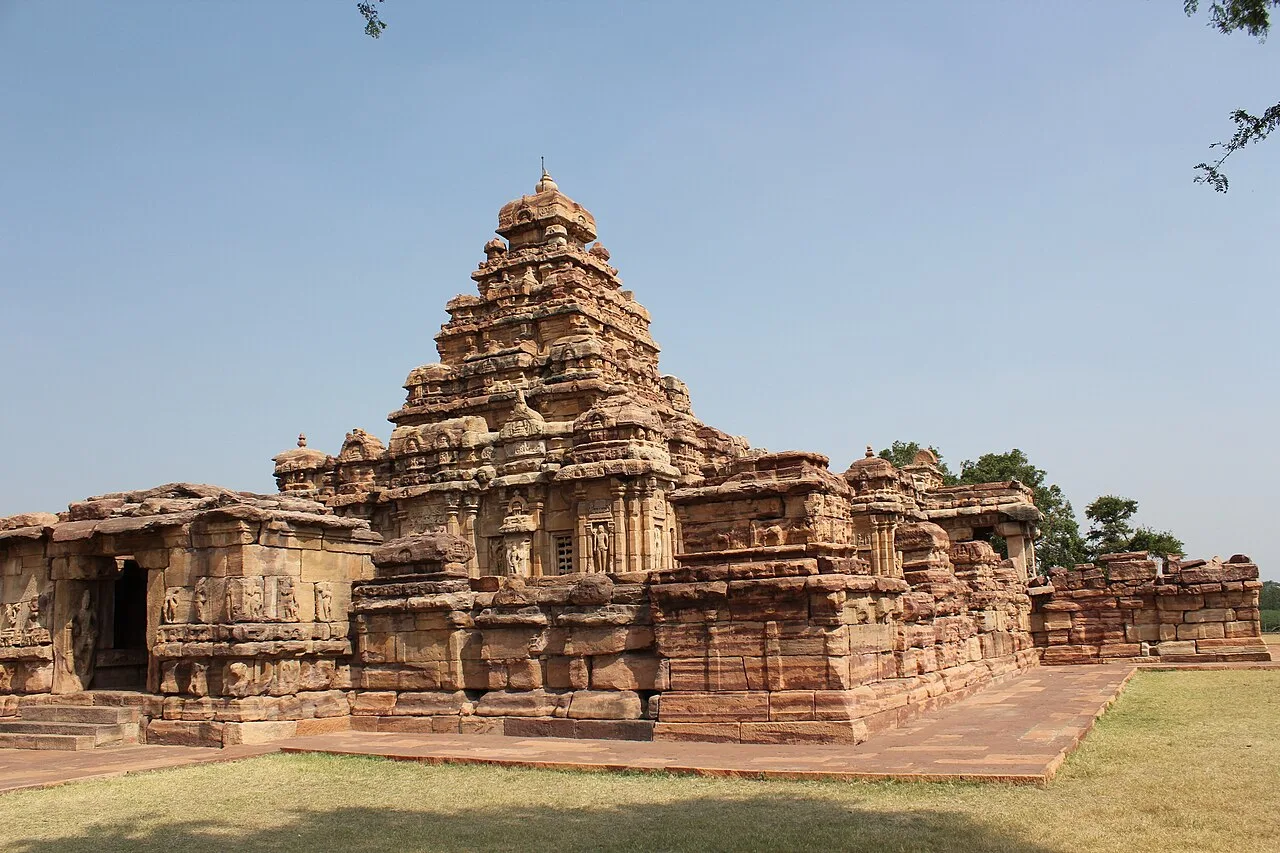
Pattadakal

Pattadakal is a UNESCO-listed temple complex in Karnataka, with Hindu and Jain monuments from the seventh and eighth centuries. Visitors come to see its distinctive mix of northern and southern architectural traditions and its carved religious narratives.

Anegundi

96 km away · Vijayanagara district

Anegundi

Anegundi is a Karnataka village once known as Kishkindha and considered older than Hampi. Visitors are interested in its historical associations and a nearby ash mound linked by tradition to Vali.

Hampi Monuments

98 km away · Vijayanagara district

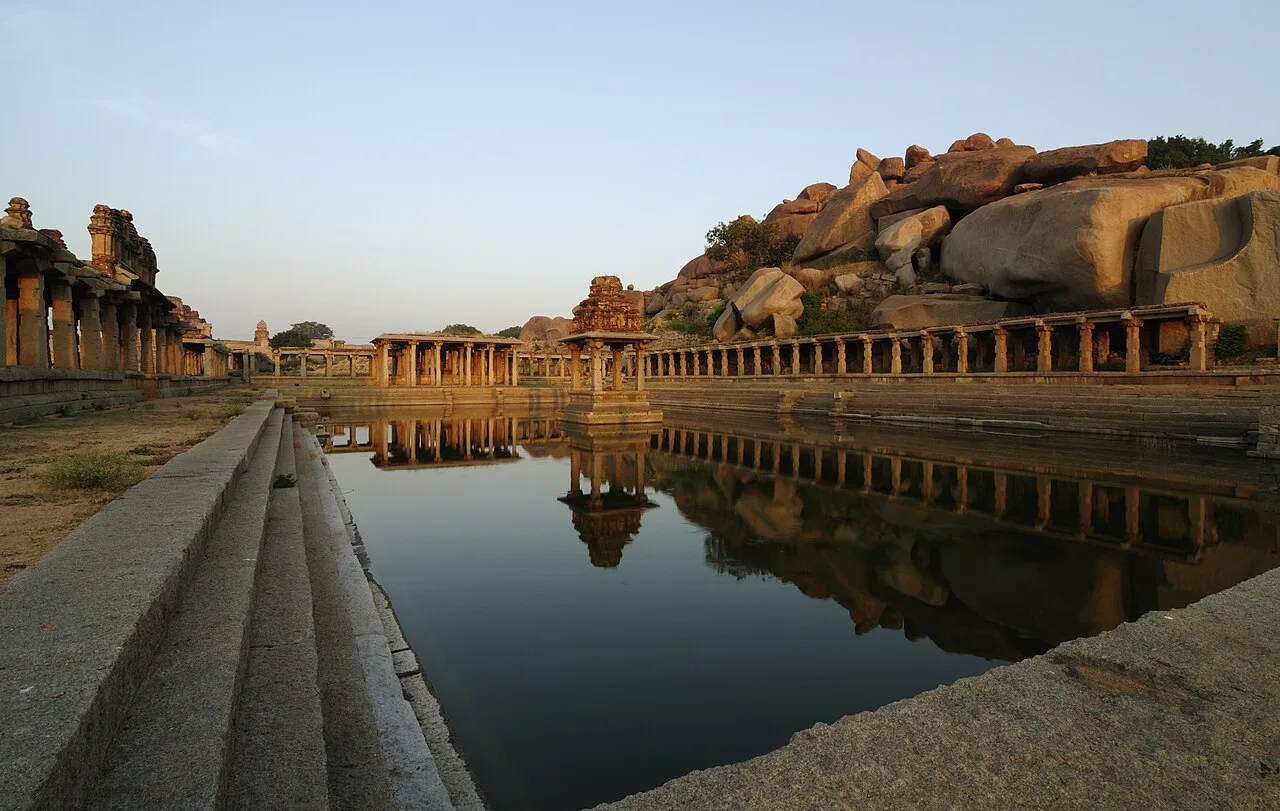
Hampi Monuments

Hampi is a UNESCO-listed archaeological and religious landscape in Karnataka, known for its Vijayanagara-era remains. Visitors come to explore its temples, royal structures and continuing places of worship.

Virupaksha Temple

98 km away · Vijayanagara district

Virupaksha Temple

Set beside the Tungabhadra at Hampi, Virupaksha Temple is a historic Shiva shrine and the site’s principal pilgrimage destination, drawing visitors for its enduring religious significance.

Lotus Mahal

100 km away · Vijayanagara district

Lotus Mahal

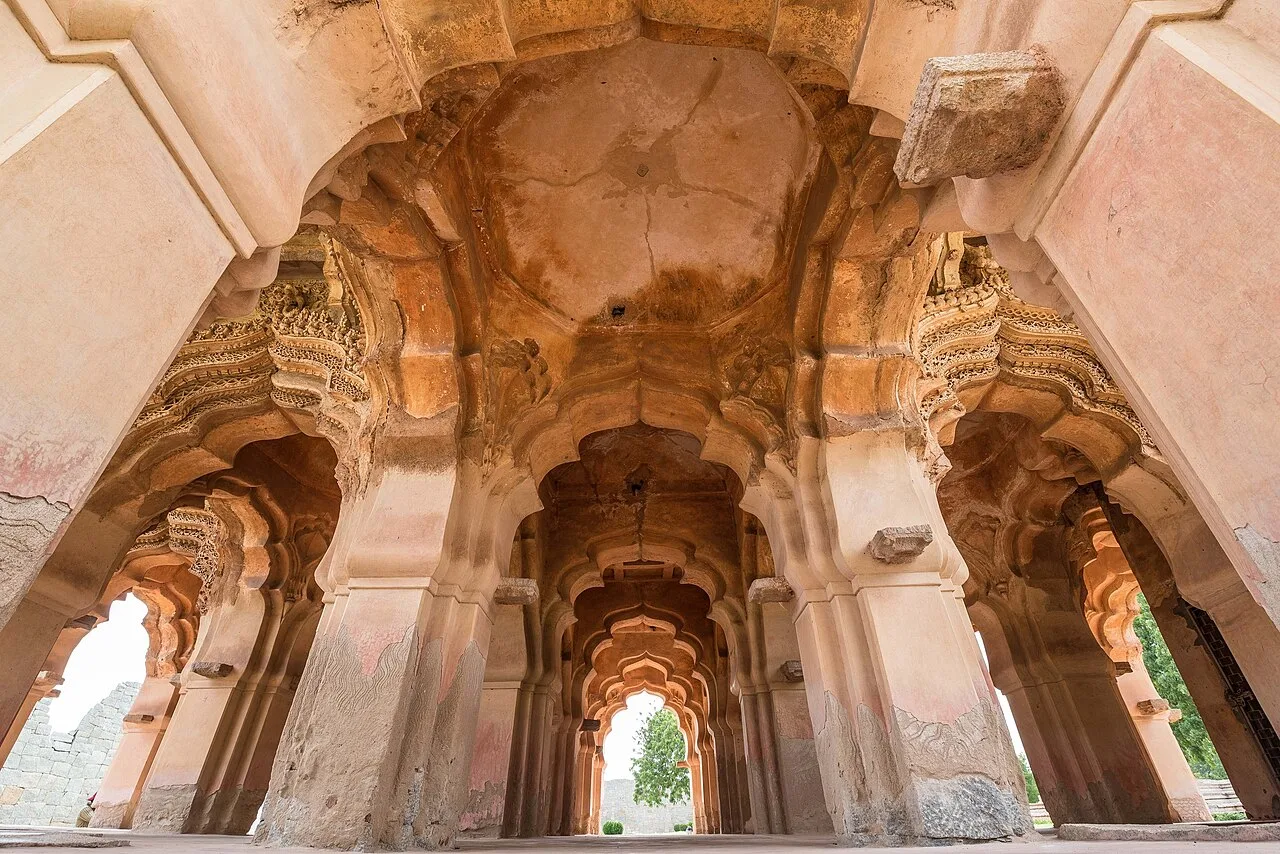
Lotus Mahal, also known as Chitrangini Mahal, is a secular building in Hampi, Karnataka. Visitors come to see its two-storey design, which reflects the architectural tradition of the Vijayanagara Empire.

Matanga Hill

100 km away · Vijayanagara district

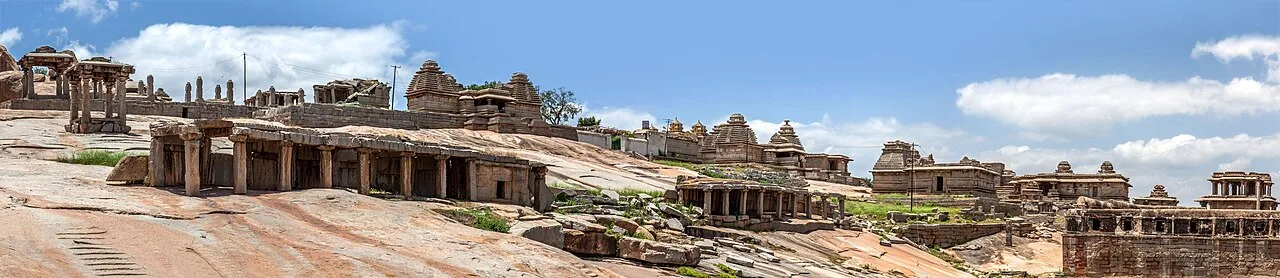
Matanga Hill

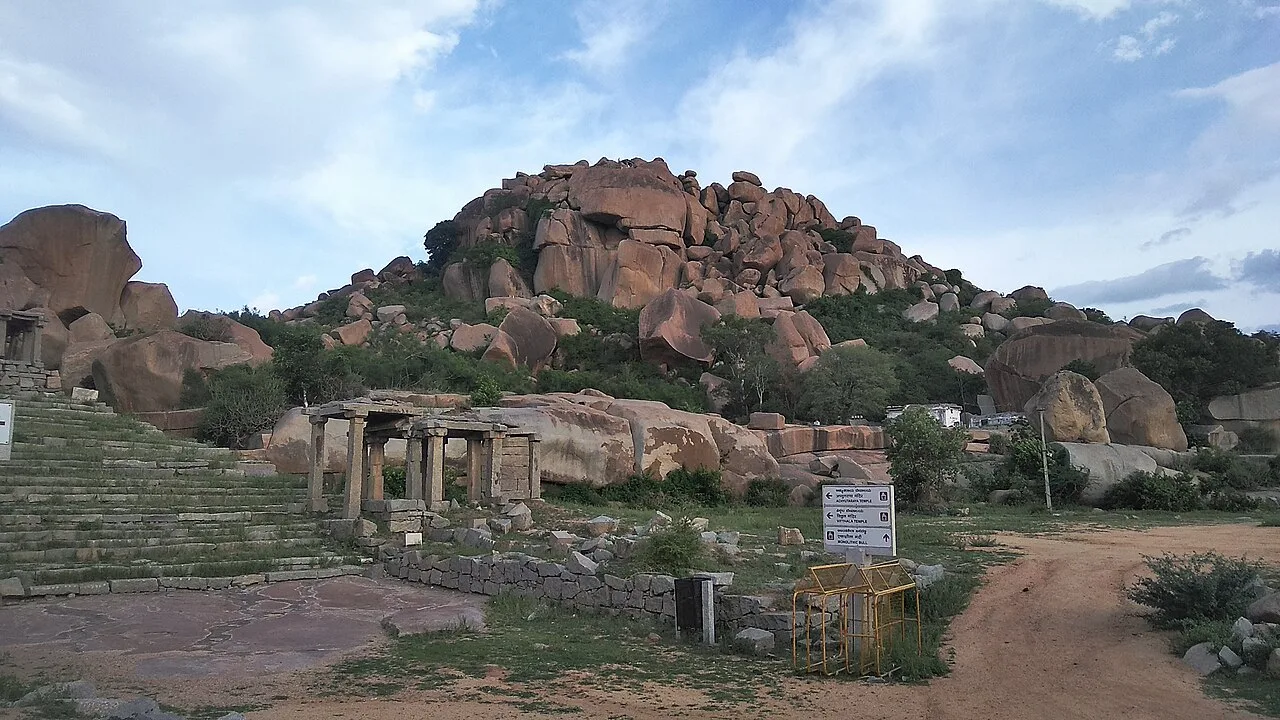
In Hampi, Karnataka’s Vijayanagara district, Matanga Hill is a rocky rise associated with the Ramayana and the former Vijayanagara capital. Visitors explore its religious associations and place in the region’s history.

Map

Hatti on the map

  1. 1Raichur Fort
  2. 2Aihole
  3. 3Pattadakal
  4. 4Anegundi
  5. 5Hampi Monuments
  6. 6Virupaksha Temple
  7. 7Lotus Mahal
  8. 8Matanga Hill

Karnataka

Other cities to explore