Ghumoopedia — Explore, Discover, Experience
Sign in
Kotilingeshwara Temple, near Mulbagal

City guide · Karnataka

Mulbagal

Mulbagal is a taluk headquarters in Kolar district, eastern Karnataka, and an important town on the Bengaluru–Kolar–Andhra Pradesh corridor. Its Kannada name is understood as “eastern gateway,” reflecting its position at the state’s eastern edge.

Famous for

  • Mulabagal Dose
  • Srinivasa and Hanuman temples
  • Sericulture and floriculture
  • Vegetable trading markets
  • Beedi production

Why Mulbagal matters

Mulbagal is a taluk headquarters in Kolar district, eastern Karnataka, and an important town on the Bengaluru–Kolar–Andhra Pradesh corridor. Its Kannada name is understood as “eastern gateway,” reflecting its position at the state’s eastern edge. National Highway 75 brings through-travellers, transport businesses and visitors into town, while the surrounding countryside supports farming, dairy, silk production and flower growing.

Temples are a major reason to pause here: local tradition associates the town with shrines to Srinivasa, Padmavati and Hanuman, as well as Rama, Sita and Lakshmana. Food is another draw, particularly Mulabagal Dose, a local dosa style sought out by travellers and bikers. The town also serves as a trading point for vegetables and other agricultural produce from nearby villages. Its mix of pilgrimage, highway commerce and rural markets gives Mulbagal a role that extends beyond its size: it is both a regional service centre and a convenient stop on journeys east from Bengaluru.
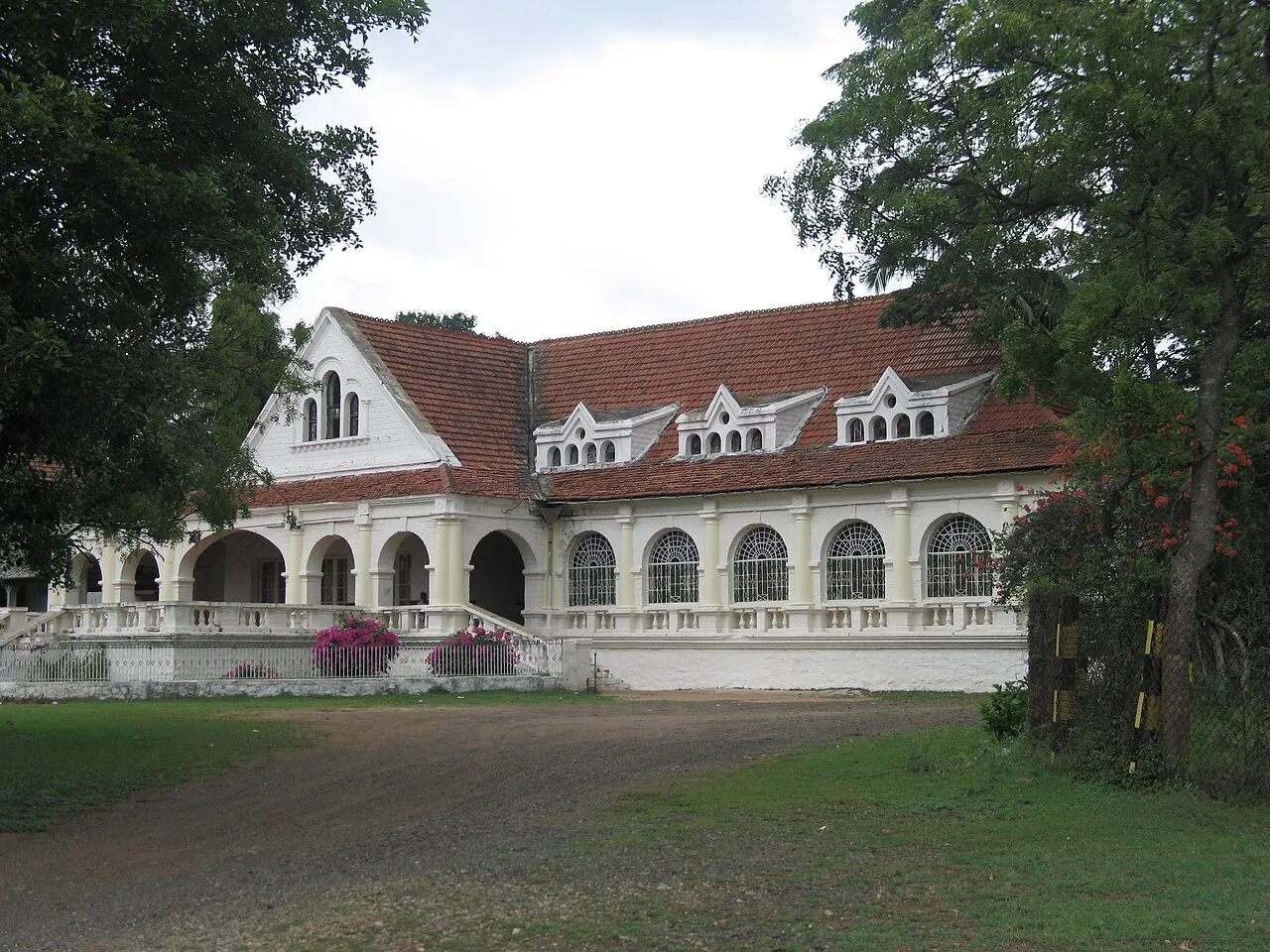
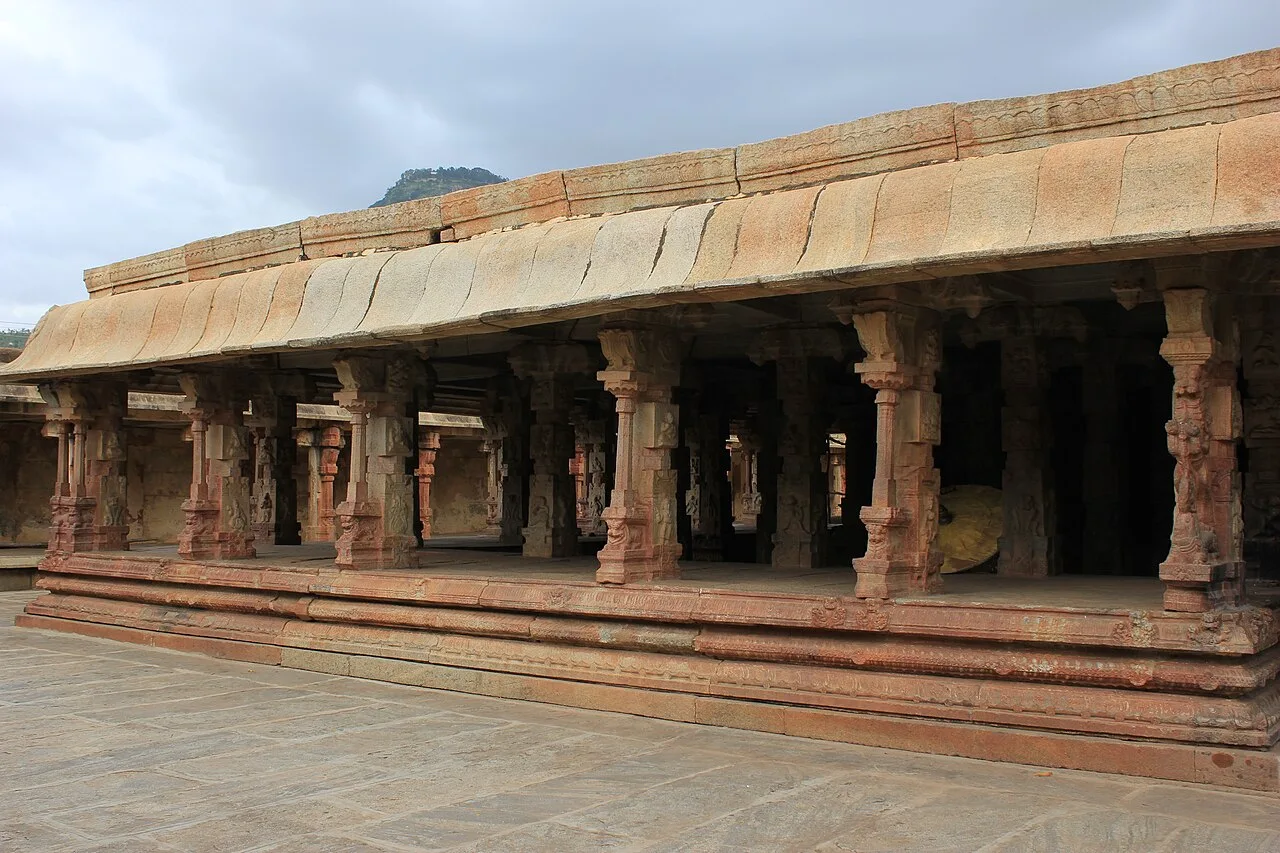
Famous for: crafts, trade & products

Mulbagal is best known locally for its distinctive Mulabagal Dose, a dosa style associated with the town. Travellers can look for it at eateries such as Prasad Hotel and Mulabagal Dosa Corner. The town is also a trading centre for produce grown in the surrounding area. Market activity includes potatoes, tomatoes, brinjal, beans, beetroot, carrots, chow-chow and cabbage; Vadahalli, nearby, is associated with tomato trading. The central market area is a useful place to see the everyday flow of local commerce.

Sericulture, floriculture, dairy and agriculture are important sources of work, alongside small-scale beedi production and transport-related businesses. Beedis made in the area are distributed beyond the district, including into Andhra Pradesh. Karnataka has proposed a granite-industry hub in the taluk, but Mulbagal is not chiefly a destination for established textile or handicraft shopping, and no particular GI-tagged product is associated with the town. Visitors interested in its local economy will find more to explore in its vegetable markets, food shops and trading streets than in specialist craft outlets.

History

Mulbagal’s name is commonly traced to the Kannada words mudala bagilu, meaning “eastern door” or “eastern gateway.” Its position on the eastern approach to Mysore made it a notable passage into the former state. The town is remembered more as a gateway and regional centre than as a royal capital, and its temples preserve stories that connect local religious tradition with the wider epic past.

One legend credits Arjuna, one of the Pandavas, with building a Hanuman temple after the Mahabharata war. Another tradition attributes the making of the images of Srinivasa, Padmavati and Rama, Sita and Lakshmana to the sage Vasishta. These accounts are matters of local belief rather than documented historical events. During the colonial period, Mulbagal was included in the administrative and historical record of Mysore. In modern Karnataka it continues as the headquarters of Mulbagal taluk. Highway development has strengthened its role as a stop for travellers and a centre for trade, farming and services.

Food, festivals & culture

The town’s most distinctive food association is Mulabagal Dose, enjoyed by locals as well as people stopping during a road journey. Eateries around town serve it alongside familiar South Indian dishes. The surrounding agricultural belt supplies vegetables, while dairy is also part of the local economy. Kannada is the principal language of everyday life and commerce.

Temple worship shapes the town’s cultural landscape. Local traditions centre on shrines associated with Srinivasa, Padmavati, Hanuman and Rama, Sita and Lakshmana; devotional songs and bhajans are part of religious observances. Ugadi is celebrated in spring, while Dasara and Deepavali usually fall in autumn. Muslim residents also mark Eid, whose dates follow the lunar calendar. Festival periods bring worshippers and families together, though the scale and programme can vary from year to year. Mulbagal’s culture is therefore rooted in its temples, seasonal festivals, food traditions and the everyday exchange of people and produce in its markets.

Visiting the city

October to February is generally a comfortable season to visit, with milder conditions for exploring temples and markets. The nearest major airport is Kempegowda International Airport in Bengaluru. Mulbagal does not have an established railway station noted in the local transport network; Kolar railway station is a practical nearby rail option, with the onward journey made by road. Check current connections before travelling.

National Highway 75 is the main approach, and buses, taxis and local road transport serve the town and nearby villages. The central market streets are good for seeing local trade and trying Mulabagal Dose. Set aside time for the temple areas, then consider a drive towards Vadahalli to see the surrounding agricultural landscape and produce-trading activity. The highway corridor is convenient for travellers passing through, but the town centre offers a slower look at everyday Mulbagal.

Trips from the city

Nearest places to visit from Mulbagal

Our closest destination guides, by straight-line distance.

Kotilingeshwara Temple

21 km away · Kolar district

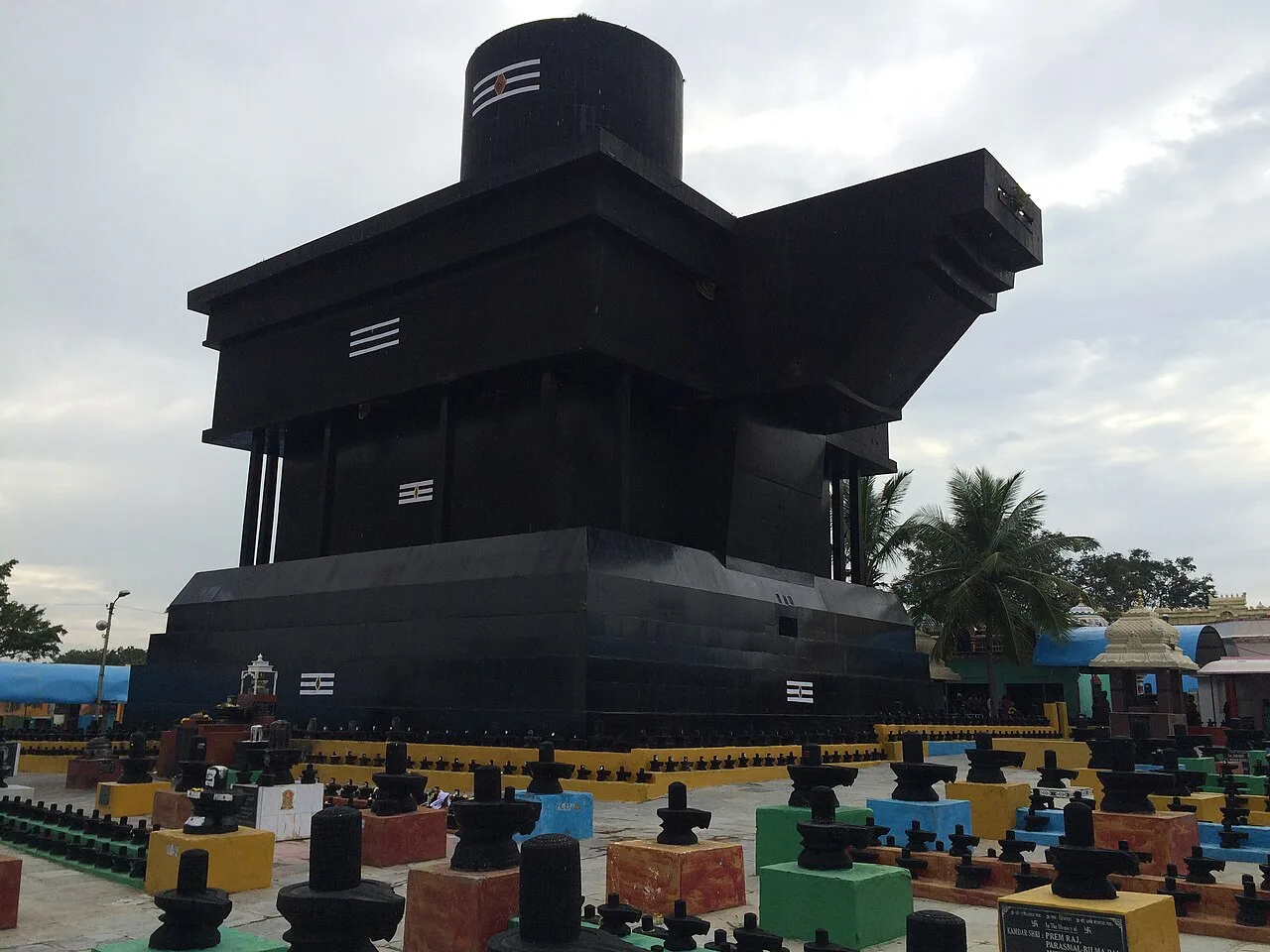
Kotilingeshwara Temple

Kotilingeshwara Temple is a Hindu shrine in Kammasandra, Kolar district, Karnataka, dedicated to Shiva and visited for its Shivalingam, counted among the largest in the world.

Kolar Gold Fields

26 km away · Kolar district

Kolar Gold Fields

Kolar Gold Fields is a mining area in Karnataka’s Kolar district. Its gold-mining past, early electricity infrastructure and links to particle-physics research give visitors reasons to explore its history.

32 km away · Kolar district

Antaragange Caves

Antaragange, also called Anthargange, is a granite mountain in Karnataka’s Kolar district, drawing visitors to its Shiva temple, caves and opportunities for trekking and camping.

Bhoganandishwara Temple

79 km away · Chikkaballapur district

Bhoganandishwara Temple

The Bhoganandiswara and Arunachaleswara temples make up a historic Shiva complex in Nandi village, visited for its Dravidian architecture, detailed carvings, inscriptions and varied religious imagery.

Nandi Hills

79 km away · Chikkaballapur district

Nandi Hills

Nandi Hills is a historic hill fort in Karnataka’s Chikkaballapur district, visited for sunrise views and its river origins; it also hosted the second SAARC summit in 1986.

Skandagiri

82 km away · Chikkaballapur district

Skandagiri

Skandagiri is a Karnataka hill fort known for its historic remains and views towards nearby landmarks. Visitors come to explore its military past and elevated setting.

Ulsoor Lake

86 km away · Bengaluru Urban district

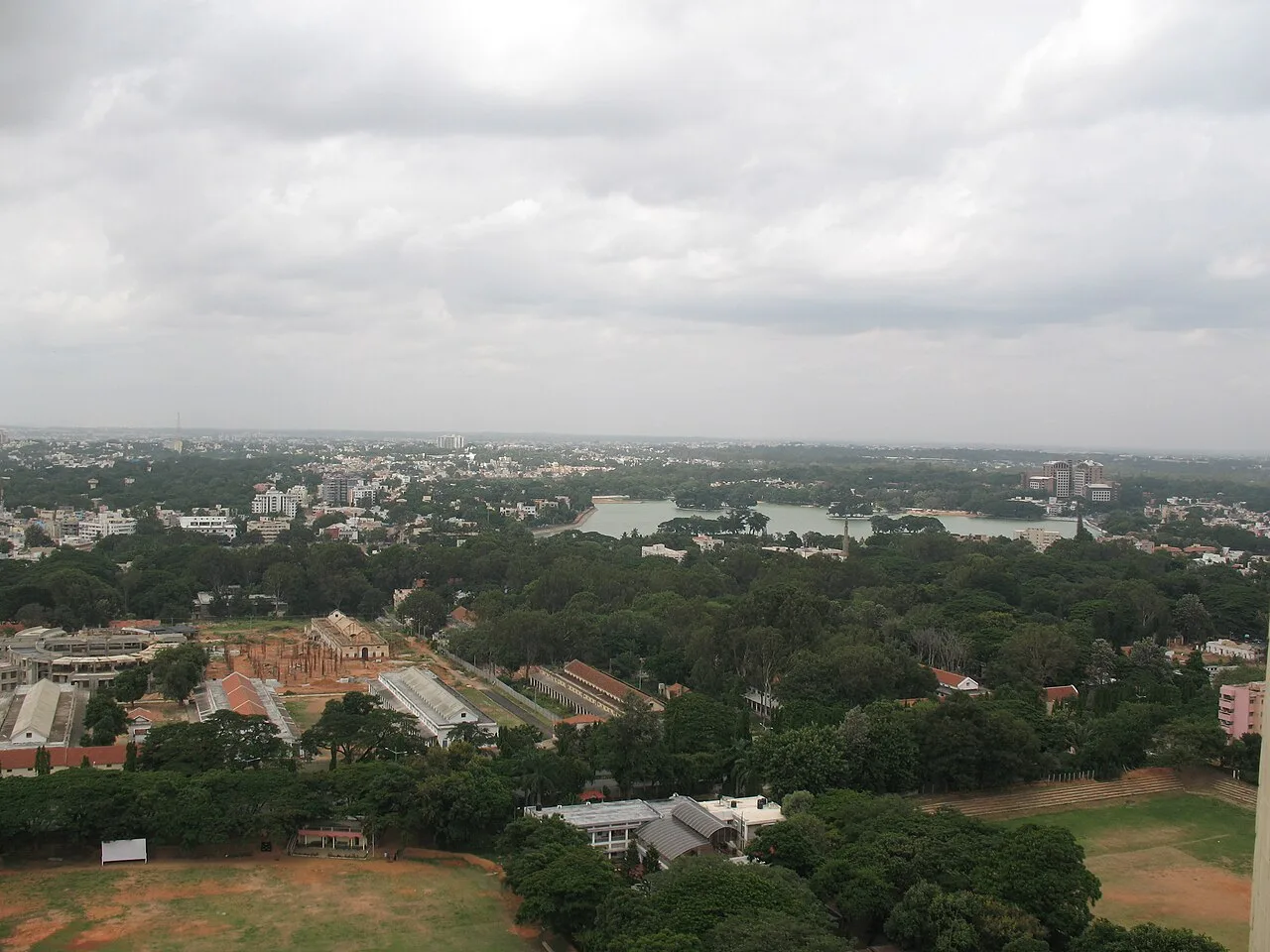
Ulsoor Lake

Ulsoor Lake, also called Halasuru Lake, is one of Bengaluru’s largest lakes. Visitors can see its islands and a waterbody associated with the city’s past.

St. Mary's Basilica

88 km away · Bengaluru Urban district

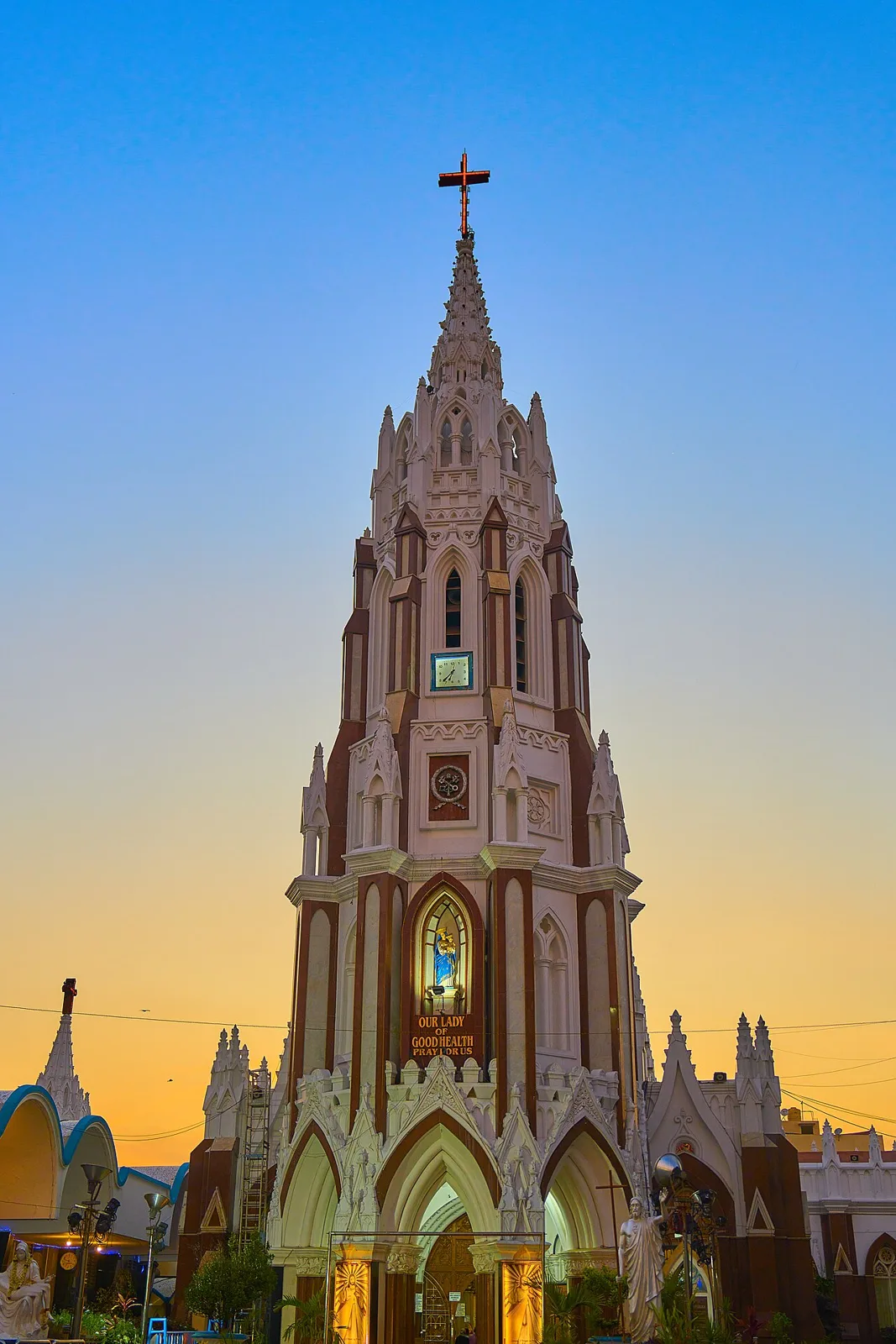
St. Mary's Basilica

In Bengaluru Urban district, St. Mary's Basilica is a shrine in Shivajinagar, also called Blackpally. Visitors come for its September feast, which draws devotees from across Bangalore’s metropolitan area.

Map

Mulbagal on the map

  1. 1Kotilingeshwara Temple
  2. 2Kolar Gold Fields
  3. 3Antaragange Caves
  4. 4Bhoganandishwara Temple
  5. 5Nandi Hills
  6. 6Skandagiri
  7. 7Ulsoor Lake
  8. 8St. Mary's Basilica

Karnataka

Other cities to explore