
Ghumoopedia — Explore, Discover, Experience
Sign in
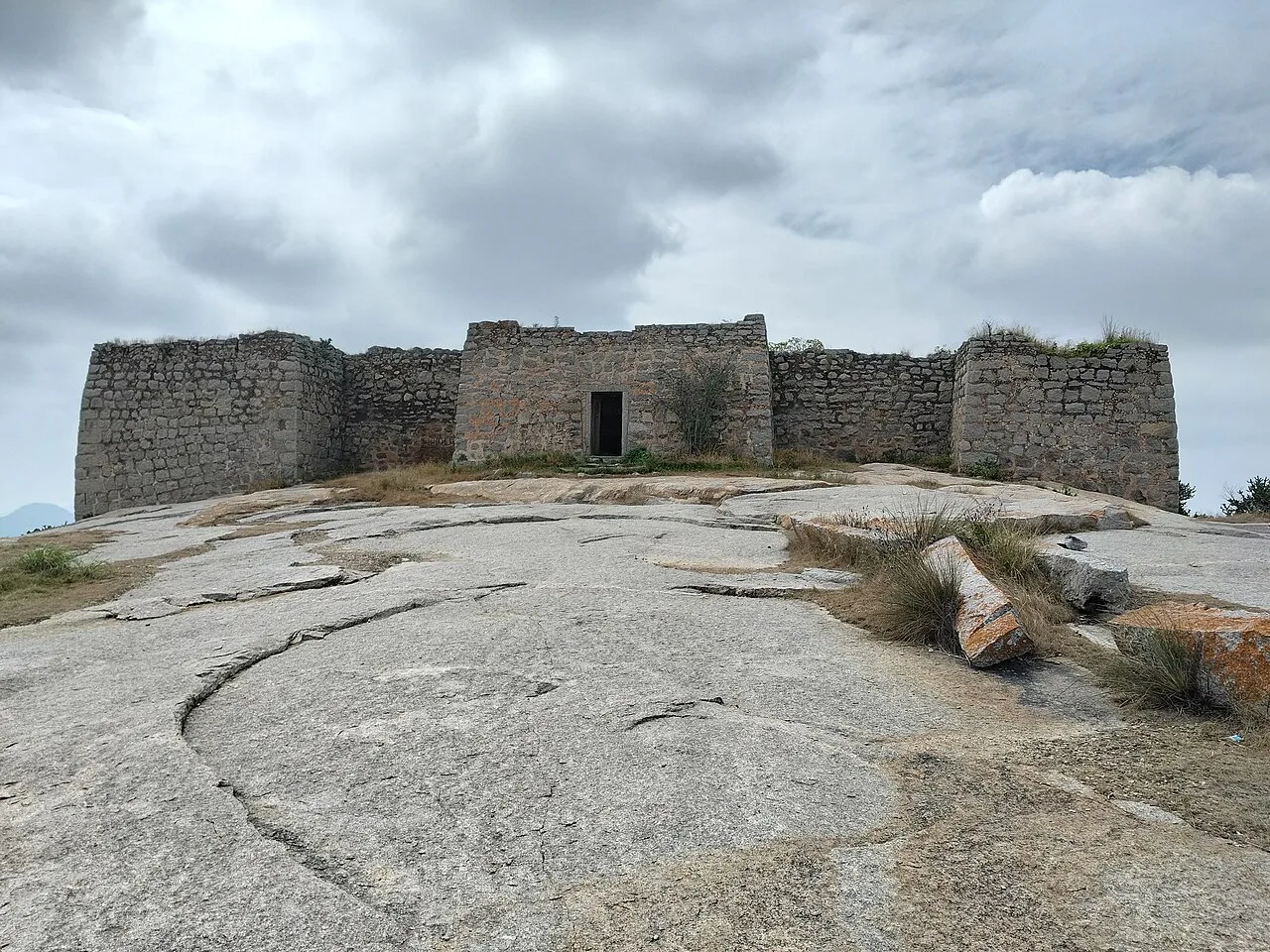
Madhugiri Fort, near Madhugiri

City guide · Karnataka

Madhugiri

Madhugiri is a town in Tumakuru district, northern Karnataka, best known for the imposing hill and fort that rise beside it. The name is linked to Madhu-giri, or “honey hill,” the town’s distinctive monolithic landmark.

Famous for

  • Madhugiri Fort
  • Monolithic Madhu-giri hill
  • Vijayanagara-era architecture
  • Hilltop temples
  • Regional education hub
In the city
1
District
Tumakuru

Why Madhugiri matters

Madhugiri is a town in Tumakuru district, northern Karnataka, best known for the imposing hill and fort that rise beside it. The name is linked to Madhu-giri, or “honey hill,” the town’s distinctive monolithic landmark. The fort’s steep setting and layered stone defences make it a major draw for visitors interested in Karnataka’s hill forts and history. Temples around the town add a religious dimension to a visit, while the surrounding countryside gives Madhugiri a quieter, regional character than the larger cities nearby.

The town also serves as a local centre for education, administration and trade. It is one of Karnataka’s educational districts, and its schools and public services support communities across the surrounding area. Located roughly 110 kilometres from Bengaluru, Madhugiri is a possible day trip for travellers, though time to explore the fort and town is best allowed for. Its appeal lies less in a large tourist infrastructure than in the striking hill, historic architecture and everyday life of a Karnataka district town.

Famous for: crafts, trade & products

Madhugiri’s best-known landmark is its fort, set high on the rocky slope of Madhu-giri hill. The town is also associated with temples and with its role as an educational and administrative centre. It is not widely identified with a signature textile, handicraft or GI-tagged product, so visitors should not expect a specialised craft district or destination shopping market.

Trade is mainly local and serves the town and nearby villages. The central market area is the practical place to look for everyday goods, groceries and regional provisions; availability varies, and there is no prominent visitor-focused craft bazaar. The surrounding region has an agricultural character, but Madhugiri is not especially known for a single packaged food or produce speciality. For a more extensive choice of branded goods, textiles or handicrafts, travellers may find larger nearby centres more suitable. The town’s strongest cultural and visitor draw remains its fort and hill rather than a particular product or shopping tradition.

History

Madhugiri’s history is closely tied to its hill and fort. The fort was built under the Vijayanagara dynasty, using the steep rock face as a natural defensive position. Its walls and approaches reflect the strategic importance of controlling elevated ground in the region. Over later centuries, the fort and surrounding territory passed through changing periods of rule in southern India, including the era of the Mysore rulers. The hill remained the defining feature of the settlement and its local identity.

During the colonial period, Madhugiri formed part of the wider administration of the Mysore region. Following Indian independence and the reorganisation of states, it became part of Karnataka and continued within Tumakuru district. In modern times, the town has developed as a local service centre, with schools, government offices and markets serving nearby communities. Its designation as one of Karnataka’s educational districts reflects a role that extends beyond its historic fort. The fort, however, remains the clearest physical link to the town’s earlier strategic importance.

Food, festivals & culture

Kannada is the main language of daily life, with Telugu also heard in the wider border region. Meals commonly follow the food traditions of inland Karnataka: rice, ragi-based dishes, lentils, vegetables and, in some homes, jolada rotti. Ragi mudde is a familiar regional staple, usually served with a curry or saaru. Tea shops and small eateries offer simple local meals; Madhugiri is not particularly known for a nationally distinctive sweet or restaurant dish.

Ugadi, usually in spring, and Dasara, generally in autumn, are widely observed across Karnataka. Deepavali and other Hindu festivals are also celebrated, while temple festivities and local fairs may follow individual temple calendars. The town’s places of worship provide a focus for devotional gatherings and community observances. Cultural life is rooted in Kannada-speaking regional customs, religious music and folk performance traditions rather than a single festival or dance form unique to Madhugiri. Visitors should check locally for current temple events, as dates and scale can vary from year to year.

Visiting the city

The cooler months, roughly October to February, are generally comfortable for exploring Madhugiri. The monsoon can bring slippery conditions on the hill, so take care on the fort’s steep approaches and check local conditions before setting out. The nearest major air gateway is Kempegowda International Airport in Bengaluru. Tumakuru Railway Station is a useful rail access point; Hindupur is another station to consider depending on your route. From either, onward travel is by road.

Within town, auto-rickshaws and local buses are useful for short journeys, while a hired vehicle offers more flexibility for reaching the fort and surrounding area. Begin around the town centre and market streets, then explore the fort’s base and hill approaches. Allow time for the climb and views, and dress for uneven stone paths. Temple streets and nearby countryside offer a quieter complement to the main fort visit.

Attractions

Places to visit in Madhugiri

Sights within about 12 km of each other, even when they fall in different districts.

Map

Madhugiri on the map

  1. 1Madhugiri Fort

Karnataka

Other cities to explore