Ghumoopedia — Explore, Discover, Experience
Sign in
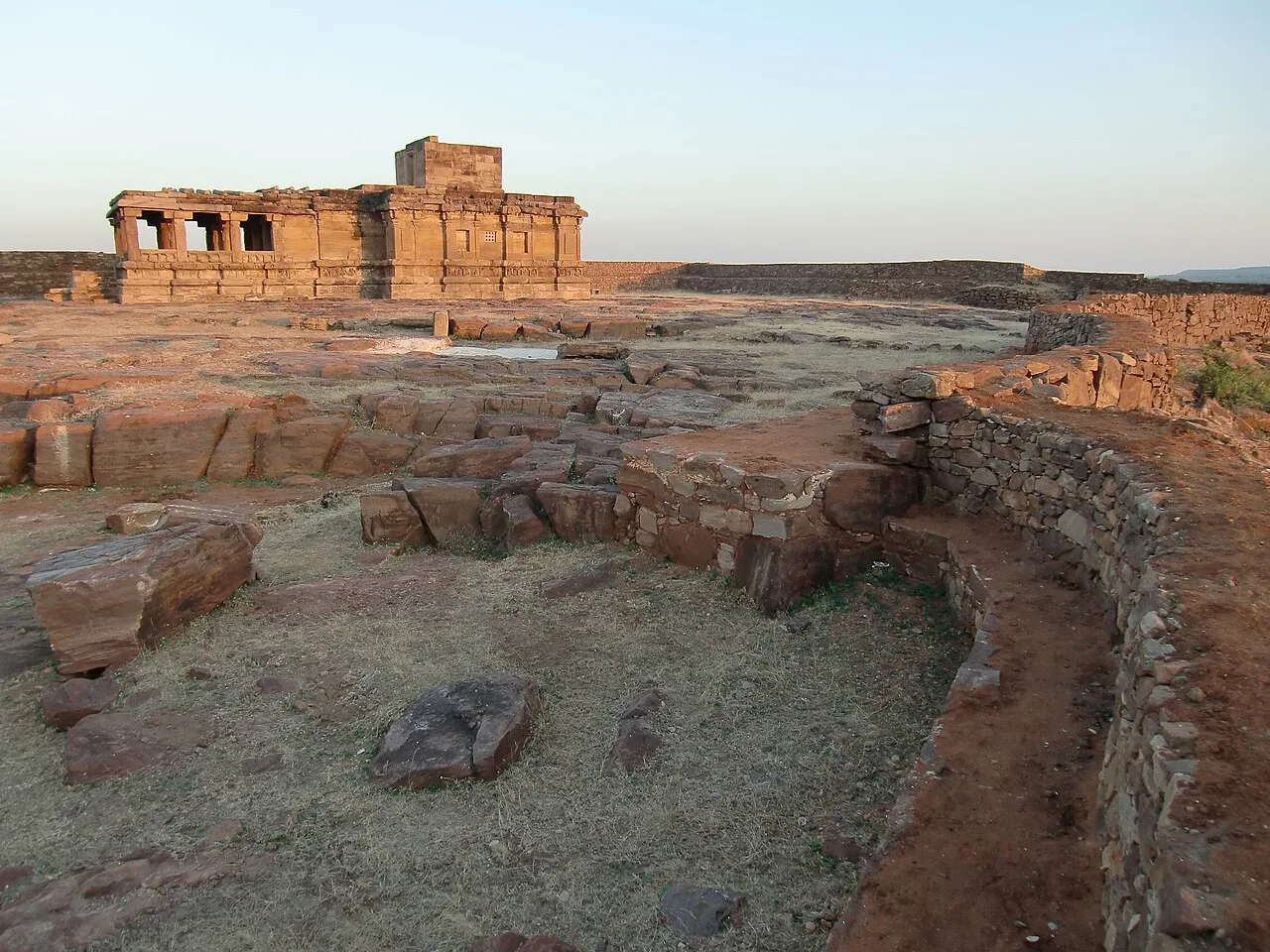
Aihole, near Gudur

City guide · Karnataka

Gudur

Gudur is a small, locally oriented settlement rather than a major tourist city. The name is used for more than one place in Karnataka, so its exact district and nearby services depend on which Gudur is meant.

Famous for

  • Rural Karnataka setting
  • Kannada-speaking community
  • Regional agriculture
  • Local temple traditions

Why Gudur matters

Gudur is a small, locally oriented settlement rather than a major tourist city. The name is used for more than one place in Karnataka, so its exact district and nearby services depend on which Gudur is meant. In general, a visit is most likely to offer a view of everyday rural life: cultivated land, village streets, local shops and community worship, rather than a concentration of large monuments or visitor facilities.

Its importance is chiefly practical, serving residents and surrounding agricultural communities through local trade and access to nearby larger towns. Kannada is central to daily life, while the food and customs reflect the wider region. Travellers passing through can use Gudur as a quiet stop or a base for exploring its particular taluk and district. Before planning transport or excursions, confirm the exact Gudur on a map; attractions and connections associated with one locality may be far from another place with the same name.
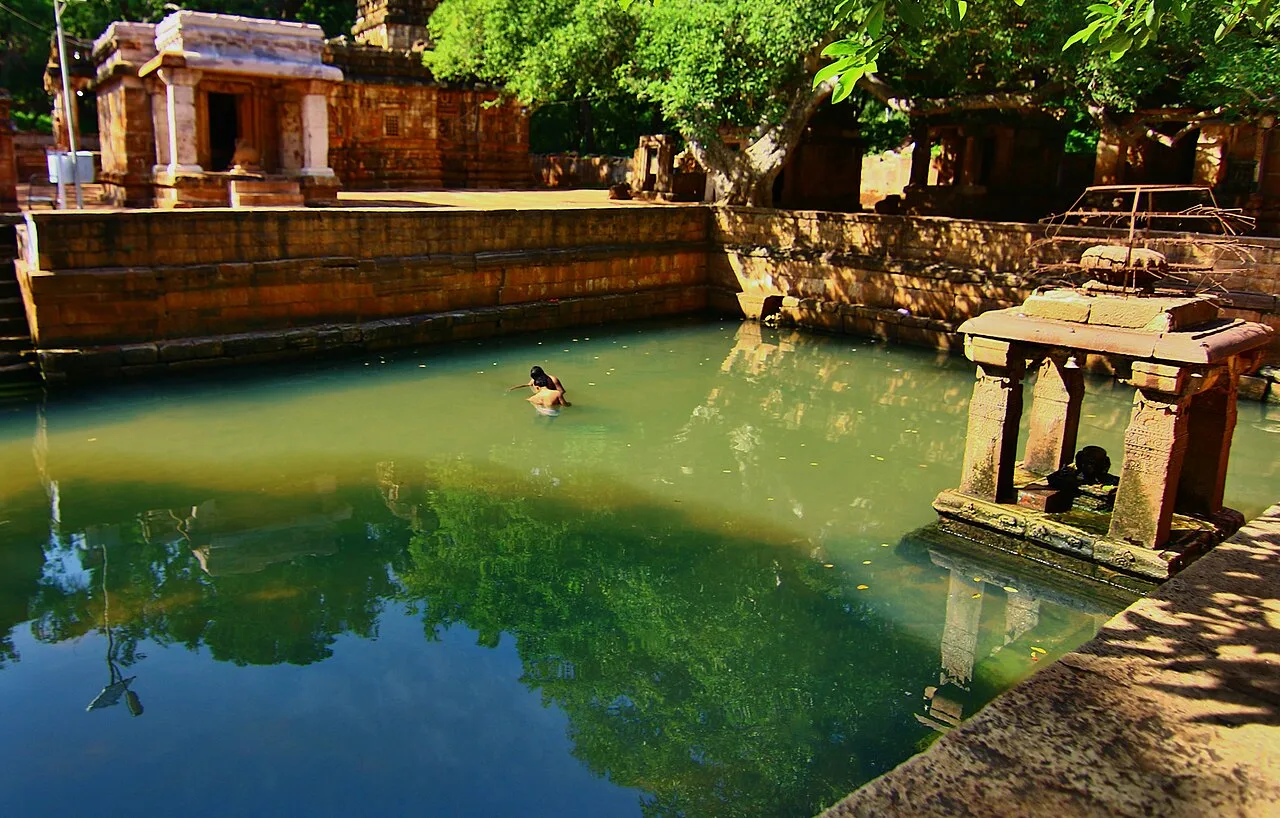
Famous for: crafts, trade & products

Its local economy is more closely associated with the needs of nearby residents and agricultural activity. Small shops typically serve everyday requirements, while a broader choice of goods and services is found in the nearest taluk or district town.

Visitors looking for regional produce, household goods or traditional snacks should ask locally about the market serving their specific Gudur; market days and the range of goods can vary from place to place. The wider northern Karnataka region is known for food traditions such as jowar rotti and groundnut-based accompaniments, but these are regional rather than a distinct Gudur product. There is no established craft quarter or dedicated visitor shopping area to recommend without knowing the settlement’s district. Confirm the location first, then look to its nearby town for recognised local products, markets and cultural institutions.

History

The history of Gudur depends on which Karnataka settlement is intended. The name occurs in more than one locality, and a detailed account of a particular village’s rulers or founding would require its district and taluk. It is therefore safer to place Gudur within the broader history of its region than to assign it a specific royal or colonial story.

Across northern Karnataka, communities experienced successive periods of Deccan rule, including the influence of the Chalukyas and Vijayanagara, followed in different areas by later sultanates, Maratha powers and British administration. These changes shaped regional temples, landholding, trade routes and local governance, though their effects varied between villages. In modern times, rural settlements such as Gudur have been connected increasingly to nearby towns through roads, schools, markets and public services. Agriculture and local commerce remain important parts of daily life. For a more precise history—including local institutions, inscriptions or historic buildings—the relevant Gudur’s district needs to be established.

Food, festivals & culture

Kannada is the main language of daily life in Karnataka’s Gudur localities, though other languages may be heard depending on the district and its connections. Food is generally rooted in regional home cooking. In northern Karnataka, common dishes include jowar rotti, vegetable curries and groundnut or chilli accompaniments; these are regional customs, not a uniquely documented Gudur cuisine. Sweets such as holige may appear at family celebrations and festivals.

Ugadi, usually in spring, and Deepavali in autumn are widely observed across Karnataka. Ganesh Chaturthi and village temple fairs or jatras may also bring residents together, with local dates and customs varying by community. Worship at neighbourhood temples is often part of the social calendar. Kannada folk music and devotional singing are more relevant to everyday community life here than staged performances for visitors. Gudur is not known as a major centre for classical dance or large cultural festivals, so travellers seeking performances or larger celebrations should check what is happening in the nearest town.

Visiting the city

The cooler, drier months from about October to February are generally the most comfortable for travel in Karnataka. Gudur is not a single unambiguous destination, so confirm its district and taluk before booking transport. If you mean a Gudur in Haveri district, Haveri railway station and Hubballi Airport are useful regional connections; another Gudur may have closer alternatives. Check the route locally rather than assuming these are nearest.

Within a small settlement, walking and local road transport are usually the practical ways to get around; travel to larger towns is by road. Explore the village centre, local places of worship and surrounding countryside, and use the nearby taluk town for broader services. Facilities for visitors may be limited, so arrange onward transport and accommodation in a larger nearby town when needed.

Trips from the city

Nearest places to visit from Gudur

Our closest destination guides, by straight-line distance.

Aihole

10 km away · Bagalkot district

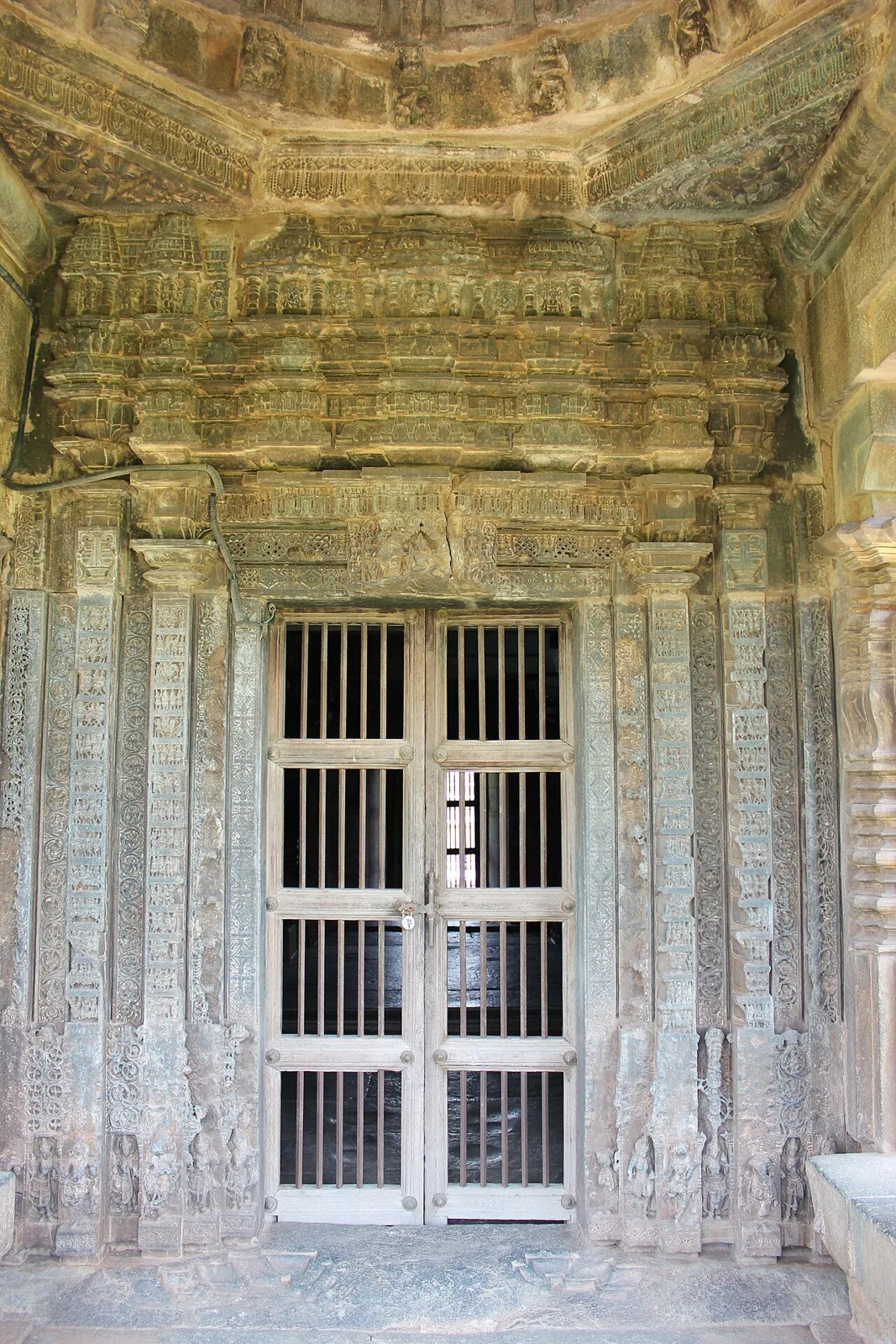
Aihole

Aihole is a historic temple site in Karnataka, known for its Buddhist, Hindu and Jain monuments and for architectural experiments that influenced nearby Chalukya-era works.

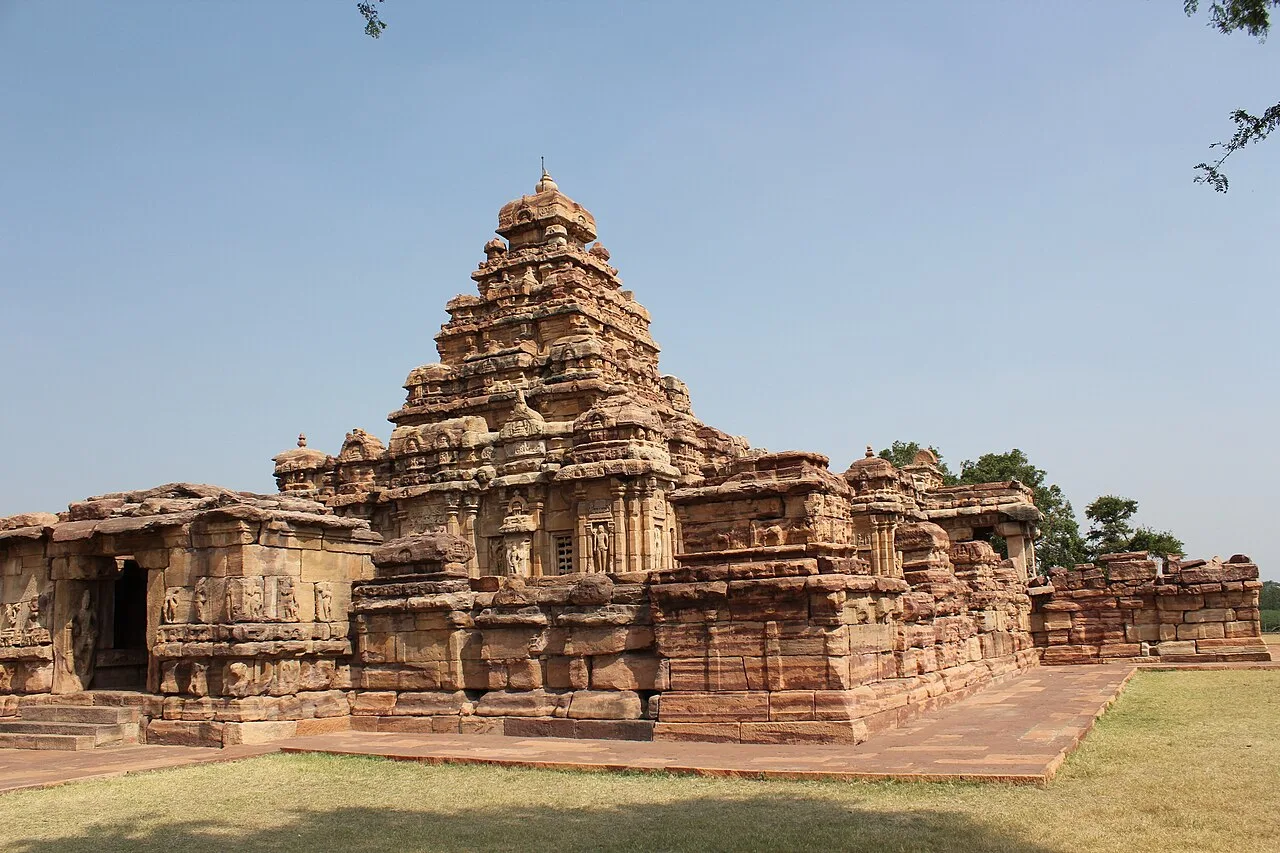
Pattadakal

11 km away · Bagalkot district

Pattadakal

Pattadakal is a UNESCO-listed temple complex in Karnataka, with Hindu and Jain monuments from the seventh and eighth centuries. Visitors come to see its distinctive mix of northern and southern architectural traditions and its carved religious narratives.

Mahakuta Temples

21 km away · Bagalkot district

Mahakuta Temples

Mahakuta Temples is a Hindu temple complex and Shaiva monastic centre in Bagalkot district, Karnataka. People visit to worship and view its early Chalukyan architecture and inscriptions.

Banashankari Temple, Badami

23 km away · Bagalkot district

Banashankari Temple, Badami

Banashankari Temple is a Hindu shrine at Cholachagudda near Badami, Karnataka. Visitors come to worship its goddess and attend the yearly jatre, which features cultural events, a boat festival and a chariot procession.

Badami cave temples

25 km away · Bagalkot district

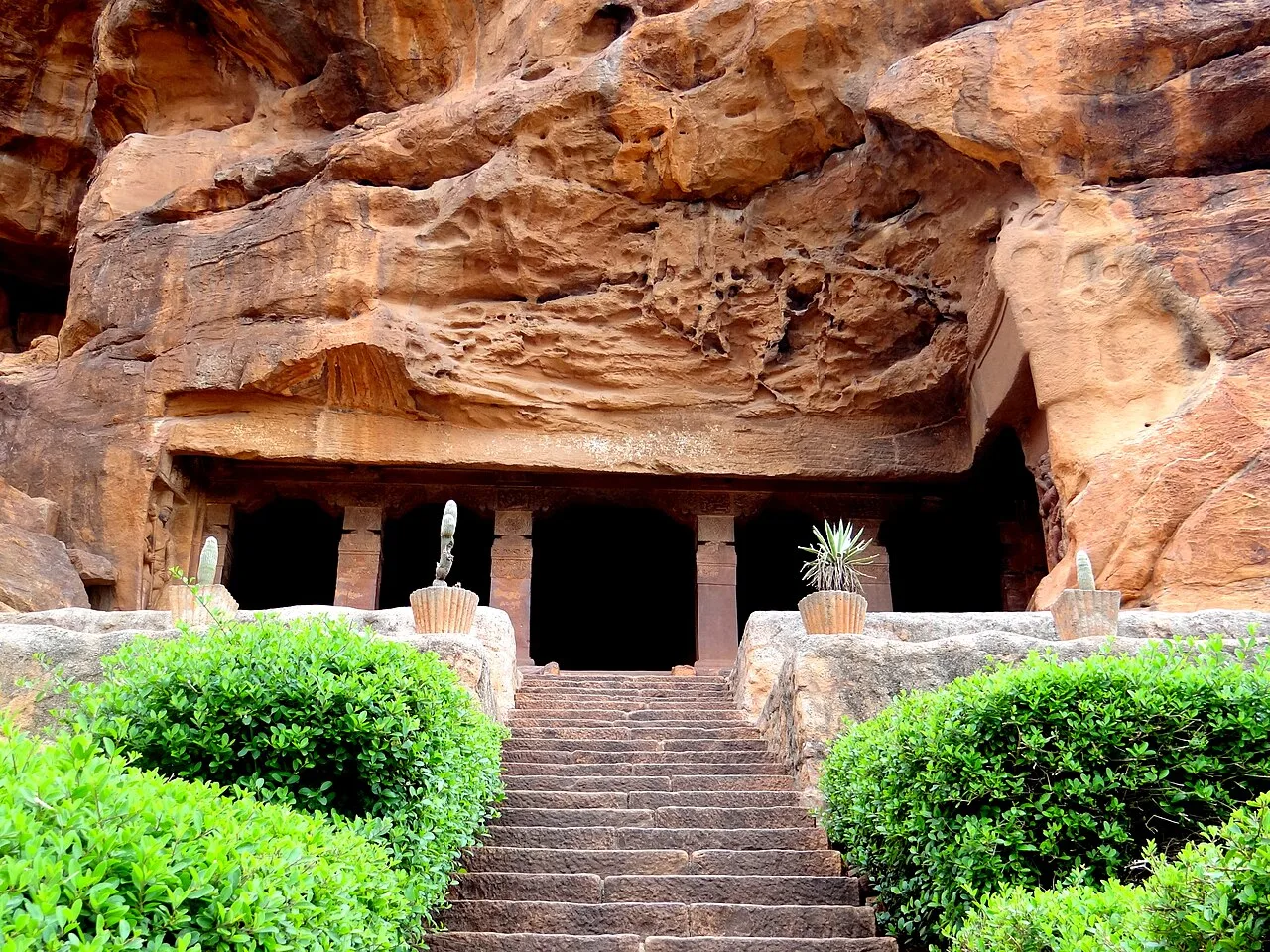
Badami cave temples

These rock-cut shrines in Badami, Karnataka, reflect Buddhist, Hindu and Jain traditions and early Chalukya-era art. Visitors come to see the sandstone architecture and carved religious figures.

Itagi Mahadeva Temple

51 km away · Koppal district

Itagi Mahadeva Temple

Itagi Mahadeva Temple is a place of worship in Itagi, within Yelburga Taluk in Karnataka’s Koppal district. Visitors come to see the temple and its setting.

Kinhal Lacquer-Craft Village

60 km away · Koppal district

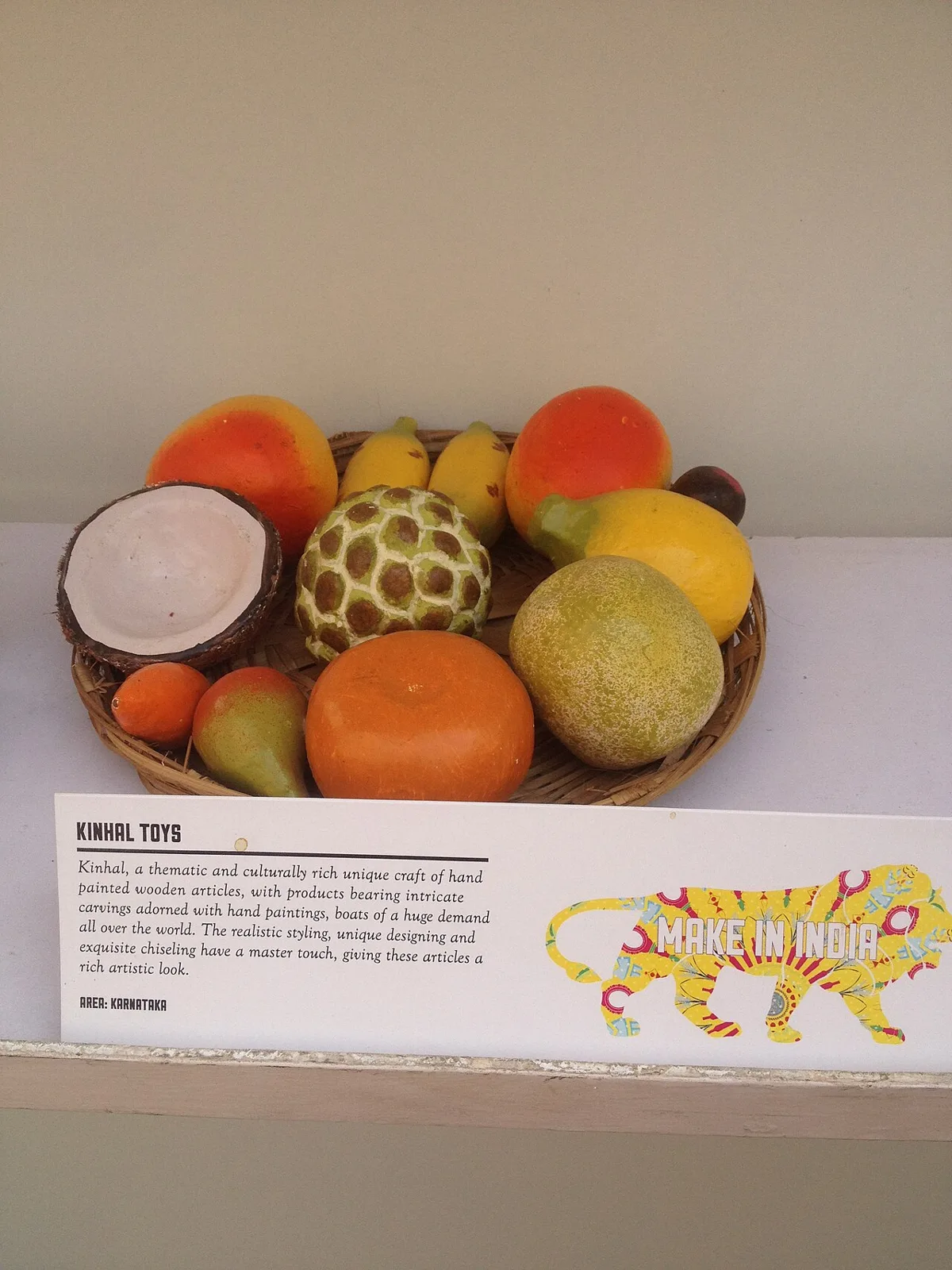
Kinhal Lacquer-Craft Village

Kinhal Lacquer-Craft Village, also called Kinnal, is a settlement in Karnataka’s Koppal district. Visitors are drawn by its connection with Kinnal craft, which has geographical indication recognition.

Lakkundi

65 km away · Gadag district

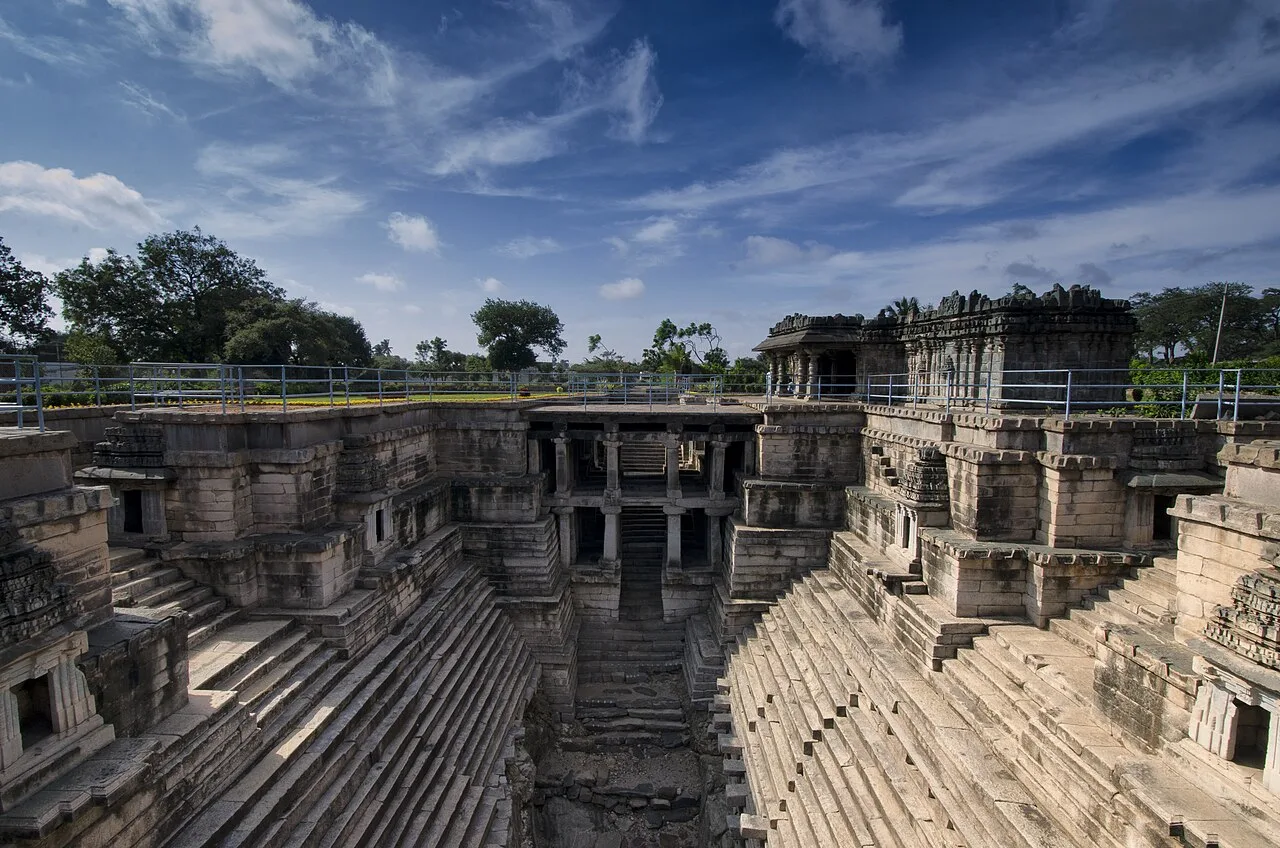
Lakkundi

Lakkundi is a historic village in Karnataka’s Gadag district, visited for its Hindu and Jain temple remains, water structures and examples of Kalyana Chalukya architecture.

Map

Gudur on the map

  1. 1Aihole
  2. 2Pattadakal
  3. 3Mahakuta Temples
  4. 4Banashankari Temple, Badami
  5. 5Badami cave temples
  6. 6Itagi Mahadeva Temple
  7. 7Kinhal Lacquer-Craft Village
  8. 8Lakkundi

Karnataka

Other cities to explore