Ghumoopedia — Explore, Discover, Experience
Sign in
Banavasi, near Sirsi

City guide · Karnataka

Sirsi

Sirsi is an important service and market town in Uttara Kannada district, set among the forested hills and rain-fed valleys of the central Western Ghats. It is the headquarters of Sirsi taluk and subdivision, as well as an educational district serving several surrounding taluks.

Famous for

  • Sirsi Supari
  • Marikamba Temple
  • Areca nut markets
  • Western Ghats forests
  • Sahasralinga
  • Spice cultivation

Why Sirsi matters

Sirsi is an important service and market town in Uttara Kannada district, set among the forested hills and rain-fed valleys of the central Western Ghats. It is the headquarters of Sirsi taluk and subdivision, as well as an educational district serving several surrounding taluks. Farmers and traders from the hinterland come here for supplies and to sell areca nut and spices, making the town a key link between rural communities and regional markets.

Visitors come for the Marikamba Temple, the town’s best-known place of worship, and for excursions to nearby forest, river and waterfall landscapes. Sahasralinga, where carved lingas line a riverbed, is a popular outing from town. Sirsi is also known for its distinctive GI-tagged Sirsi Supari and for crops such as pepper, cardamom and vanilla. Its location in a high-rainfall part of the Western Ghats gives it a green, wooded setting and makes it a useful base for exploring the region’s cultural and natural attractions.
Famous for: crafts, trade & products

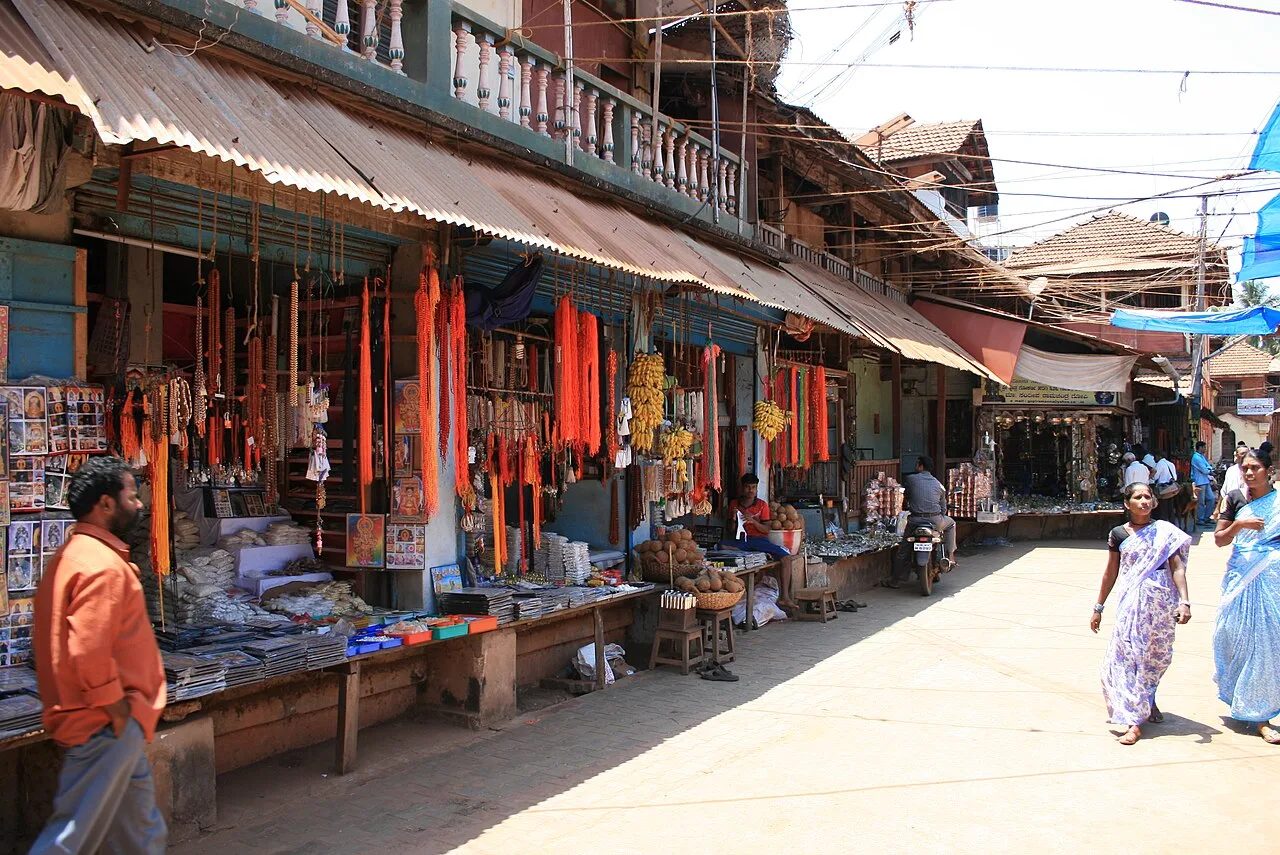
Sirsi’s best-known regional product is Sirsi Supari, an areca nut variety grown in the Sirsi subdivision and recognised with a Geographical Indication tag. Areca is a major cash crop in the surrounding villages, and the town’s trading yards and central market reflect its role in collecting and distributing produce. Visitors can look for areca nut and locally grown spices at market shops, though availability and selection vary by season.

Pepper, cardamom, betel leaves and vanilla are also cultivated in the wider area, alongside rice for local consumption. Sirsi is one of the two markets used by the Spices Board of India as a primary reference point for black pepper prices. The town is not especially known for a signature textile or handicraft tradition; its identity is more closely tied to agriculture and trade. For a closer look at the region’s natural heritage, the NCBS field research station is at Janmane, a forested site southwest of town, though it is a research facility rather than a general visitor attraction.

History

The name Sirsi is thought to have evolved from Sirise, referring to siris trees once common in the area. An inscription on a hero-stone at Tamadi Kallala, in present-day Siddapur taluk, records the name Sirise in 1150. During the rule of the Sonda rulers, the town was also known as Kalyana Pattana, reflecting its place in a regional kingdom whose influence extended across parts of the Western Ghats and coast.

In the colonial period, the wider North Canara region came under British administration. Sirsi developed as a local centre serving nearby settlements and agricultural communities, with trade in areca nut and forest-region produce shaping its economy. After independence and the reorganisation of states, the town became part of Karnataka. Its modern role has grown through administration, education and commerce: today it anchors a subdivision and educational district, while remaining closely connected to the surrounding villages and their farms.

Food, festivals & culture

Everyday food in Sirsi draws on the rice, coconut and seasonal produce of Uttara Kannada. Meals may include rice with vegetable or lentil preparations, while dishes such as akki rotti, patrode and kadubu are familiar across the region. Jackfruit and other monsoon-season ingredients feature in home cooking. The town is not especially known for one defining sweet; local shops and households offer a range of Karnataka-style snacks and festive foods.

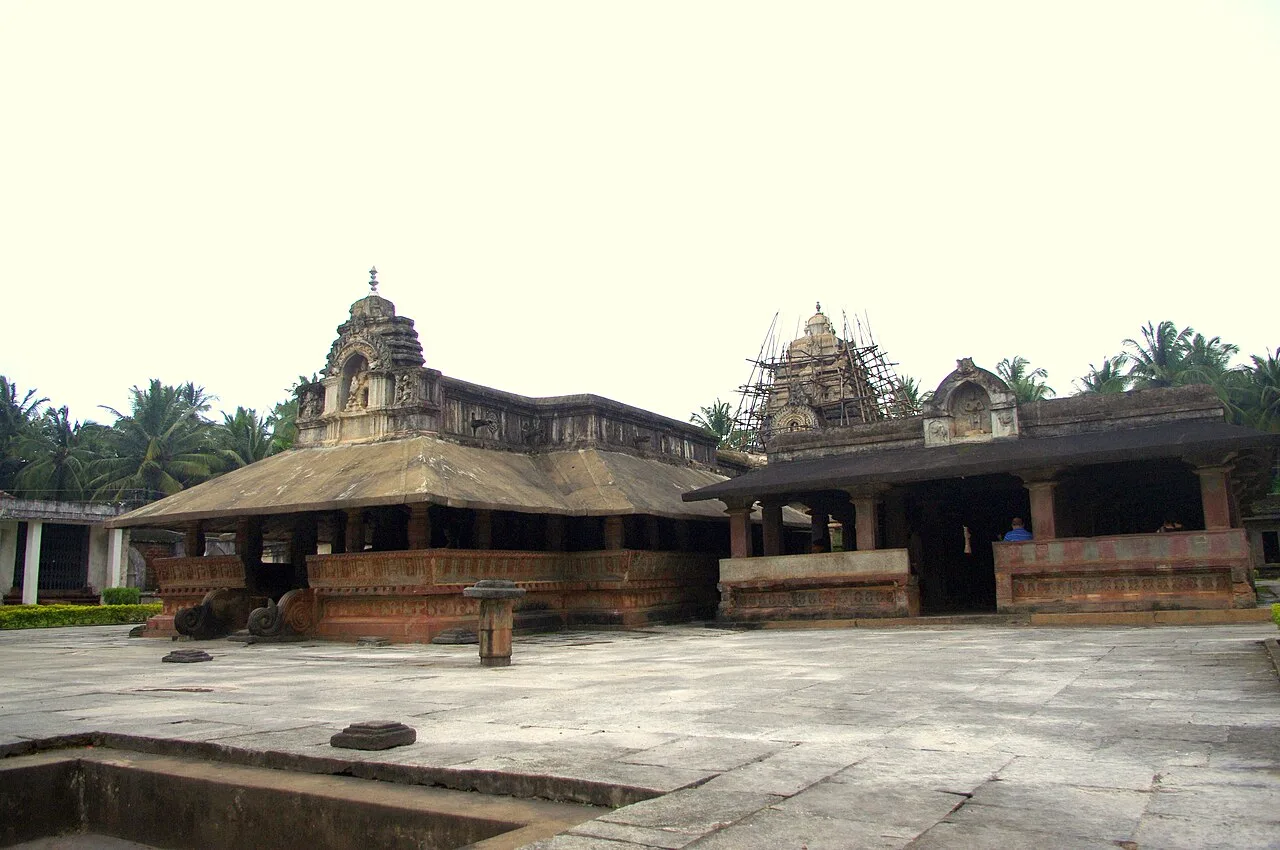
Kannada is the main language, with Konkani, Marathi and other languages also heard in the wider region. Hindu festivals such as Ugadi, Ganesh Chaturthi and Deepavali are observed, while the Marikamba Temple’s major fair, held every two years in late winter or early spring, draws devotees from beyond the town. Temple rituals, devotional singing and Yakshagana performances are part of the broader cultural life of Uttara Kannada. The Marikamba Temple is the central place of worship in town; the Madhukeshwara Temple in nearby Banavasi is another important religious and heritage destination.

Visiting the city

October to February is generally a comfortable time to visit, after the heaviest southwest monsoon rains and before the hottest part of the year. June to September brings intense rainfall and lush scenery, but wet roads can make excursions slower. Hubballi Airport is the nearest major airport; Kumta railway station is a useful railhead for reaching Sirsi, with the onward journey by road. Buses and taxis connect Sirsi with nearby towns and attractions, while local autorickshaws are practical for getting around town.

Begin around the Marikamba Temple and the central market, where the town’s religious and trading life meet. The bus-stand area is a convenient base for services and local transport. Sahasralinga and forested sites beyond town make worthwhile outings; allow extra time for monsoon journeys and check local road conditions before setting out.

Trips from the city

Nearest places to visit from Sirsi

Our closest destination guides, by straight-line distance.

Banavasi

22 km away · Uttara Kannada district

Banavasi

Banavasi, a village in Karnataka’s Uttara Kannada district, is known for its temples and its past as the Kadamba dynasty’s capital, making it a place of historical interest.

25 km away · Uttara Kannada district

Unchalli Falls

In Karnataka’s Uttara Kannada district, Unchalli Falls is a 116-metre cascade on the Aghanashini, visited for its dramatic descent and the rare chance of seeing a moonbow.

Yana Rocks

29 km away · Uttara Kannada district

Yana Rocks

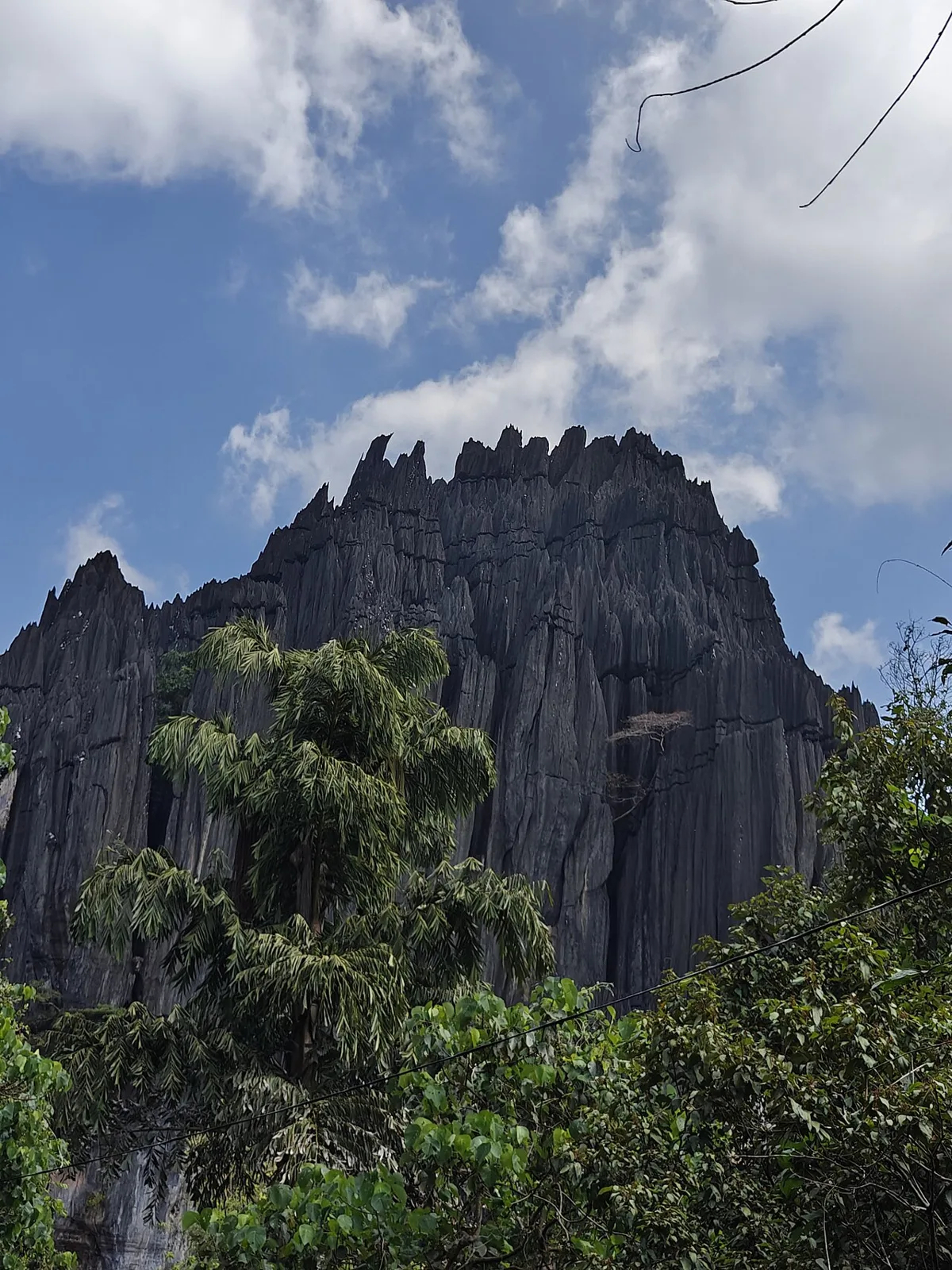
Yana, in Karnataka’s Uttara Kannada district, is a village with a karst landscape and two notable rock formations. Visitors come to see Bhairaveshwara Shikhara and Mohini Shikhara, and the temple dedicated to Shiva.

Jog Falls

44 km away · Shivamogga district

Jog Falls

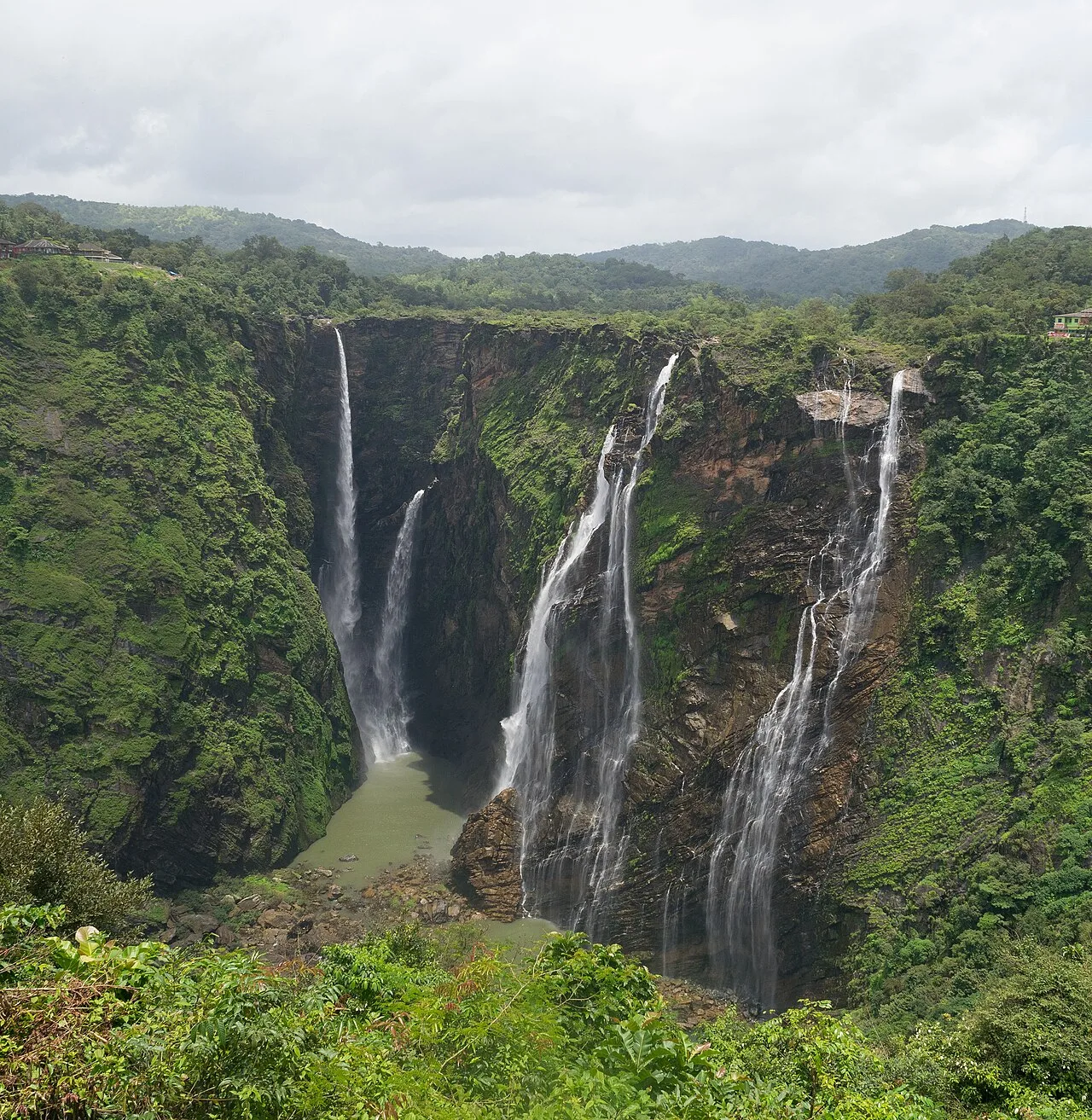
On Karnataka’s Sharavati River, Jog Falls is a four-part waterfall whose high descent and seasonal changes attract visitors to its viewing areas.

Mirjan Fort

47 km away · Uttara Kannada district

Mirjan Fort

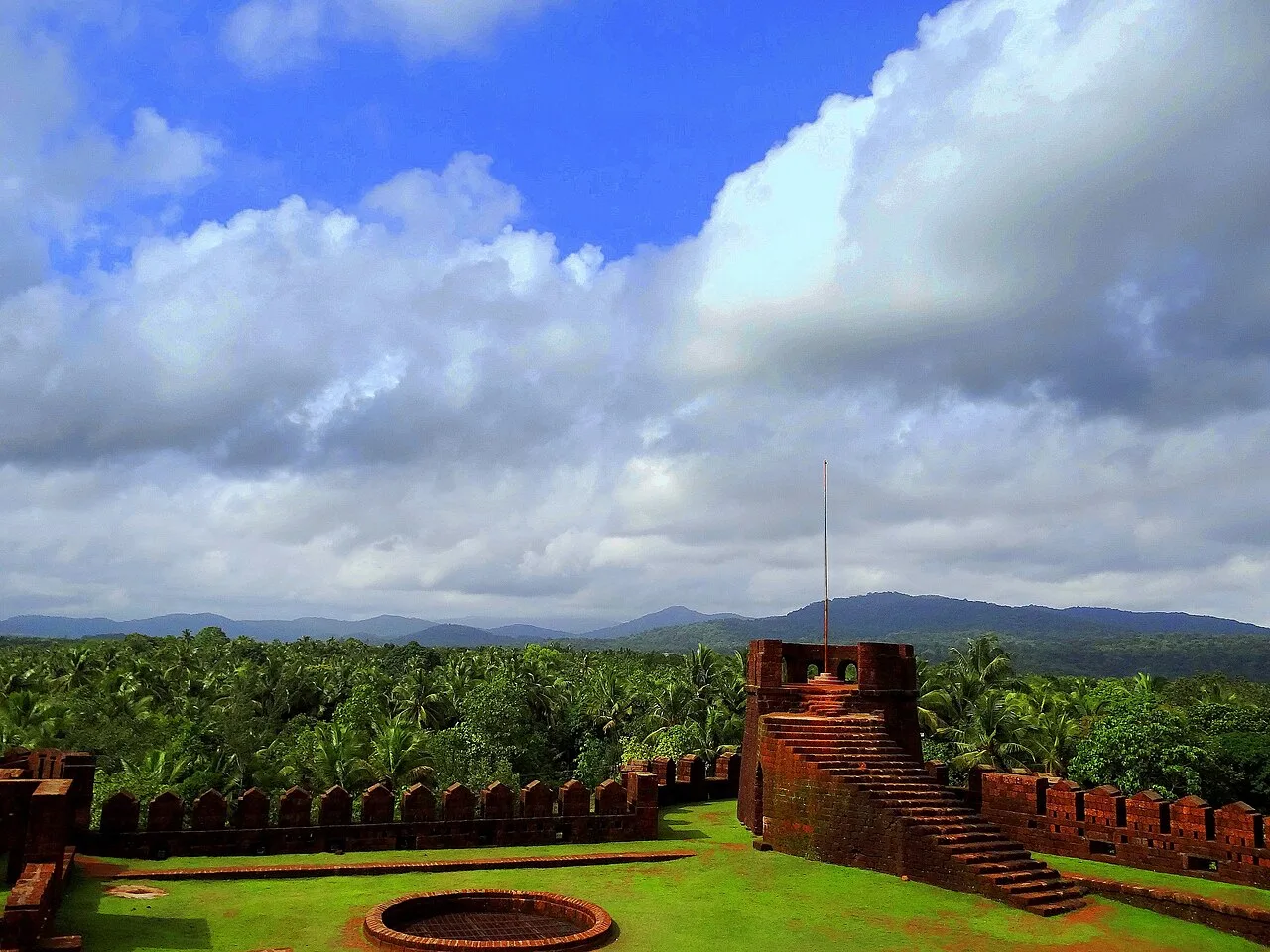
Mirjan Fort is a historic coastal stronghold in Karnataka’s Uttara Kannada district, known for its architecture, past conflicts and association with Rani Chennabhairadevi and the pepper trade.

Gokarna Town and Beaches

56 km away · Uttara Kannada district

Gokarna Town and Beaches

Gokarna is a historic temple town and beach destination in Karnataka’s Uttara Kannada district. Visitors come for its Hindu temples, literary and epic associations, and opportunities to walk or trek along the coast.

Mahabaleshwar Temple

57 km away · Uttara Kannada district

Mahabaleshwar Temple

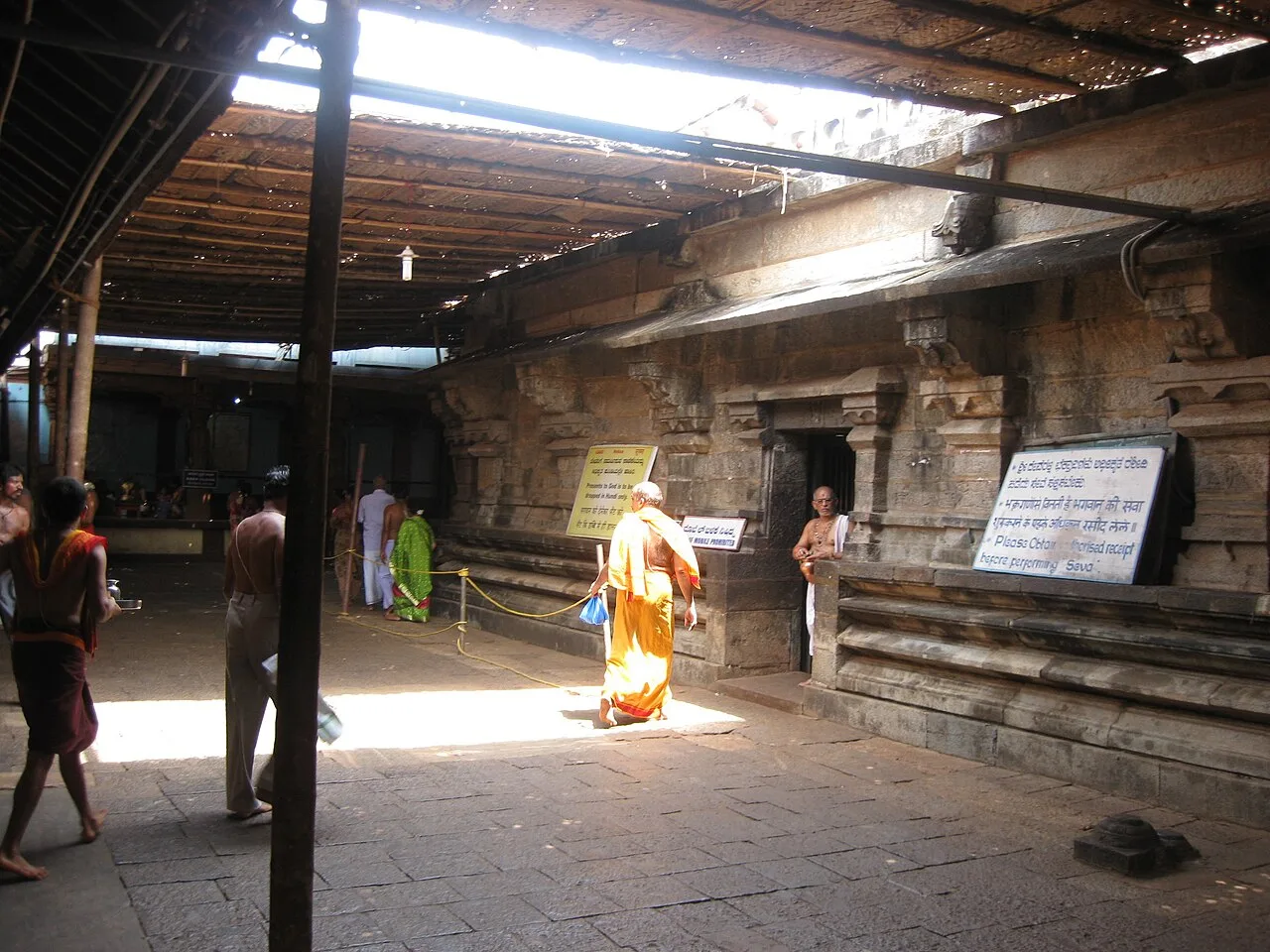
Mahabaleshwar Temple is a fourth-century CE Hindu shrine in Gokarna, Karnataka. Visitors come to worship at its Shiva lingam and see its Dravidian-style architecture.

Siddhesvara Temple, Haveri

65 km away · Haveri district

Siddhesvara Temple, Haveri

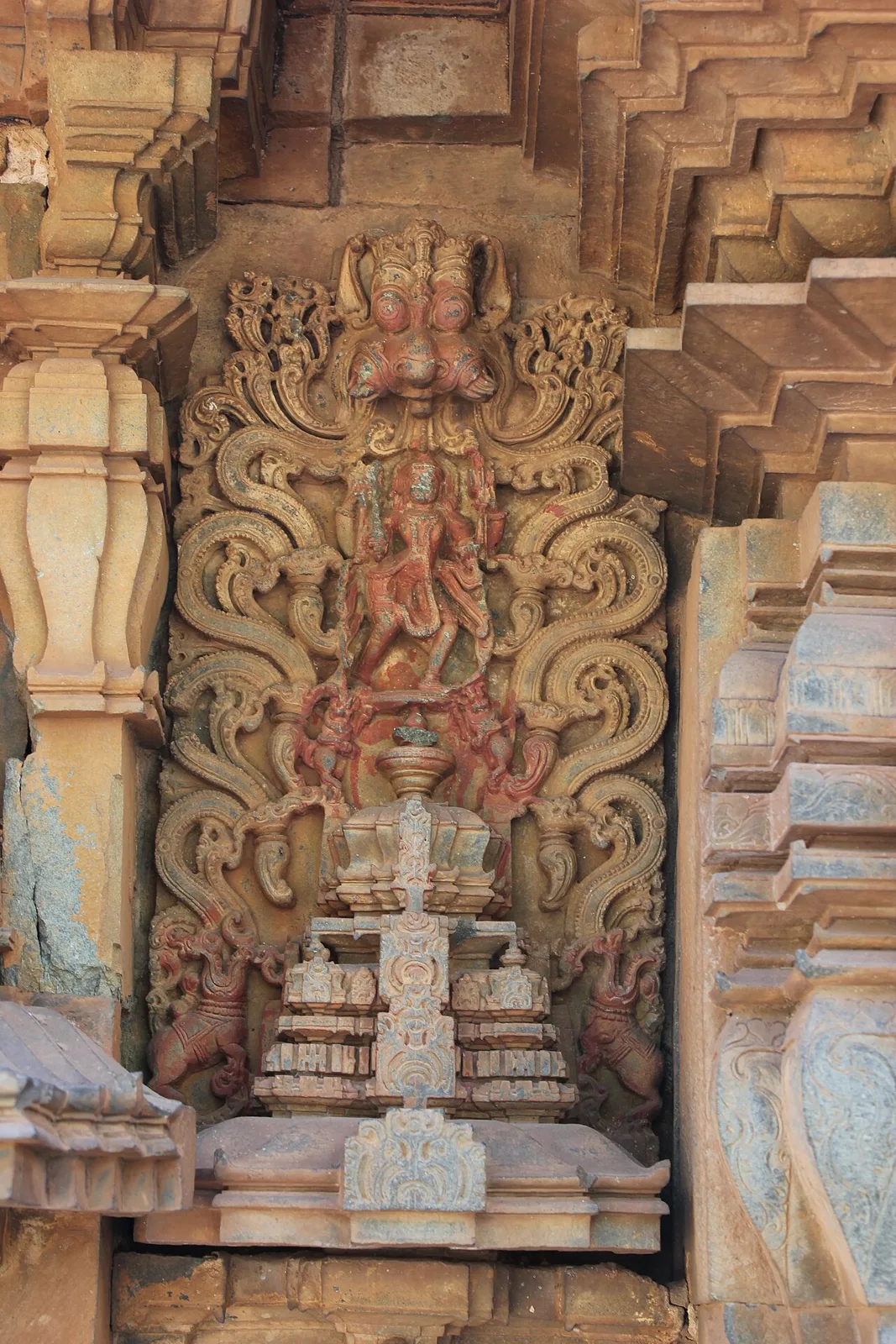
Siddhesvara Temple in Haveri, Karnataka, is visited for worship and valued for its Western Chalukyan design and sculptures of Hindu deities.

Map

Sirsi on the map

  1. 1Banavasi
  2. 2Unchalli Falls
  3. 3Yana Rocks
  4. 4Jog Falls
  5. 5Mirjan Fort
  6. 6Gokarna Town and Beaches
  7. 7Mahabaleshwar Temple
  8. 8Siddhesvara Temple, Haveri

Karnataka

Other cities to explore