Ghumoopedia — Explore, Discover, Experience
Sign in
Bhoganandishwara Temple, near Chintamani

City guide · Karnataka

Chintamani

Chintamani is a taluk headquarters in Chikkaballapur district, in Karnataka’s southeastern interior. Its importance comes from its role as a service and trading centre for surrounding farming communities, with busy markets linking local producers to buyers across the region.

Famous for

  • Tomato market
  • Silk production
  • Chakli and nippattu
  • Hari Hareshwara Temple
  • Agricultural trade

Why Chintamani matters

Chintamani is a taluk headquarters in Chikkaballapur district, in Karnataka’s southeastern interior. Its importance comes from its role as a service and trading centre for surrounding farming communities, with busy markets linking local producers to buyers across the region. Tomatoes are especially prominent, while silk, onions, groundnuts and other crops also shape the local economy. The town’s market activity and agricultural supply networks are a central part of everyday life.

Visitors come to explore its temples, old-town streets and nearby hill country, including the historic religious centre of Kaiwara. In town, the Hari Hareshwara Temple and the Vasavi Kanyakaparameshwari Temple offer glimpses of local worship and architectural traditions. Chintamani is also known for snacks such as chakli and nippattu, as well as nannari drink. Its location near the Andhra Pradesh border gives the area a mix of regional influences, while Kannada remains the principal language. Chintamani is less a conventional sightseeing destination than a lively market town with a strong agricultural identity and accessible cultural stops.


Famous for: crafts, trade & products

Chintamani’s best-known trade is agricultural produce, particularly tomatoes. The town’s produce market serves growers and traders from nearby villages, with seasonal arrivals also including onions, groundnuts, mangoes and bananas. For a sense of the town’s commercial rhythm, explore the market area and bazaar streets; availability and activity vary with the harvest. Local shops sell snacks such as chakli and nippattu, and visitors may find nannari drink at eateries and refreshment shops.

Silk production is another part of Chintamani’s identity, alongside dairy farming and agarbatti manufacture. The town is not especially associated with one named saree style or a widely recognised GI-tagged product; its reputation rests more on production and trade than on a single signature craft. Silk goods and locally made products are best sought through town retailers and traders, while the wholesale produce market is the place to see the agricultural economy at work. These industries support livelihoods across the town and its hinterland, making commerce a defining feature of Chintamani.

History

Chintamani and its surrounding region have been governed by a succession of South Indian powers, including the Gangas, Cholas and Vijayanagara rulers, as well as the Mysore Wodeyars, local Palegaras and Tipu Sultan. A Chola-era inscriptional presence is associated with the wider area. Later, the locality came under British rule; records used the name “Chintomnipett,” possibly reflecting a local form of Chintamani Pete. A Maratha chieftain named Chintamani Rao is traditionally linked to the town’s name, although details of his rule are limited.

Many temples now in use were built or renovated in later centuries. The Hari Hareshwara Temple at Azad Chowk is associated with 19th-century construction and subsequent restoration. Chintamani’s civic role grew as a centre for administration and trade, and it became a municipality in 1938. It belonged to Kolar district until the creation of Chikkaballapur district in 2007, after which it became one of that district’s taluk headquarters. Its modern growth has been closely tied to agriculture, silk and regional markets.

Food, festivals & culture

Kannada is the main language of daily life, with Telugu also heard in this border region; Urdu is used by some communities. Local food culture reflects both farming and market life. Chakli and nippattu are popular savoury snacks, groundnuts are widely associated with the area, and nannari is a familiar traditional drink. Eateries and shops around the bazaar are convenient places to sample everyday snacks and refreshments.

Hindu festivals such as Ugadi in spring, Dasara in autumn, Deepavali in autumn and early winter, and Sankranti in January are observed in the town and nearby villages, with customs varying among families and communities. Temples are important gathering places, including the Hari Hareshwara Temple, which is associated with devotional observances and pilgrimage departures, and the Vasavi Kanyakaparameshwari and Naganatheshwara temples. Religious music and regional devotional traditions are part of temple occasions; performances and celebrations are generally community-led rather than scheduled as a regular visitor programme. Nearby Kaiwara adds to the area’s religious and cultural interest.

Visiting the city

The cooler, generally drier months from October to February are comfortable for exploring; summers can be very hot, while rain may affect travel during the monsoon seasons. The nearest major airport is Kempegowda International Airport in Bengaluru. Chintamani has its own railway station, Chintamani railway station; Bengaluru is a larger rail hub for onward connections. KSRTC buses and private buses serve the town, while auto-rickshaws are useful for local trips. Having a car or arranging local transport makes it easier to visit sites beyond the centre.

Explore the old-town bazaar and market streets for produce, snacks and everyday commerce. Azad Chowk is a useful stop for the Hari Hareshwara Temple, while Ganigara Veedhi and nearby streets have other places of worship. The lakeside and hill areas around Ambajidurga, and the nearby settlement of Kaiwara, offer excursions beyond the town centre.

Trips from the city

Nearest places to visit from Chintamani

Our closest destination guides, by straight-line distance.

29 km away · Kolar district

Antaragange Caves

Antaragange, also called Anthargange, is a granite mountain in Karnataka’s Kolar district, drawing visitors to its Shiva temple, caves and opportunities for trekking and camping.

Bhoganandishwara Temple

38 km away · Chikkaballapur district

Bhoganandishwara Temple

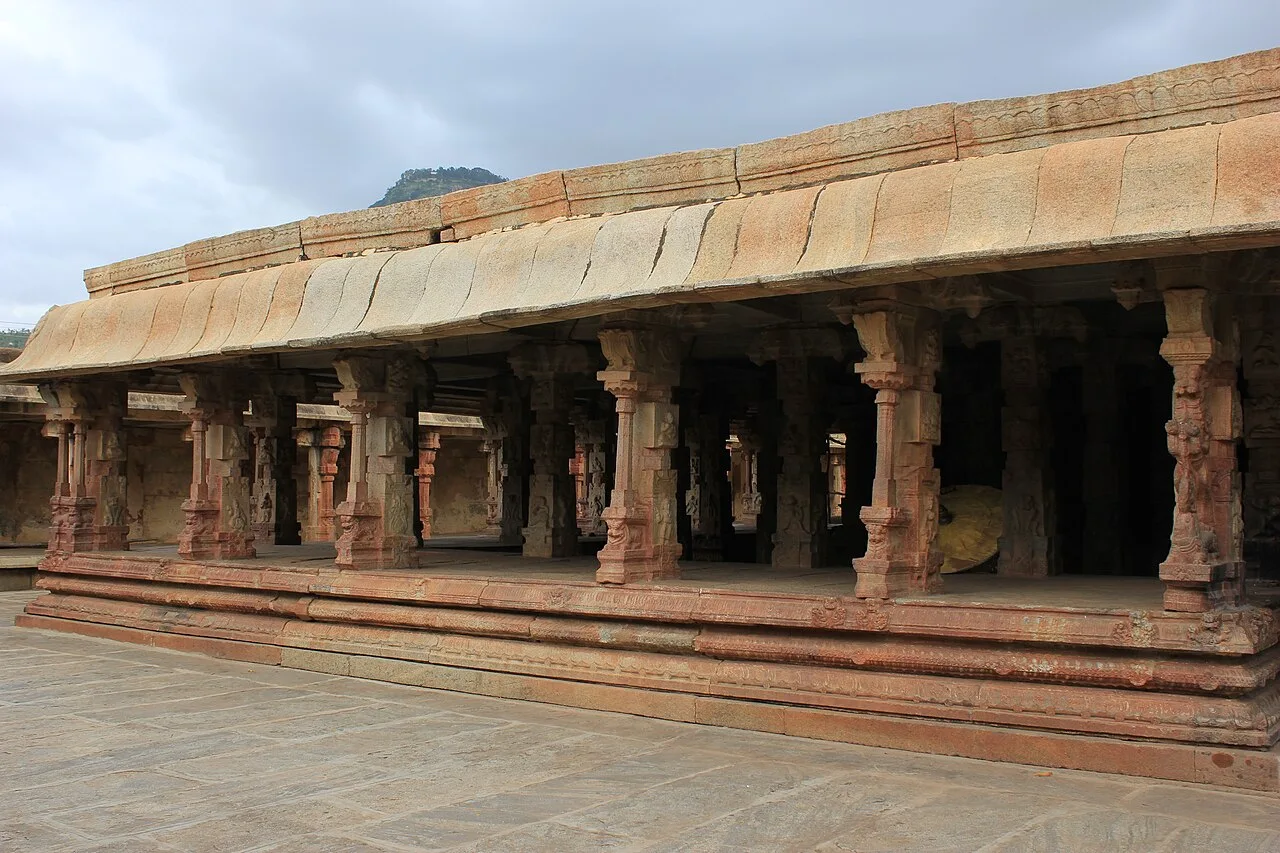
The Bhoganandiswara and Arunachaleswara temples make up a historic Shiva complex in Nandi village, visited for its Dravidian architecture, detailed carvings, inscriptions and varied religious imagery.

Nandi Hills

38 km away · Chikkaballapur district

Nandi Hills

Nandi Hills is a historic hill fort in Karnataka’s Chikkaballapur district, visited for sunrise views and its river origins; it also hosted the second SAARC summit in 1986.

Skandagiri

40 km away · Chikkaballapur district

Skandagiri

Skandagiri is a Karnataka hill fort known for its historic remains and views towards nearby landmarks. Visitors come to explore its military past and elevated setting.

Kotilingeshwara Temple

52 km away · Kolar district

Kotilingeshwara Temple

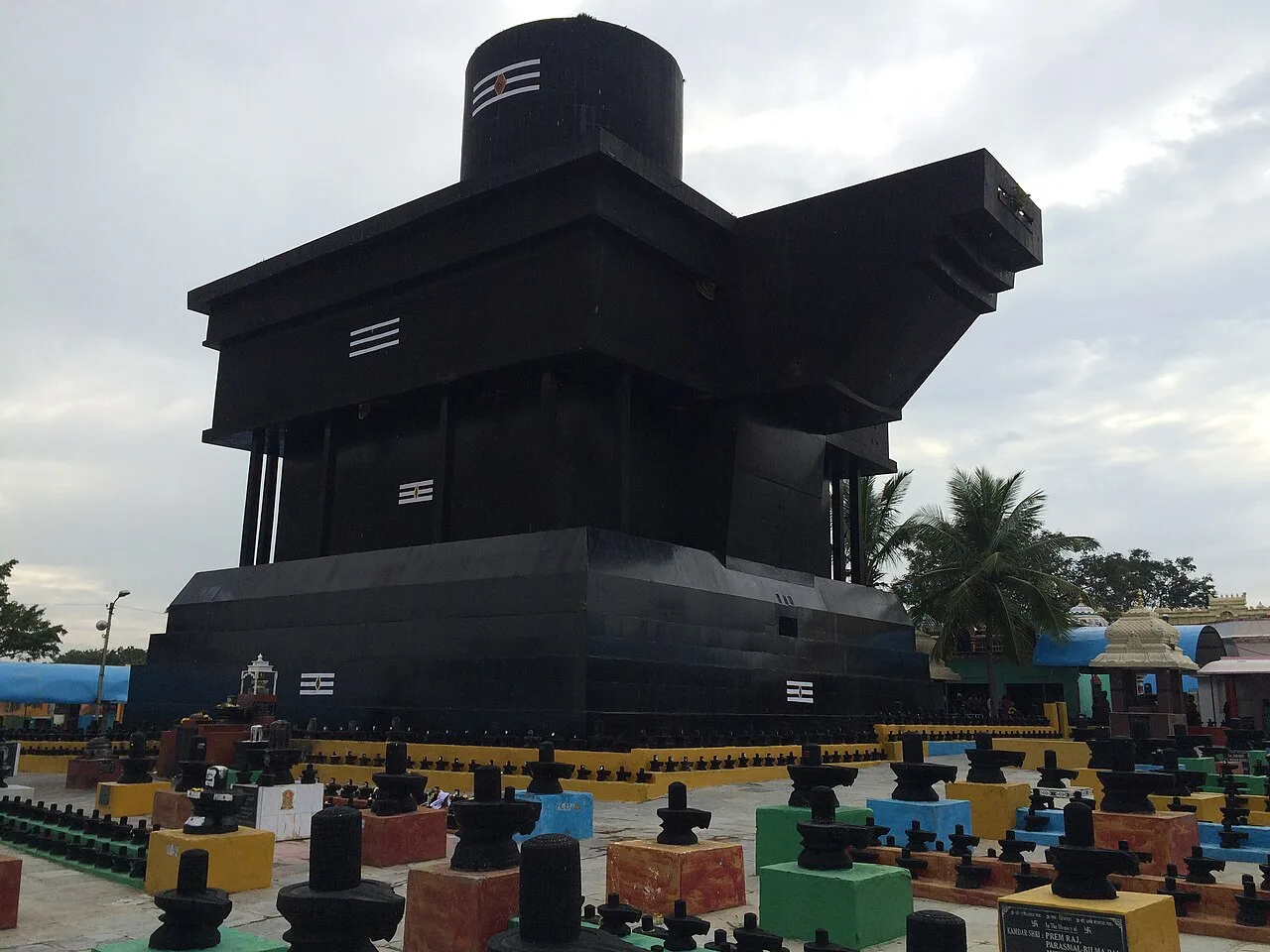
Kotilingeshwara Temple is a Hindu shrine in Kammasandra, Kolar district, Karnataka, dedicated to Shiva and visited for its Shivalingam, counted among the largest in the world.

Kolar Gold Fields

54 km away · Kolar district

Kolar Gold Fields

Kolar Gold Fields is a mining area in Karnataka’s Kolar district. Its gold-mining past, early electricity infrastructure and links to particle-physics research give visitors reasons to explore its history.

Ulsoor Lake

66 km away · Bengaluru Urban district

Ulsoor Lake

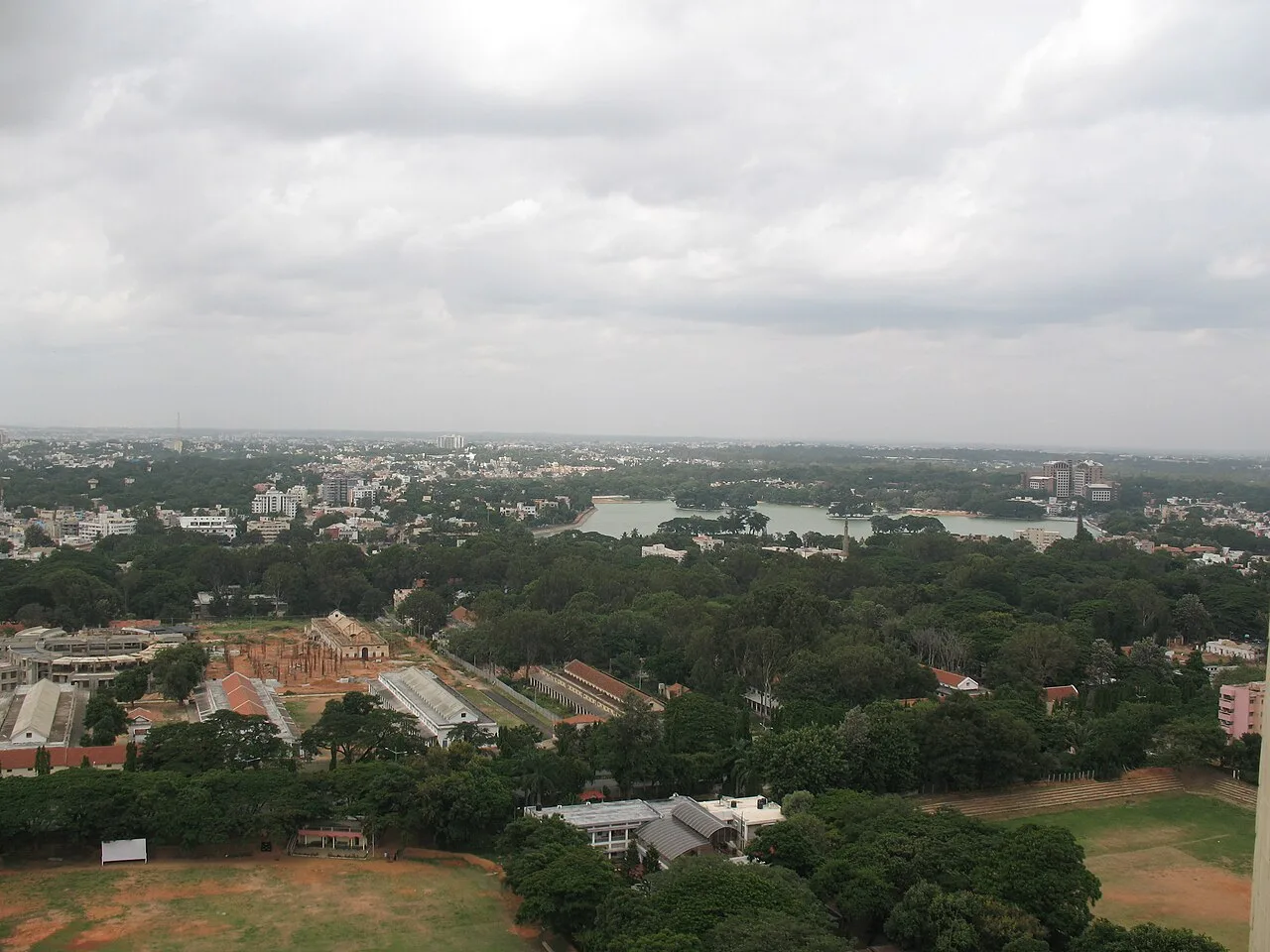
Ulsoor Lake, also called Halasuru Lake, is one of Bengaluru’s largest lakes. Visitors can see its islands and a waterbody associated with the city’s past.

Bengaluru Palace

67 km away · Bengaluru Urban district

Bengaluru Palace

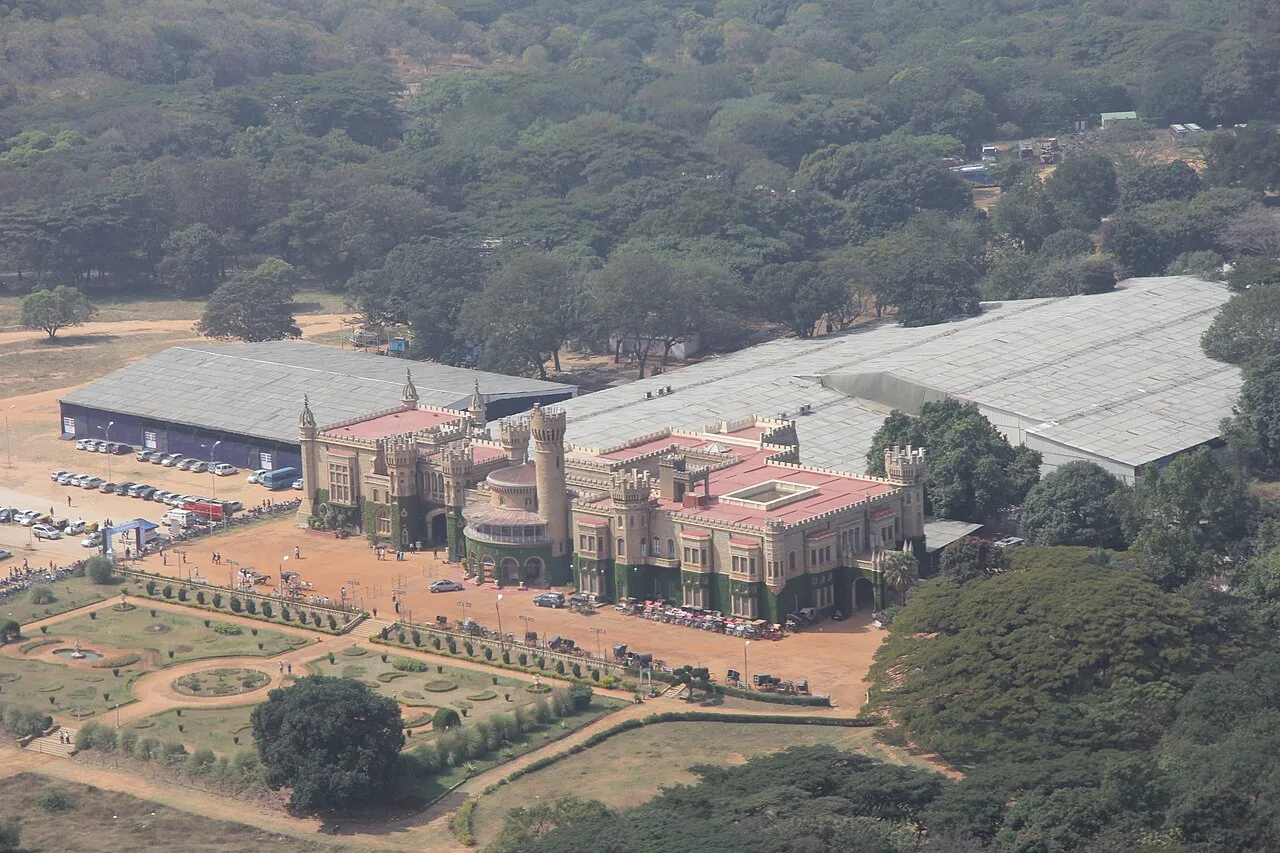
Bengaluru Palace is a nineteenth-century royal landmark in Bengaluru, Karnataka; visitors can view it and find fairs, events and an amusement park on its grounds.

Map

Chintamani on the map

  1. 1Antaragange Caves
  2. 2Bhoganandishwara Temple
  3. 3Nandi Hills
  4. 4Skandagiri
  5. 5Kotilingeshwara Temple
  6. 6Kolar Gold Fields
  7. 7Ulsoor Lake
  8. 8Bengaluru Palace

Karnataka

Other cities to explore