
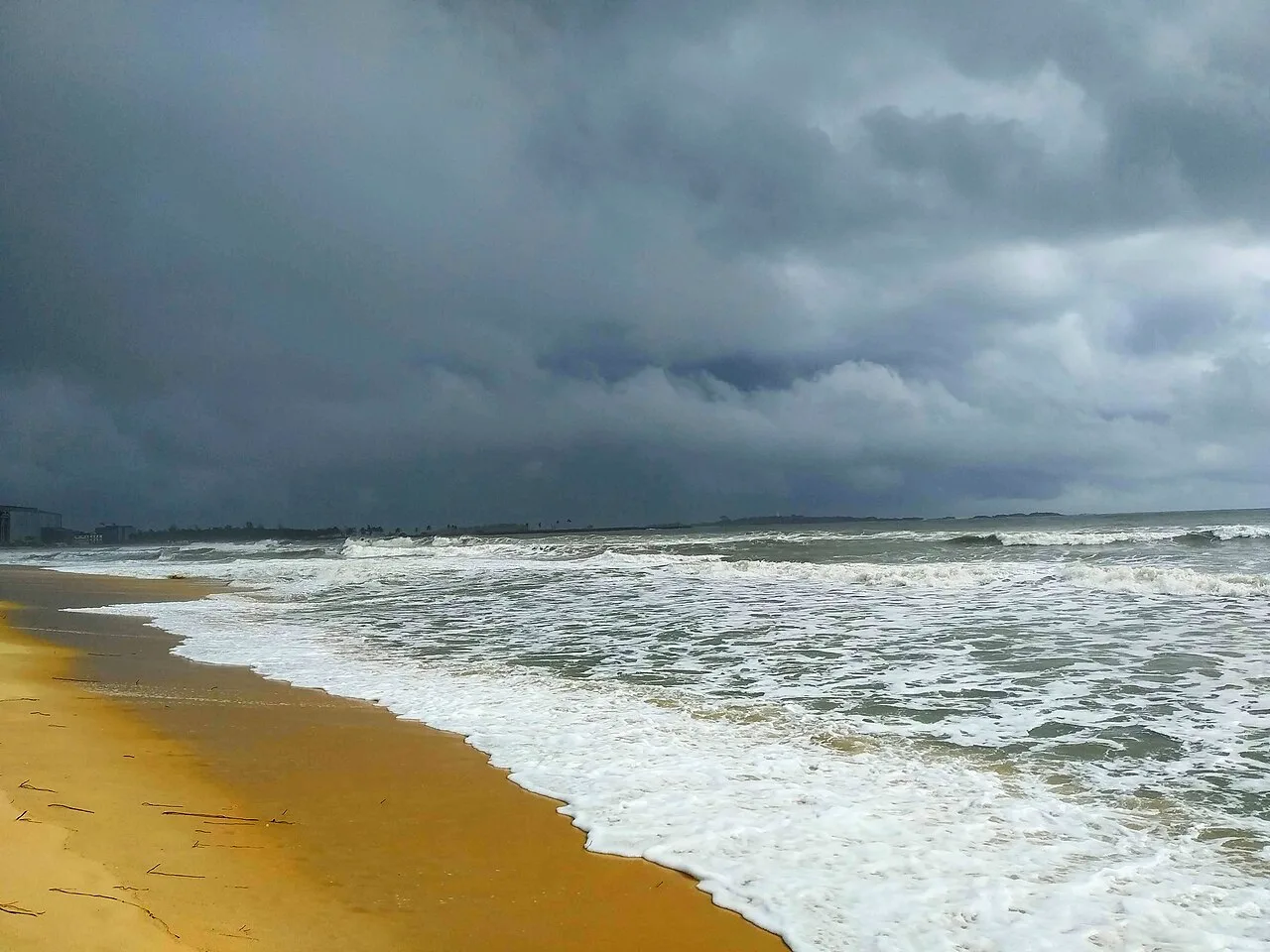
Malpe Beach
Malpe is a coastal port and natural harbour in Karnataka’s Udupi district. Visitors come to see its fishing harbour and learn about the town’s close association with fishing communities.
Key facts · verified by Ghumoopedia editors
- Type of place
- Natural attraction
- Best time to visit
- October to February; June to September for monsoon greenery in the Western Ghats
- Nearest railway station
- Udupi · about 12 km (straight line)
- Nearest airport
- Mangaluru International Airport · about 52 km (straight line)
- Verified
- 21 Nov 2026
Plan a trip from Malpe Beach — a day-by-day route through places nearby.
Malpe is a coastal settlement in Karnataka’s Udupi district, with its natural harbour at the mouth of the Malpe River. The town lies about six kilometres west of Udupi. Its position gives Malpe an important role as a port on the Karnataka coast. The harbour is also a major centre for fishing along this shoreline. Mogaveera fishing settlements are closely associated with the town. Malpe is also a hub for Mogaveera, Billava Christian and Muslim communities. Karnataka holds the boulder-strewn ruins of Hampi, the Hoysala temple jewels of Belur and Halebidu, the Chalukyan monuments of Badami, Aihole and Pattadakal, the palaces of Mysuru, the coffee hills of Coorg and Chikkamagaluru, the temple-and-beach town of Gokarna and the tiger forests of Bandipur and Nagarhole. Bengaluru and the plateau are mild most of the year; the coast is hot and humid; the Malnad hills (Coorg, Chikkamagaluru, Agumbe) get very heavy monsoon rain from June to September. October to February is pleasant almost everywhere. The usual best time to visit is October to February; June to September for monsoon greenery in the Western Ghats. Timings, fees and access arrangements must be confirmed locally. For official information, see Karnataka Tourism at https://karnatakatourism.org.
Why it matters
Malpe is a natural port at the mouth of the Malpe River, about six kilometres west of Udupi, and is an important fishing harbour on Karnataka’s coast. Its working waterfront and beach make it both a livelihood centre and a visitor destination in Udupi district. The town is closely associated with the Mogaveera fishing community and is also home to Billava Christians and Muslim residents. Visitors may combine the beach with Udupi’s temples, nearby coastal settlements and boat trips to St Mary’s Islands when services operate. Malpe is not identified here as a UNESCO World Heritage Site or an ASI-protected monument; its importance is primarily coastal, economic and local.
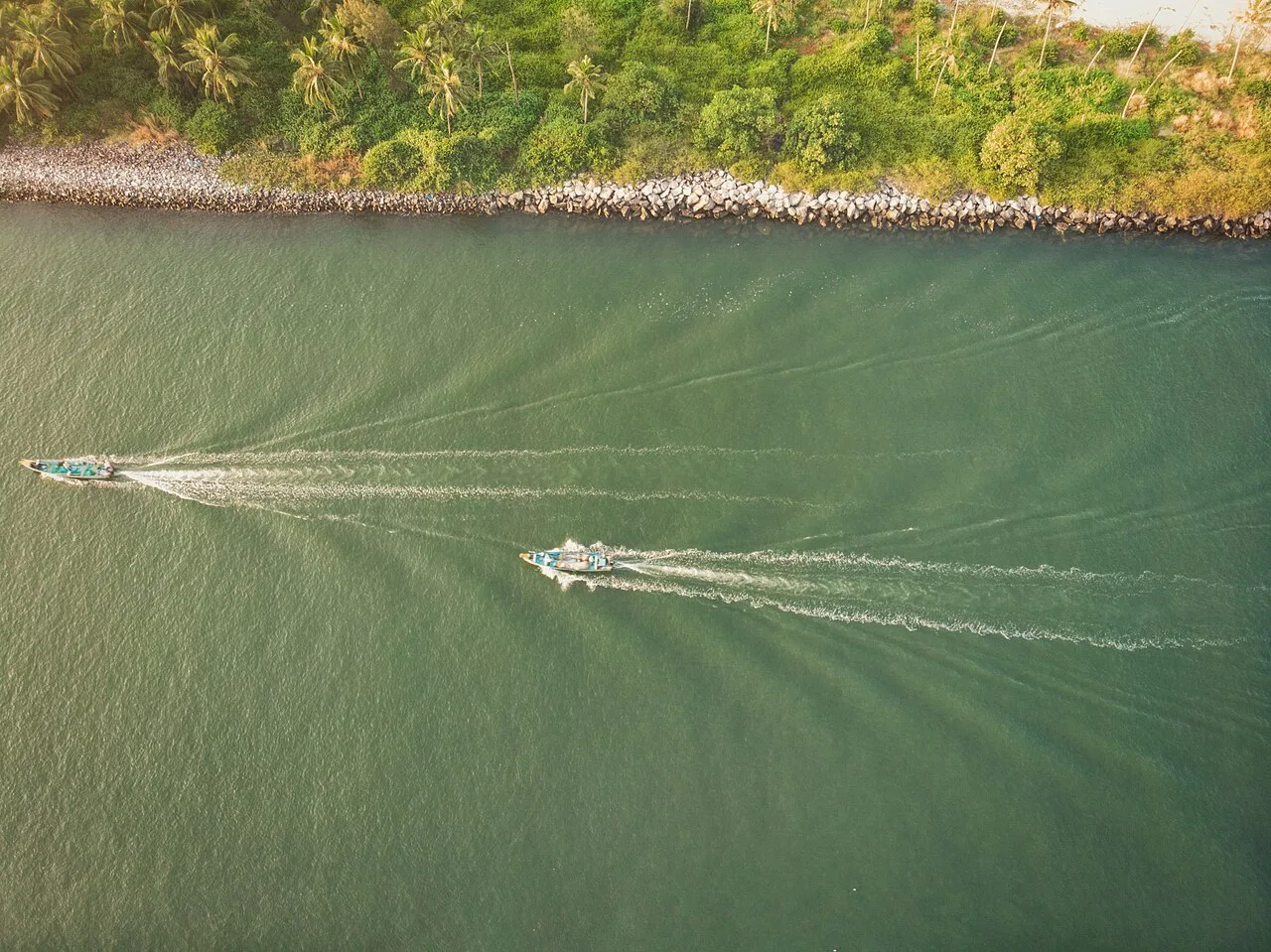
Malpe’s setting at the mouth of the Malpe River gave it the qualities of a natural harbour, and its development has been closely tied to fishing and maritime trade. The available account identifies it as an important port and a major fishing harbour on the Karnataka coast, but does not establish a precise founding date or name a single builder. The settlement grew around the work of coastal communities, especially Mogaveera fishers, whose knowledge of the sea and fishing practices remain central to local life. Over time, Malpe has served both as a working harbour and as a coastal town connected to Udupi. Fishing boats, landing and selling catches, and associated services continue to shape its waterfront. The beach and nearby islands have also become part of the area’s visitor economy. This brings additional activity, including leisure trips and boat excursions, alongside the port’s everyday functions. The town’s story is therefore one of gradual change rather than a single documented construction or restoration project. Visitors should remember that the harbour remains a place of work: fishing operations and local access needs take precedence over sightseeing.
Origin stories & folklore
Local religious tradition connects the nearby Vadabhandeshwara shrine with Balarama, the elder brother of Krishna. Accounts associated with the shrine describe Balarama as having established or consecrated the image there; versions of the story may differ, and this should be understood as belief rather than documented history. The tradition adds a devotional dimension to visits around Malpe and Udupi, where stories connected with Krishna and Balarama are part of the wider religious landscape. St Mary’s Islands, offshore from Malpe, are also sometimes linked in popular retellings with early European voyages. Such accounts should not be treated as proof of a particular event without reliable historical evidence. Visitors can appreciate these stories respectfully while distinguishing local faith and folklore from confirmed historical records.
Enjoy Malpe Beach early in the morning or at sunset, when the sand is cooler and the light is best. Swim only where lifeguards are posted — the Bay of Bengal and the Arabian Sea both have strong rip currents, and several famous city beaches (such as Marina) are unsafe for swimming. Agree boat, taxi and water-sports prices before you start, and never leave valuables unattended on the sand. A comfortable itinerary is one main visit in the morning, a local meal at midday and a short nearby stop before an afternoon return. Use the district list on this site to find other places in Udupi, but check the route and its condition before combining stops. If a festival is on — such as Mysuru Dasara, the Hampi Utsav, the Kambala buffalo races on the coast or the Karaga in Bengaluru — roads and stays can be busy, and the experience can be unforgettable. Leave no litter: many sites are protected by the communities around them.
Suggested itineraries
Half day: Early beach walk (1–2 hours) → observe the harbour from public areas (30–45 minutes) → local meal (about 1 hour). Full day: Morning at Malpe Beach (1–2 hours) → boat trip to St Mary’s Islands if operating and conditions permit (allow several hours) → lunch and rest → short visit to Vadabhandeshwara or return to Udupi. Gentler option: Choose a nearby drop-off, spend a short time on a firm accessible stretch or at a suitable viewpoint, then rest at a nearby café; check the surface and access conditions before setting out.
Malpe’s culture reflects its coastal setting and working harbour. Fishing, preparing and selling seafood, and knowledge of local sea conditions remain visible parts of daily life. Kannada and Tulu are widely used in the region; other languages may also be heard among residents and visitors. Coastal food traditions include fish and rice dishes, with preparations varying between households and communities. Religious and social life includes Hindu, Christian and Muslim observances, and Udupi’s wider temple culture influences the district’s calendar. Folk performance and community celebrations are part of coastal Karnataka, though events are not necessarily staged at the beach itself. Visitors should dress practically for sun and sea spray, and ask before photographing people at work or during worship.
Local communities
The Malpe settlement is strongly associated with the Mogaveera community, whose livelihoods have traditionally included fishing and related maritime work. Fishing remains an important activity, supported by harbour services, fish handling and trade. The town also has Billava Christian and Muslim residents, contributing to its varied social and religious life. As in other coastal towns, people work in commerce, transport, food services and tourism as well as fishing. These communities are not attractions; visitors should treat the harbour as a workplace, keep clear of active operations, and ask permission before photographing individuals, boats or private activity.
Festivals & events
Udupi’s major religious celebrations, including Krishna Janmashtami, usually fall in the monsoon season, while the Paryaya ceremony at Udupi Sri Krishna Matha is held every two years, commonly in January. These events can draw large crowds to Udupi and affect traffic and accommodation across the district. Coastal Karnataka’s Kambala season generally takes place during the cooler months, with dates and venues varying by year; check locally to find an event accessible from Malpe. Religious observances in local Hindu, Christian and Muslim communities are held through the year, but not all are public festivals. Expect busy roads and services around large events, and follow local guidance.
Local food in Karnataka includes bisi bele bath, Mysore masala dosa, ragi mudde with sambar, Coorg's pandi (pork) curry, Mangalorean fish curry with neer dosa, Davangere benne dosa, Dharwad pedha and filter coffee everywhere. Ask what is fresh that day; many small eateries cook a limited daily menu. Vegetarian travellers eat very well across the state; the coast is the place for seafood, and Coorg has its own distinctive cuisine. Don't miss a tiffin breakfast of idli, vada and filter coffee. Remote sites may have no restaurant at all. Carry water and snacks, eat a proper breakfast before long drives, and ask your accommodation for a packed lunch if you are heading out early. Try a home-cooked or local thali meal when you can — it is often the best food on the route. Choose busy, clean places, drink sealed or filtered water, and carry your packaging back with you.
Shopping & local experiences
Look for fresh or prepared seafood at local eateries and markets, with availability depending on the catch and season. Udupi town offers a broader choice of groceries, snacks and everyday goods than the immediate beachfront. Small stalls near visitor areas may sell refreshments, beach items or simple souvenirs, but selection can vary. Rather than buying shells or other natural material collected from the shore, choose locally made goods where available. Ask vendors about ingredients and preparation if you have dietary needs, and carry reusable bags to reduce plastic waste.
Malpe faces the Arabian Sea, with a sandy shoreline, river-mouth setting and a nearby working harbour. The beach’s appearance changes with tides, weather and seasonal conditions. The open coast can have strong currents and changing surf, so swimming is safest only where lifeguards indicate it is permitted. The surrounding coastal landscape includes palms and other tropical vegetation, while the river and sea support fishing and marine life. Shorebirds and other coastal birds may be seen, but sightings vary and are never guaranteed. St Mary’s Islands, offshore from Malpe, are known for their distinctive columnar basalt formations; access is by boat when services and sea conditions allow. Avoid disturbing wildlife, collecting natural material or leaving litter, and heed any temporary safety or conservation restrictions.
October to February; June to September for monsoon greenery in the Western Ghats
The nearest principal railway station by straight-line distance is Udupi, roughly 12 km away. The nearest operating airport by straight-line distance is Mangaluru International Airport, roughly 52 km away. These figures are calculated from map coordinates — actual road distance is longer. Bengaluru is the hub for the south and centre; Hubballi and Belagavi serve the north; Mangaluru serves the coast; Mysuru is the gateway to Coorg, and Hosapete is the railhead for Hampi. KSRTC buses connect the district towns, and the coast is served by the Konkan Railway with frequent buses from Mangaluru and Udupi. For Hampi, take a train or bus to Hosapete and an autorickshaw for the last 13 km. When comparing train, bus and flight, count the complete door-to-door time: a flight saves the most time only if the onward road transfer is short, while an overnight train can save a hotel night. Book your return before you leave, because seats fill quickly on weekends, festivals and holidays. Current train numbers, timings, return services and fares are not listed here; check IRCTC and NTES for trains and the airline's own schedule for flights. No permit is needed to visit Karnataka. Tiger safaris in Bandipur, Nagarhole and the Kali Tiger Reserve must be booked in advance through the forest department or authorised lodges — weekend slots sell out. Treks in Kudremukh National Park and some Western Ghat peaks need forest entry permission. Hampi's monuments have ASI entry tickets; the core zone is best seen with a bicycle, moped or autorickshaw for the day.
Confirm onward and return timings on IRCTC / NTES, the state bus operator or your airline before travel. A dash means current timings or fares have not been verified.
Getting around
Auto-rickshaws and taxis can usually be found in Udupi for travel to Malpe; local buses also serve the wider Udupi–Malpe area, though routes and frequency should be checked on arrival. At Malpe, the beach, harbour and nearby places may require separate short walks or rides. Walking is practical on firm paths, but soft sand can make movement slow. Boats to St Mary’s Islands depart subject to local operating arrangements and sea conditions; confirm the boarding point and return plan before travelling. Use designated parking where available, keep clear of fishing activity and agree any hired vehicle or boat arrangements before departure.
Hours, tickets & permissions
The beach is a public coastal area, but access to specific sections, harbour facilities and boat services may be subject to local rules or changing conditions. Trips to St Mary’s Islands have separate access arrangements and may be suspended for safety or conservation reasons. Do not assume that every activity, including swimming or water sports, is available whenever you visit. Ask locally about permitted areas, any tickets or permits, camera restrictions and current entry requirements. Confirm current hours and fees with the relevant managing authority or local operators before setting out.
Facilities
Facilities vary by season and by section of the coast. Food stalls, cafés or restaurants, toilets and parking are usually available in the broader beach area, but provision and cleanliness can change; check locally. Carry drinking water and sun protection rather than relying on every facility being open. Udupi has a wider range of shops, banks, ATMs and accommodation than the immediate beach. Lifeguard presence and water-sport services may be seasonal or limited to particular areas. Guides are not essential for a beach visit, but use established local operators for boat trips and confirm arrangements before boarding.
Accessibility
The beach has soft, uneven sand, which can be difficult for wheelchair users, people using walking aids and visitors with limited stamina. Reaching the water may involve walking across loose sand, and surfaces can change with tides and weather. Shade on the open beach may be limited, so plan rests and bring sun protection. Do not assume that ramps, accessible toilets or beach wheelchairs are available; check directly before visiting. Elderly visitors and families with strollers may find a brief stay near a vehicle-accessible area or a nearby café more comfortable than walking along the shore. Boat trips require separate checks for boarding access and sea conditions.
No permit is needed to visit Karnataka. Tiger safaris in Bandipur, Nagarhole and the Kali Tiger Reserve must be booked in advance through the forest department or authorised lodges — weekend slots sell out. Treks in Kudremukh National Park and some Western Ghat peaks need forest entry permission. Hampi's monuments have ASI entry tickets; the core zone is best seen with a bicycle, moped or autorickshaw for the day. Carry a photo ID at all times and save the emergency number 112 and your accommodation's contact offline. The sea is the main risk: obey lifeguard flags, never swim where boards warn of currents (many city beaches are no-swimming zones), and avoid the water during the monsoon and cyclone warnings. Stay on marked paths, keep away from cliff edges and fast water, and never approach wild animals.
Photography
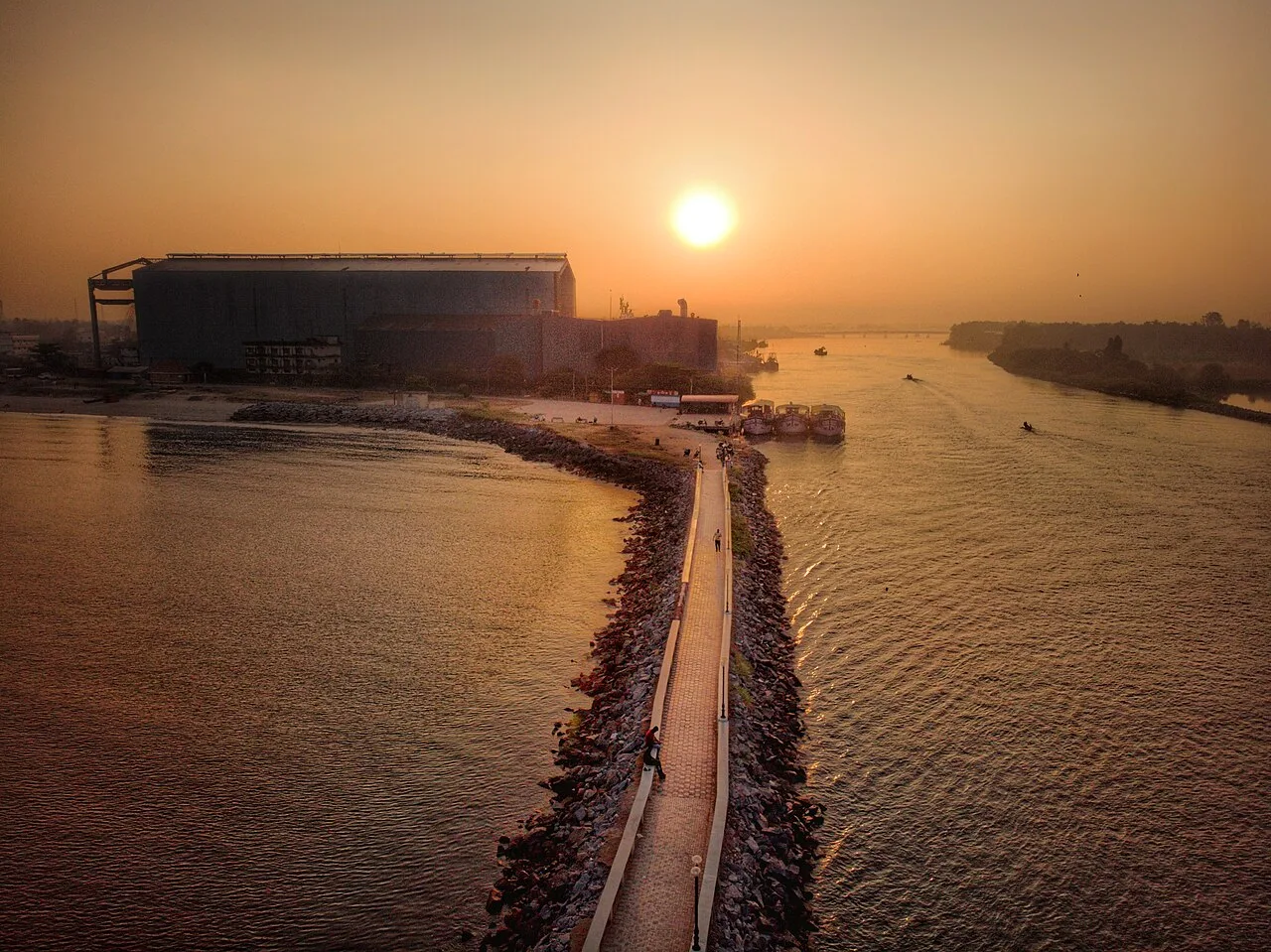
Early morning and late afternoon often provide softer light on the beach and harbour; sunsets can be attractive when skies are clear. Public viewpoints along the shore can frame fishing boats, the coastline and, from suitable angles, the offshore islands. Photography is generally suitable in public areas, but ask permission before taking close portraits or documenting people at work, worship or in private spaces. Avoid obstructing harbour operations. Drone use may be restricted by aviation rules, local authorities or site conditions; confirm current permissions before flying. Do not photograph restricted areas or disregard signs and instructions.
Choose a stay by the full journey to Malpe Beach, not just the district name. Bengaluru, Mysuru and Mangaluru offer the widest choice; Hampi has guesthouses on both banks of the Tungabhadra, Coorg has plantation homestays and resorts, and the forest lodges at Bandipur and Nagarhole book out early. In summer, check air-conditioning; in the monsoon, check that the property is accessible if roads flood. Book in advance for weekends, festivals and the peak season (October to February; June to September for monsoon greenery in the Western Ghats). Confirm the exact location, meals included, check-in time and cancellation terms in writing. Avoid sending money to unverified contacts or touts at stations. Carry some cash, as card and digital payments can be unreliable in remote areas.
Udupi Sri Krishna Matha is a prominent religious and cultural site in Udupi town, and the town’s markets and eateries can complement a beach visit. Vadabhandeshwara, near Malpe, is associated with local tradition about Balarama. St Mary’s Islands lie offshore and can be visited by boat when services are operating and conditions allow. Kaup (Kapu) Beach and its lighthouse are another coastal outing in Udupi district; check local access before travelling. Manipal, also in the district, offers a different town setting and places to eat. Check road conditions, boat availability and the time needed before combining several stops.
For couples, Malpe Beach rewards a slow pace: arrive early for soft light and fewer crowds, share a local meal and keep the evening free. A sunset over Hampi's boulders, a coffee-estate walk in Coorg or a quiet evening on a Gokarna beach makes the trip memorable. Public displays of affection can be frowned upon in conservative communities and at religious sites, so be discreet. Keep a buffer in your itinerary, because weather and road conditions can delay plans.
Q: How much time should I allow for Malpe Beach? A: A few hours suits a beach visit; allow longer if you plan a boat excursion or a stop in Udupi. Q: When is a good season to visit? A: October to February is generally pleasant on the coast. Monsoon conditions can bring rough seas and affect access. Q: Is there an entry ticket, and are there fixed hours? A: The beach is a public coastal area, but rules and access can vary. Check current arrangements locally, especially for island trips and activities. Q: Is Malpe suitable for children and elderly visitors? A: It can be enjoyable with care, but surf and currents are hazardous and soft sand can be tiring. Stay in safe areas and follow lifeguard advice. Q: Can I stay near Malpe? A: Accommodation is available in the wider Udupi area, with options varying by season. Check location and transport arrangements before booking.
Be the first to share photos, stories, advice or a helpful contact for Malpe Beach.
Loading…